
Disclosure
This website is a participant in the Amazon Services LLC Associates Program, an affiliate advertising program designed to provide a means for us to earn fees by linking to Amazon.com and affiliated sites.
No, fiberglass in mattresses is not inherently safe—and in many cases, it poses serious health risks. If you’ve ever worried about what’s inside your mattress, you’re not alone.
Many budget-friendly memory foam mattresses use fiberglass as a fire retardant, but this seemingly harmless material can become a nightmare if the cover is damaged. Tiny glass particles can escape, contaminating your home and causing skin irritation, respiratory issues, or even long-term lung damage.
While manufacturers argue that fiberglass is safe when contained, real-world incidents reveal a different story. Families have reported costly home decontaminations and health scares after accidental exposure. But here’s the good news: you don’t have to gamble with your safety.
Best Fiberglass-Free Mattresses for Safe Sleep
Awara Natural Hybrid Mattress
A budget-friendly natural hybrid combining Dunlop latex, individually wrapped coils, organic cotton, and wool. It offers firm, supportive comfort—especially helpful for spinal alignment—and stands out for eco-friendliness and breathable design.

- CERTIFIED NATURAL LATEX AND MADE FREE OF FIBERGLASS- Awara is made free of…
- NATURAL NEW ZEALAND WOOL & COTTON COVER – Awara’s cover features a breathable…
- INDIVIDUALLY WRAPPED STEEL SPRINGS – Awara has 8 inches of steel springs…
Pure Green Organic Latex Mattress – Medium Firm
Made with 100% organic latex topped with layers of cotton and wool, this medium-firm option delivers firm support ideal for back sleepers. It offers excellent spinal alignment and durable comfort while minimizing harmful chemicals. This model consistently ranks highly for natural materials and back support.
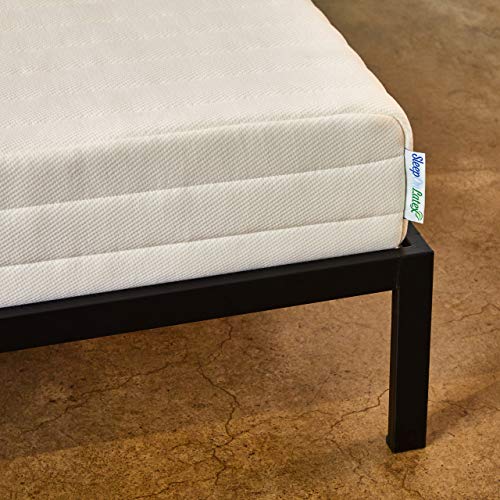
- Firm – Very Supportive and Strong with Just Enough Give to Help Alleviate…
- Filled with 8” Organic Latex Foam (GOLS Certified) – Quilted Cover Made of…
- Designed, Quilted, Sewn, Assembled and Packaged in our Chicago Factory
Naturepedic Chorus Organic Mattress
For those prioritizing 100% non-toxic materials, the Naturepedic Chorus Organic stands out. It features an organic cotton cover, latex or microcoil support, and a sugarcane-based PLA fire barrier. Customizable firmness levels and rigorous safety certifications make it a premium, health-focused investment for families and allergy sufferers.
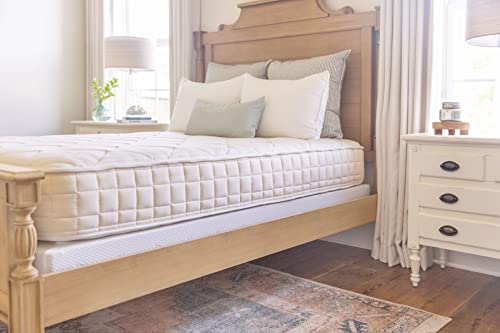
- Organic Mattress: Our 100% GOTS certified mattresses pass all government…
- Hybrid Mattress: The Serenade mattress features a hybrid design combining…
- Cushion Firm Comfort: The cushion-firm comfort level is recommended for most…
What Exactly Is Fiberglass in Mattresses and Why Is It Used?
Fiberglass is a synthetic material made from extremely fine glass fibers, often woven into a mesh or used as loose insulation. In mattresses, manufacturers primarily use it as a cost-effective fire barrier to meet flammability standards like the U.S. CPSC 16 CFR Part 1633. Instead of using more expensive natural flame retardants (like wool or silica), budget mattress brands layer fiberglass beneath the outer cover—posing hidden risks if the cover tears.
How Fiberglass Works as a Fire Retardant
When exposed to high heat, fiberglass doesn’t burn but instead melts and forms a charred barrier, slowing flame spread. This makes it appealing for manufacturers because:
- It’s inexpensive – Fiberglass costs pennies per mattress compared to organic alternatives.
- It’s lightweight – Unlike dense wool or latex, it doesn’t add significant weight.
- It meets legal standards – Passes mandatory flammability tests without expensive certifications.
The Hidden Danger: When Fiberglass Becomes a Hazard
While intact fiberglass poses minimal risk, problems arise when the mattress cover is damaged—whether from removing tags, accidental tears, or long-term wear. Once released, microscopic glass particles can:
- Contaminate your home – Fibers embed in carpets, HVAC systems, and laundry, requiring professional remediation (costing $5,000+ in some cases).
- Cause health issues – Skin irritation (contact dermatitis), respiratory distress (similar to asbestos exposure), and eye injuries reported by the CDC.
Real-world example: In 2022, a Texas family sued Zinus after their $300 mattress leaked fiberglass, forcing them to abandon their home temporarily. The fibers had spread via their washing machine, contaminating clothing and furniture.
Why Manufacturers Still Use Fiberglass Despite Risks
Many brands defend its use by stating fiberglass is safe if the cover remains intact. However, critics argue this ignores real-life scenarios:
- Mattress tags often instruct users not to remove the cover, but consumers frequently ignore or miss these warnings.
- Cheaper mattresses use thinner outer fabrics prone to tearing over time.
- No federal law requires explicit labeling of fiberglass content—only vague terms like “glass fiber” or “silica.”
For true safety, experts recommend opting for mattresses with natural fire barriers like wool, kevlar, or plant-based PLA—even if they cost more upfront.
How to Identify and Safely Handle a Fiberglass-Containing Mattress
Determining whether your mattress contains fiberglass requires careful investigation, as manufacturers often obscure this information. Here’s a comprehensive guide to identifying and managing potential fiberglass risks in your sleep environment.
Step-by-Step Identification Process
1. Check the Law Tag: Examine the legally required tag (usually sewn into the mattress seam) for terms like “glass fiber,” “glass wool,” or “silica.” Some brands use vague phrasing like “fire barrier” – these often indicate fiberglass.
2. Research the Model: Search your mattress brand + model number + “fiberglass” online. Consumer complaints on sites like Reddit or the CPSC database often reveal undisclosed fiberglass use in budget brands like Zinus or Linenspa.
3. Inspect the Cover: If the tag states “Do Not Remove Cover” in warnings, this strongly suggests fiberglass content. Premium mattresses with natural fire barriers (like avocado or Brentwood) explicitly advertise “fiberglass-free” construction.
Safe Handling Protocols
If you discover fiberglass in your mattress, follow these professional containment measures:
- Never remove the cover – Even small tears can release thousands of microscopic fibers into your home’s air circulation system.
- Use a mattress protector – Add a certified allergen-proof encasement (like Protect-A-Bed’s 100% Cotton Cover) as secondary containment.
- Clean carefully – If exposure occurs, use HEPA vacuums and microfiber cloths with water (dry dusting spreads fibers).
When to Consider Replacement
Immediate replacement is advised if:
- The cover shows any rips or worn areas (common near mattress edges after 2-3 years)
- You experience unexplained skin irritation or respiratory issues
- Visible fiberglass strands are present on bedding (appearing as shiny, hair-like particles)
Professional tip: When disposing of a fiberglass mattress, seal it completely in plastic and mark “Contains Fiberglass” to protect sanitation workers. Some municipalities require special handling procedures.
Alternative Solutions for Existing Mattresses
For those unable to immediately replace their mattress:
- Apply fiberglass-specific sealants (like Fiberlock IAQ 6500) to minor cover damage
- Install standalone air purifiers with HEPA filters near the bed
- Switch to tightly woven, natural fiber bedding that traps particles
Remember that while these measures reduce risk, they don’t eliminate it. The only guaranteed solution is transitioning to a certified fiberglass-free mattress.
The Science Behind Fiberglass Health Risks and Long-Term Effects
Understanding the physiological impacts of fiberglass exposure requires examining its behavior at microscopic levels and how the human body responds. Unlike common allergens, fiberglass presents unique challenges due to its physical structure and chemical composition.
Mechanisms of Biological Interaction
Fiberglass particles (typically 3-5 microns in diameter) interact with the body through three primary pathways:
| Exposure Route | Biological Response | Potential Consequences |
|---|---|---|
| Dermal Contact | Fibers embed in stratum corneum, triggering mechanical irritation | Contact dermatitis, folliculitis, granulomatous lesions |
| Inhalation | Alveolar macrophages attempt phagocytosis of fibers | Chronic inflammation, possible fibrosis (similar to asbestosis) |
| Ocular Exposure | Corneal abrasion from fiber edges | Recurrent conjunctivitis, corneal ulcers |
Long-Term Health Considerations
While OSHA classifies fiberglass as a nuisance dust, emerging research suggests potential chronic effects:
- Respiratory impact: A 2021 study in Environmental Health Perspectives found prolonged exposure to fiberglass dust may reduce lung function by 3-5% annually in sensitive individuals.
- Cancer risk: The IARC classifies certain fiberglass formulations as Group 2B (possibly carcinogenic), particularly resins used in some mattress composites.
- Immune response: Case studies show some individuals develop hypersensitivity reactions after repeated exposure, similar to chemical sensitivity disorders.
Vulnerable Populations
Certain groups face elevated risks from fiberglass exposure:
- Children: Higher respiratory rates and developing immune systems increase absorption potential
- Asthmatics: Fiberglass can trigger severe bronchospasms even at low concentrations
- Elderly: Reduced mucociliary clearance allows longer fiber retention in lungs
Expert Risk Assessment Protocol
Industrial hygienists recommend this evaluation approach for suspected exposure:
- Conduct air sampling with PCM (Phase Contrast Microscopy) analysis
- Assess fiber concentration against OSHA’s PEL (Permissible Exposure Limit) of 1 fiber/cc over 8 hours
- Evaluate duration and frequency of exposure events
- Consider individual susceptibility factors
Critical mistake to avoid: Don’t assume “low-level” exposure is safe. The dose-response relationship varies significantly between individuals based on genetic factors and pre-existing conditions.
Mitigation Strategies
For those with confirmed exposure, these medical monitoring steps are recommended:
- Baseline pulmonary function tests
- High-resolution CT scans for persistent respiratory symptoms
- Patch testing for dermal sensitivity
- Regular follow-ups for at least 2 years post-exposure
These scientific insights underscore why preventative measures – particularly choosing fiberglass-free sleep products – represent the most effective health protection strategy.
Professional Remediation: How to Handle Fiberglass Contamination in Your Home
When fiberglass escapes from a mattress, it creates an environmental hazard requiring systematic decontamination. Unlike ordinary dust, fiberglass particles require specialized cleaning protocols due to their microscopic size and persistent nature.
Step-by-Step Decontamination Process
1. Containment Protocol: Immediately isolate the affected area by:
- Sealing HVAC vents with plastic sheeting to prevent system-wide contamination
- Creating negative air pressure using box fans with MERV 13 filters
- Establishing a decontamination zone with disposable floor coverings
2. Personal Protection Equipment (PPE): Proper gear is essential for safe cleanup:
- NIOSH-approved N95 respirator (not standard dust masks)
- Disposable coveralls with hood and booties (Tyvek 400 recommended)
- Chemical-resistant gloves and safety goggles with side shields
Advanced Cleaning Techniques
Professional restoration companies use these specialized methods:
- Dry cleaning first: HEPA vacuuming (not standard vacuums) at 0.3 micron filtration
- Wet cleaning: Microfiber cloths with surfactant solutions (like Fiberlock Foster 40-26) to trap fibers
- Air scrubbing: Commercial-grade HEPA air scrubbers running continuously for 48+ hours
| Surface Type | Cleaning Method | Special Considerations |
|---|---|---|
| Carpet | Hot water extraction with fiberglass-specific solution | May require professional steam cleaning at 230°F+ |
| Hard Surfaces | Two-stage wipe down with tack cloths | Follow with alcohol-based cleaners to remove residue |
| Clothing/Bedding | Separate wash cycle with vinegar rinse | Run empty wash cycle afterward to clean machine |
When to Call Professionals
DIY cleaning may suffice for minor contamination, but these situations require certified remediation specialists:
- Visible fiberglass in HVAC systems (requires duct cleaning with rotary brushes)
- Whole-house contamination (average professional remediation costs $3,000-$8,000)
- Family members experiencing persistent respiratory symptoms
Post-Remediation Verification
Confirm successful decontamination through:
- Microscopic air sampling (compare to OSHA background levels)
- Surface tape lift analysis by industrial hygiene lab
- Follow-up visual inspection with UV flashlight (fiberglass reflects differently)
Critical mistake: Never use compressed air or leaf blowers during cleanup – this aerosolizes fibers throughout your home. Always work from top to bottom when cleaning surfaces.
These comprehensive procedures demonstrate why prevention (through careful mattress selection) proves far more effective than remediation after contamination occurs.
The Economics of Fiberglass vs. Natural Fire Barriers in Mattresses
Understanding the financial and environmental trade-offs between fiberglass and alternative fire retardants helps consumers make informed decisions about mattress investments. This analysis examines both immediate costs and long-term value considerations.
Cost Breakdown by Material Type
| Fire Barrier Material | Added Cost per Mattress | Expected Lifespan | Potential Hidden Costs |
|---|---|---|---|
| Fiberglass | $5-$15 | 5-7 years | $3,000-$8,000 remediation if compromised |
| Certified Organic Wool | $150-$300 | 10-15 years | None (naturally biodegradable) |
| Plant-based PLA | $80-$200 | 8-12 years | None (compostable at end-of-life) |
| Kevlar Blend | $200-$400 | 12-15 years | Special disposal requirements |
Long-Term Value Considerations
While fiberglass mattresses appear cheaper initially, their true cost often becomes apparent later:
- Health costs: Medical monitoring for exposure can exceed $2,000 annually for sensitive individuals
- Disposal fees: Many landfills charge $50-$150 extra for fiberglass mattress disposal
- Property impact: Contamination events can decrease home values by 3-5% until professionally remediated
Environmental Impact Analysis
The ecological footprint varies significantly between options:
- Fiberglass production: Energy-intensive process (1500°C melting point) with high CO2 emissions
- Wool production: Renewable but requires significant land/water resources for sheep grazing
- PLA alternatives: Made from fermented plant starch (typically corn) but may compete with food crops
Emerging Industry Trends
Manufacturers are developing next-generation solutions:
- Bio-based silica: Derived from rice husks with similar fire resistance to fiberglass
- Nanoclay coatings: Ultra-thin, non-toxic mineral layers that meet flammability standards
- Phase-change materials: Some prototypes combine fire resistance with temperature regulation
Consumer Decision Framework
When evaluating options, consider:
- Calculate total cost of ownership (purchase price + potential risks)
- Assess household vulnerability (asthmatics, children, elderly)
- Evaluate manufacturer transparency about materials
- Consider end-of-life disposal options in your area
Professional insight: The mattress industry’s shift toward natural fire barriers follows the “Precautionary Principle” – avoiding potential harm despite incomplete scientific certainty about fiberglass risks. This mirrors earlier transitions away from PBDE flame retardants.
This comprehensive analysis demonstrates that while fiberglass-containing mattresses save money upfront, their long-term economic and environmental costs often outweigh these initial savings, particularly for health-conscious consumers and families.
Regulatory Landscape and Consumer Protection Considerations
The mattress industry’s use of fiberglass exists within a complex web of regulations and safety standards that consumers should understand when making purchasing decisions. This section examines the legal framework and its implications for mattress safety.
Current Regulatory Framework
Three key regulations govern fire retardants in mattresses:
- 16 CFR Part 1633 (U.S.): Mandates flame resistance but doesn’t specify materials, creating the fiberglass loophole
- California TB 117-2013: Requires flame resistance without toxic chemicals, effectively banning fiberglass in CA-made mattresses
- EU EN 597: European standards prohibit fiberglass in sleep products entirely
Labeling Requirements and Loopholes
While manufacturers must disclose mattress components, several issues compromise transparency:
- Component vs. material: Labels may list “fire barrier” without specifying fiberglass content
- Trade secret protections: Some manufacturers claim proprietary formulas to avoid full disclosure
- Jurisdictional variations: Online purchases may circumvent stricter state regulations
Consumer Protection Strategies
Smart shoppers can navigate these challenges through:
- Pre-purchase verification: Request Material Safety Data Sheets (MSDS) before buying
- Third-party certifications: Look for GREENGUARD Gold or OEKO-TEX Standard 100 certification
- Documentation: Save all marketing claims about fiberglass-free status
Emerging Legal Trends
Recent developments indicate shifting standards:
- Class action lawsuits against major brands for inadequate fiberglass warnings
- Proposed federal legislation (Mattress Safety Act of 2023) requiring clear labeling
- State-level bans modeled on California’s approach gaining traction
Professional Recommendations
Consumer safety experts advise:
- Assume budget mattresses ($<500) contain fiberglass unless proven otherwise
- Verify claims through independent testing organizations like Consumer Reports
- Consider purchasing from states with stricter regulations (CA, MA, NY)
This regulatory analysis reveals why educated consumers must go beyond basic compliance claims and actively verify mattress composition through multiple channels before purchase.
Future-Proofing Your Sleep Environment: Long-Term Safety Strategies
Creating a truly safe sleep space requires more than just selecting a fiberglass-free mattress today—it demands an ongoing strategy that anticipates future developments in materials science, regulations, and health research.
Comprehensive Safety Assessment Framework
Evaluate your sleep system through these critical lenses:
| Assessment Area | Current Best Practice | Emerging Standards |
|---|---|---|
| Material Composition | Certified organic/natural materials | Blockchain-based material tracing |
| Fire Safety | Wool or silica barriers | Self-extinguishing smart fabrics |
| Off-Gassing | Certified low-VOC foams | Photosynthetic coatings that absorb VOCs |
Advanced Monitoring Techniques
Proactive households should implement:
- Air quality sensors: Laser particle counters specifically calibrated for fiberglass detection (0.5-10 micron range)
- Material testing kits: DIY fiberglass test strips that change color when exposed to glass fibers
- Digital documentation: Cloud-based tracking of mattress certifications and warranty information
Lifecycle Management Protocol
Develop a comprehensive mattress maintenance plan:
- Quarterly inspections: Check for cover integrity using UV light and magnification
- Annual professional assessment: Have an industrial hygienist evaluate your sleep environment
- Five-year replacement planning: Budget for premium replacements before degradation begins
System Integration Considerations
Your mattress interacts with other home systems:
- HVAC compatibility: Ensure your ventilation system can handle natural material off-gassing
- Bed frame synergy: Use breathable foundations that don’t trap heat or moisture
- Cleaning system alignment: Upgrade to whole-house HEPA filtration if using natural fiber bedding
Continuous Education Strategy
Stay informed through:
- Subscriptions to CPSC mattress recall alerts
- Annual reviews of OEKO-TEX Standard updates
- Participation in healthy home monitoring programs
This forward-looking approach ensures your sleep environment remains safe not just today, but adapts to tomorrow’s evolving understanding of material safety and sleep health.
Conclusion: Making an Informed Decision About Mattress Safety
Throughout this comprehensive guide, we’ve examined the critical aspects of fiberglass in mattresses—from its use as a fire retardant and associated health risks, to identification methods, remediation protocols, and safer alternatives.
The evidence clearly shows that while fiberglass-containing mattresses may seem economical initially, they pose significant long-term risks that far outweigh any short-term savings. With increasing regulatory scrutiny and consumer awareness, the mattress industry is gradually shifting toward safer, natural fire barriers.
Your safest path forward: Invest in certified fiberglass-free mattresses from reputable manufacturers, implement regular safety checks of your sleep environment, and stay informed about evolving safety standards. Remember that quality sleep begins with a safe sleeping surface—your health deserves nothing less.
Frequently Asked Questions About Fiberglass in Mattresses
How can I tell if my mattress contains fiberglass?
Check the law tag (usually sewn into the mattress seam) for terms like “glass fiber,” “glass wool,” or “silica.” Look for warnings like “Do Not Remove Cover.” Research your mattress model online with “fiberglass” added to the search. Budget mattresses under $500 are most likely to contain fiberglass. If you see shiny, hair-like particles on your bedding, this may indicate fiberglass leakage.
What should I do if I suspect fiberglass exposure from my mattress?
Immediately stop using the mattress and seal it in plastic. Wear an N95 mask and gloves when handling. Use a HEPA vacuum to clean surfaces, followed by damp microfiber cloths. Wash contaminated clothing separately with vinegar. Consider professional air quality testing if symptoms persist. Document everything for potential warranty claims or legal action.
Are there any safe ways to use a mattress that contains fiberglass?
If you must keep a fiberglass mattress, never remove the cover and add a certified allergen-proof encasement (like those from Protect-A-Bed). Regularly inspect for cover damage. Place the mattress on a solid platform bed (not slats) to prevent sagging. Never use mattress toppers with sharp fasteners that could puncture the cover.
How do fiberglass-free mattresses meet fire safety standards without fiberglass?
Premium mattresses use natural fire barriers like wool (which chars instead of burning), silica-infused fabrics, or plant-based PLA. Some combine these with fire-resistant steel coils or graphite-infused foams. These alternatives often exceed safety standards while being non-toxic. Certifications like GOTS organic wool ensure the materials are pesticide-free.
What are the most reliable certifications for fiberglass-free mattresses?
Look for GREENGUARD Gold (low chemical emissions), OEKO-TEX Standard 100 (no harmful substances), GOLS (organic latex), and GOTS (organic textiles). The “Made Safe” certification specifically prohibits fiberglass. Beware of vague “eco-friendly” claims without third-party verification. Always check the actual certification documents.
Can I get compensation if my fiberglass mattress caused property damage?
Many consumers have successfully filed claims through small claims court or class action lawsuits. Document all damages with photos/videos, keep receipts for cleaning/medical expenses, and save all mattress tags. Some manufacturers offer settlements when presented with clear evidence. Consult a consumer protection attorney for cases exceeding $10,000 in damages.
How should I dispose of a fiberglass-containing mattress safely?
Seal the mattress completely in 6-mil plastic sheeting and label “Contains Fiberglass.” Many waste services require special handling – call ahead. Some areas have mattress recycling programs that can safely handle fiberglass. Never attempt to cut or dismantle the mattress yourself due to airborne fiber risks.
Are there any health conditions that make fiberglass exposure more dangerous?
Yes, individuals with asthma, COPD, or other respiratory conditions risk severe exacerbations. Eczema and other skin conditions increase susceptibility to irritation. Autoimmune disorders may heighten inflammatory responses. Children are especially vulnerable due to developing respiratory systems and higher breathing rates per body weight.