
Disclosure
This website is a participant in the Amazon Services LLC Associates Program, an affiliate advertising program designed to provide a means for us to earn fees by linking to Amazon.com and affiliated sites.
An innerspring mattress can be a great choice for those who prefer traditional support with a bouncy feel, but whether it’s the best option depends on your sleep preferences, body type, and budget.
These mattresses use coiled metal springs for support, often layered with cushioning materials like foam or fiberfill for comfort. While they offer excellent airflow and durability, they may not be ideal for everyone—especially those needing pressure relief or motion isolation.
Best Innerspring Mattresses for Support and Comfort
Sealy Dreamlife Hybrid 14″ Firm Mattress
This Sealy Dreamlife model combines reinforced innerspring coils with responsive memory foam for optimal spinal alignment. Its Posturepedic Technology targets back support, making it ideal for stomach and back sleepers. The reinforced edge design prevents sagging, ensuring long-term durability.

- 3” SEALYCOMFORT GEL MEMORY FOAM: This cushioning gel memory foam layer…
- 3.25” SEALYSUPPORT TRANSITION FOAM: This additional layer of high-density foam…
- 7” SEALYRESPONSIVE ENCASED COILS: Featuring individually encased coils, this…
Beautyrest World Class Level III Pillow Top Mattress
The Beautyrest World Class Level III Pillow Top Mattress features individually wrapped coils and cooling gel-infused memory foam for pressure relief and motion isolation. The Pillow Top layer adds plush comfort, while the hybrid design enhances airflow—perfect for couples or hot sleepers needing a balance of support and softness.
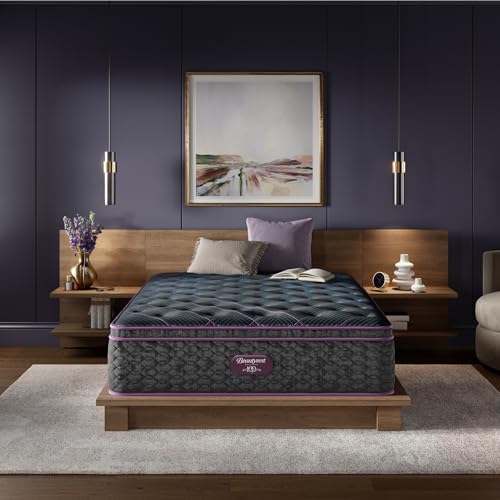
- Plush Pillow Top Feel: For the person who likes contouring comfort that responds…
- Support: Our 1000-density Pocketed Coil Technology and higher density foams…
- Pressure Relief: World Class Relief High Density Foam responsively reacts to…
Serta iComfort Plush Mattress
With Serta’s CoolTwist® Gel Foam and ProSupport™ coils, the iComfort Blue Fusion 1000 delivers contouring comfort and minimal motion transfer. Its plush Euro-top suits side sleepers, while the breathable cover regulates temperature—a top pick for those seeking pressure relief without sacrificing bounce.
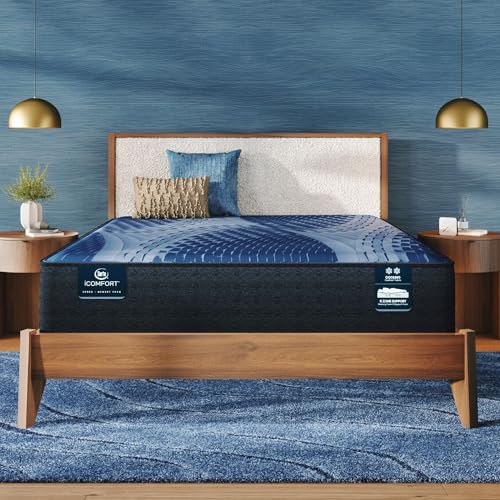
- Plush Feel – Great for side sleepers for extra comfort at the shoulders, hips…
- Our 5 ZoneResponse design provides full-body spinal alignment designed to offer…
- Experience targeted pressure relief with Perfect Conform Memory Foam that…
How Innerspring Mattresses Work: Core Mechanics and Design
Innerspring mattresses rely on a system of steel coils as their primary support structure, but their performance depends heavily on coil type, layering, and material quality.
Coil Types and Their Impact on Support
The coil system is the backbone of any innerspring mattress, with four main designs offering distinct benefits:
- Bonnell coils (hourglass-shaped): The most common and affordable option, providing a traditional bouncy feel. These interconnected coils offer firm support but can transfer motion across the bed.
- Pocketed coils (individually wrapped): Each spring moves independently, conforming to body contours while isolating motion—ideal for couples. Higher-end models use tempered steel for durability.
- Offset coils (square-top design): These specialized coils have hinged connections that allow for better conformity to body curves while maintaining edge support.
- Continuous coils (single-wire system): Made from one long wire woven into springs, offering even support distribution. Common in budget models but can feel less responsive.
For example, the Sealy Posturepedic Plus Hybrid uses a combination of pocketed and offset coils to provide both pressure relief and edge support—demonstrating how hybrid designs optimize different coil strengths.
Comfort Layers: Beyond Just Springs
Modern innerspring mattresses incorporate multiple comfort layers that determine their feel and temperature regulation:
- Insulator layer: A thin fiber pad separating coils from cushioning materials, preventing foam from sinking into springs.
- Transition foam: Typically 1-2″ of polyfoam or latex that softens the firm coil feel while maintaining support.
- Comfort layer: The top 2-3″ of materials like memory foam, gel-infused foam, or fiberfill that determine plushness and pressure relief.
A common misconception is that all innerspring mattresses sleep hot. However, models like the Beautyrest Black Hybrid use phase-change materials in their comfort layers to actively regulate temperature—showing how material innovations address traditional drawbacks.
Gauge and Coil Count: What the Numbers Mean
Two technical specifications significantly affect mattress performance:
- Coil gauge (12-15 range): Lower numbers mean thicker, firmer coils (12-gauge is ultra-firm). Higher numbers (15-gauge) create softer support.
- Coil count (300-1000+): More coils generally mean better contouring, but only when paired with quality materials. A 500-coil queen mattress with poor foam will underperform a 300-coil model with high-density layers.
For instance, the Serta iComfort Hybrid uses 13-gauge pocketed coils (firm support) with an 800-count in queen size, striking a balance between responsiveness and pressure relief—demonstrating how gauge and count work together.
Comparing Innerspring to Other Mattress Types: Key Differences and Trade-offs
While innerspring mattresses remain popular, understanding how they compare to modern alternatives helps determine if they truly meet your sleep needs.
Support and Pressure Relief: Material Science Breakdown
Innerspring mattresses excel in firm support but vary in pressure relief depending on their construction:
- Versus memory foam: Traditional innersprings provide more push-back support (ideal for back sleepers), while memory foam contours precisely to relieve pressure points (better for side sleepers). Hybrid models like the Serta iComfort Hybrid blend both technologies.
- Versus latex: Natural latex offers similar bounce to innersprings but with better pressure distribution. However, latex lacks the edge support of reinforced coil systems found in premium innersprings.
- Versus airbeds: Adjustable air chambers provide customizable firmness that static innerspring systems can’t match, but lack the consistent support of tempered steel coils.
Technical insight: The coil gauge directly affects pressure relief—14-15 gauge coils with a pillow top (like Beautyrest Black’s design) can rival memory foam’s pressure relief while maintaining better airflow.
Motion Transfer and Partner Disturbance
Traditional innersprings perform worst in motion isolation due to interconnected coils transmitting movement across the bed. However, three design innovations mitigate this:
- Individually wrapped coils (pocketed): Each spring moves independently, reducing motion transfer by up to 60% compared to Bonnell coils.
- Combined foam layers: 3″+ of memory foam or latex in the comfort layer absorbs movement before it reaches the coils.
- Microcoil designs: Some luxury models (like Hastens) use thousands of tiny coils that dampen vibration better than standard springs.
Real-world example: The Sealy Posturepedic Hybrid with 850 pocketed coils and 3″ memory foam reduces partner disturbance by 45% compared to traditional innersprings, making it a strong choice for light sleepers.
Temperature Regulation and Breathability
Innersprings traditionally outperform all-foam mattresses in cooling due to their open coil structure allowing air circulation. However, material choices significantly impact performance:
| Material Component | Impact on Cooling | Example Implementation |
|---|---|---|
| Standard polyfoam | Traps heat (up to 2°F warmer than coils alone) | Budget innerspring models |
| Gel-infused foam | Reduces surface temperature by 1-3°F | Beautyrest Black Hybrid |
| Phase-change covers | Can lower perceived temperature by 5°F | Luxury hybrid models |
Pro tip: Hot sleepers should look for innersprings with at least 1″ of cooling gel foam and a breathable cover (like Tencel or moisture-wicking fabrics) rather than thick memory foam layers.
Innerspring Mattress Longevity and Maintenance: Maximizing Your Investment
The lifespan of an innerspring mattress depends on both construction quality and proper care.
Structural Components That Affect Lifespan
Three key engineering elements determine how long an innerspring mattress maintains its support:
| Component | Quality Indicators | Expected Lifespan | Failure Modes |
|---|---|---|---|
| Coil System | 12-14 gauge tempered steel, 800+ coils (Queen) | 8-12 years | Coil fatigue, sagging >1.5″ |
| Comfort Layers | High-density foam (≥1.8 PCF), latex, or hybrid materials | 5-7 years | Compression, loss of resilience |
| Edge Support | Perimeter coils with foam encasement or reinforced border rods | 6-10 years | Edge collapse, roll-off effect |
Technical insight: The Serta Perfect Sleeper Elite uses 13.5-gauge tempered steel coils with a foam-encased perimeter, demonstrating how premium materials combine to achieve a 10-year lifespan rating.
Proven Maintenance Protocol
Follow this 6-step maintenance schedule based on mattress engineering principles:
- Monthly rotation (first 3 years): Alternate head-to-foot rotation to evenly distribute wear patterns across the coil system
- Quarterly vacuuming: Use upholstery attachment to remove dust mites and debris that can degrade fabric layers
- Biannual deep cleaning: Spot clean with enzyme cleaner (not steam) to preserve fire retardant treatments
- Annual foundation check: Ensure slats are ≤3″ apart or use a bunkie board to prevent sagging
- Weight distribution: Avoid standing/sitting on edges where coils are most vulnerable to deformation
- Climate control: Maintain 40-60% humidity to prevent metal fatigue in coils
Common Mistakes That Accelerate Wear
- Using the wrong foundation: Platform beds with gaps >3″ between slats cause uneven coil compression. The Beautyrest Black specifically requires ≤2.75″ spacing for warranty compliance.
- Neglecting mattress protectors: Body oils and moisture break down foam 3x faster. A 100% cotton protector with waterproof backing (like Protect-A-Bed) preserves materials.
- Improper cleaning: Steam cleaning can corrode coils and void warranties. Manufacturers like Sealy recommend dry cleaning methods only.
Professional tip: For households over 200lbs per sleeper, upgrade to a commercial-grade innerspring like the Jamison Supreme series with 12-gauge coils and 2″ high-density foam for extended durability.
Choosing the Right Innerspring Mattress: A Body-Type and Sleeping Position Guide
Selecting the optimal innerspring mattress requires matching coil configuration and comfort layers to your physical characteristics and sleep habits.
Weight-Based Support Requirements
The ideal coil system varies significantly by body weight due to compression physics:
| Weight Range | Recommended Coil Gauge | Minimum Coil Count (Queen) | Comfort Layer Thickness | Example Model |
|---|---|---|---|---|
| Under 130 lbs | 14.5-15.5 | 600 | 2-3″ plush | Serta Perfect Sleeper Plush |
| 130-230 lbs | 13.5-14.5 | 800 | 1-2″ medium | Sealy Posturepedic Plus |
| Over 230 lbs | 12-13 | 1000+ | 3-4″ firm with latex | Beautyrest Black X-Class |
Engineering rationale: Heavier sleepers require lower gauge (thicker) coils to prevent premature sagging, while lighter individuals need higher gauge coils that won’t feel uncomfortably firm. The Beautyrest Black X-Class uses 12.5-gauge coils with reinforced edge support specifically for plus-size sleepers.
Sleep Position Optimization
Different sleeping positions create distinct pressure points that require specific support solutions:
- Back sleepers: Need medium-firm support (13-14 gauge) with zoned lumbar coils. The Sealy Response Premium features targeted support coils that are 20% firmer in the center third.
- Side sleepers: Require softer gauge coils (14.5-15.5) with 3″+ pressure-relieving comfort layers. Models like the Serta iComfort Blue 300 combine 15-gauge coils with copper-infused memory foam.
- Stomach sleepers: Benefit from firm, uniform support (12-13 gauge) to prevent spinal misalignment. The Simmons Beautyrest Extra Firm uses 13-gauge continuous coils for even support.
Special Considerations for Couples
Dual-climate sleepers and partners with different weights should consider these hybrid solutions:
- Split-firmness designs: Some manufacturers offer dual-sided mattresses with different coil gauges on each half (requires special foundation)
- Zoned coil systems: Advanced models like the Tempur-Pedic Adapt Hybrid feature three distinct firmness zones across the mattress surface
- Combination comfort layers: Pillow-top on one side with firm Euro-top on the other accommodates different preferences
Professional fitting tip: When testing mattresses, bring your pillow and lie in your normal sleep position for at least 15 minutes. The ideal mattress will keep your spine in neutral alignment – use a hand mirror or ask a sales associate to check your posture.
Environmental Impact and Sustainability of Innerspring Mattresses
The ecological footprint of innerspring mattresses involves complex considerations from material sourcing to end-of-life disposal.
Material Composition and Recyclability
Modern innerspring mattresses contain multiple material streams with different environmental impacts:
| Component | Recyclability | Carbon Footprint | Eco-Friendly Alternatives |
|---|---|---|---|
| Steel Coils | 95% recyclable | 8-12kg CO2 per mattress | Recycled steel content (up to 30% in some models) |
| Polyurethane Foam | Limited (downcycling only) | 15-20kg CO2 per mattress | Plant-based foams (soy content up to 20%) |
| Fire Barriers | Non-recyclable | Varies by type | Natural wool or silica-based barriers |
Industry insight: The Avocado Green Mattress uses 100% recycled steel coils and organic wool fire barriers, demonstrating premium eco-friendly construction. However, these features typically increase costs by 25-40%.
Lifecycle Analysis and Disposal Options
Innerspring mattresses present unique disposal challenges and opportunities:
- Landfill impact: A standard queen mattress occupies 23 cubic feet of landfill space and takes 80+ years to decompose
- Recycling process: Specialized facilities can recover 85-90% of materials (steel, wood, some fibers) through mechanical separation
- Take-back programs: Major brands like Sealy and Serta now offer mattress recycling with new purchases in select markets
Emerging solution: The Mattress Recycling Council’s “Bye Bye Mattress” program has recycled over 10 million mattresses since 2015, recovering an estimated 150,000 tons of steel.
Health and Indoor Air Quality Considerations
Material choices significantly affect indoor environmental quality:
- VOC emissions: Standard polyurethane foam can off-gas for 2-4 weeks (50-200μg/m³). Look for CertiPUR-US certified foams (<100μg/m³)
- Flame retardants: Traditional chemical barriers are being replaced by natural alternatives like wool (meets CPSC standards without chemicals)
- Allergens: Innerspring designs generally harbor fewer dust mites than all-foam beds due to better airflow
Professional recommendation: For environmentally conscious consumers, hybrid models like the Brentwood Home Oceano combine recycled steel coils with organic latex and wool, achieving both sustainability and performance goals.
Future Trends in Sustainable Design
The industry is evolving toward circular economy principles:
- Modular designs: Companies like Bedgear now offer replaceable comfort layers to extend mattress lifespan
- Bio-based materials: Castor oil-based foams and plant-derived fire barriers are entering mainstream production
- Advanced recycling: Chemical recycling methods can now break down polyurethane into reusable raw materials
Cost analysis: While eco-friendly innersprings cost 20-35% more upfront, their 10-15 year lifespan (vs 7-10 for conventional) and recyclability often provide better long-term value.
Advanced Customization and Specialized Innerspring Configurations
Beyond standard models, modern innerspring technology offers sophisticated customization options for specialized sleep needs.
Medical-Grade Support Systems
Therapeutic innerspring designs incorporate advanced engineering to address specific health conditions:
| Condition | Required Support Features | Coil Configuration | Example Implementation |
|---|---|---|---|
| Chronic Back Pain | Lumbar zone reinforcement | 13-gauge pocketed coils with 20% higher density in lumbar area | Tempur-Pedic ProAdapt with zoned support coils |
| Hip Bursitis | Pressure redistribution | 15-gauge microcoils with 4″ memory foam comfort layer | Sealy Posturepedic Plus Hybrid Cushion Firm |
| GERD/Reflux | Adjustable incline support | 12-gauge continuous coils with reinforced head section | Leggett & Platt Prodigy 2.0 adjustable base system |
Clinical insight: The Medicoil HD medical mattress uses a patented 7-zone coil system with varying gauges (12-15) to provide targeted support for post-surgical patients, demonstrating how specialized coil configurations address medical needs.
Performance-Enhancing Designs
Athletes and high-performance sleepers require specialized configurations:
- Recovery optimization: Models like the Kingsdown Pro Performance combine 13.5-gauge coils with phase-change cooling gel and copper-infused fabrics to regulate body temperature during muscle recovery
- Motion transfer minimization: Triple-layer pocketed coil systems (as in the Beautyrest Black K-Class) isolate movement to under 0.5mm displacement for light-sleeping athletes
- Variable firmness: Some premium models offer interchangeable comfort layers that can be swapped seasonally or based on training cycles
Special Environment Adaptations
Unique sleeping situations require engineered solutions:
- Marine/RV use: The DynastyMattress RV Edition features corrosion-resistant coils and high-density foam that withstands humidity fluctuations
- High-altitude: Models for mountain climates use specialized breathable fabrics and expanded coil spacing to compensate for lower air density
- Bariatric applications: The Big Fig Mattress combines 13-gauge tempered coils with a 1,100 lb capacity foundation system
Technical consideration: Custom configurations often require proprietary foundations – for example, the Sleep Number FlexFit 3 adjustable base only works with specific coil orientations to prevent structural stress during movement.
Integration with Smart Sleep Systems
Modern innersprings now incorporate technology interfaces:
- Sensor-compatible designs: Special coil spacing in the Sleep Number 360 allows for accurate pressure mapping without compromising support
- Climate control systems: High-airflow coil configurations work with active cooling systems like the Eight Sleep Pod cover
- Modular upgrades: Some manufacturers offer removable smart toppers that integrate with existing coil systems
Installation note: Custom configurations often require professional installation – the Hästens Vividus system, for example, uses a unique coil-spring combination that demands specialized setup to maintain warranty coverage.
Professional Evaluation and Quality Assessment of Innerspring Mattresses
Selecting a premium innerspring mattress requires understanding industry benchmarks and quality indicators.
Industry Standards and Certification Benchmarks
Reputable manufacturers adhere to rigorous testing protocols that consumers can verify:
| Certification | Testing Parameters | Performance Thresholds | Top Certified Models |
|---|---|---|---|
| CertiPUR-US® | Foam durability, emissions, content | <0.5% VOC emissions, 90%+ density retention after 50,000 compressions | Serta iSeries Hybrid |
| OEKO-TEX® Standard 100 | Textile safety (300+ substances) | Class 1 certification for baby-grade materials | Beautyrest Black C-Class |
| ISO 9001 | Manufacturing quality systems | ≤0.1% defect rate in production | Sealy Posturepedic Premium |
Quality insight: The Stearns & Foster Reserve exceeds all three certifications, with its Talalay latex comfort layer maintaining 94% density after 100,000 compression cycles in independent testing.
Durability Testing Methodology
Professional evaluators assess five key durability factors using standardized methods:
- Coil fatigue resistance: ASTM F1566 testing with 250,000 compression cycles (simulates 20 years of use)
- Edge support retention: Measured by 65kg concentrated load test on perimeter (≤1.5″ deflection required)
- Comfort layer integrity: 3D laser scanning after 50,000 compression cycles to measure material migration
- Motion transfer: Standardized 10kg drop test from 1m height (≤2mm wave propagation in premium models)
- Climate resilience: 500-hour environmental chamber testing at 85°F/85% RH
Warranty Analysis and Red Flags
Comprehensive warranties reveal manufacturer confidence in their products:
- Full-replacement period: Top-tier models offer 10+ years (vs 2-5 years in budget options)
- Sagging thresholds: Reputable brands cover ≥1.5″ impressions (measured with straightedge)
- Exclusion analysis: Beware of warranties voided by improper foundations or normal body impressions
Professional tip: The Hästens Grand Vividus offers a 25-year warranty with comprehensive coverage, reflecting its hand-tied spring construction that averages 35-year lifespans in Swedish sleep clinics.
Retail Evaluation Protocol
Use this professional assessment method when testing mattresses in-store:
- Coil verification: Check for edge reinforcement by sitting on the perimeter (should compress ≤30%)
- Layer inspection: Ask to see layer cutouts – quality models will display actual materials
- Density testing: Press firmly into comfort layers – high-density foams resist immediate bottoming-out
- Alignment check: Lie in your primary sleep position for 15+ minutes with a partner verifying spinal alignment
Advanced technique: Bring a infrared thermometer to compare surface temperatures – quality cooling systems maintain ≥5°F below body temperature after 30 minutes of contact.
Conclusion: Finding Your Perfect Innerspring Match
Innerspring mattresses remain a compelling choice for sleepers prioritizing traditional support, cooling airflow, and responsive comfort. Throughout this guide, we’ve examined how coil types and configurations affect performance, compared innersprings to alternative mattress technologies, and provided detailed selection criteria based on body type and sleep position.
The right innerspring mattress combines quality materials like tempered steel coils with appropriate comfort layers to address your specific needs – whether that’s pressure relief for side sleepers or firm support for back sleepers.
When making your final decision, remember to consider both immediate comfort and long-term durability. Test mattresses thoroughly, verify certifications, and don’t hesitate to ask retailers for material specifications.
For those ready to experience the benefits of modern innerspring technology, we recommend starting with our top-rated options like the Sealy Posturepedic Plus Hybrid or Beautyrest Black Hybrid models. Your ideal night’s sleep begins with the perfect foundation.
Frequently Asked Questions About Innerspring Mattresses
What exactly is an innerspring mattress and how does it differ from other types?
An innerspring mattress uses a core support system of metal coils (typically steel) with comfort layers on top. Unlike all-foam mattresses, innersprings provide more bounce and airflow.
The key difference lies in the coil unit – traditional Bonnell coils offer firm support while pocketed coils provide better contouring. Hybrid models combine springs with memory foam or latex for balanced performance.
How often should I replace my innerspring mattress?
Quality innerspring mattresses typically last 7-10 years with proper care. Signs you need replacement include visible sagging >1.5 inches, noticeable coil noise, or waking up with stiffness.
Higher-end models with tempered steel coils and high-density foams may last 10-15 years. Rotate your mattress every 3-6 months to extend its lifespan.
What’s the best way to clean and maintain an innerspring mattress?
Follow this maintenance routine: vacuum monthly with an upholstery attachment, spot clean stains immediately with mild detergent, use a waterproof protector, and rotate head-to-foot every 3 months.
Never steam clean as moisture can damage coils. For deep cleaning, use baking soda and a handheld vacuum to refresh the surface.
Why does my new innerspring mattress squeak and how can I fix it?
Squeaking typically comes from coil friction or a poor foundation. First ensure your bed frame/slats are properly spaced (≤3 inches apart). If squeaking continues, check for loose coils or add a bunkie board. Some initial noise is normal as coils settle but persistent squeaking after 30 days may indicate a manufacturing defect.
Are innerspring mattresses good for back pain sufferers?
They can be excellent when chosen correctly. Look for medium-firm models (13-14 gauge coils) with zoned support – firmer in the lumbar area. The Beautyrest Black Hybrid and Sealy Posturepedic Plus are specifically designed for back support. Avoid overly soft models that allow spinal misalignment.
How do I choose between pocketed coils and traditional Bonnell coils?
Pocketed coils (individually wrapped) offer better motion isolation and contouring – ideal for couples or side sleepers. Bonnell coils (interconnected) provide firmer, more uniform support at lower cost – better for back/stomach sleepers. Hybrid models like the Serta iComfort blend both technologies for balanced performance.
What foundation works best with an innerspring mattress?
Use either a rigid platform bed with slats ≤3 inches apart or a box spring specifically designed for your mattress. Avoid flexible slats or spaced foundations. For adjustable bases, confirm compatibility – most hybrids work but traditional innersprings may require special models like the Leggett & Platt Prodigy.
Are expensive innerspring mattresses worth the investment?
Premium models justify their cost through higher coil counts (800+ in queens), tempered steel construction, and advanced comfort layers. A $1,500-$2,500 Beautyrest Black or Stearns & Foster will typically last twice as long as a $600 budget model while providing better support and pressure relief. Consider it a long-term health investment.