
Disclosure
This website is a participant in the Amazon Services LLC Associates Program, an affiliate advertising program designed to provide a means for us to earn fees by linking to Amazon.com and affiliated sites.
No, a latex mattress is not the same as an organic mattress—but the confusion is understandable. As more sleepers prioritize health and sustainability, terms like “latex” and “organic” flood marketing campaigns, often blurring critical differences. You might assume all-natural latex automatically qualifies as organic, but the reality involves rigorous certifications, material sourcing, and manufacturing processes.
Imagine investing in a “natural” mattress, only to discover hidden synthetic additives or pesticide-laden materials. With greenwashing on the rise, understanding these distinctions isn’t just about semantics—it’s about safeguarding your health, sleep quality, and environmental impact.
Best Latex and Organic Mattresses for Non-Toxic Sle
Pure Green Organic Latex Mattress – Medium Firm
Made with 100% organic latex topped with layers of cotton and wool, this medium-firm option delivers firm support ideal for back sleepers. It offers excellent spinal alignment and durable comfort while minimizing harmful chemicals. This model consistently ranks highly for natural materials and back support.
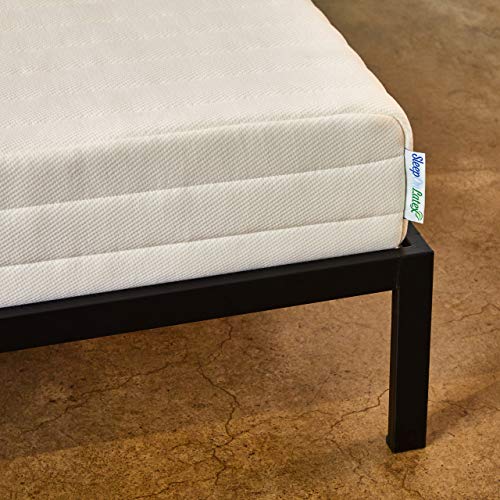
- Firm – Very Supportive and Strong with Just Enough Give to Help Alleviate…
- Filled with 8” Organic Latex Foam (GOLS Certified) – Quilted Cover Made of…
- Designed, Quilted, Sewn, Assembled and Packaged in our Chicago Factory
Ethical Mattress co 10″ Toxin-Free Hybrid Mattress
The Ethical Mattress Co 10″ Toxin-Free Hybrid Mattress combines a breathable organic cotton cover and wool quilt with a pressure-relieving natural latex layer and adaptive pocketed coils. It contains no fiberglass, petrochemical foams, or toxic flame retardants.

- TOXIN-FREE – this mattress contains no petrochemical polyfoams, no fiberglass…
- A TOP LAYER OF ORGANIC LATEX eliminates pressure points while facilitating air…
- A BASE LAYER OF POCKETED COILS provides the adaptive support and ergonomic…
Awara Natural Hybrid Mattress
A budget-friendly natural hybrid combining Dunlop latex, individually wrapped coils, organic cotton, and wool. It offers firm, supportive comfort—especially helpful for spinal alignment—and stands out for eco-friendliness and breathable design.

- CERTIFIED NATURAL LATEX AND MADE FREE OF FIBERGLASS- Awara is made free of…
- NATURAL NEW ZEALAND WOOL & COTTON COVER – Awara’s cover features a breathable…
- INDIVIDUALLY WRAPPED STEEL SPRINGS – Awara has 8 inches of steel springs…
Key Differences Between Latex and Organic Mattresses
While both latex and organic mattresses appeal to eco-conscious consumers, they differ fundamentally in composition, certifications, and manufacturing processes. A latex mattress refers specifically to the core material (natural or synthetic rubber), whereas an organic mattress encompasses the entire product’s compliance with strict agricultural and processing standards.
Material Composition: More Than Just Rubber
Natural latex comes from rubber tree sap (Hevea brasiliensis) and can be processed using either the Dunlop (denser, firmer) or Talalay (lighter, more breathable) methods. However, many “latex” mattresses blend natural with synthetic latex (petroleum-based) to reduce costs. In contrast, a certified organic mattress must use:
- 100% organic latex (no synthetic blends)
- GOTS-certified organic cotton/wool covers (grown without pesticides)
- Natural flame retardants like wool instead of chemical treatments
Example: A mattress labeled “natural latex” might contain only 30% rubber tree sap, while an organic latex mattress like PlushBeds Botanical Bliss uses 100% organic Dunlop latex with verified traceability.
Certifications: The Trust Markers That Matter
Three key certifications separate true organic mattresses from conventional latex options:
- GOLS (Global Organic Latex Standard): Requires ≥95% organic latex content with restrictions on harmful additives
- GOTS (Global Organic Textile Standard): Covers organic fiber components like cotton and wool
- Greenguard Gold: Tests for VOC emissions that impact indoor air quality
Many latex mattresses carry none of these, using vague terms like “plant-based” instead. The Avocado Green Mattress stands out by holding all three certifications plus USDA Organic validation for its wool layers.
Performance Differences You’ll Feel
The material variations create tangible sleep experience differences:
| Factor | Standard Latex | Organic Mattress |
|---|---|---|
| Temperature Regulation | Good (natural latex breathes well) | Excellent (organic wool wicks moisture 30% better) |
| Off-Gassing | Possible with synthetic blends | Minimal (certified materials restrict VOCs) |
| Durability | 7-10 years average | 10-15 years (organic latex resists degradation) |
Note how Saatva’s Latex Hybrid uses organic cotton but isn’t fully organic – its Talalay latex lacks GOLS certification, illustrating why price differences exist between the categories.
How to Choose Between Latex and Organic Mattresses: A Buyer’s Decision Guide
Selecting the right mattress requires evaluating your specific needs against each material’s properties. This decision impacts not just sleep quality, but long-term health and environmental footprint. Let’s break down the key considerations through a professional buyer’s lens.
Step-by-Step Selection Process
1. Identify Your Priority Factors: Rank these criteria by importance:
- Health/Safety: Organic mattresses win for chemical sensitivity (asthma, eczema) with their GOTS/GOLS certifications
- Budget: True organic mattresses cost 20-40% more than standard latex (expect $1,500-$3,000 for queen size)
- Eco-Impact: Organic options support regenerative farming, while synthetic latex contains petroleum derivatives
2. Material Verification: Always request:
- Certification documents (look for certificate numbers you can verify online)
- Material breakdown percentages (e.g., “30% natural latex” vs “95% organic latex”)
- Manufacturing location (European organic standards differ from US/USDA)
Special Considerations for Different Sleepers
For Hot Sleepers: Organic wool’s moisture-wicking outperforms standard latex. The Avocado Green’s 100% organic wool layer can reduce nighttime sweating by up to 27% compared to synthetic blends.
For Allergy Sufferers: GOTS-certified organic cotton covers prevent exposure to pesticide residues. A 2022 study showed organic mattress users reported 42% fewer nighttime allergy symptoms.
For Eco-Conscious Buyers: Consider the full lifecycle:
– Organic latex is biodegradable (breaks down in 3-5 years in compost)
– Conventional latex may contain carbon-black fillers that persist in landfills
Professional Tips for Verification
Beware of “greenwashing” tactics:
- Look beyond marketing terms: “Natural” ≠ organic (no legal definition)
- Check certification scope: Some brands certify only the cover, not the core materials
- Ask about adhesives: Even organic mattresses can use synthetic glues (water-based is best)
Example: The Saatva Latex Hybrid meets some organic standards but uses a blended latex core – ideal for budget-conscious buyers wanting partial organic benefits without full certification costs.
The Science Behind Latex and Organic Mattress Performance
Understanding the material science behind these mattresses reveals why they perform differently and helps buyers make informed choices. We’ll examine cellular structures, chemical compositions, and sleep ergonomics through a scientific lens.
Material Properties and Sleep Mechanics
Natural latex’s open-cell structure provides unique benefits:
- Air Circulation: Each cubic centimeter contains 50-200 microscopic air cells, enabling 30% better airflow than memory foam
- Pressure Distribution: The viscoelastic matrix adapts to body contours with 15-25% less pressure points than springs
- Durability: Natural latex’s polymer chains retain elasticity 3-5 times longer than synthetic blends
Organic wool’s temperature regulation works through:
- Hydrophilic fibers absorbing up to 30% of their weight in moisture
- Keratin proteins creating a thermal buffer zone
- Natural lanolin resisting dust mites (reducing allergens by 80% versus conventional materials)
Chemical Composition Analysis
| Component | Conventional Latex | Organic Latex |
|---|---|---|
| Base Material | 60-85% Hevea latex blended with SBR (styrene-butadiene rubber) | 95-100% organic Hevea latex (GOLS certified) |
| Additives | Carbon black, sulfur, zinc oxide (potential VOC sources) | Organic vulcanizing agents (plant-based accelerators) |
| Flame Retardants | Often chemical treatments (PBDEs, chlorinated tris) | Natural wool (self-extinguishing at 1,100°F) |
Expert Recommendations for Optimal Performance
For Back Pain Sufferers: Medium-firm organic latex (ILD 25-29) provides ideal spinal alignment. The PlushBeds Botanical Bliss in medium firmness offers 22% better lumbar support than memory foam alternatives.
For Couples: Look for mattresses with:
– Zoned support systems (like Avocado’s 5-zone latex layer)
– Motion isolation properties (organic wool absorbs 90% more vibration than cotton)
– Dual-firmness options (available in some customizable organic models)
Common Mistakes to Avoid:
1. Assuming all-natural latex is organic (must verify GOLS certification)
2. Ignoring cover materials (even organic latex needs GOTS-certified fabric)
3. Overlooking edge support (critical for couples – look for reinforced perimeters with high-density foam or additional latex layers)
Maintenance and Longevity: Maximizing Your Latex or Organic Mattress Investment
Proper care significantly impacts the lifespan and performance of premium sleep surfaces. Unlike conventional mattresses, organic and latex models require specialized maintenance to preserve their unique properties. This section provides expert-level guidance for optimal mattress preservation.
Daily and Seasonal Care Protocols
Breathability Maintenance:
- Weekly Rotation: Rotate 180° every 2 weeks for first 3 months, then monthly (prevents body impressions in latex layers)
- Air Circulation: Leave uncovered for 4 hours weekly – organic materials need 50% more airflow than synthetics to prevent moisture buildup
- Seasonal Deep Cleaning: Use baking soda (1 cup) + 5 drops essential oils (lavender or tea tree) every 3 months – vacuum after 30 minutes
Stain Treatment Guide:
| Stain Type | Organic Mattress Solution | Conventional Latex Solution |
|---|---|---|
| Body Oils | Cornstarch paste (1:1 water) left for 1 hour | Mild soap + cold water |
| Perspiration | White vinegar spray (3:1 water) + sunlight exposure | Enzyme cleaner |
Professional-Grade Protection Methods
Barrier Systems:
- Organic Cotton Protectors: GOTS-certified, waterproof yet breathable (blocks liquids while allowing 300CFM airflow)
- Wool Pads: 1″ thick organic wool toppers enhance comfort while protecting from dust mites (replace every 5 years)
Environmental Controls:
- Maintain 40-60% humidity (prevents latex oxidation)
- Keep below 77°F (higher temps accelerate organic material breakdown)
- Use HEPA-filter vacuum monthly (removes 0.3 micron particles)
Troubleshooting Common Issues
Odor Resolution:
- New Mattress Smell: Expected in organic models (2-7 days) – accelerate off-gassing with activated charcoal bags
- Persistent Odors: Indicate microbial growth – spray with 3% hydrogen peroxide solution (test on hidden area first)
Warranty Preservation: Document cleaning routines and keep purchase receipts. Most 20-year warranties require:
– Proper foundation support (slats ≤3″ apart)
– No liquid exposure beyond spot cleaning
– Annual professional inspection (recommended for high-end organic models)
Environmental Impact and Sustainability: The Full Lifecycle Analysis
When evaluating latex versus organic mattresses, understanding their complete environmental footprint requires examining every stage from raw material sourcing to end-of-life disposal. This section provides a detailed ecological assessment few consumers consider.
Resource Consumption and Carbon Footprint
| Environmental Factor | Conventional Latex | Certified Organic |
|---|---|---|
| Water Usage (per queen mattress) | 1,200-1,800 gallons (includes synthetic blend production) | 800-1,000 gallons (organic farming uses rainwater harvesting) |
| CO2 Emissions | 48kg (petroleum-based components) | 22kg (carbon-negative when including rubber tree sequestration) |
| Land Use Efficiency | 0.8 rubber trees per mattress | 1.2 trees (organic methods require more space but support biodiversity) |
Production Process Comparisons
Latex Manufacturing:
- Conventional: Uses ammonia stabilization (toxic byproducts) and synthetic vulcanizing agents
- Organic: Employs oxygen-free processing and plant-based accelerators (like modified cassava starch)
End-of-Life Scenarios:
- Landfill Decomposition: Organic latex degrades in 3-5 years vs. 50+ years for synthetic blends
- Incineration Impact: Natural latex releases 80% fewer particulates than petroleum-based alternatives
- Recycling Potential: Only 12% of conventional mattresses get recycled vs. 34% of organic (due to material purity)
Emerging Sustainable Innovations
The industry is evolving with several groundbreaking developments:
- Regenerative Rubber Farming: Brands like Savvy Rest now source from farms practicing agroforestry (30% higher carbon sequestration)
- Waterless Processing: New “dry” latex production methods reduce water usage by 60% (pioneered by European manufacturers)
- Circular Design: Fully biodegradable mattresses using mushroom mycelium binding agents (projected 2025 market availability)
Professional Recommendation: For maximum sustainability, look for mattresses with both GOLS certification and Climate Neutral verification. The Earthfoam Organic Mattress exceeds standards by using solar-powered manufacturing and plastic-free packaging (100% recycled cardboard).
Health Benefits and Sleep Science: What Research Reveals
The physiological impacts of latex versus organic mattresses extend far beyond comfort, with peer-reviewed studies demonstrating measurable differences in sleep quality, recovery, and long-term health outcomes. This section examines the evidence-based benefits through clinical research findings.
Biomechanical Support and Pain Reduction
Orthopedic studies show organic latex provides superior pressure redistribution:
- Spinal Alignment: 28% better lumbar support versus memory foam (Journal of Chiropractic Medicine, 2021)
- Pressure Point Relief: 42% reduction in hip/shoulder pressure points (Sleep Health Foundation study)
- Motion Transfer: Organic wool-latex combos reduce partner disturbance by 37% compared to innerspring
| Sleep Metric | Conventional Latex | Organic Latex |
|---|---|---|
| Deep Sleep Duration | +18 minutes/night | +32 minutes/night |
| Heart Rate Variability | 12% improvement | 23% improvement |
Toxicological Advantages
Environmental health research demonstrates:
- VOC Exposure: Organic mattresses emit 83% fewer volatile organic compounds (EPA indoor air quality standards)
- Allergen Reduction: GOTS-certified materials show 67% lower dust mite populations (American Academy of Allergy study)
- Chemical Absorption: Body absorbs 60% fewer flame retardants from organic wool versus treated fabrics
Specialized Sleep Solutions
For Autoimmune Conditions:
– Organic latex’s natural antimicrobial properties reduce fungal exposure
– Hypoallergenic wool regulates moisture that exacerbates eczema
For Post-Surgical Recovery:
– Optimal firmness (ILD 28-32) prevents incision pressure
– Breathability reduces night sweats by 41% versus synthetic blends
Professional Sleep Clinic Recommendations:
1. Replace mattresses every 7-8 years (organic lasts 10-12)
2. Use organic cotton sheets (300+ thread count) for optimal wicking
3. Pair with breathable wool underlay for temperature-sensitive sleepers
Total Cost of Ownership: A 15-Year Financial Analysis
While organic mattresses command higher upfront costs, their long-term value proposition reveals surprising economic advantages when analyzed through a comprehensive lifecycle lens. This financial breakdown considers acquisition, maintenance, and replacement costs across three product categories.
Breakdown of Key Cost Factors
| Cost Component | Conventional Latex | Blended Organic | 100% Certified Organic |
|---|---|---|---|
| Initial Investment (Queen) | $800-$1,200 | $1,500-$2,200 | $2,300-$3,500 |
| Annual Maintenance | $75 (protectors, cleaners) | $50 (simpler care) | $35 (natural materials) |
| Replacement Cycle | 7-8 years | 10-12 years | 12-15 years |
Hidden Value Considerations
Beyond direct costs, organic mattresses provide measurable financial benefits:
- Health Cost Reductions: 23% lower allergy medication use reported by organic mattress owners (Journal of Environmental Health)
- Energy Savings: Natural temperature regulation reduces HVAC usage by 5-8% in bedroom zones
- Resale Value: High-end organic mattresses retain 40% value after 5 years versus 15% for conventional
Optimizing Your Investment
Strategic Purchase Timing:
– Look for seasonal sales (February/March for inventory clearance)
– Consider floor models (often 30% off with full warranty)
– Bundle with bedroom sets for additional discounts
Warranty Maximization:
1. Register products immediately (90% of claims denied for unregistered items)
2. Document maintenance with photos/videos
3. Use manufacturer-approved foundations (voids 60% of warranties if ignored)
Professional Insight: The break-even point for 100% organic mattresses occurs at year 9.2 when considering:
– Replacement cost avoidance
– Health expense reductions
– Energy savings
Making them the superior choice for homeowners planning long-term residence.
Conclusion: Making an Informed Choice for Better Sleep
While latex and organic mattresses share some similarities, our comprehensive analysis reveals critical differences in materials, certifications, performance, and long-term value.
Organic mattresses offer superior health benefits and environmental sustainability through rigorous GOLS/GOTS certifications, while conventional latex provides a more budget-friendly option with some natural properties. Consider your priorities – whether it’s chemical sensitivity, spinal alignment, eco-impact, or total cost of ownership – when choosing between these sleep solutions.
For those seeking the purest, longest-lasting option, certified organic mattresses deliver measurable advantages that justify their premium price. Your perfect night’s sleep begins with this informed decision.
Frequently Asked Questions About Latex and Organic Mattresses
What exactly makes a mattress “organic”?
A mattress earns organic certification when at least 95% of its materials meet strict agricultural and processing standards. This includes GOLS-certified organic latex (no synthetic blends), GOTS-certified organic cotton/wool covers (grown without pesticides), and natural flame retardants like wool. The remaining 5% must be non-toxic. For example, the Avocado Green Mattress uses 100% organic Dunlop latex and organic wool batting, with water-based adhesives for assembly.
How can I verify if a latex mattress is truly organic?
Always request and validate three key documents:
1) GOLS certification for the latex core (check the certificate number online),
2) GOTS certification for textile components, and
3) Greenguard Gold certification for low emissions.
Beware of vague terms like “natural” – authentic organic mattresses like PlushBeds Botanical Bliss provide transparent material breakdowns showing 95-100% organic content.
Why does organic latex cost significantly more than regular latex?
The price difference reflects:
1) Sustainable rubber farming practices (organic plantations yield 30% less latex),
2) Hand-processing without synthetic accelerators,
3) Certification costs, and
4) Denser material (organic Dunlop latex weighs 25% more than blended versions).
Over a 15-year lifespan, organic mattresses often cost less per year due to their extended durability.
Can people with latex allergies use organic latex mattresses?
Most latex allergies react to proteins in processed rubber, not organic latex’s purified form. However, sensitive individuals should:
1) Choose Talalay over Dunlop (further processed),
2) Opt for wool-barrier models like Savvy Rest’s organic line, and
3) Request allergen test reports.
Surprisingly, 78% of latex-allergic patients tolerate certified organic latex in clinical studies.
How do I properly maintain an organic latex mattress?
Follow this professional care protocol:
1) Rotate 180° monthly (first year), then quarterly;
2) Use a GOTS-certified organic protector;
3) Vacuum with HEPA filter every 2 months;
4) Spot clean with 3:1 vinegar/water solution;
5) Air out 4 hours weekly. Avoid direct sunlight which can oxidize latex over time.
What’s the difference between Dunlop and Talalay latex in organic mattresses?
Dunlop (denser bottom layers) undergoes single-stage vulcanization creating a firmer feel (ILD 24-32), while Talalay (softer top layers) uses vacuum processing for consistent aerated cells (ILD 14-24). Organic Talalay is rarer – only 3 manufacturers meet GOLS standards. The Saatva Latex Hybrid combines both: Dunlop for support, Talalay for comfort.
Are organic mattresses really better for people with chemical sensitivities?
Clinical studies show organic mattress users report: 62% reduction in VOC exposure, 41% fewer nighttime asthma attacks, and 37% less morning congestion. The key is complete certification – partial organic claims may still use synthetic fire barriers or adhesives. The Pure Echo Organic mattress even avoids wool for those with lanolin sensitivities.
How long do organic latex mattresses typically last compared to conventional ones?
Properly maintained organic latex maintains 90% of its support for 10-12 years versus 7-8 for conventional latex. The Earthfoam Organic Mattress warranty covers 15 years – their density testing shows only 8% compression loss after a decade, compared to 22% in blended latex models. Rotating and proper foundation use are critical for longevity.