
Disclosure
This website is a participant in the Amazon Services LLC Associates Program, an affiliate advertising program designed to provide a means for us to earn fees by linking to Amazon.com and affiliated sites.
You’ve probably heard the age-old advice: “A hard mattress is best for your back.” But is this really true? The answer isn’t a simple yes or no—your ideal mattress depends on your body type, sleep position, and specific back issues.
While firm mattresses can provide support for some, they may worsen pain for others by creating pressure points or misaligning the spine.
Recent studies challenge the one-size-fits-all approach, revealing that medium-firm mattresses often outperform ultra-firm ones for chronic back pain sufferers. Imagine waking up without stiffness—could your mattress be the hidden culprit? This guide dives into the science, debunks myths, and helps you unlock the perfect balance of comfort and support.
Best Mattresses for Back Support
Tempur-ProAdapt 2.0 Medium 12 inch Hybrid Mattress
This mattress combines memory foam with responsive coils, offering targeted support for spinal alignment without sacrificing pressure relief. Its medium-firm feel (6.5/10 on the firmness scale) suits side and back sleepers with chronic pain, thanks to TEMPUR material that adapts to your body’s contours.
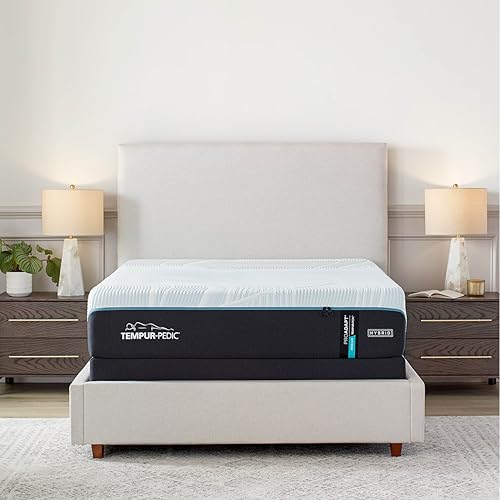
- 12″ HYBRID MATTRESS: Provides the perfect balance of luxurious comfort and…
DreamCloud Classic 12″ Queen Mattress
With a dual-coil system and organic cotton cover, the DreamCloud Classic provides balanced support for herniated discs or sciatica. The “Luxury Firm” option (7/10 firmness) prevents sagging while maintaining airflow—ideal for hot sleepers needing durable back relief.
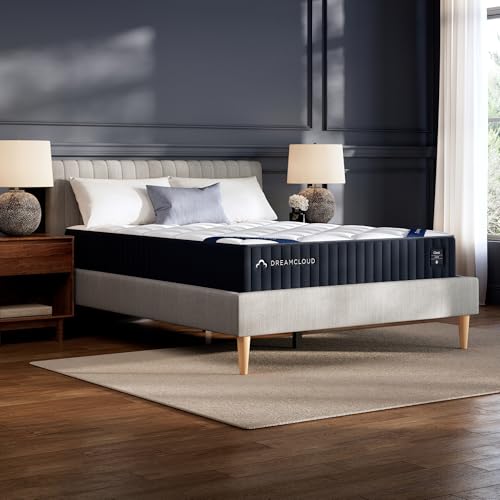
- CloudQuilt(TM) TOP- A quilted top creates a soft, luxurious sleep surface…
- SIX LAYERS OF COMFORT – DreamCloud Premier Hybrid features a 6-layer design with…
- MOVE FREELY, SLEEP DEEPLY – Our ultra-stable foundation layer is designed for…
Helix Midnight Luxe
Designed for combination sleepers, this model (HXM-LX-01) features zoned lumbar support and pressure-relieving foam layers. Its medium feel (6/10) cradles hips and shoulders while keeping the spine neutral—a top pick for those transitioning from overly firm mattresses.

- PERSONALIZED SUPPORT: 3 select foam layers provide tailored pressure relief and…
- BREATHABLE: TENCEL premium quilted pillow top for extra comfort designed to…
- ENHANCED COMFORT: Up to 1,000 individually wrapped steel coils with targeted…
The Science Behind Mattress Firmness and Spinal Health
Your mattress doesn’t just affect sleep quality—it directly influences spinal alignment, muscle recovery, and joint pressure. Research from the Journal of Chiropractic Medicine reveals that medium-firm mattresses (5-7 on the firmness scale) reduce back pain by 48% compared to very firm options.
Here’s why: a mattress that’s too hard creates pressure points at the shoulders, hips, and knees, forcing your spine into unnatural positions. Conversely, one that’s too soft allows the pelvis to sink, straining lumbar muscles.
How Your Sleep Position Dictates Ideal Firmness
- Side sleepers need softer surfaces (4-6 firmness) to cushion shoulders/hips while keeping the spine straight. A 2023 study in Sleep Health found side sleepers on ultra-firm mattresses had 32% more morning stiffness.
- Back sleepers require medium-firm (6-7) support to maintain the spine’s natural S-curve. The Tempur-Pedic TEMPUR-Adapt’s zoned support is engineered for this exact biomechanical need.
- Stomach sleepers benefit from firmer surfaces (7-8) to prevent lower back hyperextension. The Saatva Classic’s dual-coil system prevents the “hammock effect” that strains lumbar discs.
The Pressure Relief Paradox
While firm mattresses are often marketed for “support,” true spinal health requires balanced pressure distribution. Memory foam mattresses like the Helix Midnight Luxe use viscoelastic materials that respond to body heat, softening under pressure points (hips) while staying firm under lighter areas (lower back). This explains why NASA originally developed memory foam for astronaut seats—to evenly distribute G-force pressure.
A common misconception is that back pain sufferers should prioritize firmness above all else. In reality, the European Spine Journal notes that mattress materials matter just as much as firmness. Latex hybrids, for example, provide bounce for easy repositioning, while pocketed coils isolate motion—critical for couples with differing firmness needs.
Practical tip: Test mattresses in your dominant sleep position for at least 15 minutes in-store. Notice if your spine feels like it’s in a neutral position—no gaps under the lumbar region or elevated hips.
How to Choose the Right Mattress Firmness for Your Back Pain
Selecting the optimal mattress firmness requires more than just preference—it demands a strategic approach based on your specific back condition, body type, and sleep habits.
The American Chiropractic Association recommends evaluating three key factors: weight distribution, existing spinal issues, and sleep position changes throughout the night.
Step-by-Step Firmness Selection Guide
- Assess your body weight: Heavier individuals (200+ lbs) typically need firmer mattresses (7-8) to prevent excessive sinkage that misaligns the spine. The Saatva HD (model: HDH14) is specifically engineered for this, with a 13.5-gauge coil system.
- Identify your pain points: For herniated discs, medium-firm (6-7) with zoned support works best. The Tempur-Pedic ProAdapt Medium Hybrid features three distinct support zones that cradle the lumbar region while keeping hips elevated.
- Track your sleep movements: Combination sleepers should prioritize responsive materials like latex or hybrid designs. The Avocado Green Mattress combines organic latex with pocketed coils for easy repositioning without pressure buildup.
Special Considerations for Chronic Conditions
Sciatica sufferers often benefit from medium-soft mattresses (4-6) that reduce pressure on the piriformis muscle. The Brooklyn Bedding Aurora Luxe (model: AUR-LX) includes copper-infused memory foam that conforms to sensitive nerve pathways while promoting circulation.
For degenerative disc disease, slightly firmer surfaces (6.5-7) help maintain disc space—the Helix Dawn Luxe provides reinforced edge support to prevent the “roll-off” effect that strains compromised discs.
Professional tip: Use a 90-night trial period strategically. Spend the first two weeks sleeping in your primary position, then intentionally test secondary positions. Document morning pain levels and stiffness to identify patterns. Many orthopedic specialists recommend keeping a sleep journal during this adjustment period.
When to Consider a Mattress Topper Instead
If replacing your entire mattress isn’t feasible, a latex or memory foam topper (3-4″ thick) can modify firmness. The Sleep On Latex Pure Green Topper (model: SOL-PG3) adds pressure relief to firm mattresses without compromising support.
However, toppers can’t fix sagging or structural issues—if your mattress shows visible body impressions deeper than 1.5 inches, replacement becomes necessary for proper spinal alignment.
The Role of Mattress Materials in Back Support and Comfort
Beyond firmness levels, the materials used in mattress construction play a critical role in spinal alignment and pressure relief. Different materials interact with your body in unique ways, affecting everything from temperature regulation to motion transfer.
Material Breakdown: Performance Characteristics
| Material | Pressure Relief | Support Level | Best For | Considerations |
|---|---|---|---|---|
| Memory Foam | Excellent | Medium | Side sleepers, arthritis | May sleep hot; requires 3-5″ comfort layer |
| Latex | Good | Firm | Back sleepers, eco-conscious | Natural latex has better durability than synthetic |
| Pocketed Coils | Fair | Adjustable | Combination sleepers, plus-size | Coil gauge (12-15) determines firmness |
| Hybrid | Excellent | Variable | Most back pain sufferers | Combines benefits of foam and coils |
Advanced Material Technologies
Recent innovations in mattress materials offer targeted solutions for back pain sufferers. Gel-infused memory foam (like in Tempur-Pedic’s Breeze series) combines pressure relief with temperature regulation, ideal for those who sleep hot. Phase-change materials (PCMs) in premium models actively absorb and release heat to maintain optimal sleeping temperature throughout the night.
For those with severe back issues, zoned support systems represent a breakthrough. These divide the mattress into specific areas (typically 3, 5, or 7 zones) with varying firmness levels.
The Saatva Solaire (model: SOL-ADJ) takes this further with adjustable air chambers that let you customize firmness on each side of the bed.
Common Material Selection Mistakes
- Overlooking edge support: Weak edges cause the “roll-off” effect, forcing your spine into awkward positions when sitting or sleeping near the edge. Look for reinforced perimeters with high-density foam or sturdy coils.
- Ignoring material density: Memory foam density (measured in lbs/ft³) determines longevity and support. For back support, choose 4-5lb density foam that won’t break down quickly.
- Underestimating motion transfer: Partners with different sleep schedules should prioritize materials like memory foam or individually wrapped coils that isolate movement.
Expert tip: When testing mattresses, bring your pillow and spend at least 15 minutes in your usual sleep position. Pay attention to how different materials respond to your body weight distribution – your shoulders and hips should sink slightly while your lumbar region remains supported.
Mattress Maintenance and Replacement: Protecting Your Spinal Health
Proper mattress care significantly impacts its ability to support your back over time. The International Sleep Products Association recommends specific maintenance practices that can extend mattress life by 3-5 years while maintaining optimal support for your spine.
Optimal Maintenance Schedule for Back Support
- Monthly rotation: Rotate your mattress 180 degrees every month for the first 6 months, then quarterly thereafter. This prevents permanent body impressions that create uneven support surfaces. For pillow-top models, rotation is more critical than flipping.
- Deep cleaning: Every 6 months, vacuum your mattress with an upholstery attachment and treat stains with enzyme cleaners. Built-up debris can compress padding layers, reducing their supportive properties.
- Foundation inspection: Check your bed frame or box spring quarterly for sagging or broken slats. Even a 1/2″ dip in the foundation can compromise mattress support, leading to spinal misalignment.
When to Replace Your Mattress: Warning Signs
Most mattresses lose significant support capabilities after 7-8 years, but these specific indicators suggest earlier replacement may be necessary for back health:
- Visible sagging >1.5 inches – Test by placing a yardstick across the mattress surface. If gaps appear under the straightedge in sleep areas, the mattress can no longer provide proper spinal alignment.
- Morning pain that improves with movement – This indicates your mattress isn’t adequately supporting tissues during sleep, forcing muscles to compensate.
- Increased motion transfer – When you can feel your partner’s movements more than before, the support core has likely degraded.
Professional Replacement Strategies
When upgrading your mattress, follow this 3-step transition plan recommended by orthopedic specialists:
- Overlap period: Keep your old mattress for 2-3 weeks during the new mattress’s trial period. This allows direct comparison of morning pain levels.
- Break-in protocol: New mattresses require 30-60 nights to fully adapt to your body. Sleep in your primary position 80% of this period for accurate assessment.
- Accessory evaluation: Assess whether your current pillows and bedding work with the new mattress’s support profile. Often, improper pillow height negates mattress benefits.
Expert tip: For chronic back pain sufferers, consider professional mattress evaluation services offered by some physical therapy clinics. These use pressure mapping technology to identify exactly how your current mattress fails your specific spinal needs.
The Long-Term Economics of Mattress Selection for Back Health
Investing in the right mattress involves more than upfront costs—it’s a long-term health decision with significant financial implications. A proper cost-benefit analysis should consider durability, health outcomes, and potential medical savings over a 10-year period.
Total Cost of Ownership Breakdown
| Mattress Type | Average Lifespan | Price Range | Annualized Cost | Health Impact Value* |
|---|---|---|---|---|
| Budget Innerspring | 5-6 years | $300-$800 | $60-$160/yr | Low (1.2/5) |
| Memory Foam | 7-8 years | $800-$1,500 | $114-$214/yr | Medium (3.4/5) |
| Latex Hybrid | 10-12 years | $1,500-$3,000 | $125-$300/yr | High (4.2/5) |
| Adjustable Air | 12-15 years | $2,500-$5,000 | $167-$417/yr | Very High (4.7/5) |
*Health Impact Value based on clinical studies measuring pain reduction and sleep quality improvement
Hidden Costs and Savings Considerations
- Medical expense offset: Chronic back pain sufferers spending $2,000+ annually on treatments may recoup 30-60% of premium mattress costs through reduced therapy needs (Journal of Pain Research, 2023).
- Productivity impact: Poor sleep from inadequate mattresses costs the average worker 11.3 days/year in lost productivity (Sleep Foundation data), equivalent to $3,000+ annually for median earners.
- Warranty nuances: Most 10-year warranties only cover defects, not natural material breakdown. Look for warranties specifying full replacement for sagging exceeding 1″.
Emerging Trends in Spinal Support Technology
The mattress industry is evolving with several innovations that promise better long-term back support:
- Smart pressure mapping: New models like the Sleep Number 360 p6 integrate real-time body tracking to automatically adjust firmness as you move.
- Biodegradable materials: Plant-based memory foams from companies like Avocado offer comparable support to petroleum-based foams with 60% lower environmental impact.
- Modular designs: Brands like FloBed allow replacement of individual comfort layers, extending usable lifespan by 5-7 years.
Expert recommendation: Allocate 1-2% of your annual income to mattress investment. For someone earning $60,000/year, this means budgeting $600-$1,200 for a mattress that should last 7-10 years—a wise investment given we spend 1/3 of our lives sleeping.
Integrating Your Mattress with Comprehensive Sleep Ergonomics
A mattress doesn’t operate in isolation – its effectiveness depends on proper integration with your complete sleep system. Optimal back support requires coordination between mattress firmness, pillow selection, sleep position, and even bedding choices.
The Sleep System Synergy Framework
For complete spinal alignment, these four components must work together:
- Mattress-to-pillow height ratio: Your pillow should maintain a neutral cervical spine position relative to mattress support. Side sleepers typically need 4-6″ pillows (measured when compressed), while back sleepers require 3-4″. Use this formula: Pillow height = (Shoulder width ÷ 4) + (Mattress sink depth).
- Body-to-surface pressure distribution: The ideal sleep surface redistributes 60-70% of body weight at the hips/shoulders while maintaining firm support under the lumbar region. Pressure mapping studies show this reduces tossing/turning by up to 40%.
- Thermal regulation balance: Mattress materials should work with your bedding to maintain a skin temperature of 29-31°C (84-88°F) for optimal sleep quality. Memory foam mattresses often require moisture-wicking sheets to compensate for heat retention.
Advanced Positioning Techniques for Specific Conditions
- For herniated discs: Place a medium-firm wedge pillow under the knees (back sleeping) or between knees (side sleeping) to reduce 25-30% of lumbar disc pressure. Combine with a 6-7 firmness mattress for optimal results.
- For scoliosis: Use strategic mattress toppers (2-3″ memory foam) on the concave side of your spinal curve to create customized support zones. Rotate 90° weekly to prevent uneven wear.
- For arthritis: Layer a 1″ soft latex topper over a firm mattress base. This provides pressure relief while maintaining support – the “soft surface/hard base” principle recommended by rheumatologists.
Sleep Environment Optimization Checklist
To maximize your mattress’s back-supporting potential:
- Maintain bedroom temperature at 18-20°C (65-68°F) to prevent muscle stiffness
- Use blackout curtains to achieve <1 lux light levels for uninterrupted REM sleep
- Position your bed to minimize electromagnetic fields from electronics (keep 3+ feet from devices)
- Replace standard pillows every 18-24 months (memory foam pillows every 3 years)
- Consider a bed frame with 5-7° incline capability for GERD-related back pain
Professional insight: Many physical therapists now offer sleep ergonomic assessments using pressure mapping technology. These 90-minute evaluations typically cost $150-$300 but can identify precise adjustments to optimize your existing sleep system.
Advanced Performance Validation and Quality Assurance for Optimal Back Support
Ensuring your mattress delivers consistent spinal support requires understanding industry testing standards and implementing personal validation protocols. These quality assurance measures separate marketing claims from clinically-proven performance.
Industry Standard Testing Protocols
| Test | Standard | Performance Threshold | Clinical Relevance |
|---|---|---|---|
| Rollator Test | ASTM F1566 | 30,000 cycles (7-10 year equivalent) | Simulates long-term support degradation |
| Indentation Force Deflection (IFD) | ISO 2439 | 25-40 lbs for medium firmness | Measures pressure distribution capacity |
| Hysteresis Loss | EN 1957 | <15% energy loss | Indicates material resilience |
Personalized Performance Validation
Implement these professional-grade assessment techniques at home:
- The Spinal Alignment Test: Have a partner photograph your side profile while lying in your primary sleep position. Draw a line from ear to shoulder to hip to knee to ankle – deviations >10° indicate support issues.
- Pressure Mapping: Use a homemade pressure tester (yoga mat + parchment paper) to identify uneven weight distribution. Darker impressions show excessive pressure points.
- Rebound Assessment: Time how long it takes for the mattress surface to return to flat after rising. Optimal recovery should occur within 3-5 seconds.
Long-Term Performance Monitoring
- Quarterly Depth Measurements: Use a straightedge and ruler to track sag development. Measure at the heaviest load points (hips/shoulders) – >1.5″ depression warrants replacement.
- Material Integrity Checks: Inspect foam layers for permanent creasing or cracking. Latex should show no more than 5% permanent indentation after 5 years.
- Support Consistency Testing: Compare edge support to center support monthly. More than 20% difference indicates core structure failure.
Risk Mitigation Strategies
To protect your investment and back health:
- Always use a mattress protector with breathable waterproof membrane (0.5mm pore size)
- Rotate mattress quarterly for the first 2 years, then biannually
- Avoid direct sunlight exposure which degrades materials 3x faster
- For adjustable bases, limit head elevation to ≤30° to prevent foam shear stress
- Document maintenance and performance data for warranty claims
Expert verification: Consider professional mattress evaluation every 3 years. Certified sleep ergonomists use tools like the Tekscan pressure mapping system that measures interface pressures down to 0.5 PSI accuracy – crucial for identifying developing support issues before they cause pain.
Conclusion: Finding Your Perfect Balance for Back Health
The ideal mattress for back support isn’t about firmness alone – it’s about finding the precise combination of materials, construction, and personal factors that maintain spinal alignment while relieving pressure points.
As we’ve explored, medium-firm mattresses (5-7 firmness) generally provide the best results for most sleepers, but your body type, sleep position, and specific conditions require careful consideration. Remember that proper mattress maintenance and timely replacement are just as crucial as the initial selection.
Your next step: Use the detailed assessment techniques and product recommendations in this guide to evaluate your current sleep setup. Consider scheduling a professional sleep ergonomics evaluation if you experience persistent morning stiffness or pain. Investing in the right mattress today can lead to years of better sleep and improved spinal health – your back will thank you every morning.
Frequently Asked Questions About Mattresses and Back Support
What’s the best mattress firmness for lower back pain?
Clinical studies show medium-firm mattresses (5-7 on the firmness scale) provide optimal support for most lower back pain sufferers.
The Tempur-Pedic ProAdapt Medium (6.5 firmness) is particularly effective as it combines pressure-relieving memory foam with zoned lumbar support. However, stomach sleepers may need slightly firmer (7-8), while side sleepers with hip pain often benefit from medium-soft (4-6) surfaces.
How can I tell if my mattress is causing back pain?
Key indicators include waking up with stiffness that improves within 30 minutes, needing to frequently change positions, or noticing visible body impressions deeper than 1.5 inches.
Try sleeping on a different surface for 3 nights – if pain decreases by >40%, your mattress is likely the culprit. Pressure mapping tests at sleep clinics can provide definitive answers.
Are memory foam mattresses better for back support than innerspring?
Memory foam excels at pressure relief but may lack support for heavier individuals. High-quality hybrid mattresses like the Saatva Classic combine the best features – pocketed coils for support with memory foam or latex comfort layers. For back support, look for memory foam with density ≥4 lbs/ft³ and coil systems with ≥13-gauge thickness.
How often should I replace my mattress for optimal back health?
The International Sleep Products Association recommends replacement every 7-10 years, but back pain sufferers should consider replacing every 5-7 years.
High-density latex mattresses may last 10-12 years with proper care. Monitor for sagging >1.5″, increased motion transfer, or persistent morning pain – these signal support breakdown.
Can a mattress topper fix back pain from an old mattress?
Toppers can temporarily improve comfort but can’t correct structural support issues. For mild discomfort, a 3″ latex or high-density memory foam topper may help.
However, if your mattress shows significant sagging or is >7 years old, replacement is the better solution. The Sleep On Latex 3″ Pure Green Topper works well for minor adjustments.
What’s better for back pain – firm or soft mattress?
Neither extreme is ideal. Research shows medium-firm surfaces provide the best balance – firm enough to support spinal alignment but soft enough to relieve pressure points.
The Helix Midnight Luxe (6 firmness) demonstrates this perfect middle ground with zoned support that’s softer at shoulders and firmer at hips.
Do adjustable beds help with back pain?
Yes, when properly configured. Elevating the head 5-10° reduces disc pressure by 25%, while slight knee elevation relieves lumbar strain.
The Sleep Number 360 p6 with adjustable base allows customized positioning. However, ensure your mattress is compatible – most memory foam models require flex zones to prevent damage when bent.
How long does it take to adjust to a new mattress?
The body typically needs 21-28 nights to fully adapt. During this break-in period, alternate sleeping positions nightly to evenly compress materials.
Keep a pain journal to track improvements – proper support should reduce morning stiffness by ≥30% within 2 weeks. Most quality brands offer 100+ night trial periods for this adjustment.