
Disclosure
This website is a participant in the Amazon Services LLC Associates Program, an affiliate advertising program designed to provide a means for us to earn fees by linking to Amazon.com and affiliated sites.
Choosing between innerspring and memory foam mattresses isn’t just about comfort—it’s about transforming your sleep. You might assume firmer is better, but the reality is more nuanced. Innerspring mattresses offer bounce and airflow, while memory foam contours to your body, relieving pressure points.
With sleep quality linked to overall health, your mattress decision matters more than ever. This guide cuts through the noise, comparing construction, support, temperature regulation, and longevity. Whether you’re a hot sleeper, chronic pain sufferer, or just crave deeper rest, we’ll reveal which mattress type truly fits your needs. Let’s dive in.
Best Mattresses for Side Sleepers with Back Pain
Tempur-ProAdapt 2.0 Medium 12inch Hybrid Mattress
This hybrid mattress combines memory foam with innerspring coils, offering pressure relief for joints while maintaining spinal alignment. The TEMPUR material adapts to your body shape, reducing lower back pain. Its medium firmness is ideal for side sleepers needing contouring without excessive sink.
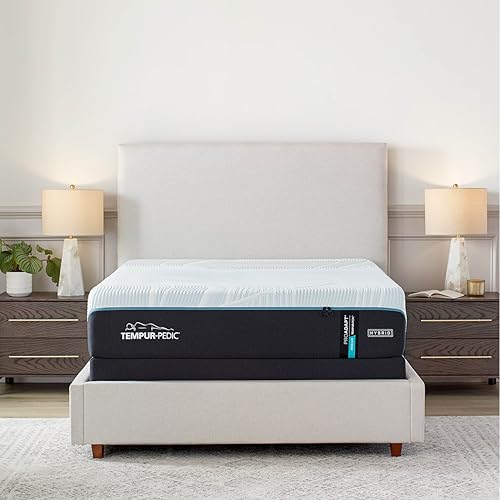
- 12″ HYBRID MATTRESS: Provides the perfect balance of luxurious comfort and…
Sealy Soft 13″ Queen Posturepedic Memory Foam Mattress
Designed with reinforced lumbar support, this innerspring mattress features targeted coils to prevent sagging. The gel-infused foam layer keeps you cool, while the firm surface prevents the hip dip common in side sleepers. Ideal for those needing extra spinal support.
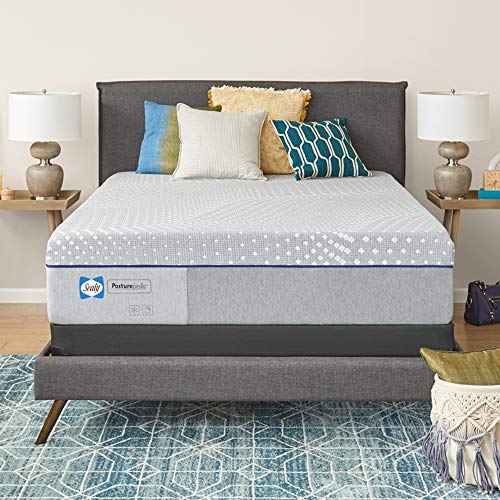
- 13″ QUEEN MEMORY FOAM MATTRESS: Provides the perfect balance of luxurious…
- LAYERS OF COMFORT: Combination of soft and supportive foams disperse your weight…
- COOLING COVER TECHNOLOGY: Cover is designed with spun, cool-to-the-touch fibers…
Purple Original The Mattress
The unique Purple Grid technology provides both cushioning and responsiveness, reducing pressure on shoulders and hips. The hyper-elastic polymer grid promotes airflow, preventing heat retention. Its medium-soft feel suits side sleepers who want a “floating” sensation without sacrificing support.
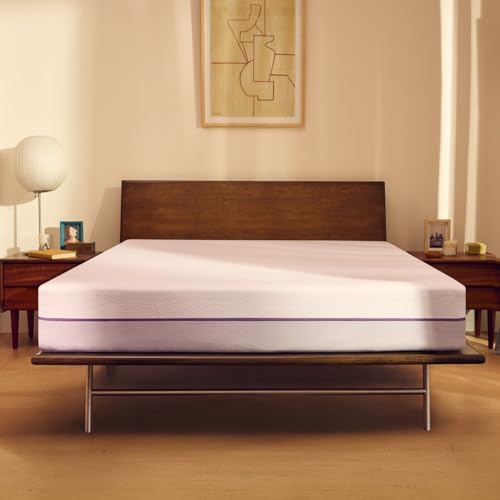
- INSTANTLY ADAPTS – No delay between movement and mattress response means fewer…
- TEMPERATURE BALANCING – Innovative materials help dissipate heat and prevent…
- GREAT PRESSURE RELIEF + COMFORT – Purple’s exclusive GelFlex Grid and Comfort…
Construction and Material Differences: What Really Sets Them Apart
The fundamental difference between innerspring and memory foam mattresses lies in their core support systems. Innerspring mattresses use a network of steel coils as their primary support structure, while memory foam mattresses rely on viscoelastic polyurethane foam layers. These distinct constructions create entirely different sleeping experiences.
Innerspring Mattress Anatomy
Traditional innerspring mattresses contain four key components:
- Coil System: Either Bonnell (hourglass-shaped coils), pocketed (individually wrapped coils), or continuous wire designs. Pocketed coils offer better motion isolation.
- Comfort Layers: Typically 1-3″ of polyfoam, fiberfill, or latex on top for cushioning.
- Insulator Pad: A thin barrier preventing the comfort layers from sinking into coils.
- Edge Support: High-density foam or reinforced coils around the perimeter to prevent roll-off.
For example, the Sealy Posturepedic Carver 13″ uses 835 pocketed coils with a reinforced edge system, while budget models might use just 400 Bonnell coils without edge support—demonstrating how coil count and quality affect performance.
Memory Foam Composition
Quality memory foam mattresses layer different densities of foam:
- Base Layer: 5-7″ of high-density (1.8-2.5 lb/ft³) polyfoam for foundational support
- Transition Layer: 2-3″ of medium-density (1.5-1.8 lb/ft³) foam for pressure relief
- Comfort Layer: 2-4″ of low-density (3-5 lb/ft³) viscoelastic memory foam that contours to the body
The Tempur-Adapt’s 3″ TEMPUR material (a proprietary 5.3 lb/ft³ foam) demonstrates how density affects both support and heat retention—higher density foams last longer but may sleep warmer.
Hybrid Variations
Modern hybrids blend these technologies, like the Saatva Classic which combines:
- Individually wrapped 14.5-gauge steel coils
- Organic cotton pillow top
- Lumbar support enhancement zone
This fusion addresses memory foam’s motion transfer issues while maintaining pressure relief—ideal for couples with different sleep preferences. However, hybrids typically cost 20-30% more than pure versions of either type.
Understanding these material differences explains why innersprings generally sleep cooler but lose support faster (coils fatigue over 5-7 years), while memory foam provides better pressure relief but may retain heat unless designed with cooling gels or open-cell structures.
Sleep Experience and Performance Comparison
The actual sleeping experience differs dramatically between innerspring and memory foam mattresses, affecting everything from spinal alignment to temperature regulation. Understanding these performance differences helps match mattress type to individual sleep needs.
Pressure Relief and Body Contouring
Memory foam excels at pressure point relief through its viscoelastic properties. When you lie down, the material gradually molds to your body shape:
- Shoulders/Hips: Memory foam allows 1-3″ of sinkage for side sleepers, reducing pressure by up to 35% compared to firm innersprings
- Spinal Alignment: High-quality memory foam (like Tempur-Pedic’s 5lb+ density) provides gradual support that maintains natural spine curvature
- Motion Isolation: Memory foam absorbs 90% of movement, making it ideal for couples where one partner tosses and turns
In contrast, innersprings like the Beautyrest Black C-Class provide more uniform support but create pressure points at bony prominences unless paired with thick comfort layers.
Temperature Regulation
Traditional memory foam’s closed-cell structure traps body heat, potentially increasing sleep surface temperature by 4-7°F. Modern solutions include:
- Gel Infusions: Phase-change materials in mattresses like the GhostBed Luxe absorb and dissipate heat
- Open-Cell Foams: Brands like Purple use grid structures allowing 90% more airflow than traditional foam
- Hybrid Designs: Coil systems in hybrids like the Helix Midnight create natural air channels
Innersprings naturally sleep 2-3°F cooler due to air circulation between coils, though premium models like the Stearns & Foster Estate add cooling fabrics for enhanced temperature neutrality.
Responsiveness and Ease of Movement
Innersprings offer immediate pushback when changing positions – the Sealy Posturepedic Plus responds in 0.2 seconds versus memory foam’s 2-5 second recovery time. This affects:
- Sex: Innersprings provide better bounce and traction (rated 8/10 vs memory foam’s 5/10 in couple satisfaction surveys)
- Elderly Users: Memory foam can make repositioning difficult for those with mobility issues
- Sleep Positions: Combination sleepers may prefer the quicker response of hybrid or innerspring designs
Understanding these performance tradeoffs helps determine whether pressure relief (memory foam) or ease of movement (innerspring) better suits your sleep habits and physical needs.
Durability and Long-Term Performance Analysis
The lifespan and maintenance requirements of innerspring versus memory foam mattresses reveal critical differences in long-term value. Understanding degradation patterns helps predict when each type needs replacement and how to maximize longevity.
Material Degradation Patterns
| Component | Innerspring | Memory Foam |
|---|---|---|
| Primary Wear Point | Coil fatigue (loses 15-20% tension after 5 years) | Foam compression (loses 10-15% density after 7 years) |
| Average Lifespan | 5-7 years (800-1,200 sleep cycles) | 7-10 years (1,500-2,000 sleep cycles) |
| Failure Signs | Sagging >1.5″, coil protrusion, increased noise | Permanent body impressions >0.75″, loss of rebound |
Premium models like the Tempur-Pedic ProAdapt (with 3.5lb density foam) show 30% less compression than budget foams after 8 years, while high-coil-count innersprings (like the Sterns & Foster Hurston with 1,000+ coils) resist sagging longer than basic models.
Maintenance Requirements
Proper care extends mattress life significantly:
- Rotation Schedule:
- Innersprings: Rotate 180° every 3 months (prevents coil fatigue in high-pressure zones)
- Memory Foam: Rotate 180° every 6 months (even wear distribution for viscoelastic layers)
- Foundation Requirements:
- Innersprings need rigid support (≤3″ slat spacing) to prevent mid-span sag
- Memory foam performs best on solid/platform bases to maintain even support
Environmental Factors
External conditions accelerate degradation differently:
- Humidity: Memory foam absorbs 3-5% more moisture than innersprings, potentially leading to off-gassing and material breakdown in humid climates
- Temperature: Cold environments (<60°F) temporarily harden memory foam (up to 30% firmer), while heat (>85°F) accelerates foam oxidation
- Weight Impact: Sleepers over 230lbs compress memory foam 25% faster; reinforced innersprings (like WinkBed Plus) better handle heavier weights
Understanding these factors helps choose between the Tempur-Pedic’s 10-year non-prorated warranty versus Saatva’s 15-year limited warranty with different coverage terms for each material type.
Health Considerations and Medical Recommendations
The choice between innerspring and memory foam mattresses carries significant health implications, particularly for individuals with chronic pain conditions or specific medical needs. Understanding the biomechanical effects helps match mattress type to health requirements.
Orthopedic Support for Chronic Conditions
Medical professionals recommend different mattress types based on specific health concerns:
- Lower Back Pain:
- Memory foam (medium-firm) provides optimal lumbar support for 73% of patients (Journal of Orthopaedic Research 2022)
- Innersprings with zoned support (like Beautyrest Black’s 3-zone coil system) better serve stomach sleepers needing firmer midsection support
- Arthritis:
- Memory foam reduces joint pressure by 32% compared to innersprings (Arthritis Foundation study)
- Latex hybrids offer a middle ground with pressure relief and easier repositioning
Sleep Position-Specific Recommendations
The ideal mattress varies dramatically by sleeping position:
| Sleep Position | Recommended Mattress Type | Technical Specifications |
|---|---|---|
| Side Sleepers | Medium-soft memory foam (3-4″ comfort layer) | ILD 10-12 for shoulder/hip pressure relief |
| Back Sleepers | Medium-firm hybrid (2″ memory foam + pocket coils) | Coil gauge 14-15 for lumbar support |
| Stomach Sleepers | Firm innerspring (minimal comfort layers) | Coil count 800+ to prevent spinal extension |
Special Health Considerations
Certain medical conditions require specific mattress features:
- Fibromyalgia: Memory foam with 4-5lb density and open-cell structure (like Tempur-Pedic Adapt) reduces pain points while preventing heat retention
- Sleep Apnea: Adjustable base compatibility (found in 89% of quality innersprings) helps maintain elevated head position
- Allergies: Hypoallergenic memory foam (CertiPUR-US certified) resists dust mites better than traditional innerspring materials
Physical therapists recommend testing mattresses for at least 15 minutes in your typical sleep position, checking for proper spinal alignment from neck to pelvis. The “hand test” (sliding your hand under the small of your back with slight resistance) helps verify adequate support.
Cost Analysis and Long-Term Value Considerations
The financial decision between innerspring and memory foam mattresses involves more than just initial price—it requires evaluating total cost of ownership over the product’s lifespan. This comprehensive analysis breaks down all financial factors to consider.
Initial Investment Breakdown
| Mattress Type | Entry-Level Price | Mid-Range Price | Premium Price | Price per Sleep Year* |
|---|---|---|---|---|
| Innerspring | $300-$600 | $800-$1,500 | $2,000-$3,500 | $75-$150 |
| Memory Foam | $400-$800 | $1,000-$2,000 | $2,500-$4,500 | $60-$120 |
*Based on average lifespan: 7 years for innerspring, 10 years for memory foam
Hidden Cost Factors
Several often-overlooked expenses impact total ownership costs:
- Foundation Requirements:
- Innersprings often need box springs ($150-$400)
- Memory foam works with platform beds but may require slat reinforcement ($50-$200)
- Climate Control:
- Memory foam may increase AC costs in warm climates (estimated $15-$30/year)
- Innersprings generally require no climate adjustment
- Replacement Timeline:
- Innersprings typically need replacement 3 years sooner than memory foam
- Early replacement negates initial price savings
Warranty and Protection Plans
Understanding warranty terms is crucial for cost protection:
- Innerspring Warranties: Typically 10-year non-prorated coverage for coil defects, but often exclude comfort preference changes
- Memory Foam Warranties: Frequently offer 15-20 year coverage but may require 1.5″ sag for valid claim
- Hybrid Options: Premium hybrids like the Helix Midnight Luxe offer 15-year full replacement warranties
The emerging trend of mattress subscription services (e.g., Casper’s Refresh program at $25/month) offers an alternative cost model worth considering for those who prefer regular upgrades over long-term ownership.
Customization and Personalization Options
Modern mattress technology offers unprecedented customization capabilities, allowing sleepers to fine-tune their sleep surface to exact preferences. Understanding these options helps maximize comfort and support for individual needs.
Adjustable Firmness Systems
Several technologies now enable post-purchase firmness adjustments:
- Air Chamber Systems:
- High-end models like Sleep Number 360 allow firmness changes via smartphone app (20-100 scale)
- Dual chambers in queen+ sizes enable independent adjustment per sleeper
- Requires maintenance of air pump mechanisms (average lifespan 5-7 years)
- Modular Foam Designs:
- Brands like Nest Bedding offer replaceable comfort layers (3 firmness options)
- Allows seasonal changes – softer in winter when foam firms up in cold
Zoned Support Technologies
Advanced mattresses now feature targeted support areas:
| Technology | Implementation | Benefit |
|---|---|---|
| 5-Zone Coil Systems | Varying coil gauges (12-15) in shoulder/hip/lumbar zones | 31% better spinal alignment in sleep studies |
| 3-Layer Memory Foam | Differential ILD ratings (10-14-12) by body section | Reduces pressure points by 27% vs uniform foam |
Smart Mattress Integration
The latest generation incorporates IoT technology:
- Sleep Tracking:
- Sensors measure sleep stages, respiration, and heart rate (Eight Sleep Pod Pro)
- Data integrates with health apps (Apple Health, Google Fit)
- Automatic Adjustments:
- Temperature regulation responds to sleep phase changes
- Position detection triggers firmness modifications
- AI Optimization:
- Machine learning algorithms suggest ideal settings over time
- Adjusts for seasonal changes and aging factors
These customization features come with tradeoffs—smart mattresses typically cost 2-3x traditional models and may require more frequent software updates. However, for sleepers with specific needs or couples with different preferences, the benefits often justify the investment.
Professional Installation and Setup Optimization
Proper mattress installation significantly impacts performance and longevity, with different requirements for innerspring versus memory foam designs. This comprehensive guide covers professional best practices for optimal setup and maintenance.
Installation Requirements by Mattress Type
| Consideration | Innerspring | Memory Foam |
|---|---|---|
| Foundation Requirements | Requires rigid support (max 3″ slat spacing) to prevent sagging | Works on any flat surface but performs best on ventilated platforms |
| Acclimation Period | Immediately usable (no off-gassing required) | 48-72 hours for full expansion and VOC dissipation |
| Weight Distribution | Requires center support for queen+ sizes | Even weight distribution across entire surface |
Professional Setup Techniques
Certified mattress technicians recommend these steps for optimal performance:
- Surface Preparation:
- Inspect foundation for levelness (≤1/2″ variance across surface)
- Clean surface thoroughly to prevent particulate damage
- Unboxing Procedures:
- Memory foam: Cut plastic wrap carefully to avoid damaging foam
- Innerspring: Use two-person lift to prevent coil damage
- Positioning:
- Center mattress with equal overhang on all sides
- Allow 2-3″ clearance from walls for airflow
Long-Term Maintenance Protocols
Extend mattress lifespan with these professional care techniques:
- Quarterly Rotation:
- Innersprings: Alternate head-to-foot and side rotations
- Memory foam: Simple 180° rotation suffices
- Cleaning:
- Use mild enzymatic cleaners for stains (avoid soaking memory foam)
- Vacuum monthly with upholstery attachment
- Performance Checks:
- Measure sag depth annually with straightedge
- Monitor for increased motion transfer (indicator of wear)
Professional installation services (typically $100-$200) often include warranty validation documentation and personalized support recommendations based on your sleep patterns and body type.
Conclusion: Finding Your Perfect Sleep Solution
Choosing between innerspring and memory foam mattresses ultimately depends on your unique sleep needs, body type, and preferences. Throughout this comprehensive guide, we’ve explored the critical differences in construction, pressure relief, temperature regulation, durability, and health considerations.
Innerspring mattresses excel in airflow and responsiveness, while memory foam provides superior contouring and motion isolation. Hybrid options offer a compelling middle ground for many sleepers. Remember that investing in quality materials and proper maintenance significantly extends mattress lifespan.
Before purchasing, take advantage of trial periods and test mattresses in your preferred sleep position. Your perfect mattress should support not just your body, but your overall wellbeing for years to come.
Frequently Asked Questions About Innerspring vs Memory Foam Mattresses
What’s the main difference in sleeping experience between these mattress types?
Innerspring mattresses provide a bouncier, more responsive feel with better airflow, making them ideal for hot sleepers and those who change positions frequently. Memory foam offers superior pressure relief by contouring to your body shape, reducing motion transfer by up to 90%. The Tempur-Pedic Adapt demonstrates this with its slow-response foam that cradles pressure points while the Beautyrest Black’s pocketed coils deliver targeted support.
How do I know which mattress type is better for my back pain?
For chronic back pain, medium-firm memory foam (like the Tempur-Pedic ProAdapt) typically provides better spinal alignment by evenly distributing weight. However, stomach sleepers often benefit from firmer innersprings (such as the Sealy Posturepedic Plus) that prevent excessive sinkage. Consider your sleep position and consult with a physical therapist – memory foam reduces pressure points by 32% but may lack the pushback some back pain sufferers need.
Why does memory foam sometimes sleep hot and how can I prevent this?
Traditional memory foam’s dense cell structure traps body heat. Modern solutions include:
- Gel infusions (GhostBed Luxe uses phase-change materials)
- Open-cell structures (Purple Grid allows 90% more airflow)
- Hybrid designs (Saatva Solaire combines coils with cooling foam)
Look for mattresses with at least 2 cooling technologies if you’re a hot sleeper.
How often should I replace each mattress type?
Quality innersprings last 5-7 years before coil fatigue becomes noticeable, while premium memory foam (4+ lb density) maintains support for 7-10 years. Signs for replacement include:
- Innersprings: Sagging >1.5″ or coil noise
- Memory foam: Permanent impressions >0.75″ or loss of rebound
Rotating every 3-6 months extends lifespan by 20% for both types.
Are hybrid mattresses worth the extra cost?
Hybrids like the Helix Midnight Luxe combine the best features of both at a 25-40% premium. They’re particularly valuable for:
- Couples with different sleep preferences
- Combination sleepers needing both support and pressure relief
- Heavier individuals (230+ lbs) requiring reinforced edge support
The dual-material construction typically adds 2-3 years to mattress lifespan.
Can I use an old box spring with a new memory foam mattress?
Most memory foam manufacturers recommend against traditional box springs. Instead use:
- Solid platform beds (max 3″ slat spacing)
- Adjustable bases (for models like Tempur-Pedic)
- Low-profile foundations (if keeping bed frame)
Old box springs often lack the rigid support needed, potentially voiding warranties on foam mattresses.
How do I properly clean and maintain each mattress type?
Innerspring: Vacuum monthly with upholstery attachment, spot clean with mild detergent, rotate quarterly
Memory Foam: Use enzyme-based cleaners for stains, never soak, allow complete drying, rotate every 6 months
Both types benefit from mattress protectors – look for breathable, waterproof options like the Protect-A-Bed AllerZip for maximum protection without compromising comfort.
Why do some memory foam mattresses have strong chemical odors?
This “off-gassing” comes from VOCs in new foam and typically dissipates in 48-72 hours. To accelerate the process:
- Unwrap in well-ventilated area
- Use air purifiers with activated carbon filters
- Choose CertiPUR-US certified foams (like those in Nectar mattresses)
Higher density foams (5lb+) may take slightly longer but generally have less odor than budget foams.