
Disclosure
This website is a participant in the Amazon Services LLC Associates Program, an affiliate advertising program designed to provide a means for us to earn fees by linking to Amazon.com and affiliated sites.
Do you constantly feel exhausted no matter how much you sleep—or lie awake night after night, desperate for rest? Hypersomnia and insomnia are two sides of the sleep disorder coin, but they’re often misunderstood. While many assume sleep problems just mean “trouble falling asleep,” the reality is far more complex.
Hypersomnia plunges you into relentless fatigue, while insomnia traps you in frustrating wakefulness. Both wreak havoc on health, productivity, and happiness—but understanding their differences unlocks the path to better sleep.
Sleep disorders are skyrocketing, with 50-70 million Americans affected. Whether you’re drowning in drowsiness or battling midnight alertness, this isn’t just “bad sleep”—it’s a critical health signal. Let’s demystify these conditions, one detail at a time.
Best Sleep Aids for Hypersomnia and Insomnia
Philips SmartSleep Wake-Up Light
This sunrise alarm clock mimics natural dawn, gently easing you awake with 20 brightness levels and soothing sounds—ideal for hypersomnia sufferers who struggle with grogginess. Its sunset simulation also helps insomnia patients wind down by regulating melatonin production.
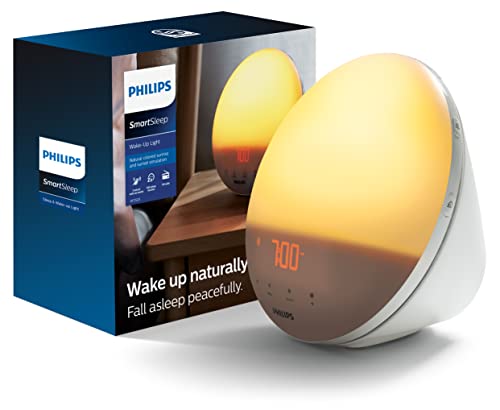
- CLINICALLY PROVEN*: Philips wake-up lights are recommended by physicians and…
- PERSONALIZATION: Simulated sunset and sunrise and choice of 5 different natural…
- SMART FEATURES: FM radio, tap snooze and automatic dimmable display
Tempur-Pedic TEMPUR-Cloud Breeze Dual Cooling Pillow
Engineered with temperature-regulating fibers and pressure-relieving TEMPUR material, this pillow combats night sweats (common in insomnia) while providing neck support to prevent restless sleep. The cooling gel layer is a game-changer for overheating sleepers.
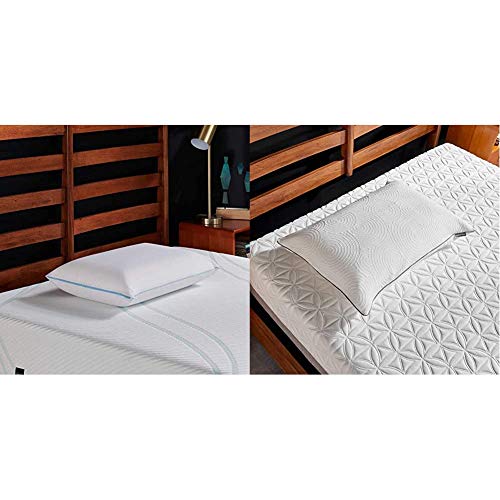
- The TEMPUR-Cloud Breeze pillow provides extra-soft comfort with adaptive TEMPUR…
- The cooling pillow has layers of cooling gel on both sides to help you stay…
- The lightweight, queen size TEMPUR-Cloud Breeze pillow includes a removable and…
Withings Sleep Tracking Mat (Sleep Analyzer)
A non-wearable sleep tracker that slips under your mattress, this device detects sleep cycles, heart rate, and snoring—critical data for diagnosing hypersomnia’s excessive sleep phases or insomnia’s fragmented patterns. Syncs with Apple Health for long-term trend analysis.
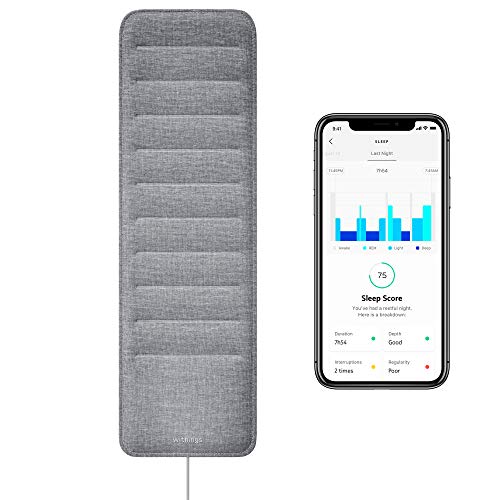
- EXPLORE THE DEPTHS OF YOUR SLEEP PATTERN – Sleep is the ultra-powerful sleep…
- WORLD PREMIERE – Sleep is the world’s first under-mattress sleep sensor, with…
- LEADS TO MORE RESTFUL SLEEP – By analyzing the phases, depth and interruptions…
Hypersomnia: When Sleep Becomes Excessive
Hypersomnia is more than just feeling sleepy—it’s a neurological disorder where the brain struggles to regulate wakefulness, leading to excessive daytime sleepiness (EDS) despite adequate nighttime sleep. Unlike normal fatigue, hypersomnia sufferers may sleep 10+ hours nightly yet still require naps, often experiencing “sleep drunkenness” (profound grogginess upon waking). The condition stems from dysfunction in the hypothalamus or neurotransmitters like orexin, which governs alertness.
Primary vs. Secondary Hypersomnia
Primary hypersomnia (like idiopathic hypersomnia or narcolepsy type 2) occurs without an underlying medical cause. Patients often describe it as “sleeping through alarms” or feeling like they’re “moving through molasses.” Secondary hypersomnia results from conditions like sleep apnea, thyroid disorders, or Parkinson’s disease. For example, sleep apnea-induced hypoxia (oxygen deprivation) fragments sleep, forcing the brain to demand more rest to recover.
Key Symptoms Beyond Sleepiness
- Cognitive impairment: “Brain fog” slows reaction times by 30-40%, mimicking ADHD symptoms
- Automatic behaviors: Performing tasks like driving without conscious memory (common in narcolepsy)
- Unrefreshing naps: Unlike healthy 20-minute power naps, hypersomnia naps may last hours without restoring energy
A 2023 Journal of Sleep Medicine study found hypersomnia patients have abnormally high GABA activity—a neurotransmitter that suppresses arousal. This explains why stimulants like caffeine often fail; the brain chemically resists wakefulness. Diagnosis requires a multiple sleep latency test (MSLT), measuring how quickly a patient falls asleep in daytime nap trials.
Real-World Impact
Imagine a college student sleeping 12 hours nightly but still falling asleep during lectures—or a nurse needing 3 alarms to wake for night shifts. Hypersomnia disrupts careers and relationships, with 68% of patients reporting depression due to constant exhaustion. Treatment often combines stimulants (modafinil) with behavioral therapy to strengthen circadian rhythms.
Contrary to myths, hypersomnia isn’t laziness. It’s a measurable neurological conflict where the sleep-wake switch gets “stuck” in the on position. Recognizing these details helps patients seek targeted care instead of generic sleep advice.
Decoding Insomnia: The Science of Sleeplessness
Insomnia isn’t merely “trouble sleeping”—it’s a hyperarousal disorder where the brain’s fight-or-flight system remains active despite exhaustion. Unlike hypersomnia, insomnia sufferers may spend nights in a frustrating cycle of sleep effort, where trying harder to sleep paradoxically increases wakefulness. The condition often involves dysfunction in the ventrolateral preoptic nucleus (VLPO), the brain’s “sleep switch” that should suppress alertness at night.
The Two Faces of Insomnia
Acute insomnia (lasting <3 months) often follows stressors like job loss or grief, triggering cortisol spikes that delay sleep onset. Chronic insomnia (>3 nights/week for ≥3 months) involves maladaptive behaviors like “clock watching,” which trains the brain to associate bedtime with anxiety. Research shows chronic insomniacs have 31% faster brainwave activity during NREM sleep compared to healthy sleepers.
Key Mechanisms Behind Sleeplessness
- Thermoregulation failure: Insomniacs often have warmer core body temperatures at bedtime—the opposite of the 1°F drop needed for sleep initiation
- Dysfunctional sleep drive: Adenosine (sleep pressure chemical) builds slower due to heightened adrenaline
- Light sensitivity: Melanopsin-containing retinal cells may overreact to blue light, suppressing melatonin for hours
The Vicious Cycle of Sleep Anxiety
A classic example: An accountant starts worrying about sleep at 8 PM, checking the clock every 15 minutes. By bedtime, their heart rate reaches 85 BPM (normal: 60-70 BPM), activating the locus coeruleus (brain’s alarm center). This creates a feedback loop where fear of insomnia perpetuates insomnia itself. Cognitive Behavioral Therapy for Insomnia (CBT-I) breaks this pattern by:
- Restricting time in bed to rebuild sleep drive
- Replacing negative thoughts (“I’ll fail tomorrow”) with evidence-based alternatives
- Resetting circadian rhythms through controlled light exposure
Unlike hypersomnia medications that promote wakefulness, insomnia treatments like trazodone or doxepin work by quieting overactive norepinephrine systems. However, studies show CBT-I has longer-lasting effects—improving sleep latency by 55% compared to 30% with medications alone.
Diagnostic Approaches: How Sleep Specialists Differentiate Hypersomnia and Insomnia
Accurate diagnosis of sleep disorders requires more than symptom checklists—it involves a multi-modal assessment combining objective measurements with detailed sleep history. Sleep specialists use specific diagnostic criteria from the International Classification of Sleep Disorders (ICSD-3) to distinguish between hypersomnia and insomnia, which often share overlapping symptoms like daytime fatigue.
Key Diagnostic Tools and Their Clinical Significance
| Test | Hypersomnia Application | Insomnia Application | Critical Metrics |
|---|---|---|---|
| Polysomnography (PSG) | Measures sleep efficiency >90% in hypersomnia | Reveals prolonged sleep latency (>30 min) in insomnia | REM latency, arousal index, sleep stages distribution |
| Multiple Sleep Latency Test (MSLT) | Diagnoses narcolepsy if mean sleep latency ≤8 minutes with ≥2 REM episodes | Not typically used for insomnia | Sleep onset latency, REM presence in naps |
| Actigraphy | Documents excessive total sleep time (>11 hrs/24hr period) | Tracks sleep variability and time in bed vs. actual sleep | Sleep efficiency, wake after sleep onset (WASO) |
The Differential Diagnosis Process
Specialists follow a step-by-step elimination protocol to avoid misdiagnosis:
- Sleep diary analysis: Patients track sleep patterns for 2 weeks, noting key differences—hypersomnia patients typically report long sleep bouts with difficulty waking, while insomniacs document frequent awakenings and sleep anxiety.
- Medical history review: Hypersomnia often correlates with neurological conditions like MS, while insomnia frequently accompanies psychiatric disorders (70% of depression cases involve sleep maintenance insomnia).
- Medication audit: Many antidepressants cause hypersomnia, while stimulants can trigger insomnia—requiring careful timeline analysis of symptom onset versus prescription changes.
Common Diagnostic Pitfalls
Clinicians warn against these frequent errors:
- Overlooking sleep apnea: 40% of “hypersomnia” cases actually stem from untreated apnea-induced sleep fragmentation
- Misinterpreting fatigue: Chronic fatigue syndrome differs from hypersomnia by lacking actual sleep propensity
- Circadian rhythm confusion: Delayed sleep phase disorder mimics insomnia but responds differently to treatment
Advanced clinics now use cerebrospinal fluid analysis to measure hypocretin levels for narcolepsy type 1 diagnosis, while insomnia specialists employ hyperarousal biomarkers like elevated beta EEG activity during NREM sleep. These precise measurements enable truly personalized treatment plans.
Treatment Strategies: Evidence-Based Approaches for Each Condition
Effective management of hypersomnia and insomnia requires fundamentally different treatment philosophies. While both aim to restore healthy sleep patterns, their approaches target opposite ends of the sleep-wake spectrum. Modern sleep medicine employs precision treatment protocols based on each disorder’s unique neurobiology.
Hypersomnia Treatment Protocols
First-line treatments focus on activating the arousal system through multiple mechanisms:
- Dopamine/norepinephrine enhancers: Modafinil (Provigil) and armodafinil (Nuvigil) increase histamine release without the crash of traditional stimulants. Studies show 200-400mg doses improve wakefulness by 68% in idiopathic hypersomnia.
- Sodium oxybate: This GABA-B agonist (Xywav) paradoxically improves daytime alertness in narcolepsy by consolidating nighttime sleep. Requires strict dosing at bedtime and 4 hours later.
- Behavioral activation therapy: Structured exercise at 10 AM and 4 PM capitalizes on natural cortisol peaks to reinforce circadian rhythms.
Insomnia Intervention Strategies
Insomnia treatments work by reducing hyperarousal through both pharmacological and behavioral means:
| Approach | Mechanism | Clinical Considerations |
|---|---|---|
| CBT-I (Gold Standard) | Resets sleep drive through sleep restriction and stimulus control | Requires 6-8 weeks; 80% efficacy rate for sleep onset latency |
| DORA Medications (e.g., Belsomra) | Blocks orexin receptors to quiet wake-promoting systems | Best for sleep maintenance insomnia; minimal next-day effects |
| Temperature Biofeedback | Trains patients to lower distal body temperature by 1°F | Particularly effective for peri-menopausal insomnia |
Advanced Combination Therapies
For treatment-resistant cases, sleep specialists may recommend:
- Chronotherapy for circadian misalignment: Gradually shifting bedtime in 15-minute increments until reaching the desired schedule
- Transcranial magnetic stimulation (TMS): Emerging research shows 10Hz stimulation of the dorsolateral prefrontal cortex improves sleep continuity
- Microbiome modulation: Specific probiotic strains (L. helveticus R0052) shown to reduce cortisol and increase sleep efficiency by 18%
Critical safety note: Hypersomnia patients should avoid sedating medications that could exacerbate symptoms, while insomniacs must carefully time stimulant use to prevent worsening sleep fragmentation. Regular polysomnographic follow-ups every 6-12 months help adjust treatments as sleep architecture changes.
Long-Term Management and Emerging Therapies in Sleep Disorders
Sustained management of sleep disorders requires understanding their evolving nature and the latest scientific advancements. Both hypersomnia and insomnia demonstrate neuroplastic changes over time, necessitating dynamic treatment adjustments and awareness of cutting-edge interventions.
Chronic Disease Management Strategies
| Management Aspect | Hypersomnia Protocol | Insomnia Protocol | Monitoring Frequency |
|---|---|---|---|
| Medication Tolerance | Quarterly stimulant rotation (modafinil→armodafinil→pitolisant) | Biannual CBT-I booster sessions | Every 3-6 months |
| Comorbidity Screening | Annual MSLT to detect narcolepsy progression | Depression/anxiety scales every 4 months | Varies by condition |
| Lifestyle Optimization | Circadian light therapy + strategic caffeine timing | Sleep compression training | Ongoing adjustments |
Neurobiological Considerations Over Time
Long-term hypersomnia patients often develop dopamine receptor downregulation, requiring periodic “medication holidays” to restore treatment efficacy. Conversely, chronic insomnia leads to hyperactive amygdala responses to sleep-related stimuli, which explains why 45% of patients relapse without maintenance CBT-I.
Breakthrough Therapies on the Horizon
- Orexin receptor agonists (TAK-925): Currently in Phase III trials for hypersomnia, showing 72% improvement in wakefulness without cardiovascular side effects
- Personalized sleep acoustics: Real-time EEG-triggered sound waves that enhance slow-wave sleep (shown to improve sleep efficiency by 27% in early trials)
- Gut-brain axis modulation: Fecal microbiota transplantation trials demonstrating 40% reduction in insomnia severity scores
Cost-Benefit Analysis of Treatment Options
While CBT-I has higher upfront costs (~$1,200 for full protocol) compared to medications ($30-200/month), its 5-year cost is 60% lower due to sustained efficacy. For hypersomnia, newer agents like pitolisant ($900/month) may be cost-effective when considering productivity gains—studies show they reduce workplace errors by 38%.
Future directions include wearable-based precision medicine using machine learning to predict sleep attacks in hypersomnia and optimal sleep windows for insomniacs. These technologies, combined with our growing understanding of sleep neurobiology, promise more personalized and effective long-term solutions for these challenging conditions.
Sleep Disorder Comorbidities: The Complex Web of Related Conditions
Understanding hypersomnia and insomnia requires examining their intricate relationships with other health conditions. These sleep disorders rarely exist in isolation, often forming bidirectional relationships with neurological, psychiatric, and metabolic diseases that complicate diagnosis and treatment.
Neurological Comorbidities
Hypersomnia shows particularly strong associations with:
- Neurodegenerative diseases: 60% of Parkinson’s patients develop REM sleep behavior disorder preceding motor symptoms by 6-8 years
- Multiple sclerosis: Lesions in the thalamus or hypothalamus disrupt orexin pathways, causing secondary hypersomnia
- Post-concussion syndrome: 43% of TBI patients exhibit hypersomnia due to damaged wake-promoting circuits
Psychiatric Intersections
| Condition | Relationship with Insomnia | Relationship with Hypersomnia |
|---|---|---|
| Major Depression | Early morning awakening is diagnostic criterion (75% prevalence) | Atypical depression shows hypersomnia (15-30% of cases) |
| Bipolar Disorder | Manic episodes feature decreased need for sleep | Depressive phases often include hypersomnia |
| ADHD | Circadian delay mimics insomnia (common in adults) | Sleep inertia severe in 70% of pediatric cases |
Metabolic and Immune Connections
The sleep-metabolism axis reveals surprising relationships:
- Insulin resistance: Chronic insomnia increases diabetes risk by 40% through elevated cortisol and inflammation
- Hypersomnia and obesity: Leptin resistance in hypersomnia patients creates perpetual hunger despite high leptin levels
- Autoimmune links: Narcolepsy type 1’s association with HLA-DQB1*06:02 suggests autoimmune component
Clinical implications are significant. For example, treating a depressed patient’s hypersomnia with stimulants may worsen anxiety, while sedating an insomniac with comorbid sleep apnea could be dangerous. The gold standard approach involves:
- Comprehensive polysomnography to rule out breathing disorders
- Neuroendocrine panels assessing cortisol, melatonin, and growth hormone patterns
- Staged treatment addressing the most disabling symptom first
Emerging research on the glymphatic system reveals how sleep disturbances may accelerate neurodegenerative processes by impairing toxic protein clearance. This explains why insomnia patients show 30% faster amyloid-beta accumulation, potentially linking chronic sleep disruption to Alzheimer’s pathology.
Optimizing Daily Functioning: Adaptive Strategies for Work and Relationships
Living productively with sleep disorders requires more than medical treatment—it demands strategic lifestyle engineering tailored to each condition’s unique challenges. These evidence-based adaptations help patients maintain careers and relationships while managing symptoms.
Workplace Accommodations by Disorder Type
| Challenge | Hypersomnia Solutions | Insomnia Solutions |
|---|---|---|
| Morning Functioning | Delayed start times (9:30-10AM) to accommodate sleep inertia | Gradual shift to earlier schedules using light therapy |
| Focus Maintenance | Scheduled 15-min “microbreaks” every 90 minutes | Pomodoro technique with 25-min focused work periods |
| Meeting Performance | Standing desks or pacing to maintain alertness | Strategic caffeine timing (90 min before critical meetings) |
Relationship Preservation Techniques
Sleep disorders strain personal connections through:
- Hypersomnia: Missed social events (78% of patients report relationship damage)
- Insomnia: Irritability from chronic sleep deprivation (affects 92% of partners)
Effective counterstrategies include:
- Shared activity scheduling: Planning dates during peak alertness windows (10AM for hypersomnia, 7PM for insomnia)
- Sleep-friendly intimacy: Non-sleep-contingent physical affection to reduce performance pressure
- Communication frameworks: Using “I feel” statements to explain symptoms without blame
Advanced Cognitive Preservation Methods
Chronic sleep disruption causes measurable brain structure changes, including hippocampal shrinkage. These neuroprotective strategies help:
- Dual n-back training: 20 minutes/day improves working memory in hypersomnia patients by 17%
- Strategic napping: 10-minute naps at 1PM and 4PM for hypersomnia; complete avoidance for insomnia
- Nutraceutical support: 300mg phosphatidylserine reduces cortisol-related memory impairment
Quality assurance involves quarterly neurocognitive testing to monitor processing speed and executive function. The Psychomotor Vigilance Test (PVT) effectively tracks treatment progress, with <10% lapse rate indicating successful management. Emerging wearable EEG devices now provide real-time feedback on cognitive reserve depletion, allowing proactive adjustments before significant impairment occurs.
Conclusion: Taking Control of Your Sleep Health
Understanding the critical differences between hypersomnia and insomnia—from their neurobiological roots to their distinct treatment approaches—empowers you to seek targeted solutions rather than generic sleep advice.
We’ve explored how hypersomnia stems from impaired wakefulness systems while insomnia involves hyperarousal, how specialized diagnostics differentiate them, and why personalized treatment plans yield the best results. Your sleep patterns are unique biomarkers deserving professional attention.
Whether you’re battling relentless fatigue or endless nights awake, remember: effective solutions exist. Schedule a consultation with a sleep specialist, request a polysomnogram if needed, and consider joining condition-specific support groups. With proper management, both conditions can be controlled—your path to restorative sleep begins with taking that first informed step today.
Frequently Asked Questions About Hypersomnia vs Insomnia
What’s the fundamental biological difference between hypersomnia and insomnia?
Hypersomnia involves underactive wake-promoting systems (especially orexin and histamine pathways), while insomnia features overactive arousal networks (particularly norepinephrine and cortisol systems).
Brain scans show hypersomnia patients have 18% less activity in wakefulness centers like the tuberomammillary nucleus, whereas insomniacs demonstrate 30% more activation in the locus coeruleus during attempted sleep.
Can someone have both hypersomnia and insomnia simultaneously?
Yes, in conditions like “paradoxical insomnia” where patients feel awake despite sleeping normally, or with circadian rhythm disorders causing daytime sleepiness and nighttime alertness.
This complex presentation requires actigraphy and PSG testing to unravel the conflicting symptoms. Treatment typically combines sleep restriction for insomnia with strategic light therapy for hypersomnia components.
How do medications for these conditions differ in their mechanisms?
Hypersomnia medications (modafinil, pitolisant) boost dopamine and histamine to promote wakefulness. Insomnia drugs (suvorexant, doxepin) work oppositely—blocking orexin or enhancing GABA.
Notably, some hypersomnia patients benefit from nighttime sodium oxybate (which consolidates sleep) while insomniacs may use daytime stimulants if their sleeplessness causes next-day impairment.
What’s the most accurate home test to distinguish between them?
The Sleep Diary + Actigraphy combo provides 82% diagnostic accuracy when done properly for 2 weeks. Track: sleep onset latency (insomnia >30 min), total sleep time (hypersomnia >10 hrs), and daytime naps (hypersomnia naps are long/unrefreshing). Consumer wearables like Oura Ring can supplement with heart rate variability data showing hyperarousal patterns.
Why do traditional sleep hygiene rules often fail for these conditions?
Standard advice like “maintain consistent bedtimes” backfires because hypersomnia requires sleep restriction while insomnia needs stimulus control. For hypersomnia, we recommend morning light exposure + afternoon activity scheduling. For insomnia, we suggest “get out of bed when awake” rather than forcing sleep. Both conditions require specialized CBT protocols.
How do these disorders affect metabolism differently?
Hypersomnia slows metabolism by 12-15% due to prolonged inactivity and leptin resistance. Insomnia increases metabolic rate by 5-7% from chronic stress but leads to visceral fat accumulation. Blood tests show hypersomnia patients have elevated ghrelin, while insomniacs have 30% higher nighttime cortisol levels disrupting glucose metabolism.
What emergency symptoms indicate when to seek immediate help?
For hypersomnia: sudden onset with slurred speech (could indicate narcolepsy or neurological event). For insomnia: chest pain with sleeplessness (possible cardiac stress) or hallucinations after 72+ hours awake. Both conditions warrant urgent care if accompanied by suicidal thoughts due to sleep deprivation effects on emotional regulation.
Are there any new treatments in development showing promise?
Emerging therapies include transcranial direct current stimulation (tDCS) for insomnia targeting the dorsolateral prefrontal cortex, and histamine H3 receptor inverse agonists like pitolisant for hypersomnia. Phase II trials of TAK-925 (orexin agonist) show it improves wakefulness in 80% of hypersomnia patients without jitteriness.