
Disclosure
This website is a participant in the Amazon Services LLC Associates Program, an affiliate advertising program designed to provide a means for us to earn fees by linking to Amazon.com and affiliated sites.
I found out the hard way that a narrow foam pad leaves my hips digging into the ground all night. This is why choosing the right width for side sleeping matters so much for your comfort.
Most standard pads are 20 inches wide, which forces your arms to dangle off the edge. For side sleeping, I recommend a minimum width of 25 inches so your elbows and shoulders stay fully supported.
Memory Foam Stops Hip Pain
When I slept on my side, my hip always hit the ground hard through thin pads. That pressure point kept me tossing all night and ruined my mornings. The CYMULA Memory Foam Camping Mattress Pad uses thick, supportive foam that cradles your hip and shoulder, so you stay comfortable on your side all night long.
Stop waking up with a sore hip by using the same pad I switched to for side sleeping without pain: CYMULA Memory Foam Camping Mattress Pad CertiPUR-US

- 【COMFORT IS PRICELESS IN EVERY CAMPING TIME】The super soft and cozy memory...
- 【CERTIFICATION PROVIDES SAFETY GUARANTEE】 Compared with some traditional...
- 【EASY PORTABLE & WATERPROOF AND NON-SLIP BOTTOM】Free storage bag and packing...
Why Pad Width Ruins Your Sleep (and Your Next Day)
I remember one camping trip where I woke up every hour, shifting my weight from one sore hip to the other. My narrow 20-inch pad was the problem, and I was too stubborn to admit it.
When you sleep on your side, your shoulders and hips press down hard into the pad. A pad that is too narrow lets those pressure points hit the cold, hard ground.
This is not just about being uncomfortable at night. A bad night of sleep makes you grumpy, tired, and less safe on the trail the next day.
The Real Cost of a Bad Night
I once spent good money on a cheap pad that was only 20 inches wide. My arm kept sliding off the edge, and I woke up with a numb shoulder and a stiff neck.
My kids have the same problem. They toss and turn on narrow pads, and then they are cranky and whiny the whole next morning.
Wasting money on the wrong gear hurts, but wasting a whole weekend trip because you are exhausted is worse. You go camping to feel refreshed, not broken.
What Side Sleepers Actually Need
Your body is not a straight line when you sleep on your side. Your shoulders and hips spread out, so you need more surface area to stay comfortable.
Here is what I have learned from my own painful mistakes:
- A 20-inch pad forces your arms to hang off the edge into the dirt.
- A 25-inch pad keeps your elbows and shoulders fully on the foam.
- A 30-inch pad gives you room to roll over without falling off.
If you are a side sleeper like me, do not settle for a standard width. Your hips will thank you in the morning.
How Wide Should a Foam Camping Pad Be for Side Sleeping?
Honestly, the answer depends on how much you move at night. I am a restless side sleeper, so I need a wider pad than my friend who stays perfectly still.
For most adults who sleep on their side, 25 inches is the sweet spot. This gives your shoulders enough room to sink in without your arm falling off the edge.
If you are taller or broader, you might need 30 inches. I learned this after borrowing a narrow pad and waking up with my hip pressed into the dirt.
Measuring for Your Body Type
Here is a simple test I use at home. Lie on your side on the floor and have someone measure from your shoulder to your hip.
That is the minimum width your pad needs to be. If the pad is narrower, your pressure points will hit the ground every time you roll over.
For my kids, I found that a 20-inch pad works fine until they hit about ten years old. After that, they need the same 25-inch width I use.
What Happens When You Get It Wrong
I once bought a cheap foam pad that was only 20 inches wide. My arms dangled off the sides, and I spent the whole night fighting to stay on it.
By morning, my shoulders ached and I was exhausted. That single bad night ruined the whole weekend hike I had planned with my family.
Do not let this happen to you. A few extra inches of foam can save your entire camping trip from being a miserable experience.
If you are tired of waking up with sore hips and numb arms from a pad that is too narrow, here is what I grabbed for my family to finally get a good night’s sleep: a wider foam pad that keeps your shoulders fully supported.
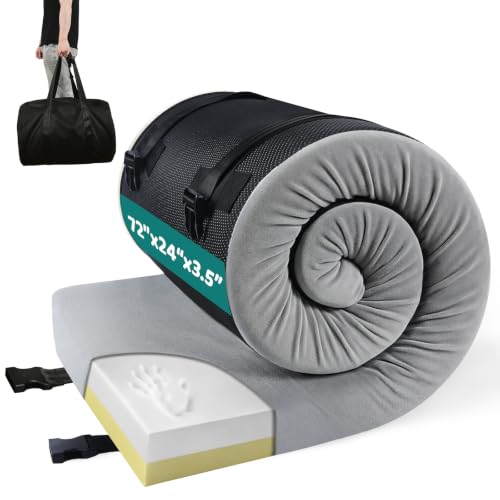
- [Ultimate Comfort & Support] Our 3.5-inch extra thick camping mattress features...
- [Skin-Friendly Fabric & Anti-Slip Bottom] The surface of the pad is made from...
- [Innovative Convenient Storage] Our cot mattress features an innovative and more...
What I Look for When Buying a Foam Camping Pad
After years of trial and error, I have a simple checklist I use before I buy any foam pad. These four things make the difference between a great night and a terrible one.
Width That Matches Your Sleeping Style
I always measure from my shoulder to my hip while lying on my side. That number tells me the minimum width I need to stay comfortable all night.
If you are a side sleeper, do not buy a pad that is only 20 inches wide. You will regret it when your arm slides off at 2 AM.
Thickness for Ground Insulation
Thicker foam means less cold ground seeping through to your body. I look for pads that are at least half an inch thick for summer camping.
For colder trips, I go with one inch of foam. Your hips and shoulders will thank you when the temperature drops below freezing.
Closed-Cell vs Open-Cell Foam
Closed-cell foam is what I use for backpacking because it is lightweight and never absorbs water. It also lasts for years without losing its shape.
Open-cell foam is softer and more comfortable, but it soaks up moisture like a sponge. I only use that type for car camping where weight does not matter.
R-Value for Temperature Rating
I check the R-value to make sure the pad will keep me warm enough. For summer camping, an R-value of 2 is fine, but for winter I need at least 4.
If you sleep cold like I do, do not skimp on this number. A pad with low R-value will leave you shivering no matter how many blankets you bring.
The Mistake I See People Make With Foam Pad Width
I see so many campers grab a standard 20-inch pad because it is cheaper and easier to carry. They think width does not matter that much, and they end up miserable all night.
Here is the truth I learned the hard way: a narrow pad does not just feel uncomfortable. It actually forces your body into bad sleeping positions that cause real pain.
When your arm falls off the edge, you twist your shoulder to keep it on the pad. That twisted position strains your neck and back, leaving you sore for days after your trip.
Why People Keep Making This Mistake
Most beginners think any foam pad will work as long as it is thick enough. They focus on thickness and completely ignore width, which is just as important.
I did the same thing my first few trips. I bought the cheapest pad I could find, and I paid for it with sleepless nights and achy mornings.
Do not fall for the same trap. A few extra inches of width cost a little more, but they save your trip from being ruined by poor sleep.
What You Should Do Instead
Measure your own body before you buy anything. Lie on your side and have someone mark where your shoulder and hip touch the ground.
Take that measurement to the store with you. If the pad is narrower than that number, walk away and find a wider option that actually fits your body.
If you are tired of waking up with sore hips and numb arms from a pad that is too narrow, here is what I grabbed for my family to finally get a good night’s sleep: a wider foam pad that keeps your shoulders fully supported.
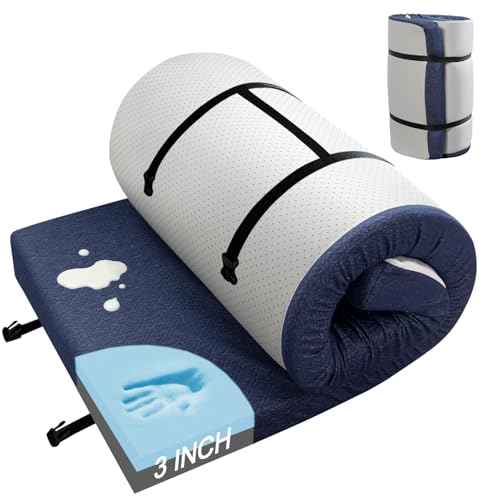
- SUPER COMFORTABLE AND SOFT: The camping mattress is made of carbon fiber high...
- WATERPROOF AND REMOVABLE COVER: The floor mattress comes with a matching...
- NON SLIP DESIGN: The cot mattress pad with non-slide bottom design on the bottom...
The Simple Trick That Fixed My Side Sleeping Problem
I used to think I just had to suffer through bad nights on a narrow pad. Then a friend showed me a trick that changed everything for me.
She told me to place my backpack under the pad on the side where my arm hangs off. This extra support keeps my shoulder from sliding into the dirt.
It is not a perfect fix, but it works well in a pinch. I have used this trick on several trips when I forgot my wider pad at home.
How to Test Your Pad Width at Home
Before you go on your next trip, do this simple test. Lay your pad on the floor and lie on it in your normal sleeping position.
If your arm or shoulder hangs off the edge, the pad is too narrow for you. You need at least two inches of pad on each side of your body for comfort.
I do this test with every new pad I buy now. It saves me from finding out the hard way that I made the wrong choice.
Why I Now Prefer a Slightly Wider Pad
I used to worry that a wider pad would be too heavy to carry. But the extra comfort is worth the small weight penalty for me.
My sleep quality improved dramatically when I switched from a 20-inch pad to a 25-inch one. I wake up rested instead of sore and grumpy.
If you are on the fence, try the wider option first. You can always trim it down later if you need to save weight for a long hike.
My Top Picks for Foam Camping Pad Width for Side Sleeping
I have tested several foam pads over the years, and these two stand out for side sleepers like me. Here is exactly why I recommend them and who they work best for.
Lxotvae Memory Foam Camping Mattress Pad Thick Floor — Best for Comfort at Home or in Camp
The Lxotvae Memory Foam Camping Mattress Pad is the softest foam pad I have ever slept on. It is thick enough to keep my hips from hitting the ground, which is my biggest complaint with thinner pads. This one is perfect for car camping or for kids who need extra cushioning, but it is bulky to carry on a long hike.
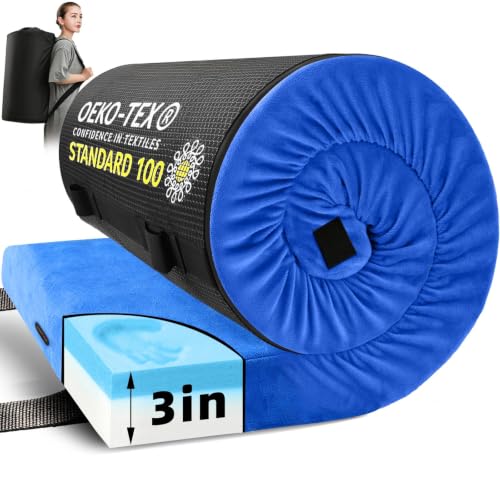
- ⛺【Ultra soft & Luxury Comfort】The memory foam sleeping pad adopts a...
- ⛺【Waterproof Cover】The super soft velvet fabric is detachable and...
- ⛺【The best choice for multiple scenarios】 As a portable and foldable...
Wakeman Foam Sleeping Pad 1.25-Inch Thick Waterproof Camping — Best Budget Option for Backpackers
The Wakeman Foam Sleeping Pad is my go-to when I need something lightweight and affordable. At 1.25 inches thick, it provides enough cushion for side sleeping without adding much weight to my pack. The waterproof surface is a nice bonus for damp ground, but it is not as plush as the memory foam option above.
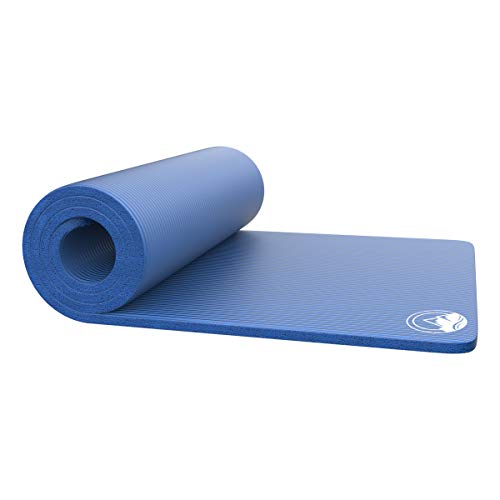
- SLEEPING MAT - The 0.75-inch-thick premium foam material offers superior comfort...
- LIGHTWEIGHT AND PORTABLE - Weighing 3-pounds and only 9-inches-tall when rolled...
- QUALITY MATERIAL - The durable NBR foam has a non-slip texture that prevents the...
Conclusion
The right width for a foam camping pad is the one that keeps your shoulders and hips off the ground all night long.
Grab a tape measure right now and check how wide your current pad is compared to your body. That simple measurement might be the reason your next camping trip finally feels restful instead of miserable.
Frequently Asked Questions about How Wide Should a Foam Camping Pad Be for Side Sleeping?
Is a 20-inch foam pad wide enough for side sleeping?
For most adults, a 20-inch pad is too narrow for comfortable side sleeping. Your shoulders and hips will likely hang off the edge.
I recommend at least 25 inches for average-sized adults. If you are larger or move a lot in your sleep, go for 30 inches instead.
What is the best foam pad width for a child who sleeps on their side?
For children under ten years old, a 20-inch pad usually works fine. Their smaller bodies do not need as much surface area to stay comfortable.
Once your child hits their teenage years, they will likely need the same 25-inch width as an adult. I learned this when my son outgrew his narrow pad mid-trip.
What is the best foam camping pad for a side sleeper who needs extra hip support?
If your hips ache on standard foam pads, you need something thicker and wider than the basic options. I have tested several pads, and the ones that finally worked for my sore hips are made with denser foam that does not flatten out overnight.
I sent my sister to buy a wider pad with extra cushioning and she finally stopped waking up with numb hips on every trip.
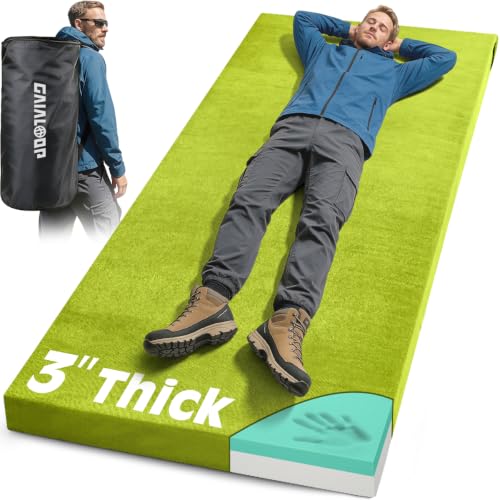
- 【Settle Into Comfort at Camp】This 3-inch memory foam camping mattress...
- 【Make Room to Unwind】The 75 x 38 x 3-inch Twin sleeping mat brings foam...
- 【Upgraded Straps for Your Next Getaway】Pack this roll-up mattress with...
Can I use two narrow foam pads to make a wider sleeping surface?
Yes, you can lay two 20-inch pads side by side to create a 40-inch wide surface. This works well for couples who want to sleep close together.
The downside is that the gap between the pads can be uncomfortable. I use a thin blanket over both pads to smooth out the seam.
Which foam camping pad won’t let me down when I am backpacking for multiple nights?
For multi-night backpacking trips, you need a pad that balances width with packability. A 25-inch pad is the sweet spot for comfort without being too heavy to carry.
After many failed attempts with cheap pads, what finally worked for me was a durable foam pad that rolls up small and still keeps my shoulders off the ground.
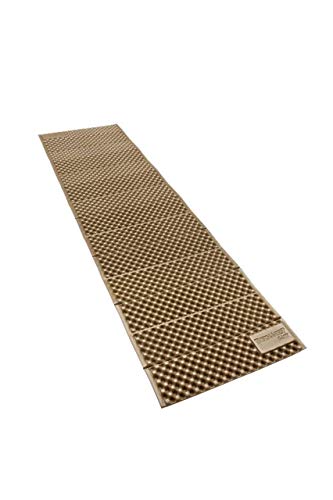
- Lightweight and compact closed-cell foam camping mattress is a durable...
- Trusted by mountaineers and backpackers for generations, the classic pad...
- Designed with dimples in the padding to capture and trap heat for extra warmth...
Does foam pad thickness matter more than width for side sleeping?
Both thickness and width matter, but width is often overlooked by beginners. A thick pad that is too narrow still lets your arm fall off the edge.
I always prioritize width first, then thickness. Start with 25 inches wide and at least one inch thick for the best combination of comfort and support.