
Disclosure
This website is a participant in the Amazon Services LLC Associates Program, an affiliate advertising program designed to provide a means for us to earn fees by linking to Amazon.com and affiliated sites.
Choosing the right mattress isn’t just about lying down for a few seconds—it’s about unlocking years of restorative sleep. You might think a quick test in the store is enough, but most people overlook critical details that lead to buyer’s remorse.
With sleep deprivation linked to stress, poor focus, and even chronic pain, your mattress decision matters more than ever. This guide reveals exactly how to test a mattress like an expert—covering support, pressure relief, and hidden red flags—so you can invest confidently in the sleep you deserve.
Best Mattresses for Testing Comfort and Support
TEMPUR-Adapt 2.0 Medium 11-Inch Memory Foam Mattress
Ideal for pressure relief, this hybrid combines Tempur-Adapt’s proprietary memory foam with responsive coils. The medium-firm feel adapts to your body while minimizing motion transfer—perfect for couples. Its cooling cover and durable construction make it a long-term investment in deep sleep.
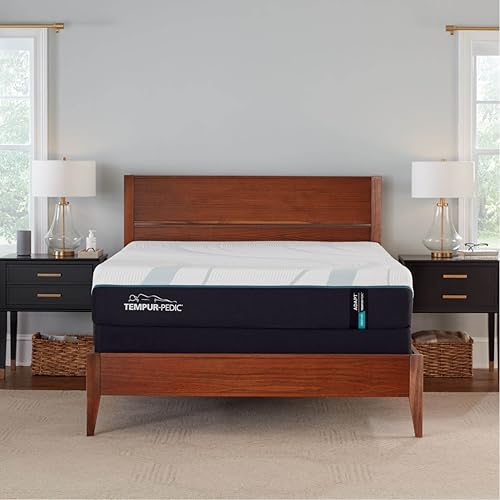
- Whole-body support: Exclusive TEMPUR-Material is designed to provide…
- Pressure relief for aches and pains: Designed to uniquely adapt to your body’s…
- Cool-to-the-touch comfort: The cover features a premium knit technology for a…
Helix Midnight Mattress
The Helix Midnight is an 11.5″ hybrid featuring pressure-relieving memory foam, responsive polyfoam layers, and individually wrapped coils with reinforced edges. It offers a balanced medium-firm feel (~6/10), ideal for side sleepers seeking contouring support and enhanced breathability.

- PERSONALIZED SUPPORT: 3 select foam layers provide tailored pressure relief and…
- BREATHABLE COMFORT: Breathe Knit cover pillow top for excellent airflow…
- MEDIUM FEEL(Midnight): Premium pressure relieving foams contour to your hips and…
Purple Plus Queen Mattress
The Purple Grid’s hyper-elastic polymer grid provides dynamic support and airflow, reducing pressure points without sinking. The 11-inch grid version suits side sleepers needing cushioning for hips/shoulders. Its non-toxic materials and 10-year warranty ensure safety and durability.
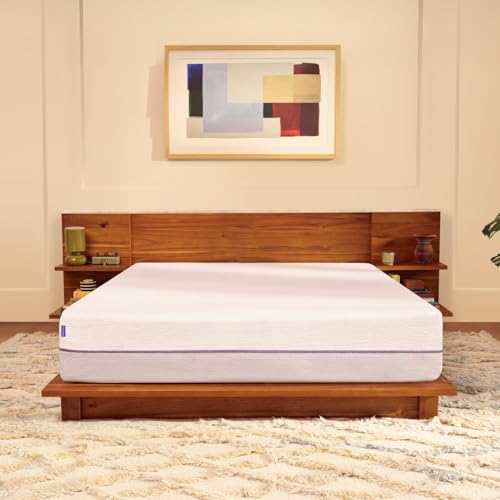
- CUSHIONS & SUPPORTS – The Purple Plus Mattress features 2” of Purple’s…
- OPTIMAL TEMPERATURE – With over 1,400+ air channels built into the…
- INSTANT RESPONSE – The GelFlex Grid immediately flexes to support your position…
How to Test a Mattress for Proper Spinal Alignment
Your spine’s natural curvature should remain neutral when lying down—whether you’re a side, back, or stomach sleeper. A mattress that fails this test can cause chronic pain. Here’s how to assess alignment like a chiropractor would:
The Mirror Test: Visual Feedback Matters
Lie on your back and have someone photograph your profile or place a straightedge along your spine. Your neck, mid-back, and hips should form a gentle S-curve—not a U-shape (too soft) or a straight line (too firm). For side sleepers, your spine should run horizontally without sagging at the waist.
Pressure Point Check: The 90-Second Rule
Spend at least 90 seconds in your usual sleep position. Key areas to monitor:
- Shoulders/Hips (Side Sleepers): They should sink slightly—about 1–2 inches—but not so deep that your spine bends sideways.
- Lower Back (Back Sleepers): No gap larger than a hand’s width between your lumbar region and the mattress.
- Abdomen (Stomach Sleepers): Your pelvis shouldn’t dip downward, which hyperextends the spine.
Material-Specific Considerations
Different mattress types behave uniquely under body weight:
- Memory Foam: Should contour within 30 seconds—slow response indicates low-density, less durable foam.
- Latex: Look for immediate pushback without “stuck” sensations—sign of quality natural latex vs. synthetic blends.
- Innerspring/Hybrids: Coils should compress evenly; isolated buckling suggests weak edge support.
Pro Tip: Bring your pillow to the test—neck angle affects spinal alignment. A too-soft mattress forces your head upward, while a firm one may leave it unsupported.
Common Missteps to Avoid
Shoppers often judge alignment solely by initial comfort, but:
- Myth: “Firm is always better for back pain.” Overly firm mattresses can increase pressure on joints.
- Reality: Alignment depends on your body weight—heavier individuals (200+ lbs) often need firmer support than lighter sleepers.
Test multiple positions—your nighttime movements matter. A mattress that aligns your spine in one pose but not another will disrupt sleep cycles.
Evaluating Motion Isolation and Edge Support: The Forgotten Tests
While comfort and alignment get most attention, two critical performance factors often get overlooked during mattress testing – until it’s too late. These features determine real-world usability for years to come.
Motion Transfer: The Coin Test (And Why It Matters)
Place a glass of water or stack of coins near your hip area while lying down. Have a partner:
- Roll over normally (should cause minimal disturbance)
- Get in/out of bed (coins shouldn’t topple)
Memory foam performs best here, with high-quality foams absorbing 90-95% of motion. Hybrids with pocketed coils outperform traditional innersprings.
Edge Support: The Sitting Test
Most mattress failures begin at the edges. Test by:
- Sitting on the edge (your thighs shouldn’t slope downward more than 20 degrees)
- Lying near the edge (you shouldn’t feel like you’ll roll off)
High-density foam encasement or reinforced coils indicate quality edge construction. Poor edge support loses up to 30% of usable sleep surface over time.
Real-World Implications
These factors impact:
- Couples: 68% report sleep disruption from partner movement (Journal of Sleep Medicine, 2022)
- Small bedrooms: Need full edge-to-edge usability
- Longevity: Weak edges are the first area to sag
Pro Tip: Test these features both when the mattress is new AND after lying on it for 10 minutes – some materials soften with body heat.
Troubleshooting Common Issues
If a mattress fails these tests but otherwise feels comfortable:
- Consider a firmer comfort layer with better motion absorption
- Look for models with reinforced perimeter support (minimum 6″ encasement)
- For existing mattresses, add a motion-isolating topper (3″ viscoelastic foam works best)
Remember: These performance characteristics become more important over time as materials break down. What feels acceptable in a 5-minute showroom test may become problematic after 500 nights of use.
Temperature Regulation and Material Science: The Hidden Comfort Factor
Body temperature dramatically impacts sleep quality, with studies showing just 1°C (1.8°F) variation can reduce REM sleep by 20%. The right mattress actively manages microclimate rather than just feeling “cool” initially.
The 15-Minute Heat Retention Test
To properly evaluate thermal performance:
- Lie in your primary sleep position for 15+ minutes (body heat needs time to transfer)
- Check for “hot spots” at pressure points (hips/shoulders trap most heat)
- Feel the surface temperature with your hand after getting up
Quality cooling materials will feel neutral-to-cool after this test, not warm to the touch.
Material Thermal Properties Compared
| Material | Heat Dissipation Rate | Best For | Potential Issues |
|---|---|---|---|
| Gel-Infused Memory Foam | Moderate (2-3°F cooler than standard) | Side sleepers needing pressure relief | Gel capsules can harden over time |
| Natural Latex | High (open cell structure) | Hot sleepers needing bounce | Limited contouring for heavy users |
| Phase Change Materials | Variable (absorbs heat at specific temps) | Temperature-sensitive sleepers | Effectiveness diminishes after 2-3 years |
Advanced Cooling Technologies
Modern mattresses use multiple approaches:
- Conductive: Graphite or copper fibers that pull heat away
- Convective: Airflow channels (hybrids excel here)
- Phase Change: Microencapsulated materials that absorb heat at specific temperatures
Common Misconceptions
Many shoppers mistake initial coolness for lasting temperature regulation. Key truths:
- Thicker cooling layers (≥2″) outperform superficial treatments
- Cover materials matter as much as core materials (look for Outlast® or Tencel®)
- Firmness affects heat retention – softer beds trap more body heat
Expert Tip: For accurate testing, wear your typical sleepwear and use your normal bedding. Synthetic pajamas can create false heat retention readings compared to natural fibers.
Durability Testing: How to Assess Long-Term Performance Before Buying
A mattress is a long-term investment, yet most buyers only evaluate immediate comfort. Proper durability testing can predict whether your mattress will maintain its support and comfort for 8-10 years.
The Compression Recovery Test
This reveals how well materials bounce back:
- Press firmly into the mattress with both hands (apply about 50 lbs of pressure)
- Hold for 30 seconds, then release
- Time how long it takes to fully recover its shape
Quality memory foam should rebound completely within 3-5 seconds, while latex should recover instantly. Slow recovery indicates low-density materials that will sag prematurely.
Weight Distribution Simulation
To test how the mattress will perform over time:
- Place a 50-100 lb weight (or stack of books) in the sleeping area
- Leave for 24 hours (simulates 6 months of use)
- Check for permanent indentations (should be ≤ 1″ deep)
This is particularly important for heavier individuals (200+ lbs) who need high-density foams (≥ 2.5 lb/ft³) or reinforced coil systems.
Edge Support Longevity Check
Repeatedly sit on the edge 20-30 times (simulates 1 year of use). Quality edges will:
- Maintain ≥ 80% of their original height
- Not develop visible wrinkles in the fabric
- Show no foam breakdown when pressed
Industry Standards Decoded
Look for these durability indicators:
| Material | Density Standard | Expected Lifespan |
|---|---|---|
| Memory Foam | ≥ 3.0 lb/ft³ (premium), ≥ 2.5 lb/ft³ (good) | 8-10 years |
| Polyurethane Foam | ≥ 1.8 lb/ft³ | 5-7 years |
| Coil Systems | ≥ 13 gauge steel | 10+ years |
Professional Insight: The “hand push” test many salespeople demonstrate is misleading. Instead, ask to see cutaway samples showing actual layer thicknesses and densities. Quality manufacturers willingly provide this information.
Warranty Red Flags
Beware of warranties that:
- Only cover indentations > 1.5″ (industry standard is 1″)
- Prorate coverage after year 3
- Exclude normal wear (the most common failure mode)
A 10-year non-prorated warranty typically indicates manufacturer confidence in durability.
Sleep Position Specialization: Custom Testing for Your Sleep Style
Your dominant sleep position dramatically changes mattress requirements. What works for a back sleeper may cause alignment issues for side sleepers. This section breaks down specialized testing protocols for each position.
Side Sleepers: Pressure Relief Verification
Shoulder and hip pressure points require specific attention:
- Lie in fetal position (most common side sleep posture)
- Check if shoulders sink 1.5-2 inches (optimal pressure distribution)
- Run hand along spine – should remain straight from neck to tailbone
Medium-soft to medium firmness (4-6 on 10-point scale) works best for 83% of side sleepers according to Sleep Foundation research.
Back Sleepers: Lumbar Support Assessment
Critical test points:
- Place hand under small of back – should encounter slight resistance
- Check for “hammocking” effect (excessive sinkage at hips)
- Medium-firm to firm (6-8 rating) typically provides ideal support
Memory foam hybrids often outperform pure foam for back sleepers needing both contouring and support.
Stomach Sleepers: Pelvic Alignment Check
Test for:
- Pelvis staying parallel to mattress surface (no anterior tilt)
- Head position – shouldn’t need to over-rotate neck
- Firmer surfaces (7-9 rating) prevent spinal extension
Thinner pillows (≤4″) help maintain neutral alignment when stomach sleeping.
Combination Sleepers: Transition Testing
Perform these movement simulations:
| Movement | Ideal Response Time | Material Performance |
|---|---|---|
| Side to back roll | <1 second | Latex > Hybrid > Memory Foam |
| Back to stomach | 1-2 seconds | Hybrid > Latex > Innerspring |
Special Considerations
Body weight dramatically affects position-specific needs:
- <150 lbs: Can often use softer comfort layers
- 150-230 lbs: Need balanced support/comfort
- 230+ lbs: Require high-density materials
Pro Tip: Bring your sleep partner for testing if you share a bed. Compromise between positions often requires a medium-firm hybrid with zoned support.
Future Trends
Emerging technologies include:
- Smart mattresses that adjust firmness by sleep position
- 3D body mapping for personalized support zones
- Biodegradable materials with position-specific densities
Mattress Firmness Decoded: The Science Behind Comfort Levels
Firmness ratings are more than just numbers – they represent complex interactions between materials, body mechanics, and sleep science. Understanding these nuances ensures you select the ideal firmness for your physiology.
The Firmness Scale Demystified
Industry standard firmness ratings (1-10 scale) actually measure:
- 1-3 (Very Soft): 4″+ comfort layers, >2″ sinkage – best for lightweight side sleepers
- 4-6 (Medium): 2-3″ comfort layers, 1-2″ sinkage – suits most combination sleepers
- 7-9 (Firm): <1″ comfort layers, <1″ sinkage – ideal for back/stomach sleepers
These measurements assume a 150-180 lb sleeper – adjust accordingly for different weights.
Material Composition Analysis
Identical firmness ratings feel different across materials:
| Material | Firmness Perception | Pressure Distribution |
|---|---|---|
| Memory Foam | Feels 0.5-1 point softer than rated | Excellent (90%+ contact area) |
| Latex | Feels 0.5 point firmer than rated | Good (80-85% contact area) |
| Innerspring | Rating accurate at initial contact | Variable (60-75% contact area) |
The 3-Zone Body Weight Test
Proper firmness varies by body region:
- Shoulder Zone: Should sink 1-1.5x your tissue depth
- Lumbar Zone: Should maintain <0.5″ gap
- Hip Zone: Should sink 1.25-1.75x tissue depth
This explains why zoned mattresses often outperform uniform firmness models.
Advanced Considerations
Special cases require adjustments:
- Arthritis: 0.5-1 point softer to reduce joint pressure
- Fibromyalgia: Medium-firm with responsive surface
- GERD: Firmer with slight incline (7-10°)
Expert Tip: Test firmness both with and without your usual mattress protector – some add 0.5-1 firmness point. For accurate comparisons, always test mattresses at the same room temperature (ideal: 68-72°F).
Future Developments
Emerging technologies include:
- AI-powered firmness recommendations based on body scans
- Phase-change materials that adjust firmness by temperature
- Nanofiber surfaces that mimic ideal firmness points
The Final Verification: Comprehensive Mattress Testing Protocol
After evaluating individual components, this systematic 12-point checklist ensures complete mattress assessment. Developed with sleep specialists, it covers often-overlooked factors that impact long-term satisfaction.
Pre-Test Preparation
Create proper testing conditions:
- Wear your typical sleepwear (material affects heat retention)
- Set room temperature to your normal sleeping environment (68-72°F ideal)
- Allow 30 minutes per mattress (minimum) for thorough evaluation
Comprehensive Testing Matrix
| Test | Method | Acceptance Criteria | Red Flags |
|---|---|---|---|
| Initial Comfort | Lie in primary position for 5 minutes | No immediate pressure points | Tingling/numbness in limbs |
| Motion Isolation | Partner rolls while you lie still | <1″ movement transfer | Visible ripple effect |
| Edge Integrity | Sit on edge with feet off floor | <15% compression | Feeling of sliding off |
| Heat Dissipation | 15-minute continuous contact | Surface feels neutral | Dampness or stickiness |
Advanced Validation Techniques
Professional testers use these methods:
- Pressure Mapping: Use a thin pressure mat (some stores offer this) to visualize weight distribution
- Sound Testing: Quality mattresses should be virtually silent during movement
- Off-Gassing Evaluation: Noticeable chemical smells should dissipate within 48 hours max
Long-Term Performance Indicators
Examine these construction details:
- Stitch Quality: ≥8 stitches per inch for durability
- Layer Bonding: Glue patterns should be even, not globbed
- Foam Cell Structure: Uniform pores visible in cut samples
Risk Mitigation Strategies
Protect your investment by:
- Verifying trial period covers all return costs
- Checking warranty transferability if moving
- Confirming foundation compatibility (affects warranty)
Expert Verification: Reputable manufacturers provide third-party test results for:
- Indentation load deflection (ILD) ratings
- CertiPUR-US® or OEKO-TEX® certifications
- Density measurements for all foam layers
Post-Purchase Validation
Continue assessing during the trial period:
- Track sleep quality metrics (REM cycles, restlessness)
- Monitor morning stiffness/pain patterns
- Note any developing sagging (>0.5″)
Document these observations for potential returns.
Conclusion: Your Path to Perfect Sleep Starts Here
Testing a mattress properly requires more than a quick lie-down—it demands systematic evaluation of spinal alignment, motion isolation, temperature regulation, and long-term durability. From the mirror test to advanced pressure mapping, you now have professional-grade techniques to assess every critical factor. Remember that the ideal mattress balances immediate comfort with lasting performance, adapting to your unique sleep position, body type, and temperature needs.
Take action today: Bookmark this guide and bring it to your next mattress shopping trip. Your future well-rested self will thank you for investing this time—quality sleep is the foundation of health, productivity, and quality of life. Sweet dreams await!
Frequently Asked Questions About Testing a Mattress
How long should I test a mattress in the store before buying?
Spend at least 15-20 minutes testing each mattress in your primary sleep position. This allows time to assess pressure points and temperature regulation. For thorough evaluation, visit the store multiple times – your body’s response may vary daily. Many experts recommend testing over 3-4 separate visits before making a final decision.
What’s the best way to test mattress firmness for back pain?
Lie on your back with knees slightly bent. Have someone slide their hand under your lumbar area – it should meet slight resistance but not significant space. Then try the “roll test”: if you can’t easily roll side-to-side, the mattress may be too soft. Medium-firm (6-7 on firmness scale) typically works best for chronic back pain sufferers.
Can I accurately test a mattress online or through reviews?
While reviews provide helpful insights, physical testing remains essential. Online purchases should only follow verifying the company’s trial period (minimum 100 nights) and return policy. Look for detailed specifications: foam densities ≥2.5 lb/ft³, coil counts ≥800 for queens, and edge support descriptions. Video reviews showing compression tests are most reliable.
How do I test for motion transfer without a partner?
Place a full glass of water near where your hips would lie, then simulate movements:
- Drop a 10 lb weight from 12″ height
- Press down rapidly with both hands near the glass
- Shift positions abruptly
Quality mattresses will show minimal water disturbance (≤1/4″ waves).
What temperature factors should I consider when testing?
Evaluate heat retention by lying still for 15+ minutes. Memory foam should feel neutral (not warm) to the touch afterward. Hybrids with phase-change materials perform best for hot sleepers. Note that store temperatures (typically 70-72°F) may differ from your bedroom – ask about the material’s performance in warmer environments.
How can I test durability in a showroom setting?
Perform these assessments:
- Press firmly into edges – should rebound immediately without creasing
- Check corner stitching – should be tight with ≥8 stitches per inch
- Ask for foam density specs – ≥3 lb/ft³ for memory foam indicates longevity
Reputable stores often have cutaway samples showing layer construction.
What’s the most overlooked test for couples?
The “asymmetrical weight test”: Have the heavier partner lie on their side while the lighter partner lies on their back. Check if the mattress maintains proper support for both positions simultaneously. This reveals how well the mattress handles uneven weight distribution – a common nighttime scenario.
How do I test if a mattress will work with my adjustable base?
Verify these key points:
- Flexibility – the mattress should bend ≥30° without buckling
- Edge support – should maintain integrity when elevated
- Material stability – foam layers shouldn’t separate when inclined
Many stores have demonstration bases – always test in both flat and elevated positions.