
Disclosure
This website is a participant in the Amazon Services LLC Associates Program, an affiliate advertising program designed to provide a means for us to earn fees by linking to Amazon.com and affiliated sites.
Choosing the right mattress isn’t just about picking the first one that feels soft—it’s about unlocking years of restful sleep. You might think lying down for 30 seconds in a store is enough, but experts reveal that thorough testing requires strategy, patience, and real-world conditions.
With 60% of buyers regretting their mattress purchase due to poor testing, the stakes are high. Whether you’re shopping online with sleep trials or navigating a showroom, this guide arms you with step-by-step techniques to evaluate support, pressure relief, and durability like a pro.
Best Mattresses for Testing at Home and In-Store
Tempur-ProAdapt 2.0 Medium 12inch Hybrid Mattress
Ideal for pressure relief and motion isolation, the TEMPUR-Adapt combines Tempur-Pedic’s proprietary memory foam with responsive coils. Its medium-firm feel suits most sleepers, and the 90-night trial lets you test it thoroughly at home. The cooling cover enhances comfort for hot sleepers.
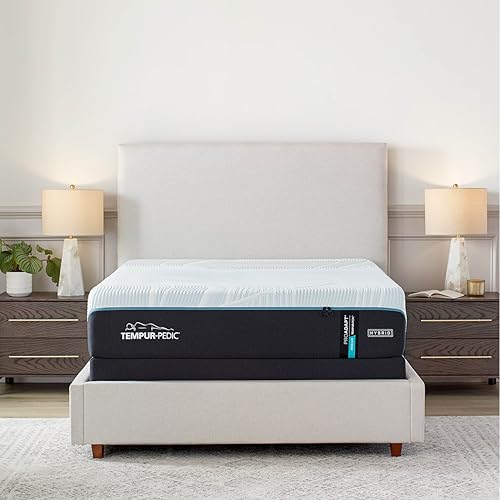
- 12″ HYBRID MATTRESS: Provides the perfect balance of luxurious comfort and…
Helix Midnight Mattress
The Helix Midnight is an 11.5″ hybrid featuring pressure-relieving memory foam, responsive polyfoam layers, and individually wrapped coils with reinforced edges. It offers a balanced medium-firm feel (~6/10), ideal for side sleepers seeking contouring support and enhanced breathability.

- PERSONALIZED SUPPORT: 3 select foam layers provide tailored pressure relief and…
- BREATHABLE COMFORT: Breathe Knit cover pillow top for excellent airflow…
- MEDIUM FEEL(Midnight): Premium pressure relieving foams contour to your hips and…
Nectar Luxe 14″ King Mattress-Medium Firm
The Nectar Luxe 14″ King is a medium-firm memory-foam mattress-in-a-box offering enhanced cooling with double cooling fibers, three extra inches of pressure-relief memory foam, breathable comfort, fiberglass-free safety, a 365-night trial, and a forever warranty for versatile sleeper support.
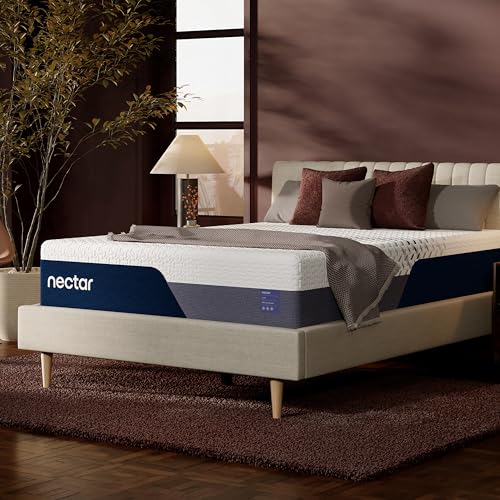
- SIMPLE TO SET UP – Just move the box to the room you want to use it in, unbox…
- 2X MORE COOLING – Step up from our Classic model with double the cooling fibers…
- 3X MORE PRESSURE RELIEF – With 2 extra inches of contouring memory foam than our…
How to Properly Test a Mattress In-Store: A Step-by-Step Guide
Testing a mattress in-store requires more than just lying down for a few seconds. To truly evaluate comfort and support, you need to simulate real sleep conditions and assess multiple factors that affect long-term satisfaction. Here’s how to do it right.
1. Wear Comfortable Clothing and Bring Your Pillow
Dress in loose-fitting clothes that mimic your sleepwear, and if possible, bring your own pillow. Retail showrooms often provide generic pillows, but yours affects spinal alignment. For example, side sleepers with thick pillows need to verify if the mattress keeps their neck neutral when paired with their usual setup.
2. Test in Your Primary Sleep Position for 10+ Minutes
Spend at least 10 minutes in your most common sleep position (back, side, or stomach). This allows your body to sink into the mattress fully and reveals pressure points. If you’re a side sleeper, check for:
- Hip and shoulder sinkage: Too much causes misalignment; too little creates discomfort.
- Spinal alignment: Run your hand along your back—there should be no gaps at the lumbar region.
3. Evaluate Edge Support and Motion Transfer
Sit on the edge of the mattress—does it collapse significantly, or does it support your weight? Weak edges make getting in/out of bed difficult. For couples, test motion isolation by having a partner shift positions while you lie still. High-quality mattresses (like the Tempur-Pedic Adapt Pro) minimize disturbances.
4. Ask About Trial Periods and Return Policies
Even thorough in-store testing can’t replicate weeks of real use. Always confirm:
- Sleep trial length: Brands like Saatva offer 365 nights, while others may only allow 30 days.
- Return fees: Some companies charge restocking or pickup fees up to $200.
Pro Tip: Visit stores late in the day when you’re naturally tired—this helps simulate how the mattress feels when you’re ready to sleep, not just when you’re alert and upright.
How to Test a Mattress During Your Home Trial Period: Maximizing Your Sleep Evaluation
Your in-store testing was just the first step – the real evaluation happens during your home trial period. This crucial testing phase reveals how the mattress performs in your actual sleep environment over time. Here’s how to conduct a thorough at-home assessment.
1. Create Your Normal Sleep Environment
Replicate your regular sleep setup exactly as you use it. This means:
- Use your actual bed frame or base: Platform beds, adjustable bases, and box springs all affect mattress performance differently
- Keep your usual bedding: Your preferred sheets, blankets, and mattress protectors can significantly impact feel and temperature regulation
- Maintain your bedroom climate: Memory foam reacts differently in cold vs. warm rooms – keep your thermostat at normal settings
2. Implement the 30-Night Evaluation Cycle
Your body needs 2-4 weeks to adjust to a new sleep surface. Follow this structured testing approach:
- Week 1: Focus on initial comfort and pressure relief – note any immediate pain points
- Week 2-3: Assess sleep quality metrics like how often you wake up and morning stiffness
- Week 4: Evaluate long-term comfort and whether any initial firmness has softened appropriately
3. Document Your Sleep Experience
Keep a detailed sleep journal tracking:
- Morning pain points (e.g., lower back stiffness or shoulder numbness)
- Temperature regulation (night sweats or feeling too cold)
- Partner disturbance (motion transfer when they move)
- Edge support performance (when sitting or sleeping near the edge)
Pro Tip: If testing a Purple mattress, note how the grid system feels after several weeks – many users report a 2-3 week adjustment period as their body adapts to the unique polymer grid.
Mattress Materials and Construction: The Science Behind Your Sleep
To truly test a mattress effectively, you need to understand how different materials and construction methods affect performance. This knowledge helps you evaluate whether a mattress will maintain its comfort and support long-term.
1. Core Material Technologies Explained
| Material Type | Key Characteristics | Testing Considerations |
|---|---|---|
| Memory Foam | Viscoelastic polyurethane that contours to body shape | Check for slow rebound (3-5 seconds), odor dissipation, and temperature sensitivity |
| Latex | Natural or synthetic rubber with elastic rebound | Look for immediate bounce-back and consistent firmness across surface |
| Innerspring | Steel coil systems with varying gauges and counts | Test edge support and listen for noise when moving |
| Hybrid | Combination of coils and foam/latex layers | Evaluate both pressure relief and support separately |
2. Layer Composition and Density Analysis
High-quality mattresses use carefully engineered layer systems:
- Comfort Layer (Top 2-4″): Should have density of 3-5 PCF (pounds per cubic foot) for durability
- Transition Layer (Middle 1-3″): Typically 1.8-2.5 PCF to prevent sinking through
- Base Support (Bottom 5-7″): Needs minimum 1.8 PCF for structural integrity
3. Advanced Testing Techniques
Beyond basic comfort checks, professionals recommend:
- The Book Test: Place a hardcover book on the mattress – it should show slight indentation when you lie down but not disappear completely
- The 90-Minute Rule: Memory foam needs about 90 minutes to fully adjust to your body temperature and show true comfort characteristics
- Weight Distribution Check: Have someone observe your spine alignment from the side while you’re in your normal sleep position
Expert Insight: “Many consumers mistake initial softness for quality,” says Dr. Rebecca Robbins, sleep scientist at Harvard Medical School. “What matters more is how the mattress maintains support through the night and over years of use.”
Special Considerations for Different Sleeper Types and Body Weights
Your body type and sleeping position dramatically affect how a mattress should perform. Understanding these variables helps you test for personalized comfort and support that will last through years of restful sleep.
1. Weight-Specific Testing Protocols
Mattress performance varies significantly based on body weight:
- Lightweight sleepers (under 130 lbs): Focus on pressure relief – softer foams (3-4 ILD rating) prevent uncomfortable firmness. Test by placing extra pillows under hips/shoulders to simulate deeper compression.
- Average weight (130-230 lbs): Check for balanced sinkage – your hips should depress 1.5-2 inches in side position without bottoming out.
- Heavyweight (230+ lbs): Prioritize support layers – look for high-density foams (≥2.5 PCF) and reinforced edge support. Perform the “sitting edge test” for 5 minutes to check for permanent indentation.
2. Position-Specific Evaluation Methods
Each sleeping position requires different support characteristics:
- Side Sleepers: Conduct the “arm tuck test” – if you can’t comfortably tuck your arm under your torso, the mattress is too firm
- Back Sleepers: Use the “hand check” – slide your hand under your lumbar spine; there should be slight resistance but no large gaps
- Stomach Sleepers: Perform the “hip dip assessment” – if your hips sink more than 1 inch, the mattress may cause spinal misalignment
3. Partner Compatibility Testing
For couples, evaluate these critical factors:
- Motion isolation: Have your partner simulate tossing/turning while you remain still – quality mattresses should absorb ≥90% of movement
- Differential firmness: Some hybrid models (like Sleep Number) allow separate firmness settings – test each side independently
- Edge support: Measure usable sleep surface when both partners are in bed – premium models maintain ≥85% of surface area
Pro Tip: Combination sleepers should test all positions for equal comfort. Time each test position for at least 7 minutes – this mimics real sleep behavior patterns observed in sleep studies.
Long-Term Performance and Maintenance: Ensuring Your Mattress Stands the Test of Time
Proper testing should evaluate not just immediate comfort, but how a mattress will perform over 7-10 years of use. This section reveals professional techniques to assess durability and maintain optimal sleep surface quality.
1. Durability Testing Indicators
| Component | Quality Markers | Testing Method |
|---|---|---|
| Coil Systems | 14-16 gauge steel, tempered for longevity | Press firmly on individual coils – they should rebound immediately without creaking |
| Foam Cores | Certified foams with density ≥1.8 PCF | Perform the “fingernail test” – quality foam shouldn’t show permanent indentations |
| Edge Support | High-density foam encasement or reinforced coils | Sit on edge for 2 minutes – sagging >1″ indicates poor construction |
2. Maintenance Protocols for Optimal Performance
Extend your mattress lifespan with these professional care techniques:
- Quarterly Rotation: Alternate head-to-foot positioning to even out wear patterns (except for single-sided mattresses)
- Monthly Air-Out: Strip bedding for 4-6 hours to allow moisture evaporation and prevent foam breakdown
- Annual Deep Inspection: Check for sagging >1.5″, permanent body impressions, or coil protrusions
3. Environmental and Health Considerations
Modern mattresses must meet rigorous standards:
- CertiPUR-US®: Verifies foams are free from harmful VOCs and heavy metals
- OEKO-TEX®: Ensures fabrics meet strict chemical safety requirements
- GREENGUARD Gold: Certifies ultra-low emissions for sensitive individuals
Expert Insight: “The average mattress gains 10% in weight over 10 years from dead skin and dust mites,” notes Dr. Michael Breus, clinical psychologist and sleep specialist. “Quality protective covers can reduce this by 80% while maintaining breathability.”
When testing, consider these future-proof features:
- Removable, washable covers with zipper access
- Non-toxic fire barriers (like silica or wool) instead of chemical treatments
- Recyclable materials for eco-friendly disposal
Advanced Testing Techniques for Specialized Sleep Needs
Beyond standard evaluations, certain sleep scenarios require specialized testing approaches to ensure optimal mattress performance. These advanced techniques help address unique sleep challenges with precision.
1. Temperature Regulation Testing
For hot sleepers or climate-specific needs:
- The 3-Hour Heat Test: Sleep on the mattress for 3 consecutive hours with your normal bedding – quality cooling materials should maintain surface temperature within 2°F of room temperature
- Phase Change Material (PCM) Verification: Check product specs for PCM integration (like Outlast® technology) that actively regulates temperature
- Airflow Assessment: Place a hand beneath the mattress after 1 hour – detectable warmth indicates poor heat dissipation
2. Medical Condition Considerations
Specialized testing for health-related needs:
- Chronic Pain Sufferers: Conduct the “pressure mapping test” using a memory foam topper – pain points should show even pressure distribution
- Allergy Patients: Verify CertiPUR-US® and OEKO-TEX® certifications, then perform the “seal test” – tightly woven covers should prevent allergen penetration
- GERD/Reflux: Test with adjustable base at 30° elevation – the mattress should maintain support without creating pressure points
3. Professional Sleep Analysis Integration
Combine your testing with technological tools:
- Wearable Sleep Trackers: Compare sleep efficiency metrics (like deep sleep percentage) between old and new mattresses
- Pressure Mapping Systems: Some specialty stores offer professional pressure analysis – ideal readings show ≤25mmHg at bony prominences
- Smart Mattress Features: Test integrated technologies like sleep tracking or automatic firmness adjustment during your trial period
Clinical Insight: “Patients with fibromyalgia often need mattresses that provide both pressure relief and support,” explains Dr. Harris Hester, board-certified sleep medicine specialist. “The ideal testing protocol involves multiple sleep positions with careful morning pain assessments.”
When testing for specialized needs:
- Extend your evaluation period to 6-8 weeks for chronic conditions
- Maintain a detailed symptom journal correlating with mattress use
- Consult with your healthcare provider about specific support requirements
These advanced techniques ensure your mattress selection addresses both your immediate comfort and long-term health needs.
Making Your Final Decision: Comprehensive Evaluation Framework
After thorough testing, use this professional-grade decision matrix to objectively compare your top mattress candidates and make the optimal long-term choice.
1. Weighted Scoring System for Key Factors
| Evaluation Criteria | Weight (%) | Testing Methodology | Ideal Score (1-10) |
|---|---|---|---|
| Pressure Relief | 25 | Morning pain assessment after 7 consecutive nights | ≥8 |
| Support Longevity | 20 | Edge support test after 30 days of use | ≥7 |
| Temperature Regulation | 15 | Night sweat incidents during trial period | ≥6 |
| Motion Isolation | 15 | Partner disturbance tracking (for couples) | ≥7 |
| Value Retention | 10 | Warranty coverage and material degradation rate | ≥5 |
| Adjustability | 10 | Positional comfort variability | ≥6 |
| Eco-Friendliness | 5 | Certifications and material sustainability | ≥4 |
2. Risk Mitigation Strategies
Protect your investment with these professional approaches:
- Phase Transition Plan: Keep old mattress for 2 weeks as backup during adjustment period
- Warranty Validation: Document mattress condition with timestamped photos pre-use
- Comfort Optimization: Budget 15-20% of mattress cost for potential toppers/adjustments
3. Quality Assurance Protocols
Verify manufacturing excellence through:
- Density Verification: Request material spec sheets from manufacturer
- Construction Analysis: Examine layer stitching and foam cell structure (open-cell vs closed)
- Return Rate Research: Check industry reports for model-specific return percentages
Expert Recommendation: “The ideal mattress decision combines 60% objective testing data with 40% subjective comfort assessment,” advises sleep ergonomics specialist Dr. Alan Hedge. “Never ignore persistent morning stiffness, even if scores look good.”
Final decision checklist:
- All primary sleep positions tested for ≥2 hours each
- Minimum 21 nights of home trial completed
- Comparative analysis against 2-3 top alternatives
- Warranty terms reviewed for coverage limitations
Conclusion: Your Path to Perfect Sleep Starts Here
Testing a mattress properly requires more than a quick lie-down—it demands strategic evaluation of support, pressure relief, temperature regulation, and durability through both in-store assessments and extended home trials.
From understanding material science to implementing specialized testing protocols for different sleep needs, you’re now equipped with professional-grade techniques to make an informed decision. Remember that your ideal mattress should adapt to your body, not the other way around.
Take advantage of sleep trials, trust your testing data, and don’t settle until you find the perfect match. Your best sleep starts tonight—use this knowledge to invest wisely in your long-term rest and health.
Frequently Asked Questions About Testing Mattresses
How long should I test a mattress in-store before making a decision?
Experts recommend spending at least 15-20 minutes testing each mattress in your primary sleep position. This allows your body to fully relax and reveal pressure points. For couples, test together for 30 minutes to evaluate motion transfer. Visit stores during your normal sleepy hours (late afternoon/evening) when your body’s natural alignment needs are most apparent. Remember that in-store testing is just the first step – always verify with a home trial.
What’s the difference between testing memory foam vs. hybrid mattresses?
Memory foam requires body heat activation – test for at least 10 minutes to feel true contouring. Check for slow rebound (3-5 seconds) when you rise. Hybrids need evaluation of both coil responsiveness (bounce) and foam comfort layers. Perform edge tests on hybrids by sitting firmly on the perimeter – quality models shouldn’t compress more than 20%. Hybrids typically show their full characteristics immediately, unlike memory foam which needs warm-up time.
How can I tell if a mattress will stay comfortable long-term during my trial period?
Conduct weekly evaluations tracking: 1) Morning stiffness, 2) Visible sagging (>1.5″), 3) Temperature changes, and 4) Partner disturbance. High-quality mattresses maintain consistent feel after the initial 30-day break-in period. Test different sleep positions even if you’re a dedicated side sleeper – your preferences may change. Document impressions with photos to compare degradation over time.
What are the most important tests for back pain sufferers?
Focus on three critical evaluations: 1) Lumbar support test (slide hand under low back – slight resistance ideal), 2) Spinal alignment check (have someone photograph your profile while lying down), and 3) Pressure point assessment (note any hip/shoulder numbness). Medium-firm mattresses (6-7 on firmness scale) with zoned support typically work best. Extend your trial to 60+ nights as back pain often reveals itself gradually.
How do I properly test motion isolation for couples?
Use this three-part test:
1) Have your partner simulate tossing/turning while you lie still with eyes closed (you shouldn’t feel movement),
2) Place a glass of water on the mattress during movement tests (minimal ripples indicate good isolation), and
3) Test edge-to-edge movement transfer.
Memory foam and latex typically outperform innersprings. For accurate results, conduct these tests after the mattress has warmed to room temperature.
What mattress tests are most important for hot sleepers?
Perform temperature-specific evaluations:
1) The 3-hour heat test (check for heat buildup),
2) Airflow assessment (feel beneath mattress after an hour), and
3) Moisture-wicking verification (place a damp cloth on surface – it should dry within 30 minutes).
Look for phase change materials, gel infusions, or breathable covers. Test in your actual bedroom environment as ambient temperature significantly affects performance.
How can I verify a mattress’s edge support during testing?
Conduct three rigorous tests:
1) Sit on the edge for 2 minutes (sag >1″ indicates poor support),
2) Lie near the edge (you shouldn’t feel like you’ll roll off), and
3) Measure compression recovery time after edge sitting (should rebound immediately).
Reinforced foam encasement or dual-coil edge systems perform best. Edge support degrades fastest in cheap mattresses – prioritize this test if you sit on your bed often.
What should I look for when testing a mattress for allergies?
Verify four key factors:
1) CertiPUR-US® or OEKO-TEX® certifications,
2) Tightly woven, removable/washable covers,
3) Hypoallergenic materials like natural latex or organic cotton, and
4) Mold/mite resistance treatments.
Perform the “seal test” – try to insert a credit card between fabric layers (shouldn’t penetrate). Consider adding a medical-grade allergen protector during your trial period for extra verification.