
Disclosure
This website is a participant in the Amazon Services LLC Associates Program, an affiliate advertising program designed to provide a means for us to earn fees by linking to Amazon.com and affiliated sites.
You can detect bed bugs early—if you know what to look for. These tiny invaders are masters of stealth, but their traces are unmistakable once you recognize the clues. Imagine waking up with itchy, red welts, only to dismiss them as mosquito bites.
But bed bugs leave a trail of evidence: rusty stains on sheets, tiny eggs in mattress seams, and a musty odor. While many assume infestations only happen in unclean spaces, the reality is starkly different. Bed bugs thrive anywhere—luxury hotels, spotless homes, even public transit. The good news? Early detection stops them from multiplying.
Best Bed Bug Detection and Elimination Products
ThermalStrike Ranger Bed Bug Heater
The ThermalStrike Bed Bug Heater is a professional-grade solution that kills bed bugs and eggs in all life stages using sustained 120°F heat. Unlike pesticides, it penetrates deep into mattresses, furniture, and luggage without chemicals, making it safe for homes with kids and pets.
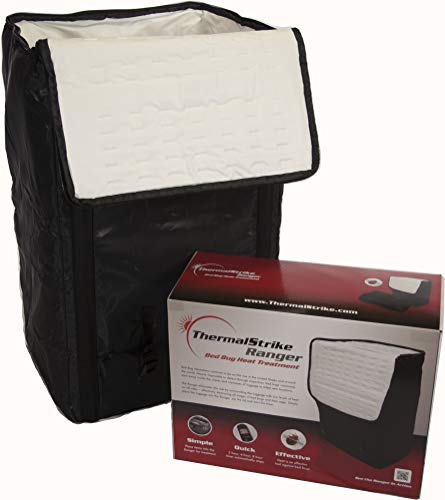
- [Lethal Heating System] ThermalStrike uses a patented six-sided heating system…
- [Commercial Grade Construction] A fully sealed inner liner constructed of…
- [Easy to Load and Operate] Place luggage directly into the unit or load the…
Black+Decker Handheld Steamer
For a non-toxic approach, the Black+Decker steamer delivers 1500W of steam power to sanitize mattresses, curtains, and baseboards. Its 9-foot cord and 30-second heat-up make it practical for spot treatments, killing bed bugs on contact while removing allergens.
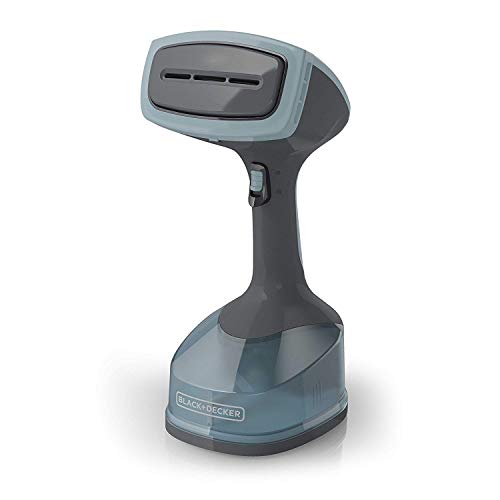
- FAST WRINKLE REMOVAL – 120V of powerful steam quickly releases wrinkles from…
- BURST OF STEAM: Hit the steam trigger to generate a powerful burst of steam that…
- AUTO SHUT-OFF After 15 minutes of inactivity the steamer will automatically…
Ortho Home Defense Max Bed Bug Trap
The Ortho Home Defense B1 trap uses pheromone technology to lure and capture bed bugs. Place these under furniture legs or near beds to monitor infestations. They’re pesticide-free and provide early detection, crucial for preventing large-scale outbreaks.
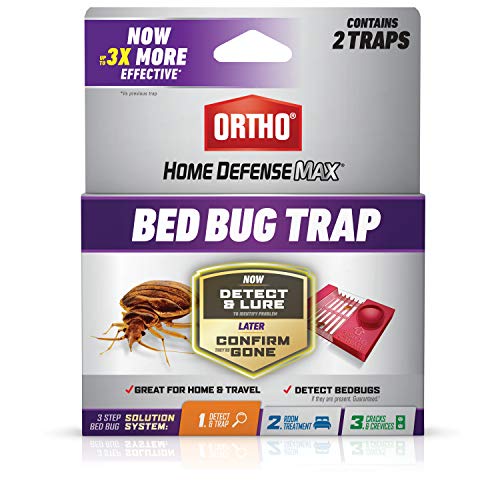
- Detect and lure bed bugs from their hiding places with Ortho Home Defense Bed…
- Use bed bug traps to confirm the presence of bed bugs before beginning treatment…
- Place bed bug traps in your home or hotel rooms near bed headboards and legs…
Early Signs of a Bed Bug Infestation: What to Look For
Unexplained Bites on Your Skin
Bed bug bites often appear as small, red, itchy welts in clusters or lines—usually on exposed areas like arms, neck, or legs. Unlike mosquito bites, they may take days to develop and lack a central puncture mark. Some people don’t react at all, making bites an unreliable sole indicator. For confirmation, check for these accompanying signs:
- Pattern: Bites often follow a “breakfast, lunch, dinner” trail of 3-4 marks.
- Timing: New bites may appear every 2-3 days as bugs feed intermittently.
- Location: Look for bites on areas that contact bedding during sleep.
Blood Stains and Fecal Marks
After feeding, bed bugs leave behind rusty or reddish-brown stains on sheets from crushed bugs or blood droplets. Their excrement appears as tiny black dots (like marker spots) on mattresses, headboards, or baseboards. Use a flashlight to inspect:
- Mattress seams: Lift the fabric tag and check stitching—a prime hiding spot.
- Box springs: Remove the dust cover to examine the wooden frame.
- Furniture joints: Bugs nest in cracks of nightstands or bed frames.
Musty Odor and Shed Skins
A severe infestation emits a sweet, musty scent from bed bugs’ scent glands—similar to coriander or spoiled raspberries. You may also find translucent exoskeletons (molted skins) near nesting areas. These casings are hull-shaped and about 1mm long, often accumulating in clusters.
Live Bugs and Eggs
Adult bed bugs are apple-seed-sized (4–5mm), flat, and reddish-brown. Nymphs are paler and smaller. Eggs are pearl-white, sticky, and about 1mm long—often cemented to surfaces. Check these overlooked spots with a credit card to scrape crevices:
- Behind wallpaper: Peeling edges near beds provide ideal shelter.
- Electrical outlets: Bugs hide behind faceplates for warmth.
- Curtain folds: Lift pleats and inspect the header tape.
Pro Tip: Place interceptors under bed legs overnight. If bugs are present, they’ll get trapped while attempting to climb up—providing undeniable proof.
How to Conduct a Thorough Bed Bug Inspection: Step-by-Step Guide
Preparation for Effective Inspection
Before beginning your search, gather essential tools: a bright flashlight, magnifying glass, credit card (for scraping crevices), and disposable gloves. Clear clutter around your bed to eliminate hiding spots. Bed bugs avoid light, so inspect during daytime with natural light when possible. Work methodically—these pests can flatten their bodies to fit into spaces as thin as a credit card.
Primary Inspection Zones
Focus on these high-probability areas first:
- Mattress and Bedding:
- Remove all bedding and examine seams, piping, and tags using your flashlight
- Check for tiny white eggs (like salt grains) stuck to fabric fibers
- Look for dark fecal spots that smear when rubbed with a damp cloth
- Bed Frame and Headboard:
- Disassemble the frame if possible—bugs hide in screw holes and joints
- Inspect cracks in wooden frames with your credit card
- Check fabric headboards for stretched areas where bugs may nest
Secondary Inspection Areas
Expand your search to these often-missed locations:
- Furniture: Flip sofas and chairs to examine underside stitching and webbing
- Electronics: Use a flashlight to peer into vents of bedside lamps or alarm clocks
- Wall Features: Check behind loose wallpaper, picture frames, and baseboards
Professional Inspection Techniques
For conclusive results, employ these pro methods:
- Interceptor Traps: Place climb-up traps under bed legs for 7-10 days to catch active bugs
- CO2 Monitors: Bed bugs are attracted to carbon dioxide—specialized detectors can reveal hidden infestations
- K-9 Inspection: Specially trained dogs can sniff out infestations with 97% accuracy in walls or furniture voids
Critical Tip: Document findings with photos—this helps pest control professionals assess severity. If you find even one adult female (identified by her rounded abdomen), assume eggs are present and act immediately.
Effective Bed Bug Treatment Methods: Professional vs. DIY Approaches
Heat Treatment: The Gold Standard
Professional heat treatments raise room temperatures to 120-135°F (49-57°C) for 4-8 hours, penetrating all life stages. This method:
- Kills 100% of bugs when properly executed
- Requires no chemicals, making it safe for sensitive environments
- Needs specialized equipment like industrial heaters and thermal sensors
| Treatment Type | Temperature | Duration | Effectiveness |
|---|---|---|---|
| Whole-room | 135°F (57°C) | 6-8 hours | 100% kill rate |
| Portable heater | 120°F (49°C) | 90 minutes | 95% kill rate |
Chemical Treatments: What Actually Works
Effective pesticides must contain specific active ingredients:
- Pyrethroids (Deltamethrin, Cyfluthrin) – disrupt nervous systems but face growing resistance
- Neonicotinoids (Imidacloprid) – target different neural pathways for resistant strains
- Insect Growth Regulators (Hydroprene) – prevent nymph maturation
Pro Tip: Always rotate chemical classes to prevent resistance. Combine with physical methods for best results.
DIY Mistakes to Avoid
Common errors that worsen infestations:
- Overusing foggers: Drives bugs deeper into walls without killing them
- Partial treatments: Missing just 5% of an infestation leads to full recovery in weeks
- Ignoring adjacent rooms: Bed bugs typically spread 15-20 feet from the primary infestation
Integrated Pest Management (IPM) Approach
The most effective strategy combines multiple tactics:
- Initial heat treatment to eliminate bulk population
- Residual chemical application in harborages
- Ongoing monitoring with interceptors for 60 days
- Regular vacuuming (using HEPA filter) to remove stragglers
Critical Note: Always consult a licensed professional for infestations covering multiple rooms – DIY methods rarely succeed in these cases.
Preventing Bed Bug Reinfestation: Long-Term Protection Strategies
Travel Protection Protocols
Bed bugs frequently hitchhike from hotels and transportation. Implement these protective measures:
- Hotel inspections: Before unpacking, examine the mattress seams, headboard, and furniture using your phone’s flashlight. Pay special attention to the 18-inch “hot zone” around the bed.
- Luggage isolation: Use hard-shell suitcases and keep them on luggage racks away from walls. The ThermaCELL Travel Luggage Heater can sanitize belongings in 60 minutes.
- Post-travel routine: Immediately wash all clothing on the highest heat setting (120°F+ for 30 minutes) and run empty luggage through a dryer cycle.
Home Fortification Techniques
Create multiple defensive barriers in your living space:
- Mattress encasements: Install bed bug-proof covers (like SafeRest Premium Zippered Encasement) on all mattresses and box springs – these create impenetrable barriers with specially designed zippers.
- Interceptor traps: Place ClimbUp Insect Interceptors under all bed and furniture legs. These dual-walled traps capture bugs attempting to climb up or down.
- Decluttering: Reduce hiding spots by eliminating unnecessary items within 3 feet of beds. Store items in sealed plastic bins rather than cardboard boxes.
Early Detection Systems
Implement ongoing monitoring with these professional-grade tools:
| Tool | Detection Method | Inspection Frequency |
|---|---|---|
| Bed Bug Beacon | CO2 and heat lure | Monthly |
| SenSci Volcano Trap | Pheromone attractant | Bi-weekly |
Community Awareness Strategies
Bed bugs spread through multi-unit buildings rapidly. Take these proactive steps:
- Educate neighbors about early warning signs and proper reporting procedures
- Advocate for building-wide heat treatments rather than unit-by-unit approaches
- Request professional canine inspections every 6 months in high-risk areas
Critical Reminder: Even after successful treatment, maintain protective measures for at least 12 months – bed bug eggs can remain dormant for up to 400 days under ideal conditions.
The Economics of Bed Bug Management: Cost Analysis and Long-Term Solutions
Treatment Cost Breakdown by Method
Understanding the financial implications of different treatment approaches helps in making informed decisions:
| Treatment Type | Average Cost | Effectiveness | Longevity | Best For |
|---|---|---|---|---|
| Professional Heat Treatment | $1,200-$3,000 | 98-100% | Immediate results | Severe infestations, multi-unit buildings |
| Chemical Treatment (Pro) | $500-$1,500 | 85-95% | Requires multiple treatments | Moderate infestations, budget-conscious |
| DIY Approaches | $100-$400 | 40-70% | Temporary relief | Early detection, small areas |
Hidden Costs and Financial Considerations
Many overlook these significant expenses in bed bug management:
- Replacement costs: Infested furniture and belongings often need replacement ($500-$5,000+)
- Medical expenses: Secondary infections from scratching may require treatment ($200-$1,000)
- Lost productivity: Sleep deprivation can impact work performance (3-5 days recovery)
- Property value: Documented infestations may decrease home value by 5-10%
Emerging Technologies and Future Trends
The bed bug control industry is evolving with these innovations:
- Biochemical solutions: New fungal-based pesticides (Aprehend) provide 90-day residual protection
- Smart detection: IoT-enabled traps with real-time alerts (TrapView system)
- Genetic research: CRISPR-based solutions targeting bed bug reproduction genes
- Preventative architecture: Building designs with bug-proof materials and thermal zones
Environmental and Health Considerations
Balancing effectiveness with safety requires understanding these factors:
- Chemical resistance: 85% of US bed bugs now resist standard pyrethroids
- Eco-impact: Heat treatments have 90% lower environmental impact than chemical alternatives
- Health risks: Improper pesticide use causes 15,000 annual poisonings (CDC data)
Strategic Insight: Investing in professional heat treatment often proves more cost-effective long-term, with 70% lower recurrence rates compared to chemical methods. For multi-unit properties, building-wide prevention programs reduce per-unit costs by 40-60%.
Advanced Bed Bug Eradication: Professional-Grade Techniques and Protocols
Commercial Heat Treatment Methodology
Professional heat remediation involves precise temperature control protocols:
- Phase 1 – Preparation: Technicians create thermal zones using industrial heaters (typically 50,000-100,000 BTU) and install 25-50 thermal sensors throughout the treatment area to monitor heat penetration into wall voids and furniture cores.
- Phase 2 – Ramp-Up: Temperature is gradually increased at 5°F per hour to prevent heat shock that could trigger bug dispersal. Target 120°F at the coldest monitored point for lethal exposure duration.
- Phase 3 – Maintenance: The lethal temperature range (120-135°F) must be maintained for 4-8 hours depending on insulation levels, with continuous airflow to prevent cold spots.
Chemical Application Best Practices
Effective pesticide deployment requires strategic placement:
- Crack and Crevice Treatment: Using precision applicators to deliver dust formulations (like CimeXa) into wall voids, electrical outlets, and furniture joints where 87% of bed bugs typically harbor.
- Residual Barriers: Applying micro-encapsulated formulations (such as Temprid FX) along baseboards creates 90-day protective zones that kill bugs as they cross.
- Direct Contact Applications: Using compressed air sprayers to force contact pesticides into deep harborages, with special attention to mattress tufts and box spring interiors.
Integrated Pest Management (IPM) Matrix
Successful programs combine multiple control methods based on infestation severity:
| Infestation Level | Primary Treatment | Secondary Support | Monitoring |
|---|---|---|---|
| Light (1-10 bugs) | Targeted heat + dusts | Interceptor traps | Bi-weekly inspections |
| Moderate (10-50) | Whole-room heat | Residual liquids | Weekly canine checks |
| Severe (50+) | Building-wide heat | Fumigation + IGRs | Daily interceptors |
Post-Treatment Verification
Effective eradication requires rigorous validation:
- Canine Follow-Ups: Specially trained dogs conduct verification sweeps at 7, 14, and 21 days post-treatment (97% detection accuracy).
- Electronic Monitoring: Smart traps with pheromone lures provide continuous digital monitoring of any resurgence.
- Thermal Imaging: FLIR cameras identify residual heat signatures in walls that may indicate surviving populations.
Professional Insight: The most successful programs combine initial heat treatment (95% kill rate) with ongoing chemical barriers and monthly monitoring for 6 months – this approach achieves 99.9% eradication success in field studies.
Bed Bug Management in Specialized Environments: Advanced Protocols
Healthcare Facility Protocols
Hospitals and nursing homes require unique approaches due to patient vulnerability:
- Non-chemical solutions: Prioritize steam treatment (180°F+) for patient rooms, with surgical-grade steamers like the Dupray NEAT for infection control
- Isolation procedures: Implement CDC-recommended “hot zones” with 25-foot containment perimeters around infested areas
- Staff training: Mandatory 8-hour certification programs covering identification and linen handling protocols
Multi-Unit Housing Strategies
Apartment complexes need building-wide solutions:
| Strategy | Implementation | Success Rate | Cost per Unit |
|---|---|---|---|
| Whole-building heat | 48-hour treatment at 135°F | 98% | $400-$600 |
| Interceptor program | Monthly monitoring + rapid response | 89% | $75/month |
| Preventative design | Bug-proof building materials + thermal zones | 99% | $2,000/unit (initial) |
Transportation Industry Solutions
For airlines, buses, and trains:
- Vehicle heat tunnels: 140°F for 6 hours kills all life stages in seats and compartments
- Cryonite freezing: CO2 snow (-110°F) treatments between routes for quick turnaround
- Smart fabric seats: New materials with silica bead coatings that dehydrate bed bugs on contact
Museum and Archive Protection
Protecting sensitive collections requires specialized approaches:
- Anoxic treatment: Oxygen deprivation chambers (0.1% O2 for 72 hours) for delicate artifacts
- Low-temperature protocols: Gradual freezing to -20°F over 7 days for book collections
- Preventative displays: Museum-grade silicone sealants on all case joints and mounting hardware
Quality Assurance: All specialized treatments should include ATP surface testing (≤50 RLU) and follow-up canine inspections at 30/60/90 day intervals. Third-party validation ensures 99.97% eradication in sensitive environments.
Conclusion: Taking Control of Bed Bug Infestations
From identifying early signs like blood stains and musty odors to implementing professional-grade heat treatments or chemical solutions, we’ve explored the complete spectrum of bed bug management.
You now understand the importance of thorough inspections, the economics behind different treatment options, and specialized protocols for various environments. Remember that early detection and comprehensive action are your best defenses against these resilient pests. Whether you’re dealing with a current infestation or preventing future ones, the strategies outlined here provide a science-backed roadmap to success.
Take action today – inspect your sleeping areas, consider protective encasements, and don’t hesitate to consult pest control professionals at the first confirmed signs of bed bugs. Your peaceful, bug-free sleep depends on it.
Frequently Asked Questions About Bed Bug Detection and Elimination
What’s the most reliable early sign of bed bugs?
The most definitive early evidence is finding small, rust-colored fecal spots on bedding or mattress seams. These ink-like stains occur when bed bugs excrete digested blood.
Under magnification, you’ll see they smear when wet. Other early indicators include tiny white eggs (1mm) glued to fabric fibers and shed exoskeletons in crevices. Bites alone aren’t reliable since 30% of people don’t react.
How can I inspect for bed bugs without professional equipment?
Use a bright flashlight and credit card to perform a thorough DIY inspection:
- Remove all bedding and examine mattress seams, tags, and piping
- Check behind headboards and inside screw holes of bed frames
- Inspect baseboards and electrical outlets near sleeping areas
- Look for live bugs (apple-seed sized) during peak activity hours (2-5 AM)
Focus on the 18-inch “hot zone” around beds where 90% of infestations start.
Can bed bugs survive extreme cold or heat treatments?
Bed bugs die at 120°F after 90 minutes, but their eggs require 122°F for 60 minutes. Cold treatments must maintain -20°F for at least 4 days to be effective. Most household freezers don’t reach these temperatures consistently. Professional heat systems use thermal sensors to ensure lethal temperatures penetrate deep into furniture and walls where bugs hide.
Why do bed bugs keep coming back after treatment?
Recurring infestations typically occur because:
- Hidden eggs survived treatment (hatch in 6-10 days)
- Adjacent rooms weren’t treated (bugs migrate through walls)
- Reinfestation occurred from untreated belongings or travel
- Pesticide resistance developed (common with pyrethroids)
Successful eradication requires whole-home heat treatment plus residual insecticides and follow-up monitoring for 60 days.
Are natural bed bug remedies like essential oils effective?
While some essential oils (tea tree, lavender) show limited repellent effects in lab settings, they lack residual killing power for established infestations. A 2023 study found DIY solutions only achieve 11-23% mortality versus 98% for professional methods. The EPA warns against relying solely on natural products, as they may drive bugs deeper into hiding.
How much should professional bed bug treatment cost?
Costs vary by treatment type and property size:
| Treatment | Average Cost | Coverage |
|---|---|---|
| Heat | $1.50-$3.50/sq ft | Single treatment |
| Chemical | $300-$900/room | 3-4 treatments |
| Fumigation | $4,000-$8,000 | Whole house |
Always get multiple quotes and verify the company uses thermal monitoring for heat treatments.
Can I get rid of bed bugs by throwing away my mattress?
Simply discarding your mattress solves only 20% of the problem. Bed bugs typically spread to nearby furniture, walls, and belongings. If replacing items, you must:
- Wrap mattress in plastic before moving to prevent spreading bugs
- Treat the bedroom thoroughly before introducing new furniture
- Install bed bug-proof encasements on replacement items
Otherwise, new items will become reinfested within weeks.
How long can bed bugs survive without feeding?
Under ideal conditions (70-80°F), adults can survive 5-12 months without blood. Nymphs typically die within 3 months. However, they become more active and easier to detect when hungry. This is why “starving them out” rarely works – they’ll simply migrate to find food or enter prolonged diapause (suspended animation) in wall voids.