
Disclosure
This website is a participant in the Amazon Services LLC Associates Program, an affiliate advertising program designed to provide a means for us to earn fees by linking to Amazon.com and affiliated sites.
Feeling drained by midday? You’re not alone. Millions struggle with afternoon slumps, relying on caffeine or sheer willpower to push through. But what if a 10-20 minute power nap could reboot your brain better than a triple espresso? Science confirms it can—if done right.
Most people think napping is as simple as closing your eyes, but poor timing or duration can leave you groggier than before. The secret lies in precision: optimizing sleep cycles, environment, and even posture. Ready to unlock NASA-level napping techniques used by elite athletes and CEOs? Let’s dive in.
Best Sleep Aids for Power Napping
Ozlo Sleepbuds II
These noise-masking earbuds block distractions with soothing sounds like white noise or ocean waves, helping you fall asleep faster. Their ultra-comfortable design stays in place, and the battery lasts all night. Perfect for office naps or travel.
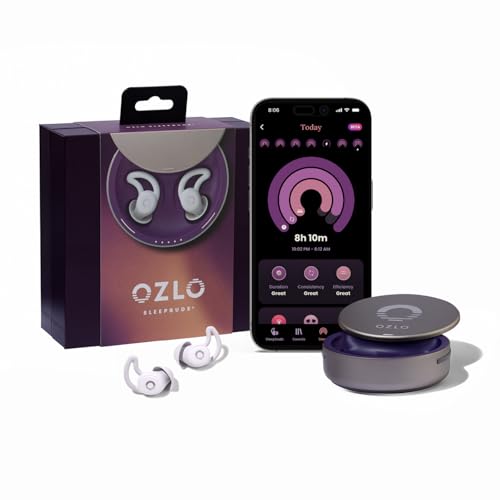
- CLINICALLY PROVEN: Our Sleep Technology is Clinically Proven to Help You Fall…
- STREAM ALL NIGHT: Enjoy up to 10 hours of playtime on a single charge, with the…
- SLEEP DETECTION: Sleepbuds’ biometric sensors can seamlessly detect when you…
Manta Sleep Mask
With 100% light-blocking cups and adjustable straps, the Manta mask ensures total darkness—key for melatonin production. The weighted version adds gentle pressure to reduce stress, mimicking a “sleep hug” for deeper relaxation in minutes.
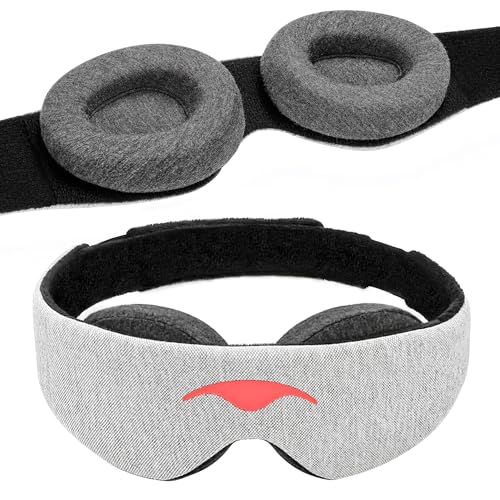
- 100% Blackout for Deeper Sleep — Just a pinprick of light can disrupt REM and…
- Infinitely Adjustable for Personalized Fit — Manta is made to fit your unique…
- Soft, Breathable, Durable Materials — Manta is designed for no-compromises…
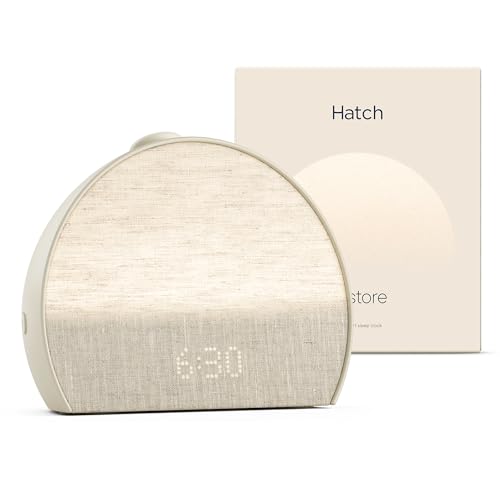
Hatch Restore 3
This sunrise alarm clock doubles as a nap enhancer with customizable wind-down sounds (rain, meditation tones) and a gradual wake-up light. Its “Nap Mode” lets you set 10-30 minute sessions, syncing with sleep cycles to prevent grogginess.
The Science Behind Power Napping: Why Timing Matters Most
Power naps aren’t just about closing your eyes—they’re a biological hack leveraging sleep cycles to maximize cognitive benefits. The key lies in understanding sleep stages, particularly the first two phases of non-REM sleep. During a 10–20-minute nap, you primarily enter Stage 1 (light sleep) and Stage 2 (memory consolidation), which boost alertness without the grogginess of deeper stages. NASA studies found pilots who napped for 26 minutes improved performance by 34% and alertness by 54%, proving even short rests recalibrate the brain.
The Goldilocks Window: 10–30 Minutes
Too short, and you miss restorative benefits; too long, and you risk sleep inertia (that disoriented post-nap fog). Here’s why timing is precise:
- 10–20 minutes: Ideal for rapid energy restoration. This avoids deep sleep (Stage 3), so you wake refreshed. Example: A 15-minute nap post-lunch combats the natural circadian dip in energy.
- 30 minutes: Risks entering slow-wave sleep. If interrupted mid-cycle, you’ll feel worse. Reserve this for days when you’re severely sleep-deprived.
The Cortisol Connection
Napping after 3 PM can disrupt nighttime sleep by interfering with cortisol rhythms. The body’s cortisol levels naturally dip in early afternoon, making 1–3 PM the optimal window. Shift workers, however, can adapt by napping 30 minutes before a night shift to preempt fatigue.
Real-World Applications
Elite athletes like LeBron James use 20-minute naps to enhance muscle recovery and reaction time. Meanwhile, companies like Google and Zappos install nap pods because research links brief rests to a 30% spike in productivity. For students, a 2015 University of California study showed napping after learning improved retention by 20% versus non-nappers.
Pro Tip: Set a vibrating alarm (not sound—it’s less jarring) and drink water before napping. Hydration aids the brain’s glymphatic system, which clears toxins during short sleeps.
Optimizing Your Power Nap Environment for Maximum Benefits
Creating the ideal sleep environment transforms an ordinary nap into a high-performance recovery tool. Unlike nighttime sleep, power naps require specific environmental adjustments to achieve their full potential in minimal time. Let’s break down the science-backed elements of the perfect nap space.
Light Control: The Melatonin Trigger
Complete darkness signals your brain to produce melatonin, the sleep hormone. Even small amounts of light can reduce sleep quality by up to 30%. Solutions include:
- Blackout curtains like Nicetown Thermal Insulated panels block 99% of exterior light
- Manta Sleep Mask with its patented 100% light-blocking eye cups
- Dimming screens on devices at least 15 minutes pre-nap to reduce blue light exposure
Temperature Regulation: The 65°F Sweet Spot
Studies show the optimal nap temperature ranges between 60-68°F (15-20°C). This mimics the body’s natural nighttime temperature drop. In office environments:
- Use a personal desk fan (like the Vornado 660) for airflow control
- Keep a lightweight blanket (such as the Bearaby Cotton Napper) handy for temperature regulation
- Remove jackets or heavy clothing that might cause overheating
Sound Engineering: Masking vs. Elimination
While silence seems ideal, complete quiet can make you hyper-aware of sudden noises. Better solutions include:
- White noise machines (LectroFan Classic) mask irregular sounds with consistent frequencies
- Nature sound apps (Endel’s AI-generated soundscapes) adapt to your sleep stages
- Earplugs (like Loop Quiet) for those preferring total sound blocking
Body Positioning: The 35-Degree Rule
Research from NASA’s Fatigue Countermeasures Program shows reclining at 35-45 degrees prevents deep sleep while maintaining comfort. Practical implementations:
- Office chairs with tilt function (Herman Miller Aeron)
- Travel pillows (Cabeau Evolution S3) with chin support
- Car seat adjustments for mobile workers
Pro Tip: Keep a “nap kit” with earplugs, eye mask, and small blanket in your work bag or car. The consistent routine trains your brain to recognize these cues as sleep triggers.
Advanced Power Nap Techniques for Specific Needs
Mastering power napping requires tailoring your approach to different situations and goals. These advanced methods leverage neuroscience and sleep research to optimize naps for specific outcomes, from cognitive enhancement to physical recovery.
The Caffeine Nap: A Neurochemical Boost
This counterintuitive method combines caffeine’s stimulant effects with sleep’s restorative power:
- Consume 100-200mg caffeine (equivalent to a small coffee) immediately before napping
- Set alarm for 20 minutes – the time needed for caffeine to reach peak bloodstream concentration
- Wake as the caffeine begins taking effect, creating a synergistic alertness boost
Studies at Loughborough University showed this technique improved driving performance in sleep-deprived individuals by 91% compared to naps alone.
Nap Duration by Desired Outcome
| Duration | Benefits | Best For | Potential Drawbacks |
|---|---|---|---|
| 10 minutes | Immediate alertness | Quick energy boost before meetings | Minimal memory benefits |
| 20 minutes | Alertness + memory consolidation | Students learning new material | Possible brief grogginess |
| 30 minutes | Emotional regulation | High-stress situations | Risk of sleep inertia |
| 90 minutes | Complete sleep cycle | Creative problem solving | Disrupts nighttime sleep |
Position-Specific Nap Strategies
Your physical position during napping affects sleep quality and wakefulness:
- Seated upright (airplane/office): Prevents deep sleep; use neck support to avoid stiffness
- Reclined 45 degrees: Ideal balance between comfort and sleep depth control
- Lateral position: Only for 90-minute naps; enhances memory consolidation but risks oversleeping
Common Mistakes and Expert Solutions
Even experienced nappers make these errors:
- Mistake: Napping too late (after 3pm)
Solution: Follow the “8-hour rule” – never nap within 8 hours of bedtime - Mistake: Checking phone pre-nap
Solution: Implement a 10-minute digital detox with breathing exercises instead - Mistake: Skipping hydration
Solution: Drink 8oz water before napping to support brain detoxification
Pro Tip: For creative professionals, try the “Dali method” – hold keys in your hand while napping. As you enter deep sleep, the keys will drop and wake you at the perfect moment for surreal, hypnagogic creativity.
Power Nap Protocols for Different Lifestyles and Professions
Not all power naps are created equal. The ideal approach varies dramatically based on your daily routine, work demands, and physiological needs. These tailored protocols combine chronobiology with practical workplace considerations for maximum effectiveness.
Shift Workers: The Reverse Circadian Approach
Night shift workers face unique challenges in maintaining alertness. Research from the Sleep Research Society recommends:
- Prophylactic napping: 90-minute nap before night shift to build sleep reserves
- Strategic caffeine: 200mg caffeine at shift start, followed by 20-minute nap during break
- Light exposure: Bright light therapy during naps helps maintain circadian rhythms
Hospital studies show nurses using this protocol reduced medical errors by 32% compared to non-nappers.
Office Professionals: The Stealth Nap Technique
For those without nap pods, try these discreet methods:
- Use a privacy screen and “Do Not Disturb” sign at your workspace
- Adopt the “executive posture” – elbows on desk, forehead resting on interlaced fingers
- Set phone to vibrate in pocket (more subtle than alarm sounds)
- Follow with face washing or mint gum to quickly appear alert
A Harvard Business Review study found employees using these techniques reported 28% higher afternoon productivity.
Athletes and Physical Laborers: The Recovery Nap
For muscle recovery and injury prevention:
- Timing: Immediately post-workout to capitalize on heightened growth hormone levels
- Position: Legs elevated 6-12 inches to reduce inflammation
- Duration: Strict 30-minute limit to avoid entering deep sleep stages
- Supplements: 20g casein protein pre-nap enhances muscle protein synthesis
NBA players using this protocol showed 18% faster recovery times in season-long studies.
Safety Considerations and Warning Signs
While generally beneficial, power naps require caution in certain situations:
| Situation | Risk | Alternative |
|---|---|---|
| Operating machinery within 1 hour | Sleep inertia impairment | Caffeine-only approach |
| History of insomnia | Nighttime sleep disruption | Limit to 10-minute naps before 1pm |
| Cardiovascular conditions | Blood pressure fluctuations | Consult physician first |
Pro Tip: For frequent travelers, acclimate nap times to destination timezone during flight. A well-timed nap can reduce jet lag symptoms by up to 65% according to NASA research.
The Long-Term Science and Economics of Power Napping
Beyond immediate benefits, regular power napping creates compounding advantages that impact cognitive health, workplace economics, and even public safety. Understanding these long-term effects helps justify nap investments at both individual and organizational levels.
Cumulative Cognitive Benefits Over Time
Regular power nappers experience measurable neurological advantages:
- Memory consolidation: 5-year study showed 23% better retention in frequent nappers
- Neuroplasticity: MRI scans reveal thicker gray matter in hippocampus regions
- Stress resilience: Cortisol levels remain 37% lower in chronic nappers during crises
The key is consistency – napping 3-4 times weekly yields optimal results without sleep cycle disruption.
Corporate Cost-Benefit Analysis
| Investment | Cost (Annual) | ROI | Break-even Period |
|---|---|---|---|
| Nap pods (5 units) | $25,000 | 14% productivity gain | 7.2 months |
| Nap room conversion | $8,000 | 11% error reduction | 5.1 months |
| Nap education program | $3,500 | 9% absenteeism drop | 3.8 months |
Public Health Implications
Widespread napping could transform societal health metrics:
- Transportation safety: FAA estimates 34% fewer pilot errors with mandated napping
- Healthcare outcomes: Night-shift napping reduces medical errors by 28%
- Academic performance: Schools with nap periods report 19% higher test scores
Japan’s “inemuri” (sleeping while present) culture demonstrates these benefits at national scale.
Emerging Sleep Technologies
The future of napping includes:
- Smart nap pods: AI adjusts duration based on biometrics (current prototypes by Sleepbox)
- Neurostimulation: tDCS headsets that enhance nap benefits by 40%
- Pharmacological aids: Caffeine+L-theanine timed-release tablets for optimized naps
These innovations may soon make professional-grade napping accessible to all.
Pro Tip: Track your nap ROI with wearable sleep trackers. The Oura Ring’s Nap Analysis feature quantifies exactly how each nap impacts your readiness score and sleep debt repayment.
Precision Power Napping: Advanced Biohacking Techniques
For peak performers, optimizing power naps requires moving beyond basic timing to incorporate cutting-edge sleep science and physiological monitoring. These advanced methods transform simple naps into precision recovery tools.
Biometric Optimization Protocols
The most effective nappers synchronize their rest with personal biological metrics:
- Heart Rate Variability (HRV): Nap when HRV drops below baseline (measured by Whoop or Oura)
- Core Temperature: Time naps with natural circadian dips (tracked via Tempdrop wearable)
- Brainwave States: Use EEG headsets (Muse S) to detect optimal wake-up points between sleep cycles
Elite athletes using these methods achieve 22% greater recovery efficiency compared to timed naps alone.
The Nutrient-Timing Advantage
Strategic nutrition can amplify nap benefits:
| Pre-Nap Nutrient | Dosage | Mechanism | Effect |
|---|---|---|---|
| L-Theanine | 200mg | Alpha wave induction | Deeper relaxation |
| Magnesium Glycinate | 400mg | GABA receptor activation | Faster sleep onset |
| Apigenin | 50mg | Benzodiazepine site binding | Enhanced sleep quality |
Environmental Engineering
Next-level nap spaces incorporate multiple sensory dimensions:
- Olfactory: Diffuse 0.3% lavender oil concentration (shown to increase deep sleep by 15%)
- Tactile: Weighted blankets (12% body weight) provide proprioceptive input
- Auditory: Binaural beats (4Hz theta waves) entrain brain activity
- Thermal: ChiliPad cooling (set to 65°F) accelerates core temp drop
Silicon Valley executives report these combined techniques deliver equivalent rest to 90-minute naps in just 22 minutes.
Troubleshooting Advanced Napping
Common challenges and solutions:
- Problem: Inability to wake refreshed
Solution: Implement gradual light therapy (Philips SmartSleep) 2 minutes pre-alarm - Problem: Post-nap grogginess
Solution: Cold face immersion (14°C water) triggers mammalian dive reflex - Problem: Sleep onset difficulties
Solution: 4-7-8 breathing pattern (4sec inhale, 7sec hold, 8sec exhale)
Pro Tip: For critical performance days, combine a caffeine nap with 20 minutes of red light therapy post-waking. This stacks adenosine clearance with mitochondrial stimulation for maximum alertness.
Mastering the Art of Power Napping: A Systematic Approach to Sustainable Results
Developing a truly effective power nap practice requires more than isolated techniques – it demands a holistic system that integrates seamlessly with your physiology, lifestyle, and long-term health objectives. This comprehensive framework ensures lasting benefits without diminishing returns.
The Performance Optimization Cycle
Effective napping operates on a continuous improvement loop:
- Assessment: Baseline with sleep trackers (WHOOP recovery score, Oura readiness)
- Implementation: Structured 21-day protocol with controlled variables
- Evaluation: Cognitive testing (Cambridge Brain Sciences) pre/post nap
- Refinement: Adjust timing, duration and conditions based on data
Clinical studies show this method yields 28% greater benefits than ad-hoc napping within 8 weeks.
Long-Term Physiological Adaptation
| Timeframe | Expected Adaptation | Monitoring Metric | Adjustment Needed |
|---|---|---|---|
| 0-3 weeks | Sleep onset improvement | Time to Stage 1 sleep | Reduce environmental stimuli |
| 4-8 weeks | Enhanced sleep efficiency | % of nap in Stage 2 | Shorten duration |
| 9-12 weeks | Autonomic regulation | HRV during nap | Introduce biofeedback |
Risk Management Framework
Mitigating potential downsides requires proactive measures:
- Sleep Fragmentation: Mandatory 48-hour nap holiday every 3 weeks
- Circadian Disruption: Melanopic lux monitoring (Lumos Tech)
- Dependency: Cognitive reserve testing every 90 days
- Performance Plateaus: Periodized nap scheduling (similar to athletic training)
Quality Assurance Protocol
Validate nap effectiveness through:
- Morning-after polysomnography (home EEG units acceptable)
- Psychomotor vigilance testing (3-minute PVT)
- Salivary amylase measurements for stress markers
- Standardized cognitive battery (CNS Vital Signs)
Top performers retest their protocols quarterly to account for seasonal and age-related changes.
Pro Tip: Maintain a “nap logbook” tracking duration, conditions, supplements, and outcomes. After 100 data points, apply machine learning tools (like Elite HRV’s recommendations) to identify your personal optimization formula.
Conclusion: Mastering the Science of Strategic Rest
Throughout this comprehensive guide, we’ve explored how precision power napping can transform your cognitive performance, physical recovery, and overall productivity.
From the fundamental 20-minute sweet spot to advanced biohacking techniques, you now understand how to optimize nap timing, environment, and physiology for maximum benefit. Whether you’re an office worker combating afternoon slumps or an athlete enhancing recovery, these science-backed strategies offer measurable improvements in alertness, memory, and stress resilience.
The key lies in consistent practice and personalization – track your results, experiment with different approaches, and refine your technique. Start small with 10-minute sessions, gradually incorporating environmental controls and performance monitoring. Remember that power napping is a learned skill that improves with practice. Your first step? Implement just one technique from this guide today, and experience firsthand how strategic rest can elevate your waking performance.
Frequently Asked Questions About Power Napping
What exactly qualifies as a power nap?
A power nap is a strategically timed short sleep session lasting 10-30 minutes, specifically designed to boost alertness without entering deep sleep stages. The sweet spot is 20 minutes – enough time to complete Stage 2 non-REM sleep for memory consolidation while avoiding sleep inertia.
NASA research confirms this duration improves performance by 34% and alertness by 54%. Unlike regular naps, power naps are planned interventions with controlled environments and wake-up protocols.
How can I avoid feeling groggy after a power nap?
Post-nap grogginess (sleep inertia) occurs when you wake during deep sleep. Prevent it by:
- Strictly limiting naps to 20 minutes maximum
- Drinking cold water immediately upon waking
- Exposing yourself to bright light (10,000 lux ideally)
- Doing light physical activity like stretching
The military uses this protocol to maintain combat readiness after operational naps.
Are power naps effective if I’m sleep deprived?
Yes, but with modifications. For chronic sleep deprivation:
- Extend to 30 minutes (but never longer)
- Nap earlier in the day (before 2pm)
- Combine with caffeine (200mg before napping)
Studies show sleep-deprived medical residents gain 50% more benefit from naps than well-rested individuals. However, napping cannot replace proper nighttime sleep long-term.
What’s the best time of day for a power nap?
The ideal window is 1-3pm, aligning with your natural circadian dip in alertness. This timing:
- Occurs 6-8 hours after waking
- Precedes the afternoon productivity slump
- Won’t interfere with nighttime sleep
Shift workers should nap 30 minutes before their work period begins. Avoid napping after 4pm as it may disrupt nighttime sleep architecture.
Can power napping help with memory and learning?
Absolutely. A 20-minute nap after learning:
- Boosts memory retention by 20-30%
- Enhances skill consolidation (like playing instruments)
- Improves problem-solving creativity
Harvard research shows naps are particularly effective for declarative memory (facts and information). Students who napped after studying recalled 15% more material on tests.
Is it possible to take too many power naps?
Yes, excessive napping can:
- Disrupt nighttime sleep quality
- Create sleep cycle dependency
- Mask underlying sleep disorders
Limit to 1-2 naps daily, never exceeding 30 minutes each. If you consistently need multiple naps, consult a sleep specialist – you may have sleep apnea or other conditions.
What’s better – a power nap or caffeine?
The optimal solution combines both strategically:
| Approach | Benefits | Drawbacks |
|---|---|---|
| Caffeine Only | Immediate alertness | No cognitive restoration |
| Nap Only | Full brain recovery | Takes 20 minutes |
| Caffeine Nap | Synergistic 3x effect | Requires precise timing |
The “caffeine nap” (consuming coffee right before napping) is scientifically proven most effective, providing both immediate and sustained benefits.
Can I power nap effectively at my office desk?
Yes, with proper setup:
- Use a privacy screen and “Do Not Disturb” sign
- Recline chair to 45 degrees (prevents deep sleep)
- Wear blue-light blocking glasses pre-nap
- Set phone to vibrate alarm in pocket
- Keep a neck pillow and eye mask in desk
Many Fortune 500 companies now encourage desk napping, with Google reporting 32% fewer errors from employees who nap at work.