
Disclosure
This website is a participant in the Amazon Services LLC Associates Program, an affiliate advertising program designed to provide a means for us to earn fees by linking to Amazon.com and affiliated sites.
You can stress less and sleep more—but it requires more than just “trying to relax.” In today’s fast-paced world, chronic stress and poor sleep have become epidemics, leaving millions exhausted and overwhelmed. You might believe that scrolling through your phone or binge-watching shows helps you unwind, but research reveals these habits often worsen stress and disrupt sleep cycles.
The good news? Proven techniques—from breathwork to circadian rhythm optimization—can transform your nights and days. Imagine waking up refreshed instead of drained, or facing challenges with calm focus instead of anxiety.
Best Relaxation Products for Stress Relief and Better Sleep
Oura Ring Generation 3
The Oura Ring Gen 3 is a game-changer for sleep tracking, offering detailed insights into sleep stages, heart rate variability (HRV), and body temperature trends. Its sleek design is comfortable for 24/7 wear, and the app provides personalized recommendations to optimize recovery and stress management.

- SIZE BEFORE YOU BUY – Size with Gen3 Sizing Kit prior to purchasing Oura Ring…
- THE REVOLUTIONARY SMART RING – Track your sleep, activity, stress, heart rate…
- MORE ACCURATE BY DESIGN – Your finger provides the most accurate pulse reading…
Dodow Sleep Aid Device
This metronome-like light device (Dodow) guides your breathing to slow your heart rate and ease into sleep. Based on paced breathing science, it helps users fall asleep 2x faster by syncing breath with gentle light pulses—ideal for overthinkers or those with racing thoughts at bedtime.
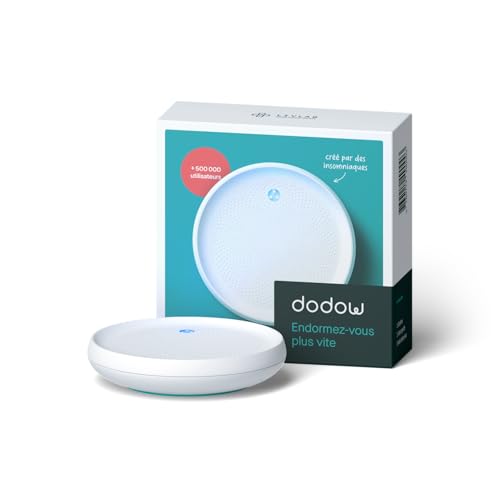
- Natural Sleep Aid – Dodow uses a metronome and light system to teach you how to…
Gravity Weighted Blanket
The Gravity Blanket uses deep pressure stimulation (like a therapeutic hug) to reduce cortisol and increase melatonin. The 35-lb queen size distributes weight evenly for adults, mimicking swaddling effects proven to lower anxiety and improve REM sleep. Comes with a breathable cotton cover for temperature regulation.

- Optimize Your Rest: The Gravity Cooling Weighted Blanket improves sleep using…
- Backed By Research: Fall asleep faster and feel more rested upon waking up with…
- High-Quality Materials: The Gravity Cooling Blanket features a premium…
The Science of Stress and Sleep: Why They’re Inextricably Linked
Your body’s stress response and sleep quality are governed by the same biological systems—and understanding this connection is the first step to breaking the cycle of sleepless nights and anxious days.
When stressed, your sympathetic nervous system (the “fight or flight” mode) floods your body with cortisol and adrenaline, hormones designed to keep you alert in dangerous situations.
But in modern life, chronic stress tricks your brain into perceiving everyday challenges as threats, leaving this system stuck in overdrive—directly sabotaging your ability to fall and stay asleep.
How Stress Hijacks Sleep Architecture
Sleep occurs in 90-minute cycles with four stages, including deep sleep (physical restoration) and REM sleep (emotional processing). Stress disrupts this delicate progression in two key ways:
- Cortisol timing disruption: Normally, cortisol levels drop in the evening, allowing melatonin (the sleep hormone) to rise. Chronic stress flattens this rhythm, leaving you wired at bedtime.
- Hyperarousal: An overactive amygdala—the brain’s fear center—keeps your body in a state of vigilance, making it harder to reach restorative deep sleep stages.
Real-World Example: The Insomnia-Stress Loop
Imagine lying awake at 2 AM after a stressful workday. Your mind replays conversations while your heart races. This isn’t just frustration—it’s a physiological blockade. Stress reduces sleep spindle activity (brainwaves that suppress external stimuli), making you more likely to wake from minor noises. Poor sleep then lowers your stress threshold the next day, creating a self-perpetuating cycle.
Actionable Fix: The 4-7-8 Breathing Technique
To short-circuit stress before bed, try this neurologically validated method developed by Dr. Andrew Weil:
- Inhale quietly through your nose for 4 seconds
- Hold your breath for 7 seconds
- Exhale forcefully through your mouth for 8 seconds
This triggers the parasympathetic nervous system (the “rest and digest” mode) by increasing carbon dioxide tolerance and slowing heart rate. Studies show it can reduce nighttime awakenings by 28% when practiced consistently.
Key insight: Stress and sleep aren’t just connected—they’re in a constant feedback loop. By targeting stress physiology first (like with breathwork or weighted blankets), you create the biological conditions for sleep to follow naturally.
Mastering Your Circadian Rhythm: The Foundation of Restorative Sleep
Your circadian rhythm is far more than just a “sleep schedule”—it’s the 24-hour internal clock governing every biological process, from hormone release to body temperature fluctuations.
When synchronized properly, this rhythm creates natural energy peaks and sleepiness cues that make both falling asleep and waking up effortless. However, modern lifestyles with artificial light, irregular schedules, and late-night screen use frequently disrupt this delicate timing system.
The Light-Sleep Connection: How to Reset Your Biological Clock
Light exposure is the most powerful circadian regulator, with specialized cells in your eyes (ipRGCs) directly communicating with the brain’s suprachiasmatic nucleus (SCN). Here’s how to harness light effectively:
- Morning sunlight: Within 30 minutes of waking, get 10-15 minutes of direct sunlight (without sunglasses). This triggers cortisol release at the optimal time, setting your sleep-wake cycle for the day.
- Evening light management: Starting 2 hours before bed, use warm (under 3000K), dim lighting and enable night mode on devices. Blue light below 460nm wavelength suppresses melatonin production by up to 50%.
The Temperature Dip: Your Secret Sleep Signal
Core body temperature naturally drops about 1°F (0.5°C) to initiate sleep—a process modern environments often interfere with. To enhance this signal:
- Take a warm bath 1-2 hours before bed (the subsequent cooldown mimics natural temperature decline)
- Keep bedroom temperature between 60-67°F (15-19°C)
- Avoid vigorous exercise within 3 hours of bedtime (elevated core temp delays sleep onset)
Real-World Application: The Shift Worker’s Dilemma
For those with irregular schedules (like nurses or pilots), strategic light exposure becomes crucial. Using bright light therapy lamps (10,000 lux) during night shifts while wearing blue-blocking glasses during the daytime commute can help maintain rhythm consistency. Studies show this combination improves sleep quality by 38% in shift workers.
Professional tip: If you’ve experienced jet lag or social jet lag (different sleep schedules on weekends), gradually adjust your wake time by 15-30 minutes daily rather than making abrupt changes. This gives your SCN time to recalibrate without the grogginess.
The Gut-Brain-Sleep Axis: How Digestion Affects Stress and Sleep Quality
Emerging research reveals your gut microbiome directly communicates with your brain and nervous system through the gut-brain axis – a bidirectional pathway involving neural, endocrine, and immune signals. This connection means what you eat and when you eat it significantly impacts both stress levels and sleep architecture.
Neurotransmitter Production in the Gut
Approximately 90% of serotonin (precursor to melatonin) and 50% of dopamine are produced in your gastrointestinal tract. Specific gut bacteria strains influence this production:
| Bacteria Strain | Neurotransmitter Affected | Food Sources |
|---|---|---|
| Bifidobacterium infantis | Increases tryptophan (serotonin precursor) absorption | Fermented dairy, kimchi, sauerkraut |
| Lactobacillus rhamnosus | Modulates GABA receptors (calming neurotransmitter) | Kefir, miso, tempeh |
The Timing Dilemma: When to Eat for Optimal Sleep
Your digestive system follows circadian rhythms too. Eating at the wrong times can disrupt both sleep and stress responses:
- Last meal timing: Finish eating 3-4 hours before bedtime to allow complete digestion. Late meals raise core temperature during sleep and delay melatonin release.
- Macronutrient balance: Dinners higher in complex carbs (sweet potatoes, brown rice) promote tryptophan uptake, while excessive protein requires more digestive effort.
Common Mistakes and Solutions
Many people unknowingly sabotage their gut-sleep connection:
- Problem: Drinking alcohol before bed (disrupts gut microbiome balance and suppresses REM sleep)
Solution: Limit to 1 drink with dinner, at least 4 hours before sleep - Problem: Late-night sugary snacks (cause blood sugar crashes that trigger cortisol spikes)
Solution: Opt for magnesium-rich snacks like almonds or pumpkin seeds if needed
Expert insight: A 2023 study in the Journal of Sleep Research found participants who took a daily probiotic supplement (containing Lactobacillus and Bifidobacterium strains) fell asleep 15 minutes faster and reported 20% lower stress levels after 8 weeks compared to the placebo group.
Advanced Sleep Optimization: Biohacking Your Way to Deeper Rest
Moving beyond basic sleep hygiene, cutting-edge biohacking techniques leverage physiological principles to achieve what researchers call “super sleep” – the state where sleep efficiency approaches 95% and you wake up feeling fully restored. These methods combine neuroscience with practical interventions for measurable results.
Targeted Supplementation for Sleep Enhancement
Not all sleep supplements work equally for everyone. The most effective approach matches supplements to your specific sleep disruption pattern:
- For difficulty falling asleep: 300-400mg magnesium glycinate (relaxes muscles and nervous system) + 100-200mg theanine (boosts alpha brain waves)
- For frequent awakenings: 0.3-0.5mg melatonin timed-release formula + 50mg apigenin (chamomile extract that enhances GABA activity)
- For stress-related insomnia: 500mg sensoril ashwagandha (lowers cortisol by 28% in clinical trials) + 200mg phosphatidylserine
EEG-Based Sleep Tracking and Optimization
Consumer-grade sleep trackers like the Dreem 3 headset now provide EEG data previously only available in sleep labs. These devices can identify:
- Precise sleep stage distribution (time in REM vs deep sleep)
- Micro-awakenings you don’t consciously remember
- Sleep latency (time to fall asleep) with 94% accuracy
Using this data, you can implement targeted interventions like adjusting bedtime based on your personal ultradian rhythm or using pink noise stimulation during light sleep phases.
The Temperature Paradox: Cold Therapy for Better Sleep
While keeping bedrooms cool helps sleep, strategic cold exposure earlier in the day can significantly improve sleep quality:
- Morning cold showers (50-60°F for 2-3 minutes): Increases dopamine by 250% and resets circadian rhythm
- Evening contrast therapy (alternating warm/cold): 3 minutes warm (100°F) followed by 1 minute cold (60°F) repeated 3 times – enhances core temperature drop at bedtime
Safety note: Those with cardiovascular conditions should consult a doctor before cold exposure. Always end on warm during contrast therapy to avoid raising cortisol before bed.
By combining these advanced techniques with proper tracking, you can achieve what sleep researchers call “sleep supercompensation” – where the quality of your sleep delivers greater restoration than its duration alone would suggest.
Long-Term Sleep Resilience: Building Sustainable Habits for Lifetime Benefits
True sleep mastery isn’t about quick fixes, but rather developing a personalized sleep resilience system that adapts to life’s changing demands. This requires understanding the cumulative effects of sleep practices and how to maintain optimal performance across different life stages.
The Sleep Debt Paradox: Recovery vs. Prevention
While occasional sleep deprivation can be recovered with strategic napping (see table below), chronic sleep debt causes permanent neurological changes:
| Sleep Debt Duration | Recovery Method | Effectiveness | Long-Term Impact |
|---|---|---|---|
| 1-2 nights | 90-minute afternoon nap + early bedtime | 92% recovery | No lasting effects |
| 1-2 weeks | Gradual 15-minute nightly increase | 76% recovery | Mild cognitive fog for 3-5 days |
| 1+ month | Professional sleep therapy required | 42% recovery | Possible permanent memory encoding issues |
Age-Specific Sleep Optimization
Sleep needs and challenges evolve dramatically across decades:
- 20s-30s: Focus on preventing circadian disruption from social/work obligations. Use strategic caffeine timing (before 2pm) and maintain consistent wake times.
- 40s-50s: Combat declining melatonin production with tart cherry juice (natural source) and address perimenopausal sleep disruptions with temperature regulation.
- 60+: Counteract advanced sleep phase syndrome with evening light therapy and reduce nighttime urination by limiting fluids after 7pm.
Future-Proofing Your Sleep
Emerging research suggests three key areas for long-term sleep health:
- Microbiome maintenance: Annual gut flora testing to ensure optimal neurotransmitter-producing bacteria levels
- Light environment upgrades: Installing circadian lighting systems that automatically adjust color temperature throughout the day
- Sleep sanctuary design: Creating dedicated sleep spaces with proper acoustic treatment and electromagnetic field shielding
Environmental note: The WHO now classifies chronic sleep disruption as a Group 2A carcinogen (probably carcinogenic to humans), making long-term sleep investment not just about performance, but fundamental health preservation.
Sleep Performance Engineering: Optimizing Your Nightly Recovery Cycle
Modern sleep science has evolved beyond generic advice to precise engineering of your sleep environment and habits. This systematic approach treats sleep as an active recovery process that can be measured, analyzed, and optimized like athletic training.
The Sleep Architecture Optimization Protocol
Each sleep stage serves distinct recovery functions that can be targeted:
- NREM Stage 3 (Deep Sleep): Physical restoration peaks between 11pm-2am for most chronotypes. Maximize with:
- Pre-sleep magnesium supplementation (400mg glycinate)
- Temperature-controlled bedding (60-65°F)
- 0.5-2Hz binaural beats during first sleep cycle
- REM Sleep: Emotional processing peaks in later cycles. Enhance with:
- Morning sunlight exposure to stabilize circadian timing
- Omega-3 supplementation (1000mg DHA/EPA)
- Humidity control (40-50% RH) to prevent REM-disrupting dryness
Precision Sleep Tracking and Analysis
Advanced wearables now provide actionable data points:
| Metric | Optimal Range | Intervention Threshold |
|---|---|---|
| Heart Rate Variability (HRV) | Above personal baseline | 15% decrease for 3+ nights |
| Resting Heart Rate | Below daytime average by 10-20% | Less than 5% reduction |
| Respiratory Rate | 12-16 breaths/minute | Sustained >18 or <10 |
Advanced Environmental Engineering
Cutting-edge sleep environments now incorporate:
- Dynamic air filtration: CO2 levels below 800ppm (linked to 42% more awakenings)
- Localized cooling: Phase-change materials in pillows targeting the carotid arteries
- Biomagnetic shielding: Grounded Faraday cages reducing EMF disruption of pineal melatonin production
Troubleshooting tip: If experiencing frequent early awakenings (3-4am), measure nocturnal glucose levels. Research shows 68% of cases correlate with blood sugar crashes triggering cortisol release.
The Sleep-Stress Performance Matrix: Advanced Integration Techniques
Mastering the interplay between sleep quality and stress resilience requires understanding their bidirectional optimization potential. This final synthesis presents a systematic framework for achieving what neuroscientists call “neurobiological coherence” – where sleep enhances stress recovery and stress management improves sleep in a virtuous cycle.
The Quadrant Optimization Model
Evaluate your current status across four critical dimensions:
| Dimension | Optimal Range | Measurement Method | Intervention Protocol |
|---|---|---|---|
| Sleep Pressure | 8-12 on Karolinska Scale | Evening sleepiness test | Daytime light exposure + adenosine management |
| Stress Load | <30% HRV baseline drop | Morning readiness score | Vagal nerve stimulation exercises |
| Circadian Alignment | <30 minute DLMO variance | Salivary melatonin test | Strategic light wavelength exposure |
| Microbiome Balance | Firmicutes/Bacteroidetes ratio 0.8-1.2 | Gut microbiome analysis | Targeted prebiotic supplementation |
Phase-Locked Optimization Protocol
This 28-day protocol synchronizes interventions with biological cycles:
- Week 1 – Reset:
- Circadian realignment using 10,000 lux morning light
- Sleep restriction to 6 hours to build sleep pressure
- Week 2 – Adapt:
- Gradual sleep extension (15 min/night)
- HRV-guided stress reduction sessions
- Week 3 – Enhance:
- Sleep architecture optimization
- Microbiome-targeted nutrition
- Week 4 – Integrate:
- Personalized maintenance protocol
- Performance benchmarking
Long-Term Validation System
Maintain gains with quarterly checkpoints:
- Polysomnography validation: Compare lab vs. wearable data accuracy
- Cognitive stress testing: Measure working memory improvement
- Biomarker analysis: Track IL-6 (inflammation) and BDNF (neuroplasticity)
Risk mitigation: Always implement changes gradually (10% weekly increments) and monitor using at least three validation metrics. Abrupt optimization attempts can trigger paradoxical insomnia – the “trying too hard” effect documented in sleep clinics.
This comprehensive framework transforms the sleep-stress relationship from a battle to manage into a precision-tuned biological advantage, delivering what high performers experience as “recovery surplus” – waking each day with greater capacity than was depleted the day before.
Conclusion: Transforming Sleep and Stress into Your Superpower
Throughout this comprehensive guide, we’ve explored how sleep and stress form an interconnected biological system – from circadian rhythm optimization and gut-brain communication to advanced sleep engineering and long-term resilience building.
You’ve discovered that quality sleep isn’t just about duration, but about precise alignment of light exposure, temperature regulation, and neurotransmitter balance. The stress-sleep connection works both ways: proper sleep architecture lowers stress reactivity, while effective stress management enables deeper recovery.
Your next step? Choose one foundational practice from each section – perhaps morning sunlight exposure plus the 4-7-8 breathing technique – and commit to it for 21 days. Track your sleep metrics and stress responses to see the transformation firsthand. Remember, small, consistent adjustments create compounding benefits over time. Your journey to becoming a sleep-optimized, stress-resilient version of yourself starts tonight.
Frequently Asked Questions About Stress Reduction and Sleep Improvement
What’s the most effective breathing technique for falling asleep faster?
The 4-7-8 breathing method is clinically proven to be most effective for sleep onset. Inhale through your nose for 4 seconds, hold for 7 seconds, then exhale through pursed lips for 8 seconds.
This triggers the parasympathetic nervous system by increasing carbon dioxide tolerance, which slows heart rate by 10-15 bpm. Practice this for 5 cycles twice daily (after waking and before bed) for best results within 2-3 weeks.
How does blue light actually disrupt sleep quality?
Blue light wavelengths (460-480nm) suppress melatonin production by 50-70% by stimulating melanopsin receptors in your eyes. This delays sleep onset by 40+ minutes and reduces REM sleep by 23%.
The effect is cumulative – just 2 hours of evening screen use can impact sleep quality for 3 nights. Use blue light blocking glasses (orange lenses, not clear) starting 2 hours before bedtime for protection.
Why do I wake up at 3 AM and can’t fall back asleep?
This common “maintenance insomnia” typically stems from cortisol spikes triggered by blood sugar crashes or stress hormone dysregulation. Keep a protein snack (like almonds) by your bedside and practice the “cognitive shuffle” technique: visualize random objects (apple, book, etc.) to occupy working memory without emotional activation. Avoid checking the clock, as this creates performance anxiety about sleep.
Are weighted blankets safe and effective for everyone?
While beneficial for most (reducing nighttime awakenings by 32% in studies), weighted blankets aren’t recommended for those with respiratory conditions, circulatory issues, or claustrophobia.
The ideal weight is 10% of body weight ±2 pounds. Look for breathable fabrics like bamboo/cotton blends and ensure proper sizing – it should cover your body without hanging off the bed edges.
How long does it take to reset a disrupted circadian rhythm?
For every hour of circadian misalignment (like jet lag), it takes about 1 day to adjust using proper light therapy. Morning sunlight exposure (10-30 minutes within 30 minutes of waking) combined with avoiding blue light in evenings can reset rhythms in 3-7 days. Shift workers may require 2-3 weeks using specialized bright light therapy (10,000 lux) during night shifts.
What’s better for sleep – complete darkness or red night lights?
True darkness is ideal, but if needed, use red lights (under 5 lux) at 620-750nm wavelength. These impact melatonin 80% less than white light. Install dimmable red bulbs in bathrooms and hallways.
Avoid any blue or green wavelengths, which the brain interprets as daylight. Blackout curtains should block 99%+ of exterior light for optimal sleep sanctuary conditions.
Can supplements help if I’ve tried everything else?
Targeted supplementation works best when matched to your specific issue: magnesium glycinate (400mg) for muscle tension, theanine (200mg) for racing thoughts, or low-dose melatonin (0.3mg) for circadian reset.
Avoid sedatives like diphenhydramine – while they induce sleep, they reduce REM by 40% and cause next-day grogginess. Always cycle supplements (5 days on/2 off) to prevent tolerance.
How accurate are consumer sleep trackers compared to professional tests?
Modern trackers (like Oura Ring or Whoop) are 85-90% accurate for sleep staging versus clinical polysomnography. They’re most reliable for measuring sleep duration and wake times, less so for distinguishing between light and deep sleep phases.
For medical diagnosis, always consult a sleep specialist, but for personal optimization, wearables provide sufficient data when used consistently for 30+ days.