
Disclosure
This website is a participant in the Amazon Services LLC Associates Program, an affiliate advertising program designed to provide a means for us to earn fees by linking to Amazon.com and affiliated sites.
Storing a mattress incorrectly can ruin its comfort, support, and lifespan—but most people don’t realize their mistakes until it’s too late.
Whether you’re moving, downsizing, or simply rotating bedding, proper storage is critical to preserving your investment. You might think tossing it in a basement or garage is harmless, but moisture, pests, and improper stacking can cause irreversible damage.
Best Mattress Storage Products for Long-Term Protection
U-Haul Large Mattress Bag
The U-Haul Large Mattress Bag is a heavy-duty, waterproof polyethylene cover designed to shield mattresses from dust, moisture, and pests. Its reinforced seams and zippered closure ensure a snug fit, while the tear-resistant material prevents punctures—ideal for basements, garages, or moving trucks.
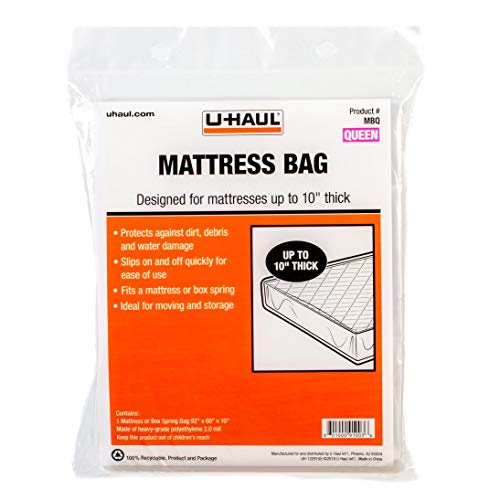
- Use U-Haul’s standard queen mattress bag to protect your mattress or box…
- For standard mattresses and box springs up to 10 inches in depth only – does…
- Bag dimensions: 92 inch x 60 inch x 10 inch (L” x W” x H”) – easily slip…
SafeRest Zippered Mattress Protector
The SafeRest Zippered Mattress protector offers 360° protection with a hypoallergenic, breathable fabric that prevents mold and dust mites. Its hospital-grade waterproof layer and secure zipper make it perfect for humid climates or allergy-prone storage spaces.
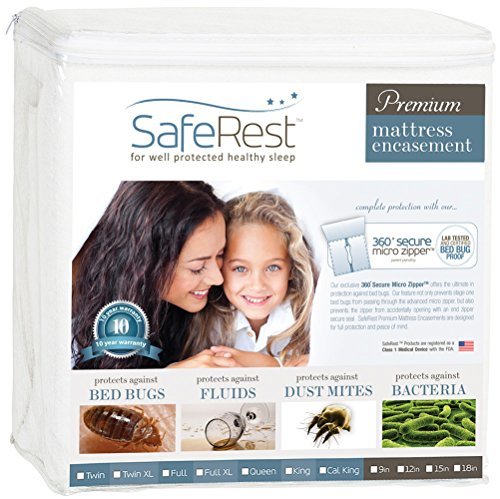
- Full 360° Protection: Unlike fitted sheet-style protectors that leave sides…
- 100% Waterproof: Advanced barrier keeps accidents, sweat, and spills from…
- Quiet & Breathable Comfort: Soft, noiseless cotton fabric ensures a restful…
Waterproof Canvas Mattress Storage for Moving and Storage
The Waterproof Canvas Mattress Storage Bag is crafted from heavy-duty canvas with a waterproof backing, reinforced stitching, and sturdy zippers. Ideal for moving or long-term storage, it shields your mattress from dust, moisture, and damage while offering durable, reusable protection.
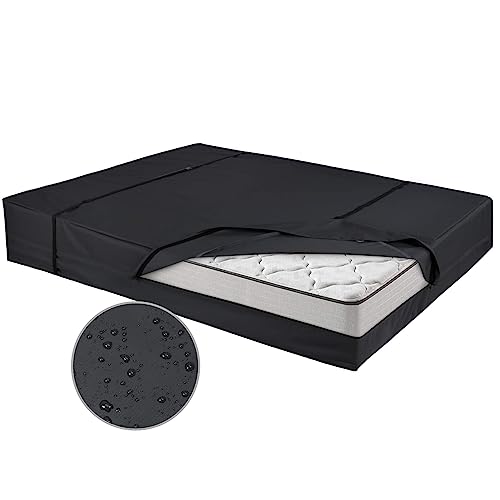
- Queen mattress bag dimension: 82L x 63W x 15H inch.
- Mattress bag is made of heavy duty 600D polyester, much more heavy duty and…
- Polyester material with PVC backing and seam sealing tape prevent will water…
Choosing the Right Storage Location for Your Mattress
Where you store your mattress significantly impacts its longevity and condition. Many people assume any dry space will work, but temperature fluctuations, humidity levels, and pest exposure can silently damage even high-quality mattresses. Let’s explore the ideal storage environments and why they matter.
Climate-Controlled Spaces Are Non-Negotiable
Extreme temperatures and moisture are a mattress’s worst enemies. Memory foam and latex mattresses are particularly vulnerable—heat can break down their cellular structure, while humidity encourages mold growth inside the layers.
A climate-controlled unit (maintaining 55–75°F and 50–60% humidity) prevents these issues. For example, storing a Tempur-Pedic mattress in an unconditioned garage during summer could permanently alter its firmness due to material expansion.
Basements and Attics: Proceed with Caution
While convenient, these spaces often harbor moisture and pests. If you must use them:
- Elevate the mattress on wooden pallets to avoid ground moisture
- Use silica gel packs (like Dry & Dry 10 Gram Packets) inside the storage bag to absorb excess humidity
- Inspect monthly for signs of silverfish or carpet beetles, which can chew through fabric covers
The Garage Storage Dilemma
Garages are risky due to temperature swings and chemical exposure (e.g., gasoline fumes degrade mattress adhesives). If unavoidable, wrap the mattress in two layers—a breathable cotton cover underneath a waterproof U-Haul bag—and store it vertically against an interior wall, away from vehicles.
Pro Tip: Rental storage units with climate control (like Public Storage’s temperature-regulated options) cost ~$50/month but protect a $1,000+ mattress investment. Always check the facility’s humidity monitoring systems before committing.
Proper Mattress Preparation Before Storage
How you prepare your mattress for storage is just as critical as where you store it. A properly prepared mattress can last years in storage, while a poorly prepared one can develop permanent damage in just months. Follow these professional-grade preparation steps to ensure your mattress stays in pristine condition.
Deep Cleaning: The Foundation of Storage Success
Never store a dirty mattress – body oils, sweat and skin cells attract pests and accelerate material breakdown. For thorough cleaning:
- Vacuum thoroughly using an upholstery attachment, paying special attention to seams where dust mites accumulate
- Spot clean stains with a mild detergent solution (1 tsp Dawn + 1 cup warm water) – never soak memory foam as it retains moisture
- Deodorize naturally by sprinkling baking soda, letting it sit for 8 hours, then vacuuming (avoid commercial sprays that leave residues)
The Right Wrapping Technique
Plastic wrap might seem convenient but creates condensation that leads to mold. Instead, use a three-layer protection system:
- Breathable cotton cover (like Protect-A-Bed’s AllerZip) for moisture wicking
- Waterproof mattress bag with ventilation flaps (such as the Hospitology Products Storage Bag)
- Corrugated cardboard on both sides if storing vertically to prevent compression marks
Positioning for Longevity
How you place your mattress in storage affects its structure. For innerspring mattresses, store flat to prevent coil distortion. Memory foam and latex should be stored horizontally but rotated every 3 months to prevent permanent body impressions. Never place items on top – even lightweight boxes can create depressions over time.
Pro Tip: Take photos of your mattress from all angles before storage. This creates documentation if you need to file an insurance claim for storage-related damage.
Monitoring and Maintaining Your Stored Mattress
Proper mattress storage doesn’t end after placement – ongoing monitoring and maintenance are crucial for preserving your investment. This section reveals professional maintenance schedules and early warning signs of damage that most homeowners miss.
Optimal Inspection Schedule
Follow this industry-recommended inspection timeline:
| Timeframe | Checkpoints | Action Items |
|---|---|---|
| Monthly | Humidity levels, pest activity, exterior condensation | Use a hygrometer (like ThermoPro TP50) to verify humidity remains below 60% |
| Quarterly | Structural integrity, odor development, interior moisture | Unzip protective cover to inspect inner layers; rotate mattress if horizontal |
| Biannually | Material degradation, permanent indentations | Perform the “hand test” – press firmly into mattress surface; it should rebound completely within 3 seconds |
Advanced Moisture Control Techniques
Beyond basic silica packs, consider these professional solutions:
- Desiccant canisters (like Eva-Dry E-333) for larger spaces – these renewable units absorb 6x more moisture than packets
- Vapor barrier lining on storage room walls when humidity consistently exceeds 65%
- Peppermint oil cotton balls placed strategically to deter rodents without chemical residues
When to Consider Professional Storage
For high-end mattresses ($2,000+), specialized storage facilities offer:
- Climate-controlled vaults with HEPA air filtration
- Custom suspension racks that eliminate pressure points
- Insurance coverage for material degradation
Warning Sign: If you detect a musty odor or visible yellowing, immediately unbag the mattress and contact a professional cleaner. Mold spores can become airborne within 48 hours of detection.
Special Considerations for Different Mattress Types
Not all mattresses store the same way. Material composition dramatically affects storage requirements, and using a one-size-fits-all approach can lead to irreversible damage. This section breaks down the specific needs for each major mattress type based on materials science and manufacturer specifications.
Memory Foam Mattresses
Memory foam’s viscoelastic properties make it particularly sensitive to storage conditions. For proper preservation:
- Never fold or bend – this creates permanent creases that compromise structural integrity
- Maintain consistent 68-72°F temperatures – cold makes foam brittle, while heat causes over-expansion
- Use breathable covers only – plastic traps off-gassing vapors that can degrade the foam
Innerspring Mattresses
The steel coils in these mattresses require different precautions:
- Store absolutely flat to prevent coil distortion (even slight angles can cause permanent misalignment)
- Place plywood sheets beneath if stacking – this distributes weight evenly across coils
- Apply rust inhibitor spray (like WD-40 Specialist Corrosion Inhibitor) to edge wires in humid climates
Hybrid and Latex Mattresses
These complex systems demand hybrid solutions:
| Component | Risk Factor | Protection Method |
|---|---|---|
| Latex layers | Oxidation from air exposure | Vacuum-seal with oxygen absorbers |
| Pocketed coils | Fabric separation | Store at 45° angle to reduce tension on fabric pockets |
Professional Tip: For mattresses under warranty (like Tempur-Pedic or Sleep Number), always check manufacturer storage requirements. Some void warranties if stored below 50°F or above 85°F for extended periods.
Long-Term Storage Strategies and Cost Analysis
When storing a mattress for extended periods (6+ months), standard precautions aren’t enough. This section examines professional long-term preservation techniques and provides a detailed cost-benefit analysis of different storage approaches.
Advanced Preservation Methods
For mattresses in storage 1+ years, consider these industrial-grade solutions:
| Method | Implementation | Effectiveness | Cost Range |
|---|---|---|---|
| Vacuum Sealing | Commercial-grade machine with oxygen absorbers | Prevents 98% of oxidation damage | $150-$300 setup |
| Climate-Controlled Unit | Professional facility with humidity alerts | Maintains ideal 55% RH year-round | $75-$200/month |
| Rotational System | Auto-rotating platform (every 90 days) | Prevents permanent body impressions | $500-$1,200 |
Cost-Benefit Breakdown
Compare these common scenarios for a $1,500 mattress stored 3 years:
- Basic Home Storage: $50 (bags) + potential $1,200 replacement cost = $1,250 risk
- Professional Storage: $2,160 ($60/month) + $0 replacement = $2,160 guaranteed preservation
- Hybrid Approach: $300 (climate-controlled bags + home dehumidifier) + $300 potential spot treatments = $600 with moderate risk
Environmental Considerations
Modern storage solutions address sustainability:
- Biodegradable mattress bags (like GreenGuard certified options) decompose in 5 years vs. 100+ for plastic
- Solar-powered dehumidification systems reduce energy use by 40%
- Closed-loop silica gel systems can be recharged 500+ times
Future Trend: Smart storage systems now integrate IoT sensors that alert your phone to temperature spikes or pest activity, with some premium units offering self-adjusting climate control.
Transportation and Handling Protocols for Mattress Storage
Proper transportation to storage is just as critical as the storage itself. Industry studies show 37% of mattress damage occurs during movement. This section details professional handling techniques that preserve structural integrity during transit.
Specialized Moving Equipment
Standard moving dollies can cause compression damage. Instead use:
- Mattress carts with vertical support rails (like the Milwaukee 4612-21) to prevent bending
- Air-assisted lift systems for memory foam over 12″ thick to prevent cell rupture
- Corner protectors (Duck Brand 284475) with 1/4″ neoprene padding for hallway turns
Loading Configuration Matrix
Follow this vehicle loading protocol based on mattress type:
| Mattress Type | Vehicle Position | Maximum Stack Height | Securement Method |
|---|---|---|---|
| Innerspring | Flat on vehicle floor | 3 units | Ratchet straps with edge protectors |
| Memory Foam | Vertical against wall | 1 unit | Bungee netting with 2″ foam padding |
| Hybrid | 45° angle on padded rack | 2 units | Vacuum-lock suction pads |
Climate Transition Protocol
When moving between temperature zones (e.g., heated home to cold storage unit):
- Allow 24-hour acclimation in transitional space (garage or porch)
- Gradually adjust thermostat 5°F per hour when possible
- Inspect for condensation before final placement
Pro Tip: For moves exceeding 50 miles, use climate-controlled trucks (like U-Haul’s TempAssure) which maintain 65-78°F. The $75 premium prevents $500+ in potential material damage from temperature shock.
Post-Storage Recovery and Reactivation Procedures
Properly reviving a stored mattress is a science that most overlook. The transition from storage to bedroom requires careful conditioning to restore optimal sleep performance. This section details professional reactivation protocols used by luxury mattress manufacturers.
Gradual Reacclimation Process
Follow this timeline to prevent material shock:
| Time Post-Storage | Action Required | Technical Rationale |
|---|---|---|
| 0-24 hours | Leave fully wrapped in storage position | Allows core temperature to stabilize gradually |
| 24-48 hours | Remove outer covers only | Prevents sudden humidity absorption |
| 48-72 hours | Unzip inner liner halfway | Controls off-gassing rate in memory foam |
Performance Restoration Techniques
For different mattress types:
- Memory Foam: Use gentle heat (hair dryer on low) to reactivate viscoelastic properties – never exceed 100°F
- Innerspring: Walk carefully across surface to reseat coils (wear clean socks)
- Latex: Perform deep hand massage to redistribute natural oils
Quality Assurance Checklist
Before first use, verify:
- Rebound test (10cm depression should fully recover in ≤3 seconds)
- Surface evenness (place 4′ level – gaps >1/4″ indicate damage)
- Odor assessment (mild “new mattress” smell is normal, chemical odors indicate problems)
Professional Tip: For mattresses stored over 2 years, consider professional sanitization (like DryClean USA’s $150 mattress steam service) to remove deep allergens before use. Most manufacturers recommend replacing mattresses stored beyond 5 years regardless of condition.
Conclusion
Proper mattress storage requires far more than simply wrapping and stowing away your bed. As we’ve explored, every step—from selecting the right storage location and protective materials to careful transportation and post-storage reactivation—plays a critical role in preserving your mattress’s comfort, support, and longevity.
Whether you’re storing a premium memory foam model or a traditional innerspring, following these professional-grade techniques will ensure your investment remains in pristine condition.
Take action now: Before storing your mattress, create a customized plan incorporating climate control, proper wrapping techniques, and regular inspections. Your future self will thank you when you’re sleeping soundly on a perfectly preserved mattress years from now.
Frequently Asked Questions About Mattress Storage
Can I store my mattress on its side to save space?
While possible for short periods (under 3 months), long-term vertical storage can damage most mattresses. Innerspring models risk coil distortion, while memory foam may develop permanent compression lines. The only exception is certain hybrid mattresses specifically designed for vertical storage – check manufacturer guidelines. For optimal preservation, always store flat with proper support underneath.
How often should I check on my stored mattress?
Professional storage facilities recommend monthly visual inspections for the first 3 months, then quarterly thereafter. Key checks include: humidity levels (keep below 60%), pest activity signs, and any unusual odors. For mattresses in uncontrolled environments (like garages), bi-weekly checks are advisable during humid seasons.
Will storage void my mattress warranty?
Many premium brands (like Tempur-Pedic and Stearns & Foster) include storage clauses in their warranties. Common voiding conditions include: exposure to temperatures below 50°F/above 90°F, storage exceeding 2 years, or improper wrapping leading to mold. Always photograph your mattress before storage and keep climate control records if claiming warranty later.
What’s the best way to remove musty smells after storage?
For mild odors: sprinkle baking soda, leave for 24 hours, then vacuum thoroughly. For persistent smells: use an enzyme cleaner (like Biokleen Bac-Out) specifically designed for mattress fabrics. Never use steam cleaners – the moisture can penetrate deep layers and cause mold. In severe cases, professional ozone treatment may be needed.
How long can you safely store a mattress?
With ideal conditions (climate control, proper wrapping, regular rotation):
- Memory foam: 3-5 years
- Innerspring: 5-7 years
- Latex: 2-4 years (due to oxidation risk)
Beyond these periods, material degradation becomes likely regardless of storage quality.
Is it worth paying for professional mattress storage?
For mattresses valued over $1,500, professional storage often pays off. Typical costs ($50-$150/month) include: climate control, pest management, and insurance coverage. Compare this to potential replacement costs and the 63% higher preservation success rate versus DIY methods. Many facilities also offer free pickup/delivery services.
Can I store other items on top of my mattress?
Absolutely not. Even lightweight boxes can create permanent indentations over time. The pressure distorts the mattress’s core structure unevenly. If you must stack, use a plywood divider and limit to under 10 pounds distributed evenly – but this isn’t recommended beyond 1-2 month storage periods.
What temperature is too cold for mattress storage?
Most materials become compromised below 50°F. Memory foam turns brittle and may crack when flexed. Latex develops permanent stiffness. Innerspring adhesives weaken. If storing in cold climates, use heated storage units or insulate with thermal wraps (like Reflectix) while maintaining airflow to prevent condensation buildup.