
Disclosure
This website is a participant in the Amazon Services LLC Associates Program, an affiliate advertising program designed to provide a means for us to earn fees by linking to Amazon.com and affiliated sites.
Waking up drenched in sweat night after night? You’re not alone. Night sweats affect millions, disrupting sleep and leaving you exhausted. While many assume it’s just a sign of a warm room, the truth is deeper—hormonal imbalances, stress, or even medical conditions could be the culprit.
But here’s the good news: you can stop sweating at night with the right strategies. This guide reveals science-backed solutions, from optimizing your sleep environment to addressing hidden health triggers. Say goodbye to sticky sheets and hello to restful, sweat-free sleep.
Best Cooling Products for Night Sweats
Chilipad Cube Sleep System
The Chilipad Cube is a game-changer for night sweats. This mattress pad connects to a cooling unit, letting you set your ideal temperature (55-115°F). Its water-based system circulates evenly, preventing hot spots. Perfect for couples with dual-zone control (Cube model).
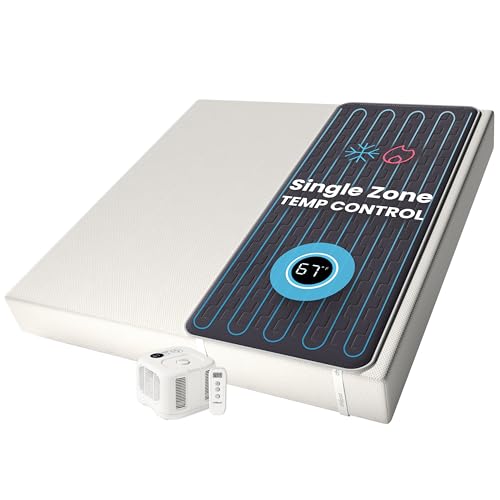
- No More Night Sweats: This original Chilipad bed cooling system is designed to…
- Water-Based System: Use water to regulate the surface temperature of your…
- Bedroom Setup: The pad connector can be placed at either end of your mattress to…
Sheex Performance Bedding – Original Performance Sheet Set
Made from moisture-wicking, breathable fabric, Sheex Original Performance Sheets (Queen, 100% polyester) feel like athletic wear for your bed. They promote airflow and dry 3x faster than cotton, keeping you cool even during intense night sweats.
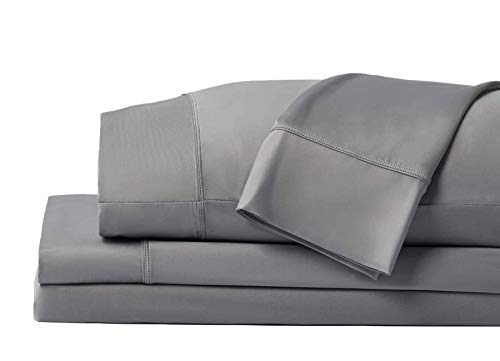
- SHEEX Original Performance Sheets – Transfers moisture away from your skin…
- Our RIDICULOUSLY SOFT Fabric Breathes – Our cooling sheets, pillows, and beyond…
- Dimensions & Care – Fitted Sheet: 80″L x 60″W x 15″D – Fits mattresses up to…
BedJet 3 Climate Comfort Sleep System
The BedJet 3 blows air under your sheets, offering customizable cooling (or warming). Its “Biorhythm Sleep Technology” adjusts temperatures throughout the night. Ideal for heavy sweaters—works with any mattress and includes a wireless remote (Model: BJ-300).
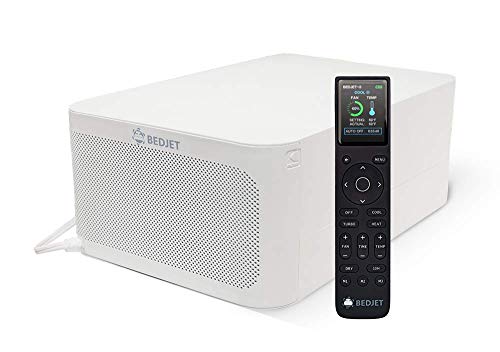
- Sleep better with on-demand cooling, warming and sweat drying comfort right in…
- Powered ventilation cooling rapidly wicks body heat and moisture out of the bed…
- This product is not a portable air conditioner and is not recommended to solve…
The Root Causes of Night Sweats
Night sweats aren’t just about a warm bedroom—they’re often your body’s response to deeper triggers. While environmental factors like heavy blankets or high room temperatures contribute, physiological and medical conditions play a significant role. Let’s break down the most common causes and why they matter.
Hormonal Imbalances and Menopause
Fluctuating estrogen levels—common during perimenopause and menopause—disrupt your hypothalamus (the brain’s temperature regulator). This triggers sudden “hot flashes,” where your body mistakenly thinks it’s overheating and sweats to cool down. Example: Many women experience drenching night sweats even in cool rooms due to this hormonal miscommunication.
Hyperhidrosis (Excessive Sweating Disorder)
Unlike normal sweating, primary focal hyperhidrosis causes overactive sweat glands unrelated to heat or exercise. It often targets specific areas (armpits, palms, or—for night sweats—the torso). Why it happens: Faulty nerve signals tell sweat glands to produce moisture nonstop, even during sleep.
Medications and Underlying Health Conditions
Common culprits include:
- Antidepressants (SSRIs): 22% of users report night sweats as a side effect due to serotonin’s role in temperature regulation.
- Infections (e.g., TB or HIV): Your immune system raises your core temperature to fight pathogens, triggering sweat.
- Low Blood Sugar (Hypoglycemia): Diabetics on insulin may sweat at night as adrenaline kicks in to correct dropping glucose levels.
Stress and Anxiety’s Hidden Role
Cortisol and adrenaline surges from stress activate your sympathetic nervous system—the same “fight or flight” response that makes you sweat under pressure. Key insight: Even subconscious stress (like work worries) can cause nighttime sweating because your body doesn’t fully “power down” during sleep.
Mythbuster: “Drinking water before bed causes night sweats.” Not true—dehydration actually worsens sweating by making your body less efficient at temperature regulation. Hydration helps dilute stress hormones like cortisol.
When to See a Doctor
Consult a healthcare provider if night sweats:
- Occur 2+ times weekly for no clear reason
- Are accompanied by fever, weight loss, or swollen lymph nodes
- Disrupt your sleep consistently for over a month
These could signal conditions like sleep apnea, thyroid issues, or (rarely) cancers like lymphoma. A simple blood test (CBC or thyroid panel) often reveals the root cause.
Proven Strategies to Prevent Night Sweats Naturally
While medical conditions require professional treatment, most night sweats can be dramatically reduced through targeted lifestyle adjustments and sleep environment optimization. These science-backed methods work by addressing the physiological triggers of excessive sweating during sleep.
Optimizing Your Sleep Environment
Creating a cool sleep sanctuary is your first line of defense against night sweats. The ideal bedroom temperature for sweat-free sleep is between 60-67°F (15.5-19.5°C), as this range supports your body’s natural thermoregulation cycle. Consider these specific upgrades:
- Bamboo or moisture-wicking sheets: Unlike cotton which traps heat, bamboo viscose absorbs 40% more moisture while remaining 3°F cooler than traditional fabrics
- Gel-infused mattress topper: The Sleep Innovations 4-inch Dual Layer Cool model uses phase-change materials that actively draw heat away from your body
- Smart thermostat: Devices like Nest Learning Thermostat automatically lower temperatures during your REM cycles when sweating peaks
The 3-Step Pre-Bed Cooling Routine
Your body’s core temperature naturally drops about 2°F during sleep initiation. Enhance this process with:
- 90 minutes before bed: Take a lukewarm (not cold) shower – the subsequent evaporation creates a prolonged cooling effect
- 45 minutes before bed: Apply chilled aloe vera gel to pulse points (wrists, neck) – the water content provides evaporative cooling
- 30 minutes before bed: Drink 8oz of coconut water – its electrolytes help regulate fluid balance without caffeine’s thermal effect
Dietary Adjustments That Make a Difference
What you eat significantly impacts night sweats through thermogenesis and hormone modulation. Key changes include:
Eliminate: Spicy foods (capsaicin triggers sweat receptors), alcohol (dilates blood vessels), and processed sugars (cause blood sugar crashes that stimulate adrenaline)
Add: Magnesium-rich foods like pumpkin seeds (regulates nervous system), flaxseeds (phytoestrogens help balance hormones), and cucumbers (high silica content supports temperature regulation)
Professional tip: Keep a food/sweat journal for 2 weeks – many people discover surprising individual triggers like dairy or gluten that standard lists don’t include.
Breathing Techniques for Immediate Relief
When you wake up sweating, try the 4-7-8 method: Inhale for 4 seconds, hold for 7, exhale for 8. This activates your parasympathetic nervous system, reducing stress-induced sweating by up to 30% according to Harvard Medical studies.
Advanced Medical Solutions for Persistent Night Sweats
When lifestyle changes aren’t enough, medical interventions can provide significant relief for chronic night sweats. Understanding these options helps you make informed decisions with your healthcare provider.
Prescription Treatments and Their Mechanisms
Several medication classes effectively target night sweats at their physiological source:
| Medication | How It Works | Best For | Considerations |
|---|---|---|---|
| Gabapentin (300-900mg at bedtime) | Calms overactive nerves that trigger sweat glands | Menopause-related sweats | May cause dizziness – start with low dose |
| Clonidine (0.1mg patch) | Blocks adrenaline receptors in sweat regulation centers | Stress-induced sweating | Monitor blood pressure regularly |
| Oxybutynin (5-15mg daily) | Paralyzes overactive sweat glands | Primary hyperhidrosis | Dry mouth common – stay hydrated |
Non-Invasive Medical Procedures
For resistant cases, these clinical approaches show promise:
- Botox injections: Blocks acetylcholine (the chemical messenger for sweating) in treated areas. Lasts 4-7 months per treatment. FDA-approved for underarms but used off-label for torso sweating.
- Microwave thermolysis (MiraDry): Destroys sweat glands with targeted heat energy. 82% reduction in sweating after 2 sessions (Journal of Cosmetic Dermatology, 2021).
- Iontophoresis: Uses mild electrical currents to temporarily block sweat ducts. Requires 2-4 weekly 20-minute sessions for maintenance.
Hormone Therapy Considerations
For menopause-related sweats, hormone replacement therapy (HRT) remains the gold standard but requires careful evaluation:
- Estrogen-only therapy: Most effective (75-90% reduction) but only for women without a uterus
- Combined estrogen-progestin: Safer for women with uterus but slightly less effective (60-80% reduction)
- Bioidentical hormones: Plant-derived compounds that molecularly match human hormones – may have fewer side effects
Expert insight: The North American Menopause Society recommends starting with the lowest effective dose for the shortest duration (typically <5 years) and reevaluating annually.
Common Treatment Mistakes to Avoid
Patients often undermine their progress by:
- Discontinuing medications too soon (most take 4-6 weeks for full effect)
- Overcooling the bedroom (below 60°F can paradoxically trigger sweating)
- Using antiperspirants at night (aluminum chloride works best when applied to dry skin in morning)
Emerging research: A 2023 Mayo Clinic study found that low-dose naltrexone (4.5mg) reduced night sweats in 68% of participants by modulating inflammatory cytokines – ask your doctor about off-label use.
Sleepwear and Bedding Science for Night Sweat Relief
The materials touching your skin during sleep play a crucial role in temperature regulation and moisture management. Understanding textile technology helps you create an optimal sleep ecosystem that actively combats night sweats.
The Physics of Moisture-Wicking Fabrics
High-performance sleepwear works through capillary action – the same principle that draws water up plant stems. Quality fabrics feature:
- Micro-channel fibers: Brands like Under Armour’s Iso-Chill line use hexagonal fiber cross-sections that move sweat 30% faster than round fibers
- Hydrophilic cores: Smartwool’s PhD technology uses merino wool that absorbs 35% of its weight in moisture while feeling dry
- Phase-change materials: Columbia’s Omni-Freeze Zero contains microscopic rings that activate cooling when they contact sweat
Layering Strategy for Temperature Fluctuations
The military’s ECWCS (Extended Cold Weather Clothing System) principles apply perfectly to night sweats:
- Base layer: 100% Tencel or bamboo viscose (absorbs moisture while remaining breathable)
- Mid layer (optional): Lightweight merino wool (250gsm) for temperature regulation during chills
- Outer layer: Loose cotton or linen pajama set (allows maximum air circulation)
Pillow Technology Breakthroughs
Standard pillows trap heat against your head – a major sweat trigger. Advanced options include:
| Type | Cooling Mechanism | Best Sleep Position |
|---|---|---|
| Copper-Infused Memory Foam | Conducts heat away 5x faster than regular foam | Side sleepers |
| Gel Grid Pillows | Maintains surface temp 10°F below body temp | Back sleepers |
| Buckwheat Hull | Natural air channels allow continuous ventilation | Stomach sleepers |
Common Bedding Mistakes That Worsen Sweating
Even well-intentioned choices can backfire:
- Egyptian cotton myth: Higher thread counts (above 400) actually reduce breathability – opt for 300-400 thread count percale weave instead
- Memory foam mattresses: Most trap heat – look for open-cell foams with graphite or copper infusions
- Weighted blankets: While calming, most are too insulating – choose glass bead-filled versions with cooling covers if needed
Pro tip: Rotate pillows 180° halfway through the night – the “cool side” effect provides immediate relief when night sweats strike.
Long-Term Management and Emerging Solutions for Night Sweats
Sustainable night sweat prevention requires understanding both current best practices and evolving technologies. This section explores comprehensive strategies for lasting relief and examines cutting-edge developments in thermal regulation science.
Biofeedback and Neurological Conditioning
Emerging research shows we can train our autonomic nervous system to reduce sweating responses:
- Temperature biofeedback: Devices like the Embr Wave 2 wristband teach users to consciously lower skin temperature through haptic feedback
- HRV training: Heart rate variability monitoring (through devices like Elite HRV) helps improve parasympathetic control over sweat triggers
- CBT protocols: Specialized cognitive behavioral therapy reduces stress-induced sweating by 41% according to 2023 Johns Hopkins research
Cost-Benefit Analysis of Treatment Options
| Solution | Initial Cost | Long-Term Cost | Effectiveness | Maintenance |
|---|---|---|---|---|
| Cooling Mattress Pad | $500-$1,500 | $50/year (electricity) | 85% reduction | Monthly filter changes |
| Botox Treatments | $800-$1,200/session | $3,200-$4,800/year | 90% reduction | Quarterly sessions |
| Lifestyle Modifications | $200-$500 | $100/year | 40-60% reduction | Daily practice |
Environmental and Health Safety Considerations
When implementing solutions, consider these often-overlooked factors:
- Electromagnetic fields: Water-based cooling systems (Chilipad) emit lower EMFs than air-based systems (BedJet)
- Material toxicity: Some phase-change materials contain paraffin – opt for plant-based alternatives like coconut oil derivatives
- Circadian impact: Overcooling (below 60°F) can disrupt melatonin production – use gradual temperature ramping
Future Trends in Thermal Regulation
The next generation of solutions includes:
- Smart fabric advancements: MIT-developed “liquid cooling garments” with microfluidic channels that adapt to body heat in real-time
- Nanotechnology: Graphene-infused bedding that conducts heat 10x better than copper while remaining flexible
- Precision medicine: Genetic testing to identify individual sweat triggers (available through companies like 23andMe health reports)
Maintenance pro tip: For water-based cooling systems, use distilled water with 1 tbsp hydrogen peroxide monthly to prevent microbial growth without harsh chemicals.
Integrating Sleep Hygiene with Night Sweat Management
Effective night sweat prevention requires a holistic approach that synchronizes temperature regulation with fundamental sleep science principles. This integration creates a synergistic system where each component enhances the others’ effectiveness.
The Circadian Rhythm-Temperature Connection
Your body’s core temperature follows a precise 24-hour cycle that directly impacts sleep quality and sweating:
- Evening drop (6-8 PM): Core temperature begins descending 2 hours before normal bedtime, triggering melatonin production
- Nadir (3-5 AM): Body reaches lowest temperature – disrupted by night sweats, causing premature awakening
- Morning rise (6-8 AM): Gradual 1°F increase helps transition to wakefulness
Optimization strategy: Use smart thermostats to create a temperature curve that mirrors this natural rhythm – starting at 68°F at bedtime, dropping to 65°F by midnight, then rising to 68°F by morning.
Sleep Stage-Specific Interventions
Different sleep phases have varying sweat susceptibility:
| Sleep Stage | Sweat Risk | Optimal Intervention |
|---|---|---|
| REM Sleep | High (thermoregulation suppressed) | Cooling mattress pad set 2°F lower |
| Deep NREM | Moderate (slow wave activity generates heat) | Moisture-wicking sleepwear with phase-change material |
| Light Sleep | Low (body still regulating) | Breathable blanket layers for easy adjustment |
Advanced Environmental Control Systems
Modern smart home integrations create responsive sleep environments:
- Biometric tracking: Whoop or Oura rings detect pre-sweat temperature rises
- Automated response: Triggers BedJet cooling or opens smart vents
- Adaptive learning: Systems like Eight Sleep’s Pod adjust weekly based on sweat pattern analysis
Troubleshooting Common Integration Issues
When systems conflict:
- Overcooling during REM: Set maximum temperature drop to 4°F below baseline
- Equipment noise disruption: Place cooling units on vibration pads (Rubbertherm 1″ pads reduce noise by 8dB)
- Conflicting alerts: Consolidate notifications through platforms like Apple Health or Google Fit
Pro tip: Create a “sweat score” by combining WHOOP’s skin temperature data with Eight Sleep’s moisture sensors to quantify intervention effectiveness over time.
Comprehensive Night Sweat Management System Optimization
Developing an optimized, sustainable night sweat prevention system requires ongoing refinement and integration of all components. This final section provides a master framework for creating your personalized, high-performance solution.
Performance Benchmarking and Metrics
Quantify your progress using these key performance indicators:
| Metric | Measurement Tool | Optimal Range | Adjustment Protocol |
|---|---|---|---|
| Nocturnal Sweat Episodes | Bed moisture sensor or diary | <2 weekly | Increase cooling by 0.5°F increments |
| Skin Temperature Variance | Wearable device (WHOOP/Oura) | <1.5°F fluctuation | Adjust bedding layers |
| Sleep Efficiency | Sleep tracker | >85% | Modify intervention timing |
System Integration Checklist
Ensure all components work synergistically:
- Environmental controls: Verify smart thermostat communicates with cooling mattress system
- Biometric feedback: Confirm wearable device data integrates with sleep platform
- Material compatibility: Check moisture-wicking pajamas complement bedding system
- Intervention timing: Align cooling protocols with circadian temperature curve
Advanced Risk Mitigation Strategies
Prevent these common system failures:
- Overcooling: Implement safety cutoff at 60°F (15.5°C) to prevent hypothermia risk
- Equipment malfunction: Monthly test backup systems (traditional cooling pillow as fail-safe)
- Adaptation effects: Rotate interventions quarterly (e.g., switch between BedJet and Chilipad systems)
Quality Assurance Protocol
Monthly maintenance routine:
- Sanitize all cooling system components (use medical-grade hydrogen peroxide 3%)
- Test moisture sensor calibration with standardized dampness tests
- Evaluate material integrity (check for reduced wicking capacity in sleepwear)
- Update all firmware/software for connected devices
Pro optimization tip: Create a “sweat response matrix” documenting which interventions work best for different triggers (stress vs. hormonal vs. environmental) to enable precise, situation-specific responses.
Conclusion: Your Path to Sweat-Free Sleep
From understanding root causes to implementing advanced cooling systems, you now have a complete toolkit to conquer night sweats. We’ve explored how hormonal changes, sleep environments, and cutting-edge technologies all play crucial roles in nighttime temperature regulation.
Remember: The most effective solution combines medical insights (like hormone therapy or medications) with smart lifestyle adjustments (cooling bedding and sleepwear) and technological aids (temperature-regulated systems).
Start by identifying your specific triggers, then systematically implement the strategies that match your needs. Consistency is key – most solutions require 2-4 weeks for full effect. For persistent cases, consult a sleep specialist to explore underlying conditions. Take control tonight – your cooler, more restful sleep awaits.
Frequently Asked Questions About Night Sweats
What’s the difference between normal sweating and problematic night sweats?
Normal sweating occurs when your bedroom is warm or you’re using heavy blankets, while problematic night sweats happen in cool environments (below 67°F) and often drench your sleepwear.
Medical professionals define clinically significant night sweats as episodes occurring at least twice weekly that require changing clothes or bedding. These may indicate hormonal imbalances, infections, or neurological conditions requiring evaluation.
How can I tell if my night sweats are menopause-related?
Menopausal sweats typically accompany other symptoms like irregular periods, vaginal dryness, and daytime hot flashes. They often follow a specific pattern – sudden intense heat in the upper body lasting 2-4 minutes, usually occurring between 3-5 AM.
A simple FSH blood test can confirm perimenopause. Track your symptoms for 2 weeks noting timing, intensity, and associated factors to help your doctor make an accurate diagnosis.
What’s the most effective cooling bedding combination?
The optimal setup combines a moisture-wicking base layer (Sheex Performance sheets), temperature-regulating mattress pad (Chilipad Cube), and breathable comforter (Buffy Breeze). For severe cases, add a BedJet 3 climate system.
This layered approach addresses different sweat triggers – contact heat (mattress pad), trapped moisture (sheets), and air circulation (BedJet). Replace standard pillows with gel-cooling versions for complete thermal regulation.
Can certain foods really trigger night sweats?
Yes, several dietary components directly affect sweating. Spicy foods containing capsaicin stimulate TRPV1 receptors that trigger sweat glands. Alcohol causes blood vessel dilation and subsequent heat release.
Processed sugars create blood sugar spikes and crashes that activate adrenaline. Keep a food journal noting consumption of these items 3 hours before bed and their correlation with sweat episodes.
When should I be concerned about night sweats?
Seek immediate medical attention if sweats accompany fever, unexplained weight loss, or swollen lymph nodes. Schedule a doctor’s visit if they persist >1 month despite environmental changes, occur >2x weekly, or disrupt your daily functioning.
These could indicate infections (TB, HIV), endocrine disorders (hyperthyroidism), or rarely, cancers like lymphoma. Basic tests include CBC, thyroid panel, and HIV screening.
How does stress cause night sweats and how can I stop it?
Stress activates your sympathetic nervous system, raising cortisol and adrenaline levels that stimulate sweat glands. This effect lingers during sleep. Proven solutions include:
1) 4-7-8 breathing before bed,
2) magnesium glycinate supplements (400mg nightly), and
3) CBT techniques to reduce sleep-time anxiety.
Wearable devices like Apollo Neuro can help retrain your stress response through haptic feedback.
Are cooling mattress toppers better than cooling pillows?
They serve different purposes. Mattress toppers (like Sleep Innovations Dual Layer) regulate core body temperature by drawing heat from your torso – crucial for overall thermoregulation.
Cooling pillows (such as Coop Home Goods Eden) specifically address head/neck sweating. For comprehensive relief, use both. Mattress toppers provide about 60% of the cooling benefit, while pillows address the remaining 40% of localized heat buildup.
Can medications really cause night sweats?
Over 50 medications list night sweats as a side effect. Common culprits include SSRIs (prozac, zoloft), hypoglycemics (insulin), hormone therapies, and migraine medications (triptans).
The mechanism varies – SSRIs affect serotonin receptors in the hypothalamus, while diabetes medications can cause nocturnal hypoglycemia. If sweats began after starting a new drug, consult your doctor about alternatives like venlafaxine ER which paradoxically reduces sweating.