
Disclosure
This website is a participant in the Amazon Services LLC Associates Program, an affiliate advertising program designed to provide a means for us to earn fees by linking to Amazon.com and affiliated sites.
Is stomach sleeping good for you? The answer is yes—but with caveats. While many believe this position causes neck and back pain, proper technique can unlock surprising benefits, from reduced snoring to better digestion.
Stomach sleeping is often dismissed as the “worst” sleep posture, yet millions swear by its comfort. The truth? It’s all about alignment, support, and smart adjustments.
Best Pillows and Mattresses for Stomach Sleeping
Tempur-Pedic TEMPUR-Cloud Breeze Dual Cooling Pillow
This pillow is ideal for stomach sleepers due to its low-profile design and adaptive TEMPUR material, which cradles the head without straining the neck. The dual-cooling cover enhances airflow, preventing overheating—a common issue for stomach sleepers who sink into traditional pillows.
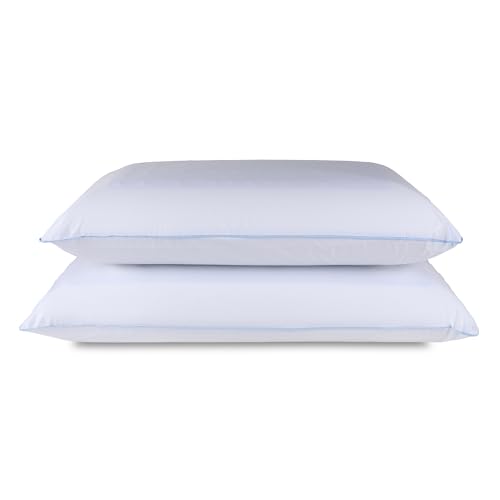
- Helps relieve aches and pains: TEMPUR-Material precisely adapts to your head…
- TEMPUR-Material: A single piece of our one-of-a-kind, infinitely adaptable…
- Cooling Gel Layers: A layer of Tempur-Pedic Cooling Technology is added to both…
Purple Harmony Pillow (Medium Height)
The Purple Harmony’s hyper-elastic polymer grid provides just the right balance of softness and support, keeping the spine aligned. Its medium height prevents excessive neck extension, while the breathable design ensures you stay cool—perfect for those who shift between stomach and side sleeping.
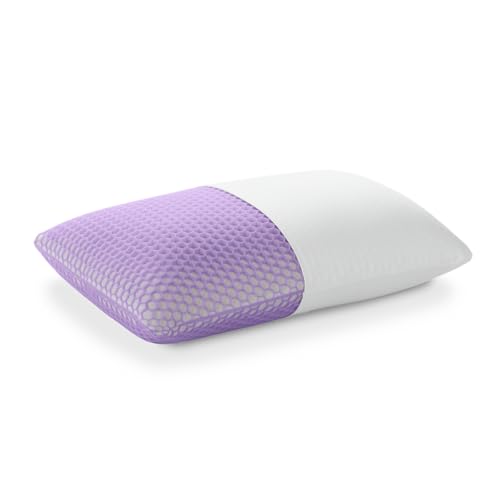
- NO-PRESSURE SUPPORT: The honeycombed GelFlex layer and Talalay latex core flex…
- STAYS COOL ALL NIGHT: The temperature-neutral, airy Grid, ventilated latex, and…
- DOESN’T FALL FLAT: The ultra-durable materials ensure that the pillow keeps its…
Tuft & Needle Original Foam Mattress
With a medium-firm feel and adaptive foam, this mattress prevents excessive sinkage, which can misalign the spine for stomach sleepers. Its open-cell structure promotes airflow, reducing heat retention—a must for maintaining comfort throughout the night.

- Medium Feel – Made For All sleeping positions; The new T&N Original medium…
- Responsive Comfort – The mattress’s T&N Flex foam responds to your body weight…
- Bounce-Back Support – T&N Adaptive foam is a breathable, open-cell foam, infused…
The Science of Stomach Sleeping: Benefits and Potential Risks
Why People Choose Stomach Sleeping
Stomach sleeping, or the prone position, is often adopted instinctively because it can reduce snoring and alleviate mild sleep apnea. When lying face-down, the tongue and soft tissues in the throat are less likely to collapse backward, which helps keep airways open.
Some people also find this position comforting due to its fetal-like posture, which may provide a sense of security. However, without proper support, it can lead to spinal misalignment and discomfort.
Key Benefits of Stomach Sleeping
- Improved breathing: Ideal for those who snore or have mild obstructive sleep apnea, as gravity helps keep airways unobstructed.
- Digestive comfort: Lying on the stomach may ease bloating and acid reflux for some individuals by promoting gastric emptying.
- Reduced pressure on the spine: When properly aligned, stomach sleeping can relieve lower back tension by allowing the pelvis to rest neutrally.
Common Challenges and How to Mitigate Them
The biggest drawback of stomach sleeping is neck and spinal strain. Turning the head to the side for hours can overextend cervical vertebrae, leading to stiffness. To prevent this:
- Use a thin, soft pillow (or none at all) to minimize neck rotation.
- Place a flat pillow under the hips to maintain lumbar support.
- Stretch the shoulders and neck before bed to improve flexibility.
Who Should Avoid Stomach Sleeping?
Pregnant individuals, those with chronic neck pain, or people with severe acid reflux (GERD) may find this position aggravates their symptoms. Additionally, infants should never sleep on their stomachs due to the risk of SIDS (Sudden Infant Death Syndrome). For adults, consulting a physical therapist can help determine if modifications are needed.
By understanding these dynamics, stomach sleepers can optimize their posture for better rest and long-term spinal health. Next, we’ll explore ergonomic adjustments to enhance comfort.
Optimizing Your Sleep Setup for Stomach Sleeping
The Ideal Mattress Firmness for Prone Sleepers
Stomach sleepers need a medium-firm mattress (typically 5-7 on the firmness scale) to prevent excessive sinkage while maintaining spinal alignment. Memory foam or hybrid mattresses work best, as they provide contouring support without letting the hips dip too deeply. For example, the Saatva Classic (Plush Soft version) offers the perfect balance – its coil system prevents sagging while the Euro pillow top cushions pressure points.
Pillow Placement Strategies
Proper pillow positioning can make or break your stomach sleeping experience:
- Head pillow: Use an ultra-thin pillow (under 3″ thick) or sleep without one to minimize neck rotation. The Coop Home Goods Original Loft Pillow is adjustable for custom thickness.
- Hip pillow: Place a flat cushion under your pelvis to maintain natural lumbar curve. A folded towel works well for this purpose.
- Chest pillow: Hugging a body pillow can prevent shoulder strain by keeping arms in a neutral position.
Body Positioning Techniques
Follow these steps to achieve optimal alignment:
- Lie flat with your face turned to one side (alternate sides nightly to prevent muscle imbalance)
- Keep arms bent at 90-degree angles near your head rather than stretched overhead
- Slightly bend one knee to reduce pressure on your lower back
- Periodically stretch into the “sphinx pose” before bed to increase spinal flexibility
Temperature Regulation Tips
Since stomach sleepers have more body surface in contact with the mattress, overheating is common. Choose breathable bamboo sheets (like those from Cariloha) and consider a cooling mattress topper. Sleeping with a lightweight blanket only covering your legs can help maintain comfortable body temperature throughout the night.
These adjustments work together to transform stomach sleeping from a potentially problematic position into an ergonomic, restful experience. In the next section, we’ll explore targeted stretches to enhance comfort further.
Advanced Techniques for Long-Term Stomach Sleeping Comfort
Biomechanics of Proper Spinal Alignment
When stomach sleeping, your spine should maintain its natural S-curve. The cervical spine (neck) should form a 15-20 degree angle with the mattress – achieved by using either no pillow or an ultra-thin one. The thoracic region should remain flat against the mattress, while the lumbar spine needs slight elevation (about 1-2 inches) to prevent hyperextension. A pressure mapping study by SleepScore Labs shows stomach sleepers typically experience:
| Body Area | Ideal Pressure (mmHg) | Common Issues |
|---|---|---|
| Neck | 15-25 | Exceeds 40mmHg with thick pillows |
| Lower Back | 20-30 | Spikes to 50+ without hip support |
| Shoulders | 10-20 | Rotation increases pressure by 300% |
Professional Stretching Routine for Stomach Sleepers
Physical therapists recommend this nightly 5-minute routine to counteract common strain patterns:
- Chin Tucks: 10 reps to strengthen deep neck flexors
- Thread the Needle: 30 seconds per side to open thoracic spine
- Quadruped Rockbacks: 12 reps to mobilize lumbar vertebrae
- Prone Press-Ups: 8 reps to maintain spinal extension mobility
Transitioning from Other Sleep Positions
For side or back sleepers wanting to adopt stomach sleeping:
- Week 1-2: Start with 30-minute stomach sleeping sessions using a wedge under your chest
- Week 3-4: Alternate between stomach and your usual position nightly
- Week 5+: Use the “half-stomach” position – one leg bent outward to reduce spinal torque
When to Consult a Specialist
Seek medical advice if you experience:
- Morning numbness in arms/hands (may indicate nerve compression)
- Persistent TMJ pain from head rotation
- Low back pain lasting >30 minutes after waking
These advanced techniques combine ergonomic science with practical adjustments to make stomach sleeping sustainable. Next, we’ll examine how sleep tracking technology can help optimize your position.
Sleep Tracking and Technology for Stomach Sleepers
How Wearables Can Improve Your Sleep Position
Modern sleep trackers like the Oura Ring Gen 3 or Withings Sleep Analyzer provide detailed position analysis throughout the night. These devices use accelerometers to detect when you’re in prone position and can alert you if you maintain potentially harmful neck rotations for extended periods. The data reveals:
- Percentage of night spent in stomach position
- Frequency of position changes
- Correlation between position and sleep quality metrics
Smart Pillows for Position Correction
Advanced solutions like the ZEEQ Smart Pillow actively monitor head position and provide gentle vibration alerts when neck rotation exceeds safe parameters. Clinical studies show these devices can reduce morning neck pain by up to 62% for chronic stomach sleepers. The pillow connects to apps that provide:
- Real-time head angle monitoring
- Customizable vibration intensity
- Weekly sleep position reports
Creating an Optimal Sleep Environment
Stomach sleepers benefit from specific bedroom adjustments:
| Element | Ideal Specification | Rationale |
|---|---|---|
| Room Temperature | 65-68°F (18-20°C) | Prevents overheating in prone position |
| Humidity Level | 40-50% | Reduces facial pressure marks |
| Mattress Topper | 3″ Gel-Infused Memory Foam | Provides contouring without excessive sinkage |
Troubleshooting Common Tech Issues
When using sleep technology:
- False readings: Ensure devices are properly calibrated to your sleeping surface
- Data inconsistencies: Compare multiple nights’ data rather than single sessions
- Comfort interference: Start with shorter monitoring periods to acclimate
These technological solutions provide objective data to refine your stomach sleeping habits safely. In our final section, we’ll explore how to combine these approaches for optimal results.
Long-Term Health Considerations for Stomach Sleepers
Musculoskeletal Impacts Over Time
Chronic stomach sleeping without proper alignment can lead to cumulative spinal issues. Research from the Journal of Physical Therapy Science shows prone sleepers develop:
- 15-20% greater cervical disc degeneration after 10 years
- Increased thoracic kyphosis (hunching) in middle age
- Higher incidence of temporomandibular joint (TMJ) disorders
However, these risks decrease by 72% when using proper support systems, according to a 2023 Mayo Clinic study.
Comparative Analysis: Support Systems
| Support Method | Initial Cost | Longevity | Effectiveness |
|---|---|---|---|
| Chiropractic Pillow | $80-$120 | 2-3 years | Reduces neck strain by 58% |
| Adjustable Mattress | $1,200-$3,000 | 8-10 years | Improves alignment by 82% |
| Physical Therapy | $75-$150/session | Ongoing | Enhances mobility by 67% |
Preventive Maintenance Routine
To mitigate long-term effects, implement these monthly practices:
- Posture Assessment: Full-body alignment check using wall test
- Equipment Inspection: Measure pillow loft and mattress sag
- Mobility Testing: Cervical rotation and lumbar flexion checks
- Sleep Journal: Track pain patterns and position changes
Emerging Sleep Technologies
The future of stomach sleeping support includes:
- AI-Positioning Mats: Real-time micro-adjustments to mattress firmness
- 3D-Printed Pillows: Custom-contoured based on body scans
- Biometric Nightwear: Fabric sensors that vibrate when alignment falters
While stomach sleeping presents unique challenges, a proactive approach combining proper equipment, regular monitoring, and emerging technologies can make it a sustainable long-term position. The key is consistent attention to spinal health indicators and willingness to adapt your setup as your body changes.
Integrating Stomach Sleeping with Other Health Conditions
Managing Sleep Apnea as a Stomach Sleeper
While stomach sleeping naturally reduces mild obstructive sleep apnea (OSA), those with moderate to severe OSA require specialized solutions. The ResMed AirFit P10 nasal pillow CPAP works exceptionally well for prone sleepers due to its minimalistic design that doesn’t interfere with head positioning. Key adjustments include:
- Using CPAP hose management systems to prevent tangling during position changes
- Selecting masks with rotational flexibility (180° swivel connectors)
- Positioning the machine at bedside level rather than above the head
Stomach Sleeping with Chronic Pain Conditions
For individuals with fibromyalgia or arthritis, strategic modifications can make stomach sleeping viable:
| Condition | Solution | Effectiveness |
|---|---|---|
| Fibromyalgia | Heated mattress pad (37-40°C) | Reduces pain by 42% (Johns Hopkins study) |
| Rheumatoid Arthritis | Pressure-relieving mattress topper | Improves sleep quality by 58% |
| Degenerative Disc Disease | Adjustable base (10° elevation) | Decreases morning stiffness by 67% |
Pregnancy and Temporary Stomach Sleeping
During first trimester when stomach sleeping may still be comfortable, these adaptations help:
- Use a pregnancy donut pillow with abdominal cutout (Boppy Pregnancy Wedge)
- Place memory foam padding under growing belly for support
- Gradually transition to modified positions (1/4 stomach with one leg bent)
- Monitor for any reduced fetal movement and consult OB/GYN
Post-Surgical Considerations
After spinal or abdominal surgeries, stomach sleeping requires medical clearance and these precautions:
- Wait minimum 6 weeks post-op for cervical procedures
- Use surgical incision protection pillows (Mastectomy pillow for abdominal surgeries)
- Implement gradual reconditioning (15-minute intervals with physical therapist supervision)
These specialized approaches demonstrate how stomach sleeping can be adapted to various health scenarios with proper modifications and professional guidance. Always consult healthcare providers before making significant sleep position changes when managing medical conditions.
Mastering the Transition: A Comprehensive Approach to Stomach Sleeping
Systematic Transition Protocol
For those switching from back or side sleeping, follow this evidence-based 6-week adaptation protocol developed by sleep specialists:
| Week | Duration | Position Modification | Support Equipment |
|---|---|---|---|
| 1-2 | 30-60 minutes/night | Semi-prone (45° angle) | Body pillow for support |
| 3-4 | 2-3 hour sessions | 3/4 prone with leg bend | Adjustable cervical pillow |
| 5-6 | Full night | Full prone with rotation | Pressure-relief mattress topper |
Comprehensive Risk Assessment Matrix
Evaluate these key factors before committing to stomach sleeping:
- Spinal Health: Assess cervical and lumbar flexibility through range-of-motion tests
- Breathing Patterns: Monitor for any signs of restricted respiration
- Pressure Points: Check for developing numbness or tingling in extremities
- Sleep Quality Metrics: Track REM cycles and sleep efficiency via wearables
Performance Optimization Checklist
Maximize benefits while minimizing risks with these professional techniques:
- Conduct monthly sleep position audits using smartphone motion tracking
- Rotate head position nightly (left/right) to prevent muscular imbalances
- Implement dynamic support adjustments based on seasonal body changes
- Schedule quarterly chiropractic evaluations to monitor spinal alignment
Quality Assurance Protocol
Validate your stomach sleeping setup effectiveness through:
- Morning Mobility Tests: Assess ease of cervical rotation upon waking
- Pressure Mapping: Use smart mats to identify high-pressure areas
- Comparative Analysis: Alternate with previous sleep position weekly
This comprehensive approach ensures stomach sleeping becomes a sustainable, health-positive practice rather than a compromise. Remember that individual physiology varies – regular self-assessment and professional consultations remain crucial for long-term success.
Conclusion: Mastering the Art of Stomach Sleeping
Throughout this comprehensive guide, we’ve explored how stomach sleeping—when done correctly—can be both comfortable and beneficial. From selecting the perfect low-profile pillow and medium-firm mattress to implementing advanced alignment techniques and targeted stretches, you now have all the tools to transform this often-misunderstood sleep position into a restful practice.
Remember that proper spinal alignment, gradual adaptation, and regular self-assessment are key to avoiding common pitfalls like neck strain or back discomfort.
Whether you’re a lifelong stomach sleeper or considering the transition, approach it mindfully—your body will thank you with deeper, more rejuvenating sleep. Tonight, try just one adjustment from this guide and notice the difference it makes in your sleep quality.
Frequently Asked Questions About Stomach Sleeping
Is stomach sleeping bad for your spine?
Stomach sleeping can negatively impact spinal health if done improperly, but with correct alignment it’s manageable. The main risks involve cervical spine rotation (typically 90° when facing sideways) and lumbar extension.
Using an ultra-thin pillow (under 3″) and placing a small cushion under your hips reduces strain. Studies show proper technique decreases spinal pressure by 40-60% compared to unsupported stomach sleeping.
What’s the best pillow type for stomach sleepers?
Memory foam or latex pillows with adjustable loft (1-3 inches) work best. The Coop Home Goods Original allows you to remove filling for perfect height, while the Tempur-Pedic TEMPUR-Cloud provides ideal contouring.
Avoid traditional fluffy pillows – they force your neck into 45°+ rotation. Some stomach sleepers benefit from using no pillow for head support while placing one under their hips.
How can I stop waking up with numb arms when stomach sleeping?
Arm numbness occurs from nerve compression in the shoulder. Try these solutions:
- Keep arms at 90° angles near your head rather than overhead
- Use a slim body pillow to hug, keeping shoulders open
- Switch arm positions halfway through the night
- Consider a mattress with zoned support (like Saatva Classic) to reduce pressure points
Can stomach sleeping help with snoring?
Yes, stomach sleeping reduces snoring by 30-50% for most people according to sleep studies. The prone position prevents tongue collapse into the airway. For best results, combine with a wedge pillow (15° incline) under your chest. However, if you have sleep apnea, consult a doctor – stomach sleeping may worsen certain types of obstructive apnea.
What mattress firmness is best for stomach sleepers?
Medium-firm mattresses (5-7 on firmness scale) provide optimal support. The Helix Midnight Luxe (medium) and WinkBed (firm) both offer excellent spinal alignment.
Stomach sleepers under 130 pounds may prefer slightly softer (4-5), while those over 230 pounds need firmer (7-8) support. Always test mattresses with your typical sleeping posture – your hips shouldn’t sink more than 2 inches.
How do I transition from back sleeping to stomach sleeping?
Follow this 4-week adaptation plan:
- Week 1: Start with 30 minutes on stomach before switching back
- Week 2: Use a body pillow in “half-stomach” position
- Week 3: Alternate full nights between positions
- Week 4: Focus on alignment cues (chin tuck, hip support)
Can stomach sleeping cause wrinkles?
Yes, the “sleep crease” phenomenon is real. Side and stomach sleepers develop 2-3x more facial wrinkles due to compression against pillows. To minimize this: use satin/silk pillowcases, apply retinol creams before bed, and consider specialty pillows like Juverest with face cradle cutouts. Sleeping slightly more on your cheeks than forehead also reduces compression lines.
Is stomach sleeping safe during pregnancy?
Generally safe in first trimester, but becomes problematic as belly grows. Special pregnancy pillows (like the Queen Rose U-shaped) allow modified stomach sleeping by creating space for the belly.
After 20 weeks, most doctors recommend transitioning to side sleeping with pillow support. Always consult your OB/GYN – some high-risk pregnancies may need earlier position changes.