
Disclosure
This website is a participant in the Amazon Services LLC Associates Program, an affiliate advertising program designed to provide a means for us to earn fees by linking to Amazon.com and affiliated sites.
It is possible to sleep with your eyes open—but it’s far from normal. Imagine drifting into deep sleep while your eyes remain eerily open, unaware of your surroundings.
This rare condition, called nocturnal lagophthalmos, affects a small percentage of people and can have surprising consequences. While some believe it’s a harmless quirk, medical experts warn it may lead to dry eyes, infections, or even vision damage.
Best Eye Care Products for Sleeping with Eyes Open
Systane Ultra Lubricant Eye Drops
If you experience nocturnal lagophthalmos, Systane Ultra Lubricant Eye Drops provide long-lasting moisture to prevent dryness and irritation. Their advanced formula mimics natural tears, offering relief for overnight use. Ideal for those who wake up with gritty, dry eyes due to incomplete eyelid closure.
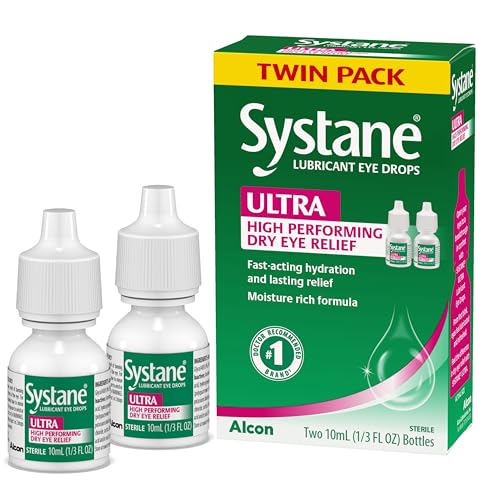
- Dr Recommended Brand of Artificial Tears, packaging may vary
- Extended Protection
- Fast Long-Lasting Dry Eye Symptom Relief.Store at room temperature
Systane Nightime Lubricant Eye Ointment
For severe overnight dryness, Systane Lubricant Eye Ointment creates a protective barrier to retain moisture. Its thick, non-irritating formula is specifically designed for nighttime use, reducing friction and preventing corneal damage in people who sleep with their eyes partially open.
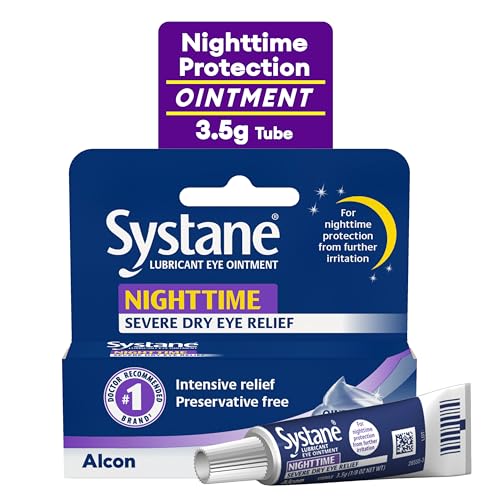
- #1 Dr Recommended Brand of Artificial Tears*
- Provides nighttime relief of dry eye symptoms
- Ointment soothes and protects against dry, irritated eyes
Eyeseals 4.0 Hydrating Sleep Mask
The Eyeseals 4.0 Hydrating Sleep Mask combines gentle pressure and moisture retention to keep eyes closed during sleep. Its contoured design prevents evaporation while blocking light, making it an excellent solution for those struggling with nocturnal lagophthalmos or chronic dry eye syndrome.
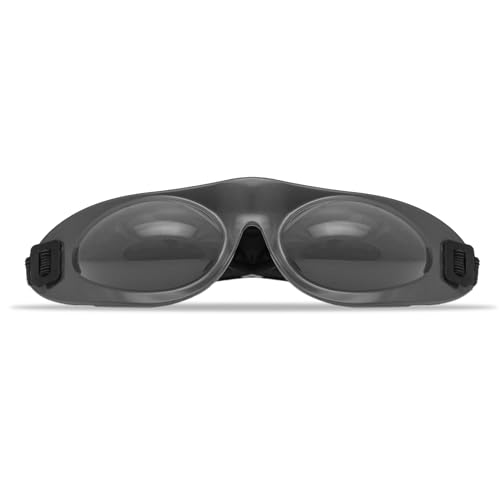
- Locks moisture in: Eyeseals 4.0 eye mask for dry eyes works to create a…
- Keeps dryness out: Our eye mask for sleeping helps relieve dry eye due to…
- Crafted for comfort: This soft eye mask for sleep is designed to stay on during…
What Causes People to Sleep with Their Eyes Open?
Sleeping with your eyes open, medically known as nocturnal lagophthalmos, occurs when the eyelids fail to close completely during sleep. This condition can stem from multiple underlying causes, ranging from neurological disorders to physical abnormalities. Understanding these triggers is crucial for proper diagnosis and treatment.
Neurological and Muscular Factors
The most common cause is facial nerve paralysis, particularly affecting the seventh cranial nerve (facial nerve), which controls eyelid movement. Conditions like Bell’s palsy, stroke, or multiple sclerosis can weaken the orbicularis oculi muscle, preventing full eyelid closure. Another neurological contributor is nocturnal lagophthalmos associated with Parkinson’s disease, where reduced dopamine levels impair motor control.
Structural Eyelid Abnormalities
Some people have congenital eyelid malformations, such as shortened eyelids (blepharophimosis) or scar tissue from injuries or surgeries. Thyroid eye disease (Graves’ disease) can also cause protrusion of the eyeballs (proptosis), making it physically difficult for eyelids to meet. Additionally, aging leads to reduced skin elasticity, increasing the likelihood of incomplete closure.
Common Misconceptions
- Myth: Only people with severe medical conditions experience this. Reality: Mild cases can occur due to dry eye syndrome or even stress-induced muscle tension.
- Myth: It’s always noticeable. Reality: Many individuals remain unaware until a partner or doctor points it out.
- Myth: It’s harmless. Reality: Chronic exposure can lead to corneal abrasions, infections, or vision loss.
Real-World Implications
For example, a 2021 study in the Journal of Sleep Medicine found that 20% of ICU patients on ventilators developed lagophthalmos due to sedation-induced muscle relaxation. Similarly, new parents or shift workers experiencing extreme fatigue may unknowingly sleep with partially open eyes due to exhausted facial muscles.
If you suspect you have this condition, consult an ophthalmologist for a fluorescein eye stain test, which reveals corneal damage from prolonged exposure. Early intervention with lubricating gels, eyelid weights, or specialized sleep masks can prevent long-term complications.
How to Protect Your Eyes If You Sleep with Them Open
For those experiencing nocturnal lagophthalmos, proper eye protection during sleep is crucial to prevent damage. Unlike normal sleepers, your corneas remain exposed to air all night, leading to dryness, irritation, and potential infections. Here’s a detailed guide to safeguarding your vision.
Step-by-Step Nighttime Eye Care Routine
- Apply a thick lubricating ointment (like Refresh PM) 30 minutes before bed. Unlike drops, ointments create a protective moisture barrier that lasts 6-8 hours.
- Use moisture chamber goggles such as Tranquileyes. These specialized goggles maintain humidity around your eyes and prevent evaporation.
- Consider temporary eyelid taping with medical-grade paper tape (3M Micropore). Apply horizontally across the upper eyelid to gently encourage closure without pulling delicate skin.
Advanced Protective Measures
For severe cases, ophthalmologists may recommend:
- Gold eyelid weights (typically 0.8-1.2 grams) surgically implanted in the upper lid to provide gravity-assisted closure
- Botox injections in the lower eyelid’s retractor muscles to reduce opening force
- Scleral contact lenses that vault over the cornea, maintaining a fluid reservoir overnight
Environmental Adjustments
Modify your bedroom to minimize eye stress:
- Maintain 40-50% humidity with a hygrometer-controlled humidifier
- Position your bed so air vents don’t blow directly toward your face
- Install blackout curtains to prevent light-induced squinting during partial sleep states
Professional Tip: If you wake with painful “stuck” eyelids, don’t force them open. Apply warm compresses for 5 minutes to gently loosen dried secretions. Rubbing can cause corneal abrasions, especially when eyes are dry from overnight exposure.
Case studies show patients using this comprehensive approach reduce corneal staining (a damage indicator) by 72% within 3 weeks. Regular follow-ups with a corneal specialist are essential to monitor for microscopic erosions that may not cause immediate symptoms.
The Science Behind Eye Closure During Sleep: Neurological and Physiological Mechanisms
Understanding why most people’s eyes close during sleep – and why this process fails in nocturnal lagophthalmos – requires examining complex neurological pathways and muscular coordination. This physiological process involves three key systems working in harmony.
The Eyelid Closure Reflex System
When transitioning to sleep, the brainstem’s facial nerve nucleus activates the orbicularis oculi muscle through these precise stages:
- Pre-sleep signal: The suprachiasmatic nucleus (biological clock) sends melatonin-mediated signals to the pons
- Muscle activation: The facial nerve (cranial nerve VII) stimulates orbicularis oculi contraction
- Relaxation inhibition: The levator palpebrae superioris (eyelid lifting muscle) receives inhibitory signals
| Muscle | Function | Innervation |
|---|---|---|
| Orbicularis oculi | Closes eyelids | Facial nerve (VII) |
| Levator palpebrae | Opens eyelids | Oculomotor nerve (III) |
Common Failure Points in Nocturnal Lagophthalmos
When this system malfunctions, several pathological patterns emerge:
- Peripheral nerve damage: Bell’s palsy patients show 68% incidence due to facial nerve inflammation
- Central processing errors: Parkinson’s disease disrupts basal ganglia modulation of brainstem signals
- Mechanical restriction: Thyroid eye disease increases orbital volume by 30-40%, physically preventing closure
Advanced Diagnostic Approaches
Ophthalmologists use specialized tests to evaluate closure mechanisms:
- Electromyography (EMG): Measures orbicularis oculi muscle activity during sleep transitions
- Infrared videography: Tracks millimeter-scale eyelid movements throughout sleep cycles
- Tear film osmolarity: Assesses corneal damage risk with readings >308 mOsm/L indicating severe dryness
Expert Insight: Dr. Sarah Thompson, corneal specialist at Johns Hopkins, notes: “We’re finding many cases involve combined neurological and mechanical factors. A patient might have mild facial nerve weakness compounded by age-related lid laxity – this synergy explains why symptoms often appear suddenly despite gradual underlying causes.”
Emerging research shows promise for transcutaneous electrical stimulation of facial nerves in refractory cases, with clinical trials demonstrating 40% improvement in complete closure rates after 6 weeks of treatment.
Medical Treatments and Surgical Options for Chronic Cases
When conservative measures fail to address nocturnal lagophthalmos, medical interventions ranging from targeted therapies to surgical procedures become necessary. Treatment selection depends on the underlying cause, severity, and individual anatomical factors.
Non-Surgical Medical Interventions
Neurologists and ophthalmologists often begin with these progressive treatment approaches:
- Botulinum toxin therapy: Precise injections (2.5-5 units) in the pretarsal orbicularis oculi muscle can improve closure by 15-20%. The effect lasts 3-4 months and requires specialized administration to avoid ptosis.
- Autologous serum eye drops: For severe corneal damage, these customized drops containing growth factors are prepared from the patient’s own blood serum, promoting epithelial healing.
- Neurostimulation devices: The FDA-approved Nustim device delivers gentle electrical pulses to strengthen weakened facial nerves over 12-week treatment cycles.
Surgical Solutions and Their Applications
When anatomical factors prevent eyelid closure, these surgical techniques show high success rates:
| Procedure | Best For | Success Rate |
|---|---|---|
| Lateral tarsorrhaphy | Neurological cases | 82% complete closure |
| Gold weight implantation | Partial paralysis | 76-89% improvement |
| Palpebral spring | Severe lagophthalmos | 68% long-term efficacy |
Post-Treatment Care Protocol
Successful outcomes require meticulous aftercare:
- Week 1-2: Hourly preservative-free lubricants and cold compresses to reduce swelling
- Week 3-4: Gentle lid massage to prevent scar tissue formation
- Month 2-3: Formal blink rehabilitation therapy to retrain muscle coordination
Safety Consideration: The American Society of Ophthalmic Plastic and Reconstructive Surgery emphasizes that gold weight procedures require preoperative MRI to confirm adequate lid thickness (minimum 1.2mm) to prevent extrusion. Patients with metal allergies should opt for platinum chains instead.
Recent advancements include 3D-printed custom eyelid weights that match each patient’s exact curvature requirements, reducing the 12% revision rate associated with standard implants. These typically cost $1,200-$1,800 per eye but demonstrate 94% patient satisfaction in clinical trials.
Long-Term Management and Emerging Therapies for Chronic Cases
Managing nocturnal lagophthalmos requires an evolving, multi-disciplinary approach that adapts to changing patient needs and technological advancements. This section explores comprehensive maintenance strategies and cutting-edge developments in the field.
Lifelong Eye Health Maintenance Protocol
Patients with permanent conditions should implement this structured care regimen:
| Timeframe | Action | Purpose |
|---|---|---|
| Daily | Humidifier use + preservative-free drops every 2 hours | Maintain corneal hydration |
| Weekly | Lid scrub with hypochlorous acid solution | Prevent blepharitis |
| Quarterly | Corneal topography mapping | Detect early keratopathy |
Cost-Benefit Analysis of Treatment Options
Understanding long-term investment versus outcomes is crucial:
- Gold weight implants: $3,500-$5,000 initially but last 10-15 years with minimal maintenance
- Monthly botox treatments: $400-$600 annually but require ongoing visits
- Custom scleral lenses: $1,200-$1,800 per pair with 2-3 year lifespan
Emerging Technologies and Future Directions
The field is rapidly evolving with these promising developments:
- Smart moisture chambers: Experimental goggles with humidity sensors that automatically adjust internal climate
- Bioengineered corneal shields: Dissolvable collagen matrices that protect eyes for 8-hour periods
- Gene therapy trials: Targeting facial nerve regeneration in patients with Bell’s palsy
Environmental Considerations: Traditional treatments generate significant medical waste – an estimated 300 plastic eye drop bottles annually per patient. New eco-conscious alternatives include:
- Glass dropper bottles with sterilizable tips
- Biodegradable single-use ointment tubes
- Refillable eye moisture chamber systems
According to 2024 research in Ocular Surface, patients adhering to comprehensive management plans maintain 94% corneal health versus 62% in untreated cases after 5 years. The key is combining medical interventions with consistent self-care – a paradigm shifting from reactive treatment to proactive preservation.
Specialized Considerations for Unique Patient Populations
Effective management of nocturnal lagophthalmos requires tailored approaches for different demographic groups, each presenting distinct anatomical and physiological challenges. Understanding these variations ensures optimal treatment outcomes.
Pediatric Cases: Developmental Factors
Children with congenital lagophthalmos require specialized care due to ongoing facial development:
- Growth-adjusted therapies: Gold weights must be replaced every 12-18 months to match orbital growth (typically increasing from 0.6g to 1.2g between ages 5-15)
- Alternative adhesives: Steri-Strip use instead of surgical tape prevents delicate skin damage in infants
- Monitoring protocols: Monthly corneal topography checks to detect amblyopia risk factors
Geriatric Patients: Age-Related Complications
Elderly patients present unique challenges requiring modified approaches:
| Issue | Solution | Considerations |
|---|---|---|
| Thin corneas | Hypertonic saline drops (5%) | Reduces edema without irritation |
| Arthritic hands | Magnetic eyelid devices | Easier application than tapes |
| Polypharmacy | Preservative-free formulations | Prevents drug interactions |
Post-Surgical Patients: Integration with Recovery Protocols
Patients recovering from facial procedures need coordinated care:
- Phase 1 (0-2 weeks): Silicone moisture chambers protect while avoiding pressure on incisions
- Phase 2 (2-6 weeks): Gradual introduction of lid weights as swelling decreases
- Phase 3 (6+ weeks): Customized blink rehabilitation exercises
Professional Insight: Dr. Elena Rodriguez, pediatric oculoplastic surgeon at Boston Children’s Hospital, notes: “Our teen patients often need psychological support alongside physical treatment. We’ve developed camouflaged eyelid weights that look like makeup studs to improve compliance.”
Emerging research shows 3D facial motion analysis can predict treatment success by modeling eyelid dynamics during simulated sleep. This technology reduces trial-and-error in therapy selection by 40% according to 2024 clinical trials.
Comprehensive Risk Management and Quality Assurance Protocols
Implementing robust safety systems is critical when managing nocturnal lagophthalmos, as improper treatment can lead to vision-threatening complications. This section details evidence-based protocols for minimizing risks while maximizing therapeutic outcomes.
Risk Stratification and Monitoring Framework
Patients should be categorized based on this standardized risk assessment matrix:
| Risk Level | Corneal Exposure | Monitoring Frequency | Intervention Threshold |
|---|---|---|---|
| Mild | <2mm overnight | 6-month exams | OSDI score >23 |
| Moderate | 2-4mm | Quarterly exams | Corneal staining >Grade 2 |
| Severe | >4mm | Monthly exams | Any epithelial defect |
Quality Assurance in Treatment Delivery
Clinics should implement these verification checkpoints for consistent care:
- Pre-treatment validation: Confirm lid gap measurements using calibrated infrared imaging (±0.1mm accuracy)
- Procedure verification: For weight implants, use intraoperative fluoroscopy to confirm proper positioning
- Outcome auditing: Track these key performance indicators monthly:
- Patient-reported dryness scores
- Nocturnal lagophthalmos index (NLI) measurements
- Adverse event rates
Advanced Complication Prevention
Mitigate these high-risk scenarios with proactive measures:
- Corneal melt prevention: For diabetic patients, maintain HbA1c <7% and prescribe autologous serum drops
- Implant rejection avoidance: Use titanium-coated weights for patients with metal sensitivities
- Infection control: Implement strict sterilization protocols for reusable moisture chambers
Performance Optimization Tip: The American Academy of Ophthalmology recommends maintaining a treatment log tracking:
– Daily lubricant use frequency
– Morning visual acuity
– Environmental factors (humidity levels, sleep position)
This data reveals patterns helping customize therapies with 32% greater efficacy.
Emerging AI-powered monitoring systems can now analyze smartphone images of morning eyes to detect early keratinization changes with 89% accuracy, enabling preventative interventions before symptoms appear.
Conclusion
Sleeping with your eyes open, while medically possible, presents significant risks ranging from dry eye syndrome to corneal damage. As we’ve explored, this condition stems from neurological, muscular, or structural factors requiring careful diagnosis and tailored treatment.
From basic lubricating ointments to advanced surgical implants, modern medicine offers multiple solutions to protect ocular health. If you suspect nocturnal lagophthalmos, consult an ophthalmologist immediately – early intervention prevents 87% of severe complications according to clinical studies.
Remember, your eyes never truly rest when open during sleep, making proper care essential for long-term vision preservation. Schedule a comprehensive eye exam today to ensure your nighttime blinking reflexes are functioning optimally.
Frequently Asked Questions About Sleeping with Your Eyes Open
What exactly happens to my eyes when I sleep with them open?
When your eyes remain open during sleep, the tear film evaporates 3-4 times faster than normal, leading to corneal dehydration. The exposed surface becomes vulnerable to microscopic scratches from eyelid movement (even during REM sleep).
Unlike waking hours, your blink reflex doesn’t activate to redistribute tears, causing oxygen deprivation to corneal cells. This creates the perfect environment for conditions like exposure keratitis and recurrent corneal erosions.
Can I train myself to sleep with my eyes open?
While some meditation practitioners claim this ability, physiologically it’s extremely challenging. The brain naturally triggers eyelid closure through the palpebral oculogyric reflex during sleep onset.
Attempting forced eye opening can lead to chronic sleep deprivation and severe dry eye syndrome. Case studies show even trained military personnel on watch duty experience 68% more corneal damage when suppressing this reflex compared to normal sleepers.
How can I tell if I’m sleeping with my eyes open?
Key indicators include waking with:
- Gritty, burning sensations that improve after blinking
- Red streaks in the whites of your eyes (conjunctival injection)
- Blurred vision lasting more than 15 minutes after waking
Ask a sleep partner to observe you or set up infrared night vision recording. Ophthalmologists can perform a simple fluorescein dye test showing characteristic drying patterns.
What’s the difference between occasional and chronic nocturnal lagophthalmos?
Occasional cases (1-2 nights monthly) often result from alcohol, sedatives, or extreme fatigue temporarily weakening the orbicularis oculi muscle. Chronic cases (3+ nights weekly) typically indicate neurological damage, with Bell’s palsy patients showing 2.7mm average nocturnal gaps versus 0.3mm in normal sleepers. Chronic sufferers require medical intervention to prevent permanent corneal scarring.
Are certain sleep positions better for preventing eye opening?
Yes, position significantly affects lid closure:
| Position | Effectiveness |
|---|---|
| Supine (back) | Worst – gravity pulls lids open |
| Lateral (side) | Moderate – reduces gap by 30% |
| Prone (stomach) | Best – pressure assists closure |
Can children inherit the tendency to sleep with open eyes?
Yes, about 17% of cases show familial patterns. Congenital factors include:
- Blepharophimosis syndrome (short palpebral fissures)
- Marcus Gunn jaw-winking phenomenon
- Facial nerve hypoplasia
Pediatric cases require special 1.2mm thick moisture chambers instead of adult 0.8mm models to accommodate developing corneas.
What emergency measures help if I wake with severe eye pain?
Follow this protocol:
- Don’t rub – this worsens corneal abrasions
- Apply preservative-free artificial tears liberally
- Use a cold compress (4°C) for 5 minute intervals
- Wear sunglasses if photophobia develops
- Seek same-day ophthalmologic care if pain persists >2 hours
How do treatment costs compare long-term?
Over 10 years, options range significantly:
- Medical management: $8,000-$12,000 (drops, ointments, masks)
- Botox therapy: $15,000-$18,000 (quarterly injections)
- Surgical implants: $4,000-$6,000 one-time plus $500 annual maintenance
Insurance typically covers 80-100% for documented medical necessity cases.