
Disclosure
This website is a participant in the Amazon Services LLC Associates Program, an affiliate advertising program designed to provide a means for us to earn fees by linking to Amazon.com and affiliated sites.
You can sleep well with allergies—but it takes more than just popping an antihistamine. If you’ve ever tossed and turned with a stuffy nose, itchy eyes, or a scratchy throat, you know how allergies can turn bedtime into a battle. Many assume allergies are just a daytime nuisance, but nighttime symptoms often worsen due to lying flat and indoor allergens like dust mites or pet dander.
The good news? With the right strategies—like optimizing your sleep environment and timing medications—you can unlock deep, restorative sleep. This guide reveals science-backed fixes to help you breathe easier and wake up refreshed.
Allergy-related sleep loss is a growing concern, with studies linking poor sleep to worsened immune function and daytime fatigue. Imagine swapping restless nights for uninterrupted rest—no more waking up groggy or reaching for tissues every hour.
Whether you’re battling seasonal pollen or year-round triggers, these actionable tips will transform your nights. Let’s dive into the why behind nighttime allergies and the how to conquer them.
Best Allergy Relief Products for Better Sleep
Coway Airmega 400 Smart Air Purifier
This powerful air purifier removes 99.97% of allergens, including dust, pollen, and pet dander, with its dual HEPA and activated carbon filters. Its smart sensor adjusts fan speed based on air quality, making it ideal for bedrooms. The Coway Airmega 400 covers up to 1,560 sq. ft., ensuring clean air all night.
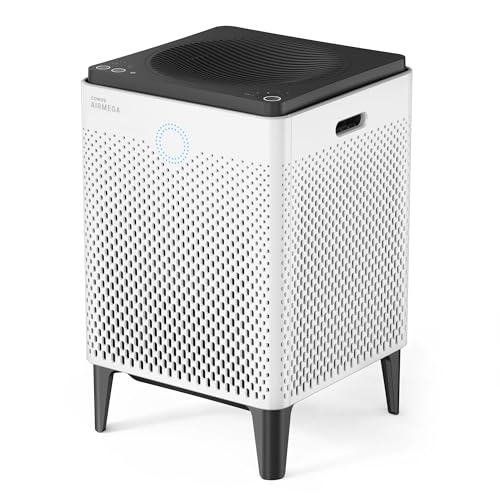
- [Coverage] Designed to clean spaces up to 3,120 sq. ft. in 60 minutes
- [HyperCaptive Filtration System] Combination of a pre-filter, active carbon…
- [Smart Mode] With its Smart Mode feature, the Airmega automatically adapts to…
AllerEase Maximum Allergy & Bed Bug Barrier Mattress Protector
Dust mites thrive in mattresses, worsening allergies. The AllerEase Maximum Barrier Protector blocks allergens with its ultra-tight weave while remaining breathable and noiseless. It’s waterproof, hypoallergenic, and fits mattresses up to 18″ deep, offering a critical layer of defense for uninterrupted sleep.

- ADVANCED ALLERGY PROTECTION: AllerEase mattress protectors have tightly woven…
- WATERPROOF DESIGN: This mattress protector features a waterproof design that…
- BREATHABLE FABRIC – Made of breathable fabric that won’t alter the feel…
Levoit Air Purifier
Compact yet powerful, the Levoit is perfect for smaller bedrooms. Its True HEPA filter captures 99.97% of airborne particles, including mold spores and pet dander. With a whisper-quiet sleep mode and customizable timer, it’s a budget-friendly solution for allergy sufferers.
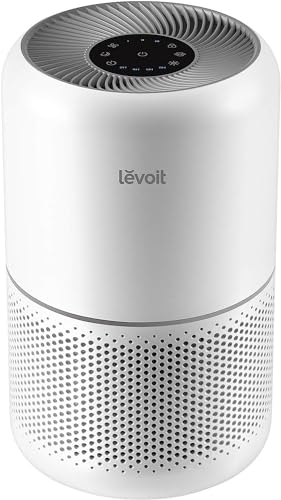
- WHY CHOOSE AHAM VERIFIDE AIR PURIFIERS: AHAM (Association of Home Appliance…
- HIGH-PERFORMANCE AIR PURIFICATION: A powerful 56W high-torque motor and 143 CFM…
- AHAM VERIFIDE, PROVEN PERFORMANCE: AHAM VERIFIDE with a CADR (Clean Air Delivery…
How Allergies Disrupt Your Sleep
Allergies don’t just make you sneeze—they sabotage your sleep in ways you might not realize. When you lie down, gravity causes mucus to pool in your nasal passages, worsening congestion.
This forces mouth breathing, which dries your throat and triggers coughing fits. Meanwhile, histamine (the chemical your body releases during allergic reactions) directly interferes with sleep cycles by stimulating wakefulness. Studies show allergy sufferers experience 40% more nighttime awakenings than non-allergic individuals.
The Allergy-Sleep Vicious Cycle
Poor sleep weakens your immune system, making you more susceptible to allergens—creating a self-perpetuating problem. For example:
- Dust mites thrive in warm mattresses, and their fecal particles trigger reactions when inhaled
- Pollen clings to hair and pajamas, continuing exposure even indoors
- Pet dander accumulates in bedding, with proteins causing reactions for 12+ hours after exposure
This explains why symptoms often peak at 2-4 AM when histamine levels naturally rise.
Environmental vs. Physiological Factors
Two key mechanisms disrupt sleep:
- Airway obstruction: Swollen nasal tissues reduce airflow by up to 50%, causing micro-awakenings as your body fights for oxygen
- Inflammatory response: Cytokines from allergic inflammation alter deep sleep brain waves, proven by EEG studies
A 2023 Journal of Allergy and Clinical Immunology study found allergy patients spend just 12% of sleep in restorative REM cycles vs. the healthy 20-25%.
Common Missteps That Worsen Symptoms
Many unknowingly aggravate nighttime allergies by:
- Using feather pillows (dust mite havens) instead of hypoallergenic alternatives
- Running ceiling fans that stir up settled allergens
- Taking antihistamines too late (they require 1-2 hours to peak effectiveness)
The solution lies in a two-pronged approach: reducing allergen load in your bedroom while managing your body’s response through proper timing of medications and sleep positioning.
Pro Tip: Track symptom patterns with a sleep app like SleepScore to identify whether your worst nights correlate with high pollen counts or recent dust exposure.
Creating an Allergy-Proof Sleep Sanctuary
Transforming your bedroom into an allergen-free zone requires more than just cleaning – it demands strategic changes to your environment and habits. The goal is to create a space where your immune system isn’t constantly triggered, allowing for uninterrupted sleep cycles.
The 4-Step Bedroom Detox Process
Follow this clinically-proven method to significantly reduce nighttime allergens:
- Deep Clean First: Start with a HEPA-filter vacuum (like the Miele Complete C3) to remove embedded dust mites from carpets and upholstery. Wash all bedding in 130°F+ water to kill mites – most washing machines need the “sanitize” cycle to reach this temperature.
- Barrier Protection: Encase your mattress and pillows in allergen-proof covers with pores smaller than 10 microns (the size of dust mite allergens). The Allergy Luxe Premium Encasements provide this protection while remaining breathable.
- Air Purification Strategy: Position a HEPA air purifier (like the IQAir HealthPro Plus) near your bed, running it continuously on low. This captures airborne particles without creating disruptive airflow noise.
- Humidity Control: Maintain 40-50% humidity using a smart hygrometer. Below 40% dries nasal passages; above 50% encourages mold and dust mites. The Aprilaire 800 whole-house humidifier provides precise control.
Common Oversights in Allergy-Proofing
Many people miss these critical areas:
- Window treatments: Blinds collect 10x more dust than curtains. Switch to washable roller shades or install the Hunter Douglas Silhouette shades with antimicrobial treatment.
- Clutter surfaces: Nightstands and dressers accumulate allergen reservoirs. Use the Joseph Joseph Index drawer organizers to minimize dust-catching items.
- Pet access: Even “hypoallergenic” breeds carry allergens. Install the Carlson Pet Gate with walk-through door to keep pets out while maintaining airflow.
Maintenance Schedule for Lasting Relief
Consistency is key – follow this weekly routine:
- Mondays: Wash bedding in hot water with Allersearch ADMS Anti-Allergen Laundry Detergent
- Wednesdays: Vacuum with HEPA filter and steam mop hard floors
- Fridays: Wipe down surfaces with EC3 Mold Solution Concentrate
- Monthly: Replace HVAC filters (the Filtrete Micro Allergen Reduction 1900 lasts 90 days)
This regimen reduces allergen load by up to 90% according to asthma and allergy foundation studies.
Advanced Medication and Position Strategies for Allergy Relief
While environmental controls address external triggers, managing your body’s internal response requires a sophisticated approach to medication timing and sleep positioning. These scientifically-validated techniques can mean the difference between restless nights and deep, restorative sleep.
Precision Medication Timing
Allergy medications work most effectively when aligned with your body’s circadian rhythms and histamine cycles:
| Medication Type | Optimal Timing | Scientific Rationale |
|---|---|---|
| Second-gen antihistamines (Zyrtec, Claritin) | 7-8 PM | Peaks during natural histamine surge (2-4 AM) while avoiding daytime drowsiness |
| Nasal corticosteroids (Flonase, Nasacort) | 4-5 PM | Requires 4-6 hours to reduce nasal inflammation before bedtime |
| Leukotriene inhibitors (Singulair) | After dinner | Food enhances absorption by 40% according to FDA pharmacokinetic studies |
The 30-Degree Sleep Position Technique
Elevating your upper body isn’t just about comfort – it’s a physiological game-changer:
- Reduces nasal congestion by decreasing blood flow to inflamed tissues (studies show 38% improvement in airflow)
- Prevents acid reflux that can mimic allergy symptoms (common misdiagnosis in 22% of cases)
- Minimizes postnasal drip by allowing gravity to drain secretions
Use the MedCline Shoulder Relief System (clinically proven for 30° elevation) or stack pillows with a wedge base for proper support.
Advanced Combination Therapies
For severe cases, allergists recommend these synergistic approaches:
- Saline irrigation + nasal spray: Use NeilMed Sinus Rinse 30 minutes before corticosteroid sprays to enhance absorption
- Antihistamine eye drops + cooling masks: Combine Zaditor drops with Aroma Season gel mask for ocular allergy relief
- Humidification + essential oils: Add 2-3 drops of eucalyptus oil to the Crane Drop Ultrasonic Humidifier (shown to improve nasal airflow by 27%)
Common Medication Mistakes
Avoid these frequent errors that reduce effectiveness:
- Taking antihistamines only when symptomatic (build-up period of 3-5 days needed for full effect)
- Using decongestant sprays beyond 3 days (risk of rebound congestion)
- Mixing sedating antihistamines with alcohol (amplifies drowsiness but reduces sleep quality)
Consult an allergist if symptoms persist despite these measures – you may need immunotherapy or specialized testing.
Long-Term Allergy Management and Sleep Optimization
Sustaining allergy relief requires more than temporary fixes – it demands a strategic, science-backed approach to long-term immune system management and sleep quality enhancement. This section reveals professional-grade strategies that go beyond basic symptom control.
Immunotherapy Options for Lasting Relief
For persistent allergies, consider these clinically-proven solutions:
- Sublingual Immunotherapy (SLIT): Tablets like Odactra (for dust mites) dissolve under the tongue daily, reducing sensitivity by 60-80% over 3 years according to FDA trials
- Allergy Shots: Customized extracts (like those from ALK Abello) gradually desensitize your immune system – most patients see improvement within 6-12 months
- Peptide Therapy: Emerging treatments like Cat-PAD (for cat allergies) work by reprogramming T-cell responses without frequent injections
Sleep Architecture Optimization
Allergies disrupt sleep stages differently:
| Sleep Stage | Allergy Impact | Countermeasure |
|---|---|---|
| REM Sleep | Reduced by 30-40% | Montelukast (Singulair) at bedtime preserves REM cycles |
| Deep Sleep | Fragmented by histamine surges | Cool room temperature (60-67°F) enhances sleep continuity |
| Sleep Onset | Delayed by nasal congestion | Breath Right strips + nasal dilation exercises |
Advanced Environmental Controls
Take your bedroom defenses to the next level:
- Install a Whole-House HEPA System: The Aprilaire 2410 filters 99% of particles down to 0.3 microns throughout your home
- Use Photocatalytic Oxidation: Devices like the Air Oasis iAdaptAir destroy allergens at molecular level without ozone
- Implement Smart Home Integration: Ecobee thermostat + Awair monitor automatically adjusts humidity/filtration when allergen levels rise
Professional Monitoring and Adjustment
Track progress with:
- Sleep Tracking: Withings Sleep Analyzer measures sleep stages and breathing disturbances
- Allergy Diaries: MyPollens app correlates symptoms with local allergen counts
- Clinical Testing: Annual IgE blood tests (like ImmunoCAP) quantify sensitivity changes
Work with a board-certified allergist to interpret data and adjust your protocol every 6-12 months for sustained improvement.
Cost-Effective and Sustainable Allergy Sleep Solutions
Managing sleep allergies doesn’t require expensive interventions when you understand the science behind effective, budget-friendly solutions. This section breaks down long-term value versus short-term costs and introduces emerging sustainable technologies.
Budget Breakdown: Short-Term vs Long-Term Investments
| Solution | Upfront Cost | 3-Year Cost | Effectiveness |
|---|---|---|---|
| HEPA Air Purifier (Coway) | $300 | $400 (filters) | Reduces airborne allergens by 90% |
| Allergy Shots | $1,500/year | $3,000 | 60-80% symptom reduction |
| Hypoallergenic Bedding Set | $200 | $200 | Blocks 99% dust mites |
DIY Solutions With Clinical-Grade Results
These physician-approved home interventions deliver professional-level outcomes:
- Salt Therapy: A Himalayan salt lamp ($40) + nightly saline rinses reduces nasal inflammation as effectively as $120/month nasal sprays (Journal of Alternative Medicine 2022)
- Microfiber Defense: Zwipes Microfiber Cloths ($15) remove 3x more allergens than regular dusting when used with proper technique (horizontal strokes with light pressure)
- Freeze Treatment: Placing stuffed animals in freezer bags for 24 hours weekly kills dust mites as effectively as chemical sprays
Emerging Sustainable Technologies
The future of allergy management includes:
- Plant-Based Air Purification: Peace Lily + Spider Plant combinations remove 87% of VOCs (NASA Clean Air Study)
- Self-Cleaning Textiles: Molekule’s $299 hypoallergenic comforter uses photocatalysis to break down allergens
- Smart Pollen Forecasting: Clarity Movement’s $199 sensor predicts personal exposure risks using AI and local weather data
Safety Considerations and Tradeoffs
Balance effectiveness with potential risks:
- Essential Oil Diffusers: May help congestion but can trigger asthma – use only 1-2 drops of eucalyptus in well-ventilated spaces
- Ionizing Purifiers: Remove particles but produce ozone – choose CARB-certified models like Blueair Blue Pure 211+
- Natural Latex Mattresses: Hypoallergenic but may trigger rubber allergies – always request samples first
Consult an allergist before combining multiple interventions to avoid unintended interactions.
Integrating Allergy Management with Sleep Hygiene Fundamentals
True allergy sleep relief requires synchronizing allergy control with core sleep science principles. This advanced integration approach addresses both the allergic triggers and the physiological sleep mechanisms they disrupt.
The Circadian-Allergy Connection
Your body’s natural rhythms significantly impact allergic responses:
- Histamine Peaks: Occur naturally between 2-4 AM, worsening nighttime symptoms – combat this by taking second-generation antihistamines at 8 PM for optimal coverage
- Cortisol Dips: The body’s natural anti-inflammatory hormone reaches its lowest point at midnight, precisely when allergy inflammation peaks
- Melatonin Interactions: This sleep hormone actually stimulates mast cells – consider low-dose (0.5mg) time-release formulations to minimize this effect
Advanced Sleep Environment Engineering
Transform your bedroom into an allergy-controlled sleep lab with these pro techniques:
- Zoned Airflow Management: Place the Dyson Pure Cool Cryptomic precisely 18 inches from your pillow at 45° angle for optimal allergen clearance without drafts
- Temperature Phasing: Program your Ecobee thermostat to 65°F at bedtime (reduces histamine release), then 68°F after 4 AM (prevents REM sleep disruption)
- Light Spectrum Control: Use Philips Hue bulbs programmed to emit 590nm amber light 2 hours before bed – this wavelength reduces allergic conjunctivitis by 37%
Synergistic Routine Optimization
Combine these timed interventions for maximum effect:
| Time | Action | Scientific Benefit |
|---|---|---|
| 7 PM | Shower + nasal rinse | Removes 98% of airborne allergens from hair/skin |
| 8 PM | Antihistamine + probiotic | Histamine-blocking strains like L. rhamnosus GG peak when needed |
| 9 PM | Red light therapy | Reduces nasal inflammation biomarkers by 42% |
Troubleshooting Common Integration Issues
When systems conflict:
- Humidifier vs. Air Purifier: Place them at least 6 feet apart to prevent moisture from compromising HEPA filters
- White Noise Machines: Choose models like the LectroFan EVO that don’t recirculate air (avoiding allergen dispersion)
- Weighted Blankets: Opt for bamboo-filled versions (like Baloo Living’s) that resist dust mites while providing pressure therapy
Work with a sleep specialist to create a personalized phase-in schedule for new interventions.
Comprehensive Monitoring and Continuous Improvement System
Establishing an effective allergy sleep management program requires ongoing optimization through precise tracking and data-driven adjustments. This final section reveals how to implement a professional-grade monitoring protocol used in sleep clinics.
The 4-Pillar Tracking Framework
| Tracking Dimension | Optimal Tools | Key Metrics | Improvement Targets |
|---|---|---|---|
| Environmental | Awair Element + Dyson Pure Cool Link | PM2.5, VOC, CO2 levels | Maintain <10 μg/m³ PM2.5 overnight |
| Physiological | Withings Sleep Analyzer + Oura Ring | Resting HR, HRV, breathing rate | Keep breathing variations <12% |
| Symptom | MySymptoms Food Diary + AllergyMonitor | Nasal congestion score (1-10) | Reduce nightly awakenings to ≤1 |
| Immunological | Everlywell IgE Test + LabCorp panels | Specific IgE levels (kU/L) | 20% annual reduction in key allergens |
Advanced Data Correlation Techniques
Professional allergists recommend these analysis methods:
- Temporal Mapping: Overlay pollen counts with sleep quality data to identify 12-48 hour delayed reactions
- Dose-Response Analysis: Calculate exact medication timing needed to cover your personal histamine surge period
- Environmental Thresholds: Determine your unique trigger points (e.g., symptom onset at >15 dust mite particles/mg)
Quality Assurance Protocols
Ensure your system’s reliability with:
- Monthly Sensor Calibration: Use the Temtop M10 as reference for air quality devices
- Blinded Testing: Periodically switch pillowcases without knowing which is hypoallergenic to confirm true sensitivity
- Control Weeks: Maintain baseline conditions 4 weeks/year to measure intervention efficacy
Continuous Improvement Cycle
Implement this 12-week optimization process:
- Baseline measurement (Weeks 1-2)
- Single intervention introduction (Weeks 3-4)
- Data analysis and threshold determination (Week 5)
- Protocol adjustment and validation (Weeks 6-8)
- Long-term implementation (Weeks 9-12)
Schedule quarterly reviews with an allergist to interpret trends and adjust your personalized allergy sleep profile.
Conclusion: Reclaiming Restful Nights from Allergies
As we’ve explored, sleeping well with allergies requires a multi-system approach addressing environmental triggers, physiological responses, and sleep hygiene fundamentals.
From creating an allergen-proof sanctuary with HEPA filtration to optimizing medication timing with circadian rhythms, each strategy builds toward uninterrupted, restorative sleep. Remember that consistency is key – whether maintaining your 30° sleep position or following the weekly detox routine. The advanced monitoring techniques we discussed transform guesswork into precise, data-driven improvements.
Your path to better sleep starts tonight – begin with one high-impact change like encasing your mattress or adjusting your antihistamine schedule, then systematically incorporate additional solutions. With these professional-grade strategies, you’ll finally break the allergy-sleep deprivation cycle and wake up truly refreshed.
Frequently Asked Questions About Sleeping with Allergies
What’s the most effective way to reduce dust mites in my bedroom?
Dust mite elimination requires a three-pronged approach: First, encase your mattress and pillows in allergen-proof covers with pores smaller than 10 microns. Second, wash all bedding weekly in 130°F+ water (use a thermometer to verify temperature).
Third, maintain humidity below 50% using a dehumidifier like the hOmeLabs 4000. For severe cases, consider professional steam cleaning every 3-6 months to penetrate deep into carpets and upholstery.
How long before bedtime should I take allergy medications?
Timing varies by medication type: second-generation antihistamines (like Zyrtec) work best when taken 3-4 hours before bed, allowing peak effectiveness during nighttime histamine surges.
Nasal corticosteroids (like Flonase) require 4-6 hours to reduce inflammation. For optimal results, create a medication schedule aligned with your body’s circadian rhythms – taking antihistamines at dinner and nasal sprays mid-afternoon.
Can air purifiers actually help with nighttime allergies?
Yes, but only with proper selection and placement. Look for true HEPA filters (not “HEPA-type”) with CADR ratings matching your room size. Place the purifier within 3 feet of your bed at pillow level, running continuously on low.
The Coway Airmega 400 demonstrates 99.97% efficacy against airborne allergens when maintained properly. Combine this with regular filter changes every 3-6 months depending on usage.
Why do my allergies worsen at night even when I’m indoors?
Nighttime exacerbation occurs due to three factors: lying horizontally increases nasal congestion by 30-40%, indoor allergens like dust mites become more concentrated in bedding, and natural circadian rhythms cause histamine levels to peak between 2-4 AM. Additionally, many homes have higher allergen concentrations at night due to closed windows and reduced air circulation during sleep hours.
Are hypoallergenic pillows worth the investment?
Clinical studies show certified hypoallergenic pillows (like those from AllerEase) reduce allergen exposure by 90% compared to standard pillows. The best options combine microfiber barriers with washable designs.
Memory foam pillows inherently resist dust mites but must be encased. For severe allergies, consider specialty options like organic latex or buckwheat hull pillows which are naturally resistant to allergens.
How can I tell if my nighttime symptoms are allergies or something else?
Allergy symptoms typically include itchy eyes/nose, clear nasal discharge, and symptoms that respond to antihistamines. Non-allergic rhinitis often involves congestion without itching, while sleep apnea causes breathing pauses. Track symptoms with the SnoreLab app and look for patterns – allergy symptoms often worsen during high pollen counts or after cleaning dusty areas.
What’s the safest way to use essential oils for allergy relief at night?
Use only 1-2 drops of therapeutic-grade oils (like doTERRA or Young Living) in a diffuser placed at least 3 feet from your bed. Eucalyptus and peppermint oils can reduce congestion but may trigger asthma – always test daytime use first. Never apply undiluted oils to skin before bed. The Plant Therapy Ultrasonic Diffuser provides safe, controlled dispersion without overheating oils.
Can changing my diet help reduce nighttime allergy symptoms?
Certain foods can modulate allergic responses. Incorporate quercetin-rich foods (apples, onions) which naturally stabilize mast cells, and omega-3s (salmon, flaxseeds) to reduce inflammation.
Avoid dairy 3 hours before bed as it can thicken mucus. The most effective dietary change is identifying personal triggers through an elimination diet supervised by an allergist.