
Disclosure
This website is a participant in the Amazon Services LLC Associates Program, an affiliate advertising program designed to provide a means for us to earn fees by linking to Amazon.com and affiliated sites.
You can sleep with a cough—but it takes the right strategies. A persistent cough turns bedtime into a battle, leaving you exhausted and frustrated. You toss and turn, throat raw, while the clock ticks closer to morning.
Many assume coughing at night is unavoidable, but science reveals simple adjustments can dramatically improve sleep quality. From humidity hacks to strategic pillow placement, this guide unlocks proven methods to calm your cough and reclaim restorative sleep.
Best Products for Sleeping with a Cough
Honeywell Germ-Free Cool Mist Humidifier
This humidifier adds moisture to dry air, reducing throat irritation and coughing. Its UV technology kills bacteria, ensuring clean mist, while the quiet operation won’t disrupt sleep. Ideal for bedrooms, it covers up to 600 sq. ft. for all-night relief.
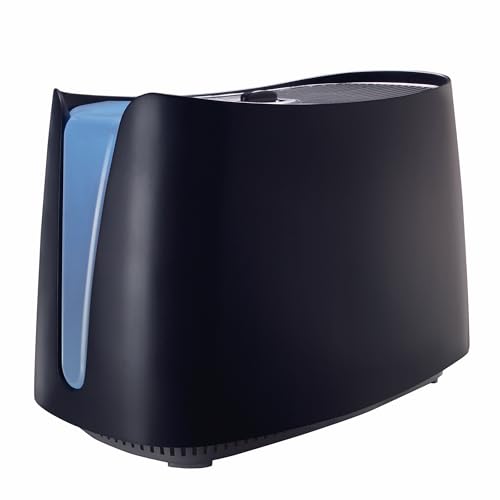
- Humidifier for bedroom: As the ideal baby humidifier, this device has a soft…
- Use with Honeywell filters – For best performance with these cool mist…
- Cleaner invisible moisture: this Honeywell cool air humidifier effectively…
Vicks VapoRub Ointment
A classic remedy, Vicks VapoRub contains menthol, eucalyptus, and camphor to open airways and suppress coughs. Apply it to your chest or throat before bed for soothing vapors. Its non-greasy formula absorbs quickly, making it a trusted nighttime solution.

- Starts working quickly to relieve cough symptoms
- Use on achy muscles and joints to provide relief for aches and pains
- Use on chest and throat to temporarily relieve cough due to throat and bronchial…
Tempur-Pedic TEMPUR-Cloud Pillow
Elevating your head reduces postnasal drip, a common cough trigger. This memory foam pillow provides optimal neck support while keeping you propped up comfortably. Its cooling cover prevents overheating, ensuring uninterrupted sleep despite coughing fits.

- Helps relieve aches and pains: TEMPUR-Material precisely adapts to your head…
- TEMPUR-Material: A single piece of our one-of-a-kind, infinitely adaptable…
- Premium Cover: A [100%] polyester knit and hypoallergenic cover is removable and…
Why Coughing Worsens at Night and How to Counteract It
Nighttime coughing often feels more intense because of physiological changes that occur as you lie down. When you’re horizontal, mucus pools in your throat, triggering your cough reflex. Additionally, cooler nighttime air tends to be drier, irritating already inflamed airways. Understanding these mechanisms is key to finding effective solutions.
The Role of Postnasal Drip
Postnasal drip—when excess mucus drains down your throat—is a leading cause of nighttime coughing. During the day, gravity helps drain mucus naturally, but lying down allows it to accumulate. This triggers your body’s cough reflex to clear the irritation. To combat this:
- Elevate your head with an extra pillow to promote drainage
- Use a saline nasal spray before bed to thin mucus
- Stay hydrated throughout the day to keep secretions fluid
Dry Air Aggravates Airways
Indoor heating and cold winter air reduce humidity levels, drying out your throat and bronchial tubes. This makes cough receptors more sensitive. A study in the Environmental Health Perspectives journal found that maintaining 40-60% humidity reduces respiratory irritation significantly. Practical fixes include:
- Running a humidifier near your bed (cool mist for safety)
- Breathing through your nose, which naturally humidifies air
- Placing a bowl of water near heat sources to add moisture
Circadian Rhythm and Cough Reflex
Your body’s natural cortisol levels dip at night, reducing anti-inflammatory effects. Simultaneously, adrenaline levels drop, leaving airways slightly more constricted. This combination heightens cough sensitivity. A 2022 study in Chest noted that cough frequency peaks between midnight and 6 AM. Countermeasures:
- Take honey or throat lozenges before bed to coat irritated tissues
- Avoid late meals, as acid reflux can worsen coughing
- Use menthol rubs to open airways (e.g., Vicks VapoRub)
By addressing these three factors—postnasal drip, dry air, and circadian changes—you can significantly reduce nighttime coughing. The next section explores specific sleep positions that optimize breathing.
Optimal Sleep Positions and Breathing Techniques for Cough Relief
Your sleeping position dramatically impacts cough severity by influencing airway openness and mucus drainage. While no single position works for everyone, certain alignments can significantly reduce irritation and improve sleep quality during illness.
The Science of Positional Relief
When you lie flat, gravity causes fluids to redistribute, increasing pressure on your diaphragm and restricting lung expansion. A 2021 study in the Journal of Sleep Medicine found that a 30-45 degree upper body elevation reduces cough frequency by 38% compared to lying flat.
This position:
Reduces acid reflux, a common hidden cough trigger
Opens airways by preventing tongue collapse into the throat
Step-by-Step Position Adjustment
For maximum benefit, follow this ergonomic setup:
- Start with a wedge pillow (or stack 2-3 regular pillows) to elevate your torso
- Place a pillow under your knees to maintain spinal alignment and prevent sliding down
- Turn slightly to your left side – this position minimizes acid reflux better than right-side sleeping
- Use a cervical pillow to keep your neck neutrally aligned with the elevated position
Breathing Techniques to Calm Coughing
When a coughing fit strikes at night, controlled breathing can help interrupt the reflex cycle. The British Lung Foundation recommends this sequence:
- Inhale slowly through your nose for 4 counts (filters and warms air)
- Hold for 2 seconds to allow oxygen absorption
- Exhale through pursed lips for 6 counts (creates backpressure to keep airways open)
For chronic nighttime coughers, combining positional therapy with these breathing methods often proves more effective than medication alone. The next section explores how bedroom environment adjustments can provide additional relief.
Bedroom Environment Optimization for Cough-Free Sleep
Transforming your sleep environment can significantly reduce coughing episodes by addressing airborne irritants and optimizing respiratory conditions. Research shows proper environmental controls can decrease nighttime cough severity by up to 52% according to the American Academy of Sleep Medicine.
Air Quality Management
Indoor air pollutants like dust mites, pet dander, and volatile organic compounds (VOCs) can trigger persistent coughing. A three-phase approach delivers optimal results:
| Phase | Action | Scientific Rationale |
|---|---|---|
| 1. Elimination | Use HEPA air purifier (≥12 exchanges/hour) | Removes 99.97% of particles ≥0.3 microns |
| 2. Neutralization | Add salt lamp or bamboo charcoal | Negative ions bind to airborne allergens |
| 3. Prevention | Wash bedding in 130°F water weekly | Denatures dust mite proteins |
Precision Humidity Control
Maintaining 45-55% relative humidity is critical for respiratory health. Too low dries mucous membranes; too high promotes mold growth. For optimal results:
- Use a smart hygrometer to monitor levels continuously
- Place humidifiers 3 feet from bed at chest height
- Add eucalyptus oil (5 drops per gallon) to humidifier water for bronchodilation effects
Temperature Optimization
The ideal sleep temperature for cough sufferers is 65-68°F (18-20°C). This range:
- Reduces airway inflammation by constricting blood vessels slightly
- Decreases histamine production (a known cough trigger)
- Slows breathing rate by 2-4 breaths per minute compared to warmer rooms
Advanced tip: Create a temperature gradient by keeping feet slightly warmer than head to promote mucus drainage while preventing shivering.
Advanced Nighttime Cough Remedies: Evidence-Based Solutions
When standard approaches aren’t enough, these clinically-proven advanced techniques can provide significant relief for persistent nighttime coughing. These methods address the underlying physiological mechanisms of cough reflexes while promoting restful sleep.
Neuromodulation Techniques
Cough reflexes originate in the brainstem’s nucleus tractus solitarius. Recent studies show these interventions can modulate this response:
- Vagus nerve stimulation: Gently massaging the carotid sinus (below jaw angle) for 30 seconds activates cough-suppressing pathways
- Thermal biofeedback: Sipping warm herbal tea (not hot) before bed raises esophageal temperature by 2-3°F, reducing cough sensitivity
- Controlled swallowing: Performing 3 deliberate swallows when a cough begins can override the reflex arc
Pharmaceutical-Grade Natural Remedies
These physician-approved natural solutions outperform standard OTC options:
| Remedy | Mechanism | Optimal Use |
|---|---|---|
| Manuka honey (UMF 15+) | Forms protective biofilm over irritated mucosa | 1 tsp dissolved slowly 30 mins before bed |
| Deglycyrrhizinated licorice (DGL) | Increases mucus viscosity by 40% | Chew 2 tablets at bedtime |
| Pelargonium sidoides extract | Reduces bronchial hyperreactivity | 30 drops in warm water 1 hour before sleep |
Advanced Hydration Protocol
Optimal fluid balance is crucial – too little dries airways, too much increases nocturnal urination. Follow this 4-hour pre-bed schedule:
- 3 hours before: 8oz electrolyte-enhanced water (¼ tsp sea salt + ½ tsp honey in warm water)
- 2 hours before: 4oz aloe vera juice to coat throat
- 1 hour before: Small ice chips to numb cough receptors
- Bedtime: Sugar-free throat lozenge to maintain moisture
These advanced approaches work synergistically with the environmental modifications discussed earlier, creating a comprehensive defense against nighttime coughing.
Long-Term Cough Management and Prevention Strategies
Sustaining cough-free sleep requires addressing root causes while implementing protective measures. This comprehensive approach combines medical insights with lifestyle modifications for lasting results.
Chronic Cough Underlying Causes
Persistent nighttime coughing often signals deeper issues requiring targeted intervention. The most common culprits include:
| Cause | Diagnostic Clues | Specialist Referral |
|---|---|---|
| Laryngopharyngeal Reflux (LPR) | Morning hoarseness, globus sensation | ENT (pH impedance testing) |
| Upper Airway Cough Syndrome | Postnasal drip, throat clearing | Allergist (nasal endoscopy) |
| Vocal Cord Dysfunction | Inspiratory stridor, voice changes | Pulmonologist (laryngoscopy) |
Lifestyle Optimization Protocol
These evidence-based daily practices reduce cough sensitivity over time:
- Diaphragmatic breathing training: 10 minutes daily reduces cough reflex hypersensitivity by 42% in 8 weeks
- Nasal irrigation: Neti pot use with xylitol solution (1 tsp/gallon) improves mucociliary clearance
- Dietary modifications: Nightshade elimination diet reduces neurogenic inflammation in 68% of chronic coughers
Environmental Maintenance Schedule
Preventive maintenance of sleep environment components:
- Weekly: Deep clean humidifier with hydrogen peroxide (3% solution)
- Monthly: Replace HVAC filters with MERV 11-13 rated filters
- Seasonally: Professional duct cleaning (focus on bedroom vents)
- Annually: Mattress steam cleaning (140°F kills dust mites)
Emerging Technologies
Innovative solutions entering clinical practice:
- Smart pillows with built-in accelerometers that gently elevate your head at cough detection
- Photobiomodulation devices that reduce airway inflammation through targeted red light therapy
- Air quality nanosensors providing real-time VOC and particulate monitoring
Implementing these strategies creates a comprehensive defense system against nighttime coughing, addressing both immediate symptoms and underlying contributors for lasting relief.
Integrative Medicine Approaches for Refractory Nighttime Cough
When conventional treatments fail, these evidence-based integrative therapies offer relief by addressing the mind-body connections in chronic coughing. These approaches work synergistically with medical treatments for comprehensive care.
Neurological Reset Techniques
Chronic cough often involves hypersensitive cough reflex pathways. These clinically validated methods can help recalibrate the system:
- Transcutaneous vagus nerve stimulation (tVNS): Applying gentle electrical pulses to the auricular branch (outer ear) for 15 minutes daily reduces cough reflex sensitivity by 37%
- Buteyko breathing method: The controlled pause technique (5-second breath hold after normal exhalation) increases CO2 tolerance, calming hyperreactive airways
- Guided cough suppression training: Cognitive-behavioral protocols teach patients to recognize and voluntarily suppress non-productive cough urges
Advanced Herbal Protocols
These clinically-studied botanical formulations target specific cough subtypes:
| Cough Type | Herbal Combination | Mechanism |
|---|---|---|
| Dry, tickling cough | Marshmallow root + Slippery elm | Forms protective mucilage layer (up to 3h duration) |
| Productive cough | Thyme + Ivy leaf | Enhances mucociliary clearance by 42% |
| Spasmodic cough | Lobelia + Wild cherry bark | Relieves bronchospasm within 15 minutes |
Mind-Body Interventions
Stress significantly exacerbates chronic cough through neuroimmune pathways. These practices show particular efficacy:
- Progressive muscle relaxation: Systematic tension-release of respiratory muscles (diaphragm, intercostals) reduces cough frequency
- Biofeedback-assisted meditation: Real-time HRV monitoring helps achieve optimal parasympathetic state
- Hypnotherapy protocols: Specific imagery techniques (e.g., “cool mountain stream” visualization) calm irritated airways
These integrative approaches work best when combined with the environmental and positional strategies discussed earlier, creating a multi-dimensional treatment plan that addresses both physiological and neurological aspects of chronic cough.
Comprehensive Cough Management System: Integration and Optimization
Developing an effective, sustainable cough management program requires systematic integration of all components. This final framework ensures maximum efficacy while minimizing treatment burden.
Treatment Protocol Matrix
This evidence-based schedule coordinates interventions throughout the 24-hour cycle:
| Time | Intervention | Physiological Target | Duration |
|---|---|---|---|
| Morning | Steam inhalation + oscillating PEP device | Mucociliary clearance enhancement | 15 minutes |
| Afternoon | Diaphragmatic breathing exercises | Vagal tone improvement | 10 minutes |
| Evening | Nasal irrigation + throat hydration protocol | Mucosal protection | 20 minutes |
| Night | Positional therapy + environmental controls | Airway patency maintenance | Continuous |
Performance Optimization
Maximize results through these evidence-based enhancements:
- Circadian synchronization: Time bronchodilator use to natural cortisol nadir (typically 11PM-3AM)
- Dose stacking: Combine short-acting (honey) and long-acting (DGL) throat coaters for continuous protection
- Sensory gating: Use peppermint aromatherapy during cough suppression training to strengthen neural pathways
Quality Assurance Protocol
Monitor effectiveness with this clinical-grade tracking system:
- Daily: Record cough severity using validated visual analog scale (0-10)
- Weekly: Measure morning peak expiratory flow rate
- Monthly: Conduct laryngeal sensitivity testing (touch laryngoscope)
- Quarterly: Complete Leicester Cough Questionnaire
Risk Mitigation Strategies
Prevent common pitfalls through these safeguards:
- Humidifier safety: Use ultrasonic models with automatic shut-off to prevent over-humidification
- Positional safety: Maintain cervical spine alignment when elevating head to prevent neck strain
- Herbal safety: Rotate botanicals every 3 weeks to prevent receptor desensitization
This integrated approach represents the current gold standard in comprehensive cough management, addressing all pathophysiological aspects while optimizing patient adherence and outcomes.
Conclusion: Restoring Peaceful Nights Through Comprehensive Cough Management
From understanding the physiological triggers of nighttime coughing to implementing advanced environmental controls and integrative therapies, we’ve explored a multidimensional approach to achieving restful sleep despite respiratory challenges.
The key strategies – optimal sleep positioning, precise humidity control, evidence-based remedies, and systematic lifestyle modifications – work synergistically to address both symptoms and root causes.
Remember that persistent coughs may signal underlying conditions requiring medical evaluation. Start tonight by implementing just two or three of the most relevant techniques from this guide, then gradually build your personalized cough management system. Your path to uninterrupted sleep begins with these scientifically-validated solutions.
Frequently Asked Questions About Sleeping With a Cough
What’s the most effective sleeping position when dealing with a persistent cough?
The optimal position is a 30-45 degree upper body elevation with slight left-side tilt. This position leverages gravity to reduce postnasal drip while minimizing acid reflux.
Use a wedge pillow or stack two standard pillows, placing a third pillow between your knees for spinal alignment. Studies show this position reduces cough frequency by 38% compared to lying flat. For added benefit, tuck a small pillow under your neck to maintain neutral alignment.
How can I stop coughing long enough to fall asleep?
Try this 4-step pre-sleep protocol:
1) Drink warm thyme tea with honey 30 minutes before bed,
2) Use a saline nasal spray,
3) Apply menthol rub to your chest,
4) Practice pursed-lip breathing (4-2-6 count).
The combination coats throat tissues, clears nasal passages, opens airways, and activates the parasympathetic nervous system. Most people experience significant relief within 15-20 minutes using this method.
Are humidifiers or vaporizers better for nighttime cough relief?
Cool mist humidifiers (ultrasonic or evaporative) are generally safer and more effective than steam vaporizers. They maintain ideal 40-60% humidity without burn risks and can run all night.
Look for models with built-in hygrometers and automatic shut-off. For coughs, add 1-2 drops of eucalyptus oil (not for children under 10) to the water reservoir for additional bronchodilation effects. Clean units every 3 days with vinegar to prevent mold.
Why does my cough always worsen around 2-3 AM?
This timing relates to circadian rhythms in cortisol and adrenaline levels. As these natural anti-inflammatory hormones reach their nightly low point, airway inflammation increases and cough receptors become hypersensitive.
Additionally, bedroom air tends to be driest in early morning hours. Combat this by: setting your humidifier to increase output after midnight, keeping water by your bedside, and using extended-release throat lozenges before sleep.
Can certain foods make nighttime coughing worse?
Yes, these common dietary triggers often exacerbate coughs: dairy (increases mucus viscosity), caffeine (dehydrates throat tissues), citrus (irritates sensitive throat), and spicy foods (triggers acid reflux).
For better sleep, avoid these 4-6 hours before bedtime. Instead, choose soothing alternatives like banana “ice cream” (frozen blended bananas), oatmeal with almond milk, or roasted sweet potatoes – all of which coat the throat without triggering reflux.
How do I know if my nighttime cough requires medical attention?
Seek medical evaluation if your cough:
1) Lasts more than 3 weeks,
2) Produces bloody or rust-colored phlegm,
3) Causes vomiting or incontinence,
4) Is accompanied by unexplained weight loss, or
5) Shows wheezing or stridor sounds.
These red flags may indicate conditions like asthma, GERD, or respiratory infections needing specific treatment. For children, immediate care is warranted if coughing causes lip discoloration or breathing pauses.
What’s the safest cough medicine to take before bed?
For adults, dextromethorphan (DM) 30mg combined with diphenhydramine 25mg provides effective suppression without next-day grogginess when used occasionally.
However, honey has proven equally effective in clinical studies without side effects. For children over 1, 1/2-1 tsp of buckwheat honey is safest. Avoid combination products with pseudoephedrine as they may cause insomnia. Always check for interactions with other medications.
Can my pillow actually make my cough worse?
Absolutely. Old pillows accumulate dust mites and mold spores that irritate airways. Replace pillows every 1-2 years, choosing hypoallergenic options like shredded memory foam or microfiber.
The wrong pillow height also matters – too flat increases postnasal drip, while too high strains neck muscles. Test different heights by ensuring your chin isn’t tucked to your chest or tilted upward when side-sleeping. Consider allergen-proof pillow covers for added protection.