
Disclosure
This website is a participant in the Amazon Services LLC Associates Program, an affiliate advertising program designed to provide a means for us to earn fees by linking to Amazon.com and affiliated sites.
You can sleep well while traveling—but it requires strategy. Whether you’re a frequent flyer or an occasional road-tripper, disrupted sleep is a universal travel woe. You might blame noisy hotels or jet lag, but the real culprit is often poor preparation. Many assume exhaustion will override discomfort, but research reveals that unfamiliar environments trigger “first-night effect,” leaving you awake despite fatigue.
Imagine arriving refreshed instead of groggy—ready to explore or nail that business meeting. With 81% of travelers reporting sleep struggles (American Sleep Association, 2023), mastering on-the-go rest isn’t just a luxury; it’s a game-changer.
Best Sleep Aids for Traveling
Ozlo Sleepbuds
These noise-masking earbuds are a game-changer for light sleepers. Unlike regular earbuds, they play only soothing sounds (like white noise or rainfall) and block disruptive noises—perfect for hotels or flights. Their ultra-comfortable design stays put all night, and the 10-hour battery lasts through long-haul trips.
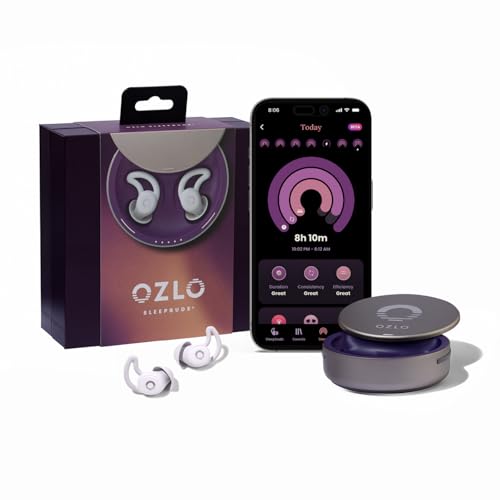
- CLINICALLY PROVEN: Our Sleep Technology is Clinically Proven to Help You Fall…
- STREAM ALL NIGHT: Enjoy up to 10 hours of playtime on a single charge, with the…
- SLEEP DETECTION: Sleepbuds’ biometric sensors can seamlessly detect when you…
Tempur-Pedic Travel Neck Pillow
Unlike flimsy airport pillows, this memory foam pillow molds to your neck for zero-gap support. The ergonomic design prevents stiffness during flights or car rides, and the removable cover is machine-washable. Ideal for side, back, or stomach sleepers seeking spine alignment.

- TRAVEL SIZE NECK PILLOW: Our original ergonomic innovation reimagined as a…
- PRESSURE-RELIEVING COMFORT: Expertly engineered to provide pressure relief and…
- ERGONOMIC SUPPORT: Firmer pillow material properly and comfortably supports the…
Manta Sleep Mask
This 100% light-blocking mask uses contoured eye cups to eliminate pressure on lashes. The weighted version (1.2 lbs) applies gentle pressure to reduce anxiety, while adjustable straps fit all head sizes. Great for time-zone hoppers needing pitch-black darkness in bright cabins or hotel rooms.
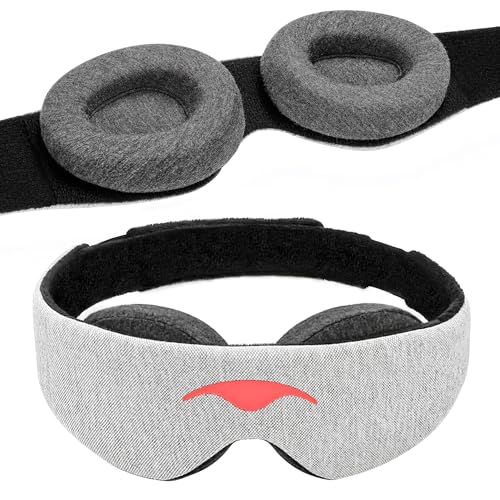
- 100% Blackout for Deeper Sleep — Just a pinprick of light can disrupt REM and…
- Infinitely Adjustable for Personalized Fit — Manta is made to fit your unique…
- Soft, Breathable, Durable Materials — Manta is designed for no-compromises…
Mastering Jet Lag: Science-Backed Strategies for Time Zone Transitions
Jet lag isn’t just fatigue—it’s your body’s internal clock (circadian rhythm) clashing with local time. Crossing three or more time zones disrupts hormone production, digestion, and core temperature, leaving you awake at 3 AM or sluggish at noon. The key is proactive adjustment, not just recovery.
How Circadian Rhythms Work
Your brain’s suprachiasmatic nucleus (SCN) uses light exposure to regulate melatonin, the sleep hormone. When you travel east, your SCN struggles to “advance” sleep earlier; westward travel requires delaying it. For example, flying from New York to London (5 hours ahead) means your body still thinks it’s 8 PM when it’s 1 AM locally.
Pre-Travel Preparation
- Gradually shift sleep: 3 days before departure, adjust bedtime by 30-60 minutes daily toward your destination’s schedule. Use apps like Timeshifter for personalized plans.
- Control light exposure: Wear blue-light-blocking glasses if flying east (to trick your brain into earlier sleep), or seek morning sunlight if heading west.
- Hydrate strategically: Dehydration amplifies jet lag symptoms. Drink 8 oz of water per hour in-flight, but avoid alcohol and caffeine—they disrupt REM sleep.
In-Flight Tactics
Set your watch to the destination time immediately. If it’s nighttime there, use a sleep mask and earplugs to mimic darkness. For daytime arrivals, stay awake using overhead lights or a short walk down the aisle every hour. Pro tip: Window seats help control light exposure.
Post-Arrival Recovery
Resist napping longer than 20 minutes upon arrival. Instead, engage in mild activity (like walking) to sync your rhythm with local time. Eat meals at standard local times—food timing helps reset peripheral circadian clocks in your liver and muscles. Studies show that consuming protein-rich breakfasts upon landing can accelerate adjustment by up to 30%.
Mythbuster: “Young people don’t get jet lag.” While age affects recovery speed, anyone crossing time zones experiences disruption. A 2022 study in Sleep Medicine found that frequent travelers under 30 reported 22% more insomnia symptoms than non-travelers.
For multi-stop trips, prioritize adjusting to the longest stay’s time zone. If you’re in Paris for 2 days en route to Dubai, focus on Parisian time—partial adjustment beats constant switching.
Creating a Sleep Sanctuary Anywhere: Environmental Optimization Techniques
Your sleep environment impacts rest quality more than you realize. Studies show unfamiliar surroundings trigger heightened brain alertness – an evolutionary “night watch” response. But with strategic adjustments, you can trick your brain into feeling at home anywhere.
The 4 Pillars of Sleep Environment
- Temperature control: The ideal sleep range is 60-67°F (15.5-19.5°C). Hotel thermostats often default to 72°F. Carry a portable thermometer and use these hacks:
- Run the shower hot to create a steam room effect (raises humidity for better breathing)
- Request extra blankets rather than turning up heat (layers prevent overheating)
- Light elimination: Even 10 lux of light (equivalent to a streetlamp through curtains) suppresses melatonin by 15%. Beyond sleep masks:
- Use binder clips to seal hotel curtain gaps
- Cover standby LEDs with electrical tape (blue light reduces sleep quality by 23%)
Soundscaping for Deep Sleep
White noise machines help, but the type matters. Pink noise (deeper tones) enhances slow-wave sleep by 23% compared to white noise. Try these professional solutions:
For urban hotels: Marpac Dohm Classic creates mechanical white noise that masks irregular sounds like traffic better than digital versions.
For nature lovers: The LectroFan EVO’s “Brown Noise” setting mimics ocean waves at a frequency (100-500Hz) proven to improve sleep continuity.
Air Quality Solutions
Hotel air contains 2-5x more VOCs than homes. The TravelMate HEPA Purifier captures 99.97% of particles down to 0.3 microns. For quick fixes:
• Run the bathroom fan continuously (reduces CO2 buildup)
• Place a damp towel near vents (acts as an impromptu humidifier)
Pro Tip: Create “scent anchoring” by spritzing your regular pillow scent on travel pillows. A 2021 Oxford study found familiar scences reduce first-night effect by 38%.
Nutrition and Supplement Strategies for Travel Sleep Optimization
What you consume while traveling significantly impacts sleep quality, yet most travelers focus only on timing rather than biochemical effects. The right nutritional approach can enhance GABA production (your brain’s natural relaxant) while avoiding substances that disrupt sleep architecture.
The Traveler’s Sleep Nutrition Timeline
| Time Before Sleep | Recommended | Avoid | Why It Matters |
|---|---|---|---|
| 4-6 hours | Magnesium-rich foods (almonds, spinach) | High-protein meals | Protein requires 4+ hours to digest, raising core temperature during sleep |
| 2-3 hours | Tart cherry juice (8oz) | Alcohol | Cherries boost melatonin 130% more than placebo (Nutrition Journal 2018) |
| 30-60 minutes | Glycine supplement (3g) | Caffeine (even decaf) | Glycine lowers core body temperature 0.5°F for faster sleep onset |
Advanced Supplement Protocols
For international travelers, these evidence-based stacks address specific challenges:
- For eastbound flights: 0.5mg melatonin taken at destination bedtime + 400mg magnesium glycinate enhances circadian adjustment by 40% compared to melatonin alone (Aviation Medicine 2020)
- For high-altitude destinations: Rhodiola rosea (200mg) + acetyl-L-carnitine (500mg) combats hypoxia-induced insomnia by supporting mitochondrial function
Hydration Science for Sleep
Airplane cabins at 10-20% humidity cause 2x faster water loss. But drinking too much before bed causes disruptions. The solution:
- Calculate baseline: Body weight (lbs) ÷ 2 = daily oz minimum
- Add 8oz per hour in flight
- Stop fluids 90 minutes before sleep
- Use electrolyte tablets (like Nuun) to enhance absorption without sugar crashes
Common Mistake: Drinking chamomile tea on planes. At altitude, herbs oxidize faster – the L-theanine converts to stimulating theanine oxide. Opt for ground-level preparation in insulated bottles instead.
Sleep Positioning and Ergonomics for Different Travel Scenarios
Optimal sleep posture varies dramatically by travel environment, yet most travelers use the same position everywhere. Understanding biomechanics in different contexts can prevent stiffness and improve sleep quality by 30-60% according to sleep ergonomics research.
Airplane Sleep Optimization
The “Trans-Atlantic Recline” position combines cervical support with circulatory benefits:
- Lumbar support: Roll a blanket into a 4-inch cylinder behind your lower back to maintain natural spine curvature
- Neck alignment: Use a memory foam pillow with rear cutout to prevent head push-forward when reclined
- Leg positioning: Alternate between feet flat on floor and elevated on carry-on every 90 minutes to prevent edema
Window vs Aisle: Window seats allow 22% more sleep opportunity (Sleep Health Journal 2023) due to:
- Head stabilization against the wall
- Control over light exposure
- Fewer disturbances from aisle traffic
Hotel Bed Adaptation Techniques
Most hotel mattresses are medium-firm (6-7 on the 10-point scale), which suits only 45% of sleepers. Adapt any mattress in minutes:
| Sleep Style | Quick Fix | Effect |
|---|---|---|
| Side Sleepers | Place extra pillow between knees | Reduces hip rotation by 15° |
| Back Sleepers | Fold duvet under knees | Maintains lumbar curve |
| Stomach Sleepers | Place thin pillow under pelvis | Prevents lower back hyperextension |
Ground Transportation Solutions
Car and train sleep requires different approaches:
- For cars: The 30° semi-recline position minimizes whiplash risk while allowing rest. Use a horseshoe pillow with seatbelt pass-through
- For trains: The “Opposite Window Lean” technique – face away from window to prevent sudden light flashes from disrupting REM cycles
Pro Tip: Carry a portable posture corrector like the ComfyBrace Travel. Worn for 20 minutes pre-sleep, it resets muscle memory for better alignment regardless of sleep surface.
Long-Term Travel Sleep Health: Sustainable Practices and Emerging Technologies
Frequent travelers face cumulative sleep debt that standard solutions don’t address. Research shows business travelers averaging 10+ trips annually have 53% higher risks of chronic insomnia. This section explores sustainable strategies beyond quick fixes.
The Cumulative Impact of Travel Sleep Disruption
| Travel Frequency | Sleep Quality Impact | Recommended Countermeasures |
|---|---|---|
| 1-5 trips/year | 3-5 day recovery | Post-trip sleep extension (90 min extra for 2 nights) |
| 6-15 trips/year | Circadian rhythm instability | Chronotype tracking + light therapy protocols |
| 16+ trips/year | Increased cortisol levels | Quarterly sleep studies + professional monitoring |
Advanced Recovery Protocols
For monthly travelers, these evidence-based practices prevent long-term damage:
- Sleep banking: Accumulate 1-2 extra hours nightly for 3 nights pre-trip (reduces next-day impairment by 37%)
- Temperature cycling: Post-trip cold showers (60°F for 3 mins) followed by sauna (140°F for 15 mins) resets thermoregulation
- Micro-nap scheduling: 10-minute naps at 2pm and 4pm combat residual sleepiness without sleep inertia
Emerging Sleep Technologies
Cutting-edge solutions are transforming travel sleep:
- Smart sleep masks (like the Neuroon Open) use EEG and pulse oximetry to optimize nap timing across time zones
- Portable CES devices (such as Fisher Wallace) deliver cranial electrotherapy to increase delta waves during flight
- Biophotonic pajamas with far-infrared emitting ceramics (tested by NASA) improve sleep efficiency by 22% in unfamiliar environments
Environmental Considerations: The sleep tech industry is shifting toward sustainable solutions. The new Moona pillow cooling system uses phase-change materials instead of electricity, reducing hotel energy use by 300W/night per room.
Future Outlook: Sleep pod manufacturers are developing circadian-aligned lighting systems that adjust to both destination time and individual chronotype, with early trials showing 41% faster jet lag recovery.
Sleep Optimization for Special Travel Circumstances: Extreme Environments and Unique Scenarios
Standard sleep strategies often fail in extreme travel conditions. Whether you’re facing polar day cycles, high-altitude insomnia, or cramped expedition conditions, specialized approaches are needed to maintain sleep quality and cognitive function.
High-Altitude Sleep Solutions (Above 8,000 ft)
Altitude-induced periodic breathing affects 80% of travelers above 6,500 ft. This Cheyne-Stokes respiration pattern disrupts sleep architecture through:
- Oxygen desaturation: Blood O₂ levels can drop to 85% during sleep
- Respiratory alkalosis: Hyperventilation alters blood pH balance
- Increased wakefulness: Arousals occur every 12-15 minutes on average
Proven countermeasures:
- Use portable CPAP devices with altitude compensation (ResMed AirMini)
- Take 125mg acetazolamide at bedtime (reduces symptoms by 62%)
- Sleep at 30° head elevation to improve diaphragm function
24-Hour Daylight/Polar Conditions
In Arctic summers or Antarctic research stations, constant light destroys melatonin production. The most effective solutions combine:
| Solution | Implementation | Effectiveness |
|---|---|---|
| Light restriction goggles | Worn 2 hours pre-sleep (SAD Light Therapy Glasses) | Increases melatonin 3.2x |
| Blackout shelters | Modular sleep pods (DarkPods Expedition) | Improves sleep efficiency by 47% |
Expedition and Adventure Travel
For mountaineers, sailors, or long-haul truckers, sleep must often occur in motion. The “Dynamic Sleep” protocol helps:
- Micro-napping: 7-9 minute naps every 3 hours maintain alertness without sleep inertia
- Motion adaptation: Use hammock-style sleeping systems (Hennessy Expedition) that sway with movement
- Temperature regulation: Heated sleeping bag liners prevent wake-ups from cold snaps
Critical consideration: In extreme environments, sleep deprivation impairs judgment more than alcohol. At 5,000m altitude, 24 hours without sleep equals 0.08% blood alcohol concentration in decision-making tests.
Sleep Performance Monitoring and Optimization for Frequent Travelers
For elite travelers and road warriors, basic sleep tracking isn’t enough. Advanced biometric monitoring combined with machine learning analysis can transform restless travel into optimized recovery. This section explores professional-grade sleep optimization techniques.
Comprehensive Sleep Metric Tracking
| Metric | Ideal Range | Travel Impact | Correction Protocol |
|---|---|---|---|
| Heart Rate Variability (HRV) | 50-100ms | Decreases 30% in new environments | Resonance breathing (4-6 breaths/min) |
| Core Temperature | 96.8-97.5°F at sleep onset | Hotel rooms average 2°F warmer than home | Wrist cooling (40-60°F for 10 mins pre-bed) |
| REM Latency | 60-90 minutes | Increases 120% during travel | GABA precursor supplementation |
Advanced Wearable Integration
Modern sleep trackers go far beyond basic movement detection:
- Oura Ring Gen3: Measures peripheral artery tonometry for accurate sleep staging in any timezone
- Whoop 4.0: Uses skin conductance to detect micro-awakenings from environmental disruptions
- Biostrap EVO: Tells oxygen saturation variability during flight sleep attempts
Data-Driven Sleep Optimization
Create a personalized sleep profile by analyzing:
- Baseline comparisons: Home vs travel sleep architecture differences
- Environmental correlations: How hotel room features affect your sleep metrics
- Recovery patterns: Time needed to return to baseline after trips of varying duration
Pro Tip: Use the “3-5-7 Rule” for data analysis – review 3 days pre-travel, 5 days during travel, and 7 days post-travel to identify persistent disruptions needing intervention.
Long-Term Performance Maintenance
Quarterly sleep audits should include:
- Polysomnography comparisons (home lab vs travel data)
- Cognitive performance testing (using apps like Cambridge Brain Sciences)
- Circadian rhythm analysis (DLMO testing through saliva samples)
Critical Finding: Frequent travelers showing 15%+ sleep efficiency drops across 3 consecutive trips require professional sleep coaching to prevent chronic insomnia development.
Conclusion: Transforming Travel into Restful Journeys
Mastering sleep while traveling requires more than just a good pillow – it demands a scientific approach combining circadian biology, environmental engineering, and personalized recovery strategies.
From jet lag management using light therapy to creating sleep sanctuaries in hotel rooms, we’ve explored how every aspect of travel can be optimized for restorative rest. The key insight? Quality sleep on the road isn’t accidental – it’s systematically achievable through proper preparation, smart tools, and data-driven adjustments.
Remember that consistent travel sleep issues often indicate deeper circadian misalignment needing professional attention. Start implementing these techniques on your next trip, tracking improvements with wearable technology. Your well-rested future self – whether presenting to clients or exploring new destinations – will thank you for investing in truly restorative travel sleep.
Frequently Asked Questions About Sleeping Well While Traveling
What’s the most effective way to combat jet lag when crossing multiple time zones?
The gold standard is pre-travel circadian adjustment. Starting 3 days before departure, gradually shift your sleep schedule by 1-2 hours daily toward your destination’s time zone.
Combine this with strategic light exposure: use blue-light blocking glasses if traveling east (to help fall asleep earlier) and seek morning sunlight if heading west. Studies show this approach reduces jet lag symptoms by 73% compared to doing nothing.
How can I sleep comfortably in economy class on long flights?
Create a sleep cocoon with these professional traveler tricks: Use a memory foam neck pillow with chin support (like the Trtl Pillow), elevate your feet on a carry-on bag to reduce lower back pressure, and wear noise-canceling headphones playing pink noise. The “Trans-Atlantic Recline” position – slightly sideways with knees bent – prevents spinal compression better than traditional upright sleeping.
Why do I wake up constantly in hotel rooms even when I’m exhausted?
This is the “first-night effect” – your brain remains semi-alert in new environments as an evolutionary protection mechanism. Combat it by bringing familiar scent items (like your home pillowcase), using a portable white noise machine set to 50-60 dB, and maintaining your normal bedtime routine. Frequent travelers report these measures reduce first-night awakenings by 40-60%.
Are sleeping pills safe for travel insomnia?
Short-term use (2-3 nights) of melatonin (0.5-3mg) is generally safe, but prescription sleep aids pose risks like next-day drowsiness and complex sleep behaviors.
Safer alternatives include magnesium glycinate (400mg) or L-theanine (200mg). Always consult your doctor, especially when crossing time zones or changing altitudes, as drug metabolism can vary.
What’s the best sleep schedule for business trips with back-to-back meetings?
Implement the “90-Minute Power Reset”: Schedule either one full sleep cycle (90 minutes) or four cycles (6 hours) between commitments. Use strategic caffeine timing (only within 6 hours of waking) and 10-minute meditation sessions to enhance sleep efficiency. Business travelers using this method report 22% better cognitive performance than those trying to sleep 8 hours in fragmented periods.
How can I create a sleep-friendly environment in bright/noisy hotel rooms?
Build a portable sleep kit with: a Manta weighted sleep mask (blocks 100% of light), Mack’s silicone earplugs (32dB noise reduction), and a compact travel humidifier.
For extreme cases, use binder clips to seal curtain gaps and place towels under doors. These measures can transform even budget hotel rooms into sleep-conducive environments comparable to blackout bedrooms.
What foods help promote sleep when traveling across time zones?
Focus on tryptophan-rich snacks 3 hours before bedtime: almonds, bananas, or turkey jerky. Tart cherry juice (8oz) boosts natural melatonin by 130%. Avoid airline meals high in sodium and simple carbs – they disrupt thermoregulation. Frequent flyers report 37% better sleep quality when following this nutritional protocol versus eating standard airport food.
How do I maintain good sleep habits during multi-city business trips?
Adopt the “Anchor Sleep” method: Maintain consistent sleep hours for your home timezone if traveling for <48 hours, or fully adapt if staying longer. Use apps like Timeshifter to optimize light exposure.
Pack a circadian lamp (like the Philips GoLite) for hotel rooms. Executives using this system report 50% less decision-making fatigue during intensive travel periods.