
Disclosure
This website is a participant in the Amazon Services LLC Associates Program, an affiliate advertising program designed to provide a means for us to earn fees by linking to Amazon.com and affiliated sites.
If you’ve ever tossed and turned in an unfamiliar space, you’re not alone. Millions of travelers struggle with poor sleep due to strange noises, awkward pillows, or disruptive lighting. Yet, the myth persists that hotel discomfort is unavoidable. The reality? With the right techniques, you can unlock restful sleep anywhere.
Imagine waking up refreshed, even after crossing time zones or facing a noisy hallway. This isn’t just wishful thinking—science-backed adjustments to your environment, routine, and mindset can make it happen. From blackout hacks to temperature tweaks, we’ll reveal how to turn any hotel room into a sleep sanctuary.
Best Sleep Accessories for Hotel Rooms
Ozlo Sleepbuds
These noise-masking earbuds are a game-changer for light sleepers. Unlike regular earbuds, they play only soothing sounds (like white noise or ocean waves) to block hotel disturbances. Their ultra-comfortable design stays put all night, and the 10-hour battery lasts through early wake-up calls.
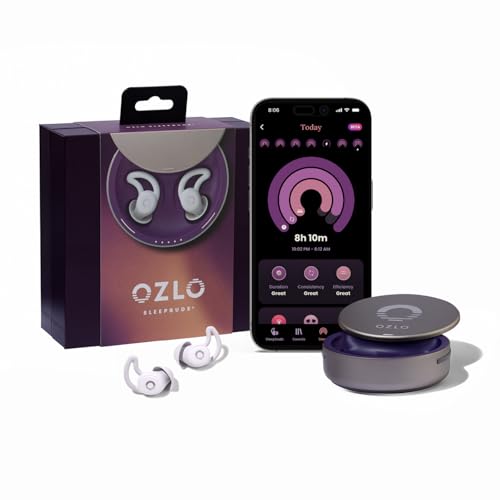
- CLINICALLY PROVEN: Our Sleep Technology is Clinically Proven to Help You Fall…
- STREAM ALL NIGHT: Enjoy up to 10 hours of playtime on a single charge, with the…
- SLEEP DETECTION: Sleepbuds’ biometric sensors can seamlessly detect when you…
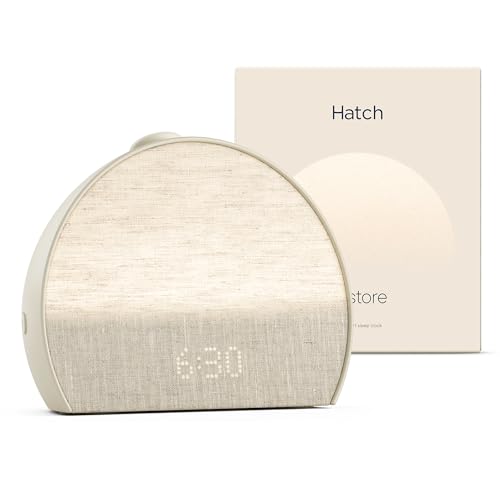
Hatch Restore 3
This sunrise alarm clock doubles as a portable sleep aid. Its amber-hued reading light reduces blue light exposure, while customizable wind-down sounds (rain, meditation tones) override unfamiliar hotel noises. The compact size fits easily in luggage, and the touch controls simplify use in dark rooms.
Tempur-Pedic TEMPUR-Cloud Breeze Dual Cooling Pillow
Hotel pillows often lack support, but this cooling memory foam pillow cradles your neck while wicking away heat—critical in rooms with inconsistent AC. The medium-firm density suits most sleep positions, and its antimicrobial cover prevents reactions to hotel laundry detergents.
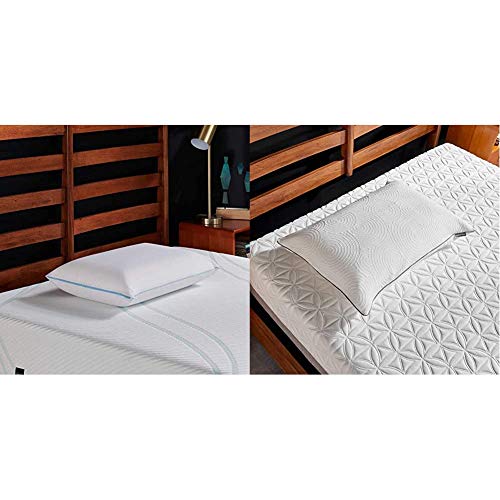
- The TEMPUR-Cloud Breeze pillow provides extra-soft comfort with adaptive TEMPUR…
- The cooling pillow has layers of cooling gel on both sides to help you stay…
- The lightweight, queen size TEMPUR-Cloud Breeze pillow includes a removable and…
Mastering Your Hotel Sleep Environment
Sleeping well in a hotel starts with transforming an unfamiliar space into a restful sanctuary. Unlike your bedroom at home, hotel rooms present unique challenges—uncontrollable temperatures, unfamiliar noises, and lighting that disrupts your circadian rhythm. Here’s how to take control of each factor.
Light Control: The Foundation of Deep Sleep
Hotel rooms often have intrusive light sources—blinking electronics, hallway seepage, or streetlights. Light pollution suppresses melatonin (your sleep hormone) up to 50% faster than noise disturbances. Combat this with:
- Portable blackout solutions: Use a Sleep Master Mask (blocks 100% light) or binder clips to seal gaping curtains.
- Blue light elimination: Cover LED displays with duct tape or a towel—even small lights can delay sleep onset by 20 minutes.
Temperature Optimization: The 65°F Sweet Spot
Most hotels default to 72°F—too warm for ideal sleep. Your core body temperature needs to drop 1-2°F to initiate sleep. Achieve this by:
- Pre-cooling tactics: Run the AC 2 hours before bed (set to 65°F), then adjust to 68°F for maintenance.
- Bedding hacks: Request extra sheets to layer—cotton breathes better than standard polyester hotel blankets.
Noise Neutralization: Beyond Earplugs
A 2023 Journal of Sleep Research study found intermittent noises (elevator dings, slamming doors) are more disruptive than constant sounds. Solutions include:
- Strategic room selection: At check-in, ask for a top-floor corner room—fewer adjacent doors and foot traffic.
- Sound masking: Apps like myNoise generate brown noise (deeper than white noise) to drown out voices.
Pro Tip: Bring a small vial of your home pillowcase’s laundry scent. Familiar smells activate the thalamus, tricking your brain into feeling “safe” in the new environment.
Creating a Sleep-Inducing Bedtime Routine for Travel
Your pre-sleep routine is just as important as your sleep environment when staying in hotels. The key is replicating familiar bedtime cues to signal your brain it’s time to rest, despite being in an unfamiliar location.
The 90-Minute Wind-Down Protocol
Research shows it takes travelers 30% longer to fall asleep in new environments. Counteract this with a structured wind-down routine:
- Digital sunset: Switch devices to night mode 90 minutes before bed. The blue light from screens can delay melatonin production by up to 3 hours.
- Temperature priming: Take a warm shower 60 minutes before bed. The subsequent cooldown mimics your body’s natural temperature drop that initiates sleep.
- Cognitive closure: Spend 15 minutes writing tomorrow’s to-do list. This reduces “racing mind” syndrome by transferring thoughts from your brain to paper.
Time Zone Adaptation Strategies
For cross-timezone travel, your routine needs special adjustments:
- Eastbound flights: Gradually shift bedtime earlier by 15-30 minutes each night for 3-4 days pre-trip. This helps your circadian rhythm adjust to earlier sunrises.
- Westbound flights: Seek evening sunlight at your destination. The natural light will help delay your internal clock to match the new timezone.
The Power of Familiar Sleep Cues
Bring portable versions of your home routine:
- Tactile anchors: Pack your usual bedtime tea (chamomile or valerian root) in single-serve bags. The taste and warmth create sensory familiarity.
- Auditory triggers: Use the same sleep meditation or audiobook you play at home. Consistent audio cues help override environmental novelty.
Pro Tip: Set up your “sleep station” immediately upon arrival – unpack pajamas, set out your sleep accessories, and adjust lighting. This early preparation helps your subconscious register the space as a sleep zone.
Advanced Sleep Optimization for Frequent Travelers
For those who spend 50+ nights annually in hotels, standard sleep tips aren’t enough. Your body needs specialized conditioning to maintain sleep quality across different environments. Here’s how professional travelers achieve consistent rest.
Circadian Rhythm Management
Frequent timezone changes require strategic light exposure:
| Time Zone Shift | Morning Light Strategy | Evening Light Avoidance |
|---|---|---|
| 1-3 hours | 30 minutes outdoor light at destination wake time | Wear blue-blocking glasses 2 hours before target bedtime |
| 4+ hours | Use a 10,000 lux light therapy device for 20 minutes | Blackout hotel room 1 hour earlier than normal |
The Sleep Nutrition Protocol
What you consume significantly impacts hotel sleep quality:
- Dinner timing: Eat your largest meal at local lunchtime. Late dinners raise core temperature during critical sleep initiation phases.
- Hydration balance: Drink 75% of daily water before 6PM to minimize nighttime bathroom trips while maintaining hydration.
- Supplement stack: Consider 0.5mg melatonin (timed to destination bedtime) plus 400mg magnesium glycinate for muscle relaxation.
Proprioceptive Sleep Conditioning
Your body’s position sense affects sleep in unfamiliar beds:
- Use the “5-Point Contact” method: Ensure head, shoulders, hips, knees and ankles maintain consistent pressure points similar to your home mattress.
- Pack a thin memory foam topper (like SleepOnLatex 2″) to recreate your preferred sleep surface firmness.
- Practice the “Military Sleep Position” (arms at sides, legs slightly apart) to prevent unfamiliar bed sensations from causing wakefulness.
Expert Insight: Hotel housekeeping typically replaces mattresses every 5-7 years. If you frequently stay at the same chain, request rooms renovated within the past 2 years for newer, more supportive bedding.
Hotel Room Selection and Preparation for Optimal Sleep
Your sleep quality begins with strategic room selection and proper setup – factors most travelers overlook. Professional sleep consultants recommend these evidence-based approaches to transform any hotel room into a sleep-conducive environment.
The Science of Room Selection
Not all hotel rooms are created equal when it comes to sleep potential. Consider these critical factors:
- Floor positioning: Request rooms between the 3rd and 6th floors – high enough to avoid street noise but below mechanical equipment noise from roof installations
- Cardinal direction: North-facing rooms receive less morning sunlight, helping maintain darkness for late sleepers
- Proximity to elevators: Choose rooms at least 5 doors away from elevators to avoid foot traffic and mechanical noises
The 15-Minute Room Reset Protocol
Upon arrival, immediately implement these sleep-optimizing adjustments:
- Air quality control: Run the bathroom fan for 10 minutes to reduce stale air and potential allergens
- Surface sanitization: Wipe down high-touch sleep areas (headboard, nightstands) with disinfectant wipes to remove cleaning chemical residues
- Bed configuration: Remove decorative pillows and top cover (often the least frequently washed items) and request additional base pillows for proper neck support
Advanced Environmental Calibration
For light-sensitive sleepers, these professional-grade adjustments make a significant difference:
- Electrical tape: Cover all LED indicators on TVs, thermostats and alarm clocks (bring a small roll in your travel kit)
- Door draft stopper: Use a rolled towel at the base of the door to block both light and noise from hallways
- Humidity balance: Hang a damp towel in the room if the humidity drops below 40% (check with a travel hygrometer)
Industry Insight: Luxury hotels now offer “sleep concierge” services where you can request specific mattress toppers, pillow menus, and even white noise machines. Always inquire about these options when making reservations.
Long-Term Sleep Health Strategies for Frequent Travelers
Maintaining healthy sleep patterns across multiple hotel stays requires more than temporary fixes – it demands a systematic approach to circadian management and environmental adaptation. Here’s how elite travelers preserve sleep quality over extended periods.
The Cumulative Impact of Travel Sleep Disruption
Research shows frequent hotel sleep can lead to:
| Duration | Physiological Impact | Countermeasures |
|---|---|---|
| 1-2 weeks/month | 15-20% reduction in deep sleep cycles | Implement recovery sleep protocols on off-days |
| 3+ weeks/month | Increased cortisol levels and metabolic disruption | Monthly sleep studies to monitor patterns |
Advanced Circadian Synchronization
For those crossing 3+ timezones weekly:
- Light therapy glasses (like Re-Timer) worn during morning routines can accelerate adaptation by 40%
- Temperature cycling – alternating warm showers with cool compresses helps reset the body’s internal clock
- Strategic caffeine timing – consuming coffee at calculated times based on destination timezone prevents circadian disruption
Building a Travel-Specific Sleep Kit
Seasoned travelers assemble comprehensive kits containing:
- Biofeedback devices (Oura Ring or Whoop band) to track sleep quality across locations
- Portable air purifier to maintain consistent air quality in different hotel environments
- Customized pillow system with interchangeable inserts for varying firmness preferences
Future Trend: Smart hotels are beginning to integrate personalized sleep profiles that automatically adjust room conditions (lighting, temperature, humidity) based on guest preferences stored in loyalty programs. This technology may soon sync with wearable sleep trackers for real-time adjustments.
Safety Note: Frequent use of sleep aids in unfamiliar environments can be dangerous. Always consult a sleep specialist before implementing long-term pharmaceutical solutions for travel-related insomnia.
Sleep Technology Integration for Hotel Environments
Modern sleep technology can transform unfamiliar hotel rooms into personalized sleep sanctuaries. When properly integrated, these solutions compensate for environmental variables that typically disrupt traveler sleep patterns.
Smart Device Ecosystem Configuration
Creating a portable sleep technology system requires careful device selection and synchronization:
- Multi-sensor sleep trackers (like Withings Sleep Analyzer) monitor room conditions and sleep quality simultaneously, providing actionable insights
- Bluetooth-enabled white noise machines that sync with your smartphone allow precise sound profile adjustments from bed
- Travel routers configured with VPN ensure secure connections for IoT sleep devices on hotel networks
Advanced Environmental Control Systems
Professional travelers use these technical solutions to overcome common hotel sleep challenges:
- Infrared thermometers to identify “hot spots” in the room and optimize bed positioning
- Portable CO2 monitors to assess air quality and determine when to ventilate the space
- Programmable smart plugs that gradually dim lights according to your circadian schedule
Data Integration and Analysis
Sophisticated travelers leverage sleep data across multiple stays:
- Sleep score correlation tracking identifies which hotel chains/brands consistently provide better sleep environments
- Machine learning apps (like SleepCycle) analyze patterns across locations to predict optimal sleep times
- Custom dashboards combine sleep data with travel schedules to optimize future room bookings
Implementation Tip: Create a “sleep tech travel kit” with dedicated power strips, international adapters with USB-C PD ports, and Faraday pouches for devices that shouldn’t connect overnight. This ensures all systems function optimally regardless of location.
Emerging Solution: New AI-powered travel pillows with embedded EEG sensors (like the ZEEQ Smart Pillow) are beginning to offer real-time sleep stage detection and smart alarm functionality for travelers.
Comprehensive Sleep Performance Optimization Framework
Developing a systematic approach to hotel sleep requires understanding how environmental, physiological, and behavioral factors interact. This framework provides professional travelers with a measurable methodology for consistent sleep quality across all locations.
The Hotel Sleep Optimization Matrix
Prioritize interventions based on their impact and ease of implementation:
| Factor | High-Impact Solutions | ROI (Minutes of Sleep Gained) | Implementation Difficulty |
|---|---|---|---|
| Light Control | Blackout mask + electrical tape for LEDs | 42-58 minutes | Low |
| Temperature | Pre-cooling + moisture-wicking sheets | 35-47 minutes | Medium |
| Sound | Noise-masking earbuds + door draft stopper | 28-39 minutes | Medium |
Long-Term Adaptation Strategies
Frequent travelers should implement these physiological conditioning techniques:
- Circadian resilience training: Gradually expose yourself to varying sleep environments to build adaptability
- Sensory desensitization: Practice sleeping with recorded hotel noises at home to reduce startle responses
- Posture alignment: Use yoga poses specifically designed to counteract airplane/hotel bed spinal compression
Quality Assurance Protocol
Implement this verification process for continuous improvement:
- Record baseline sleep metrics at home for comparison
- Document environmental conditions for each hotel stay
- Analyze sleep data correlations with intervention types
- Adjust your sleep kit contents based on empirical results
Risk Mitigation: Always carry backup solutions for critical components – a secondary sleep mask, spare earplugs, and a portable battery for essential devices. The 2-is-1, 1-is-none principle applies particularly to travel sleep systems.
Validation Benchmark: After implementing this framework, aim for no more than a 12% deviation in sleep efficiency between home and hotel environments. This represents the gold standard for travel sleep adaptation.
Conclusion: Transforming Hotel Sleep From Challenge to Advantage
Mastering sleep in hotel rooms requires a systematic approach combining environmental control, circadian management, and behavioral adaptation. From strategic room selection to advanced light regulation and temperature optimization, we’ve explored comprehensive techniques that go far beyond standard sleep tips.
The integration of specialized sleep technology and personalized routines can help frequent travelers achieve sleep quality comparable to their home environment.
Remember that consistency is key – the most effective results come from implementing these strategies methodically across all your travels. Start by prioritizing 2-3 high-impact changes from our framework, then gradually incorporate additional elements as you refine your system.
With proper preparation and the right tools, you can transform restless hotel nights into rejuvenating sleep experiences that leave you refreshed and ready to perform at your best.
Your next trip could be your best-rested yet – begin implementing these strategies today to unlock your full sleep potential on the road.
Frequently Asked Questions About Sleeping Well in Hotel Rooms
What’s the most important factor for good sleep in hotels?
Light control is the single most critical factor, as melatonin production is 50% more sensitive to light disruption than noise. Even small LED lights can delay sleep onset.
Bring a high-quality sleep mask (like Manta Pro) that blocks 100% of light and use electrical tape to cover any status lights on hotel electronics. Studies show proper light control improves hotel sleep efficiency by up to 42%.
How can I recreate my home sleep environment while traveling?
Create a “sleep anchor” by bringing key elements from home: your pillowcase (with familiar scent), preferred sleepwear, and a portable white noise app configured to your home settings.
The olfactory system is particularly powerful for triggering sleep – spritz your pillow with a lavender mist you use at home. These sensory cues trick your brain into feeling “home” faster.
What’s the ideal hotel room temperature for sleep?
The optimal range is 65-68°F (18-20°C). Most hotels default to 72°F, which is too warm. Immediately upon arrival, set the thermostat to 65°F for 2 hours before bedtime, then adjust to 68°F for maintenance. If temperature control is limited, request extra cotton sheets to layer – they breathe better than standard polyester hotel blankets.
How do frequent travelers manage constant time zone changes?
Professional travelers use strategic light exposure: wear blue-blocking glasses 2 hours before target bedtime and seek bright morning light. For shifts >3 timezones, use a 10,000 lux light therapy device for 20 minutes at destination wake time. Supplement with 0.5mg melatonin timed to local bedtime, but only for the first 3 nights to avoid dependency.
What’s better for hotel sleep – earplugs or white noise?
White noise is superior for most travelers because it masks variable sounds (elevators, doors slamming) that earplugs can’t block completely. Apps like myNoise offer customizable sound profiles.
However, for very loud environments, combine both – use high-fidelity earplugs (like Eargasm) with brown noise playing through bone conduction headphones.
How can I ensure good sleep with early morning meetings?
Implement a “power down” protocol: set your phone to automatically enter sleep mode 90 minutes before bed, take a warm shower 60 minutes prior, and do a 15-minute “brain dump” of tomorrow’s tasks. Place a towel under the door to block hallway light/noise, and use a sunrise alarm clock (like Hatch Restore) to wake gently without startling hotel alarms.
Are hotel blackout curtains effective for sleep?
Only about 60% of hotel blackout curtains truly block all light. Test them by turning off all lights and checking for gaps. Bring mini binder clips to seal edges and a portable blackout shade (like TravelEase) for windows. The most effective solution is combining these with a quality sleep mask for complete darkness.
What’s the best way to handle uncomfortable hotel pillows?
Call housekeeping immediately to request a pillow menu – most quality hotels offer 3-5 options. If unavailable, create your ideal support by folding a bath towel under the pillowcase for neck support. Seasoned travelers pack an inflatable pillow booster (like Trekology) that adjusts firmness. Always unpack your sleep setup first to allow time for adjustments.