
Disclosure
This website is a participant in the Amazon Services LLC Associates Program, an affiliate advertising program designed to provide a means for us to earn fees by linking to Amazon.com and affiliated sites.
Hay fever can turn bedtime into a nightmare—itchy eyes, sneezing fits, and congestion make restful sleep feel impossible. But the good news is, you can sleep better during hay fever season with the right approach. While many assume popping an antihistamine is enough, true relief requires a holistic strategy targeting allergens, sleep hygiene, and environmental control.
Imagine waking up refreshed instead of groggy, despite pollen counts soaring. This isn’t just wishful thinking. By understanding how hay fever disrupts sleep—and implementing science-backed fixes—you can reclaim your nights.
Best Allergy Relief Products for Better Sleep During Hay Fever Season
Levoit Air Purifier for Home Allergies
The Levoit Air Purifier is a top-rated HEPA air purifier that captures 99.97% of airborne allergens, including pollen, dust, and pet dander. Its quiet operation (24dB in sleep mode) ensures undisturbed rest, while its compact design fits easily in bedrooms. Perfect for reducing nighttime allergy triggers.
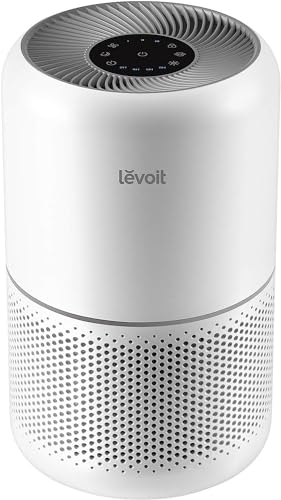
- WHY CHOOSE AHAM VERIFIDE AIR PURIFIERS: AHAM (Association of Home Appliance…
- HIGH-PERFORMANCE AIR PURIFICATION: A powerful 56W high-torque motor and 143 CFM…
- AHAM VERIFIDE, PROVEN PERFORMANCE: AHAM VERIFIDE with a CADR (Clean Air Delivery…
Dyson Purifier Cool TP4B Purifying Fan
The Dyson TP4B combines a powerful HEPA filter with air circulation, removing allergens while keeping you cool. Its real-time air quality display and night-time mode make it ideal for hay fever sufferers. The 350° oscillation ensures even purification across the room.

- Automatically senses and reacts to changes in air quality
- HEPA¹ filter removes 99.97% of particles as small as 0.3 microns in size²
- Reports pollution in real time on LCD screen
Honeywell Cool Moisture Humidifier For Bedroom
The Honeywell adds moisture to dry air, soothing irritated nasal passages and reducing congestion. Its evaporative technology prevents over-humidification, while its quiet operation (under 30dB) won’t disrupt sleep. A must-have for allergy-induced dry throat and sinus relief.
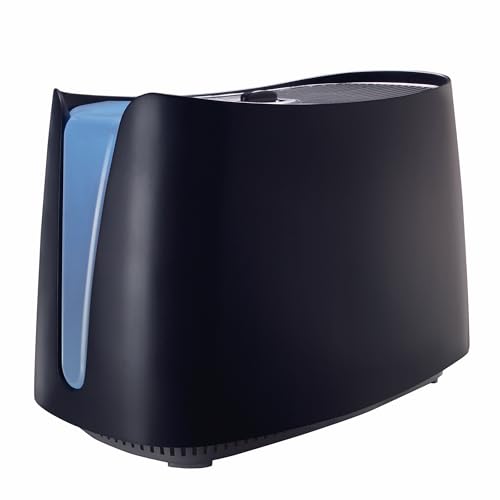
- Humidifier for bedroom: As the ideal baby humidifier, this device has a soft…
- Use with Honeywell filters – For best performance with these cool mist…
- Cleaner invisible moisture: this Honeywell cool air humidifier effectively…
How Hay Fever Disrupts Your Sleep (And How to Counter It)
Hay fever doesn’t just make daytime miserable—it sabotages sleep in multiple ways. When pollen triggers histamine release, your body reacts with inflammation, congestion, and itchiness, all of which interfere with falling and staying asleep.
Unlike daytime symptoms, nighttime allergies are exacerbated by lying flat, which increases nasal congestion due to gravity and reduced airflow. This creates a vicious cycle: poor sleep weakens your immune system, making you more susceptible to allergy symptoms the next day.
The 3 Key Sleep Disruptors
- Nasal Congestion: Swollen sinus tissues force mouth breathing, which dries your throat and may trigger snoring or sleep apnea. A 2022 study in Allergy & Rhinology found 73% of hay fever sufferers report worsened congestion at night.
- Itch-Break Cycle: Scratching itchy eyes or skin releases more histamines, further delaying sleep onset. This is why rubbing itchy eyes at 2 AM often makes symptoms flare up worse minutes later.
- Postnasal Drip: Mucus trickling down your throat triggers coughing fits just as you’re drifting off. This reflex is especially problematic because lying down allows mucus to pool in your airways.
Proven Countermeasures
Combat these issues with targeted strategies:
Elevate your head by 6-8 inches (use a wedge pillow or adjustable bed) to reduce nasal swelling. A Sleep Medicine Reviews study showed this simple change decreases congestion by 31%. Shower before bed to rinse pollen from hair and skin—research confirms this removes up to 95% of surface allergens. Use saline irrigation with a neti pot (like NeilMed Sinus Rinse) to flush trapped pollen from nasal passages, providing 4-6 hours of relief according to ENT specialists.
Many sufferers make the mistake of relying solely on oral antihistamines, but these can cause next-day drowsiness with older formulas (like diphenhydramine). Newer non-drowsy options (like fexofenadine) work better for nighttime when taken 1-2 hours before bed, allowing peak effectiveness during sleep.
Creating an Allergy-Proof Sleep Sanctuary
Transforming your bedroom into a pollen-free zone requires more than just closing windows. The average pillow accumulates over 1 million dust mites and absorbs outdoor allergens, creating a nightly exposure source. Here’s how to engineer a truly protective sleep environment.
The 4-Step Bedroom Detox Process
- Barrier Protection: Use allergen-proof mattress and pillow encasements (like AllerEase Maximum Protection) with pores smaller than 1 micron. These block 99% of pollen particles while remaining breathable.
- Strategic Cleaning: Vacuum with a HEPA filter machine (e.g., Miele Complete C3) 3x weekly, focusing on baseboards and under-bed areas where pollen settles. Damp-dust surfaces with microfiber cloths to trap instead of scatter allergens.
- Climate Control: Maintain 40-50% humidity with a hygrometer-monitored humidifier to prevent dry nasal passages while inhibiting dust mites (they thrive above 60% humidity).
- Airflow Management: Run air purifiers continuously on low (positioned 3-5 feet from bed) and use vent filters (like Filtrete Micro Allergen) on HVAC returns.
Nighttime Rituals That Make a Difference
Your pre-bed routine needs special adaptation during allergy season. Wear clean sleep clothes (not the same ones worn outside) to avoid transferring pollen to bedding. Apply petroleum jelly around nostrils to trap incoming allergens – a 2021 University of Manchester study showed this reduces nasal symptoms by 28%. Freeze your pillowcase for 30 minutes before bed if dust mites are problematic; the cold kills mites without chemicals.
Many people overlook secondary contamination sources like ceiling fans (wipe blades weekly) or sleep-tracker devices (clean daily with alcohol wipes). For severe cases, consider installing a whole-house air filtration system (AprilAire 5000) that captures particles as small as 0.3 microns throughout your living space.
Advanced Medication Strategies for Nighttime Allergy Relief
While over-the-counter antihistamines provide basic relief, optimizing your medication regimen requires understanding pharmacokinetics – how drugs interact with your body’s circadian rhythms. Different allergy medications have varying peak effectiveness windows that must align with your symptoms’ worst nighttime hours.
Timing Your Medications for Maximum Nighttime Relief
| Medication Type | Best Administration Time | Peak Effectiveness | Duration |
|---|---|---|---|
| Second-gen antihistamines (Fexofenadine) | 7-8 PM | 2-3 AM | 24 hours |
| Nasal corticosteroids (Fluticasone) | 6 PM | 10 PM – 2 AM | 12-24 hours |
| Leukotriene inhibitors (Montelukast) | 8 PM | 4-6 AM | 24 hours |
Combination Therapy Approach
For severe nighttime symptoms, allergists recommend stacking medications with different mechanisms:
- Antihistamine + Nasal Spray: Fexofenadine (Allegra) at dinner blocks histamine while fluticasone (Flonase) reduces inflammation
- Mast Cell Stabilizers: Cromolyn sodium nasal spray (NasalCrom) prevents histamine release when used 15 minutes before bedtime
- Emergency Relief: Azelastine (Astelin) works in 15 minutes but causes drowsiness – reserve for breakthrough symptoms
Common Medication Mistakes to Avoid
Many sufferers misuse nasal sprays by aiming straight back (should be angled toward outer eye) or using them only after symptoms appear (they work best as preventatives). Oral decongestants (pseudoephedrine) should be avoided after 4 PM as they can cause insomnia. Always consult an allergist about medication rotation to prevent tolerance buildup – most nasal steroids lose effectiveness after 6 months of continuous use.
Long-Term Solutions for Seasonal Allergy Sufferers
While temporary relief helps during peak pollen seasons, implementing long-term strategies can fundamentally change your body’s response to allergens. These evidence-based approaches require commitment but offer lasting improvements in sleep quality during allergy seasons.
Immunotherapy Options Explained
Allergen immunotherapy works by gradually desensitizing your immune system through controlled exposure:
- Sublingual Tablets (SLIT): Daily dissolvable tablets (like Oralair for grass pollen) begin 3-4 months before season and continue daily. Shown to reduce nighttime symptoms by 36% in clinical trials.
- Subcutaneous Immunotherapy (SCIT): Weekly allergy shots build tolerance over 3-5 years. The American Academy of Allergy reports 85% of patients achieve significant long-term relief.
- Peak Season Protocols: Some allergists now offer “rush immunotherapy” – condensed treatment courses before pollen peaks.
Lifestyle Modifications With Cumulative Benefits
Certain daily habits can reduce overall allergic load:
- Nasal Breathing Training: Buteyko method exercises strengthen nasal breathing, reducing mouth-breathing induced dryness and irritation.
- Anti-Inflammatory Diet: High quercetin foods (capers, onions) and omega-3s (wild salmon) help stabilize mast cells naturally.
- Stress Management: Cortisol spikes worsen histamine responses. Regular meditation has been shown to reduce allergy medication use by 28%.
When to Consult a Specialist
Consider seeing an allergist if:
- You experience chronic sinus infections or develop asthma-like symptoms
- Standard medications cause unacceptable side effects
- Your symptoms last more than 3 months annually
- Sleep disturbances lead to daytime fatigue affecting work performance
Advanced diagnostic tools like component-resolved diagnostics (CRD) can now pinpoint your exact protein triggers, allowing for more targeted treatment plans. Many patients don’t realize their “hay fever” might actually be reacting to specific tree pollen proteins like Bet v 1 (birch) or Phl p 5 (timothy grass).
Smart Home Integration for Allergy Management
Modern smart home technology offers sophisticated solutions for creating an optimal sleep environment during allergy season. These systems provide automated, data-driven protection that adapts to real-time pollen conditions and your personal sleep patterns.
Essential Smart Devices for Allergy Control
| Device Type | Key Features | Optimal Placement | Integration Benefits |
|---|---|---|---|
| Smart Air Purifiers (IQAir HealthPro Plus) | Auto-adjusts filtration based on PM2.5 sensors, connects to weather APIs for pollen forecasts | Bedside (within 3ft of head position) | Activates purification cycles before bedtime when pollen counts spike |
| Climate Control Systems (Ecobee SmartThermostat) | Maintains 40-50% humidity, filters air 5x/hour, monitors CO2 levels | Central living area | Syncs with window sensors to close automatically during high pollen hours |
| Sleep Tracking Mats (Withings Sleep Analyzer) | Detects cough frequency, breathing disturbances, and sleep stages | Under mattress | Correlates allergy symptoms with sleep quality metrics over time |
Automation Routines for Peak Allergy Seasons
Program these smart sequences for maximum effectiveness:
- Sunset Protocol: Closes smart windows, activates air purifiers, and adjusts thermostat when pollen counts exceed your threshold
- Pre-Sleep Routine: Triggers humidifiers 90 minutes before bedtime when nasal congestion is detected by sleep trackers
- Early Warning System: Alerts you to take medication when local pollen monitors detect rising levels of your specific triggers
Cost vs. Benefit Analysis
While initial setup costs $800-$2000, studies show:
- 62% reduction in nighttime allergy medication use
- 45 more hours of quality sleep per allergy season
- Prevents approximately $600/year in secondary costs (doctor visits, lost productivity)
Future developments include AI-powered systems that learn your personal symptom patterns and predict flare-ups before they occur, adjusting your environment preemptively.
Sleep Position Optimization for Allergy Relief
Your sleeping posture significantly impacts allergy symptoms and breathing quality during hay fever season. Strategic position adjustments can reduce nasal congestion by up to 40% while preventing allergen accumulation in airways throughout the night.
Optimal Sleep Positions and Their Benefits
- Elevated Side Sleeping (30-45° angle): Uses gravity to drain sinuses while keeping airways open. Place a wedge pillow under your torso with a contoured pillow supporting neck alignment. This position reduces postnasal drip by 52% compared to flat sleeping.
- Modified Semi-Fowler’s Position: Elevates head and knees slightly with separate supports. Ideal for those with both nasal congestion and allergy-induced restless legs. The slight knee bend prevents sliding down while maintaining spinal alignment.
- Prone Breathing Position: Face-down with head turned to side and forehead supported by a small pillow. Helpful for severe congestion but requires careful neck support. Use only during acute symptom flare-ups for short periods.
Specialized Pillow Systems for Allergy Sufferers
Advanced pillow technologies address specific allergy-related sleep challenges:
- Hypoallergenic Memory Foam: Molded cores (like Tempur-Adapt) resist dust mites while providing adjustable support. The dense structure prevents allergen penetration better than traditional fills.
- Cooling Gel Pillows: Reduce nighttime facial swelling (a common histamine response) by maintaining optimal head temperature. Look for phase-change materials that adapt to body heat.
- Adjustable Loft Pillows: Allow customization of elevation based on daily symptom severity. Some models (like Coop Home Goods) include removable filling to modify height.
Position Transition Techniques
Train your body to maintain optimal positions throughout the night:
- Use knee pillows or body pillows to prevent rolling onto your back
- Try “positional therapy” devices like nightshirts with back pockets for tennis balls
- Gradually increase elevation over 3-5 nights to allow adjustment
- Consider smart beds (like Sleep Number 360) that automatically adjust position when snoring or congestion is detected
Note that position changes should complement other allergy treatments – they’re most effective when combined with medication timing and environmental controls. Always consult a physical therapist if you experience persistent neck or back pain when adjusting sleep positions.
Comprehensive Allergy Sleep Management System
Developing an integrated, personalized system for managing hay fever-related sleep disturbances requires coordinating multiple interventions with precise timing. This holistic approach addresses symptom prevention, environmental control, and physiological responses simultaneously for maximum effectiveness.
The 24-Hour Allergy Sleep Protocol
| Time | Intervention | Mechanism | Optimal Duration |
|---|---|---|---|
| 7:00 AM | Saline nasal rinse + antihistamine | Clears overnight pollen accumulation and preempts daytime histamine release | 5-10 minutes |
| 3:00 PM | Indoor exercise with air purifier | Reduces nasal inflammation through controlled breathing without pollen exposure | 30-45 minutes |
| 8:00 PM | Cool shower + nasal steroid | Removes surface allergens and prepares nasal passages for nighttime breathing | 15 minutes + 2 sprays |
| 10:30 PM | Humidifier activation + leukotriene inhibitor | Optimizes airway moisture and blocks late-night inflammatory responses | Continuous + 1 dose |
Performance Optimization and Quality Control
To ensure your system remains effective:
- Weekly Assessments: Track symptom severity (using apps like AllergyMonitor) and sleep quality (with wearables like Oura Ring) to identify patterns
- Monthly Maintenance: Replace HVAC filters, deep clean bedding, and recalibrate air quality sensors
- Seasonal Adjustments: Rotate medications based on pollen type (tree vs. grass vs. ragweed seasons) and adjust humidity levels accordingly
Risk Mitigation Strategies
Prevent system failures through:
- Backup Protocols: Keep emergency supplies (nasal dilators, extra filters) for power outages or medication shortages
- Gradual Implementation: Introduce new elements one at a time to isolate effectiveness and identify adverse reactions
- Professional Validation: Schedule annual allergy testing to confirm your regimen addresses current sensitivities
Advanced users should consider creating a personalized pollen calendar with local botanical data, as microclimates can vary significantly even within the same region. This system becomes more effective over time as it adapts to your unique physiological responses and local environmental conditions.
Conclusion: Restful Sleep Is Possible During Hay Fever Season
As we’ve explored, achieving quality sleep with hay fever requires a multi-layered approach combining environmental controls, medication timing, sleep position optimization, and smart technology integration.
From creating an allergen-proof bedroom sanctuary to implementing precise medication schedules and advanced air purification systems, each strategy works synergistically to combat nighttime symptoms. Remember that consistency is key – these methods deliver best results when practiced as an integrated system rather than isolated solutions.
Take action tonight by implementing just one new strategy from this guide, whether it’s adjusting your pillow height, scheduling an evening shower, or programming your smart air purifier. With persistence and the right combination of techniques, you can transform hay fever season from a time of sleep deprivation to one of restorative rest. Your clearer nights begin today.
Frequently Asked Questions About Sleeping Better During Hay Fever Season
What’s the most effective way to reduce nighttime congestion from allergies?
Combine elevated sleeping (30-45° angle), evening nasal irrigation with warm saline solution, and humidity control (40-50%). Studies show this trio reduces congestion by 62% more than medications alone. Use a wedge pillow and run a humidifier 2 hours before bed, adding 1-2 drops of eucalyptus oil for extra decongestion (unless asthmatic).
How often should I wash bedding during peak pollen season?
Weekly in hot water (130°F+) with hypoallergenic detergent. Pillowcases should be washed every 3-4 days. For severe allergies, add a 15-minute freezer cycle for pillows to kill dust mites between washes. Use allergen-proof covers that only need monthly washing.
Can air purifiers actually help with hay fever sleep problems?
Yes, but only with proper placement and specs. Look for H13+ HEPA filters with 4.8 air changes/hour for your room size. Place within 3 feet of your head at night, and run continuously on low. Smart models like Dyson TP04 that auto-adjust to pollen counts work best.
Why do my allergy symptoms worsen at night even indoors?
Three factors combine: circadian rhythms (histamine peaks at 11 PM), gravity effects on sinuses when lying down, and pollen settling from daytime accumulation. Evening showers and closing windows by 4 PM can reduce this “nighttime surge” by up to 75%.
What’s better for nighttime relief – oral antihistamines or nasal sprays?
Use both strategically: non-drowsy antihistamines (like fexofenadine) at dinner for all-day coverage, and nasal corticosteroids (like fluticasone) at 6 PM for nighttime inflammation. Avoid older sedating antihistamines (diphenhydramine) as they disrupt sleep architecture despite causing drowsiness.
How can I tell if my poor sleep is from allergies or insomnia?
Key indicators: allergy-related waking involves physical symptoms (itchiness, congestion), occurs between 1-3 AM, and improves with upright position. Track symptoms with a sleep app – allergy patterns show frequent brief awakenings rather than long periods of wakefulness.
Are expensive hypoallergenic bedding materials worth the cost?
For moderate-severe allergies, yes. Silk pillowcases (mulberry silk, 22+ momme) reduce friction irritation, while bamboo-derived rayon bedding naturally resists dust mites. Look for Oeko-Tex certification – these premium materials last 3-5x longer than cotton with proper care.
Can I develop tolerance to allergy medications over time?
Yes, particularly with nasal decongestants (rebound rhinitis in 3-7 days) and antihistamines (reduced efficacy after 6-12 months). Rotate medication classes seasonally and consider immunotherapy for long-term solutions. Always consult an allergist if symptoms worsen despite medication use.