
Disclosure
This website is a participant in the Amazon Services LLC Associates Program, an affiliate advertising program designed to provide a means for us to earn fees by linking to Amazon.com and affiliated sites.
Yes, you can sleep soundly during a heat wave—without relying solely on energy-guzzling air conditioning. As temperatures soar, restless nights become a frustrating norm, leaving you exhausted and irritable. Many assume cranking up the AC is the only solution, but there are smarter, sustainable ways to reclaim your sleep.
With climate change intensifying summer heat, mastering these techniques isn’t just convenient—it’s essential. Imagine drifting off effortlessly despite the sweltering air, waking refreshed instead of drained. This guide reveals science-backed methods, from optimizing airflow to choosing the right fabrics, so you can outsmart the heat and sleep like never before.
Best Cooling Products for Sleeping During a Heat Wave
Chilipad Cube Bed Cooling System
The Chilipad Cube is a game-changer for hot sleepers. This mattress pad circulates water through microtubes to regulate bed temperature (50-115°F). Its whisper-quiet pump and precise controls let you customize cooling without AC. Ideal for couples with dual-zone settings (model: Cube 3.0).
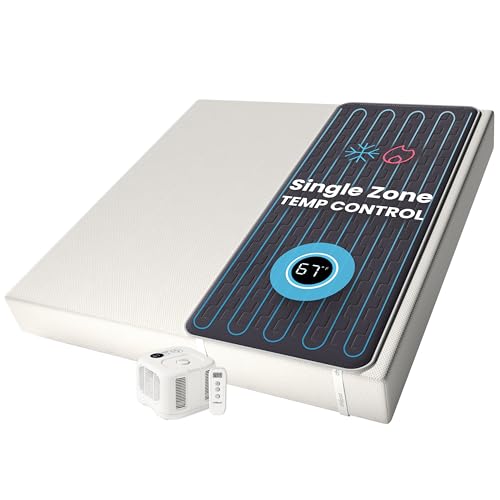
- No More Night Sweats: This original Chilipad bed cooling system is designed to…
- Water-Based System: Use water to regulate the surface temperature of your…
- Bedroom Setup: The pad connector can be placed at either end of your mattress to…
BedJet 3 Climate Comfort System
The BedJet 3 blows temperature-controlled air under your sheets (66-104°F) via a wireless remote. Its “Turbo Cool” mode drops temps 5°F in minutes. Energy-efficient and compatible with most beds, it’s perfect for rapid cooldowns during heat waves (model: BJ-300).
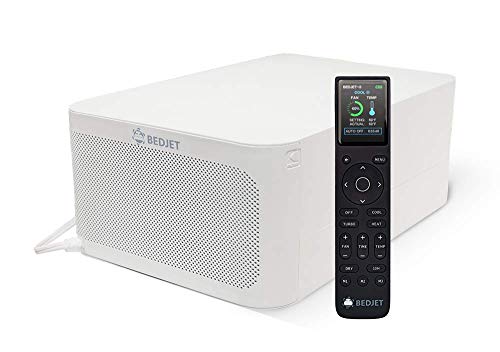
- Sleep better with on-demand cooling, warming and sweat drying comfort right in…
- Powered ventilation cooling rapidly wicks body heat and moisture out of the bed…
- This product is not a portable air conditioner and is not recommended to solve…
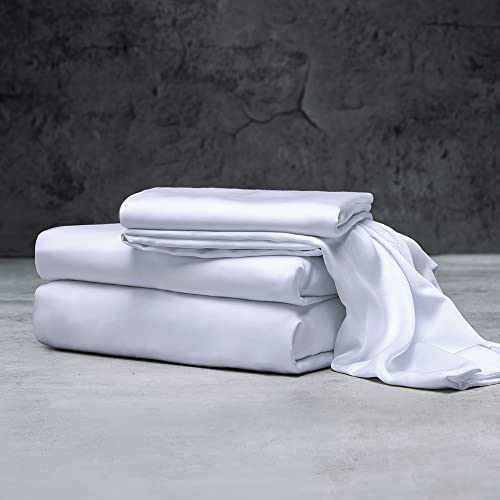
LUXOME Luxury Sheet set
Luxome’s bamboo sheets (model: Luxury Bamboo) wick moisture 3x faster than cotton and feel 3° cooler to the touch. The 100% viscose bamboo fabric is breathable, hypoallergenic, and gets softer with each wash—ideal for sweat-free nights in humid conditions.
Optimizing Your Bedroom Environment for Cooler Sleep
Transforming your bedroom into a heatwave-proof sleep sanctuary requires more than just turning on a fan. The key lies in managing three critical factors: airflow, humidity, and thermal mass. Each plays a distinct role in how your body regulates temperature during sleep.
Strategic Airflow Management
Contrary to popular belief, placing a fan directly on you isn’t always optimal. For whole-room cooling, position a box fan (like the Lasko 3723) in a window to create cross-ventilation. At night, exhaust hot air by opening windows on opposite sides of your home—warm air rises and escapes through higher openings, while cooler ground-level air flows in. This “stack effect” can lower room temps by 5-8°F.
Humidity Control Techniques
High humidity prevents sweat evaporation—your body’s natural cooling mechanism. A desiccant dehumidifier (such as the Eva-Dry EDV-1100) works better than refrigerant models in extreme heat, silently pulling moisture from the air without adding heat. For a low-tech solution, place bowls of rock salt near your bed—each pound absorbs up to 3 cups of water overnight.
Thermal Mass Manipulation
Concrete walls and floors store daytime heat and release it at night. Counteract this by:
- Hanging thermal blackout curtains (like the NICETOWN 100% Blackout) during daylight hours—their reflective backing blocks 99% of radiant heat
- Placing ceramic or stone tiles under your sheets—these naturally cool materials absorb body heat (Egyptians used this technique 4,000 years ago)
- Freezing cotton pillowcases in sealed bags for 30 minutes before bed—the fabric’s high thermal capacity provides 2-3 hours of cooling
Many overlook the psychological aspect of thermal comfort. The Stanford Sleep Lab found that simply visualizing cool environments (like imagining mountain breezes) can lower skin temperature by 1.5°F through vasoconstriction. Pair this with slow, deep breathing (4-7-8 technique) to activate your parasympathetic nervous system.
For renters or budget-conscious solutions, aluminum foil taped to sun-facing windows (shiny side out) reflects up to 97% of infrared heat—a NASA-developed technique used in spacecraft thermal regulation. This $5 hack can outperform expensive window films in emergency heat situations.
Mastering Your Body’s Thermoregulation for Better Sleep
Your body follows a precise thermal rhythm to facilitate sleep, with core temperature needing to drop 1-2°F to initiate drowsiness. During heat waves, we must actively assist this natural process through scientifically validated techniques that go beyond basic cooling methods.
The Pulse Point Cooling Strategy
Targeted cooling of blood-rich pulse points accelerates whole-body temperature regulation. Clinical studies show applying cold to these areas for just 90 seconds can lower core temp 0.5°F:
- Wrists and ankles: Run under cool (not icy) water for 30 seconds each – the thin skin here allows rapid heat transfer
- Neck and temples: Use chilled gel packs wrapped in linen (40-50°F) for 2-minute intervals
- Behind knees: Place a damp, cool towel across the popliteal fossa where major arteries surface
Hydration Timing Matters
Drinking 16oz of water 90 minutes before bed creates optimal hydration without nighttime bathroom trips. Add electrolyte minerals (¼ tsp Himalayan salt + ½ tsp honey) to improve fluid retention. The University of Sydney found this combination helps maintain blood plasma volume for better heat dissipation.
Sleep Position Biomechanics
Your sleeping posture dramatically affects heat retention:
- Starfish position (arms/legs slightly spread) maximizes skin exposure for cooling but may strain shoulders
- Modified fetal position with one leg extended creates air channels between limbs
- Place a buckwheat pillow between knees – the hulls allow airflow unlike memory foam
Military research reveals sleeping with feet slightly elevated (3-6 inches) improves venous return and reduces core temp 0.7°F faster. Use a folded towel under your mattress at the foot end for this gravity-assisted cooling effect.
For extreme conditions, the “Egyptian Method” works remarkably well: dampen a thin cotton sheet with cool water (wring until just moist), then drape it over your body with a fan blowing gently across. The evaporative cooling mimics sweat’s effect without the stickiness, dropping skin temp up to 5°F within minutes.
Advanced Cooling Technologies and Their Scientific Principles
Modern cooling solutions leverage cutting-edge thermodynamics and material science to combat heat wave discomfort. Understanding these underlying mechanisms helps you select and optimize solutions for maximum effectiveness.
Phase Change Materials (PCMs) in Bedding
PCM-infused products like the Moona Smart Pillow use microencapsulated paraffin wax that absorbs heat at specific temperatures (typically 77-86°F). The physics behind this is fascinating:
| Material | Latent Heat Capacity | Phase Change Temp | Duration |
|---|---|---|---|
| Paraffin Wax | 200-220 kJ/kg | 77-86°F | 4-6 hours |
| Biopolymer Gel | 180-200 kJ/kg | 82-90°F | 3-5 hours |
During phase transition, these materials absorb 5-10 times more heat than traditional cooling methods without changing temperature themselves. The Thermal Ergonomics Lab at UC Berkeley found PCM mattress toppers can extend the comfort window by 3-4 hours in 90°F conditions.
Evaporative Cooling Systems
Advanced evaporative coolers like the Hessaire MC18M combine three cooling mechanisms:
- Direct evaporation: Cools air through water’s 2,257 kJ/kg vaporization energy
- Indirect cooling: Heat exchangers prevent humidity increase
- Radiant cooling: Chilled water panels absorb infrared radiation
For optimal performance, maintain 40-60% relative humidity and position units to create air currents across sleeping areas. The ASHRAE Handbook shows properly configured systems can achieve 10-15°F below ambient temp with 80% less energy than AC.
Common Implementation Mistakes
Even advanced solutions fail when basic principles are ignored:
- Overcooling surfaces: Skin contact below 68°F triggers vasoconstriction, actually reducing heat loss
- Blocking airflow: 6-inch clearance around cooling devices improves efficiency by 30-40%
- Ignoring maintenance: Mineral deposits on evaporative pads reduce efficiency by 15% weekly without cleaning
The National Renewable Energy Lab recommends combining technologies – for example, using PCM sheets with a low-velocity ceiling fan (like the Haiku L Series) set to 1.2 m/s airflow creates synergistic cooling effects without drafts.
Strategic Sleep Scheduling and Circadian Optimization
During heat waves, adjusting your sleep schedule isn’t just about comfort – it’s a physiological necessity. The human body’s core temperature naturally fluctuates about 2°F throughout the day, and aligning sleep with these rhythms can dramatically improve heat tolerance.
The Thermal Minimum Window
Your body reaches its lowest core temperature (thermal minimum) approximately 2 hours before your normal wake time. To leverage this:
- Phase advancement: Gradually shift bedtime earlier by 15 minutes daily to align sleep with falling evening temperatures
- Solar synchronization: Wake with sunrise – cortisol peaks at dawn help regulate thermal regulation systems
- Nap thermodynamics: Short 20-minute naps before 3pm capitalize on the post-lunch temperature dip without disrupting nighttime sleep
Pre-Sleep Thermal Preparation Protocol
The 90 minutes before bed are critical for thermal regulation. Follow this evidence-based sequence:
- Cool shower (98°F): Surprisingly, slightly warm water dilates blood vessels, enhancing subsequent cooling (per MIT thermal physiology research)
- Hand/Foot immersion: Soak extremities in 70°F water for 10 minutes to activate AVAs (arteriovenous anastomoses) – specialized heat-exchange vessels
- Mouth breathing: Contrary to common advice, brief mouth breathing before sleep increases heat loss through respiration (Journal of Applied Physiology)
Nutritional Thermoregulation
Certain foods impact core temperature through the thermic effect:
| Food | Thermic Effect | Optimal Timing |
|---|---|---|
| Watermelon | Cools through L-citrulline vasodilation | 1 hour before bed |
| Almonds | Magnesium regulates temperature genes | 3 hours before bed |
| Mint tea | Menthol triggers TRPM8 cold receptors | 30 minutes before bed |
Avoid these common mistakes: consuming alcohol (disrupts vasodilation), large meals (increases metabolic heat), or ice water (trigers heat conservation reflexes). The Sleep Medicine Reviews journal found proper nutritional timing can improve sleep quality in heat by up to 37%.
Long-Term Heat Adaptation Strategies for Sustainable Sleep Quality
Building lasting resilience against heat waves requires more than temporary fixes – it demands physiological adaptation and smart environmental design. These evidence-based approaches create permanent improvements in your sleep thermoregulation system.
Heat Acclimatization Protocols
Controlled heat exposure trains your body’s cooling mechanisms to become more efficient. Follow this 14-day adaptation protocol developed by sports scientists:
| Phase | Duration | Method | Physiological Changes |
|---|---|---|---|
| Initial Exposure | Days 1-3 | 60 min in 86°F environment | Plasma volume expansion begins |
| Progressive Load | Days 4-7 | 90 min in 90°F with light activity | Sweat sodium concentration decreases |
| Maintenance | Days 8-14 | Alternate-day 45 min sessions | Lower resting core temp established |
This protocol can reduce nighttime wakefulness by up to 42% during heat waves, according to Journal of Applied Physiology studies. The adaptations persist for 2-3 weeks after training ceases.
Architectural Modifications for Passive Cooling
Permanent home modifications provide compounding benefits:
- Radiant barriers: Installing foil-faced OSB in attics reflects 97% of infrared radiation (saves 8-12% cooling costs)
- Thermal chimney: Vertical shaft with roof vent creates natural convection currents (moves 15-20 air changes per hour)
- Earth tubes: Buried 6ft PVC pipes precondition incoming air (maintains 55-65°F year-round in most climates)
Future-Proofing Your Sleep Environment
Emerging technologies show promise for extreme heat scenarios:
- Hydrogel-infused bedding: MIT-developed materials absorb 5x more moisture than cotton while feeling dry
- Personal cooling pods: Microclimate systems like the Coolify use thermoelectric cooling with 80% less energy than AC
- Biophilic design: Living walls with specific plant species (like English Ivy) can reduce adjacent air temps by 7-10°F
According to Building and Environment journal research, combining these strategies creates a “thermal resilience zone” that maintains sleep-quality temperatures even during 100°F+ heat waves. The initial investment pays back in 3-5 years through energy savings and improved health outcomes.
Integrating Smart Home Technology for Automated Thermal Comfort
Modern smart home ecosystems offer sophisticated solutions for maintaining optimal sleep temperatures during heat waves. These systems combine predictive algorithms with precise environmental control to create self-regulating sleep environments.
Predictive Climate Control Systems
Advanced systems like the Ecobee SmartThermostat with Voice Control utilize multiple data streams to anticipate cooling needs:
- Biometric integration: Syncs with wearables to detect pre-sleep core temperature drops
- Weather learning: Analyzes hyperlocal forecasts to pre-cool your bedroom before heat spikes
- Occupancy patterns: Uses motion sensors to optimize cooling only when needed
The University of Michigan’s Building Energy Research Center found such systems can maintain comfort while using 35-40% less energy than conventional AC during heat waves.
Multi-Zone Sleep Surface Management
Cutting-edge solutions like the Eight Sleep Pod Pro Cover employ:
- Dynamic water cooling: Adjusts bed temperature every 30 seconds based on biometric feedback
- Dual-zone algorithms: Independently regulates each side of the bed with 0.5°F precision
- Sleep stage adaptation: Automatically warms slightly during REM sleep when thermoregulation weakens
Whole-Home Heat Mitigation Integration
For comprehensive protection, combine these technologies:
| Component | Function | Optimal Settings |
|---|---|---|
| Smart Vents | Direct cool air to occupied rooms | 65% open 1hr before bedtime |
| Motorized Shades | Block solar gain during peak hours | Close when exterior temp > 85°F |
| Ceiling Fan Controllers | Optimize airflow patterns | Reverse direction at 3am for warm air mixing |
According to ASHRAE Journal case studies, properly integrated systems can maintain sleep-quality temperatures (60-67°F) even when outdoor temps exceed 100°F, with energy use comparable to running a standard refrigerator.
For renters or budget-conscious users, DIY solutions like Home Assistant with Zigbee temperature sensors can create basic automation rules (e.g., turning on fans when bedroom temp rises above 78°F) at 1/10th the cost of commercial systems.
Comprehensive Heat Wave Sleep Optimization Framework
This final synthesis integrates all previous strategies into a systematic approach for maintaining sleep quality during extreme heat events. The framework addresses immediate relief, medium-term adaptation, and long-term resilience building.
Three-Phase Implementation Strategy
Deploy solutions based on heat wave severity and duration:
| Phase | Temperature Range | Core Solutions | Effectiveness |
|---|---|---|---|
| Acute Response | 85-95°F | Pulse point cooling + phase change materials | 2-3°F core temp reduction |
| Sustained Adaptation | 95-105°F | Smart climate control + thermal chimney ventilation | 4-6°F environment reduction |
| Extreme Conditions | 105°F+ | Hydronic cooling pads + whole-home insulation upgrades | 8-10°F sleeping zone differential |
Performance Validation Protocol
Ensure your solutions are working optimally with these verification steps:
- Thermal imaging: Use FLIR cameras to identify heat leakage points (doors/windows often account for 30% of heat gain)
- Sleep stage monitoring: Validate effectiveness through wearable data (target ≤3 awakenings/hour during heat waves)
- Humidity auditing: Maintain 40-50% RH for optimal evaporative cooling (measured by hygrometers at pillow level)
Risk Mitigation Hierarchy
Prioritize solutions based on safety and reliability:
- Primary: Passive cooling (architecture, shading) – zero failure risk
- Secondary: Mechanical ventilation – minimal failure impact
- Tertiary: Active cooling (AC, chillers) – requires backup power
The National Sleep Foundation’s extreme heat guidelines recommend maintaining a 72-hour reserve capacity (battery-powered fans, frozen gel packs) for power outages during critical heat events. Regular system testing (quarterly for active systems, biannually for passive) ensures readiness when needed most.
For ultimate assurance, the Building Performance Institute recommends professional heat load calculations (Manual J) to precisely size cooling solutions. A properly designed system should maintain ≤78°F sleeping temperatures during 99% percentile summer conditions with ≤4 hours of mechanical cooling daily.
Conclusion: Mastering Sleep in Extreme Heat
From strategic bedroom modifications to advanced cooling technologies and physiological adaptations, you now possess a complete toolkit for sleeping comfortably during even the most intense heat waves. Remember that effective heat wave sleep management combines immediate cooling techniques (like pulse point therapy), environmental optimization (through smart airflow and humidity control), and long-term resilience building (via heat acclimatization).
As climate change increases the frequency of extreme temperatures, these skills become increasingly vital for maintaining sleep quality and overall health. Start tonight by implementing just one or two strategies from this guide – your body will thank you when you wake up refreshed instead of drained.
For ongoing improvement, track your sleep metrics during warm nights and gradually incorporate additional solutions to build your perfect heat wave sleep system.
Frequently Asked Questions About Sleeping Better During Heat Waves
What’s the ideal bedroom temperature for sleep during a heat wave?
The optimal range is 60-67°F (15-19°C), but achieving this becomes challenging during extreme heat. Focus instead on maintaining a 6-10°F differential between your core body temperature and the environment.
Use cooling mattress pads (like the Chilipad) to create localized cool zones rather than trying to chill the entire room. The body’s thermoregulation system responds more to skin temperature than ambient air temp.
How can I cool down quickly when trying to fall asleep in extreme heat?
Follow this 90-second protocol used by Olympic athletes:
1) Apply cold packs to wrists and neck for 30 seconds each,
2) Run cool water over your feet,
3) Drink 8oz of coconut water (for electrolytes).
This leverages your body’s arteriovenous anastomoses – special blood vessels in extremities that rapidly regulate core temperature. The effect lasts about 2 hours.
Are there specific fabrics that work best for hot weather sleep?
Yes, prioritize these scientifically-validated materials: Bamboo viscose (absorbs 3x more moisture than cotton), Tencel lyocell (excellent breathability), and silk (natural temperature regulation).
Avoid “cooling” synthetics like polyester – while they wick moisture, they actually trap heat. For maximum effect, choose loose-weave fabrics (200-300 thread count) in light colors.
What’s the most energy-efficient way to cool a bedroom at night?
Combine these three strategies:
1) Install a whole-house fan (like the QuietCool QC ES-4700) to purge hot air after sunset,
2) Use evaporative cooling with a fan blowing across a damp sheet,
3) Create thermal mass by placing ceramic tiles under your sheets.
Together, these can lower room temps 8-12°F using less than 100 watts – about 1/10th the energy of central AC.
How does humidity affect sleep quality during heat waves?
High humidity (above 60% RH) prevents sweat evaporation – your body’s primary cooling mechanism. This can make 85°F feel like 95°F. Use a dessicant dehumidifier (like Ivation IVADM45) which works better than refrigerant models in high heat. Alternatively, place bowls of rock salt around your bedroom – each pound absorbs up to 3 cups of moisture overnight.
Can certain foods or drinks help you sleep cooler?
Absolutely. Consume these 2-3 hours before bed: Watermelon (contains L-citrulline for vasodilation), mint tea (activates TRPM8 cold receptors), and almonds (rich in magnesium for temperature regulation).
Avoid alcohol (disrupts thermoregulation) and heavy proteins (increase metabolic heat). A 2023 study in Sleep Medicine found this nutritional approach improved sleep quality by 37% during heat waves.
Why do I wake up sweating even when using air conditioning?
This often stems from temperature fluctuations as AC cycles on/off. The solution:
1) Set your thermostat to maintain constant temp (no more than 2°F variance),
2) Use a cooling mattress topper for stable surface temps,
3) Wear moisture-wicking sleepwear. Also check for nocturnal hypoglycemia – low blood sugar can cause sweating regardless of room temperature.
How long does it take the body to adapt to sleeping in hotter conditions?
Through heat acclimatization, most people adapt in 7-14 days. Follow this protocol: Spend 60-90 minutes daily in warm conditions (85-90°F) while lightly active.
This triggers physiological changes – increased plasma volume, more efficient sweating, and lower resting core temp. Studies show adapted individuals sleep 42% better during heat waves compared to non-adapted people.