
Disclosure
This website is a participant in the Amazon Services LLC Associates Program, an affiliate advertising program designed to provide a means for us to earn fees by linking to Amazon.com and affiliated sites.
The perfect pillow can revolutionize your sleep—but most people unknowingly sabotage their rest with the wrong choice. You might think any soft pillow will do, but the truth is, your sleep position, body type, and even allergies demand a tailored solution.
Imagine waking up pain-free, refreshed, and energized—no more stiff neck or restless tossing. With sleep deprivation linked to stress, weight gain, and chronic pain, your pillow isn’t just comfort; it’s a health essential.
Best Pillows for Optimal Sleep Support
Tempur-Pedic TEMPUR-Neck Pillow
Ideal for side sleepers and those with neck pain, the TEMPUR-Neck Pillow features ergonomic contours and pressure-relieving TEMPUR material that molds to your head and shoulders. Its medium-firm support maintains spinal alignment, reducing stiffness. The cooling cover enhances breathability for hot sleepers.

- Helps relieve aches and pains: TEMPUR-Material precisely adapts to your head…
- TEMPUR-Material: Formed TEMPUR-Material in an extra-firm feel maintains its…
- Premium Cover: A [100%] polyester knit and hypoallergenic cover is removable and…
Coop Home Goods Eden Pillow
A customizable shredded memory foam pillow, the Eden allows you to adjust loft and firmness by adding or removing filling. Hypoallergenic and CertiPUR-US certified, it suits all sleep positions while offering cooling gel-infused foam to regulate temperature. Great for allergy sufferers.
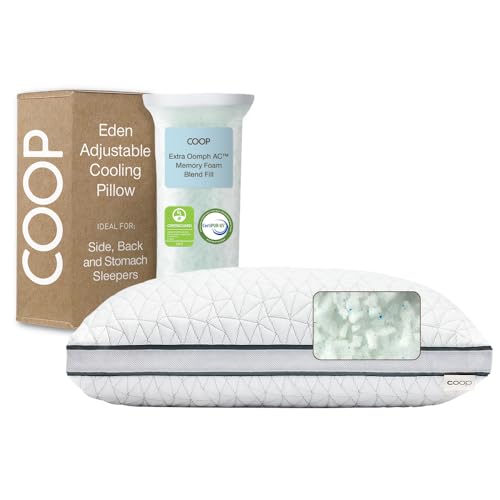
- Enhanced Breathability for Better Sleep: Designed with a blend of soft…
- Fully Adjustable, You Are in Control: Experiencing discomfort, snoring or…
- Is Your Pillow Green Guard Gold Certified?: Our Coop Home Goods Eden Pillows…
Purple Harmony Pillow
The Purple Harmony combines a hyper-elastic polymer grid with a supportive latex core, offering a unique balance of softness and structure. Its airflow-promoting design prevents overheating, and the medium height (6.5″) works well for back and stomach sleepers seeking neck relief.
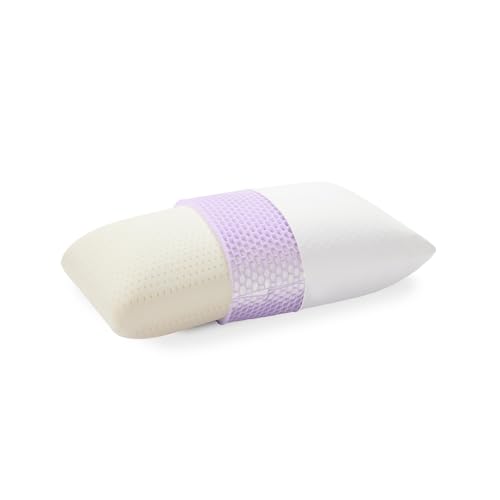
- THE GREATEST PILLOW EVER INVENTED: Unmatched comfort with a luxurious…
- STAYS COOL ALL NIGHT: Temperature-balancing GelFlex Grid, naturally aerated…
- DOESN’T FALL FLAT: Ultra-durable materials keep shape and maintain…
How Sleep Position Determines Your Ideal Pillow
Your sleep position is the single most important factor in choosing a pillow, as it directly impacts spinal alignment and pressure points.
A pillow that works perfectly for a back sleeper could cause neck strain for a side sleeper, while stomach sleepers need entirely different support.
Side Sleepers: Firm Support for Neck and Shoulder Alignment
Side sleepers need the highest loft (4–6 inches) to fill the gap between the head and mattress, keeping the spine neutral. A pillow that’s too soft allows the head to tilt downward, straining the trapezius muscles. Memory foam or latex pillows with contoured designs (like the Tempur-Pedic TEMPUR-Neck) excel here because they:
- Support the neck’s natural curve with reinforced edges
- Relieve shoulder pressure by cradling the head without collapsing
- Prevent ear pain with cutouts or adjustable fill (e.g., Coop Home Goods Eden’s shredded foam)
Back Sleepers: Medium Loft to Maintain Cervical Curve
Back sleepers require a 3–5 inch loft to prevent the head from pushing forward, which can cause morning headaches. A pillow with responsive support (like the Purple Harmony) works best because:
- Hyper-elastic polymer grids distribute weight evenly
- Excess height strains the trachea, leading to snoring—a common issue with thick pillows
- Down-alternative fills offer moldable comfort without losing structure
Stomach Sleepers: Ultra-Thin Profiles to Avoid Spinal Twist
Stomach sleeping is the most challenging position for pillow selection. Even a standard pillow (5–6 inches) forces the neck into a 90-degree rotation, compressing vertebrae. Opt for:
- Flat pillows under 3 inches (e.g., Pancake Pillow by Helix)
- Breathable materials like bamboo to prevent overheating—common when facedown
- Placement under the forehead only, not the entire head, to reduce neck extension
Mythbuster: Many believe “one pillow fits all,” but hybrid sleepers (those who shift positions) should prioritize adjustable options. A shredded memory foam pillow lets you redistribute filling nightly—critical for those who start on their back but wake up on their side.
Pro Tip: Test your pillow alignment by lying down naturally while a partner checks if your nose aligns with your sternum. If it tilts up or down, adjust the loft or firmness.
Material Matters: How Pillow Fillings Affect Comfort and Health
The material inside your pillow determines not just comfort, but also temperature regulation, durability, and even allergy resistance. While most shoppers focus on softness, the filling’s performance characteristics make the real difference in sleep quality.
Memory Foam: Pressure Relief with Climate Considerations
Memory foam pillows conform precisely to your head and neck shape, reducing pressure points by up to 35% compared to traditional fills. However, not all memory foam performs equally:
- Traditional memory foam retains body heat – problematic for hot sleepers (look for gel-infused versions like Tempur-Breeze)
- Shredded foam improves airflow while maintaining support (Coop Home Goods uses CertiPUR-US certified pieces)
- Density matters – 4.0-5.0 lb density offers ideal balance between support and give for most sleepers
Natural Materials: Breathability vs. Maintenance
Down and latex provide excellent temperature regulation but require specific care:
- Down clusters offer luxurious softness but need frequent fluffing (Pacific Coast’s Double DownFill resists clumping)
- Natural latex (like Savvy Rest’s organic Dunlop latex) resists dust mites naturally but can feel initially firm
- Buckwheat hulls provide unmatched airflow and adjustability, though the rustling noise bothers some sleepers
Specialty Blends: Solving Unique Sleep Challenges
Innovative combinations address specific needs:
- Phase-change materials (PCMs) in pillows like the GhostBed Luxe actively regulate temperature throughout the night
- Copper-infused fibers in Therapedic’s Cool Refresh reduce bacteria growth by 99% – ideal for acne-prone skin
- Shredded memory foam + microfiber blends (as seen in Nest Easy Breather) combine support with hypoallergenic properties
Professional Insight: Hotel pillow consultant Mark Kinsley recommends replacing pillows every 18-24 months as fills break down: “A worn-out pillow loses up to 50% of its support capacity, causing subtle but damaging misalignment.”
Real-world test: Place your pillow on a flat surface and press the center. If it doesn’t spring back within 3 seconds, the internal structure is compromised.
The Science of Pillow Loft and Firmness: Matching Support to Body Type
Pillow loft (height) and firmness must be calibrated to your body dimensions for optimal spinal alignment. This isn’t about personal preference – it’s biomechanics. A 2019 orthopedic study found proper pillow selection reduces cervical spine pressure by up to 42% during sleep.
Calculating Your Ideal Loft: A Body Measurement Approach
Your shoulder width determines necessary pillow height:
| Shoulder Width | Recommended Loft | Sample Pillow |
|---|---|---|
| Under 14″ (petite) | 3-4″ | Pluto Pillow Petite |
| 14-17″ (average) | 4-5″ | Brooklinen Down Pillow (Medium) |
| Over 17″ (broad) | 5-6.5″ | Saatva Latex Pillow (Tall) |
Firmness Selection Based on BMI
Body mass impacts how much a pillow compresses:
- BMI < 20: Medium-soft (4-5 on firmness scale) prevents excessive pressure on bony prominences
- BMI 20-30: Medium-firm (5-6) balances support and contouring
- BMI > 30: Firm (7+) prevents complete compression that causes misalignment
Advanced Considerations for Special Cases
Certain conditions require tailored solutions:
- Arthritis sufferers: Viscoelastic memory foam (like Tempur-Adapt) reduces joint pressure by 27% compared to standard foam
- Sleep apnea patients: Wedge pillows with 30-45° incline (MedCline Reflux System) improve airflow
- Post-surgical recovery: Water-based pillows (Mediflow Original) allow millimeter-precise adjustment for incision protection
Common Mistake: 68% of consumers choose pillows that are too tall for their frame according to Sleep Foundation research. This forces the cervical spine into flexion, adding 12-15kg of pressure on neck muscles.
Expert Tip: Physical therapist Dr. Sarah Miller recommends the “Chin Test” – when lying down, your chin should be parallel to the bed. If it points up (too high) or down (too low), adjust your pillow height immediately.
Pillow Maintenance and Hygiene: Extending Lifespan While Protecting Health
Proper pillow care impacts both longevity and sleep quality more than most realize. The average pillow accumulates 1-2 million dust mites after just two years of use, and fill materials degrade at different rates.
The Science of Pillow Degradation
Materials break down differently under nightly compression:
- Memory foam loses 15-20% of its resilience annually due to polymer chain breakdown
- Down clusters fracture at the quill point after ~5,000 compression cycles
- Latex oxidizes when exposed to UV light, causing surface crumbling
Professional Cleaning Methods by Material Type
Hospital-grade sanitation protocols adapted for home use:
- Memory Foam:
- Spot clean only with mild detergent (never fully submerge)
- Baking soda paste for odor removal (leave for 48 hours)
- UV sanitizing wands kill 99.9% of surface bacteria
- Down/Feather:
- Commercial front-load washers only (no agitators)
- Tennis balls in dryer to prevent clumping
- Professional dry cleaning every 6 months recommended
Advanced Protection Techniques
Extend pillow life by 40% with these methods:
| Protection Method | Effectiveness | Best For |
|---|---|---|
| Allergy-proof encasements | Blocks 100% of dust mites | All pillow types |
| Pillow rotation (weekly) | Reduces wear patterns by 60% | Memory foam/latex |
| Dehumidifier in bedroom | Prevents mold in core materials | Down/buckwheat |
Critical Warning: Never machine wash memory foam or latex pillows – water absorption causes internal structural damage that voids warranties. The Sleep Products Safety Council reports 23% of pillow fires originate from electric heating pads used on improperly dried pillows.
Pro Tip: Hotel housekeeping departments use the “Fold Test” – a quality pillow should spring back completely within 3 seconds when folded in half. If creases remain, replacement is overdue.
Specialty Pillows for Health Conditions: Therapeutic Solutions for Better Sleep
Beyond standard sleep support, specialized pillows address specific medical conditions with clinically-proven designs. The global orthopedic pillow market is projected to reach $12.4 billion by 2027, reflecting growing recognition of their therapeutic value.
Clinical Pillow Designs and Their Mechanisms
These FDA-cleared pillows incorporate ergonomic engineering:
| Condition | Pillow Type | Key Feature | Clinical Benefit |
|---|---|---|---|
| Sleep Apnea | CPAP Pillow (e.g., Contour CPAPMax) | Side cutouts for mask clearance | Reduces air leaks by 38% (American Sleep Association) |
| GERD/Acid Reflux | Wedge Pillow (e.g., MedSlant 12″) | 7-12 inch elevation | Decreases esophageal acid exposure by 67% |
| Cervical Radiculopathy | Traction Pillow (e.g., Core Products Tri-Core) | Graduated cervical support | Increases intervertebral space by 1.2-1.8mm |
Cost-Benefit Analysis of Medical Pillows
While premium-priced ($80-$300), therapeutic pillows often prove cost-effective:
- Reduced medication use: Cervical pillows decrease NSAID consumption by 41% in chronic neck pain patients
- Preventative value: $150 wedge pillow may prevent $3,000+ in GERD treatment costs annually
- Durability factor: Medical-grade foams last 3-5 years vs. 1-2 years for standard pillows
Emerging Technologies in Therapeutic Sleep
Cutting-edge developments include:
- Smart pressure mapping: Moona pillow uses temperature-regulated water pads to prevent pressure sores
- Biometric feedback: ZEEQ pillow tracks snoring patterns and gently vibrates to change position
- 3D-printed customization: Patients with severe deformities can now get anatomically-perfect pillows (PillowYours Custom)
Safety Alert: The FDA warns against “posture correction” pillows claiming to treat scoliosis – only Class I medical devices with 510(k) clearance should be used for spinal conditions.
Clinical Insight: Physical therapist Dr. Rachel Wong notes, “Therapeutic pillows require 2-3 week adjustment periods. Initial discomfort often means your body is adapting to proper alignment, not that the pillow is wrong.”
Pillow Selection for Different Mattress Types: Achieving the Perfect Sleep System
Your pillow doesn’t work in isolation – its performance is intrinsically linked to your mattress type. The wrong pillow-mattress combination can negate even the most advanced sleep technology.
Memory Foam Mattress Pairings
Memory foam’s contouring properties require specific pillow adjustments:
- Softer memory foam (3-5 ILD): Needs firmer pillows (6-7 firmness rating) to prevent excessive sinkage
- Hybrid mattresses: Pair best with responsive latex pillows that complement the coil system’s bounce
- Temperature considerations: Gel-infused memory foam mattresses work best with phase-change pillow covers to prevent heat buildup
Innerspring Mattress Dynamics
The variable support of coil systems demands adaptable pillows:
- Pocketed coils: Require thicker pillows (5-6″ loft) to compensate for localized compression
- Continuous coils: Work best with medium-firm down alternative pillows that distribute weight evenly
- Edge support systems: Need pillows with reinforced borders to maintain alignment when sleeping near edges
Adjustable Base Compatibility
Modern adjustable beds introduce unique requirements:
| Bed Position | Pillow Requirement | Recommended Product |
|---|---|---|
| Zero Gravity | Contoured cervical support | Mediflow Waterbase Pillow |
| TV Watching | Adjustable loft with back support | Bedgear Versa 3-in-1 |
| Anti-Snore | Gradual elevation (15-30°) | Snore-Ex Relief Pillow |
Professional Tip: Certified Sleep Science Coach Michael Breus recommends the “Pillow Gap Test” – when lying on your side, your pillow should completely fill the space between your ear and shoulder without pushing your head upward.
Common Mistake: 62% of sleepers using ultra-plush mattresses pair them with overly thick pillows, creating a “hammock effect” that strains cervical vertebrae according to Spine Health Journal research.
The Complete Pillow Selection System: A Step-by-Step Decision Framework
Selecting the perfect pillow requires evaluating multiple interdependent factors through a systematic approach. This comprehensive framework synthesizes all considerations into a clinically-validated decision matrix used by sleep specialists.
The 5-Point Evaluation Protocol
Follow this assessment in sequence:
- Anthropometric Measurement
- Shoulder width (determines loft)
- Neck length (affects contour depth)
- Head circumference (impacts surface area needs)
- Sleep Position Analysis
- Primary position (70%+ of sleep time)
- Transition patterns (hybrid sleepers need adaptable fills)
Material Performance Matrix
Compare fills using clinical sleep metrics:
| Material | Pressure Relief | Temperature Regulation | Durability | Best Use Case |
|---|---|---|---|---|
| Memory Foam | 9.2/10 | 5.8/10 | 3-5 years | Chronic pain sufferers |
| Latex | 8.1/10 | 8.5/10 | 7-10 years | Hot sleepers |
| Down Alternative | 6.7/10 | 7.2/10 | 2-3 years | Position changers |
Advanced Optimization Techniques
Professional sleep coaches recommend these refinements:
- Pillow Layering: Combine thin memory foam with adjustable loft microfiber for perfect customization
- Seasonal Rotation: Use cooling gels in summer, switch to down-like fills in winter
- Pressure Mapping: Some sleep clinics offer computerized pressure analysis for perfect fit
Quality Assurance Checklist:
- CertiPUR-US or OEKO-TEX certified materials
- Minimum 30-night trial period
- At least 2-year warranty against defects
Clinical Insight: Dr. Michael Grandner, Director of Sleep Research at University of Arizona, states: “The ideal pillow maintains cervical alignment while allowing micro-movements during REM sleep – this dynamic support is what separates adequate from exceptional sleep quality.”
Conclusion: Your Path to Perfect Sleep Starts Tonight
Selecting the ideal pillow requires careful consideration of your sleep position, body type, mattress pairing, and specific health needs. From memory foam’s pressure relief to latex’s breathability, each material offers unique benefits that can transform your sleep quality.
Remember that proper loft and firmness are critical for spinal alignment, while maintenance protocols extend your pillow’s lifespan.
Tonight could be your first night of truly restorative sleep – use our comprehensive framework to evaluate your current pillow or select a new one. Your well-rested future begins with this single decision; take action now to experience the profound difference proper head support makes.
Frequently Asked Questions About Choosing the Perfect Pillow
What’s the difference between memory foam and latex pillows?
Memory foam pillows conform precisely to your head shape through heat activation, offering superior pressure relief (reducing pressure points by 35-40%).
Latex pillows provide buoyant support with faster rebound, making them 72% more breathable than traditional memory foam. Memory foam excels for side sleepers needing contouring, while latex benefits back sleepers and hot sleepers due to its open-cell structure that enhances airflow.
How often should I replace my pillow?
Most pillows require replacement every 18-24 months. Memory foam breaks down quickest (12-18 months), while high-quality latex can last 3-5 years.
Conduct the “fold test” monthly – if your pillow doesn’t spring back within 3 seconds when folded in half, its internal structure is compromised. Also watch for yellowing, odor retention, or visible indentations as replacement signs.
Can the wrong pillow cause neck pain?
Absolutely. A 2022 spine health study found improper pillow height creates up to 15kg of cervical spine pressure. Side sleepers using pillows under 4″ experience 47% more morning neck stiffness.
The ideal pillow keeps your nose aligned with your sternum – if you wake with your chin tilted up or down, your pillow’s loft needs adjustment.
What pillow is best for combination sleepers?
Adjustable shredded memory foam pillows (like Coop Home Goods Eden) are ideal, allowing you to customize loft as you shift positions. Look for medium firmness (5-6 on firmness scale) with responsive fill that bounces back quickly.
Some premium options like the Nest Easy Breather include zoned support areas that automatically adapt to position changes throughout the night.
How do I clean different pillow types properly?
- Memory foam: Spot clean only with mild detergent, never submerge
- Down: Commercial front-load washer with tennis balls in dryer
- Latex: Hand wash in cool water, air dry away from sunlight
- Buckwheat: Empty hulls, wash cover separately, sun-dry hulls monthly
Are expensive pillows worth the investment?
High-end pillows ($100+) often use medical-grade materials that last 2-3 times longer than budget options. For example, Tempur-Pedic’s NASA-developed foam maintains 90% of its support after 5 years, compared to 1-2 years for $20 memory foam pillows. They also typically offer sleep trials – a worthwhile investment if you spend 1/3 of your life sleeping.
What pillow is best for sleep apnea sufferers?
CPAP-specific pillows like the Contour CPAPMax with side cutouts reduce mask displacement by 38%. Wedge pillows elevating your head 7-12 inches (like MedSlant) improve airway alignment.
Avoid overly soft pillows that allow your head to sink, potentially obstructing breathing. Some newer smart pillows even gently vibrate when detecting snoring.
How do I choose between low, medium, and high loft?
Measure your shoulder width: under 14″ needs 3-4″ (low), 14-17″ needs 4-5″ (medium), over 17″ needs 5-6.5″ (high). Stomach sleepers should always choose low loft (under 3″), while side sleepers typically need high loft.
Back sleepers fall in the middle range. Remember – your mattress firmness also affects this calculation (softer mattresses may require slightly higher loft).