
Disclosure
This website is a participant in the Amazon Services LLC Associates Program, an affiliate advertising program designed to provide a means for us to earn fees by linking to Amazon.com and affiliated sites.
Choosing the right mattress topper is essential for alleviating pressure points and improving sleep quality. The correct selection can transform an uncomfortable mattress, providing targeted relief for hips, shoulders, and back.
Pressure relief is not just about softness; it’s about material responsiveness. A topper must contour to your body’s curves to distribute weight evenly, preventing painful pressure buildup throughout the night.
Are You Waking Up With Aches Because Your Mattress Feels Like A Board?
Constant pressure points from a too-firm mattress disrupt sleep and cause morning pain. The Tempur-Pedic topper solves this with its proprietary TEMPUR material, which cradles your body to relieve pressure. The integrated cooling cover also prevents heat buildup, allowing you to sink into pain-relieving comfort and wake up refreshed.
For transformative pressure relief, we suggest: Tempur-Pedic TEMPUR-Adapt + Cooling 3-Inch Twin XL Mattress Topper

- COOLING 3-INCH TWIN XL TOPPER: TEMPUR-Adapt + Cooling topper is ideal for...
- SOFTEST TEMPUR MATERIAL: 3-inches of exclusive TEMPUR-ES Material precisely...
- WASHABLE COOLING COVER: Premium knit cooling cover provides cool-to-the-touch...
Pressure Relief and Mattress Topper Materials
Selecting a mattress topper for pressure point relief begins with material properties. Different materials offer unique support and contouring capabilities. Your choice directly impacts spinal alignment and comfort.
Memory Foam for Contouring and Pressure Distribution
Memory foam is renowned for its deep contouring and even weight distribution. It softens with body heat, molding closely to relieve pressure on joints. This material is ideal for side sleepers and those with shoulder or hip pain.
- Traditional Memory Foam: Offers excellent pressure relief but can retain heat. Look for open-cell or gel-infused variants for better temperature regulation.
- Responsive Memory Foam: Provides the classic contouring feel with quicker bounce-back, making it easier to change positions during the night.
- Density Matters: A higher density foam (4-5 lbs) provides more durable support and better pressure relief than lower density options.
Latex Toppers for Responsive Support and Cooling
Latex offers a buoyant, responsive feel that cushions pressure points without excessive sinkage. It promotes airflow, making it a cooler option than traditional memory foam. This material is excellent for combination sleepers who need both cushioning and support.
There are two primary types of latex used in toppers. Natural latex is derived from rubber trees and is highly durable and breathable. Synthetic latex is more affordable but may not offer the same level of resilience or cooling properties.
Specialized Materials for Targeted Relief
Beyond foam and latex, other materials can address specific needs. Feather and down toppers provide a plush, cloud-like feel for lightweight pressure relief. Wool toppers offer natural temperature regulation and a medium-firm cushioning effect.
For those seeking a firmer surface, a firm polyfoam or microcoil topper can add a supportive layer. These are less about deep contouring and more about preventing hammocking, which can create new pressure points.
| Material | Best For Pressure Relief On… | Feel & Support |
|---|---|---|
| Memory Foam | Shoulders, Hips, Side Sleepers | Deep Contour, Slow Response |
| Latex | Hips, Lower Back, Combination Sleepers | Buoyant, Responsive, Cooling |
| Wool | Overall Cushioning, Temperature Sensitive Sleepers | Plush, Breathable, Medium Support |
Choosing the Right Thickness and Firmness for Your Body
The effectiveness of a pressure-relieving topper depends heavily on its thickness and firmness level. These factors work with the material to determine how much your body sinks in. Getting this balance wrong can negate the benefits of a high-quality material.
How Topper Thickness Impacts Pressure Point Relief
Thickness determines how much cushioning sits between you and your mattress. A thicker topper provides more material to contour and absorb pressure. However, excessive thickness can lead to poor spinal alignment if the base mattress is too soft.
- 2-Inch Toppers: Ideal for adding a slight cushioning layer to a firm mattress. They offer moderate pressure relief without drastically changing mattress feel.
- 3-Inch Toppers: The most popular choice for significant pressure relief. This thickness allows materials like memory foam to fully contour to the body’s curves.
- 4-Inch or More: Best for very firm mattresses or severe pressure point pain. They act almost as a new mattress surface, providing deep, plush cushioning.
Matching Firmness Level to Your Sleeping Position and Weight
Firmness is subjective and must align with your body weight and primary sleep position. The goal is to achieve even weight distribution where your hips and shoulders sink just enough to keep the spine neutral.
Follow this simple process to identify your ideal firmness. First, identify your primary sleep position: side, back, or stomach. Next, consider your body weight, as heavier individuals need firmer support to prevent excessive sinkage.
- Side Sleepers: Typically need a softer to medium-soft topper to allow shoulders and hips to sink in, preventing pressure buildup.
- Back Sleepers: Require a medium-firm feel for balanced support that cushions the lower back without allowing the hips to sink too deeply.
- Stomach Sleepers: Need a firmer topper to keep the spine aligned and prevent the abdomen from sinking, which can strain the lower back.
Key Features and Considerations for Optimal Comfort
Beyond material and thickness, specific design features enhance a topper’s pressure-relieving performance. These elements address common issues like heat retention and durability. Selecting a topper with the right features ensures long-term comfort and support.
Cooling Technologies and Breathable Covers
Heat buildup can disrupt sleep and reduce comfort, counteracting pressure relief. Many modern toppers incorporate technologies to promote airflow and dissipate body heat. A breathable, removable cover is also essential for hygiene and added comfort.
- Gel Infusion: Gel beads or swirls are added to foam to draw heat away from the body, a common feature in memory foam toppers.
- Open-Cell Structure: Foams designed with open air channels allow for better airflow than traditional, dense memory foam.
- Phase-Change Materials: Some covers use fabrics that absorb and release heat to maintain a neutral sleeping surface temperature.
Density, Durability, and Edge Support
A topper’s density indicates the material’s weight per cubic foot and is a key indicator of durability and support. Higher density foams resist sagging and provide more consistent pressure relief over time. Good edge support prevents the feeling of rolling off when sitting or sleeping near the side.
For memory foam, look for a density of at least 3 pounds per cubic foot for decent durability. For serious pressure relief and longevity, a density of 4 to 5 pounds per cubic foot is recommended. Latex density is measured in ILD (Indentation Load Deflection), with a higher ILD indicating a firmer feel.
| Feature | Why It Matters for Pressure Relief | What to Look For |
|---|---|---|
| Cooling Technology | Prevents discomfort and allows materials to contour effectively without overheating. | Gel infusion, copper infusion, or ventilated foam design. |
| Material Density | Higher density provides better, longer-lasting support and contouring for pressure points. | Memory foam: 4-5 lb density. Latex: Check ILD rating (higher=firmer). |
| Removable Cover | Maintains hygiene; a quilted or padded cover can add a plush, pressure-relieving top layer. | Machine-washable, breathable fabric like cotton or bamboo. |
Finalizing Your Pressure Relief Topper Purchase
Making the final decision involves practical steps to ensure your selection meets your specific needs. This includes assessing your current mattress and trial periods. A methodical approach prevents costly mistakes and leads to better sleep.
Assessing Your Current Mattress and Sleep Needs
Your existing mattress is the foundation for your new topper. A topper can only improve, not completely fix, a broken-down mattress. Analyze your mattress’s primary issue to choose the correct corrective topper.
- Too Firm: Add a softer, thicker memory foam or latex topper to introduce cushioning and contouring for pressure points.
- Too Soft/Sagging: Use a firmer, supportive topper like high-density foam or latex to add a supportive layer and prevent hammocking.
- Pain Points: Identify where you feel pressure (shoulders, hips). Target that area with a topper material known for deep contouring in that zone.
Trial Periods, Warranties, and Setup
Reputable brands offer sleep trials, allowing you to test the topper in your home. A warranty protects against manufacturing defects and premature sagging. Proper setup is crucial for the topper to perform as intended.
Look for a trial period of at least 30 nights to fully adjust to the new feel. A warranty of 3-5 years is standard for quality toppers. Always allow a new foam topper 24-48 hours to fully expand and off-gas in a well-ventilated room.
- Check Return Policies: Understand if returns are free, if the topper must be repackaged, and if there are any restocking fees.
- Read Warranty Details: Note what constitutes a defect (e.g., sagging over a certain depth) and what is considered normal wear.
- Secure the Topper: Use a fitted mattress pad or a topper with elastic straps to keep it from shifting during the night.
Will a Mattress Topper Help with Back and Hip Pain?
A quality topper can significantly alleviate pain caused by pressure points and poor alignment. It adds a cushioning layer that allows joints to sink in gently, reducing strain. The right material and firmness are critical for targeting specific pain areas.
- For Hip Pain (Side Sleepers): A softer, 3-inch memory foam topper allows the hip to sink without bottoming out, keeping the spine aligned.
- For Lower Back Pain (Back Sleepers): A medium-firm latex or foam topper supports the lumbar region and prevents sagging.
- General Rule: If your mattress is too hard, a topper adds cushioning. If it’s too soft, a firmer topper adds support to prevent pain.
How Do I Know If I Need a Soft or Firm Topper?
Your primary sleep position and body weight are the best indicators for firmness. The goal is to achieve a neutral spine where your heaviest body parts are cushioned but not unsupported. A simple test can guide your decision.
Lie on your current mattress. If there’s a large gap between your waist and the mattress, you likely need a softer topper to fill that space. If your hips sink deeply, causing your spine to curve, you need a firmer topper for more support.
| Common Concern | Recommended Topper Solution | Reasoning |
|---|---|---|
| Waking up with numb shoulders | Soft to Medium-Soft Memory Foam (2-3 inch) | Allows shoulder to contour fully, relieving pressure on nerves. |
| Mattress feels too hard and unforgiving | Plush Memory Foam or Wool (3 inch) | Adds a substantial cushioning layer to soften the sleep surface. |
| Feeling “stuck” in mattress sinkholes | Firm Latex or High-Density Foam (2-3 inch) | Provides a supportive, responsive top layer to prevent hammocking. |
Maintaining Your Topper for Long-Lasting Pressure Relief
Proper care extends the lifespan and performance of your pressure-relieving topper. Regular maintenance prevents premature wear and ensures consistent support. Simple routines protect your investment and sustain the comfort benefits over time.
Cleaning and Protecting Your Mattress Topper
A clean topper is essential for hygiene and material integrity. Most toppers should not be machine-washed, as this can damage the core materials. Focus on protecting the topper from spills and regularly cleaning its cover.
- Use a Mattress Protector: Place a waterproof, breathable protector directly over the topper. This barrier guards against spills, stains, and dust mites.
- Spot Clean Spills: Blot liquids immediately with a clean cloth. Use a mild detergent mixed with water for stains, and allow the area to air dry completely.
- Wash the Removable Cover: Follow the manufacturer’s instructions, typically a gentle machine wash cycle, to keep the surface fresh and clean.
Rotating and Airing Out for Even Wear
Regular rotation prevents body impressions from forming in the same spots, which can create new pressure points. Airing out the topper reduces moisture buildup and helps maintain its loft and responsiveness. This is especially important for foam materials.
Rotate your topper 180 degrees (head to foot) every three to six months. For non-sided toppers, you can also flip them over if the design allows. This distributes wear evenly across the entire surface.
- Monthly Air-Out: Strip the bed and allow the topper to breathe for a few hours in a well-ventilated room. Sunlight can help freshen it but avoid prolonged direct exposure.
- Address Sagging Early: If you notice a permanent dip forming, rotate the topper immediately. Consistent deep impressions may indicate it’s time for a replacement.
- Check Manufacturer Guidelines: Some materials, like natural latex, have specific care instructions. Always refer to the care label for best practices.
Comparing Top Pressure Relief Topper Materials Side-by-Side
Direct comparison clarifies which topper material best suits your specific pressure relief needs. Each material has distinct advantages in contouring, support, and temperature regulation. This final analysis helps you weigh the pros and cons before purchasing.
Memory Foam vs. Latex: The Pressure Relief Showdown
Memory foam and latex are the two leading materials for targeted cushioning. Memory foam offers superior contouring and motion isolation, ideal for precise pressure point relief. Latex provides buoyant support and better cooling, suitable for those who sleep hot.
- Memory Foam Pros: Excellent contouring for shoulders/hips, superior motion isolation, widely available in various firmnesses.
- Memory Foam Cons: Can retain heat, may have initial off-gassing odor, can feel “sticky” or slow to respond.
- Latex Pros: Naturally cooling and breathable, responsive and buoyant feel, very durable and resilient.
- Latex Cons: Often more expensive, bouncier feel may transfer motion, firmer options may not contour as deeply.
Alternative Materials: Wool, Feather, and Gel Foam
Other materials serve niche needs for pressure relief and comfort. Wool and feather toppers offer plush surface comfort, while advanced gel foams target heat dissipation. These options can be ideal for specific sensitivities or as a complementary layer.
Wool provides natural temperature regulation and a medium-soft, cushioning feel. Feather and down toppers deliver a luxurious, cloud-like softness but require frequent fluffing and offer minimal support. Gel-infused memory foam combines deep contouring with enhanced cooling properties.
| Material | Best For This Type of Sleeper | Pressure Relief Focus | Average Lifespan |
|---|---|---|---|
| Memory Foam | Side sleepers, those with joint pain, couples | Deep, slow-contouring relief at key points | 3-5 years |
| Latex | Hot sleepers, back/combo sleepers, eco-conscious buyers | Buoyant, even support to prevent pressure buildup | 5-7+ years |
| Wool | Temperature-sensitive sleepers, those wanting plush surface feel | Gentle, overall cushioning and moisture-wicking | 5+ years |
| Gel-Infused Foam | Hot sleepers who want memory foam contouring | Deep contouring with reduced heat retention | 3-5 years |
Best Recommended Mattress Toppers for Pressure Relief
Based on key factors like material, thickness, and cooling features, these three memory foam toppers are top choices for alleviating pressure points. Each model excels in a specific use case, from deep contouring to enhanced breathability. Selecting the right one depends on your firmness preference and primary pain areas.
Lucid 4 Inch Memory Foam Mattress Topper – Best for Deep Contouring
This thick, 4-inch memory foam topper provides substantial cushioning for significant pressure point relief. It features a ventilated design and bamboo charcoal infusion to reduce heat retention. Ideal for side sleepers or anyone needing a plush, contouring layer on a very firm mattress.
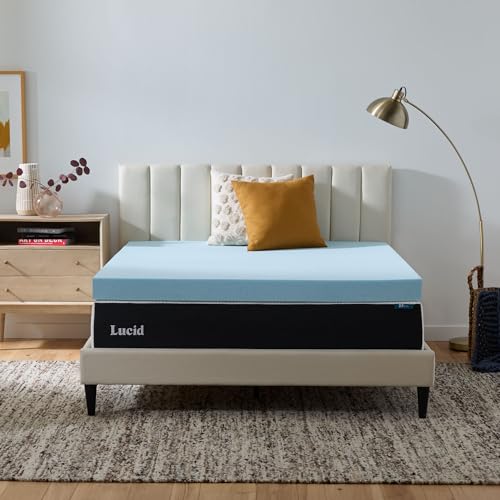
- ULTRA PLUSH FEEL – Lucid memory foam mattress toppers are designed to enhance...
- COOLER SLEEP: Cooling gel is infused in the memory foam to help regulate your...
- CHOOSE YOUR SIZE: 2-inch profile adds a soft layer of support to any mattress...
Biteany Dual Layer Memory Foam Mattress Topper – Best for Balanced Support
This innovative topper combines a 2-inch gel-infused foam layer with a 2-inch supportive base foam. The dual-layer design offers cooling contouring on top with firmer support underneath. It’s an excellent option for back sleepers or those who want pressure relief without excessive sinkage.

- GET 2X SUPPORT FROM MATERIAL REVOLUTION! Biteany queen mattress topper combines...
- PAIN-FREE SLEEP, CUSTOMIZES COMFORT! Our queen size mattress topper can...
- STAY COOL & SLEEP SAFE! The cooling mattress topper features a 3D air mesh...
SHOUREN Memory Foam Mattress Topper – Best for Cooling Comfort
Designed for temperature regulation, this topper uses 3 inches of green tea-infused memory foam and a cooling Tencel cover. The medium-firm feel and breathable materials target pressure points while actively dissipating heat. A great choice for hot sleepers seeking effective cushioning.
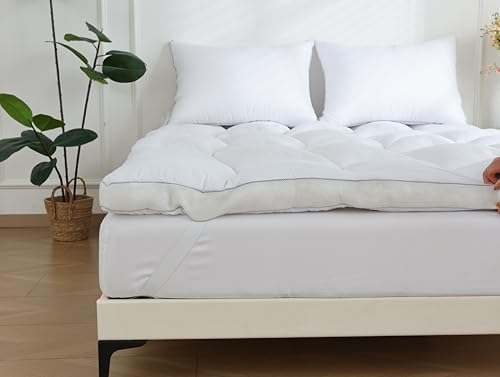
- Memory Foam Mattress Topper Fullf, 3In Thick Plush Gel Foam Bed Topper , Smooth...
Conclusion
Selecting the ideal mattress topper for pressure relief requires careful consideration of material, thickness, and firmness. By matching these features to your sleep position and specific needs, you can transform an uncomfortable mattress into a supportive sleep surface.
The key is to identify your primary pressure points and choose a topper that directly addresses them. Investing in a quality topper with a reliable sleep trial is the most effective step toward achieving pain-free, restorative sleep.
Frequently Asked Questions about How To Select A Topper For Pressure Relief
How thick should a pressure relief mattress topper be?
A 3-inch topper is generally ideal for significant pressure relief, allowing materials like memory foam to fully contour. For minor cushioning on a firm mattress, a 2-inch topper may suffice. For deep, plush relief on a very firm surface, consider 4 inches.
Thickness works with firmness; a softer 3-inch topper provides more sink than a firm 3-inch one. Always consider your body weight, as heavier individuals may need thicker toppers to prevent bottoming out against the hard mattress below.
Can a mattress topper fix a sagging mattress?
A topper can mask minor sagging by adding a new, even surface layer, improving comfort temporarily. However, it cannot correct the structural failure or deep sag of an old mattress. The underlying support remains compromised.
For a severely sagging mattress, a firm, supportive topper (like high-density foam or latex) is the best temporary fix. It adds a stable top layer, but a replacement mattress is the only permanent solution for proper spinal alignment and pressure relief.
What is better for pressure points: memory foam or latex?
Memory foam is typically better for deep, precise contouring around sharp pressure points like shoulders and hips. It molds closely to the body, distributing weight evenly. This makes it a top choice for side sleepers with joint pain.
Latex offers excellent, buoyant support that cushions without excessive sinkage, ideal for back sleepers and combination sleepers. It provides pressure relief through responsive push-back and is generally cooler and more durable than traditional memory foam.
How do I stop my mattress topper from sliding?
Use a fitted, non-slip mattress pad or protector that encases both the mattress and topper. Many toppers come with elastic anchor straps that tuck under the mattress corners. These solutions secure the topper effectively to prevent nightly shifting.
Ensure your mattress surface is clean and dry before placing the topper. For extra grip, you can place a non-slip rug pad or shelf liner between the mattress and the topper. A well-fitted deep-pocket sheet can also help hold everything in place.
Will a cooling mattress topper really help me sleep cooler?
Yes, cooling toppers with gel infusions, copper, open-cell foam, or breathable covers can significantly reduce heat retention. They work by dissipating body heat and promoting airflow, preventing the “sleeping hot” feeling common with traditional memory foam.
For maximum cooling effect, pair a cooling topper with breathable, natural fiber sheets (like cotton or bamboo) and a breathable mattress protector. These materials work together to wick moisture and regulate temperature throughout the night.
How often should I replace my pressure relief mattress topper?
A quality topper typically lasts 3 to 5 years with proper care. Signs you need a replacement include visible permanent sagging, lumps, loss of support, or a noticeable decrease in comfort. The material breaking down reduces its pressure-relieving capabilities.
Rotating the topper every few months and using a protective cover can extend its lifespan. Higher-density foams and natural latex generally last longer than low-density, lower-quality materials. Listen to your body; increased morning pain is a key indicator.