
Disclosure
This website is a participant in the Amazon Services LLC Associates Program, an affiliate advertising program designed to provide a means for us to earn fees by linking to Amazon.com and affiliated sites.
Choosing the right hospital bed topper is crucial for patient comfort and recovery. It can prevent pressure sores and improve sleep quality, directly impacting health outcomes.
Beyond comfort, the correct topper supports proper body alignment and pressure redistribution. This is especially vital for patients with limited mobility or specific medical conditions like spinal injuries.
Is Your Loved One’s Hospital Bed Causing Painful Pressure Sores?
Prolonged bed rest on a standard hospital mattress can lead to dangerous pressure injuries and severe discomfort. The Lucid 4 Inch Memory Foam Mattress Topper directly addresses this by providing a deep, pressure-relieving cushion. Its memory foam conforms to the body, redistributing weight to protect vulnerable skin and significantly improve comfort for the patient.
For essential pressure relief and comfort, we recommend: Lucid 4 Inch Memory Foam Mattress Topper
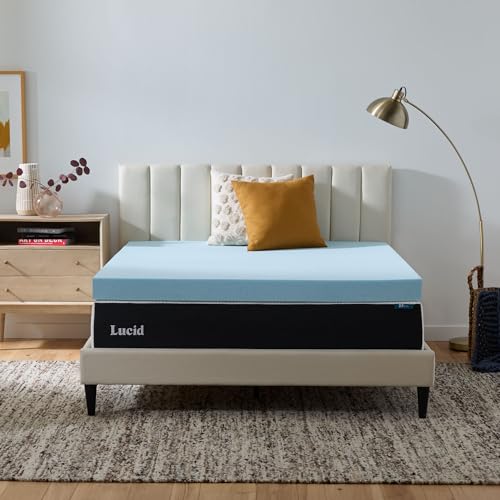
- ULTRA PLUSH FEEL – Lucid memory foam mattress toppers are designed to enhance...
- COOLER SLEEP: Cooling gel is infused in the memory foam to help regulate your...
- CHOOSE YOUR SIZE: 2-inch profile adds a soft layer of support to any mattress...
Key Factors for Choosing the Best Hospital Bed Mattress Topper
Selecting the ideal bed topper requires evaluating several critical factors. This ensures you find a product that meets specific medical and comfort needs. A systematic approach prevents costly mistakes and enhances patient care.
Assessing Patient Needs and Medical Conditions
The patient’s health status is the primary consideration. Different conditions demand specific support and pressure relief features. This assessment directly guides material and thickness choices.
- Pressure Injury Prevention: For patients at high risk of bedsores, a pressure-relieving topper like medical-grade memory foam or an alternating pressure pad is essential.
- Pain Management: Individuals with arthritis or chronic pain often benefit from a conforming, cushioned surface that reduces joint pressure points.
- Mobility and Transfer: Patients who need frequent repositioning may require a low-friction, waterproof surface that aids in caregiver-assisted turns and slide transfers.
Topper Materials and Construction
Material choice defines the topper’s performance, durability, and feel. Each type offers distinct advantages for hospital bed use. Consider maintenance requirements alongside comfort.
Here is a comparison of common hospital bed topper materials:
| Material | Primary Benefit | Best For | Care Consideration |
|---|---|---|---|
| Medical Memory Foam | Superior pressure redistribution | Immobile patients, pressure sore prevention | Requires a waterproof cover; can retain heat |
| Gel-Infused Foam | Cooling effect & pressure relief | Patients who sleep hot, post-surgical comfort | Easy to clean surface; generally durable |
| Alternating Pressure Pad | Dynamic pressure relief | High-risk immobile patients, ICU settings | Requires a pump unit; needs power source |
| Fiberfill / Polyester | Soft cushioning & affordability | Adding general comfort, temporary use | Machine washable; may flatten over time |
Selecting the Correct Size and Thickness
An improper fit or profile can compromise safety and function. Always match the topper dimensions to the specific hospital bed mattress. Thickness impacts both comfort and bed rail safety.
Follow these steps for accurate sizing:
- Measure the length and width of the existing hospital mattress.
- Check the depth of the bed rails; a topper that is too thick can create a fall hazard.
- Ensure the topper has secure straps or anchors to prevent slipping and shifting on the bed.
A 2 to 3-inch thickness often provides optimal balance. It offers sufficient cushioning without significantly raising the sleeping surface above safety rails.
Essential Features for a Hospital Bed Mattress Pad
Beyond material, specific functional features determine a topper’s suitability for medical use. These features address hygiene, safety, and ease of care. Prioritizing them ensures long-term value and patient protection.
Hygiene and Maintenance Requirements
A hospital bed topper must be easy to clean and disinfect. This is non-negotiable for infection control and managing spills or accidents. Look for materials with inherent protective properties.
- Waterproof and Fluid-Resistant Barriers: An integrated waterproof layer protects the core mattress from moisture, stains, and bacteria. This is critical for maintaining a sanitary environment.
- Removable, Washable Covers: A zip-off cover that is machine washable simplifies routine cleaning. Ensure the cover is durable enough for frequent hot-water washing cycles.
- Antimicrobial Treatment: Some toppers are treated to inhibit the growth of mold, mildew, and odor-causing bacteria. This adds an extra layer of hygiene for long-term use.
Safety and Compatibility Considerations
The topper must integrate safely with the hospital bed system. Failure to check compatibility can create risks for both patient and caregiver. Always verify these key points before purchasing.
main point: Always ensure the topper does not interfere with bed functions like articulation, side rails, or patient transfer equipment.
Common safety checks include:
- Confirm the topper does not hinder the bed’s articulating functions (head/foot elevation).
- Ensure it does not create a gap between the mattress and bed rails, a potential entrapment hazard.
- Check that the topper’s bottom surface is non-slip to prevent dangerous shifting during use.
Durability and Cost-Effectiveness
Investing in a durable topper saves money over time. Consider the expected duration of use and the intensity of care required. A higher initial cost often translates to better longevity.
Evaluate durability by examining the density of foam (higher density lasts longer), the strength of seams, and warranty terms. For long-term care, a heavy-duty, commercial-grade topper is most cost-effective despite a higher upfront price.
Where to Buy and How to Evaluate Hospital Bed Toppers
Knowing where to shop and what to look for streamlines the purchase process. Different retailers cater to specific needs, from immediate home care to long-term facility supply. A thorough evaluation ensures you get the right product.
Best Places to Purchase Medical Mattress Toppers
Your choice of retailer depends on urgency, budget, and need for professional advice. Each channel offers distinct advantages for buying a hospital bed pad.
- Medical Supply Stores: Both local and online medical suppliers offer specialized products. You can often see and feel samples and get advice from knowledgeable staff familiar with clinical needs.
- Online Marketplaces (Amazon, Walmart): Provide vast selection, competitive pricing, and fast shipping for standard sizes. Carefully review product specifications and customer reviews focused on durability and fit.
- Direct from Manufacturers: Buying from brands like Span-America or Medline ensures product authenticity. This is ideal for facilities needing bulk orders or specific customizations for specialized beds.
Questions to Ask Before Making Your Final Decision
Asking the right questions prevents post-purchase disappointment. These queries address practical concerns often overlooked during initial research.
main point: Always confirm return policies and warranty coverage, especially for online purchases where you cannot test the product first.
- What is the exact weight capacity of this topper? Does it support bariatric patients if needed?
- Is it compatible with my specific bed model’s features, like built-in scales or low-air-loss systems?
- How does adding this topper affect the mattress’s fire retardancy (FR) rating, which is crucial for facility compliance?
Setting Up and Maintaining Your New Topper
Proper installation and care maximize the lifespan and effectiveness of your purchase. Follow the manufacturer’s instructions precisely for the best results.
First, allow a memory foam topper to fully expand for 24-48 hours in a well-ventilated room. Secure all straps or anchors tightly to the mattress below to prevent slipping. For maintenance, use a mild disinfectant on the waterproof surface and wash removable covers separately in hot water to eliminate pathogens.
Specialized Topper Solutions for Specific Patient Needs
Standard toppers may not suffice for patients with complex medical conditions. Specialized products are engineered to address specific clinical challenges. Selecting these requires their unique mechanisms and benefits.
Alternating Pressure Mattress Pads for High-Risk Patients
These dynamic systems are the gold standard for preventing pressure ulcers. They use a pump to cyclically inflate and deflate air cells, constantly shifting pressure points. This mimics natural movement for completely immobile patients.
Consider an alternating pressure pad for patients with limited sensation, such as those with spinal cord injuries or advanced diabetes. They are often used in ICU and long-term care settings. Ensure you have a reliable power source and a backup pump for safety.
Low Air Loss and Air Fluidized Therapy Toppers
These advanced systems manage moisture and temperature in addition to pressure. Low air loss toppers gently circulate air across the skin’s surface. This helps keep patients dry and cool, which is vital for wound healing.
- Microclimate Management: By controlling heat and humidity, these toppers create an optimal healing environment for existing wounds.
- Bariatric Support: Many air-based systems are designed to safely and comfortably support higher weight capacities.
- Clinical Setting: They are typically prescribed for patients with severe, existing pressure injuries or those at extreme risk.
Choosing a Topper for Post-Surgical and Bariatric Care
Post-operative and bariatric patients have distinct requirements for comfort and safety. The right topper aids recovery and prevents complications related to immobility and size.
main point: For bariatric patients, always verify the topper’s rated weight capacity and ensure it is wide and long enough for proper support without edge collapse.
For post-surgical care, focus on features that aid in positioning and reduce pain during movement. A gel-infused or convoluted (egg-crate) foam topper can ease pressure on sensitive incision sites. Ensure any topper allows easy patient transfer in and out of bed to support mobility goals.
Common Mistakes to Avoid When Buying a Bed Topper
Even with good intentions, buyers often make errors that lead to discomfort, safety issues, or wasted money. Awareness of these pitfalls helps you make a more informed and effective purchase. Avoiding these mistakes ensures the topper performs as needed.
Prioritizing Price Over Clinical Need and Quality
The cheapest option is rarely the most cost-effective for medical equipment. A low-quality topper may compress quickly, lack proper support, or fail to provide adequate pressure relief. This can lead to patient discomfort and additional healthcare costs.
- False Economy: Saving money upfront may result in needing a replacement within months, whereas a quality topper lasts for years.
- Inadequate Support: Budget foam often has low density, leading to bottoming out, which offers no real pressure redistribution.
- Poor Hygiene Features: Cheap covers may not be truly waterproof or durable, risking mattress damage and infection control issues.
Overlooking Bed Compatibility and Safety Standards
Assuming a standard mattress topper will fit a hospital bed is a major error. Hospital beds have specific dimensions and functional parts that a topper must accommodate. Ignoring this can create hazards.
main point: Always confirm the topper is specifically designed or verified for use on an articulating hospital bed to ensure safety and proper function.
Critical compatibility checks include:
- Will the topper’s thickness create a dangerous gap with the bed’s safety rails?
- Does it have secure fasteners to prevent slipping when the head or foot of the bed is raised?
- Is it certified to meet relevant safety standards (like flammability codes) for medical use?
Ignoring Caregiver and Patient Feedback
Selecting a topper based solely on product specs without considering human factors is a mistake. The patient’s comfort perception and the caregiver’s ease of use are paramount for successful adoption.
Involve the patient in material choices if possible, considering factors like heat retention. For caregivers, test how easy it is to change sheets over the topper and perform patient turns. A topper that makes daily care more difficult will not be sustainable for long-term use.
Implementing and Monitoring Your Hospital Bed Topper
Proper setup and ongoing assessment are as important as the initial selection. A well-implemented topper enhances patient outcomes, while regular monitoring ensures it continues to meet needs. This final phase turns a good purchase into an effective care tool.
Step-by-Step Installation and Break-In Period
Correct installation is crucial for safety, performance, and longevity. Rushing this process can compromise the topper’s benefits and create risks. Follow the manufacturer’s instructions meticulously.
- Unpack the topper on a flat surface and allow it to fully expand, especially memory foam, which may take 24-48 hours.
- Center the topper on the hospital mattress and securely fasten all straps, anchors, or fitted sheets to prevent movement.
- Make the bed with appropriate linens, ensuring sheets are tight and smooth to minimize wrinkles that can cause skin irritation.
Evaluating Effectiveness and Patient Response
After installation, actively monitor its impact. The true test of a topper is its effect on the patient’s comfort and skin integrity. Caregiver observation is key during the first weeks.
main point: Schedule regular skin checks, especially over bony prominences, to objectively assess the topper’s pressure redistribution performance.
- Comfort Feedback: Ask the patient about pain levels, sleep quality, and perceived heat. Note any complaints of bottoming out or discomfort.
- Skin Inspection: Look for persistent redness (non-blanching erythema) that does not fade after pressure is relieved, which indicates the topper may be inadequate.
- Ease of Care: Assess if the topper simplifies or complicates routine care tasks like repositioning, changing linens, and patient transfers.
When to Repair, Replace, or Reassess Your Choice
No topper lasts forever, and patient needs can change. Recognizing the signs for replacement prevents a decline in care quality. Be proactive about maintenance and reassessment.
Replace the topper if you notice permanent body impressions, a loss of support, or tears in the waterproof barrier. Reassess your choice if the patient’s medical condition changes significantly, such as a new diagnosis or major weight change. Regular cleaning and inspection will extend its usable life and protect your investment.
Can I Use a Regular Mattress Topper on a Hospital Bed?
It is not recommended. Regular toppers often lack the necessary safety features and compatibility. They may not have secure straps, leading to dangerous slipping on an articulating bed frame.
Standard toppers are also rarely designed with the required fluid-resistant barriers for medical use. Their dimensions may not fit a hospital mattress correctly, creating gaps or overhang that pose entrapment risks.
How Often Should a Hospital Bed Topper Be Replaced?
Replacement frequency depends on material quality, usage intensity, and patient weight. A high-density foam topper in a home setting may last 3-5 years with proper care.
- Visual and Physical Inspection: Replace if you see permanent sagging, deep body impressions, or damage to the waterproof cover.
- Performance Decline: Replace if the patient reports increased discomfort or you notice new skin redness, indicating loss of pressure relief.
- Heavy Use: In a 24/7 clinical setting with multiple patients, replacement may be needed every 1-2 years.
What is the Difference Between a Mattress Pad and a Topper?
This distinction prevents buying the wrong product. A mattress pad is typically a thin, quilted layer primarily for adding a soft surface and protecting the mattress.
A mattress topper is thicker (usually 2-4 inches) and is designed to significantly alter the feel and support of the mattress. For therapeutic purposes like pressure relief, a topper is the necessary choice, while a pad is more for light protection and minor comfort.
Do I Need a Doctor’s Prescription for a Medical Topper?
For basic comfort toppers, a prescription is usually not required. However, for specialized equipment like alternating pressure pads or low air loss systems, a prescription is often needed.
A prescription may be required for insurance reimbursement, even for simpler models. Always check with your insurance provider and durable medical equipment (DME) supplier regarding their specific documentation requirements before purchasing.
Best Recommended Hospital Bed Mattress Toppers
Based on key factors like material, support, and user reviews, these three toppers are excellent options for enhancing a hospital bed. Each serves a distinct primary use case, from pressure relief to cooling comfort. Always verify the exact dimensions match your hospital mattress before purchasing.
NicePlus Dual Layer 4 Inch Memory Foam Mattress Topper – Best for Pressure Relief
This topper combines a 2-inch memory foam layer with a 2-inch support foam base for deep contouring and stability. It is ideal for patients needing significant pressure redistribution to prevent bedsores. The 4-inch total profile provides substantial cushioning without excessive height.
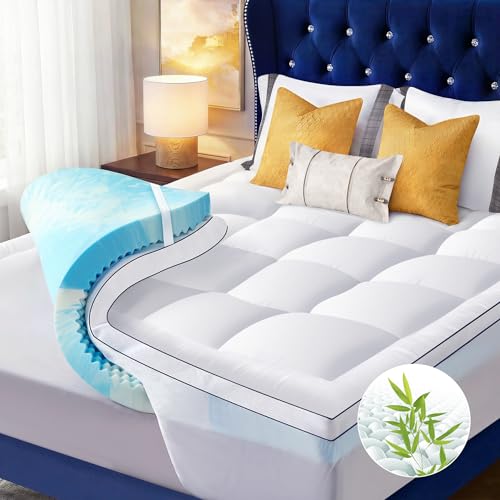
- 2-in-1 Double-Layer Mattress Topper: Featuring a dual-layer structure, designed...
- Relieves Pain & Supports Restful Sleep: The soft mattress topper bottom features...
- Cooling & Breathable: The 4 inch mattress topper fabric contains 40% Viscose...
Biteany Dual Layer Memory Foam Mattress Topper – Best for Cooling Comfort
Featuring a gel-infused memory foam top layer, this topper helps dissipate heat for patients who sleep hot. The dual-layer design offers conforming pressure relief while promoting airflow. It is a strong choice for post-surgical recovery or general comfort enhancement.

- GET 2X SUPPORT FROM MATERIAL REVOLUTION! Biteany queen mattress topper combines...
- PAIN-FREE SLEEP, CUSTOMIZES COMFORT! Our queen size mattress topper can...
- STAY COOL & SLEEP SAFE! The cooling mattress topper features a 3D air mesh...
COONP King Mattress Topper – Best for Bariatric & Larger Beds
Available in larger sizes, this 3-inch ventilated memory foam topper provides ample surface area and support. The egg crate design enhances airflow and reduces pressure points effectively. It is a solid option for wider hospital beds or bariatric patients needing enhanced comfort.

- 1.Extra Thick and Luxury Comfort: Drift into a sounder, deeper sleep on this...
- 2.Cool and Breathable: The top surface features good ventilation and distributes...
- 3.Elastic Deep Pocket: Elastic deep pocket will wrap mattress(8-21") tightly. It...
Conclusion
Selecting the right topper for a hospital bed is a critical decision that directly impacts patient comfort, skin integrity, and recovery. By carefully assessing needs, materials, safety features, and compatibility, you can make an informed choice.
The main point is to prioritize clinical requirements over price, ensure perfect bed compatibility, and commit to regular monitoring. A well-chosen topper is a valuable investment in quality care and improved patient outcomes.
Frequently Asked Questions about How To Select A Topper For A Hospital Bed
What is the most important factor when choosing a hospital bed topper?
The patient’s specific medical condition and risk factors are paramount. The topper must address primary needs like pressure ulcer prevention, pain management, or moisture control. This guides all other decisions on material and features.
For example, a high-risk patient requires a pressure-redistributing foam or alternating pressure system. Always start the selection process with a thorough assessment of the individual’s health status and mobility.
How thick should a hospital bed mattress topper be?
A thickness of 2 to 4 inches is generally ideal for therapeutic benefit. This provides sufficient cushioning for pressure relief without creating a safety hazard. Thicker toppers can raise the patient too high relative to bed rails.
Always measure the depth of your bed’s safety rails first. The goal is to add comfort while maintaining a safe sleeping surface that prevents falls or entrapment.
Are memory foam toppers safe for hospital beds?
Yes, medical-grade memory foam toppers are safe and highly effective. They are specifically designed for clinical use with features like fire retardancy and secure fastening straps. Ensure the product is marketed for hospital or medical bed use.
Standard consumer memory foam may lack necessary safety certifications and can overheat. Always verify the topper is compatible with an articulating bed frame to prevent slipping.
Can a topper help prevent bedsores (pressure ulcers)?
A high-quality, pressure-redistributing topper is a crucial tool in prevention. It helps spread body weight more evenly, reducing pressure on bony prominences like heels and tailbones. This is essential for patients with limited mobility.
However, a topper is not a substitute for regular repositioning. It must be part of a Complete care plan that includes frequent turns, skin checks, and proper nutrition for maximum effectiveness.
How do I clean and maintain a hospital bed topper?
Use a mild disinfectant to wipe down the waterproof surface regularly. For toppers with removable covers, wash the cover separately in hot water to eliminate bacteria and bodily fluids. Always follow the manufacturer’s care instructions precisely.
Inspect the topper frequently for signs of wear, such as tears in the waterproof layer or permanent body impressions. Prompt cleaning and maintenance extend the product’s lifespan and ensure hygiene.
Will Medicare or insurance cover the cost of a medical mattress topper?
Coverage often requires a doctor’s prescription stating medical necessity, such as for pressure ulcer prevention. The topper must typically be classified as Durable Medical Equipment (DME) from an approved supplier.
You must contact your insurance provider directly to understand your specific plan’s requirements. They will detail the necessary documentation and whether they cover purchase or rental options.