
Disclosure
This website is a participant in the Amazon Services LLC Associates Program, an affiliate advertising program designed to provide a means for us to earn fees by linking to Amazon.com and affiliated sites.
Choosing the right latex topper is crucial for sleep quality and value. The market is full of confusing claims and overpriced options that can easily mislead buyers.
Genuine latex is a premium material, but many products use synthetic blends or misleading labels. Knowing the key specifications and certifications is your best defense against paying too much for an inferior product.
Are You Tired of Waking Up Sweaty and Uncomfortable on a Supposedly “Cool” Latex Topper?
Many latex toppers trap heat, leading to restless nights. The Serta ThermaGel Cooling Topper solves this with a unique gel-infused memory foam layer that actively draws heat away from your body, providing the pressure relief you want without the overheating you dread.
For reliable, cool comfort, choose: Serta ThermaGel Cooling, Memory Foam Mattress Topper
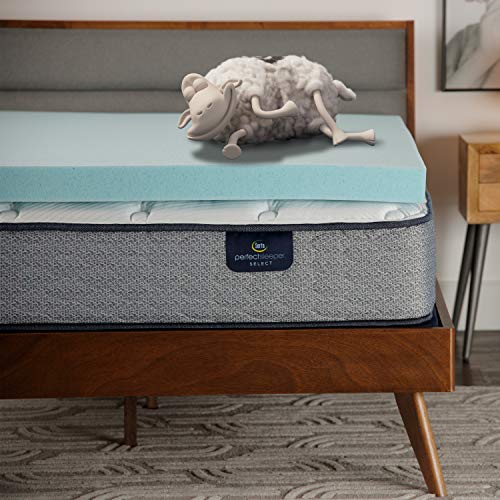
- BREATHABLE GEL-INFUSED FOAM: Engineered with ThermaGel-infused memory foam to...
- COOLING TECHNOLOGY: ThermaGel particles help create a refreshing sleep surface...
- CONTOURING SUPPORT: Adapts and conforms to your body’s natural shape for...
Latex Topper Materials and Construction
Your first line of defense is What you’re buying. The core material and how it’s made determine comfort, durability, and ultimately, value for money. This knowledge prevents you from paying a premium for a substandard product.
Decoding Natural, Synthetic, and Blended Latex
Not all latex is created equal. The source material significantly impacts feel, price, and longevity. Knowing the difference is essential for making an informed purchase.
- Natural Latex: Sourced from rubber tree sap, it offers superior resilience, breathability, and is naturally hypoallergenic. It is typically the most durable and expensive option.
- Synthetic Latex: Made from petrochemicals (SBR), it is firmer, less breathable, and may off-gas. It is often used in cheaper toppers but lacks the longevity of natural latex.
- Blended Latex: A mix of natural and synthetic, aiming to balance cost with some natural latex benefits. Always check the percentage of natural latex, as a 30% blend is very different from an 80% blend.
Key Construction Methods: Dunlop vs. Talalay
The manufacturing process defines the feel and support profile of your topper. Each method has distinct characteristics that suit different sleep preferences.
The Dunlop process creates a denser, firmer, and more supportive core. It is incredibly durable and often has a slight weight gradient, being firmer at the bottom. The Talalay process produces a lighter, more consistent, and aerated foam that is bouncier and pressure-relieving.
For a practical example, side sleepers often prefer the pressure relief of Talalay, while back sleepers may favor the solid support of Dunlop. Many high-quality toppers use a combination, like a Dunlop core with a Talalay comfort layer.
How to Evaluate Latex Topper Firmness and Thickness
Selecting the correct firmness and thickness is vital for comfort and support. These specifications directly address common sleep issues like back pain or pressure points. Choosing wrong can leave you uncomfortable and feeling cheated.
Choosing the Right Firmness Level for Your Sleep Position
Firmness, often called ILD (Indentation Load Deflection), measures how soft or firm the latex feels. Your primary sleep position is the best guide for selecting the ideal firmness level.
- Side Sleepers: Opt for a softer to medium firmness (ILD 20-30). This allows the topper to cushion shoulders and hips, keeping your spine aligned.
- Back Sleepers: A medium firmness (ILD 25-35) provides balanced support for the lumbar region without creating pressure points.
- Stomach Sleepers: Choose a firmer topper (ILD 30-40) to prevent your hips from sinking too deeply and straining your lower back.
Determining the Best Topper Thickness for Your Needs
Thickness determines how much the topper can contour to your body and alter the feel of your existing mattress. It is not a measure of quality, but of function.
A 2-inch topper primarily adds a plush comfort layer and minor pressure relief. It subtly softens a too-firm mattress. A 3-inch topper offers more significant contouring and support, better for addressing moderate pressure points. For major mattress rehabilitation or deep cushioning, a 4-inch or thicker model provides the most dramatic change in feel and support.
Essential Buying Tips and Red Flags to Avoid
Armed with knowledge of materials and specs, you must now navigate the marketplace. Smart shopping practices protect you from misleading marketing and ensure you get genuine value. This is where many buyers get tripped up.
Identifying Quality Certifications and Warranty Details
Legitimate certifications are your proof of quality and material claims. A strong warranty reflects the manufacturer’s confidence in their product’s durability.
- GOLS (Global Organic Latex Standard): Certifies the organic origin of the latex. This is the gold standard for natural latex purity.
- OEKO-TEX Standard 100: Tests for harmful substances, ensuring the finished product is safe and free from toxic chemicals.
- Warranty Length & Coverage: A reputable brand offers a minimum 5-year warranty. Read the fine print for exclusions, like normal softening, which is not a defect.
Spotting Common Latex Topper Scams and Overpricing
Be vigilant for tactics designed to inflate price or disguise inferior products. Knowing these red flags helps you shop with confidence.
Beware of vague terms like “eco-friendly” or “plant-based” without specific certifications. These are often used to market synthetic blends. Be skeptical of prices that seem too good to be true for a “100% natural latex” topper; genuine material has a higher cost.
Always check the return policy and trial period. A company that doesn’t offer a risk-free sleep trial may be selling a product they know customers won’t love. Finally, compare the density (measured in kg/m³ or lb/ft³); higher density generally indicates better durability and support.
Where to Buy a Latex Topper and Final Checklist
The final step is choosing a trustworthy retailer and making your final decision. Where you buy impacts price, selection, and customer service support. A strategic approach ensures a smooth purchase and long-term satisfaction.
Comparing Retailers: Online vs. In-Store Purchases
Each purchasing channel offers distinct advantages and potential drawbacks. Your choice depends on your priorities for convenience, testing, and support.
- Online Specialty Brands: Often provide the best value, detailed specifications, and generous sleep trials. The trade-off is you cannot test the product physically before buying.
- Major Mattress Retailers: Allow you to test different feels in person but may have limited latex options and higher markup. Sales staff may not be experts on latex specifics.
- Direct from Manufacturer: Can offer competitive pricing and expert product knowledge. Ensure they have a Strong customer service system for post-purchase questions.
Your Pre-Purchase Decision Checklist
Before clicking “buy,” run through this final verification list. This consolidates all critical information into one practical step.
- Material Verified: Is it natural, synthetic, or a blend? What is the percentage of natural latex?
- Specs Confirmed: Does the firmness (ILD) and thickness match my sleep position and needs?
- Certifications Present: Does it have GOLS, OEKO-TEX, or other legitimate certifications?
- Policy Review: What is the warranty length, and what is the return policy and sleep trial duration?
- Price Justified: Does the total cost align with the material quality and specifications compared to other brands?
Caring for Your Latex Topper to Maximize Value
Proper care protects your investment and extends the lifespan of your topper significantly. A well-maintained latex topper can provide comfort for a decade or more. This final step ensures you get the full value from your purchase.
Essential Maintenance and Cleaning Guidelines
Latex is naturally resilient but requires specific care to maintain its structure and hygiene. Avoid harsh chemicals and improper cleaning methods that can degrade the material.
- Regular Rotation: Rotate your topper head-to-foot every 3-6 months. This prevents uneven wear and maintains consistent support across the entire surface.
- Spot Cleaning Only: Never soak or machine wash latex. Use a mild soap, damp cloth, and gentle blotting for spills. Allow it to air dry completely before replacing bedding.
- Use a Protector: A high-quality, breathable mattress protector is non-negotiable. It shields the latex from stains, dust mites, and moisture, which are the primary causes of premature degradation.
Solving Common Latex Topper Issues
How to address minor problems can prevent them from becoming reasons for dissatisfaction or premature replacement.
A brief off-gassing odor is normal, especially with natural latex. Simply unroll the topper in a well-ventilated room for 24-48 hours; the smell will dissipate completely. If your topper feels too firm initially, allow a 72-hour period for it to fully expand and soften to its intended feel.
For persistent indentations or softening beyond normal break-in, consult your warranty. Most reputable warranties cover significant sagging or defects in the core material. Keeping your receipt and warranty documentation is crucial for this process.
How Long Does a Quality Latex Topper Typically Last?
A high-quality natural latex topper is a durable investment. With proper care, you can expect a lifespan of 8 to 12 years, significantly longer than most memory foam or polyurethane toppers.
Longevity depends on the latex density and type. A high-density, Dunlop-process natural latex core offers the greatest durability. Using a protective cover and rotating the topper regularly are the best practices to maximize its service life.
Can a Latex Topper Fix an Old or Sagging Mattress?
A latex topper can dramatically improve comfort, but it cannot fix structural failure. It is excellent for adding cushioning to a mattress that is too firm or has minor surface imperfections.
If your mattress has deep, permanent body indentations or a broken support core, a topper will only mask the problem temporarily. You will still feel the underlying sag, which can compromise spinal alignment. In such cases, a new mattress is the better long-term solution.
Is a Latex Topper Good for People with Allergies?
Yes, genuine natural latex is naturally resistant to dust mites, mold, and mildew, making it an excellent choice for allergy sufferers. Its open-cell structure also promotes airflow, reducing moisture buildup that allergens thrive on.
It is critical to ensure the topper has an OEKO-TEX certification, guaranteeing it is free from harmful chemicals. A very small percentage of people have a direct latex allergy; if you are sensitive to latex gloves or balloons, consult a doctor before purchasing.
Latex Topper vs. Other Materials: A Direct Comparison
How latex stacks up against alternatives clarifies its unique value proposition. This comparison highlights why latex commands a premium and when it is the superior choice. It helps you justify the investment based on your specific sleep needs.
Latex vs. Memory Foam Toppers
These are the two leading premium topper materials, but they offer fundamentally different sleep experiences. The choice often comes down to your preference for responsiveness versus deep contouring.
- Responsiveness: Latex is buoyant and responsive, making it easier to move and change positions. Memory foam has a slow, sinking feel that some find restrictive.
- Temperature Regulation: Latex’s open-cell structure sleeps much cooler than traditional memory foam. Gel-infused memory foam attempts to address this but often falls short of latex’s natural breathability.
- Durability: High-density natural latex generally outlasts memory foam, which is more prone to permanent softening and indentations over time.
Latex vs. Featherbed or Wool Toppers
This comparison pits a structured foam against soft, natural fillings. Each serves a distinct purpose for mattress modification.
Latex provides consistent, resilient support and can alter the firmness feel of your mattress. Featherbeds and wool toppers primarily add a plush, pillow-top cushioning layer without changing the underlying support. For pressure relief and alignment, latex is more effective.
Featherbeds require frequent fluffing and can compact over time, while wool is excellent for temperature regulation but offers minimal support. Latex maintains its shape and support profile for years with minimal maintenance.
Best Recommended Mattress Topper Options
Based on common needs and value, here are three highly-rated toppers that align with the selection principles discussed. Each serves a distinct purpose, from cooling support to deep cushioning.
DOWNCOOL 3 Inch Queen Mattress Topper – Best Cooling Latex Alternative
This topper features a gel-infused memory foam core with a breathable bamboo cover to address heat retention. At 3 inches thick, it provides substantial pressure relief and is ideal for sleepers who want a cooler, contouring feel similar to a soft Talalay latex.
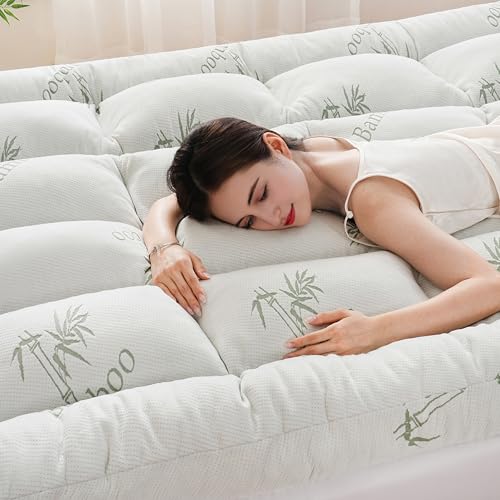
- Cooling Bamboo Viscose Top with 3D Air Layer: Made of 39% bamboo viscose and...
- Plush Pillow Top for Pressure Relief: Made with a thin gel memory foam layer and...
- Secure Deep Pocket Design: The elastic deep pocket skirt wraps around the...
SHOUREN 5 Inch Memory Foam Mattress Topper – Best for Deep Cushioning
For significant mattress rehabilitation or plush comfort, this 5-inch thick option offers maximum body contouring. The high-density foam is designed to soften a very firm mattress and is an excellent budget-friendly choice for deep pressure relief.
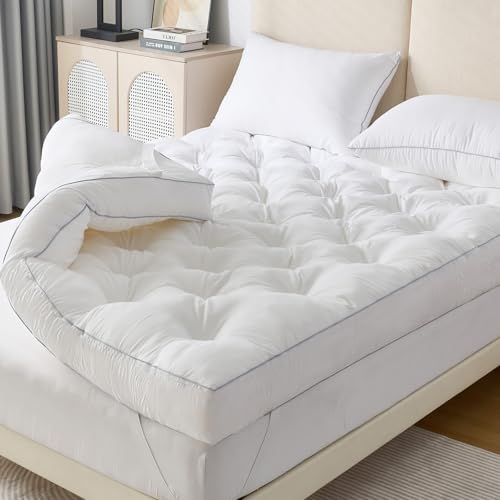
- 【5-Inch Extra Thick Comfort & Support】 SHOUREN mattress topper features a...
- 【Ergonomic Body-Contour Design】 Engineered to naturally fit your body...
- 【Upgraded 4-Way Elastic Anchor Straps】 Equipped with strong elastic straps...
Lucid 4 Inch Memory Foam Mattress Topper – Best Overall Value
A versatile and popular choice, this 4-inch ventilated memory foam topper balances thickness and value. The airflow channels enhance breathability, making it a reliable option for those seeking a substantial upgrade to mattress comfort without a premium price.
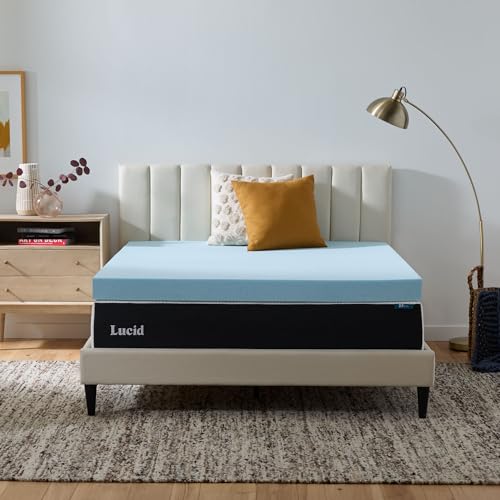
- ULTRA PLUSH FEEL – Lucid memory foam mattress toppers are designed to enhance...
- COOLER SLEEP: Cooling gel is infused in the memory foam to help regulate your...
- CHOOSE YOUR SIZE: 2-inch profile adds a soft layer of support to any mattress...
Conclusion
Selecting a latex topper wisely requires materials, specifications, and market practices. By focusing on certifications, construction, and your personal sleep needs, you can navigate past misleading claims.
The key to avoiding a poor purchase is diligent research. Use the checklist provided, prioritize transparency from sellers, and protect your investment with proper care. This approach ensures you gain the lasting comfort and support a quality latex topper is designed to provide.
Frequently Asked Questions about How To Select A Latex Topper Without Getting Ripped Off
What is the most important certification to look for in a natural latex topper?
The GOLS (Global Organic Latex Standard) certification is the most critical. It independently verifies the organic origin and high purity of the natural latex material used in the topper’s core.
This certification is your strongest defense against misleading “natural” claims for synthetic blends. Always check for the GOLS logo in the product specifications or on the manufacturer’s website.
How can I tell if a latex topper is overpriced?
Compare the product’s specifications against its price. Be wary of vague marketing terms without supporting certifications like GOLS or OEKO-TEX. A surprisingly low price for “100% natural latex” is a major red flag.
Research similar products from reputable brands to establish a price range. An overpriced topper often lacks clear density ratings, has a short warranty, or comes from a seller with poor customer service reviews.
Is a higher ILD number always better for support?
No, a higher ILD indicates a firmer feel, not necessarily better support. The ideal ILD depends entirely on your body weight and primary sleep position for proper spinal alignment.
A side sleeper may find a high ILD too firm and create pressure points. Support comes from the correct firmness for your body, combined with the topper’s density and core material quality.
Can I put a latex topper on any type of mattress?
Yes, a latex topper can be used on most mattress types, including innerspring, memory foam, and hybrid models. It is designed to modify the surface feel and add a comfort layer.
Ensure your mattress base is still structurally sound. Placing a topper on a severely sagging mattress will not fix the underlying support issue and may void the topper’s warranty.
What does a good warranty for a latex topper include?
A strong warranty lasts at least 5 years and covers core material defects like significant sagging or cracking. It should be a limited warranty from a reputable company.
Read the fine print carefully. A quality warranty will not prorate significantly and will have reasonable claims terms. Avoid warranties that exclude normal softening, which is a natural break-in period.
Why is a sleep trial important when buying a latex topper online?
A sleep trial allows you to test the topper’s feel in your own home, which is crucial since firmness is subjective. It reduces the financial risk of buying a product you cannot try in person.
Look for a trial of at least 30 nights with a clear, hassle-free return policy. This shows the seller stands behind their product and ensures you can find the perfect match for your comfort needs.