
Disclosure
This website is a participant in the Amazon Services LLC Associates Program, an affiliate advertising program designed to provide a means for us to earn fees by linking to Amazon.com and affiliated sites.
Introduction
To remove slime from a mattress, start by scraping off the excess, treat the stain with vinegar or rubbing alcohol, and blot it dry without saturating the fabric.
If you’ve ever discovered a mysterious, sticky blob on your bed—likely courtesy of a curious child or a spilled slime toy—you’re not alone. Slime can be fun, but not when it ends up embedded in the fibers of your mattress. The gooey, stretchy texture is designed to stick, making cleanup a little more involved than a simple wipe-down.
The good news? You don’t need to panic or toss out your mattress. With a few household products and the right method, you can completely remove slime without leaving a trace behind.
In this guide, you’ll learn:
- What to do immediately when slime gets on your mattress
- Safe cleaning agents that won’t damage your mattress fabric
- Step-by-step instructions to remove slime residue and stains
- Expert tips to prevent permanent damage or mold growth
Best Cleaning Tools for Removing Slime from a Mattress
When dealing with slime, having the right tools can make a huge difference. The goal is to remove the slime effectively without pushing it deeper into the mattress or damaging the fabric. Below are the top three products that work exceptionally well in tackling this sticky situation.
1. Goo Gone Original Liquid Surface Safe Adhesive Remover
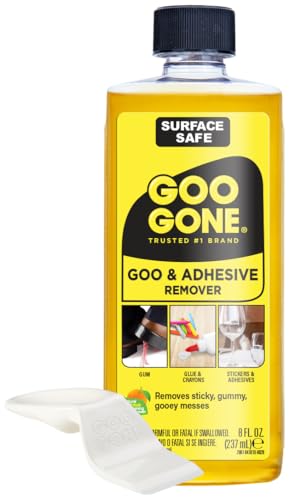
- #1 TRUSTED BRAND FOR REMOVING GOOEY MESSES: Try it on stickers, wax, markers…
- SAFELY RESTORE YOUR SURFACES: The surface-safe formula removes the goo without…
- MULTIPLE USES AROUND THE HOUSE: Everything from wine glass label remover, scuff…
- Why we picked it: Specially designed to remove sticky substances like gum, glue, and slime without harming surfaces. It’s safe on fabric and doesn’t leave an oily residue.
2. Bissell Little Green Multi-Purpose Portable Carpet and Upholstery Cleaner
- Why we picked it: This compact yet powerful cleaning machine uses water and suction to extract deep-set slime from fabrics. Ideal for mattresses, sofas, and more.
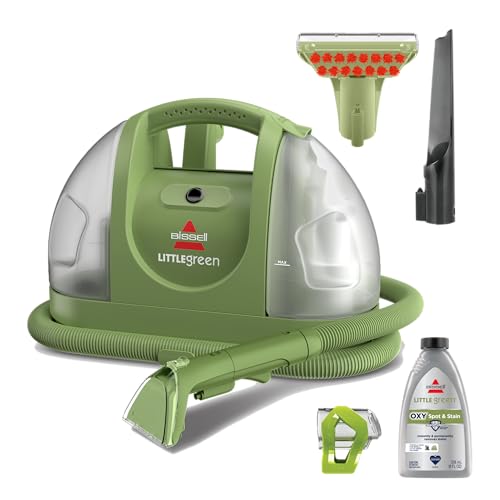
- AMERICA’S #1 BRAND IN PORTABLE DEEP CLEANING: Trusted by over 7 million…
- TAKE THE STRESS OUT OF MESS: Scientifically proven to lift and remove…
- ULTRA-POWERFUL TRIPLE ACTION FORMULA: Permanently removes stains and powerfully…
3. Folex Instant Carpet Spot Remover
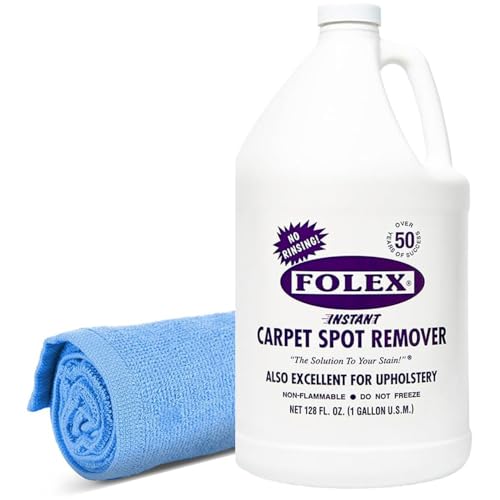
- INSTANT RESULTS. No rinsing, vacuuming or waiting to see results. Spots vanish…
- SAFE to use around children and pets if used as directed.
- THE SOLUTION TO YOUR STAIN – FOLEX removes grease, ink, red wine, kid & pet…
- Why we picked it: Folex is a no-rinse, water-based formula that works wonders on protein-based stains like slime. It’s effective, fragrance-free, and safe for mattresses.
Immediate Steps to Take When Slime Gets on Your Mattress
If you act quickly when slime gets on your mattress, you can prevent deep stains and long-term damage. Time is of the essence—here’s what to do right away.
Step 1: Don’t Rub the Slime
Rubbing will only push the slime deeper into the mattress fibers. Instead:
- Avoid using paper towels that shred and stick.
- Do not apply water initially, as it can activate ingredients in slime, worsening the mess.
Step 2: Freeze the Slime (Optional for Sticky or Wet Slime)
Place a few ice cubes in a zip-lock bag and set it on the slime for 10–15 minutes.
- This firms up the slime, making it easier to lift.
- It reduces the chance of smearing during removal.
Step 3: Scrape Off the Excess
Use a plastic scraper, old credit card, or dull knife to lift off as much slime as possible.
- Work from the edges inward.
- Avoid tearing the fabric with sharp tools.
Step 4: Blot With Vinegar or Rubbing Alcohol
Dampen a cloth with white vinegar or isopropyl alcohol and blot the affected area.
- These agents break down the slime’s bonding agents.
- They’re also safe for most mattress materials.
Step 5: Blot—Don’t Soak
Use a dry microfiber cloth to blot up the loosened slime.
- Repeat the vinegar/alcohol and blotting process until the stain lifts.
- Never oversaturate—the inside of your mattress should stay dry to avoid mold.
How to Remove Dried Slime from a Mattress
Dried slime is tougher to remove than fresh slime, but with patience and the right tools, you can restore your mattress without leaving stains or odor behind.
Step 1: Loosen the Dried Slime
Start by gently scraping the hardened slime.
- Use a plastic scraper, butter knife, or old credit card.
- Avoid scratching or tearing the fabric.
- Work slowly and carefully in sections.
Step 2: Apply a Cleaning Solution
Use a cleaning solution that’s safe for upholstery. Good options include:
- White vinegar (mixed 1:1 with water)
- Isopropyl alcohol (70% or higher)
- Folex Instant Carpet Spot Remover (spray directly)
Apply the solution to a cloth, not the mattress, then blot the slime area. This helps:
- Soften the slime residue
- Lift stains without saturating the mattress
Step 3: Blot and Gently Rub
Use a white microfiber cloth or sponge to blot and gently rub in a circular motion.
- Change cloth sections frequently to avoid reapplying slime.
- Repeat blotting with fresh solution until the area is clean.
Step 4: Rinse Lightly
If needed, wipe the area with a cloth dampened with plain water to remove any residue.
- Always blot dry immediately.
- Avoid over-wetting the area.
Step 5: Air Dry Thoroughly
Ensure the mattress dries completely to prevent mildew.
- Use a fan, open windows, or a hair dryer on cool setting.
- Avoid remaking the bed until it’s 100% dry.
How to Get Slime Stains Out of a Mattress
Even after the slime is gone, it often leaves behind discoloration—especially if it contained food coloring, glitter, or glue. Here’s how to safely remove slime stains without damaging your mattress fabric.
Step 1: Use a Gentle Stain Remover
After testing on a hidden area, apply a safe upholstery stain remover like:
- Folex Instant Carpet Spot Remover
- Hydrogen peroxide (3%) – Use with caution on light-colored fabrics
- Baking soda and water paste
How to apply:
- Spray (or dab) the stain remover onto a clean cloth.
- Blot, don’t rub. You want to lift the stain, not spread it.
Step 2: Natural Cleaning Options
Prefer a non-chemical approach? Try these:
- White vinegar + baking soda paste: Apply, let sit for 5–10 mins, then blot away.
- Lemon juice (for light stains): Natural bleach and odor remover.
- Enzyme-based cleaners: Great for breaking down organic compounds in glue or food-coloring-based slimes.
Step 3: Blot and Dry
After lifting the stain:
- Use a clean microfiber towel to absorb any leftover moisture.
- Repeat treatment if necessary, especially for deep-set stains.
- Let the area air dry completely.
Optional: Deodorize After Cleaning
Eliminate any lingering smells by sprinkling baking soda over the cleaned area:
- Let it sit for 6–8 hours.
- Vacuum with a handheld or upholstery attachment.
How to Prevent Slime From Getting on the Mattress Again
Once you’ve dealt with a sticky mattress mess, it’s only natural to want to avoid a repeat incident. Prevention is not only easier than cleaning but also protects your mattress from long-term damage and odors.
Use a Waterproof Mattress Protector
Invest in a high-quality waterproof and stain-resistant mattress protector.
- Catches spills, stains, and slime before they hit the mattress.
- Easy to remove and machine-washable.
- Look for one with a tight fit and breathable fabric for comfort.
Designate Slime-Free Zones
Set clear boundaries with kids or slime-loving individuals.
- Keep slime play limited to hard surfaces like tables or tile floors.
- Add a playmat or vinyl tablecloth for extra protection.
Store Slime Responsibly
Improper slime storage often leads to accidental spills.
- Use airtight containers labeled and placed out of reach.
- Avoid storing slime on nightstands, bedding, or anywhere near the bed.
Educate Kids (Without the Lecture)
Turn this into a learning opportunity for kids.
- Explain why slime doesn’t belong in bed.
- Let them help with cleanup once (safely) so they understand the consequences.
Avoid Homemade Slimes With Harsh Dyes
Homemade slimes often contain ingredients that are harder to remove.
- Choose pre-made slimes labeled “easy to clean” or “washable.”
- Avoid glitter, glow-in-the-dark, or colored slimes for indoor use.
When to Call a Professional Mattress Cleaner
While DIY methods work for most slime-related messes, some situations call for expert help. Knowing when to stop and call a professional can save you time, money, and stress.
Signs DIY Cleaning Isn’t Enough:
If you notice any of the following, it’s time to consider professional cleaning:
- Persistent odor even after multiple cleanings.
- Deep or dark stains that worsen with treatment.
- Mold or mildew smell, especially after using water-based cleaners.
- Sticky residue that keeps returning, even after drying.
- Mattress feels damp or spongy days after cleaning—this can indicate internal moisture.
What Professional Cleaners Can Offer:
Professionals have industrial-grade tools and treatments that go far beyond at-home options:
- Hot water extraction to deep-clean without oversaturating.
- UV light and steam cleaning to sanitize and deodorize.
- Eco-friendly enzyme treatments for organic stains like slime, food, or bodily fluids.
- Drying equipment to prevent mold and mildew buildup.
When It’s a Smart Investment:
Consider calling a pro if:
- Your mattress is expensive or memory foam-based (which can be more delicate).
- You’ve already tried multiple DIY methods without success.
- The slime was made with glitter, dye, or glue-heavy materials that are deeply embedded.
- You or someone in your home suffers from allergies or asthma, making deep cleaning essential for air quality.
Conclusion
Removing slime from a mattress might seem daunting, but with the right steps, tools, and a bit of patience, it’s completely manageable. Whether it’s a fresh spill or a dried, stubborn mess, you now have the knowledge to tackle it effectively.
To quickly recap:
- Act fast: Scrape off excess and avoid rubbing.
- Use household solutions: Vinegar, rubbing alcohol, or enzyme cleaners.
- Treat stains separately: Tackle them after slime removal.
- Prevent future messes: Mattress protectors and slime-free zones help.
- Call a pro when needed: For deep or persistent issues.
Frequently Asked Questions About How to Remove Slime from a Mattress
Can I use hot water to remove slime from a mattress?
No. Hot water can make certain slime ingredients (like glue) set deeper into the fabric. Instead, use room temperature water or rubbing alcohol to loosen the slime.
What household items can I use to clean slime off a mattress?
You likely already have a few helpful tools at home:
- White vinegar
- Isopropyl alcohol (70% or higher)
- Baking soda
- Dish soap mixed with warm water
- Plastic scraper or spoon
- Microfiber cloths
Is vinegar safe for all mattress materials?
Vinegar is safe for most fabric-covered mattresses, but you should always:
- Spot test in an inconspicuous area first.
- Avoid oversaturating foam or memory foam mattresses, which trap moisture and may grow mold.
How long should I let a cleaning solution sit on the slime stain?
Let vinegar, baking soda, or an enzyme cleaner sit for 5–10 minutes before blotting. This allows the cleaner to break down slime residue for easier removal.
What if the slime had glitter or dye in it?
For slime with glitter or artificial dyes:
- Blot with rubbing alcohol to break down color.
- Avoid scrubbing, which may grind dye into the mattress fibers.
- Use a stain remover like Folex or an oxygen-based cleaner if needed.
Will slime ruin my mattress?
If left untreated, slime can cause:
- Staining
- Odor retention
- Mold or mildew growth (if moisture remains inside)