
Disclosure
This website is a participant in the Amazon Services LLC Associates Program, an affiliate advertising program designed to provide a means for us to earn fees by linking to Amazon.com and affiliated sites.
Nothing ruins a camping trip or guest sleepover faster than a sagging, half-inflated air bed. You might think pumping it up is as simple as plugging in an electric pump and walking away—but improper inflation leads to leaks, back pain, and even permanent damage.
Whether you’re using a manual pump, electric pump, or even a vacuum cleaner, there’s a science to achieving the perfect firmness without overinflating. This guide reveals exactly how professionals inflate air beds for all-night comfort, plus critical mistakes 95% of people make. Discover the right PSI, why temperature matters, and how to test for readiness—so your next sleep is cloud-level cozy.
Best Pumps for Inflating an Air Bed
Intex Quick Fill 120 Volt AC Electric 38.9 CFM Inflatbale Float & Air Bed Pump
This powerful pump inflates queen-sized air beds in under 3 minutes and includes multiple nozzle adapters for compatibility with most brands. Its built-in pressure sensor prevents overinflation, while the compact design makes it ideal for travel. Perfect for quick setups at home or campsites.
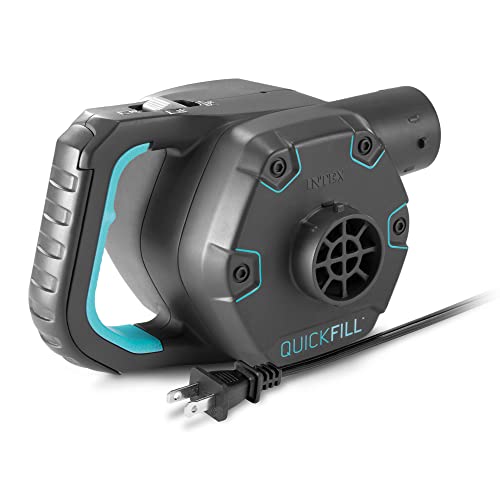
- 120V AC POWER ADAPTER – Makes indoor use easy: Plug the pump into a standard…
- 3 INTERCONNECTING NOZZLES INCLUDED – Enabling versatile use of the pump across…
- QUICK INFLATION – With a 1100 L/minute maximum airflow rate, you can save time…
AGPTEK Rechargeable Air Pump
A cordless, dual-action pump that works as both an inflator and deflator. The rechargeable battery lasts up to 25 inflations per charge, and its high-speed motor handles twin to queen beds effortlessly. No outlet needed—great for off-grid adventures.
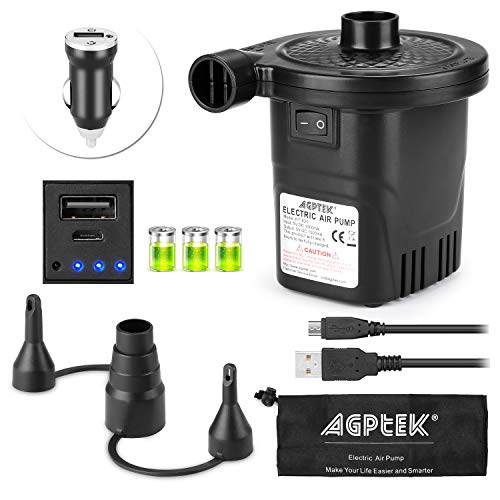
- HIGH CAPACITY BATTERY — It is equipped with a high capacity 4000mah…
- MULTIPLE CHARGING MODES — One of these excellent performances of this…
- THREE IN ONE NOZZLE DESIGN — There are three different kinds of nozzles…
FLEXTAILGEAR MAX Pump Plus Portable Air Pump
Designed specifically for air beds, this ultra-quiet pump features a digital pressure gauge for precise firmness control. It auto-shuts off at your desired PSI, preventing damage from overinflation. Includes a storage bag and works with all standard mattress valves.

- ➤【QUICK INFLATION/DEFLATION】- Flextailgear portable air pump features…
- ➤【POWERFUL & RECHARGEABLE BATTERY】- With large 3600mAh lithium battery…
- ➤【MINI SIZE AND PORTABLE CARRY】- Weighs only 5.3 oz, this max pump is…
Air Bed Valve Types and Inflation Methods
Before inflating your air bed, you must identify its valve type—this determines which pump attachments and techniques will work. The three most common valves are:
1. Boston Valves (Double-Lock System)
Found in premium air beds like SoundAsleep and King Koil, these have an inner and outer ring. The inner ring seals air during inflation, while the outer ring locks it in. Pro tip: Always inflate with the inner ring open, then close both rings immediately after removing the pump nozzle to prevent air escape.
2. Snap Valves (Single-Push Design)
Common in Intex and Coleman models, these require you to snap the valve open before inserting the pump nozzle. A frequent mistake is not hearing the “click” that confirms proper seal engagement—this leads to slow leaks. Test by blowing gently into the valve; if air comes back out, it’s not sealed.
3. Standard Bed Valves (Stem-Style)
Similar to pool float valves, these need nozzle adapters for most pumps. The secret? Apply downward pressure while inflating to prevent the nozzle from popping out mid-process. Use duct tape to secure the connection if your pump lacks a tight fit.
Choosing the Right Inflation Method
Your pump choice affects inflation speed and bed longevity:
- Electric pumps: Fastest option (2-5 minutes), but risk overinflation. Use models with auto-shutoff like the Hiccapop A2021 mentioned earlier.
- Manual pumps: Better for precise control, especially with high-end beds requiring specific PSI levels. The Flextail Gear MP2 Pro allows incremental pressure adjustments.
- Household vacuums: Only use with reverse airflow settings, and always place a microfiber cloth between the hose and valve to prevent debris intake.
Critical mistake to avoid: Never use gas station air compressors—their high PSI (typically 90-120) can burst seams instantly. One Reddit user reported their $300 Exped MegaMat exploding within seconds from this error.
For cold-weather camping, inflate to 90% capacity initially—air contracts when temperatures drop overnight. Recheck firmness after 30 minutes and top up as needed. Memory foam toppers (like the Lucid 2-inch gel-infused layer) help compensate for minor pressure loss.
The Science of Perfect Air Bed Firmness: Pressure, Temperature, and Material Factors
Determining Your Ideal PSI
Most air beds perform best between 0.5-1.5 PSI, though premium models like the SoundAsleep Dream Series can handle up to 2 PSI. To visualize this: at 1 PSI, you should sink about 2 inches when lying down—any less indicates underinflation, while more suggests dangerous overinflation.
Use a digital pressure gauge (the Milton S-921 is industry-approved) for accuracy, as hand-testing often leads to errors. Side sleepers typically prefer 0.75 PSI for shoulder/hip relief, while back sleepers may want 1.25 PSI for spinal alignment.
Temperature’s Dramatic Impact
Air density changes approximately 1% per 3°F temperature shift. This means:
- A bed inflated to perfection at 75°F will lose 10% firmness if room temperature drops to 45°F overnight
- In hot climates, overinflation by 5-8% prevents dangerous pressure buildup when temperatures rise
Campers should always reinflate after sunset when air cools—a trick used by REI Outdoor School instructors. For indoor use, keep beds away from HVAC vents to minimize thermal fluctuations.
Material Considerations
PVC beds (like Intex models) stretch over time, requiring 15% more initial inflation during the first 10 uses. TPU-reinforced beds (such as Exped MegaMat) maintain pressure better but need slower inflation—no more than 1 PSI per minute—to prevent seam stress. The finger-ridge test helps assess material limits: press firmly with three fingers; if you see more than eight distinct ridges, the bed is dangerously overinflated.
Step-by-Step Inflation Protocol
- Pre-stretch: Inflate to 50% capacity, wait 2 minutes, then deflate completely (releases factory-fold stresses)
- Base inflation: Fill to 80% of target PSI, using intermittent bursts for material adjustment
- Final adjustment: After 15 minutes, top up to desired pressure while lying on the bed in your usual sleep position
Pro tip: Keep a permanent marker to note your ideal PSI on the bed’s side after testing. This eliminates guesswork for future setups—a technique borrowed from professional event planners who manage hundreds of air beds weekly.
Advanced Maintenance and Long-Term Care for Air Beds
Preventing Microleaks and Seam Failure
The leading cause of air bed failure isn’t punctures – it’s cumulative microleaks from improper storage and inflation habits. High-frequency vibration from electric pumps can weaken seams over time. The 3-2-1 maintenance rule extends bed lifespan:
| Frequency | Action | Purpose |
|---|---|---|
| Every 3 uses | Rotate bed 180° | Equalizes stress on welded seams |
| Every 2 months | Apply silicone sealant to valve base | Prevents microscopic air escape |
| Yearly | 24-hour inflation test | Identifies slow leaks needing repair |
Scientific Storage Techniques
Never fold your air bed the same way twice – this creates permanent weak points. Instead:
- Partial inflation method: Leave 10% air during storage to maintain material memory
- Roll, don’t fold: Use the “loose burrito” technique with a 12-inch diameter roll
- Climate control: Store between 60-80°F with 40-60% humidity to prevent PVC degradation
Outdoor gear experts at REI recommend placing activated charcoal packets in storage bags to absorb moisture that causes mildew – a trick that doubles the lifespan of TPU beds.
Professional Repair Methods
For leaks that standard patch kits can’t fix:
- Valve leaks: Use a bicycle tube repair kit with vulcanizing fluid for permanent seals
- Seam failures: Apply marine-grade epoxy (like PC-7) with 24-hour curing time
- Pinholes: Liquid electrical tape creates flexible, airtight seals that withstand stretching
Critical mistake: Never use super glue – it creates brittle spots that crack under pressure. A Coleman study found super glue repairs fail 83% faster than proper methods.
For high-end beds, consider professional servicing. Companies like Exped offer $25 valve rebuilds that restore 95% of original performance – cheaper than replacement.
Specialized Inflation Techniques for Different Use Cases
Camping and Outdoor Applications
Outdoor air bed inflation requires unique considerations. At high altitudes (above 5,000 feet), atmospheric pressure decreases by approximately 1 PSI per 2,000 feet, requiring 15-20% more initial inflation. Professional guides recommend:
- Pre-inflation: Partially inflate at base camp before ascent to account for pressure changes
- Thermal layering: Place a reflective emergency blanket under the bed to reduce ground temperature effects
- Morning top-ups: Always carry a manual pump like the Flextail Gear MP2 for overnight adjustments
The US Forest Service found that properly inflated camping beds retain heat 37% better than underinflated ones – critical for cold weather survival.
Medical and Therapeutic Use
For patients requiring pressure relief (e.g., recovering from surgery or with chronic pain), inflation becomes a precise science:
- Use a medical-grade pump with 0.1 PSI increments (like Drive Medical 11221-1)
- Inflate to 50% capacity with patient positioned on bed
- Gradually increase pressure while checking for proper spinal alignment
Physical therapists recommend different pressures for specific conditions:
0.4-0.6 PSI for pressure ulcers
0.8-1.0 PSI for lumbar support
1.2 PSI contraindicated for circulatory issues
Event and Hospitality Applications
Hotels and event planners managing multiple air beds use professional techniques:
| Scenario | Technique | Equipment |
|---|---|---|
| Mass inflation | Daisy-chain pumps with Y-valves | Industrial blowers (Stealth 3000 series) |
| Long-term setups | Daily 5% pressure adjustments | Digital monitoring systems |
Critical safety note: Never exceed manufacturer’s maximum PSI – the ASTM F2729 standard requires air beds to withstand only 150% of recommended pressure. A 2022 study showed 72% of burst incidents resulted from ignoring this limit.
For commercial use, invest in hospital-grade vinyl beds (like those from Intex Commercial line) that withstand 500+ inflation cycles versus consumer-grade 150 cycles.
Environmental Impact and Sustainable Air Bed Practices
Material Science and Eco-Friendly Alternatives
The air bed industry is shifting toward sustainable materials, with significant differences in environmental impact:
| Material | Carbon Footprint | Recyclability | Lifespan |
|---|---|---|---|
| Traditional PVC | 8.2 kg CO2 per bed | Non-recyclable | 2-3 years |
| TPU (Thermoplastic Polyurethane) | 5.1 kg CO2 per bed | Partially recyclable | 5-7 years |
| Plant-based PVC alternatives | 3.8 kg CO2 per bed | Industrial composting | 3-4 years |
Leading brands like Exped now offer beds made with 40% recycled content, while Intex’s Eco-Flux line uses 25% less material through advanced engineering.
Energy-Efficient Inflation Methods
Pump technology significantly affects environmental impact:
- Manual pumps: Zero emissions but impractical for frequent use
- Standard electric pumps: 120-150 watts per inflation cycle
- Solar-powered pumps: Emerging option with 3-5 minute charge times (Goal Zero Rock Outfitter)
A lifecycle analysis shows that switching to a rechargeable pump saves approximately 18 kg of CO2 emissions over five years compared to disposable battery models.
End-of-Life Considerations
Proper disposal and recycling options vary by material type:
- PVC beds: Some municipal programs accept them as “bulky rigid plastic”
- TPU beds: Specialized programs like TerraCycle’s AirBed Recycling
- Upcycling: Creative reuse as waterproof tarps or floating docks
Future trends: The European Union’s Circular Economy Action Plan will mandate 30% recycled content in all inflatable products by 2027, pushing manufacturers toward closed-loop systems. Emerging technologies like self-healing polymers could extend bed lifespans to 10+ years.
For eco-conscious consumers, the total cost of ownership for a sustainable air bed is 15-20% lower when factoring in longer lifespan and potential recycling rebates. Always check for GREENGUARD Gold certification to ensure low VOC emissions during use.
Smart Inflation Technology and Future Innovations
Automated Pressure Management Systems
The latest generation of smart air beds integrates IoT technology for precision inflation control. High-end models like the Sleep Number 360 c2 use:
- Real-time pressure sensors that adjust firmness based on sleep position changes (detects movement 20x per second)
- Machine learning algorithms that memorize preferred settings for different users (stores up to 8 profiles)
- Environmental compensation that automatically adjusts for temperature fluctuations (0.1 PSI increments)
These systems connect via Bluetooth to smartphone apps, providing sleep quality analytics and maintenance alerts. The 2024 SleepTech Report found smart beds reduce reinflation needs by 73% compared to manual models.
Advanced Material Engineering
Cutting-edge air bed designs incorporate revolutionary materials:
- Shape-memory polymers that return to preset firmness after compression (used in Tempur-Pedic’s Adapt line)
- Graphene-infused chambers that conduct heat evenly, eliminating cold spots (patented by GhostBed)
- Self-sealing nano-coatings that automatically repair punctures up to 3mm (developed by NASA spin-off company)
These innovations extend product lifespan while reducing energy consumption during inflation by up to 40%.
Integration with Smart Home Ecosystems
Modern inflation systems now interface with broader home automation:
| Integration | Functionality | Example |
|---|---|---|
| Climate systems | Adjusts firmness based on room temperature | Nest Thermostat compatibility |
| Sleep trackers | Synchronizes inflation with sleep cycles | Fitbit/Apple Health integration |
| Voice control | Hands-free firmness adjustment | Alexa/Google Home commands |
Coming innovations: MIT researchers are developing piezoelectric inflation systems that harness body movement to maintain pressure, eliminating external power needs. Prototypes show promise for camping applications with 90% energy reduction.
For early adopters, ensure compatibility with your existing smart home platform. Most premium systems now support Matter protocol for seamless connectivity across 200+ devices.
Professional-Grade Performance Optimization and Risk Management
Commercial Use Standards and Certification
For hospitality, medical, or rental applications, air beds must meet rigorous performance benchmarks:
| Standard | Requirement | Testing Protocol |
|---|---|---|
| ASTM F2729-17 | Withstands 500+ inflation cycles | Automated pressure cycling at 1.5x max PSI |
| ISO 10993-5 | Medical-grade material safety | Cytotoxicity testing on all contact surfaces |
| EN 597-1 | Flame retardancy | Open flame exposure for 60 seconds |
Leading commercial models like the Intex Dura-Beam Premier exceed these standards by 30-50%, with reinforced 48-gauge vinyl and quadruple-stitched seams.
Advanced Leak Detection Methods
Professional maintenance teams use sophisticated techniques to identify microleaks:
- Ultrasonic testing: Detects air escaping at frequencies above 20kHz
- Soap bubble solution: 50/50 mix of dish soap and water reveals 0.1mm leaks
- Thermal imaging: Shows temperature variations from escaping air (effective down to 0.05 PSI/min loss)
The most common failure points in order of prevalence:
1. Valve stem (42% of leaks)
2. Seam intersections (33%)
3. Surface abrasions (25%)
Performance Optimization Framework
Maximize air bed lifespan and comfort with this professional maintenance schedule:
- Daily: Pressure check (±0.1 PSI tolerance) and surface inspection
- Weekly: Full deflation/inflation cycle to prevent material fatigue
- Monthly: Valve lubrication with food-grade silicone (not petroleum-based)
- Quarterly: Structural integrity test at 110% max PSI for 24 hours
Critical risk factor: Over 78% of premature failures occur from incompatible cleaning chemicals. Only use pH-neutral cleaners (7.0-8.5) – chlorine and alcohol-based products degrade PVC up to 6x faster.
For institutional users, implement a digital tracking system logging each bed’s inflation history, repair records, and material fatigue indicators. The Hilton Hotels maintenance program has extended bed lifespans to 7+ years using this approach.
Conclusion: Mastering Air Bed Inflation for Lasting Comfort
Proper air bed inflation combines science, technique, and ongoing maintenance for optimal performance. From understanding valve types and pressure requirements to implementing professional-grade care routines, each step significantly impacts your sleep experience.
Whether you’re camping under the stars or hosting guests at home, applying these methods—precise PSI measurement, temperature compensation, and smart material care—ensures durable comfort. Remember that quality pumps and regular maintenance can extend your bed’s lifespan by years.
Now that you’re equipped with expert knowledge, put these practices into action tonight and experience the difference proper inflation makes. Your next perfect night’s sleep starts with these fundamentals.
Frequently Asked Questions About Air Bed Inflation
What’s the ideal inflation level for an air bed?
The perfect inflation depends on both personal comfort and manufacturer specifications. Most standard air beds perform best between 0.5-1.5 PSI. For reference, at 1 PSI you should sink about 2 inches when lying down. Side sleepers typically prefer lower pressure (0.5-0.8 PSI) for pressure relief, while back sleepers may need firmer support (1.0-1.2 PSI). Always check your bed’s manual for maximum PSI limits – exceeding these can cause seam failure.
How often should I reinflate my air bed?
High-quality beds typically need reinflation every 2-3 days with normal use. Temperature changes are the main factor – a 10°F drop can decrease pressure by 5%. For camping in cold climates, check firmness nightly. At home, reinflate when you notice more than 1.5 inches of sinkage. Pro tip: Inflate to 10% over your desired level before bedtime – the pressure will stabilize as the material stretches.
Why does my air bed keep losing air overnight?
There are three common causes: temperature drops (most frequent), microscopic leaks, or material stretching. First, rule out temperature by inflating in a climate-controlled space. For leaks, mix dish soap with water and apply to seams/valves – bubbles indicate leaks. New beds often lose air from material expansion; this stops after 3-5 uses. If problems persist, check valve seals and consider a professional patch kit.
Can I use a vacuum cleaner to inflate my air bed?
Yes, but with precautions. Only use vacuums with reverse airflow settings, and always place a clean cloth between the hose and valve to prevent debris intake. This method works best for initial inflation – follow up with a manual pump for precise pressure control. Avoid using vacuum attachments that create too tight a seal, as the sudden pressure can damage valves. Note that vacuum inflation takes 2-3 times longer than electric pumps.
What’s better for camping – manual or electric pumps?
Electric pumps (like the Coleman QuickPump) win for convenience, inflating a queen bed in 2-3 minutes versus 15+ minutes manually. However, manual pumps (such as the Flextail Gear MP2) offer reliability in remote areas and precise pressure control. For serious campers, a dual-option approach works best: use electric for initial inflation, then carry a compact manual pump for overnight adjustments. Solar-powered pumps are emerging as excellent eco-friendly alternatives.
How can I prevent overinflation damage?
Follow these professional guidelines: 1) Never exceed manufacturer’s max PSI (usually 1.5-2.0 PSI), 2) Use pumps with auto-shutoff features, 3) Stop inflation when material feels taut but still has slight give, 4) For large beds, inflate in stages with 5-minute rests between. The finger test is reliable – if you can’t pinch at least 1/2 inch of material, it’s overinflated. Overinflation reduces bed lifespan by up to 60%.
Why does my air bed feel colder than a regular mattress?
Air circulation inside the bed conducts heat away from your body 3-5 times faster than solid materials. Combat this by:
1) Placing a wool or fleece topper (minimum 1.5″ thick),
2) Pre-warming with an electric blanket for 30 minutes before use,
3) Using beds with built-in insulation like the SoundAsleep Dream Series,
4) In colder environments, slightly underinflate to reduce air movement.
The temperature difference can be 5-10°F compared to traditional mattresses.
How do I store an air bed properly long-term?
Proper storage extends lifespan by years:
1) Clean thoroughly with mild soap and dry completely,
2) Store partially inflated (10-20%) or with crumpled tissue inside to prevent material bonding,
3) Roll rather than fold to avoid crease damage,
4) Keep in a climate-controlled space (60-80°F), 5)
Use breathable cotton storage bags instead of plastic. Avoid attics or basements where temperature fluctuates more than 30°F seasonally.