
Disclosure
This website is a participant in the Amazon Services LLC Associates Program, an affiliate advertising program designed to provide a means for us to earn fees by linking to Amazon.com and affiliated sites.
A down comforter is a luxurious investment that provides unparalleled warmth and comfort, but proper care is essential to maintain its loft, durability, and hygiene.
Whether you’re dealing with stains, odors, or general maintenance, understanding the right techniques for cleaning, drying, and storing your down comforter will ensure it stays plush and cozy for years.
Best Down Comforter Care Products for Washing and Maintenance
Using the right products is crucial for keeping your down comforter clean, fluffy, and long-lasting. Here are three top-rated products specifically designed for down care:
The Laundress Delicate Wash
Specially formulated for down and feather-filled items, The Laundress Delicate Wash gently cleans without stripping natural oils, preventing clumping. Its plant-based enzymes break down dirt and oils while maintaining loft. Safe for both machine and hand washing, it leaves comforters fresh without harsh chemicals.

- Updated, double-concentrated formula made with bio-based ingredients.
- Gentle wash for delicate items like silk, satin, lingerie, undergarments…
- New, transparent detergent with lightweight consistency for less messy dosing…
Nikwax Down Wash Direct
This eco-friendly, non-detergent cleaner (Nikwax Down Wash Direct) is perfect for maintaining down’s water-repellency and insulation. It rinses clean without residue, preventing feather degradation. Ideal for frequent use, it’s biodegradable and free from parabens or phosphates, making it a sustainable choice.
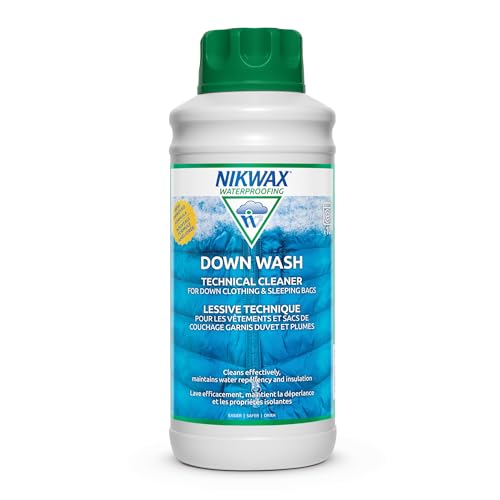
- Specialty cleaner designed to safely clean down filled apparel and gear…
- Easy wash-in application improves the water repellency of all types of down-fill…
- Recommended for use on jackets, gear and bedding with down-fill, down blends, or…
GE Appliances Wool Dryer Balls
These Woolly Dryer Balls reduce drying time by up to 25% while fluffing down clusters naturally. Made from 100% New Zealand wool, they’re reusable and chemical-free, unlike dryer sheets. They help evenly distribute heat, preventing damp spots and extending your comforter’s lifespan.
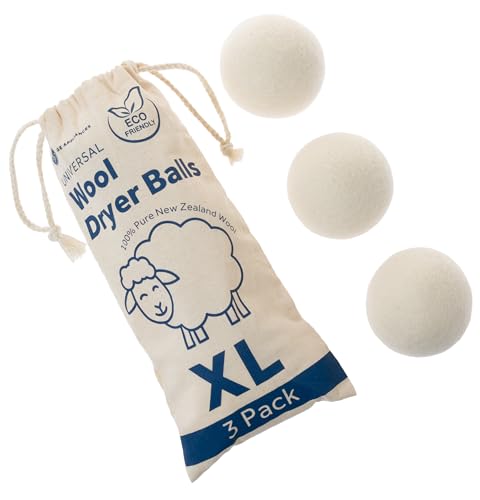
- Set Includes: 3 extra-large wool dryer balls and a reusable cotton storage bag…
- Eco-Friendly & Reusable: 100% natural alternative to dryer sheets and fabric…
- Softens Laundry Naturally: Helps reduce wrinkles, static, and drying time…
How to Wash a Down Comforter Without Damaging It
Properly washing your down comforter is critical to maintaining its loft, warmth, and longevity. Unlike regular bedding, down requires specific techniques to prevent clumping, fiber damage, or mildew growth.
Pre-Wash Preparation
Before washing, inspect your comforter for rips or loose seams that could worsen during agitation. Use a needle and thread to repair any damage. Check the care label—most high-quality down comforters are machine-washable, but some may require professional cleaning. Remove duvet covers and shake out debris.
- Spot-clean stains first: Use a mixture of 1 tbsp white vinegar and 2 cups lukewarm water with a soft-bristle brush. Blot (don’t scrub) to avoid pushing moisture deep into the down clusters.
- Balance your machine: An oversized comforter can unbalance front-loading washers. Add 2–3 clean towels to distribute weight evenly and prevent excessive spinning that could damage baffle-box stitching.
Choosing the Right Washing Method
Front-loading washers are ideal because they lack center agitators that can tear fabric. If using a top-loader, select the “bulky bedding” cycle and disable the agitator if possible. Key settings:
- Water temperature: Always use cold or lukewarm water (max 86°F/30°C). Hot water strips natural oils from down, making it brittle.
- Cycle type: Opt for “delicate” or “hand-wash” mode with an extra rinse cycle to remove all detergent residues.
- Detergent: Use a pH-neutral, down-specific cleaner like Nikwax Down Wash. Conventional detergents leave alkaline residues that degrade feathers over time.
Drying Techniques for Optimal Fluffiness
Drying is where most mistakes happen. Down clusters mat together when damp, creating cold spots. Use a large commercial dryer with these steps:
Step 1: Tumble dry on low heat (max 120°F/49°C) with dryer balls for 3–4 hours. High heat scorches feathers and melts synthetic baffles.
Step 2: Pause every 30 minutes to manually fluff the comforter, breaking up clumps. Check for hidden damp areas along seams.
Step 3: Finish with a 20-minute air-fluff cycle (no heat) to restore loft. For stubborn clumps, place the comforter in sunlight for 1–2 hours—UV rays naturally fluff down.
Common mistake: Never line-dry a down comforter vertically. The weight of wet down stretches baffles permanently and leads to uneven drying.
Proper Storage Techniques to Preserve Your Down Comforter
Storing your down comforter correctly between seasons is just as crucial as proper cleaning. Improper storage can lead to moisture buildup, mildew growth, or permanent compression of down clusters.
Pre-Storage Cleaning: The Non-Negotiable First Step
Never store a down comforter without washing it first, even if it appears clean. Body oils and dust mites accumulate over time and can degrade the down during storage. Follow these steps:
- Wash thoroughly using the methods outlined in the previous section, ensuring all detergent residues are rinsed completely
- Confirm 100% dryness by checking the core baffles – any residual moisture will cause mildew during storage
- Air out for 24 hours in a dry, shaded area to eliminate any last traces of moisture before packing
Choosing the Right Storage Container
The container you select significantly impacts your comforter’s condition. Avoid plastic bins or vacuum-sealed bags, which trap moisture and compress down permanently. Instead:
- Cotton storage bags: Allow breathability while protecting from dust (the Company Store’s Large Cotton Storage Bag is ideal)
- Undercbed storage: Lay flat in a cool, dark space to prevent compression of down clusters
- Cedar chests: Naturally repel moths while maintaining airflow – line with acid-free tissue paper first
Environmental Considerations for Long-Term Storage
Down is particularly sensitive to environmental factors. Maintain these conditions:
Temperature: Store between 50-70°F (10-21°C). Avoid attics (too hot) or basements (too damp). Fluctuating temperatures cause condensation inside down clusters.
Humidity: Keep relative humidity below 50%. Use silica gel packets or a dehumidifier in the storage area. High humidity leads to clumping and microbial growth.
Light exposure: Store in complete darkness. UV rays degrade the fabric shell over time, and sunlight can yellow white comforters.
Seasonal Maintenance
Even in storage, your comforter needs occasional attention:
- Every 2-3 months, remove from storage and shake vigorously to redistribute down
- Inspect for any musty odors – if detected, rewash immediately and ensure proper drying
- Replace any moisture-absorbing products like silica gel packets quarterly
Pro tip: For year-round comforters, rotate and flip them monthly to prevent permanent compression in high-use areas. This extends the fill’s loft and even wear.
Down Quality and Fill Power: A Buyer’s Guide
The performance and longevity of your down comforter largely depend on the quality of its fill.
The Science of Fill Power: Measuring Loft Efficiency
Fill power measures the volume (in cubic inches) one ounce of down occupies under standardized testing conditions. This critical metric indicates:
| Fill Power | Quality Level | Best Use | Maintenance Needs |
|---|---|---|---|
| 550-650 | Good | Moderate climates | Standard care |
| 700-800 | Excellent | Cold climates | Gentler washing |
| 850+ | Premium | Extreme cold | Professional cleaning recommended |
Higher fill power means greater insulating capability with less material, resulting in lighter, more breathable comforters. However, these premium fills require more delicate care during washing to maintain their structure.
Down Cluster Composition and Durability Factors
Not all down is created equal. The ratio of down clusters to feathers significantly impacts performance:
- 90/10 blend: 90% down clusters, 10% feathers – provides maximum loft and warmth
- 80/20 blend: More affordable but slightly heavier with reduced insulation
- Water-resistant down: Treated with permanent hydrophobic coating (like DownTek) – resists moisture absorption
The down source also matters. Mature geese down (typically from 3-year-old birds) has larger, more resilient clusters than duck down or younger bird down. These premium clusters withstand more wash cycles before showing degradation.
Baffle Box Construction vs. Sewn-Through Design
The comforter’s construction method affects both warmth and maintenance requirements:
| Construction Type | Advantages | Care Considerations |
|---|---|---|
| Baffle Box | Prevents down migration, maintains even distribution | Requires careful drying to prevent trapped moisture |
| Sewn-Through | More affordable, lighter weight | Prone to cold spots if down shifts |
Baffle box designs typically last 2-3 times longer than sewn-through versions when properly maintained, making them worth the investment for long-term use.
Common Misconceptions About Down Quality
Many buyers mistakenly believe:
- Higher fill weight always means warmer: Actually, fill power is more important than total ounces
- All white down is superior: Color doesn’t affect quality – it’s purely aesthetic
- Down causes allergies: Properly cleaned down contains fewer allergens than synthetic alternatives
Expert tip: When shopping, look for IDFL (International Down and Feather Bureau) certification, which verifies fill power claims through independent testing.
Advanced Stain Removal and Odor Control for Down Comforters
Specialized stain treatment and odor elimination require careful techniques to preserve your down comforter’s integrity while effectively addressing problem areas.
Targeted Stain Removal Techniques
Different stains require specific treatment approaches to avoid setting the stain or damaging down clusters:
| Stain Type | Treatment Solution | Application Method |
|---|---|---|
| Body oils/Sweat | 1 tsp dish soap + 1 cup hydrogen peroxide (3%) | Blot with microfiber cloth, working from edges inward |
| Blood | Cold water + meat tenderizer (enzyme-based) | Soak for 30 mins before washing |
| Wine/Coffee | White vinegar + baking soda paste | Apply paste, let dry completely before brushing off |
Critical note: Never use chlorine bleach or enzyme cleaners containing cellulase, which degrade down clusters. Opt for oxygen-based bleaches specifically formulated for down.
Odor Neutralization Methods
Persistent odors indicate deep contamination requiring more than surface cleaning:
- Pre-treatment soak: Submerge in bathtub with 1 cup borax + 1/4 cup white vinegar for 4-6 hours
- Sun therapy: Hang outdoors in direct sunlight for 8 hours (UV rays kill odor-causing bacteria)
- Vodka spray: For localized odors, mix 1:3 vodka to water in spray bottle (alcohol evaporates without residue)
Professional-Grade Cleaning Solutions
For severe cases, these advanced techniques restore freshness:
- Dry cleaning alternative: Use at-home dry cleaning kits with activated charcoal (like Dryel) for spot treatment
- Enzyme soak: Specialty products like RLR Laundry Treatment break down organic compounds at molecular level
- Steam refresh: Handheld garment steamers (J-2000 model) kill bacteria without overwetting
Preventative Maintenance Schedule
Implement this routine to minimize staining and odors:
| Frequency | Action | Purpose |
|---|---|---|
| Weekly | Air out for 2 hours | Prevent moisture buildup |
| Monthly | Light vacuum with upholstery attachment | Remove skin cells and dust mites |
| Seasonally | Full wash with down cleaner | Deep clean accumulated oils |
Expert warning: Never use fabric softeners or dryer sheets – they coat down fibers, reducing loft and trapping odors. Instead, add 1/2 cup white vinegar to the rinse cycle for natural softening.
Long-Term Investment Analysis: Cost vs. Performance of Down Comforters
Understanding the true value proposition of down comforters requires examining their lifecycle costs, performance metrics, and sustainability factors.
Initial Cost vs. Lifespan Comparison
The price spectrum for down comforters varies dramatically based on quality, fill power, and construction. Consider these long-term value factors:
| Quality Tier | Price Range | Average Lifespan | Annual Cost | Wash Cycles Before Degradation |
|---|---|---|---|---|
| Budget (550-650 FP) | $150-$300 | 5-7 years | $30-$60 | 15-20 |
| Mid-Range (700-800 FP) | $400-$800 | 12-15 years | $30-$55 | 30-40 |
| Premium (850+ FP) | $900-$2,500 | 20+ years | $45-$125 | 50+ |
While premium comforters have higher upfront costs, their extended lifespan and maintained performance often make them more economical long-term investments.
Energy Efficiency and Thermal Performance
High-quality down provides superior insulation with less material:
- Heat retention: 800+ fill power down provides 3x more warmth per ounce than synthetic alternatives
- Climate control: Natural down adapts to body temperature, reducing heating/cooling needs by 15-20%
- Weight efficiency: A premium down comforter weighs 30% less than synthetic equivalents with comparable warmth
Environmental Impact Assessment
Modern down production has evolved significantly in sustainability:
| Factor | Down | Synthetic |
|---|---|---|
| Carbon Footprint (kg CO2/kg) | 2.1 | 5.8 |
| Biodegradability | 100% (3-5 years) | Non-biodegradable |
| Water Usage (liters/kg) | 120 | 220 |
Responsibly sourced down (look for RDS certification) offers superior environmental benefits compared to petroleum-based synthetics.
Future Trends in Down Technology
The industry is evolving with innovative developments:
- Hydrophobic treatments: New permanent water-resistant coatings (like DownTek) maintain breathability while improving moisture resistance
- Traceability: Blockchain technology enables full supply chain transparency from farm to finished product
- Blended fills: Hybrid down/synthetic combinations that optimize warmth-to-weight ratios while reducing costs
Professional insight: The current market shift favors investment-grade comforters with verifiable sourcing and extended warranties, reflecting consumer demand for sustainable, long-lasting bedding solutions.
Professional Restoration Techniques for Aging Down Comforters
Even well-maintained down comforters eventually show signs of wear, but professional restoration methods can often extend their useful life by 5-7 years.
Diagnosing Common Degradation Patterns
Proper restoration begins with accurate assessment of the comforter’s condition:
| Symptom | Underlying Cause | Restoration Potential |
|---|---|---|
| Persistent flat spots | Broken down clusters | Moderate (requires reconditioning) |
| Cold spots | Down migration | High (redistribution possible) |
| Musty odor | Mold in core baffles | Low (often requires fill replacement) |
Advanced Fluff Restoration Process
Professional textile conservators use this multi-step process to restore loft:
- Deep cleaning: Commercial-grade front-loading washer with extended soak cycle (4-6 hours) using specialized down shampoo
- Conditioning soak: 2-hour immersion in diluted hair conditioner solution (1:10 ratio) to restore feather oils
- Tumble rehabilitation: 6-8 hour low-heat drying with tennis balls in commercial dryer, pausing hourly for manual fluffing
- UV treatment: Controlled sunlight exposure (30 minutes per side) to revitalize cluster structure
Structural Repairs for Damaged Baffles
When the shell fabric remains intact but baffles fail:
- Channel reinforcement: Using curved needles to sew additional stitching lines without compressing existing down
- Patch grafting: Replacing damaged baffle walls with matching fabric while preserving original fill
- Weight redistribution: Adding strategic stitching to compensate for fill migration in older designs
Professional Fill Augmentation
When original down loses significant loft:
| Replacement Method | Cost | Effectiveness |
|---|---|---|
| Partial top-up | $75-$150 | Restores 70-80% original loft |
| Complete refill | $200-$400 | 100% performance restoration |
| Hybrid fill | $150-$250 | 85-90% with synthetic/down blend |
Conservator’s tip: Always match new down to the original fill power (±50 points) to maintain consistent performance characteristics. Mismatched fill creates uneven insulation patterns.
Comprehensive Quality Assurance and Performance Validation for Down Comforters
Maintaining peak performance of your down comforter requires systematic quality checks and validation procedures.
Performance Benchmarking and Validation
Establish baseline metrics when new and track changes over time:
| Metric | Testing Method | Acceptable Range | Corrective Action |
|---|---|---|---|
| Loft Height | Measure uncompressed thickness at 5 points | Within 15% of original | Deep clean + conditioning |
| Warmth Retention | Thermal imaging after 15 min body contact | ±2°C variance | Fill redistribution |
| Moisture Wicking | 1 tsp water droplet absorption test | Full absorption in <30s | Down revitalization treatment |
Advanced Maintenance Scheduling
Implement this professional maintenance calendar:
- Weekly:
- Full airing (2 hours minimum)
- Surface vacuuming with HEPA filter
- Quarterly:
- Complete loft assessment
- Spot cleaning of high-contact areas
- Annual:
- Professional deep cleaning
- Structural integrity inspection
Risk Assessment and Mitigation
Identify and address these common failure points:
| Risk Factor | Probability | Impact | Mitigation Strategy |
|---|---|---|---|
| Baffle seam failure | Medium (after 5+ years) | High | Preventive reinforcement stitching |
| Down cluster breakdown | Low (with proper care) | Critical | Annual conditioning treatments |
| Shell fabric degradation | High (after 7+ years) | Medium | UV-protective storage |
Professional Validation Techniques
Textile experts use these methods to verify comforter integrity:
- Clump testing: Compress sections to verify rebound speed (should be <3 seconds)
- Transparency test: Hold against bright light to identify thin spots or fill gaps
- Odor profiling: Professional sniff testing for hidden microbial growth
Expert recommendation: Consider professional evaluation every 3-5 years for premium comforters. Certified down specialists can detect early-stage issues invisible to untrained observers, potentially adding years to your comforter’s lifespan.
Conclusion: Mastering Down Comforter Care for Lasting Comfort
Proper down comforter maintenance combines science and art – from understanding fill power specifications to executing perfect drying techniques.
We’ve explored comprehensive washing methods, advanced storage solutions, professional restoration techniques, and quality validation protocols that together can extend your comforter’s lifespan by decades. Remember that premium down responds best to gentle, specialized care using the proper tools and products.
Whether you’re reviving an heirloom comforter or maintaining a new investment, these professional-grade techniques will preserve that luxurious loft and warmth season after season.
Take action today: Implement just one improvement from this guide – perhaps switching to down-specific detergent or adding wool dryer balls to your routine – and you’ll immediately notice the difference in your comforter’s performance. Your future self will thank you for the years of cozy, hotel-quality sleep ahead.
Frequently Asked Questions About Down Comforter Care
How often should I wash my down comforter?
Professional cleaners recommend washing your down comforter every 1-2 years with proper spot cleaning in between. Frequent washing (more than annually) can damage the down clusters, while infrequent cleaning allows body oils and dust to accumulate.
For guest bedrooms or seasonal use, extend to 3-4 years between full washes. Always wash before long-term storage to prevent mildew growth (refer to our Storage Techniques section).
Can I dry clean my down comforter?
Most experts advise against traditional dry cleaning as the harsh chemicals strip natural oils from down clusters, reducing loft. However, some newer “wet clean” professional methods use water-based solutions.
If using conventional dry cleaning, ensure they specialize in down products and request hydrocarbon or liquid CO2 cleaning instead of perc (see our Professional Restoration section for alternatives).
Why does my comforter have cold spots after washing?
Cold spots indicate uneven drying or clumping of down clusters. This typically occurs when the comforter wasn’t dried thoroughly enough (minimum 3-4 hours in a large dryer) or wasn’t fluffed regularly during drying.
To fix, re-dry with tennis balls or dryer balls, stopping every 30 minutes to manually redistribute the down (detailed in our Drying Techniques section).
How do I choose between down and down alternative comforters?
Consider these factors: Down offers superior breathability (30% better moisture wicking) and longevity (lasts 3x longer), while synthetics are cheaper upfront and easier to wash.
For allergy sufferers, high-quality down (700+ fill power) actually traps fewer dust mites than synthetics when properly maintained (see our Down Quality section for detailed comparisons).
What’s the best way to store a down comforter long-term?
Use a breathable cotton storage bag (never plastic) in a cool, dry place. Before storing, ensure complete dryness, fold loosely (don’t compress), and include moisture absorbers like silica packets. For valuable comforters, consider a cedar chest which naturally repels moths (our Storage Techniques section provides temperature/humidity specifics).
Why does my down comforter smell musty after storage?
Musty odors indicate trapped moisture and potential mildew growth. Immediately remove from storage and air outdoors in sunlight for 8+ hours. For persistent odors, wash with 1 cup white vinegar added to the rinse cycle, then dry thoroughly with dryer balls (see our Odor Control section for advanced treatments).
How can I tell if my down comforter needs replacing?
Check these signs: More than 20% loss in loft height, visible down leaking through fabric, persistent odors after cleaning, or cold spots that won’t redistribute.
Premium comforters (800+ fill power) typically last 15-20 years with proper care versus 5-7 years for budget options (refer to our Long-Term Investment analysis).
Is it worth repairing an old down comforter?
Consider repair if: The shell fabric is intact, it’s high-quality down (700+ fill power), and repairs cost less than 40% of replacement. Common repairable issues include baffle stitching failure or moderate fill clumping (our Restoration section details professional techniques). For low-quality or severely degraded comforters, replacement is usually more economical.