
Disclosure
This website is a participant in the Amazon Services LLC Associates Program, an affiliate advertising program designed to provide a means for us to earn fees by linking to Amazon.com and affiliated sites.
A thin mattress can compromise sleep quality, leading to discomfort and poor support. Choosing the right topper is a simple, cost-effective solution to transform your bed.
For thin mattresses, the topper must compensate for the lack of foundational padding. The ideal choice adds both cushioning and structural reinforcement to prevent bottoming out.
Is Your Thin Mattress Leaving You Aching and Exhausted Every Morning?
That constant pressure and lack of support from a thin mattress can ruin your sleep and your day. The DUMOS Dual Layer 3 Inch Topper directly solves this by adding substantial, contouring cushioning and a supportive base layer to transform your too-firm, worn-out bed into a plush, pressure-relieving sleep surface.
For truly transformative comfort on a thin mattress, choose the: DUMOS Dual Layer 3 Inch Mattress Topper
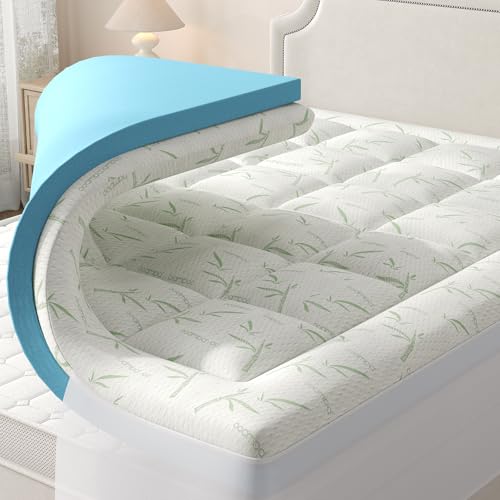
- 【Upgrade 2 In 1 Dual Layer Design】Combines a 2 inch cooling gel-infused...
- 【Relieve Pain & Contouring Support】This topper softens firm mattresses and...
- 【Ultra Cooling & Breathable】The innovative fiber pillowtop cover uses...
Choosing the Best Mattress Topper for a Thin Bed
Selecting the right mattress topper for a thin mattress requires balancing comfort with support. The primary goal is to add cushioning without creating a sinking, unstable feel. This section breaks down the key factors to consider for optimal sleep improvement.
Assessing Your Thin Mattress Support Needs
Before choosing a topper, evaluate your current mattress’s condition and your sleeping position. A topper can enhance comfort but cannot fix a severely sagging or broken-down foundation. Identify if you need more pressure relief, spinal alignment, or simple padding.
- Side Sleepers: Require thicker, plusher toppers (3-4 inches) to cushion hips and shoulders and maintain spinal alignment on a firm, thin base.
- Back or Stomach Sleepers: Need thinner, firmer toppers (2 inches) that provide slight cushioning while preventing the hips from sinking too deeply.
- Combination Sleepers: Should opt for a medium-firm topper that offers a balanced feel for various positions throughout the night.
Key Topper Material Options Compared
The material determines the topper’s feel, support, and durability. For thin mattresses, some materials perform better than others at adding structure.
| Material | Best For Thin Mattresses Because… | Consideration |
|---|---|---|
| Memory Foam | Excellent pressure relief and contouring; adds substantial body and can reinforce a firm feel. | Can retain heat; density (4-5 lb) is crucial for lasting support. |
| Latex (Natural or Synthetic) | Provides resilient, buoyant support; prevents sinking and adds durable structure to the sleep surface. | Often firmer and bouncier; ideal for those who dislike the “sinking” feel of memory foam. |
| High-Loft Fiberfill or Feather | Adds instant plushness and softness on top of a firm, thin mattress. | Offers minimal support; will compress quickly and may not prevent bottoming out. |
| Wool or Cotton | Provides natural temperature regulation and a soft, breathable comfort layer. | Generally offers the least structural reinforcement; best paired with a firmer mattress. |
For instance, a 3-inch density memory foam topper can transform a too-firm, thin mattress into a pressure-relieving cloud. Conversely, a 2-inch dunlop latex topper adds a supportive, responsive layer that combats sag.
How Thickness and Firmness Impact Your Topper Choice
The ideal thickness and firmness level are critical for enhancing a thin mattress. Getting this balance wrong can lead to discomfort or even worsen support issues. This section provides a clear guide to making the right selection for your body and bed.
Selecting the Correct Topper Thickness
Topper thickness directly influences how much it alters your mattress’s feel. A thin mattress often lacks padding, so the topper must fill that gap effectively.
- 2 Inches: Ideal for adding a slight comfort layer without dramatically changing mattress feel. Perfect for back sleepers or firm mattresses that need minor softening.
- 3 Inches: The most versatile choice. Provides significant pressure relief and contouring for side sleepers while maintaining good support on a thin base.
- 4 Inches: Best for maximum plushness and deep contouring. Ensure your thin mattress has a very firm, solid core to support this height without sagging.
Matching Firmness to Your Sleep Position
Firmness works with thickness to achieve proper spinal alignment. A topper that is too soft on a thin mattress will cause you to sink to the hard base.
Follow this simple process to match firmness to your needs:
- Identify Your Primary Sleep Position (e.g., side, back, stomach).
- Consider Your Mattress’s Current Firmness. A very firm thin mattress can handle a softer topper.
- Choose a Topper Firmness that compensates: Side sleepers often need Medium to Medium-Soft, while back and stomach sleepers require Medium-Firm.
For example, a 3-inch medium-firm memory foam topper adds cushioned support to a firm, thin mattress for a back sleeper. A 4-inch soft latex topper, however, would be better for a side sleeper on an extra-firm, thin foundation.
Practical Tips for Buying and Maintaining Your Mattress Topper
Once you’ve selected the right type, thickness, and firmness, practical considerations ensure long-term satisfaction. Proper setup and care protect your investment and maximize comfort. These final tips cover installation, compatibility, and maintenance for your new sleep surface.
Ensuring Proper Fit and Secure Installation
A topper that slips or bunches up can ruin your sleep experience. Securing it to your thin mattress is essential for safety and consistent comfort.
- Use a Fitted Mattress Pad or Cover: Place a deep-pocket mattress encasement or pad over both the mattress and topper. This acts like a large sheet, holding everything tightly in place.
- Invest in Topper Straps or Suspenders: These elastic bands stretch under the mattress to anchor the topper at each corner, preventing any shifting during the night.
- Check Depth Compatibility: Ensure your sheets have deep pockets (at least 12-15 inches) to accommodate the combined height of your thin mattress and the new topper.
Maximizing Topper Lifespan and Performance
Proper care extends the life of your topper and keeps it feeling fresh. Maintenance routines vary slightly by material but share common principles.
Follow this simple care checklist for optimal durability:
- Use a Protector: Always use a waterproof, breathable mattress protector. It shields the topper from spills, stains, and dust mites, which are difficult to clean.
- Rotate Regularly: Every 3-6 months, rotate your topper 180 degrees. This ensures even wear and prevents permanent body impressions from forming.
- Air It Out: When changing sheets, allow the topper to air for 30 minutes. This reduces moisture buildup and helps maintain the material’s resilience.
For instance, a memory foam topper benefits greatly from rotation to prevent permanent sagging. A latex topper is more resilient but still requires a protector to guard against oils and moisture that can degrade the material over time.
Common Mistakes to Avoid When Choosing a Topper
Selecting the wrong mattress topper can waste money and worsen sleep quality. these frequent errors helps you make an informed, effective purchase. Avoiding these pitfalls ensures your thin mattress gets the upgrade it truly needs.
Overlooking the Foundation and Mattress Condition
A topper is a comfort layer, not a structural repair. Placing it on a damaged or severely sagging thin mattress will not solve core support issues.
- Ignoring Sagging or Lumps: If your mattress has visible dips or permanent body impressions, a topper will only conform to these flaws. The underlying uneven support will quickly telegraph through.
- Using on a Broken or Slatted Base: A thin mattress on a broken box spring or widely spaced slats lacks uniform support. A topper cannot compensate for this, leading to poor spinal alignment and discomfort.
- Expecting a Topper to Fix Everything: Toppers add cushioning and minor reinforcement. For chronic pain or major support problems, a new mattress may be the more appropriate long-term solution.
Prioritizing Price Over Quality and Density
Opting for the cheapest, low-density topper often results in quick compression and loss of support. This is especially problematic on a firm, thin base.
When evaluating options, focus on these quality indicators over price alone:
- Check Foam Density: For memory foam, look for a density of at least 3-4 pounds per cubic foot (PCF). Lower-density foams (<2.5 PCF) will flatten rapidly.
- Review Return Policies and Trials: Reputable brands offer sleep trials (e.g., 30-100 nights). This allows you to test the topper’s compatibility with your thin mattress risk-free.
- Read Verified Reviews: Focus on reviews from users with similar mattress types (e.g., “firm,” “thin,” “platform bed”). Look for comments on long-term durability, not just initial comfort.
For example, a budget 2-inch egg crate foam topper may feel soft initially but will compress within months on a thin mattress. Investing in a higher-density 3-inch foam or latex topper provides lasting support and better value.
Answering Specific Questions About Thin Mattress Toppers
Shoppers often have precise concerns when upgrading a thin mattress. Addressing these directly clarifies the decision-making process. This section tackles common queries with practical, detailed answers.
Can a Topper Make a Thin Mattress Feel Like New?
A topper can significantly refresh a thin mattress, but with important caveats. It excels at adding comfort and pressure relief to a mattress that is structurally sound but too firm or lacking padding.
- Yes, for Comfort: It can transform a firm, uncomfortable thin mattress into a plush, pressure-relieving surface, effectively making it feel new in terms of comfort.
- No, for Structure: It cannot repair sagging, broken springs, or a collapsed core. The underlying support must be intact and evenly firm for the topper to work optimally.
- Result: Think of it as adding a new, high-quality comfort layer rather than replacing the foundational support system of the mattress itself.
What is the Best Topper for an Extra Firm Thin Mattress?
An extra firm thin mattress needs a topper that provides substantial cushioning without sacrificing support. The goal is to soften the hard surface while preventing a “floating” sensation.
| Topper Type | Why It Works on Extra Firm | Recommended Thickness |
|---|---|---|
| Medium-Soft Memory Foam | Excellent at contouring to the body to relieve pressure points on an unyielding surface. The slow sink provides relief. | 3 inches |
| Plush or Soft Latex | Offers buoyant, responsive cushioning. It softens the firm feel while providing push-back support to prevent sinking too deep. | 2 to 3 inches |
| Wool or Down Alternative | Adds immediate, breathable softness on top. Best for those who primarily want a softer initial feel with minimal change to support. | 2 to 3 inches |
For instance, a side sleeper on an extra firm mattress would benefit most from a 3-inch memory foam topper for hip and shoulder relief. A combination sleeper might prefer a 2-inch latex topper for its responsive, supportive softness.
Final Checklist Before You Buy a Mattress Topper
Use this practical checklist to confidently select the perfect topper for your thin mattress. It consolidates key points from the article into a simple, step-by-step guide. Following this ensures you consider all critical factors for a successful purchase.
Answer these questions before clicking “buy” to ensure compatibility and satisfaction.
Evaluate Your Current Sleep Setup
Start by assessing what you already have. This prevents buying a topper that is incompatible with your existing bed foundation.
- Mattress Condition: Is your thin mattress firm and evenly supportive, or does it have sags, lumps, or broken springs? A topper cannot fix structural damage.
- Sleep Position: What is your primary sleeping position (side, back, stomach)? This dictates the needed firmness and thickness.
- Primary Complaint: Are you seeking pressure relief, softness, temperature regulation, or minor support enhancement? Define your main goal.
Confirm Your Topper Specifications
Narrow down your options using the criteria below. Match these specs to products from reputable brands.
- Material & Density: Have you selected a suitable material (e.g., 4-5 lb memory foam, latex)? Is the density appropriate for durability?
- Thickness & Firmness: Does the thickness (2-4 inches) and stated firmness level (soft, medium, firm) align with your sleep position and mattress firmness?
- Logistics: Does the topper size (Twin, Queen, etc.) match your mattress exactly? Does the brand offer a sleep trial and a clear return policy?
For example, a back sleeper with a firm, thin mattress should verify they’ve chosen a 2-3 inch, medium-firm topper from a company with a 100-night trial. A side sleeper should confirm their 3-inch, medium-soft memory foam topper has adequate density for long-term hip support.
Where to Shop and How to Test Your New Topper
Knowing where to buy and how to properly evaluate your topper ensures a satisfactory outcome. The right retailer and a methodical testing period are crucial final steps. This guide helps you navigate the purchase and adjustment phase effectively.
Choosing the Right Retailer for Your Needs
Different retailers offer varying benefits, from in-person testing to generous home trials. Your priority should be flexibility and a good return policy.
| Retailer Type | Best For… | Key Consideration |
|---|---|---|
| Online-Only Brands (e.g., Sleep brands) | Long risk-free trials (often 100+ nights), direct-to-consumer value, and detailed material specifications. | You must be comfortable buying without physically testing the product first. |
| Big-Box Stores (e.g., Target, Walmart) | Immediate purchase, lower price points, and the ability to see packaging and feel basic models in-store. | Selection may be limited; sleep trials are often shorter or non-existent compared to online specialists. |
| Mattress Specialty Stores | Laying on toppers in person, expert (though sometimes commissioned) advice, and bundling with other bedding. | Prices may be higher; in-store models can be difficult to assess fully in a short visit. |
Implementing an Effective Sleep Trial Period
A sleep trial is your most valuable tool. Use it strategically to assess if the topper truly works with your thin mattress.
Follow this testing protocol during your trial:
- Allow for Break-In: Most foam toppers need 24-72 hours to fully expand and off-gas. Let it air out in a well-ventilated room first.
- Sleep on It for 2-3 Weeks: Your body needs time to adjust to the new feel. Note any changes in back pain, pressure points, or sleep quality.
- Test with Your Usual Bedding: Ensure your fitted sheets and mattress protector are compatible and don’t negatively alter the topper’s feel.
If after several weeks you experience increased back pain, it may be too soft or thick. If you still feel the hard mattress beneath, the topper is likely too thin or firm for your needs. Use the trial period to make this final determination.
Best Recommended Toppers for Thin Mattresses
Based on the criteria outlined , these three toppers are excellent options for enhancing a thin mattress. Each serves a distinct purpose, from deep pressure relief to supportive firmness. Consider your primary sleep need when making a selection.
Sweetcrispy Memory Foam Mattress Topper – Best for Deep Pressure Relief
This memory foam topper is ideal for side sleepers on a firm, thin mattress. It provides excellent contouring to cushion hips and shoulders. Available in 2 to 4-inch thicknesses with a removable, washable cover for easy maintenance.
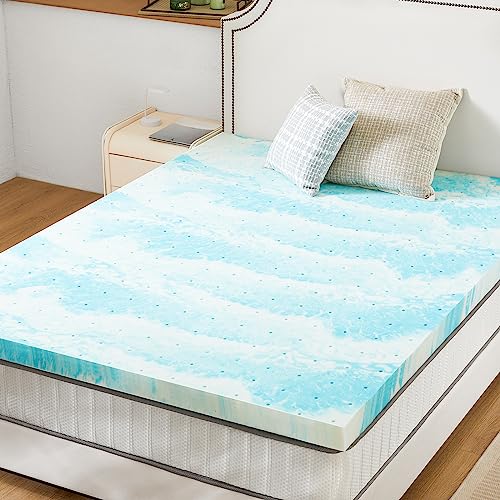
- ENHANCED COMFORT - With this memory foam mattress topper, say goodbye to...
- IMPROVED AIRFLOW - The gel infusion in this mattress pad helps to dissipate heat...
- VERSATILE USE - Whether you use it on your bed, sofa, or even in your RV, this...
BEDLORE Queen Mattress Topper – Best for Balanced Support
The BEDLORE topper offers a versatile medium-firm feel, perfect for combination sleepers. Its responsive foam construction adds cushioning without excessive sink, making it a great choice for reinforcing a thin mattress foundation.
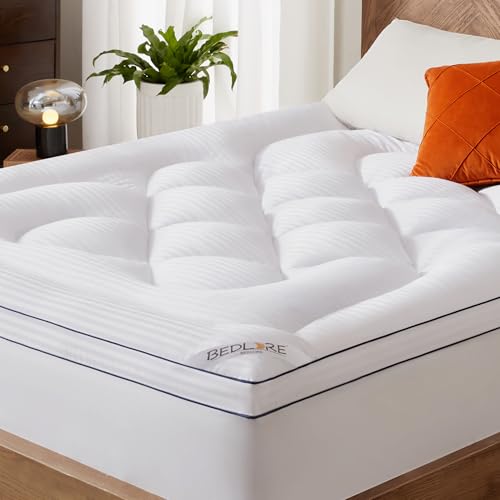
- Improve Sleep Quality: Use polyester fabric and extra thick filler, improve...
- Ultra Soft Improves Comfort: Conforms to the curves and shapes of the body...
- Deep Pocket Design: Elastic deep pockets can accommodate mattresses 6-18 inches...
COONP King Mattress Topper – Best for Cooling Comfort
This model features a gel-infused memory foam core to help regulate temperature. It is an ideal option for hot sleepers who need the pressure relief of foam on a thin mattress but want to avoid heat buildup.

- 1.Extra Thick and Luxury Comfort: Drift into a sounder, deeper sleep on this...
- 2.Cool and Breathable: The top surface features good ventilation and distributes...
- 3.Elastic Deep Pocket: Elastic deep pocket will wrap mattress(8-21") tightly. It...
Conclusion
Selecting the right topper for a thin mattress involves careful consideration of material, thickness, and firmness. By assessing your sleep position and mattress condition, you can find a topper that adds comfort without compromising support.
The key is to view the topper as a complementary comfort layer that works with your mattress’s foundation. A well-chosen topper can transform a firm, thin bed into a personalized sleep sanctuary, offering improved rest and extended mattress life.
Frequently Asked Questions about How To Pick A Topper For Thin Mattresses
How thick should a topper be for a thin mattress?
For most thin mattresses, a 2 to 3-inch topper is ideal. Two inches adds a comfort layer without drastically changing feel, while three inches provides more substantial pressure relief. This range prevents an unstable, “floating” sensation on a slim base.
Choose 2 inches for minor softening or if you are a back/stomach sleeper. Opt for 3 inches if you are a side sleeper or need significant cushioning from a very firm mattress. Always ensure your sheets have deep enough pockets to fit the new total height.
Can a mattress topper fix a sagging thin mattress?
A topper cannot repair a structurally sagging or lumpy mattress. It will only conform to the existing dips and uneven surfaces, meaning the underlying support problems will quickly become apparent again. The topper itself may also develop premature wear.
Toppers are designed for comfort enhancement, not structural repair. If your thin mattress has visible body impressions or a broken-down core, a topper is a temporary patch. For severe sagging, replacing the mattress is the most effective long-term solution.
What is the best material for a topper on a firm, thin mattress?
Memory foam and latex are top choices for firm, thin mattresses. Memory foam excels at contouring to relieve pressure points on an unyielding surface. Latex provides buoyant, responsive support that softens the feel without allowing you to sink too deeply.
High-density memory foam (4-5 lb) offers durable cushioning. Natural or synthetic latex adds resilient structure. Avoid very soft, low-loft materials like basic fiberfill, as they compress quickly and offer minimal support against a firm base.
How do I keep a mattress topper from sliding on a thin mattress?
Use a fitted mattress pad or deep-pocket sheet designed to encase both the mattress and topper together. This method holds everything securely in place like one unified sleep surface and is the simplest solution.
For extra security, especially with lighter toppers, invest in non-slip mattress topper straps or suspenders. These elastic bands hook onto the topper’s corners and stretch underneath the mattress to anchor it firmly and prevent any nighttime shifting.
Will a topper make my thin mattress too hot?
Some materials, like traditional memory foam, can retain body heat. However, many modern toppers are designed with cooling technologies. Look for gel-infused memory foam, ventilated latex, or toppers with breathable covers made from bamboo or Tencel.
Using a breathable, moisture-wicking mattress protector and appropriate bedding (like cotton sheets) also helps regulate temperature. If you sleep very hot, prioritize latex or specifically marketed “cooling” foam toppers over standard memory foam.
Is it better to get a soft or firm topper for a thin mattress?
The ideal firmness depends primarily on your sleep position. Side sleepers generally need a softer topper (medium-soft) to cushion hips and shoulders. Back and stomach sleepers require a firmer topper (medium-firm) to maintain proper spinal alignment.
Also, consider your mattress’s existing firmness. A very firm thin mattress can accommodate a softer topper, while a medium-firm base might pair better with a medium-firm topper to avoid creating an overly plush, unsupportive feel.