
Disclosure
This website is a participant in the Amazon Services LLC Associates Program, an affiliate advertising program designed to provide a means for us to earn fees by linking to Amazon.com and affiliated sites.
Choosing a non-toxic mattress topper is crucial for your health and sleep quality. Many conventional toppers release harmful chemicals that can affect indoor air and your well-being.
These chemicals, known as volatile organic compounds (VOCs), off-gas from synthetic foams and flame retardants. Selecting a truly non-toxic option requires careful attention to materials and certifications.
Is Your Mattress Causing Morning Aches and Allergies Instead of Restful Sleep?
Many mattress toppers are made with synthetic foams and chemical flame retardants that can off-gas, potentially disrupting sleep and causing irritation. The Sleep On Latex topper solves this with 100% natural, GOLS-certified organic latex. It provides non-toxic support and pressure relief, promoting a healthier and more comfortable night’s rest.
For a truly clean and supportive sleep surface, we recommend: Sleep On Latex Pure Green Natural Latex Mattress Topper
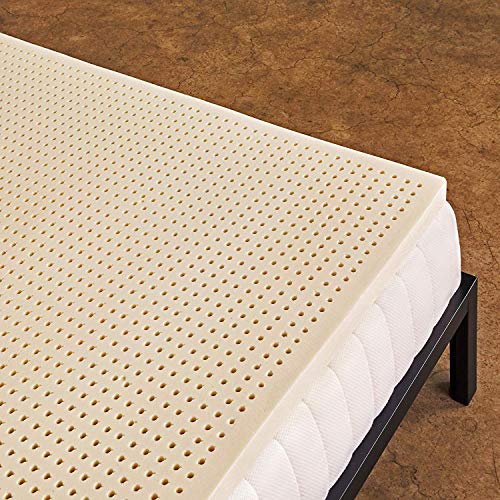
- Soft - Great for Adding Softness to the Surface of a Mattress
- Adjusts to Your Body Instantly - Latex Foam Naturally Stays Cool
- Made of Natural Latex Harvested from Organically Grown Rubber Trees
Non-Toxic Materials for Your Mattress Topper
Selecting a safe and healthy topper starts with The materials. The core composition determines its comfort, durability, and chemical profile. Focus on natural and certified materials for the best results.
Natural and Organic Material Options
Natural fibers and latex are top choices for a non-toxic sleep surface. These materials are inherently resistant to dust mites and mold. They also offer excellent breathability for temperature regulation.
- Organic Latex: Derived from rubber tree sap, it is naturally antimicrobial and resilient. Look for certifications like GOLS (Global Organic Latex Standard).
- Organic Wool: A superb temperature regulator that wicks moisture. Ensure it is sourced from ethically raised sheep and processed without harsh chemicals.
- Organic Cotton: Provides a soft, breathable cover. GOTS (Global Organic Textile Standard) certification guarantees it is grown and processed without toxic pesticides.
Key Certifications to Look For
Third-party certifications are your most reliable guide. They verify a product’s claims regarding material purity and environmental impact. Always check the label for these trusted seals.
Here is a comparison of the most important certifications for a non-toxic mattress topper:
| Certification | What It Covers | Why It Matters |
|---|---|---|
| GOTS (Global Organic Textile Standard) | Organic fibers like cotton and wool | Ensures organic farming and safe, chemical-free processing from harvest to finished product. |
| GOLS (Global Organic Latex Standard) | Organic latex foam | Guarantees the latex is at least 95% certified organic raw material, with strict limits on harmful substances. |
| OEKO-TEX Standard 100 | Finished textile products | Tests for a wide array of regulated and unregulated harmful substances, ensuring the final product is safe for human health. |
| Greenguard Gold | Low chemical emissions | Certifies that the product meets strict limits for VOC emissions, contributing to healthier indoor air quality. |
In summary, prioritize toppers made with certified organic latex, wool, or cotton. These materials, backed by rigorous certifications, provide a truly healthy foundation for better sleep.
How to Avoid Harmful Chemicals in Bedding Toppers
Many mattress toppers contain synthetic materials that can off-gas volatile organic compounds. These VOCs can affect indoor air quality and may cause irritation. Knowing what to avoid is as important as knowing what to choose.
Red Flags and Chemicals to Steer Clear Of
Certain materials and treatments are common sources of toxins in bedding. Be wary of vague marketing terms like “eco-friendly” without proof. Always investigate the specific materials listed.
- Polyurethane Foam: Often made with petroleum-based chemicals and can emit VOCs. Look for plant-based or certified foam alternatives instead.
- Chemical Flame Retardants: Substances like PBDEs are linked to health risks. Safer toppers use natural barriers like wool, which is inherently flame-resistant.
- PFAS (Forever Chemicals): Used in some stain-resistant treatments, these are persistent environmental toxins. Choose untreated natural fabrics to avoid them completely.
- Vinyl or PVC: These waterproof barriers can contain phthalates and other plasticizers. Opt for a topper with a natural wool or latex moisture barrier.
A Step-by-Step Guide to Evaluating Product Safety
Follow this practical process to assess any mattress topper’s safety claims. This method helps you cut through marketing and find verifiable information.
- Check the Materials List: Look for specific, natural materials like organic latex, wool, or cotton. If the list is full of generic terms like “high-density foam,” proceed with caution.
- Verify Certifications: Search for the certification logos mentioned earlier (GOTS, GOLS, etc.) on the product page. Visit the certifier’s website to understand what the seal actually guarantees.
- Contact the Company: Ask direct questions. A transparent brand will provide detailed answers about material sourcing, fire barriers, and any chemical treatments used.
- Air It Out: Even natural products may have a mild, natural scent. Plan to unbox your topper in a well-ventilated room for 24-48 hours before use.
By following these steps, you can confidently identify and avoid products with harmful chemicals. Your diligence ensures your sleep sanctuary remains a truly healthy environment.
Choosing the Right Non-Toxic Topper for Your Sleep Needs
Once you understand materials and chemicals, the next step is matching a topper to your comfort preferences. The best non-toxic topper also solves your specific sleep issues. Consider your primary need: pressure relief, cooling, or support.
Matching Topper Type to Sleep Position and Comfort
Your sleeping position greatly influences the ideal topper firmness and material. The goal is to maintain spinal alignment while cushioning pressure points. Here is a quick guide to help you decide.
| Sleep Position | Recommended Topper Type | Key Benefit |
|---|---|---|
| Side Sleeper | Soft to Medium Soft (e.g., plush wool, soft latex) | Cushions shoulders and hips to prevent pressure points and align the spine. |
| Back Sleeper | Medium Firm (e.g., medium-density latex) | Provides even support to maintain the natural curve of the lower back without sinking. |
| Stomach Sleeper | Firm (e.g., firm latex or a thin wool pad) | Prevents the hips from sinking too deeply, which can strain the lower back. |
| Combination Sleeper | Responsive Material (e.g., latex or shredded latex) | Offers a balance of cushion and bounce, making it easy to change positions throughout the night. |
Key Features for Enhanced Sleep Quality
Beyond basic materials, look for features that address common sleep disturbances. These elements can make a significant difference in your overall rest and comfort.
- Temperature Regulation: Organic wool and latex are naturally breathable. Wool excels at wicking moisture and balancing temperature in both warm and cool climates.
- Motion Isolation: If you share a bed, materials like wool and memory foam alternatives can minimize partner disturbance. Latex offers more bounce but less isolation.
- Durability and Lifespan: High-quality natural materials last longer. A natural latex topper can last 8-10 years, while wool and cotton may require more frequent replacement.
Ultimately, the perfect topper aligns your body, regulates temperature, and is built from safe, durable materials. Testing return policies is wise when investing in a high-quality, non-toxic product.
Practical Tips for Buying and Maintaining a Healthy Topper
Your search for a non-toxic topper doesn’t end at the purchase. Proper care extends its lifespan and ensures it remains a healthy part of your bed. Follow these practical steps for buying smart and maintaining your investment.
Where to Shop and What to Ask Before You Buy
Choosing a reputable retailer is crucial for accessing quality products and reliable information. Be prepared to ask specific questions to verify a brand’s non-toxic claims.
- Specialty Organic Retailers: These stores often curate products with strict material standards. They typically provide detailed specifications and certifications.
- Direct from Manufacturer: Buying direct can offer better value and access to customer service. You can ask detailed questions about sourcing and construction.
- Key Questions to Ask: Always inquire about the fire barrier material, the type of adhesives used in construction, and the availability of material safety data sheets (MSDS).
Care and Maintenance for Long-Term Health
Proper maintenance protects your topper from allergens and preserves its non-toxic properties. Natural materials require specific care to maintain their performance and hygiene.
- Use a Protective Cover: Immediately encase your topper in a certified organic cotton or wool mattress protector. This barrier shields against spills, dust mites, and general wear.
- Regular Airing and Rotation: Every few months, remove bedding and allow the topper to air out. Rotate it head-to-foot to ensure even wear and prevent body impressions.
- Spot Cleaning Only: Most high-quality toppers should not be fully submerged or machine washed. For stains, use a mild soap like castile soap with cold water and blot gently.
- Professional Cleaning for Wool: A wool topper may benefit from occasional professional cleaning by specialists in natural fibers to restore loft and freshness.
By shopping wisely and establishing a simple care routine, you maximize the health benefits and durability of your non-toxic topper. This proactive approach safeguards your sleep environment for years to come.
Addressing Common Concerns About Non-Toxic Toppers
Switching to a natural bedding topper often raises practical questions about cost and performance. The real value and addressing potential drawbacks is key to making a confident decision. Let’s clarify some frequent concerns.
Cost Analysis and Long-Term Value
Non-toxic toppers often have a higher initial price than conventional synthetic options. This investment reflects superior materials, ethical sourcing, and rigorous manufacturing standards. The long-term benefits, however, justify the cost.
- Durability Pays Off: A high-quality natural latex or wool topper can last over twice as long as a cheap polyurethane foam model, reducing replacement frequency and long-term cost.
- Health is an Investment: Reducing nightly exposure to off-gassing chemicals is an investment in long-term wellness, potentially saving on future health-related expenses.
- Look for Value: Consider the cost per year of use. A $400 topper that lasts 8 years offers better value than a $150 topper replaced every 2-3 years.
Performance Compared to Conventional Options
Shoppers may worry that natural materials won’t perform as well as high-tech synthetics. In reality, they often outperform them in key areas, offering a different but superior comfort profile.
| Performance Factor | Conventional Topper (Synthetic) | Non-Toxic Topper (Natural) |
|---|---|---|
| Temperature Regulation | Memory foam can trap heat. Some gels offer cooling but may degrade. | Wool and latex are naturally breathable and excel at moisture-wicking and consistent temperature control. |
| Pressure Relief | Memory foam offers deep contouring but can cause a “stuck” feeling. | Latex provides responsive, buoyant support. Wool offers gentle cushioning that conforms without sinking deeply. |
| Odor and Off-Gassing | Strong chemical smell (off-gassing) is common and can last weeks. | May have a mild, natural scent (like wool or rubber) that dissipates quickly in a well-ventilated room. |
| Allergen Resistance | Can harbor dust mites unless treated with chemicals. | Latex is naturally antimicrobial. Wool is resistant to dust mites, mold, and mildew. |
While the initial feel may differ, non-toxic toppers provide equal or better comfort with the significant added benefit of a cleaner sleep environment. The adjustment period is short, but the health benefits are long-lasting.
Final Checklist for Selecting Your Non-Toxic Topper
Before making your final purchase, use this practical checklist to ensure you’ve covered all critical aspects. This consolidated guide helps you verify every detail for a truly healthy choice. It combines material knowledge, safety checks, and personal comfort needs.
Your Pre-Purchase Verification List
Go through each of these points systematically when evaluating a specific mattress topper product. This process eliminates guesswork and builds confidence in your selection.
- Material Composition: Confirm the topper is primarily made of certified organic latex, wool, or cotton. Avoid blends with unspecified “foam” or “fiber.”
- Third-Party Certifications: Check for at least one relevant certification label (GOTS, GOLS, Greenguard Gold) clearly displayed on the product page or label.
- Fire Safety Method: Verify the fire barrier is either inherent (e.g., wool) or a physical barrier like silica, not chemical flame retardants.
- Company Transparency: The brand should openly disclose material sources, manufacturing location, and details about any adhesives or treatments used.
- Sleep Trial and Warranty: Ensure there is a risk-free sleep trial (ideally 90+ nights) and a substantial warranty (at least 5 years) to protect your investment.
Integrating Your New Topper for Optimal Results
Proper setup is the final step to enjoying your non-toxic sleep upgrade. A few simple actions upon arrival will maximize comfort and ensure any natural odors dissipate.
- Unbox Immediately: Remove the topper from its packaging as soon as possible. Unroll or unfold it on your bed or a flat, clean surface.
- Air it Out: Allow 24 to 48 hours for the topper to fully expand and any mild, natural scent to dissipate. Keep the room well-ventilated.
- Use a Protector: Before making the bed, place a certified organic mattress protector over the topper. This is essential for maintaining hygiene and longevity.
- Allow an Adjustment Period: Your body may need 2-3 weeks to adapt to the new support profile, especially if switching from a very soft or very firm surface.
By following this final checklist and setup guide, you transition smoothly to a healthier sleep surface. You can rest assured knowing you made a thoroughly researched, safe, and comfortable choice.
Beyond the Topper: Creating a Holistically Non-Toxic Sleep Environment
Your non-toxic topper is a major step, but it’s part of a larger sleep ecosystem. The bedding layers surrounding it significantly impact your overall exposure. Creating a fully healthy sleep sanctuary involves considering every component of your bed.
Essential Complementary Non-Toxic Bedding
To maximize benefits, pair your topper with bedding made from similar pure materials. This creates a unified, breathable, and chemical-free sleep surface from the foundation up.
- Organic Mattress Protector: This is your topper’s first line of defense. Choose a GOTS-certified organic cotton or wool protector for a waterproof yet breathable barrier.
- Organic Sheets and Pillowcases: Since your skin has direct contact, opt for GOTS-certified organic cotton, linen, or bamboo lyocell sheets. They are soft, breathable, and free from pesticide residues.
- Non-Toxic Pillows: Fill your pillows with the same materials you trust: shredded organic latex, organic wool, or organic buckwheat hulls. Avoid conventional polyester fiberfill.
- Natural Comforters and Blankets: Look for comforters filled with organic wool, kapok, or down that is responsibly sourced and free from chemical treatments.
Optimizing Your Bedroom for Healthier Sleep
The environment around your bed also contributes to restful, toxin-free sleep. Simple changes to air quality and light can have a profound effect on your nightly recovery.
| Focus Area | practical Step | Health Benefit |
|---|---|---|
| Air Quality | Use a HEPA air purifier and ensure good ventilation. Introduce air-purifying plants like snake plants or peace lilies. | Reduces airborne allergens, dust, and potential residual VOCs, promoting clearer breathing and deeper sleep. |
| Light Pollution | Install blackout curtains and eliminate blue light from electronics at least one hour before bedtime. | Supports natural melatonin production, helping you fall asleep faster and improve sleep cycle regulation. |
| Cleaning Routine | Vacuum your mattress and bedroom floor regularly with a HEPA filter vacuum. Use natural cleaning agents like vinegar and baking soda. | Minimizes dust mites and allergens without introducing harsh chemical fumes from conventional cleaners. |
By extending the non-toxic philosophy to your entire bedroom, you create a synergistic environment that amplifies the benefits of your healthy topper. This Overall approach is the ultimate foundation for restorative sleep.
Best Recommended Non-Toxic Mattress Topper Options
Biteany Dual Layer Memory Foam Mattress Topper – Best for Pressure Relief
This topper combines a cooling gel-infused layer with a supportive base foam for deep contouring. It effectively alleviates pressure points on shoulders and hips. The breathable cover enhances airflow for a cooler sleep.

- GET 2X SUPPORT FROM MATERIAL REVOLUTION! Biteany queen mattress topper combines...
- PAIN-FREE SLEEP, CUSTOMIZES COMFORT! Our queen size mattress topper can...
- STAY COOL & SLEEP SAFE! The cooling mattress topper features a 3D air mesh...
Tempur-Pedic TEMPUR-Adapt + Cooling 3-Inch Twin XL Mattress Topper – Best for Premium Support
Made with proprietary TEMPUR material, this topper offers superior, body-hugging support that minimizes motion transfer. The 3-inch thickness and cooling technology provide a substantial upgrade for firm mattresses needing softness.

- COOLING 3-INCH TWIN XL TOPPER: TEMPUR-Adapt + Cooling topper is ideal for...
- SOFTEST TEMPUR MATERIAL: 3-inches of exclusive TEMPUR-ES Material precisely...
- WASHABLE COOLING COVER: Premium knit cooling cover provides cool-to-the-touch...
DOWNCOOL 3 Inch Queen Mattress Topper – Best for Cooling Comfort
Ideal for hot sleepers, this topper features a down-alternative fill and a 100% cotton cover for breathable, plush comfort. The 3-inch loft adds significant cushioning, transforming a hard mattress into a soft, cloud-like surface.
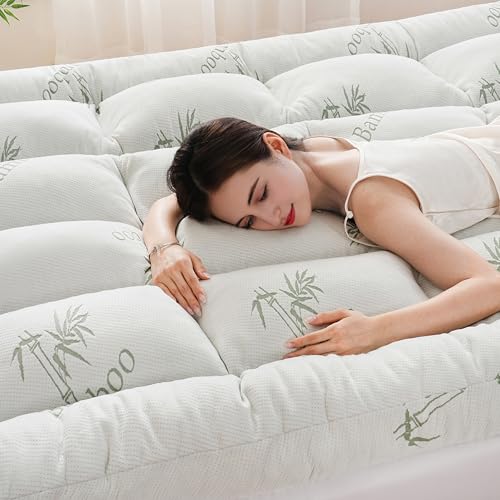
- Cooling Bamboo Viscose Top with 3D Air Layer: Made of 39% bamboo viscose and...
- Plush Pillow Top for Pressure Relief: Made with a thin gel memory foam layer and...
- Secure Deep Pocket Design: The elastic deep pocket skirt wraps around the...
Conclusion
Choosing a non-toxic mattress topper is a significant investment in your long-term health and sleep quality. By prioritizing certified natural materials and avoiding harmful chemicals, you create a safer sleep sanctuary.
The main point is to be an informed consumer: scrutinize materials, verify certifications, and match the topper to your specific sleep needs. This diligence ensures you enjoy restful, restorative sleep on a truly clean and comfortable surface for years to come.
Frequently Asked Questions about How To Pick A Non-Toxic Topper
What is the most important certification for a non-toxic topper?
For overall material purity, the Global Organic Textile Standard (GOTS) is highly regarded. It certifies organic fibers and ensures safe, environmentally responsible processing from harvest to finished product.
For latex specifically, look for the Global Organic Latex Standard (GOLS). For low chemical emissions, the Greenguard Gold certification is a key indicator of healthy indoor air quality.
Are memory foam toppers ever considered non-toxic?
Traditional memory foam is typically polyurethane-based and can off-gas VOCs. However, some brands now offer plant-based or certified foam options with reduced chemical content.
To find a safer foam, look for certifications like CertiPUR-US® for content standards and Greenguard Gold for emissions. Always check the material list for plant-based ingredients.
How can I tell if a topper is off-gassing harmful chemicals?
A strong, persistent chemical or “new product” smell is a primary indicator of off-gassing. This odor often comes from volatile organic compounds (VOCs) in synthetic foams and adhesives.
Prevent exposure by choosing certified natural materials like wool or latex. If you already have a suspect topper, air it out extensively in a well-ventilated garage or room before use.
Is a wool topper a good non-toxic option for hot sleepers?
Yes, wool is an excellent temperature regulator for all climates. It naturally wicks moisture away from the body and breathes exceptionally well, preventing heat buildup.
Unlike some synthetic cooling gels that can degrade, wool’s thermoregulating properties are inherent and long-lasting. It provides consistent comfort year-round without chemicals.
What is the typical lifespan of a natural latex or wool topper?
A high-quality natural latex topper can last 8 to 10 years with proper care. Wool toppers generally have a shorter lifespan, often around 5 to 7 years, before they may lose some loft.
This durability often makes them more cost-effective long-term compared to synthetic toppers, which may compress and require replacement every 2 to 3 years.
Can I make my existing mattress topper less toxic?
You can reduce potential exposure by using a tightly woven, certified organic mattress protector as a barrier. This can minimize contact with the topper’s materials.
Regularly airing out the topper and keeping your bedroom well-ventilated also helps. For a permanent solution, replacing it with a certified non-toxic model is the best course of action.