
Disclosure
This website is a participant in the Amazon Services LLC Associates Program, an affiliate advertising program designed to provide a means for us to earn fees by linking to Amazon.com and affiliated sites.
You can move a mattress without damaging it—but only if you follow the right steps. Many assume tossing a mattress into a truck is harmless, but improper handling leads to bent springs, torn fabric, or moisture damage.
With mattress prices soaring, protecting your investment is critical. Imagine arriving at your new home to find your premium memory foam mattress stained or misshapen—avoid this nightmare by mastering pro-level moving techniques.
Best Mattress Moving Supplies for Safe Transport
U-Haul Furniture Pad (6-Pack)
These heavy-duty quilted pads provide superior protection against scratches, dust, and moisture. Made from 100% recycled cotton, they’re thick enough to cushion impacts during transit. The 72″ x 80″ size fits most mattresses, and the reinforced grommets allow secure strapping.
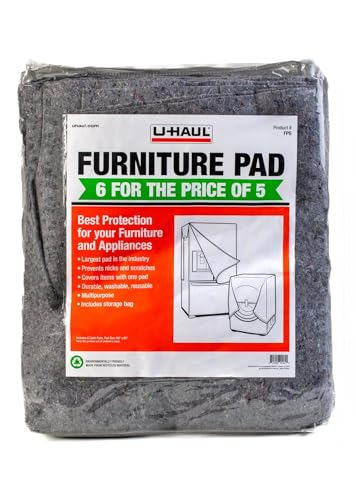
- Eco-friendly; Made from recycled denim
Cosy Family Mattress Bags for Moving with 8 Handles
The Cosy Family Mattress Bag for Moving with 8 Handles features durable 170 GSM polyethylene tarpaulin with a heavy-duty zipper and eight reinforced handles. This water-resistant, reusable bag provides reliable protection and easy maneuverability—making moving or storing mattresses smooth and worry-free.

- UPGRADED Mattress Protection – Safeguard your valuable mattress during transport…
- Convenient Handles – Featuring 8 sturdy handles, this mattress bag makes it easy…
- Privacy and Water-Resistance – The opaque blue color of the bag protects your…
Rhino USA Heavy-Duty Ratchet Straps (4-Pack)
These 1-inch wide, 1,500-lb capacity straps (model #RH-TIE4) keep mattresses immobile in transit. The zinc-coated ratchets prevent slippage, while the reinforced polyester webbing resists fraying. Ideal for securing mattresses to truck walls or preventing shifting in tight spaces.

- AMERICAN OWNED, FAMILY OPERATED – Join the Rhino USA Family and Support a…
- RHINO EZ-RELEASE SYSTEM – Features a User-Friendly Design That Allows for Quick…
- BUILT TO LAST A LIFETIME – Engineered With an Electro-Plated Zinc Coated Ratchet…
Preparing Your Mattress for Safe Transport
Moving a mattress successfully starts with proper preparation—a step many overlook in their rush. Unlike rigid furniture, mattresses are vulnerable to bending, moisture damage, and fabric tears if handled carelessly. Here’s how to protect every layer, from the memory foam core to the outer cover.
Cleaning and Drying: The Critical First Step
Never wrap a mattress while damp—this traps moisture, leading to mold growth. Vacuum both sides thoroughly using an upholstery attachment, paying special attention to seams where dust mites accumulate. For stains, spot-clean with a mild detergent solution (1 tsp dish soap + 1 cup water), then air-dry for at least 6 hours. Memory foam mattresses require extra care—never saturate them, as water breaks down the viscoelastic cells.
Choosing the Right Protective Materials
Not all covers provide equal protection:
- Plastic bags (like the Zippy Mattress Bag) prevent liquid spills but can cause condensation—add silica gel packets inside if moving in humid climates.
- Furniture pads (such as U-Haul’s) shield against abrasions but don’t block moisture—use them under the plastic layer for dual protection.
- Corrugated cardboard works for short moves—tape panels around the edges to prevent corner dings.
Reinforcing Weak Points
Mattresses fail at stress points during moves. For innerspring models, place plywood sheets beneath the mattress if stacking items on top—this prevents the coils from compressing permanently. Hybrid mattresses with foam layers need full-length support—never bend them beyond a 30-degree angle, or the foam may develop permanent creases. Use Rhino USA straps to create a “hammock” effect when lifting—this distributes weight evenly across the entire surface.
Pro Tip: Take photos of your mattress before wrapping—this documents pre-existing damage for insurance claims. Most movers won’t cover “hidden” stains or tears discovered after unwrapping.
Loading and Securing Your Mattress Properly
How you position and fasten your mattress in the moving vehicle makes the difference between arriving with a pristine sleep surface or a damaged one. This stage is where most preventable damage occurs, especially when navigating tight spaces or sudden stops.
Optimal Vehicle Positioning Strategies
Always load your mattress last – this prevents other items from crushing it during transit. For pickup trucks, place the mattress flat on the truck bed with the protective cover facing up. In moving vans, position it vertically against the longest wall (memory foam should always stay flat). The golden rule: never place heavy items directly on top of any mattress type. A 50-pound box can create permanent indentations in as little as 30 minutes of driving.
Professional-Grade Securing Techniques
Use a combination of these methods for maximum stability:
- Cross-pattern strapping: Create an “X” with your ratchet straps from corner to corner, tightening just enough to prevent movement without compressing the mattress more than 1 inch.
- Edge protectors: Cut pool noodles lengthwise and slide them over strap edges to prevent cutting into the mattress corners during transit.
- Anti-slip mats: Place rubber shelf liner between stacked mattresses to prevent shifting – particularly important for hybrid models with slippery covers.
Special Considerations for Different Mattress Types
Innerspring mattresses can tolerate slight bending (up to 45 degrees) when navigating stairwells, but must be returned to flat position immediately. Memory foam requires absolute rigidity – any folding creases the foam permanently. For adjustable air mattresses like Sleep Number, completely deflate the air chambers and remove the pump before transport to prevent internal component damage.
Pro Tip: When moving in rain, create a “breathing seal” by leaving a 2-inch gap in your plastic cover’s zipper – this prevents condensation buildup while still protecting from direct water exposure.
Advanced Handling Techniques for Special Mattress Types
Different mattress materials require unique handling approaches to maintain their structural integrity during moves. Understanding these material-specific requirements can prevent thousands in replacement costs.
Memory Foam and Latex Mattress Protocols
Viscoelastic materials behave fundamentally differently than traditional springs during transport. Memory foam’s open-cell structure makes it particularly vulnerable to:
- Cold weather brittleness: Below 50°F, memory foam becomes rigid – always warm the mattress to room temperature before moving to prevent cracking
- Permanent compression: Never stack items on memory foam – even light pressure for extended periods can reduce loft by up to 15%
- Off-gassing reactivation: Moving may release new odors – allow 48 hours of airing out in the new location
Hybrid Mattress Challenges
Combination mattresses with both coils and foam layers present unique moving dilemmas:
| Component | Risk Factor | Solution |
|---|---|---|
| Pocketed coils | Lateral bending can disconnect coil casings | Use rigid backboard when navigating turns |
| Gel-infused foam | Extreme heat causes gel migration | Never leave in hot vehicle >2 hours |
| Edge support foam | Compression weakens border integrity | Transport standing on long edge |
Adjustable Air Mattress Considerations
High-end air mattresses require complete system shutdown before moving:
- Disconnect and pack the pump separately in anti-static packaging
- Deflate completely but avoid vacuum sealing (can damage internal baffles)
- Mark the inflation valve location on the cover for easy setup
Pro Tip: For organic mattresses with wool layers, include cedar blocks in the packaging to deter moths during storage transitions. The vibration of movement can dislodge existing moth eggs in the fibers.
Post-Move Setup and Maintenance for Long-Term Protection
Proper mattress reinstallation after moving is just as critical as the transport itself. This phase determines whether your mattress will maintain its original comfort and support characteristics in its new environment.
Optimal Unpacking and Acclimation Procedures
Never immediately use a mattress after moving. The unpacking process requires careful attention to detail:
24-hour rule: Allow memory foam and latex mattresses to expand at room temperature for a full day before sleeping on them
Gradual unsealing: Open protective covers slowly over 2-3 hours to prevent sudden humidity changes from affecting materials
Inspection protocol: Check for transport damage by running hands across the entire surface with moderate pressure to detect hidden indentations
Foundation and Bed Frame Considerations
The wrong support system can undo all your careful moving preparations:
- Verify slat spacing (max 3″ apart for memory foam, 4″ for hybrids) to prevent sagging
- Check levelness with a carpenter’s level – more than 1/2″ slope per foot voids most warranties
- Allow 2″ clearance on all sides for proper air circulation to prevent moisture buildup
Environmental Factors That Impact Moved Mattresses
Your mattress may react differently in its new location due to:
| Factor | Effect | Solution |
|---|---|---|
| Humidity changes | Memory foam becomes firmer in dry air | Maintain 45-55% humidity with humidifier |
| Floor vibrations | Can accelerate foam breakdown | Use anti-vibration pads under bed legs |
| Sunlight exposure | UV rays degrade fabric covers | Position bed away from direct sunlight |
Pro Tip: For the first week after moving, rotate your mattress every other night to help materials evenly redistribute after transport stresses. This is especially crucial for pillow-top models where the comfort layers may have shifted during movement.
Long-Term Preservation and Professional Moving Considerations
Moving a mattress properly extends beyond the physical relocation—it impacts the product’s lifespan and performance for years to come. Understanding these advanced considerations can mean the difference between a mattress that lasts 5 years versus 10.
Professional vs. DIY Moving: Cost-Benefit Analysis
| Factor | Professional Movers | DIY Moving |
|---|---|---|
| Cost | $150-$400 (includes insurance) | $50-$150 (truck rental + supplies) |
| Risk Level | Low (bonded and trained staff) | Moderate-High (depends on experience) |
| Special Handling | Climate-controlled trucks available | Limited environmental control |
High-end mattresses ($2,000+) often justify professional moving costs through preserved warranty coverage—many manufacturers require proof of professional transport for damage claims.
Environmental Impact of Mattress Transportation
The moving process affects your mattress’s ecological footprint:
- Fuel efficiency: A king mattress takes up 30% more truck space than when properly folded—increasing carbon emissions
- Material stress: Each move degrades foam cells by 3-7% depending on handling—reducing recyclability
- Protective waste: Single-use plastic covers generate 8-12 lbs of landfill waste per move
Emerging Technologies in Mattress Transport
Innovations are changing how we move sleep surfaces:
- Vacuum-seal systems: Reduce mattress volume by 60% for easier transport (requires specialized equipment)
- Smart packaging: IoT-enabled covers monitor temperature, humidity and impacts during transit
- Modular designs: New mattresses with detachable sections simplify moving without performance sacrifice
Pro Tip: For moves over 500 miles, consider investing in a mattress transit monitoring device ($75-$200) that records G-forces, temperature fluctuations, and humidity levels—valuable data for warranty claims if damage occurs.
Specialized Moving Scenarios and Custom Solutions
Beyond standard residential moves, certain situations require tailored approaches to mattress transportation. These specialized scenarios demand unique preparation and handling techniques to preserve your sleep investment.
International and Cross-Country Moving Protocols
Long-distance mattress transport introduces unique challenges:
- Climate control requirements: Temperature fluctuations during ocean crossings can permanently alter foam density – insist on 55-75°F controlled containers
- Customs considerations: Some countries require fumigation certificates – use USDA-approved heat treatment instead of chemical options to preserve materials
- Extended storage: For overseas moves with delays, elevate mattresses on pallets and rotate monthly to prevent compression damage
High-Rise and Tight Space Navigation
Urban moves present physical constraints that require creative solutions:
- Elevator measurements: Always measure diagonal clearance (most mattresses need 88″ clearance when tilted)
- Stairwell pivoting: Use a mattress sled for spiral staircases – reduces friction by 60% compared to dragging
- Balcony lifts: When necessary, use professional-grade lifting straps rated for 4x the mattress weight
Seasonal and Climate-Specific Moving Techniques
| Condition | Risk Factor | Specialized Solution |
|---|---|---|
| Summer Heat | Foam off-gassing accelerates above 90°F | Pre-cool truck for 2 hours before loading |
| Winter Cold | Materials become brittle below freezing | Use heated blankets during transport |
| High Humidity | Promotes mold growth in transit | Include desiccant packs every 12 square feet |
Pro Tip: For moves between extreme climates (e.g., Florida to Alaska), implement a 72-hour acclimation period where the mattress remains wrapped in its new environment before unpacking to prevent material shock from sudden temperature/humidity changes.
Comprehensive Quality Assurance and Post-Move Validation
Ensuring your mattress maintains its original quality after moving requires systematic verification and long-term care strategies. This final quality checkpoint determines whether your moving efforts successfully preserved your sleep investment.
Post-Move Inspection Protocol
Conduct this 15-point inspection within 72 hours of setup:
| Checkpoint | Acceptance Criteria | Testing Method |
|---|---|---|
| Structural Integrity | No visible sagging >1/2″ | Place straightedge across surface with 10lb weight at center |
| Edge Support | Compression recovery >95% | Sit on edge for 30 seconds, measure rebound time |
| Material Consistency | No density variation >10% | Hand-pressure test in 1 sq ft grid pattern |
Long-Term Performance Monitoring
Implement these ongoing maintenance practices:
- Monthly rotation logging: Track rotation dates and directions to ensure even wear patterns
- Compression testing: Every 6 months, measure sinkage depth with standard 150lb weight
- Material memory checks: For memory foam, time how long fingerprints remain visible (should be <3 minutes at 72°F)
Warranty Preservation Strategies
Protect your coverage with these documented procedures:
- Photograph serial tags before and after moving
- Save all moving receipts and protective material invoices
- Request written confirmation from movers about proper handling techniques used
- Schedule professional inspection within warranty period if any concerns arise
Pro Tip: Create a “mattress health file” documenting all moving-related care, including transport conditions, setup dates, and periodic performance tests. This becomes invaluable evidence for any future warranty claims or resale verification.
Conclusion
Moving a mattress successfully requires far more than simply lifting and transporting it. As we’ve explored, proper preparation with the right protective materials, careful loading techniques tailored to your mattress type, and systematic post-move validation are all critical to preserving your sleep investment.
Whether you’re moving across town or across continents, implementing these professional-grade strategies—from climate-controlled transport to detailed inspection protocols—ensures your mattress maintains its comfort, support, and longevity.
Remember: The few extra hours spent protecting your mattress properly can add years to its lifespan. Now that you’re equipped with this comprehensive knowledge, approach your next move with confidence, knowing you can transport your mattress without compromising its quality or your future sleep comfort.
Frequently Asked Questions About Moving a Mattress
Can you fold a mattress for easier transport?
Most mattresses should never be folded, as this causes permanent damage to internal structures. Memory foam and latex mattresses will develop creases that won’t recover, while innerspring models may break coil connections.
The only exception is certain modern “foldable” mattresses specifically designed for this purpose. For standard mattresses, rolling is sometimes possible with hybrid models if done carefully and unrolled immediately upon arrival.
How do you protect a mattress from bed bugs during a move?
Use a certified bed bug-proof encasement (look for zippers with <2mm teeth gaps) and seal all edges with waterproof tape. Before packing, vacuum thoroughly and steam clean at 130°F+ to kill any existing pests. Consider professional heat treatment for moves from infested areas. Never place mattresses directly on moving truck floors where pests may reside.
What’s the best way to move a mattress up or down stairs?
Use a mattress carrying strap system with at least two people. Position the mattress vertically and “walk” it up/down by alternating which person moves first. For tight staircases, use a mattress sled or cardboard slide to reduce friction. Always protect corners with foam padding and maintain at least three points of contact for stability.
How long should you wait to sleep on a mattress after moving it?
Wait 24-48 hours for the mattress to fully expand and acclimate. Memory foam requires the full 48 hours in moderate temperatures (below 85°F). During this period, keep the mattress flat and undisturbed in its final position. For hybrid mattresses, 36 hours is typically sufficient for all layers to stabilize.
Can you transport a mattress on top of a car?
While possible, roof transport is risky and not recommended. If absolutely necessary, use a roof rack with crossbars, secure with at least six ratchet straps (not bungee cords), and cover completely with a waterproof tarp. Drive below 45mph and check straps every 30 minutes. Note this voids most mattress warranties.
What’s the most common mistake people make when moving mattresses?
The top mistake is using inadequate or wrong protection – standard plastic drop cloths tear easily and trap moisture. Another critical error is improper lifting technique that strains both the mover and mattress. Always lift from underneath using leg muscles, keeping the mattress flat rather than bending it around corners.
How do you move an extremely heavy mattress (200+ lbs) safely?
For heavy mattresses like pillow-tops or high-density latex: 1) Use four people minimum 2) Invest in professional moving straps with back support 3) Consider a motorized mattress cart for stairs 4) Break the move into stages with resting points 5) Always clear pathways completely before attempting to move.
Is it worth moving an old mattress or should you buy new?
Consider replacement if your mattress is: over 7 years old, shows visible sagging >1.5 inches, has persistent odors, or would cost >25% of replacement value to move professionally. For high-end mattresses under 5 years old with no damage, professional moving is usually cost-effective.