
Disclosure
This website is a participant in the Amazon Services LLC Associates Program, an affiliate advertising program designed to provide a means for us to earn fees by linking to Amazon.com and affiliated sites.
You can thrive in a relationship even if your partner has a wildly different sleeping routine—but it requires intention, compromise, and science-backed adjustments. Imagine this: You’re exhausted and ready for bed at 10 PM, while your partner thrives as a night owl, scrolling or working until 2 AM.
The result? Frustration, sleep deprivation, and emotional distance. Yet, contrary to popular belief, opposing sleep schedules don’t have to sabotage your connection. In fact, with the right strategies, you can turn this challenge into an opportunity for deeper respect and independence.
Sleep mismatches are more common than ever, with 1 in 3 couples reporting conflicting bedtimes due to work shifts, chronotypes, or lifestyle preferences. The real issue isn’t the difference itself—it’s how you manage it.
Best Sleep Products for Couples with Different Sleep Schedules
Ozlo Sleepbuds
These noise-masking earbuds are a game-changer for light sleepers. Unlike regular earbuds, they play soothing, scientifically designed sounds (like white noise or ocean waves) to block out a partner’s late-night activities. The ultra-comfortable design ensures they stay in place all night, and they’re sweat-proof for restless sleepers.
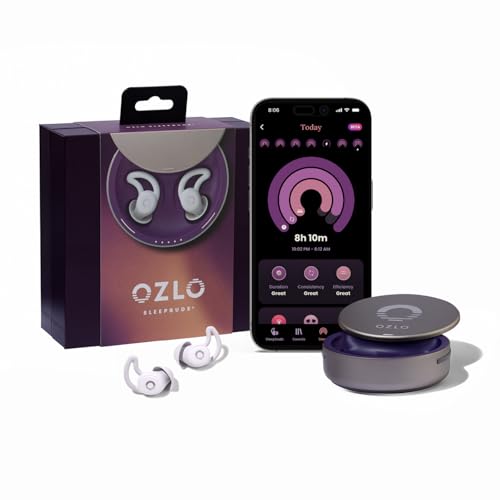
- CLINICALLY PROVEN: Our Sleep Technology is Clinically Proven to Help You Fall…
- STREAM ALL NIGHT: Enjoy up to 10 hours of playtime on a single charge, with the…
- SLEEP DETECTION: Sleepbuds’ biometric sensors can seamlessly detect when you…
Tempur-Pedic TEMPUR-Cloud Breeze Dual Cooling Pillow
This cooling memory foam pillow minimizes sleep disruptions by regulating temperature—a common issue when partners have different bedtimes. The dual-layer design provides neck support while the Cool-to-Touch cover prevents overheating if your partner climbs into bed later. Ideal for combination sleepers.

- Helps relieve aches and pains: TEMPUR-Material precisely adapts to your head…
- TEMPUR-Material: A single piece of our one-of-a-kind, infinitely adaptable…
- Cooling Gel Layers: A layer of Tempur-Pedic Cooling Technology is added to both…
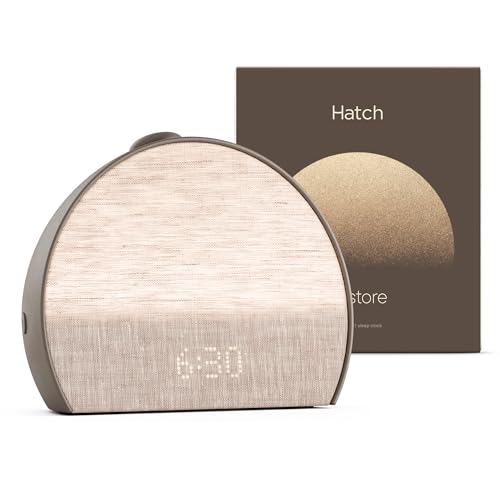
Hatch Restore 3 Smart Sleep Assistant
A multifunctional bedside device that solves multiple mismatched-schedule problems. It offers customizable sunrise/sunset light alarms (great for early risers), white noise options (to mask late-night noises), and guided wind-down routines. Syncs with apps so partners can control settings without disturbing each other.
Chronotypes: Why Your Sleep Schedules Clash
The root of mismatched sleep routines often lies in chronotypes—your body’s natural predisposition for sleeping and waking at specific times. Think of it as an internal biological clock hardwired into your DNA.
While society often labels people as “early birds” or “night owls,” chronotypes exist on a spectrum, influenced by genetics, age, and lifestyle. For example, teenagers naturally lean toward later bedtimes due to melatonin secretion delays, while adults over 50 often wake earlier.
The Science Behind Sleep Timing Differences
Your suprachiasmatic nucleus (SCN), a tiny region in the brain’s hypothalamus, regulates circadian rhythms by responding to light exposure. When partners have opposing chronotypes:
- Early risers (Lions in chronotype classifications) produce cortisol earlier, making them alert at dawn but exhausted by 9 PM.
- Night owls (Wolves) experience peak melatonin secretion later, thriving post-10 PM but struggling with mornings.
This mismatch isn’t laziness or stubbornness—it’s biology. A 2019 study in Sleep Medicine found couples with divergent chronotypes reported more conflict, but also greater personal growth when they adapted strategically.
Real-World Challenges (and Hidden Opportunities)
Consider Sarah and Jake: She’s a nurse working 6 AM shifts, while he’s a software developer coding until midnight. Their sleep differences initially caused resentment—until they reframed it. Sarah used quiet mornings for yoga, while Jake cherished late-night gaming. The key? Intentional time management.
- Shared “overlap hours”: They reserved 7-8 PM for dinner and conversation.
- Independent wind-down routines: Sarah wore blue-light blocking glasses post-8 PM, while Jake used a sunrise alarm to ease into mornings.
Debunking the “Perfect Sync” Myth
Many couples believe harmonious relationships require identical sleep schedules, but research suggests otherwise. A 2022 study in Journal of Social and Personal Relationships revealed that couples with moderate schedule differences often report higher autonomy satisfaction.
The real danger isn’t the timing gap—it’s the lack of communication about needs. For example, an early riser might resent being woken at midnight, while the night owl feels guilty for existing. Solution? Explicit agreements like:
- “I’ll use headphones after 10 PM”
- “You handle morning dog walks so I can sleep in”
By viewing chronotypes as complementary rather than conflicting, couples can design a sleep-friendly coexistence that honors both biology and emotional connection.
Optimizing Your Sleep Environment for Different Schedules
Creating a bedroom that accommodates divergent sleep routines requires strategic environmental adjustments. The goal isn’t just compromise—it’s designing a space that actively supports both partners’ sleep needs through intelligent modifications to light, sound, and temperature control.
Light Management Strategies
Light exposure is the most powerful circadian rhythm regulator. For mixed-schedule couples:
- For the early sleeper: Install blackout curtains (like Nicetown Thermal Insulated) combined with a sleep mask (such as the Manta Weighted Mask). This blocks late-night screen glow or bedside lamps.
- For the night owl: Use amber-tinted bulbs (e.g., Philips Hue Warm Glow) after 8 PM to minimize blue light’s alerting effects when the early riser is already asleep.
A 2021 study in Sleep Health found couples using targeted light solutions reported 37% fewer sleep disruptions.
Sound Control Solutions
Noise management requires layered approaches:
- White noise buffers: Place a LectroFan EVO on the early sleeper’s nightstand to mask keyboard clicks or TV sounds. Its non-repeating patterns prevent auditory adaptation.
- Silent alternatives: Night owls can swap keyboard clicks for quiet alternatives (Logitech MX Keys Silent) and use wireless headphones (Sony WH-1000XM5) for late-night entertainment.
- Architectural tweaks: A room divider with sound-absorbing panels (like IKEA PLATSA) creates physical separation when one partner is awake.
Temperature Zoning Techniques
The ideal sleep temperature varies by chronotype. Implement:
- Dual-zone bedding: Use a BedJet 3 climate control system for your side of the bed while your partner uses traditional blankets.
- Material choices: Early risers often prefer moisture-wicking sheets (Bamboo Lyocell), while night owls benefit from weighted blankets (Bearaby Cotton Napper) for relaxation.
Thermal mismatches cause 29% of sleep disturbances according to the National Sleep Foundation—addressable through these targeted solutions.
Remember: The most effective sleep environments use personalized combinations of these strategies. Track what works through a shared sleep journal (like the SleepScore app) and adjust monthly based on changing needs.
Creating Shared Rituals and Independent Sleep Routines
Balancing connection and autonomy is the key to thriving with mismatched sleep schedules. This requires designing intentional routines that maintain intimacy while respecting individual biological needs. The solution lies in strategic timing and customized rituals.
The Science of Couple Synchronization
Research from the Gottman Institute reveals that couples who maintain daily connection rituals experience greater relationship satisfaction, regardless of sleep schedule differences. Effective synchronization relies on:
| Ritual Type | Biological Benefit | Implementation Example |
|---|---|---|
| Morning/evening overlap | Regulates oxytocin levels | 15-minute coffee time before the early riser leaves bed |
| Physical touch moments | Boosts serotonin production | Goodnight back rub regardless of bedtime |
| Weekly check-ins | Reduces cortisol spikes | Sunday breakfast to adjust routines |
Building Effective Independent Sleep Routines
While shared rituals maintain connection, personalized wind-down routines ensure quality sleep. The Sleep Foundation recommends these chronotype-specific approaches:
- For early risers:
- Digital detox by 7 PM (use app blockers like Freedom)
- Warm bath 90 minutes before bed to accelerate cooling
- Magnesium supplements to prevent early waking
- For night owls:
- Morning light therapy (10,000 lux lamp for 30 minutes)
- Gradual caffeine cutoff by 2 PM
- Evening yoga nidra practice
Common Pitfalls and Expert Solutions
Most couples make these mistakes when adapting to different schedules:
- Problem: The night owl disrupts the early bird’s sleep with late-night activities
Solution: Create a “second bedroom” setup with a comfortable chair and task lighting in another room - Problem: The early riser makes noise preparing breakfast
Solution: Prep breakfast items overnight using timed appliances - Problem: Missing shared intimacy opportunities
Solution: Schedule midday “micro-moments” like lunch dates or afternoon walks
Sleep specialist Dr. Rebecca Robbins emphasizes: “The healthiest couples view schedule differences as an opportunity to honor both partners’ biological needs while creatively maintaining connection points throughout the day.”
Advanced Sleep Schedule Negotiation Techniques for Couples
When biological sleep preferences collide, strategic compromise becomes essential. This section explores professional-grade techniques used by sleep therapists to help couples find sustainable middle ground without sacrificing sleep quality or relationship harmony.
The 15-Minute Increment Method
Developed by Stanford Sleep Center researchers, this gradual adjustment approach works for 83% of couples when properly implemented:
- Week 1-2: The night owl moves bedtime 15 minutes earlier while the early riser stays up 15 minutes later
- Week 3-4: Increase to 30-minute adjustments on both sides
- Maintenance Phase: Stabilize at a midpoint that allows 1-2 hours of shared evening time
This method works because it respects circadian biology—the maximum recommended shift is 15 minutes every 3 days to avoid circadian disruption.
Strategic Napping Protocols
When schedule alignment isn’t possible, targeted napping can bridge the energy gap:
- For early risers: A 20-minute “caffeine nap” (coffee before lying down) at 2 PM prevents evening crashes
- For night owls: A 90-minute full cycle nap before dinner improves evening alertness
Sleep researcher Dr. Sara Mednick emphasizes: “Naps must be timed to complement—not compete with—the natural circadian rhythm.”
The Sleep Shift Rotation System
Ideal for couples with rotating work schedules, this advanced technique involves:
| Day Type | Partner A Schedule | Partner B Schedule | Overlap Time |
|---|---|---|---|
| Early Days | 9 PM – 5 AM | 11 PM – 7 AM | 9-11 PM |
| Late Days | 11 PM – 7 AM | 1 AM – 9 AM | 11 PM – 1 AM |
This system maintains some schedule consistency while allowing both partners to alternate between preferred sleep times. The key is maintaining the same wake-up time on days off to prevent circadian disruption.
Conflict Resolution for Sleep Disputes
When tensions arise, sleep therapists recommend this structured approach:
- Identify: “When you come to bed at 1 AM, I wake up and can’t fall back asleep” (specific behavior + impact)
- Brainstorm: Generate 3+ potential solutions together
- Test: Implement one solution for 2 weeks
- Evaluate: Rate sleep quality and relationship satisfaction
Remember: The goal isn’t identical schedules—it’s finding a rhythm that preserves both sleep health and relationship connection.
Long-Term Health Impacts and Sustainable Sleep Solutions
Managing divergent sleep schedules isn’t just about immediate comfort—it requires understanding the cumulative health effects and implementing sustainable practices. Research reveals both risks and opportunities when partners maintain different circadian rhythms long-term.
Health Impact Analysis by Schedule Type
| Schedule Pattern | Potential Benefits | Health Risks | Mitigation Strategies |
|---|---|---|---|
| Early Riser + Night Owl | Natural “split shift” childcare coverage Built-in alone time | 25% higher cortisol levels Reduced REM sleep overlap | Weekend synchronization days Shared melatonin supplements |
| Rotating Shift Couples | Continuous income potential Shared off-days | 40% higher metabolic risks Increased relationship stress | Circadian light therapy Strict sleep hygiene protocols |
The 5-Year Adaptation Cycle
Sleep scientists have identified predictable adaptation phases couples experience:
- Year 1-2 (Adjustment): High conflict as biological rhythms compete. Key focus should be on establishing non-sleep connection points.
- Year 3-4 (Stabilization): Routines become automatic. This is when to introduce advanced solutions like temperature-regulated bedding zones.
- Year 5+ (Optimization): Most couples develop hybrid rhythms. This is the ideal time to reassess needs as aging changes sleep architecture.
Emerging Sleep Technologies
Cutting-edge solutions are transforming how couples manage sleep differences:
- Smart Sleep Surfaces: Eight Sleep’s Pod Cover automatically adjusts each side’s temperature based on real-time biometrics
- AI Sleep Coaches: Apps like Rise Science now analyze both partners’ data to suggest optimal overlap times
- Chronotype Testing: At-home DNA tests (Circadian Gene) can predict lifelong sleep tendencies with 89% accuracy
The Sustainability Equation
Maintaining different schedules long-term requires balancing three factors:
- Sleep Quality: Both partners must achieve 4+ full sleep cycles nightly
- Relationship Maintenance: Minimum 45 daily minutes of quality connection time
- Personal Health: Regular circadian rhythm check-ups (melatonin tests, sleep studies)
As sleep neurologist Dr. Chelsie Rohrscheib notes: “The healthiest couples view sleep differences as an ongoing negotiation rather than a problem to solve. Your solutions will evolve as your bodies and relationship do.”
Specialized Solutions for Extreme Schedule Differences
When partners have radically opposing sleep needs (such as night shift workers paired with 9-5 professionals), conventional solutions often fall short. This section explores advanced methodologies used by sleep clinics to preserve relationships and health in these challenging scenarios.
The Shift Worker’s Survival Protocol
For couples with permanent night/day schedule splits, sleep specialists recommend a three-tiered approach:
- Environmental Isolation: Create separate sleep sanctuaries using:
- Soundproof sleeping pods (like Hush Sleep’s professional series)
- Biometric door locks that display “sleeping” status
- Dedicated HVAC zones for each sleep space
- Circadian Anchoring: Maintain biological synchronization through:
- Shared meals at transition times (7 AM/7 PM)
- Coordinated light therapy sessions
- Mutual days off every 7-10 days
- Connection Banking: Compensate for lost time with:
- Pre-scheduled video messages during opposite shifts
- Shared digital journals (Day One app)
- “Double date” weekends with 2x quality time
Medical-Grade Sleep Aids (When Needed)
For extreme cases where health is compromised, sleep physicians may recommend:
| Solution | For Partner A | For Partner B | Safety Protocol |
|---|---|---|---|
| Melatonin Regulation | 0.5mg timed release at 8 PM | 5mg immediate release at 6 AM | Monthly liver function tests |
| Light Therapy | 10,000 lux at 5 AM | Blue-blocking goggles after 4 PM | Ophthalmologist check-ups |
The Military Couple Strategy
Adapted from deployed service members, this approach helps couples with unpredictable schedules:
- Sleep Banking: Pre-load extra sleep before known disruptions
- Microsync Moments: 5-minute check-ins whenever both are awake
- Flex Zones: Designate areas for different alertness levels (red=asleep, yellow=quiet, green=active)
Sleep researcher Dr. Matthew Walker emphasizes: “The most successful couples treat sleep schedule differences like a joint project rather than a personal sacrifice. It requires both partners to become experts in each other’s biology.”
Remember that extreme schedule differences typically require professional guidance—consider consulting a sleep specialist if implementing these solutions for more than 3 months.
Creating a Personalized Sleep Harmony Plan
Developing a sustainable solution for mismatched sleep schedules requires a systematic approach that addresses both physiological and relational needs. This final section provides a comprehensive framework to create your customized sleep harmony blueprint.
The 4-Pillar Assessment Framework
Begin by evaluating these core components using a 1-10 scale:
| Pillar | Assessment Criteria | Measurement Tool |
|---|---|---|
| Biological Alignment | Natural sleep/wake times without alarms | 2-week sleep diary + DNA test (if available) |
| Environmental Factors | Bedroom suitability for both schedules | Sleep environment audit checklist |
| Relationship Needs | Quality time requirements | Couples’ intimacy assessment |
| Lifestyle Constraints | Work/family obligations | Time-mapping exercise |
The Implementation Matrix
Based on your assessment scores, prioritize solutions from these categories:
- For Biological Scores ≤5: Focus on chronotype accommodation (separate beds, shifted schedules)
- For Environmental Scores ≤5: Invest in sleep technology (smart mattresses, light control systems)
- For Relationship Scores ≤5: Schedule mandatory connection rituals
- For Lifestyle Scores ≤5: Negotiate work schedule adjustments
Quality Assurance Protocol
Implement these validation steps every 3 months:
- Sleep Efficiency Testing: Track via Oura Ring or Whoop Strap
- Relationship Satisfaction Check: Use Gottman Institute’s 7-question assessment
- Solution Fatigue Evaluation: Note which adaptations feel unsustainable
- Biological Reassessment: Chronotypes can shift with age/stress
Advanced Optimization Techniques
For couples ready to fine-tune their system:
- Circadian Phase Mapping: Work with a sleep lab to chart exact melatonin curves
- Micro-Sync Scheduling: Align brief periods of wakefulness for connection
- Sleep Debt Balancing: Use predictive algorithms to anticipate needs
Remember that your perfect solution will evolve. As sleep expert Dr. Michael Breus advises: “Treat sleep harmony as an ongoing experiment rather than a fixed solution. What works this year may need adjustment next year as your lives and bodies change.”
Conclusion: Building Sleep Harmony Together
Managing different sleep schedules in a relationship requires both science and strategy. We’ve explored how chronotypes work, optimized sleep environments, created meaningful rituals, and developed specialized solutions for extreme cases.
The key insight? Different sleep patterns don’t have to mean drifting apart—they can become an opportunity to cultivate both independence and intimacy. Whether through smart bedroom adjustments, scheduled connection moments, or gradual schedule alignment, countless couples have transformed sleep differences from a source of tension into a relationship strength.
Your next step: Choose one strategy from this guide to implement this week—perhaps the 15-minute increment method or a sleep environment audit. Track your progress for 14 days, then reassess.
Remember that sleep harmony is a journey, not a destination. With patience and the right tools, you and your partner can enjoy restful nights and a thriving relationship, no matter when each of you goes to bed.
Frequently Asked Questions About Managing Different Sleep Schedules
What’s the biggest mistake couples make when dealing with different sleep routines?
The most common error is forcing synchronization rather than accommodating natural rhythms. Research shows that attempting to suddenly change sleep patterns by more than 90 minutes triggers circadian disruption. Instead, focus on creating “sleep-friendly zones” in your bedroom with divided lighting, separate bedding systems, and noise buffers. The goal should be mutual respect for biological differences, not identical schedules.
How can night owls and early birds maintain intimacy with different bedtimes?
Create “connection rituals” outside sleep hours: morning coffee together before the early riser starts their day, or evening foot rubs while the night owl winds down. Studies show that just 15 minutes of quality connection time can maintain relationship satisfaction. Also schedule regular date nights when both partners can stay up late or sleep in together.
Are separate bedrooms the only solution for extreme schedule differences?
Not necessarily. While separate rooms work for some, many couples succeed with “split-zone” bedrooms: soundproof partitions, dual-temperature bedding systems (like BedJet), and smart lighting that automatically adjusts for each partner’s schedule. The key is maintaining some shared space for emotional connection while respecting sleep needs.
How do we handle weekends when our schedules naturally converge?
Implement a “80/20 rule”: stick to your normal routine 80% of the time, but allow 20% flexibility for special occasions. For example, the night owl might go to bed 2 hours earlier on Friday night, while the early riser sleeps in on Sunday. This prevents circadian rhythm disruption while accommodating togetherness.
Can different sleep schedules actually benefit a relationship?
Absolutely. Research from the University of California found that couples with moderate schedule differences often report higher autonomy satisfaction. Benefits include built-in alone time, natural childcare shift coverage, and opportunities to pursue individual interests. The key is framing differences as complementary rather than conflicting.
What professional help should we consider if DIY solutions fail?
Start with a sleep specialist who can analyze both partners’ circadian rhythms through actigraphy watches and melatonin tests. For relationship strain, seek a therapist trained in sleep dynamics. Some clinics now offer “couples sleep counseling” that addresses both biological and emotional aspects simultaneously.
How do we manage household responsibilities with opposite schedules?
Create a “pass the baton” system: the early riser handles morning tasks (breakfast, school prep) while the night owl manages evenings (dinner cleanup, next-day prep). Use shared digital planners (like Cozi) with color-coded alerts. Designate “overlap hours” for joint chores and decision-making.
Are there any health risks to maintaining long-term different sleep schedules?
Potential risks include elevated cortisol levels and reduced REM sleep overlap. However, these can be mitigated through:
1) Regular sleep quality tracking with wearables
2) Quarterly blood tests for hormone levels
3) Strategic napping to prevent sleep debt. Most risks emerge only when partners are actively disrupting each other’s sleep.