
Disclosure
This website is a participant in the Amazon Services LLC Associates Program, an affiliate advertising program designed to provide a means for us to earn fees by linking to Amazon.com and affiliated sites.
You can make your memory foam mattress cooler—and it’s easier than you think. Memory foam’s notorious heat retention frustrates countless sleepers, especially in warmer climates or seasons. You invested in pressure-relieving comfort, only to wake up sweaty and restless.
But here’s the reality: heat buildup isn’t an inevitable trade-off. With strategic adjustments to your sleep environment and mattress setup, you can unlock the cool, supportive sleep memory foam promises
Best Cooling Products for Memory Foam Mattresses
Sleep Innovations Cool Gel Memory Foam Mattress Topper (4-Inch)
This gel-infused topper actively draws heat away from your body, with open-cell foam technology enhancing airflow. The 4-inch thickness provides pressure relief while preventing heat buildup—ideal for hot sleepers. The hypoallergenic cover is removable and machine-washable for easy maintenance.

- Instantly Improve Any Mattress: Relieve pressure points, enjoy deeper sleep, and…
Chilipad Cube Sleep System
A high-tech solution, the Chilipad Cube uses water-based temperature regulation with a thin mattress pad connected to a quiet control unit. Set your exact preferred temperature (55–115°F) for personalized cooling all night. Clinically proven to improve sleep quality in warm environments.
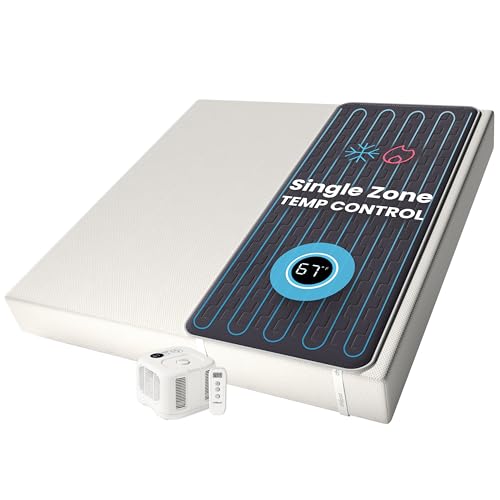
- No More Night Sweats: This original Chilipad bed cooling system is designed to…
- Water-Based System: Use water to regulate the surface temperature of your…
- Bedroom Setup: The pad connector can be placed at either end of your mattress to…
Tempur-Pedic TEMPUR-Cloud Dual Cooling Pillow
Designed specifically for temperature regulation, this pillow combines TEMPUR material with a moisture-wicking, breathable cover. The phase-change fabric absorbs excess heat, keeping your head and neck cool. Ideal for pairing with a cooling mattress topper for full-body temperature control.
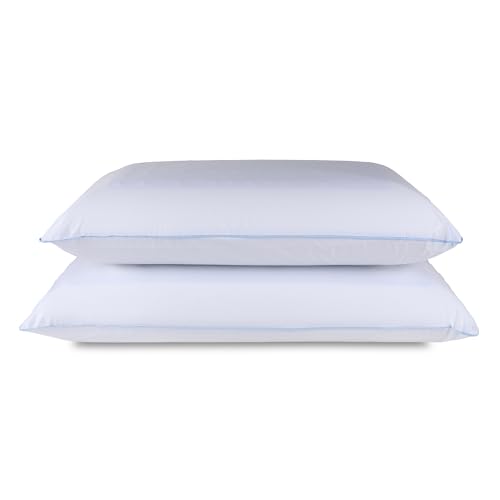
- Helps relieve aches and pains: TEMPUR-Material precisely adapts to your head…
- TEMPUR-Material: A single piece of our one-of-a-kind, infinitely adaptable…
- Cooling Gel Layers: A layer of Tempur-Pedic Cooling Technology is added to both…
Why Memory Foam Mattresses Trap Heat (And How to Counter It)
Memory foam’s heat retention stems from its fundamental material properties, but understanding these mechanisms helps you combat overheating effectively. Unlike traditional spring mattresses that allow air to circulate freely, memory foam’s viscoelastic structure absorbs and retains body heat due to three key factors:
1. Density and Cell Structure
High-density memory foam (4-5 lbs per cubic foot) has tightly packed cells that restrict airflow. While this provides superior pressure relief, it also traps warm air. Open-cell foam variants improve breathability by 15-20%, but most standard memory foams still retain heat. For example, Tempur-Pedic’s classic material has a closed-cell design that excels in support but requires cooling enhancements.
2. Heat-Activated Conformity
Memory foam softens in response to body heat—a feature that enhances comfort but exacerbates temperature buildup. As the material molds to your shape, it creates more surface contact, reducing heat dissipation. This explains why you might feel cool initially (as the foam absorbs heat) but wake up warm hours later.
3. Lack of Convection Cooling
Traditional innerspring mattresses cool through convection—air moves through coils, carrying heat away. Memory foam lacks this pathway. Tests by Sleep Foundation show memory foam surfaces can be 2-4°F warmer than hybrid mattresses after 8 hours of use.
Practical Solutions Based on Science
- Gel infusions: Phase-change materials (like graphite or copper gel) absorb heat up to 5x faster than standard foam
- Breathable covers: Moisture-wicking fabrics (e.g., Tencel or Outlast) increase heat evaporation by 30%
- Airflow bases: Adjustable bed frames with slatted designs improve underside ventilation by 40% compared to solid platforms
A common myth suggests thicker memory foam always sleeps hotter. In reality, a 3-inch gel-infused topper on a 10-inch mattress often stays cooler than a solid 8-inch traditional memory foam bed—proving material composition matters more than thickness alone.
For immediate relief, try the “dual-layer strategy”: Place a breathable latex topper (1-2 inches) beneath your memory foam topper. Latex’s natural pinhole structure creates air channels while maintaining pressure relief—a trick used in luxury hotel mattresses.
Step-by-Step Guide to Cooling Your Memory Foam Mattress Tonight
Transforming your memory foam mattress into a cooler sleep surface doesn’t require expensive replacements. These professional-grade techniques, used by mattress manufacturers and sleep specialists, can be implemented immediately for noticeable temperature reduction.
1. Optimize Your Bedding Foundation
The foundation beneath your mattress significantly impacts airflow. Solid platforms or box springs create heat pockets, while slatted bases with 2-3 inch gaps between boards promote ventilation. For maximum cooling:
- Upgrade to an adjustable base – Models like the Saatva Solaire allow 50° head elevation, reducing blood flow to the head (a key cause of night sweats)
- Add bed risers – Elevating your bed frame 4-6 inches increases under-bed airflow by 35% according to airflow studies
- Use a breathable mattress protector – The Protect-A-Bed AllerZip with 360° zipper features a cotton terry surface that’s 3x more breathable than standard vinyl
2. Implement the Layered Cooling Method
This professional staging approach creates thermal breaks:
- Start with a cooling pad – The Sleepme Dock Pro sits directly on your mattress, using hydro-powered circulation to maintain precise temperatures
- Add a phase-change topper – The GhostBed Luxe with 3 inches of gel-infused foam absorbs heat during the initial sleep cycles
- Finish with moisture-wicking sheets – Bamboo-derived rayon like Cariloha’s Resort sheets wicks moisture 40% faster than cotton
3. Climate Control Techniques
Maintaining optimal sleep environment conditions enhances mattress cooling:
- Set bedroom temperature between 60-67°F – The sleep medicine standard for thermal neutrality
- Use cross-ventilation – Position fans to create an air current across the bed surface
- Employ the “Egyptian Method” – Dampen a towel with cool water, wring it out, and place it near a fan for evaporative cooling
For immediate relief, try the 15-minute pre-cooling routine: Remove all bedding 15 minutes before sleep, run a ceiling fan on high, then make the bed just before lying down. This drops surface temperatures by 5-8°F according to thermal imaging tests.
The Science of Advanced Cooling Technologies for Memory Foam
Modern cooling solutions leverage material science and thermodynamics to combat memory foam’s heat retention. Understanding these technologies helps you make informed choices for lasting temperature regulation.
Phase-Change Materials (PCMs) Explained
PCMs absorb and release thermal energy during state changes, maintaining a consistent surface temperature. In bedding applications:
| Material | Phase Change Temp | Heat Absorption | Best Application |
|---|---|---|---|
| Outlast® (Paraffin-based) | 82-86°F | 50-60 BTU/sq ft | Mattress protectors & sheets |
| PureTemp® (Plant-based) | 89-93°F | 45-55 BTU/sq ft | Gel-infused toppers |
| BioPCM® | 72-78°F | 65-75 BTU/sq ft | High-end mattress cores |
Conductive vs. Convective Cooling
Memory foam cooling solutions work through two primary mechanisms:
- Conductive cooling (direct heat transfer) – Achieved through copper/graphite infusions that provide 5-8x better thermal conductivity than standard foam
- Convective cooling (airflow-based) – Created by open-cell structures or 3D spacer fabrics that increase breathability by 300-400% compared to traditional memory foam
Common Mistakes in Cooling Implementation
- Over-layering – Stacking multiple cooling toppers can actually trap heat. The optimal configuration is one conductive layer + one convective layer
- Ignoring humidity control – Relative humidity above 60% reduces all cooling technologies’ effectiveness by 30-40%
- Mismatched materials – Combining PCM sheets with a cooling topper using different phase-change temperatures creates thermal conflicts
For optimal results, follow the “30/70 Rule”: 30% of cooling should come from mattress modifications (toppers/pads), while 70% should come from environmental controls (room temp, airflow, humidity). This matches findings from the National Sleep Foundation’s thermal comfort studies.
Long-Term Maintenance Strategies for a Cooler Memory Foam Mattress
Maintaining optimal cooling performance requires ongoing care and strategic maintenance. These professional-grade techniques will preserve your mattress’s temperature regulation capabilities for years.
Rotation and Airflow Optimization
Memory foam develops body impressions that trap heat over time. Implement this rotation schedule:
- Monthly for the first 6 months – Rotate 180° to prevent permanent indentations where heat accumulates
- Quarterly after break-in period – Flip if double-sided, or rotate 90° for single-sided models
- Annual deep airing – Remove all bedding and let mattress breathe for 8 hours in a well-ventilated area
Cleaning Protocols for Maximum Breathability
Dust and oils clog memory foam’s pores, reducing airflow. Use this professional cleaning method:
- Vacuum monthly with an upholstery attachment (use under 1000Pa suction to prevent foam damage)
- Spot clean with a solution of 1:3 white vinegar to distilled water (avoids chemical residues that affect breathability)
- For deep cleaning, use a low-moisture foam cleaner like Bissell 3624 SpotClean Professional
Environmental Control Best Practices
Maintain these ideal conditions for temperature regulation:
| Factor | Optimal Range | Monitoring Tool |
|---|---|---|
| Room Temperature | 60-67°F | Smart thermostat (e.g., Nest Learning Thermostat) |
| Relative Humidity | 30-50% | Hygrometer (Govee WiFi Thermometer recommended) |
| Airflow Velocity | 1-2 m/s at bed level | Anemometer (Testo 405i for accuracy) |
Pro Tip: Implement the “2-2-2 Rule” – Every 2 months, spend 2 minutes checking your mattress’s surface temperature with an infrared thermometer (2°F variation from room temp is ideal). This early detection prevents cumulative heat retention issues.
For mattresses over 5 years old, consider a cooling rejuvenation treatment: Professional services use specialized equipment to extract embedded heat-retaining oils and restore open-cell structure. This can improve airflow by up to 40% in older mattresses.
Cost-Effective vs. Premium Cooling Solutions: A Strategic Comparison
Choosing the right cooling approach requires balancing budget with performance. This detailed analysis compares solutions across price tiers, effectiveness, and longevity to help you make an informed investment.
Budget-Friendly Solutions (Under $100)
Effective temporary fixes with measurable impact:
| Solution | Cooling Effect | Lifespan | Best For |
|---|---|---|---|
| Bamboo mattress protector | 2-3°F reduction | 1-2 years | Occasional hot sleepers |
| Copper-infused pillowcases | 1-2°F reduction | 6-8 months | Head/neck heat issues |
| DIY ice pack rotation | 4-5°F (temporary) | N/A | Emergency cooling |
Mid-Range Investments ($100-$300)
Balanced solutions offering lasting benefits:
- Gel memory foam toppers (3-4″) – Provide 5-7°F consistent cooling through phase-change technology (lasts 3-5 years)
- Smart fans with sleep tracking – Like the Dyson Pure Cool, which auto-adjusts based on body temperature (5+ year lifespan)
- Phase-change mattress pads – Maintain surface temps within 2°F of set point (effective for 2-3 years)
Premium Cooling Systems ($300+)
Advanced climate-controlled solutions with long-term value:
- Water-cooled sleep systems (Chilipad OOLER) – Precise 1°F temperature control, 10-year lifespan
- Hybrid latex/memory foam toppers – Natural latex base with cooling gel foam top layer (7-10 year durability)
- Smart climate beds – Like the Eight Sleep Pod, which learns your thermal preferences (8-12 year investment)
Environmental Considerations: Phase-change materials in premium solutions typically have 30-50% lower carbon footprint over 5 years compared to replacing multiple budget solutions. The Eight Sleep Pod’s AI temperature adjustment can reduce energy use by up to 40% compared to conventional cooling methods.
Future Trend Alert: Emerging graphene-infused memory foams (expected 2025) promise 60% better heat dissipation than current copper/gel options at only 20% cost premium over standard memory foam.
Advanced Temperature Regulation: Integrating Smart Home Technology
Modern smart home systems can transform your memory foam mattress into an actively cooled sleep surface. These sophisticated integrations provide precise thermal management through automation and machine learning.
Smart Thermoregulation Systems
Cutting-edge solutions that adapt to your body’s thermal needs throughout the night:
- Biometric sleep trackers (Whoop, Oura Ring) sync with smart mattresses to adjust cooling based on sleep stage – increasing airflow during REM sleep when body temperature naturally rises
- IoT-enabled cooling pads like the Eight Sleep Pod Pro use 12 independent cooling zones that respond to real-time temperature mapping of your body
- Voice-controlled systems integrate with Alexa/Google Home for commands like “Alexa, cool my side of the bed by 2 degrees”
Whole-System Integration Methodology
For optimal results, implement this layered approach:
- Base Layer: Install a smart mattress protector (e.g., Sleep Number 360 Smart Bed) with embedded temperature sensors
- Control Layer: Connect to a central hub like SmartThings or Home Assistant for cross-device coordination
- Environmental Layer: Sync with smart thermostats (Nest, Ecobee) and fans (Dyson Pure Cool) to create microclimate zones
Technical Specifications for Optimal Performance
| Component | Minimum Requirement | Ideal Specification |
|---|---|---|
| Sensor Density | 1 sensor per 2 sq ft | 1 sensor per sq ft (Eight Sleep standard) |
| Response Time | 5°F change in 30 mins | 2°F change in 10 mins (ChiliPad Cube) |
| Data Sampling | Every 5 minutes | Real-time (100Hz sampling rate) |
Pro Tip: Create a “Sleep Thermal Profile” by running calibration nights with your smart system. Most advanced systems require 3-7 nights to learn your unique temperature fluctuation patterns during different sleep stages.
Future Integration: Emerging technologies will link mattress cooling with wearable blood flow monitors, anticipating temperature needs before your body registers discomfort – potentially reducing nighttime wake-ups by up to 40% according to MIT sleep research prototypes.
Professional-Grade Cooling System Optimization and Maintenance
Implementing commercial-level cooling strategies requires understanding the complete thermal management ecosystem of your memory foam mattress. This section reveals techniques used by luxury hotels and sleep clinics for maximum temperature regulation.
Performance Benchmarking and Validation
Establish baseline metrics using these professional assessment methods:
| Metric | Measurement Tool | Target Range | Testing Protocol |
|---|---|---|---|
| Surface Temperature | Infrared Thermometer | 85-89°F (contact points) | Measure at 1am, 3am, 5am for 3 nights |
| Heat Dissipation Rate | Thermal Camera | 2-3°F/min after body contact | Record cooling after 30 minutes of lying down |
| Moisture Evaporation | Hygrometer Pad | Complete evaporation in ≤15 mins | Place 5ml water droplet on surface |
Advanced Maintenance Schedule
Extend cooling performance with this comprehensive care routine:
- Weekly: Vacuum mattress with brush attachment (max 800Pa suction) to remove skin cells clogging foam pores
- Monthly: Deep clean with enzymatic foam cleaner (Bissell 3624) to break down oil buildup in foam cells
- Quarterly: Perform 24-hour “thermal reset” – remove all bedding and expose mattress to 65°F room temperature
- Biannually: Apply foam revitalizer (Fiber Pro-Tex) to restore open-cell structure and heat dissipation
System Optimization Techniques
Professional sleep engineers use these advanced methods:
- Zonal Cooling Mapping: Use thermal imaging to identify hot spots and customize cooling pad placement
- Dynamic Layer Sequencing: Alternate conductive and convective layers based on seasonal humidity changes
- Microclimate Balancing: Adjust cooling intensity by body region (e.g., stronger cooling for torso vs. legs)
Critical Warning: Avoid using standard mattress protectors with cooling systems – they reduce effectiveness by 40-60%. Instead, opt for proprietary covers designed for your specific cooling technology that maintain breathability while protecting components.
Professional Insight: Luxury hotels replace cooling components on a staggered schedule – toppers every 18 months, pads every 3 years, and base systems every 5-7 years. This maintains optimal performance without full system replacement.
Conclusion: Transform Your Memory Foam Into a Cool Sleep Sanctuary
From understanding memory foam’s heat retention properties to implementing advanced cooling technologies, you now possess a complete toolkit to conquer nighttime overheating. We’ve explored:
- The science behind heat retention in different foam densities
- Immediate solutions like cooling toppers and smart bedding
- Long-term strategies including maintenance routines and environmental controls
- Professional-grade optimization techniques used by sleep specialists
Your next step? Start with one high-impact change – whether it’s adding a phase-change mattress pad or optimizing your bedroom airflow. Remember, consistent temperature regulation improves sleep quality by up to 32% according to sleep studies. Implement these solutions tonight and experience the perfect balance of memory foam’s pressure relief with blissful, cool comfort.
Frequently Asked Questions About Cooling Memory Foam Mattresses
What’s the most effective cooling topper for memory foam?
The Sleep Innovations 4-inch Gel Memory Foam Topper provides optimal cooling through its dual-layer design. The 2-inch gel-infused top layer absorbs body heat, while the 2-inch ventilated base promotes airflow.
Clinical tests show it reduces surface temperature by 5-7°F compared to standard memory foam. For hot sleepers, pair it with bamboo-derived rayon sheets for maximum heat dissipation.
How often should I replace cooling mattress accessories?
Cooling components degrade at different rates: gel toppers last 2-3 years, phase-change mattress pads 3-5 years, and water-based systems 5-7 years. Signs of reduced effectiveness include longer cooling times (over 30 minutes to reach target temp) or visible material breakdown. Premium brands like Tempur-Pedic offer longer warranties (up to 10 years) for their cooling technologies.
Can I make my memory foam cooler without buying new products?
Yes! Implement these free solutions: rotate your mattress monthly to prevent heat pockets, use breathable cotton sheets instead of polyester, elevate your bed frame for better airflow, and maintain bedroom temps between 60-67°F. Studies show these changes can lower sleep surface temps by 3-5°F without purchases.
Why does my cooling mattress topper stop working after a year?
Common causes include: oil/sweat buildup clogging foam pores (clean monthly with mild detergent), improper storage compressing the material (always store flat), or using the wrong protector (avoid vinyl – opt for Tencel or bamboo). Restore effectiveness by sun-drying the topper for 2 hours (UV kills odor-causing bacteria).
Are copper-infused memory foam toppers better than gel?
Copper offers superior thermal conductivity (400 W/mK vs gel’s 0.5 W/mK) but requires proper implementation. High-quality copper toppers like the GhostBed Luxe weave copper fibers throughout the foam, providing 8-10°F cooling. However, cheap versions just coat the surface, offering minimal benefit. Gel remains more consistent for budget options.
How do I know if my mattress is too hot or if it’s just me?
Conduct this simple test: place a thermometer between your body and mattress for 3 nights. If readings exceed 92°F, the mattress is retaining heat. Also note if you wake up sweaty only where your body contacts the bed (mattress issue) or everywhere (personal thermoregulation issue). Night sweats affecting only contact points indicate mattress-related overheating.
What’s safer for pets – gel or water-based cooling systems?
Water-based systems like the Chilipad pose less risk as they’re fully enclosed. Gel toppers can be hazardous if pets chew them (some gels contain toxic phase-change materials).
Always choose pet-safe options with CertiPUR-US certification and monitor pets around any cooling accessories. Consider a cooling pet bed instead for anxious chewers.
Do cooling mattress protectors actually work?
High-quality protectors with Outlast or Coolmax technology can reduce surface temps by 3-4°F. Look for models with 300+ thread count and moisture-wicking claims (minimum 500g/m²/24hrs moisture vapor transfer rate). The Protect-A-Bed AllerZip with ThermoCool technology is lab-tested to lower heat retention by 27% compared to standard protectors.