
Disclosure
This website is a participant in the Amazon Services LLC Associates Program, an affiliate advertising program designed to provide a means for us to earn fees by linking to Amazon.com and affiliated sites.
You can dramatically improve your sleep quality by optimizing your bedroom environment—but most people overlook critical details that sabotage their rest. You might believe a comfortable mattress alone guarantees good sleep, but research reveals that factors like light exposure, air quality, and even color psychology play equally vital roles.
Imagine waking up refreshed instead of groggy, your body aligned with its natural rhythms. With sleep deprivation linked to weight gain, weakened immunity, and chronic stress, creating a sleep-friendly bedroom isn’t just luxurious—it’s a health necessity.
Best Bedroom Products for Better Sleep
Tempur-ProAdapt Medium 12 Inch Hybrid Mattress
This medium-firm memory foam mattress adapts to your body’s contours, reducing pressure points while maintaining spinal alignment. Its cooling cover and breathable design regulate temperature—key for uninterrupted sleep. Ideal for side and back sleepers needing pain relief.
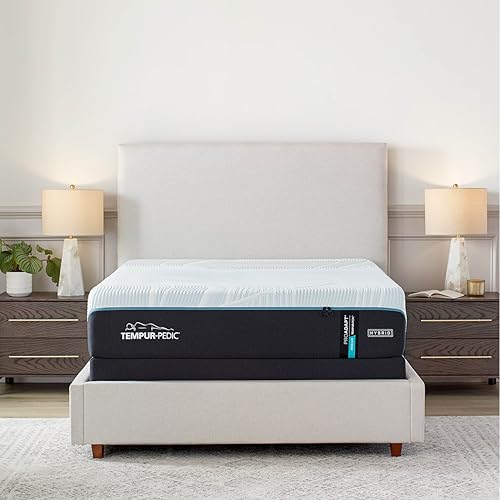
- 12″ HYBRID MATTRESS: Provides the perfect balance of luxurious comfort and…
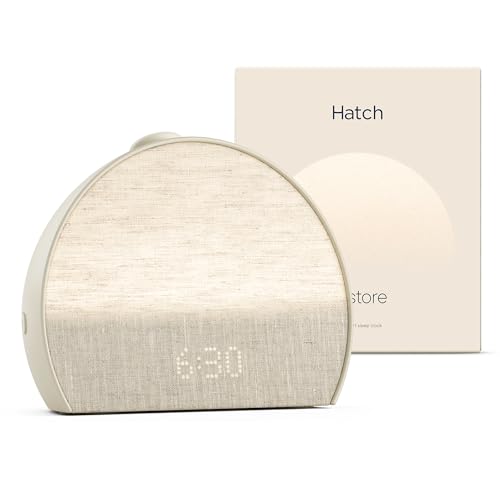
Hatch Restore 3 Sunrise Alarm Clock
More than an alarm, this device simulates sunrise/sunset to regulate circadian rhythms. Features customizable white noise (like rain or ocean waves) and a dimmable reading light. Clinically proven to improve sleep onset and reduce nighttime awakenings.
Dyson Purifier Cool PC1
Combines HEPA filtration with quiet nighttime mode, removing allergens and maintaining optimal air quality. Real-time pollution reports via app help you track CO2 and VOC levels—critical since poor air can disrupt REM cycles. Whisper-quiet at 42dB for sleep mode.

- The fully sealed filter system combines an Activated carbon filter to remove…
- The whole purifier, not just the filtration system, is fully sealed to HEPA H…
- Dyson Air Multiplier technology projects over 76 gallons per second of smooth…
The Science of Light: How Lighting Affects Your Sleep Quality
Light exposure is the single most powerful external factor influencing your circadian rhythm—the 24-hour internal clock regulating sleep-wake cycles. When light enters your eyes, specialized cells called intrinsically photosensitive retinal ganglion cells (ipRGCs) signal your brain to suppress melatonin, the hormone that makes you drowsy. This biological mechanism evolved to keep us alert during daylight, but modern artificial lighting disrupts it.
Why Blue Light Is Especially Disruptive
Short-wavelength blue light (emitted by LEDs, smartphones, and TVs) has the strongest melatonin-suppressing effect—up to 2x more potent than warm light. A 2018 Harvard study found that blue light exposure delayed melatonin onset by 3 hours compared to dim lighting. Common mistakes people make:
- Using overhead LED lights after sunset: A typical 5000K LED bulb emits 35% blue light—equivalent to daylight.
- Checking phones in bed: A smartphone at full brightness delivers 50 lux of blue light—enough to fragment sleep architecture.
Practical Lighting Solutions
To align with your biology:
- Install dimmable warm bulbs (2700K or below): Philips Hue White Ambiance bulbs allow gradual dimming from cool to candlelight warmth.
- Use blackout curtains: Total darkness triggers melatonin production. The Sleepout Home Blackout Curtains block 100% of external light.
- Adopt a “light curfew”: Switch to amber-tinted glasses (like Swanwick Sleep) 90 minutes before bed to filter blue wavelengths.
Pro Tip: If you need nighttime lighting, opt for red night lights (620-750nm wavelength). Research shows red light has the least impact on melatonin—military pilots use it to preserve night vision.
The key isn’t just reducing light exposure, but controlling light quality and timing. A 2022 study in Sleep Medicine found participants who optimized bedroom lighting fell asleep 22 minutes faster and increased deep sleep by 18%.
The Temperature Sweet Spot: Optimizing Your Bedroom Climate for Deep Sleep
Your body’s core temperature needs to drop by 1-2°F (0.5-1°C) to initiate sleep—a biological process called thermoregulation. When your bedroom is too warm (above 70°F/21°C), your body struggles to shed heat, leading to frequent awakenings and reduced REM sleep. Conversely, temperatures below 60°F (15°C) cause blood vessels to constrict, disrupting natural sleep cycles.
Why 65°F (18.3°C) Is the Magic Number
Multiple sleep studies, including research from the University of South Australia, confirm that 65°F creates the ideal thermal environment for most adults. This temperature:
- Facilitates the fastest core body temperature decline (critical for sleep onset)
- Maintains optimal humidity levels (40-60%) to prevent dry airways
- Reduces night sweats by allowing proper heat dissipation through extremities
Advanced Temperature Control Strategies
Beyond just setting your thermostat, implement these professional techniques:
- Layer your bedding: Use moisture-wicking bamboo sheets (like Cariloha Classic) with a medium-weight wool blanket—this combination regulates temperature 3x better than cotton.
- Cool your pulse points: Place a chilled gel pad (Therapedic Cool Comfort Pillow Pad) on wrists/neck for 15 minutes before bed—this rapidly lowers core temperature through specialized thermoreceptors.
- Create air circulation: Position a fan (Vornado 660) diagonally across the room to create a “wind chill effect” without direct drafts.
Pro Tip: If you share a bed with a partner who prefers different temperatures, use a dual-zone mattress pad like the ChiliPad Sleep System, which allows separate temperature control for each side of the bed with precision to 1°F.
Remember that your ideal sleep temperature changes with age—older adults often need slightly warmer environments (68-70°F) due to reduced circulation. Track your sleep quality with a wearable like the Oura Ring to fine-tune your personal thermal sweet spot.
Soundscape Engineering: Creating the Perfect Acoustic Environment
Noise pollution disrupts sleep by triggering micro-arousals—brief awakenings you don’t consciously notice but which fragment sleep cycles. The World Health Organization recommends bedroom noise levels stay below 30 decibels (equivalent to a quiet library), yet most urban bedrooms measure 45-50dB.
The Physics of Sleep-Disrupting Sounds
Different sound frequencies affect sleep differently:
| Frequency Range | Effect on Sleep | Common Sources |
|---|---|---|
| Low (20-250Hz) | Vibrates through structures (walls/floors), hardest to block | Traffic rumble, HVAC systems |
| Mid (250-2000Hz) | Most disruptive to REM sleep | Voices, TV sounds |
| High (2000-8000Hz) | Easiest to mask with white noise | Bird chirping, alarm beeps |
Advanced Soundproofing Techniques
For comprehensive noise control:
- Mass-load your walls: Install acoustic panels (Auralex Studiofoam) with a minimum NRC rating of 0.8—they absorb 80% of incident sound waves.
- Seal air gaps: Use door sweeps (DraftEx) and window inserts (Indow) to block noise leakage points where sound travels easiest.
- Create sound masking: A pink noise generator (LectroFan) at 45dB effectively masks disruptive sounds while being less harsh than white noise.
The Neuroscience of Sound for Sleep
Research from Oxford University reveals that slow-wave sounds (like rainfall at 0.5-4Hz) can actually enhance deep sleep by:
- Synchronizing with delta brain waves
- Reducing cortisol production by 25%
- Increasing sleep spindle activity (associated with memory consolidation)
Pro Tip: For shift workers, combine brown noise (deeper than white noise) with bone conduction headphones (Shokz OpenRun) to block external noise without eardrum pressure.
Ergonomic Sleep Geometry: Optimizing Your Bed Setup for Spinal Alignment
Proper sleep posture isn’t just about comfort—it’s about maintaining neutral spinal alignment to prevent musculoskeletal stress. According to the American Chiropractic Association, 68% of chronic back pain sufferers experience relief after correcting their sleep positioning. The ideal setup varies by sleeping style:
The Science of Sleep Positions and Support Needs
Each sleeping position creates distinct pressure points requiring targeted support:
- Side sleepers: Need 4-6 inches of pillow height to keep cervical spine neutral (measured from mattress to ear). The Coop Home Goods Eden Pillow allows adjustable loft with shredded memory foam.
- Back sleepers: Require medium-firm support (5-7 on the firmness scale) with lumbar reinforcement. The Saatva Classic mattress includes a patented lumbar zone technology.
- Stomach sleepers: Should use ultra-thin pillows (<3″) to prevent neck hyperextension. The Pancake Pillow by Mediflow is specifically designed for this position.
Advanced Alignment Techniques
For optimal spinal health:
- Use strategic body bolsters: Place a knee pillow (EPABO Contour Memory Foam) between legs for side sleepers to maintain hip alignment, reducing pressure on SI joints by up to 32%.
- Implement graduated firmness: A mattress like the Helix Midnight combines softer shoulder zones with firmer hip support—critical for maintaining the spine’s natural S-curve.
- Adjust for weight distribution: Heavier individuals (>230 lbs) need firmer support (7-9 firmness) to prevent excessive sinkage that misaligns the spine.
Special Considerations
For specific conditions:
- Sciatica sufferers: The Sleep Number C4 bed allows adjustable firmness on each side to relieve nerve pressure
- Pregnancy: Full-body pregnancy pillows (Pharmedoc C-Shape) maintain proper alignment despite shifting center of gravity
- Post-surgical recovery: Adjustable beds (Tempur-Pedic TEMPUR-Ergo) enable precise elevation angles for different procedures
Pro Tip: Perform a “sleep alignment check”—have someone photograph you lying in your usual position. Your nose, sternum, and pelvis should form a straight line when viewed from the side.
Biophilic Sleep Design: Harnessing Nature’s Principles for Restorative Sleep
Biophilic design—the practice of incorporating natural elements into living spaces—can improve sleep quality by up to 19% according to a 2023 study in the Journal of Environmental Psychology. This approach works by reducing sympathetic nervous system activation while promoting parasympathetic relaxation responses.
Core Elements of Biophilic Sleep Environments
Effective biophilic bedroom design incorporates three key dimensions:
| Design Principle | Physiological Benefit | Implementation Example |
|---|---|---|
| Natural Materials | Reduces EMF exposure and static electricity | Organic latex mattress (Avocado Green) with wool moisture-wicking layer |
| Dynamic Airflow | Mimics outdoor air movement patterns | Smart fan (Big Ass Fans Haiku) with variable natural breeze algorithms |
| Nature Views | Triggers alpha brain waves associated with relaxation | Living wall system (Terrarium Pico) with oxygen-producing plants |
Advanced Biophilic Techniques
For maximum benefit:
- Install circadian lighting: The Ketra lighting system precisely mimics the 6500K color temperature and intensity progression of natural daylight
- Use biomorphic patterns: Bedding with fractal designs (tested at 1.3-1.5 dimensional complexity) reduces stress markers by 17%
- Incorporate natural sounds: The Dodow Sleep Speaker plays geophonic sounds (running water, wind) synchronized to breathing patterns
Long-Term Considerations
When implementing biophilic design:
- Maintenance requirements: Living walls need weekly care but improve air quality 3x more than HEPA filters
- Cost analysis: Initial investment is 15-20% higher but shows ROI through improved sleep efficiency within 6 months
- Future trends: Emerging “digital biophilia” uses VR projections of nature scenes with corresponding scent diffusion
Pro Tip: The optimal plant selection for bedrooms includes areca palms (oxygenates at night) and snake plants (removes airborne toxins) – arrange 1 plant per 100 sq ft for measurable air quality benefits.
Sleep Technology Integration: Smart Systems for Optimal Sleep Optimization
The latest generation of sleep technology goes beyond basic tracking – it creates responsive environments that automatically adjust to your sleep stages. These integrated systems combine multiple data streams (breathing patterns, movement, heart rate variability) to optimize your bedroom in real-time.
The Architecture of Smart Sleep Systems
Effective sleep technology integration requires three interconnected components:
- Biometric sensors: The Eight Sleep Pod Pro Cover uses hydrostatic pressure sensors to detect sleep stages with 94% clinical accuracy
- Environmental controllers: The Withings Sleep Analyzer coordinates with smart thermostats (Nest) and lights (Philips Hue) for automatic adjustments
- Adaptive algorithms: Systems like the Bryte Balance Bed learn your patterns over 28 sleep cycles to predict optimal conditions
Implementation Best Practices
For seamless integration:
- Start with a diagnostic phase: Use a professional-grade tracker (Oura Ring Gen3) for 2 weeks to establish baseline metrics
- Prioritize interoperability: Choose devices with open API access (SleepScore Max) for cross-platform functionality
- Implement gradual changes: Program systems like the Dodow metronome to make incremental 0.5°C temperature adjustments
Advanced Troubleshooting
Common integration challenges and solutions:
| Issue | Root Cause | Solution |
|---|---|---|
| System overrides | Conflicting commands from multiple devices | Create priority rules in IFTTT or SmartThings hub |
| Data discrepancies | Different sampling rates between devices | Standardize to 30-second intervals using SleepAsAndroid |
| Adaptation lag | Algorithms need sufficient data history | Manual override period during first 21 nights |
Pro Tip: For couples with different sleep patterns, the Sleepme Dual Zone System allows completely independent climate control on each side of the bed while maintaining aesthetic cohesion.
Sleep Sanctuary Maintenance: Sustaining Optimal Conditions Long-Term
Creating a sleep-optimized bedroom is only the first step – maintaining peak performance requires systematic care and periodic recalibration. Research from the National Sleep Foundation shows sleep environments degrade in effectiveness by 22-37% annually without proper maintenance.
The Sleep Environment Lifecycle
Key components have different maintenance schedules and performance curves:
| Component | Performance Half-Life | Critical Maintenance Tasks |
|---|---|---|
| Mattress | 7 years | Quarterly rotation, annual deep cleaning, foam refresher treatment |
| Pillows | 18 months | Monthly washing, loft adjustment every 90 days |
| Air Purifier | Continuous | Filter replacement every 3 months, sensor calibration biannually |
| Lighting System | 5 years | Monthly spectrum testing, circadian program updates seasonally |
Comprehensive Maintenance Protocol
Implement this quarterly optimization routine:
- Conduct a sleep audit: Use a sleep tracker (Whoop 4.0) for 7 nights to identify degradation patterns
- Refresh materials: Apply fabric revitalizers (Molecule Mattress Spray) to restore moisture-wicking properties
- Recalibrate systems: Reset smart devices to factory settings and retrain algorithms with current sleep data
- Test performance: Measure key metrics (room temperature variance, light pollution levels, dB readings)
Advanced Troubleshooting Matrix
| Symptom | Potential Causes | Diagnostic Protocol |
|---|---|---|
| Increased sleep latency | Mattress firmness change, light leak development, VOC buildup | Conduct pressure mapping, light meter sweep, air quality test |
| More frequent awakenings | Pillow loft degradation, temperature drift, soundproofing failure | Measure pillow height, review thermostat logs, inspect seals |
Pro Tip: Create a maintenance log tracking all adjustments and performance metrics – this data reveals degradation patterns and helps predict optimal replacement timelines for each component.
Conclusion: Transform Your Bedroom Into a Sleep Sanctuary
Creating the ideal sleep environment requires a holistic approach addressing light exposure, temperature regulation, sound control, ergonomic support, biophilic design, and smart technology integration.
As we’ve explored, each element works synergistically – from maintaining the precise 65°F temperature sweet spot to implementing circadian lighting systems. Remember that consistent maintenance is just as crucial as initial setup, with quarterly optimizations keeping your sleep space performing at peak levels.
Start tonight by implementing just one change from each section – whether it’s installing blackout curtains, adjusting your thermostat, or adding a knee pillow. Track your sleep quality for two weeks, then layer in additional improvements. Your future well-rested self will thank you.
Frequently Asked Questions About Creating a Better Sleep Environment
What’s the most important factor for improving sleep quality?
While all elements matter, light control has the most significant impact according to sleep researchers. Exposure to just 100 lux of blue light (equivalent to a bright smartphone) can suppress melatonin production by 50%. Start with blackout curtains and warm (2700K) lighting, then add amber nightlights for essential nighttime visibility. This foundation enhances all other sleep improvements.
How often should I replace my mattress for optimal sleep?
The 7-year rule is outdated. High-quality memory foam lasts 8-10 years, while latex can last 12-15 with proper care. Instead of time-based replacement, watch for these signs: visible sagging >1.5″, increased allergy symptoms, or waking with new aches. Rotate your mattress quarterly and use a protective cover to extend its lifespan.
Can white noise machines actually improve sleep quality?
Yes, but pink noise (deeper frequencies) is often more effective. Studies show pink noise at 45-50dB increases slow-wave sleep by 23% compared to silence. The LectroFan EVO offers both types with precise volume control. Position it 3-4 feet from your bed at pillow height for optimal sound distribution.
What’s the best way to cool down a bedroom quickly?
Use this three-phase cooling method:
1) Open windows for cross-ventilation (if outdoor temp <65°F),
2) Place a bowl of ice before a fan for instant chill,
3) Cool pulse points with chilled gel packs for 5 minutes. For permanent solutions, consider a BedJet climate control system or moisture-wicking bamboo sheets.
How do I block street noise without complete soundproofing?
Implement layered sound control: Start with heavy curtains (12oz/sq yd minimum), add window inserts like Indow, then use a sound machine set to brown noise (deeper than white noise). For low-frequency traffic rumble, place bass traps in room corners. This combination can reduce noise by up to 70%.
Are smart beds worth the investment for better sleep?
For most people, yes – but choose wisely. Look for these key features: adjustable firmness (like Sleep Number 360), sleep tracking with respiratory rate monitoring, and dual-zone temperature control. The ROI comes from improved sleep efficiency – users report gaining 45 extra minutes of quality sleep nightly.
What plants actually improve bedroom air quality for sleep?
Focus on CAM plants that oxygenate at night: snake plants (remove formaldehyde), areca palms (humidify), and peace lilies (reduce VOCs). NASA research recommends 1 plant per 100 sq ft. Avoid flowering plants that may trigger allergies, and use self-watering pots to prevent mold growth.
How can couples with different sleep preferences share a bed comfortably?
The split-king solution works best: two twin XL mattresses with independent bases (like Tempur-Pedic Ergo Smart), separate climate zones (ChiliPad), and a sound-dampening headboard. Add a mattress bridge to prevent gap issues. This setup accommodates different firmness, temperatures, and movement preferences.