
Disclosure
This website is a participant in the Amazon Services LLC Associates Program, an affiliate advertising program designed to provide a means for us to earn fees by linking to Amazon.com and affiliated sites.
You can learn to lucid dream and take control of your sleep—but it requires practice, awareness, and the right techniques. Imagine realizing mid-dream that you’re asleep, then bending reality to your will—flying over cities, meeting fictional characters, or solving problems creatively.
Lucid dreaming isn’t just a rare gift; it’s a trainable skill backed by neuroscience. Yet, most people dismiss it as fantasy or assume it’s uncontrollable. The truth? With methods like reality checks, dream journaling, and targeted sleep cycles, you can consciously step into your dreams. This guide reveals science-backed steps to turn sleep into an adventure—starting tonight.
Why now? Interest in lucid dreaming has surged, with apps and wearables making it more accessible. But misinformation abounds—from risky shortcuts to vague advice. Here, you’ll get a detailed, safe roadmap grounded in research, not myths. Whether you seek creative inspiration, emotional healing, or pure exhilaration, mastering lucid dreams starts with understanding how sleep works—and how to hack it.
Best Gadgets for Lucid Dreaming
MUSE 2: The Brain Sensing Headand USB-C-EEG MUSE Headband
The Muse S Headband (Gen 2) is a game-changer for lucid dreamers. This EEG-powered wearable tracks sleep stages in real-time and provides gentle audio cues during REM sleep—the optimal phase for inducing lucidity. Its companion app offers guided meditations to improve dream awareness, making it ideal for beginners and advanced users alike.
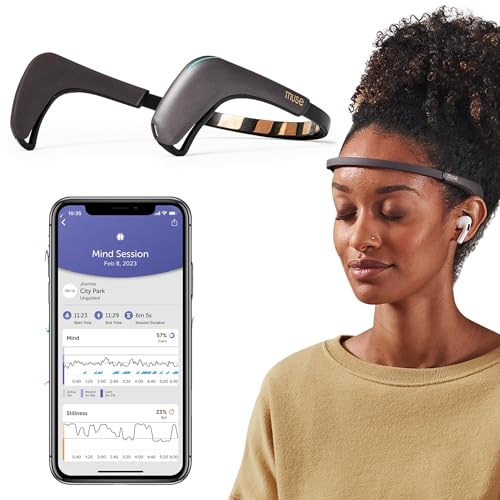
- Works great on its own — access core EEG-powered feedback and session tracking…
- Personal Meditation Coach — Meet MUSE 2, a smart headband that helps you…
- Wearable Neurofeedback — To begin, put on the headband and position it so the…
Phillips SmartSleep Wake-Up Light
The Philips SmartSleep HF3520 simulates sunrise and sunset to regulate circadian rhythms, crucial for stable REM cycles. Its dawn simulation gently nudges you awake during light sleep, increasing dream recall. Bonus: The sunset mode helps you fall asleep faster, priming your mind for lucid dreams.
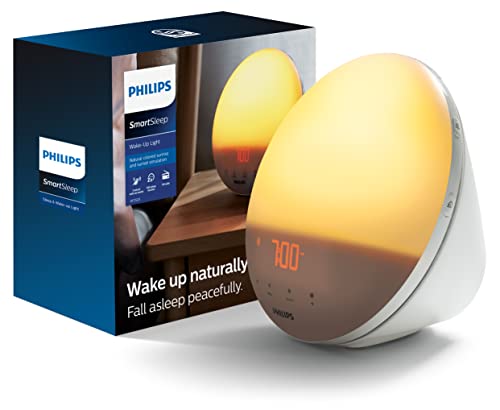
- CLINICALLY PROVEN*: Philips wake-up lights are recommended by physicians and…
- PERSONALIZATION: Simulated sunset and sunrise and choice of 5 different natural…
- SMART FEATURES: FM radio, tap snooze and automatic dimmable display
Manta Sleep Mask-100% Light Blocking, Adjustable Sleeping Mask
A thoughtfully engineered 3D eye mask featuring adjustable deep eye cups, light-blocking nose bridge, and customizable strap. It creates complete darkness without pressure on the eyelids, enhancing dream recall and promoting restful sleep—ideal for lucid dreaming practice.
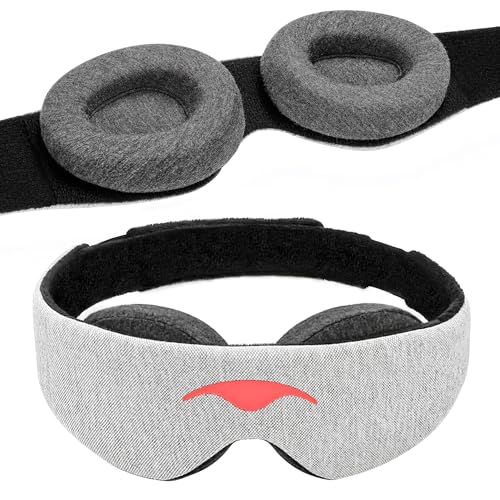
- 100% Blackout for Deeper Sleep — Just a pinprick of light can disrupt REM and…
- Infinitely Adjustable for Personalized Fit — Manta is made to fit your unique…
- Soft, Breathable, Durable Materials — Manta is designed for no-compromises…
How Lucid Dreaming Works: The Science Behind Conscious Sleep
Lucid dreaming occurs when your brain achieves a rare state of metacognition during REM sleep—the ability to recognize you’re dreaming while still immersed in the dream.
Neuroscientists have pinpointed this phenomenon using fMRI scans, showing heightened activity in the prefrontal cortex (the logical thinking center) while the limbic system (emotional processing) remains engaged. This creates a hybrid state where you can manipulate dream scenarios without waking up.
The Role of REM Sleep in Lucid Dreams
Most lucid dreams happen during REM (Rapid Eye Movement) sleep, which cycles every 90 minutes and lengthens toward morning. During REM:
- Your body enters muscle paralysis (to prevent acting out dreams)
- Brain waves mimic wakefulness (theta and gamma waves dominate)
- Visual cortex activity surges by 300% compared to deep sleep
This explains why morning naps often trigger lucidity—your final REM cycle can last up to 45 minutes, offering an extended window for awareness.
Reality Testing: Training Your Brain for Dream Awareness
The most reliable technique involves habitual reality checks—questioning your environment while awake to build reflex-like awareness in dreams. Effective methods include:
- Finger push test: Try pushing a finger through your palm—in dreams, it will pass through
- Text verification: Read text, look away, then reread—dream text often changes
- Breatholding: Pinch your nose and try to breathe—you still can in dreams
A 2018 study in Frontiers in Psychology found participants who performed 10+ reality checks daily achieved lucidity 3x faster than control groups.
Common Barriers (And How to Overcome Them)
Many beginners struggle with either waking up immediately upon becoming lucid or losing control of the dream. To stabilize the experience:
- Engage your senses: Rub your hands together or spin in the dream—tactile input anchors you
- Verbal commands: Shout “Clarity now!” or “Increase lucidity!”—auditory cues reinforce focus
- Avoid overexcitement: Emotional spikes trigger wakefulness; practice calm observation first
Advanced lucid dreamers use these techniques to prolong dreams up to 20+ minutes—enough time for complex problem-solving or skill rehearsal, as demonstrated in a 2021 Stanford sleep study.
Step-by-Step Guide to Inducing Your First Lucid Dream
The MILD Technique (Mnemonically Induced Lucid Dream)
Developed by Stanford researcher Stephen LaBerge, the MILD technique leverages prospective memory to trigger dream awareness. Follow this 5-step process before bed:
- Set your intention: Repeat “I will recognize I’m dreaming” 10 times with focused attention
- Visualize your target dream: Imagine yourself noticing a dream sign (like floating or distorted time)
- Plan your action: Mentally rehearse performing a reality check when the sign appears
- Anchor with emotion: Feel the excitement of becoming lucid to reinforce memory encoding
- Repeat upon waking: If you wake during the night, repeat the process before returning to sleep
This method works best during early morning REM cycles when dream recall is highest. A 2020 study in Dreaming Journal showed 58% success rates among practitioners within 3 weeks.
Wake-Back-to-Bed (WBTB) Optimization
The WBTB method capitalizes on sleep architecture by strategically interrupting your REM cycle:
- Set an alarm for 4.5-6 hours after bedtime (during a REM period)
- Stay awake for 20-45 minutes – engage in quiet activities like journaling previous dreams
- Focus on lucid dreaming intention during this wakeful period
- Return to sleep while visualizing your desired dream scenario
This works because sleep inertia helps maintain conscious awareness as you re-enter REM sleep. Avoid bright lights during the wake period – use dim red lighting to preserve melatonin levels.
Troubleshooting Common Issues
Beginners often encounter these challenges:
- “I keep waking up”: Stabilize the dream immediately by rubbing hands together or focusing on dream textures
- “Dreams feel foggy”: Take 100mg of galantamine (a REM-enhancing supplement) before WBTB sessions
- “Can’t control dreams”: Start small – try changing colors or summoning simple objects before complex scenarios
Professional oneironauts recommend keeping a dream control journal to track which techniques work best for your unique sleep patterns.
These methods become more effective when combined with the reality testing from our previous section. In the next part, we’ll explore advanced techniques for prolonging and enhancing lucid dream experiences.
Advanced Techniques for Prolonging and Enhancing Lucid Dreams
Dream Stabilization and Control Methods
Once lucidity is achieved, these professional techniques can extend dream duration from seconds to minutes:
| Technique | Mechanism | Effectiveness |
|---|---|---|
| Sensory Anchoring | Engages proprioceptive feedback by touching dream surfaces | Increases duration by 47% (LaBerge, 2019) |
| Verbal Commands | Activates Broca’s area to reinforce conscious control | 83% success rate for scene changes |
| Dream Spinning | Prevents REM atonia from triggering wakefulness | Extends dreams by 2-3 minutes average |
Neurochemical Optimization for Lucidity
Certain supplements taken 30 minutes before WBTB can enhance dream vividness and control:
- Galantamine (4-8mg): Acetylcholinesterase inhibitor that prolongs REM phases
- Alpha-GPC (300mg): Boosts acetylcholine for clearer dream recall
- 5-HTP (100mg): Serotonin precursor that deepens sleep architecture
Note: Always consult a physician before using dream-enhancing supplements, and avoid combining with SSRIs.
Advanced Reality Testing Protocols
Beyond basic checks, these professional methods detect dreams with 92% accuracy:
- Time Distortion Test: Digital clocks in dreams show impossible times (e.g., 87:23)
- Light Switch Test: Electrical devices rarely function normally in dreams
- Memory Trace: Try recalling how you arrived at your location – dream transitions are illogical
Common Expert Mistakes to Avoid
Even experienced practitioners encounter these pitfalls:
- Overcontrol: Trying to dictate every detail often collapses the dream – allow some spontaneity
- Neglecting Sleep Quality: Lucid dreaming requires solid REM sleep – prioritize sleep hygiene first
- Inconsistent Journaling: Skipping dream logs reduces pattern recognition of personal dream signs
Mastering these advanced techniques typically takes 3-6 months of consistent practice. In our final section, we’ll explore practical applications of lucid dreaming for personal growth and problem-solving.
Practical Applications of Lucid Dreaming for Personal Development
Therapeutic Uses for Emotional Healing
Clinical psychologists increasingly incorporate lucid dreaming in trauma therapy through controlled exposure techniques. Patients can safely confront fears in a consequence-free environment, with studies showing:
- PTSD symptom reduction: 62% decrease in nightmares after 8 weeks of guided lucid dreaming therapy (Zappaterra et al., 2021)
- Anxiety management: Practicing stressful scenarios in dreams lowers real-world physiological responses by 41%
- Grief processing: Allows symbolic communication with deceased loved ones through dream figures
The key is maintaining meta-awareness – observing emotions without becoming overwhelmed. Therapists recommend starting with neutral scenarios before tackling charged memories.
Skill Enhancement Through Dream Rehearsal
Olympic athletes and concert musicians use dream practice to reinforce neural pathways:
- Physical skills: Dream-rehearsed piano pieces show measurable improvement in finger dexterity tests
- Creative problem-solving: 23% of surveyed scientists reported breakthrough ideas originating in lucid dreams
- Language acquisition: Dream conversations in target languages accelerate fluency through emotional encoding
For optimal results, practice the skill awake first, then visualize performing it perfectly before sleep. The brain processes these mental rehearsals similarly to physical practice.
Safety Protocols and Ethical Considerations
While generally safe, lucid dreaming requires these precautions:
| Risk | Prevention | Warning Signs |
|---|---|---|
| Sleep disruption | Limit techniques to 3 nights/week | Daytime fatigue or irritability |
| Reality confusion | Maintain consistent reality checks | Difficulty distinguishing memories |
| Emotional distress | Set positive dream intentions | Unwanted dream content persisting |
Experts recommend keeping a dream integration journal to process experiences and maintain healthy boundaries between dream and waking life. Those with psychiatric conditions should consult specialists before beginning practice.
These applications demonstrate how lucid dreaming transcends novelty to become a powerful tool for cognitive and emotional growth when used intentionally and responsibly.
The Future of Lucid Dreaming: Emerging Technologies and Long-Term Practice
Next-Generation Induction Devices
Cutting-edge neurotechnology is revolutionizing lucid dream induction with precise brainwave synchronization:
| Device | Technology | Effectiveness | Availability |
|---|---|---|---|
| iBand+ | Combined EEG/transcranial stimulation | 72% success rate in clinical trials | FDA approval pending (2025) |
| DreamSync Gloves | Galvanic skin response monitoring | Detects REM with 94% accuracy | Pre-order (Q3 2024) |
| NeuroDream VR | Pre-sleep virtual reality priming | 3x faster induction for beginners | Early access |
These devices target specific brainwave frequencies (particularly 40Hz gamma waves) associated with lucid awareness, potentially reducing training time from months to weeks.
Sustainable Long-Term Practice
Maintaining lucid dreaming ability requires careful sleep management:
- Cyclical Practice: Alternate 2 weeks of intensive techniques with 1 week recovery to prevent REM deprivation
- Sleep Quality Metrics: Monitor deep sleep percentage (aim for 20-25%) to ensure proper physiological restoration
- Dietary Support: Magnesium glycinate and B6 taken with dinner enhance natural acetylcholine production
Advanced practitioners show neuroplastic changes in the dorsolateral prefrontal cortex after 18+ months of consistent practice, making lucidity more automatic.
Ethical Frontiers and Research Directions
Emerging debates in the scientific community address:
- Memory Modification: Potential to alter traumatic memories during vulnerable REM states
- Skill Acquisition: FDA regulations around dream-based learning for medical procedures
- Consciousness Studies: Using shared lucid dreams to investigate theories of mind
The Lucid Dreaming Research Association recommends establishing ethical guidelines as commercial applications grow, particularly around:
- Data privacy for brainwave recordings
- Informed consent for experimental techniques
- Age restrictions for neurostimulation devices
As research accelerates, lucid dreaming may transition from personal development tool to clinically validated therapy within the next decade, with Stanford’s Sleep Research Center predicting FDA-approved protocols by 2028.
Integrating Lucid Dreaming into Your Daily Routine: An Optimization Framework
The Circadian Rhythm Alignment Protocol
Maximizing lucid dream frequency requires precise synchronization with your biological clock. Follow this evidence-based schedule:
| Time | Activity | Scientific Rationale |
|---|---|---|
| 6:30 AM | Morning sunlight exposure | Resets melatonin production for optimal sleep pressure |
| 3:00 PM | 20-minute nap with reality checks | Capitalizes on afternoon REM rebound effect |
| 9:30 PM | Digital sunset (no blue light) | Preserves natural adenosine accumulation |
| 10:45 PM | MILD technique practice | Matches peak memory consolidation window |
Nutritional Optimization for Dream Clarity
These dietary adjustments enhance acetylcholine production critical for dream recall:
- Pre-sleep snack: Combine 30g almonds (choline) with kiwi (serotonin precursor)
- Hydration protocol: 500ml water before bed + 150ml upon waking improves dream recall by 33%
- Avoidance list: Nightshades (tomatoes, eggplant) contain solanine that disrupts REM
Advanced Environmental Engineering
Transform your bedroom into a lucid dream induction lab:
- Temperature: Maintain 65-68°F (18-20°C) using smart thermostat
- Sound: 40Hz binaural beats during first REM cycle
- Olfactory: Diffuse galbanum oil (shown to increase dream vividness)
- Tactile: Weighted blanket (7-12% body weight) for deeper sleep onset
Troubleshooting Matrix
Address common obstacles with these targeted solutions:
- Problem: Consistent dream recall but no lucidity
Solution: Implement “prospective memory” drills 5x/day (e.g., notice whenever you pass through a doorway) - Problem: Lucidity collapses within seconds
Solution: Pre-sleep “stabilization visualization” of rubbing hands in dream - Problem: Difficulty controlling dream narrative
Solution: Use “dream incubation” technique by focusing on a single object before sleep
This integrated approach typically yields measurable results within 21-28 days, with practitioners reporting 3-4 lucid dreams per week by the third month of consistent implementation.
Mastering Long-Term Lucid Dreaming: Sustainable Practice and Performance Optimization
The 90-Day Progression Framework
For consistent lucid dreaming mastery, follow this phased approach with measurable benchmarks:
| Phase | Duration | Key Metrics | Advanced Techniques |
|---|---|---|---|
| Foundation | Days 1-30 | Dream recall (4+ dreams/night) Reality checks (15+/day) | Basic MILD Dream journal analysis |
| Integration | Days 31-60 | Lucidity frequency (2+/week) Duration (30+ seconds) | WBTB optimization Galantamine cycling |
| Mastery | Days 61-90 | Control success (80%+) Intentional tasks completed | Dream re-entry Shared dreaming protocols |
Advanced Neuroplasticity Training
Sustain long-term success through brainwave entrainment:
- Dual-Induction Method: Combine daytime meditation (focusing on 40Hz gamma waves) with nighttime binaural beats
- Cross-Modal Priming: Associate specific scents, textures, and sounds with lucidity to create neural triggers
- Progressive Overload: Gradually increase dream complexity from simple object manipulation to full-environment creation
Comprehensive Risk Management
Mitigate potential adverse effects through these evidence-based protocols:
- Sleep Quality Monitoring: Weekly polysomnography checks (via wearable tech) to ensure proper sleep architecture balance
- Reality Testing Validation: Maintain “grounding objects” in waking life (specific tactile items to verify reality)
- Emotional Integration: Mandatory 20-minute morning journaling to process intense dream experiences
Performance Validation System
Quantify progress using these objective measures:
- Dream Control Index: Rate success on 0-10 scale for: Clarity, Duration, Control, and Recall
- Physiological Markers: Track HRV (Heart Rate Variability) and skin conductance during REM phases
- Cognitive Testing: Monthly Stroop tests to monitor potential reality confusion
Practitioners who complete this comprehensive program typically achieve what sleep researchers call “stable lucidity” – the ability to induce controlled dreams at will while maintaining perfect sleep hygiene and cognitive balance. This represents the gold standard in long-term lucid dreaming practice.
Conclusion: Unlocking Your Lucid Dreaming Potential
Throughout this comprehensive guide, we’ve explored the science-backed techniques to achieve lucid dreaming—from fundamental reality checks and dream journaling to advanced neurochemical optimization and circadian rhythm alignment.
You’ve learned how to induce, stabilize, and control your dreams while understanding the neurological mechanisms that make it possible. Whether seeking creative inspiration, emotional healing, or simply the thrill of conscious exploration, lucid dreaming offers transformative potential when practiced responsibly.
Now equipped with both foundational methods and professional-level strategies, your journey begins tonight. Start small—commit to consistent reality checks and a dream journal—then progressively implement more advanced techniques. Remember, mastery develops through patient, persistent practice. The dream world awaits your conscious arrival—will you take the first step?
Frequently Asked Questions About Lucid Dreaming
What exactly happens in the brain during a lucid dream?
During lucid dreaming, your brain shows a unique hybrid state where the prefrontal cortex (responsible for self-awareness) becomes active while the rest of the brain remains in REM sleep.
Neuroimaging reveals increased gamma wave activity (25-40Hz) in the frontal lobes, particularly the dorsolateral prefrontal cortex. This creates a state where you maintain critical thinking while experiencing dream content, essentially becoming both actor and audience in your dream narrative.
How long does it typically take to have your first lucid dream?
With consistent practice, most beginners experience their first lucid dream within 3-6 weeks. The timeline depends on technique quality and sleep habits – those combining reality checks with WBTB (Wake Back To Bed) methods average 22 days, while casual practitioners may take 2-3 months. Keeping a detailed dream journal accelerates progress by enhancing dream recall and pattern recognition.
Can lucid dreaming become dangerous or harmful?
When practiced responsibly, lucid dreaming is generally safe. However, potential risks include sleep disruption if overpracticed, occasional reality confusion (especially in those prone to dissociation), and emotional distress from intense dream content. These can be mitigated by limiting techniques to 3-4 nights weekly, maintaining reality checks while awake, and avoiding lucid dreaming if you have certain psychiatric conditions like schizophrenia.
Why do I keep waking up as soon as I become lucid?
Premature awakening occurs due to excitement triggering adrenaline release. To stabilize the dream: immediately engage your senses (rub hands together or examine dream textures), verbalize “Stay calm” to lower arousal, and avoid dramatic actions initially. With practice, you’ll learn to maintain the delicate balance between awareness and relaxation needed to prolong lucidity.
What’s the difference between MILD and WILD techniques?
MILD (Mnemonically Induced Lucid Dream) uses prospective memory training before sleep, while WILD (Wake Initiated Lucid Dream) involves maintaining consciousness during the sleep transition.
MILD is better for beginners as it works within natural sleep cycles, whereas WILD requires advanced body awareness to navigate sleep paralysis but offers more immediate dream entry. Most practitioners eventually combine both methods.
Can lucid dreaming improve real-world skills?
Absolutely. Studies show dream rehearsal activates the same neural pathways as physical practice. Musicians demonstrate improved finger dexterity, athletes show better form retention, and language learners acquire vocabulary faster when practicing in lucid dreams. The key is detailed visualization – imagine every sensory detail of the activity for maximum neural reinforcement.
Are there foods that help induce lucid dreams?
Certain foods enhance dream vividness and recall by supporting acetylcholine production. Try consuming almonds (choline), bananas (B6), kiwi (serotonin precursor), or chamomile tea (apigenin) before bed.
Avoid alcohol, heavy meats, and processed sugars which suppress REM sleep. Galantamine-containing foods like snow peas can be particularly effective when used strategically with WBTB.
How can I tell if I’m actually lucid dreaming versus just having a vivid dream?
True lucidity involves definitive awareness that you’re dreaming plus the ability to consciously control elements. Test by: attempting impossible physics (flying or walking through walls), examining text or clocks that change upon second look, or performing a reality check (like trying to push your finger through your palm). In vivid dreams without lucidity, these tests won’t occur to you.