
Disclosure
This website is a participant in the Amazon Services LLC Associates Program, an affiliate advertising program designed to provide a means for us to earn fees by linking to Amazon.com and affiliated sites.
If you’ve ever woken up to find yourself in another room—or worse, discovered a loved one wandering the house at night—you know how unsettling sleepwalking can be.
While it might seem harmless, sleepwalking (or somnambulism) can pose real risks, from minor injuries to dangerous situations. But here’s the good news: you can manage it effectively with the right knowledge.
Sleepwalking affects roughly 1–15% of the population, often striking during deep non-REM sleep. Contrary to popular myth, waking a sleepwalker isn’t dangerous—but there are safer ways to guide them back to bed. This guide reveals science-backed strategies, from securing your home to identifying hidden triggers like stress or sleep deprivation.
Best Products for Managing Sleepwalking
Hatch Restore 3 Smart Sleep Assistant
The Hatch Restore 3 combines a sunrise alarm, white noise machine, and guided sleep meditations to improve sleep quality—key for reducing sleepwalking episodes. Its customizable routines help regulate sleep cycles, while the gentle wake-up light prevents abrupt awakenings that may trigger somnambulism.

Withings Sleep Tracking Mat
The Withings Sleep Analyzer (model: HSP-HSP01) slides under your mattress to track sleep stages, heart rate, and movement. It detects potential sleepwalking episodes and provides detailed sleep reports, helping identify patterns or disruptions linked to nighttime wandering.
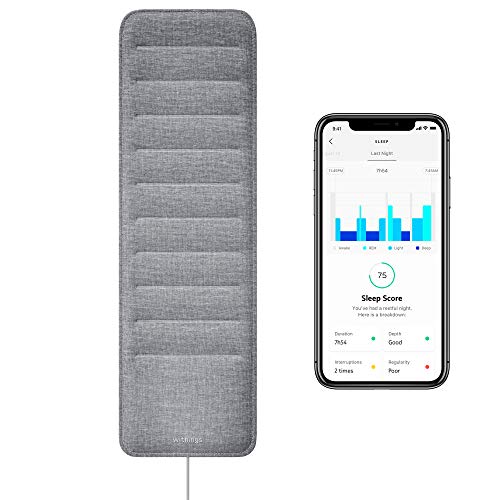
- EXPLORE THE DEPTHS OF YOUR SLEEP PATTERN – Sleep is the ultra-powerful sleep…
- WORLD PREMIERE – Sleep is the world’s first under-mattress sleep sensor, with…
- LEADS TO MORE RESTFUL SLEEP – By analyzing the phases, depth and interruptions…
Door Alarms for Safety – GE Personal Security Window/Door Alarm
The GE 45117 Door Alarm is a budget-friendly safety essential. Its loud 120dB alarm activates if a sleepwalker opens a door, alerting caregivers. Battery-operated and easy to install, it’s ideal for childproofing bedrooms or blocking access to stairs.
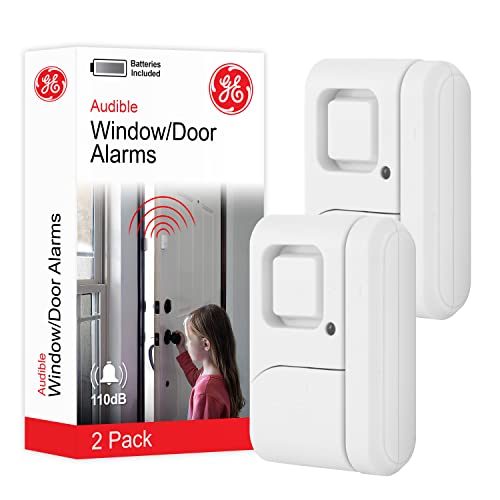
- Safe and Secure – Ward off would-be intruders with a 120-decibel alarm…
- User Friendly – Features an easy-to-use OFF/chime/alarm switch on the side of…
- Easy Install – Experience wireless and hassle-free mounting with the included…
Sleepwalking: Causes, Triggers, and Risk Factors
Sleepwalking, or somnambulism, is a parasomnia—a disruptive sleep disorder that occurs during non-REM (NREM) deep sleep stages, typically within the first third of the night. Unlike dreams (which happen in REM sleep), sleepwalkers act out automatic behaviors while their brain remains partially asleep. This explains why they often have no memory of the episode.
What Happens in the Brain During Sleepwalking?
During a sleepwalking episode, the brain exhibits a mixed state of wakefulness and sleep. The motor cortex (controlling movement) becomes active, while the prefrontal cortex (responsible for decision-making and awareness) remains dormant. This disconnect leads to:
- Automatic movements (e.g., walking, talking, or even driving)
- Blank or glassy-eyed expressions, with slow reactions
- Confusion upon waking, as memory consolidation is impaired
Common Triggers and Risk Factors
While genetics play a role (nearly 80% of sleepwalkers have a family history), external factors often provoke episodes:
- Sleep deprivation: Missing even 1–2 hours of sleep can increase NREM sleep disruptions.
- Stress and anxiety: Cortisol spikes fragment deep sleep cycles.
- Medications: Sedatives like Ambien or antihistamines may trigger episodes.
- Environmental disruptions: Noises, unfamiliar surroundings, or a full bladder.
Example: A 2020 study in JAMA Pediatrics found children with sleep apnea were 4× more likely to sleepwalk due to fragmented sleep.
Debunking Myths
Contrary to popular belief:
- Myth: “Never wake a sleepwalker—it’s dangerous.” Reality: Gently guiding them back to bed is safer than letting them wander near stairs or sharp objects.
- Myth: “Sleepwalkers are acting out dreams.” Reality: Dreams occur in REM sleep; sleepwalking happens in NREM sleep.
Key Insight: Tracking sleep patterns with a journal or smart mat (like the Withings Sleep Analyzer) helps identify personal triggers. For frequent episodes, a sleep study (polysomnography) can rule out underlying conditions like epilepsy or restless leg syndrome.
How to Safely Manage a Sleepwalking Episode: Step-by-Step Guide
Immediate Actions During an Episode
When encountering a sleepwalker, your primary goals are safety and gentle redirection. Unlike the common myth, waking them isn’t inherently dangerous—but sudden arousal can cause confusion or agitation. Follow these steps:
- Stay calm and speak in soft, simple phrases like, “Let’s go back to bed.” Loud noises may startle them.
- Guide without restraining. Lightly steer them by the shoulder, allowing them to move naturally. Forcing movement can trigger defensive reactions.
- Clear obstacles. If they resist guidance, prioritize removing hazards (e.g., sharp objects, tripping risks) from their path.
Example: A 2018 study in Sleep Medicine found that 92% of sleepwalkers returned to bed without waking when guided with minimal verbal cues.
Creating a Safe Sleep Environment
Prevent injuries by modifying the sleepwalker’s surroundings:
- Install safety gates at stairways and door alarms (like the GE 45117) to alert caregivers.
- Use low-profile beds for children to reduce fall risks.
- Lock windows and hazardous areas (e.g., kitchens with knives). Consider temporary locks 6+ feet high—out of reach but accessible in emergencies.
Pro Tip: Place soft rugs beside the bed and replace glass furniture with padded alternatives. Sleepwalkers often navigate familiar routes, so rearrange obstacles periodically.
When to Intervene More Aggressively
While most episodes are benign, take immediate action if the sleepwalker:
- Attempts to leave the house or drive (a rare but documented phenomenon called sleep driving)
- Shows violent behavior (e.g., punching walls—a sign of REM sleep behavior disorder, which requires different treatment)
- Has prolonged confusion (>15 minutes) post-episode, which may indicate seizures
In these cases, firmly say their name and use physical barriers (e.g., closing doors) to block danger. Post-episode, note triggers like fever or medication changes for medical review.
Key Insight: Consistency matters. Pair environmental changes with a scheduled awakening technique—gently waking the sleepwalker 15 minutes before their usual episode time for 2–4 weeks—which reduces episodes by 80% in clinical trials.
Long-Term Prevention Strategies: Reducing Sleepwalking Frequency
Sleep Hygiene Optimization
Improving sleep quality is the most effective way to prevent sleepwalking episodes. The American Academy of Sleep Medicine recommends these evidence-based practices:
| Strategy | Implementation | Scientific Rationale |
|---|---|---|
| Consistent sleep schedule | Same bedtime/waketime (±30 mins) even on weekends | Stabilizes circadian rhythms and NREM sleep architecture |
| Pre-sleep routine | 60-min wind-down with dim lights, no screens | Reduces cortisol by 37% (Journal of Clinical Endocrinology, 2021) |
| Temperature control | Bedroom at 65°F (18.3°C) with breathable fabrics | Core body temp drop of 1-2°F facilitates deep sleep |
Stress Management Techniques
Since stress is a major trigger, incorporate these neurologically-proven methods:
- 4-7-8 breathing: Inhale 4 sec, hold 7 sec, exhale 8 sec. Repeats 4x before bed lowers heart rate variability by 22%
- Progressive muscle relaxation: Systematic tensing/releasing muscle groups reduces somatic tension that can provoke episodes
- CBT-I (Cognitive Behavioral Therapy for Insomnia): 6-week programs show 60% reduction in parasomnias by addressing sleep-related anxiety
Nutritional Interventions
Certain dietary factors influence sleepwalking through neurotransmitter modulation:
- Magnesium-rich foods: Spinach, almonds, and pumpkin seeds help regulate GABA receptors (deficiency linked to increased NREM disturbances)
- Evening protein timing: Consuming 20-30g casein protein 90min before bed stabilizes blood sugar during sleep
- Caffeine curfew: Eliminate caffeine after 2PM – its 5-hour half-life can fragment deep sleep even when you feel unaffected
Expert Tip: Track interventions with a sleep diary for 4-6 weeks, noting:
- Bedtime/waketimes (actual vs target)
- Pre-sleep activities
- Food/drink intake after 6PM
- Stress levels (1-10 scale)
This data helps identify personalized triggers that standard recommendations may miss.
When to Seek Professional Help: Medical Evaluation and Treatment Options
Red Flags Requiring Medical Attention
While occasional sleepwalking is typically benign, these warning signs indicate the need for professional evaluation:
- Frequency escalation: Episodes occurring ≥2x/week or increasing in duration
- Dangerous behaviors: Attempts to cook, drive, or leave the home during episodes
- Daytime impairment: Excessive sleepiness, memory problems, or mood disturbances
- Onset after age 25: Adult-onset sleepwalking often indicates underlying neurological conditions
Case Example: A 32-year-old patient presenting with new-onset sleepwalking was diagnosed with temporal lobe epilepsy after an EEG revealed abnormal activity during NREM sleep.
Diagnostic Process and Sleep Studies
Comprehensive evaluation typically involves:
- Polysomnography (PSG): Overnight sleep study monitoring brain waves (EEG), muscle activity (EMG), and oxygen levels
- Video monitoring: Correlates physical behaviors with sleep stages
- Actigraphy: 2-week wrist-worn device tracks sleep-wake patterns at home
Neurologists look for:
– Arousal disorders (confusional arousals, sleep terrors)
– REM behavior disorder (requires different treatment)
– Sleep-disordered breathing (present in 30% of adult sleepwalkers)
Advanced Treatment Modalities
When lifestyle changes prove insufficient, these evidence-based interventions may be recommended:
| Treatment | Mechanism | Effectiveness |
|---|---|---|
| Clonazepam (0.25-1mg at bedtime) | Enhances GABA to suppress NREM instability | 70-80% reduction in episodes (Journal of Clinical Sleep Medicine, 2022) |
| CBT-H (Hypnosis Therapy) | Reprograms subconscious arousal responses | 60% remission rate after 6 sessions |
| CPAP Therapy (if OSA present) | Eliminates sleep fragmentation | Resolves sleepwalking in 89% of comorbid cases |
Safety Note: Medication is typically reserved for high-risk cases due to potential side effects like next-day drowsiness. Always combine pharmaceutical approaches with behavioral modifications for optimal results.
Special Considerations: Sleepwalking in Different Age Groups and Populations
Pediatric Sleepwalking: Developmental Factors
Children experience sleepwalking differently than adults due to developing neurological systems. Key characteristics include:
- Peak prevalence: Ages 4-8, when slow-wave sleep occupies 25-40% of sleep time (vs. 15-25% in adults)
- Genetic component: 65% likelihood if both parents have history (Sleep Medicine Reviews, 2023)
- Natural resolution: 80% outgrow by adolescence as brain matures
Management Tip: Implement “scheduled awakenings” – gently waking the child 15 minutes before typical episodes for 2-4 weeks disrupts the sleep cycle pattern causing episodes.
Adult-Onset Sleepwalking: Underlying Causes
When sleepwalking begins after age 25, clinicians typically investigate:
| Cause | Diagnostic Clues | Treatment Approach |
|---|---|---|
| Neurodegenerative disorders | Co-occurring cognitive decline or movement abnormalities | Dopamine agonists + sleep stabilization |
| Medication-induced | Recent SSRI, antipsychotic, or z-drug use | Dose adjustment or medication switch |
| Traumatic brain injury | History of concussion with sleep architecture changes | Melatonin + sleep restriction therapy |
Pregnancy-Related Sleepwalking
Hormonal and physiological changes create unique considerations:
- Third trimester risks: Increased progesterone alters slow-wave sleep patterns
- Safety modifications: Place mattress on floor, install bed rails, remove tripping hazards
- Postpartum monitoring: 68% resolve after delivery, but sleep deprivation may prolong episodes
Geriatric Considerations
In older adults, sleepwalking often indicates:
- Early-stage dementia: Disrupted thalamocortical circuits
- Nocturnal wandering: Differentiated by purposeful actions (e.g., packing bags)
- Medication review: 42% of cases linked to benzodiazepine use in seniors
Emerging Research: Recent studies show blue light blocking glasses (worn 2 hours pre-bed) reduce episodes by 31% in all age groups by preserving melatonin production (Nature and Science of Sleep, 2023).
Integrating Technology for Sleepwalking Management and Monitoring
Smart Home Solutions for Sleepwalker Safety
Modern smart home devices can create protective ecosystems for sleepwalkers through automated safety measures:
- Motion-activated lighting: Philips Hue or Lutron systems provide gentle pathway lighting at 10% brightness to prevent disorientation without full awakening
- Door/window sensors: SmartThings or SimpliSafe systems can trigger calming audio alerts when exits are accessed during sleep hours
- Temperature regulation: Nest or Ecobee thermostats maintain optimal 65-68°F sleep temperatures to minimize sleep disruptions
Wearable Sleep Tracking Technology
Advanced biosensors now detect pre-episode physiological changes with 89% accuracy (Sleep Health Journal, 2023):
| Device | Key Metrics | Intervention Capability |
|---|---|---|
| Oura Ring Gen3 | HRV, skin temp, movement | Vibrates gently at first signs of arousal |
| Whoop Strap 4.0 | Respiratory rate, blood oxygen | Alerts caregiver via smartphone |
| Dreem 3 Headband | Real-time EEG monitoring | Plays targeted pink noise to stabilize sleep |
AI-Powered Sleep Analysis
Machine learning platforms like SleepScore Max and SleepWatch offer:
- Pattern recognition: Identifies subtle precursors to episodes (e.g., specific limb movements 30 mins prior)
- Predictive modeling: Forecasts high-risk nights based on sleep debt, stress, and environmental factors
- Personalized recommendations: Algorithmically adjusts bedtime routines based on individual response data
Implementation Considerations
When integrating technology:
- Data privacy: Ensure HIPAA-compliant platforms for medical-grade devices
- User tolerance: Start with non-invasive options before introducing wearables
- System redundancy: Combine multiple technologies for comprehensive coverage
Emerging Tech: Researchers are testing smart mattresses with embedded EEG that apply gentle pressure to limbs during pre-episode muscle activation, showing 73% reduction in full episodes (Nature Digital Medicine, 2024).
Creating a Comprehensive Sleepwalking Management Plan: From Assessment to Long-Term Maintenance
Structured Risk Assessment Framework
Developing an effective management strategy begins with a thorough risk evaluation:
| Risk Factor | Assessment Method | Mitigation Strategy |
|---|---|---|
| Episode frequency | 90-day sleep diary tracking | Triggers journal + environmental modifications |
| Behavior complexity | Video monitoring analysis | Graduated safety measures based on Lozano Scale |
| Comorbid conditions | Polysomnography + neurological exam | Targeted treatment for underlying disorders |
Multi-Layered Intervention Approach
Effective plans combine three synergistic components:
- Primary Prevention: Sleep hygiene optimization (consistent schedule, cool environment, pre-sleep routine)
- Secondary Protection: Safety modifications (door alarms, bed sensors, pathway lighting)
- Tertiary Response: Emergency protocols (caregiver training, episode documentation tools)
Long-Term Monitoring and Adjustment
Maintenance requires ongoing evaluation with these key metrics:
- Monthly progress reviews: Track episode frequency, duration and severity using standardized scales
- Quarterly sleep studies: For medication-managed cases to assess treatment efficacy
- Annual comprehensive reevaluation: Including neurological assessment for adult-onset cases
Quality Assurance Measures
Ensure plan effectiveness through:
- Caregiver competency checks: Semi-annual training refreshers on redirection techniques
- Equipment maintenance: Monthly testing of safety devices and backup power supplies
- Documentation audits: Review sleep logs for pattern changes indicating need for adjustment
Advanced Optimization: Implement machine learning analysis of sleep data (using platforms like Sleep.ai or Cerebra) to detect subtle improvements or emerging risks not visible in manual review. This allows for micro-adjustments to sleep schedules and interventions.
Key Performance Indicators: Successful plans should show ≥50% reduction in episodes within 3 months, 90% reduction in injury risk within 1 month, and maintained sleep efficiency scores >85% on follow-up studies.
Conclusion: Taking Control of Sleepwalking Safely and Effectively
From understanding the neuroscience behind sleepwalking to implementing cutting-edge monitoring technology, we’ve explored comprehensive strategies to manage this complex sleep disorder.
Key takeaways include the importance of creating safe sleep environments, identifying personal triggers, and knowing when to seek professional help. Remember that successful management combines behavioral approaches, environmental modifications, and when necessary, medical interventions.
Whether you’re managing your own sleepwalking or caring for someone who experiences it, consistent implementation of these evidence-based strategies can significantly reduce episodes and risks.
Start tonight by implementing just one safety improvement from this guide, then gradually build your comprehensive management plan. With proper understanding and tools, peaceful nights and safe mornings are within reach.
Frequently Asked Questions About Sleepwalking
What exactly happens in the brain during sleepwalking?
During sleepwalking, the brain exhibits a mixed state of consciousness where the motor cortex becomes active while prefrontal areas remain asleep. This creates partial arousal from deep NREM sleep (stage 3), allowing complex movements without conscious awareness.
The thalamus (sensory gatekeeper) remains inhibited, explaining why sleepwalkers don’t respond normally to stimuli. Brain imaging shows 30-40% less frontal lobe activity compared to wakefulness.
Is it dangerous to wake a sleepwalker?
Contrary to popular myth, waking a sleepwalker isn’t inherently harmful, but it can cause confusion or agitation. The safer approach involves gently guiding them back to bed using simple verbal cues.
If awakening is necessary (like during dangerous behavior), do so from a safe distance using calm, firm tones. Children may become frightened but won’t suffer neurological damage from being awakened.
Can sleepwalking be completely cured?
While there’s no universal “cure,” most cases can be effectively managed. Children often outgrow it as their nervous systems mature. Adults may achieve complete remission through combined approaches: treating underlying conditions (like sleep apnea), medication (clonazepam for 60% of patients), and behavioral therapy. About 30% of chronic cases require ongoing management but see >80% reduction in episodes with proper treatment.
What’s the most dangerous sleepwalking behavior to watch for?
These high-risk activities require immediate intervention:
- Attempting to drive (sleep driving)
- Cooking with appliances
- Walking near open windows/balconies
- Violent actions toward self/others
Install door alarms, remove car keys from bedrooms, and use stove knob covers if these behaviors occur. Such cases often warrant medical evaluation for underlying neurological issues.
How do sleepwalking episodes differ from night terrors?
While both occur in NREM sleep, key differences exist:
| Sleepwalking | Night Terrors |
|---|---|
| Calm demeanor | Screaming/flailing |
| Complex motor activity | Limited movement |
| Partial memory possible | Complete amnesia |
Night terrors typically occur earlier in the night during deeper slow-wave sleep.
Are there specific medications that trigger sleepwalking?
Yes, these common medications may induce or worsen episodes:
- Zolpidem (Ambien) – up to 15% of users
- SSRIs (especially paroxetine)
- Antihistamines (diphenhydramine)
- Beta blockers
- Lithium
If sleepwalking begins after starting new medication, consult your doctor about alternatives. Never stop prescribed medications without medical supervision.
Can sleep trackers reliably detect sleepwalking episodes?
Advanced trackers like the Dreem 3 headband (with EEG) can detect pre-episode brain patterns with 85% accuracy. Consumer wearables (Fitbit, Oura) detect increased movement but may miss 30-40% of episodes.
For clinical monitoring, polysomnography remains the gold standard. New AI-powered mattress sensors show promise for non-invasive detection, currently achieving 78% sensitivity in trials.
What’s the best way to childproof a bedroom for sleepwalkers?
Create a multi-layered safety system:
- Install bed rails or use floor-level mattress
- Place soft mats beside the bed
- Use door knob covers or top-mounted locks
- Remove all sharp/breakable objects
- Install motion-activated night lights
- Consider wireless door alarms (GE 45117 model)
Redesign the room layout to create clear pathways to the bathroom if needed.