
Disclosure
This website is a participant in the Amazon Services LLC Associates Program, an affiliate advertising program designed to provide a means for us to earn fees by linking to Amazon.com and affiliated sites.
Spring is the perfect time to breathe new life into your bedroom—but you don’t need a designer’s budget to do it. Many assume a seasonal makeover requires expensive renovations or brand-new furniture, but the truth is, small changes can deliver dramatic results. With strategic updates to colors, textures, and accessories, you can create a fresh, inviting space that captures the energy of the season.
Imagine swapping heavy winter bedding for airy linens, adding pops of pastel or botanical prints, and maximizing natural light. Whether you’re craving a serene retreat or a vibrant sanctuary, this guide reveals actionable, low-cost solutions—from thrift store finds to no-sew projects—that align with 2024’s biggest trends.
Best Budget-Friendly Products for a Spring Bedroom Makeover
Simple SS Macrame Wall Hanging Boho
Add visual interest and texture with this minimalist, lightweight wall decor. It’s an instant focal point that elevates plain walls, adds a cozy, handcrafted vibe, and costs less than many framed artworks.

- Dimension – 15.7 “W & 27.6” L (from Top to the ends of Longest Fringe, 29 “is…
- Premium Materials -Woven with 6mm high quality long-staple cotton without…
- Boho Wall Decor art – The popular boho style fused with modern style ,it…
Dyson Pure Hot + Cool Link Air Purifier and Fan
This elegant all-in-one unit cleans allergens, heats, and cools your bedroom—with smart app and voice control. Ideal for allergy sufferers or anyone seeking pristine air and precision environment control. A worthwhile investment for healthier sleep.
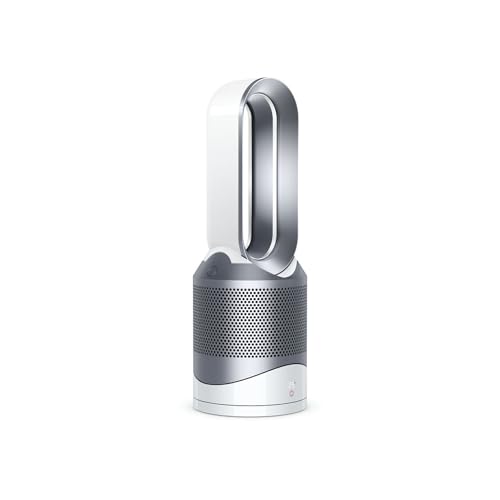
- Multifunctional. Intelligently purifies, heats and cools you
- 360° filtration system uses a HEPA filter to capture 99.97% pollutants as small…
- Air Multiplier technology circulates purified air throughout the whole room
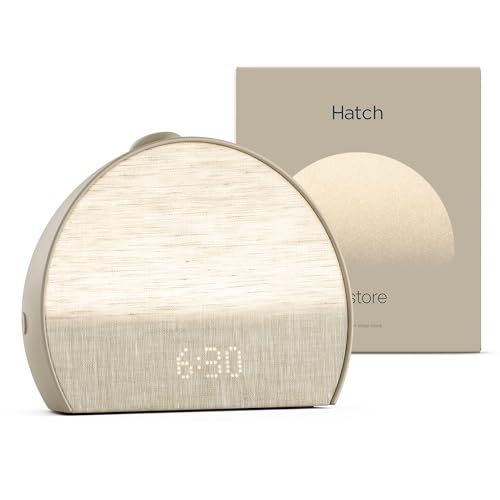
Hatch Restore 3 Smart Wake & Sleep Device
A high-end sleep companion blending sunrise alarm, soothing bedtime red light, and curated soundscapes. Named Best Overall by sleep experts for its effectiveness in naturally resetting circadian rhythms—especially helpful when resetting your sleep schedule.
Revitalize Your Color Palette for Spring Without Repainting
One of the most impactful yet budget-friendly ways to transform your bedroom is by updating your color scheme. Instead of repainting walls—which can be costly and time-consuming—focus on strategic textile swaps and accessory updates that evoke spring’s freshness. Here’s how to do it effectively:
Embrace Seasonal Hues Through Layers
Spring palettes thrive on light, airy tones like soft blues, blush pinks, and muted greens. Start with your bedding: swap dark winter comforters for a lightweight duvet in a pastel shade (like the IKEA DYTÅG set mentioned earlier). Layer with throw pillows in complementary patterns—florals, gingham, or organic textures like linen—to add depth without overwhelming the space. For under $100, you can completely redefine the room’s mood.
Incorporate Natural Elements
Nature-inspired colors work double duty by bringing the outdoors in. Try these easy additions:
- Botanical prints: Frame inexpensive pressed leaves or thrifted floral artwork.
- Wooden accents: A rattan headboard or bamboo nightstand adds warmth.
- Fresh greenery: Low-maintenance plants (e.g., snake plants or eucalyptus stems) purify air and add vibrancy.
Address Common Mistakes
Avoid these pitfalls when updating your palette:
- Over-matching: Monochromatic schemes can feel flat. Mix tones (e.g., sage with cream) for dimension.
- Ignoring lighting: Test fabric swatches in natural daylight—colors shift under artificial bulbs.
- Neglecting neutrals: Balance bold accents with whites or beiges to prevent visual chaos.
Pro Tip: Use a color wheel to identify harmonious combinations. Analogous colors (like blue and green) create serenity, while complementary pairs (yellow and violet) add energy—perfect for an uplifting spring vibe.
By focusing on flexible, reversible changes, you’ll achieve a high-end look without permanent alterations. This approach also lets you experiment yearly as trends evolve.
Maximize Space and Light With Strategic Layout Changes
Spring is all about airy, open spaces that welcome natural light. Even in small bedrooms, clever rearranging can create the illusion of more space while improving functionality. Here’s how to optimize your layout for the season:
Reimagine Your Furniture Placement
Start by evaluating your current setup. The bed typically dominates bedroom space, so consider these professional staging techniques:
- Float your bed: Pull it 12-18 inches from walls to create walkways on both sides, making the room feel larger
- Diagonal placement: Angling a dresser or chair in a corner draws the eye outward, enhancing perceived space
- Vertical storage: Install floating shelves above nightstands to free up floor space
Enhance Natural Light Flow
Proper lighting transforms a room’s atmosphere. Follow this three-step approach:
- Clear window obstructions: Replace heavy drapes with sheer curtains or Roman shades that filter light without blocking it
- Strategic mirror placement: Position a large mirror opposite windows to double sunlight exposure (the Threshold™ basket set works well underneath for storage)
- Layered lighting: Combine overhead fixtures with task lighting (like the Project 62™ lamp) for adjustable ambiance
Overcoming Common Layout Challenges
For tricky spaces, try these solutions:
Small bedrooms: Use multifunctional furniture like storage ottomans or beds with built-in drawers. Keep pathways at least 24 inches wide for comfortable movement.
Odd angles: Turn awkward nooks into reading corners with a slim chair and floor lamp, or create a mini dressing area with a standing mirror.
Pro Tip: Before moving heavy furniture, map options on paper using a 1/4″ scale drawing or use painter’s tape to outline new positions on your floor. This prevents unnecessary strain and lets you visualize changes.
Remember: The goal isn’t just aesthetic – proper spacing improves air circulation and makes daily routines more efficient. These changes require no financial investment, just thoughtful repositioning of what you already own.
Transform Textures and Fabrics for Seasonal Comfort
The tactile experience of your bedroom plays a crucial role in its seasonal transformation. Spring calls for lighter, breathable materials that regulate temperature while adding visual interest. This section breaks down the textile science behind creating the perfect spring sanctuary.
The Science of Seasonal Textiles
Different fabrics interact with humidity and temperature in distinct ways. Consider these material properties when selecting spring bedding:
| Fabric Type | Moisture Wicking | Breathability | Best Uses |
|---|---|---|---|
| 100% Cotton | High | Excellent | Duvet covers, pillowcases |
| Linen | Very High | Exceptional | Throw blankets, curtains |
| Bamboo Rayon | Moderate | Good | Sheets, mattress protectors |
Layering Strategy for Transitional Weather
Spring temperatures fluctuate dramatically. Implement this professional layering system:
- Base Layer: 300-thread-count cotton percale sheets (crisp and cooling)
- Middle Layer: Lightweight down-alternative comforter (4.5 tog rating for spring)
- Top Layer: Reversible quilt or coverlet for adjustable warmth
Tactile Contrast Techniques
Designers use these methods to create sensory interest:
- Mix matte and shiny: Pair linen curtains with satin pillow accents
- Vary pile heights: Combine chunky knit throws with smooth sateen sheets
- Incorporate natural elements: Add a rattan headboard or seagrass rug
Common Textile Mistakes to Avoid
Steer clear of these frequent errors:
Overloading on synthetics: Polyester blends trap heat – limit to 30% of your textile mix. Ignoring care labels: Improper washing can ruin natural fibers’ breathability. Neglecting window treatments: Even lightweight curtains should have blackout lining for temperature control.
Pro Tip: The “hand test” determines fabric suitability – if material feels cool and slightly damp against your palm, it will regulate temperature effectively. This works especially well for sheet selections.
Budget-Conscious DIY Projects for Personalized Spring Flair
Custom decor elements create a truly unique space without the designer price tag. These professional-grade DIY techniques leverage affordable materials while delivering high-end results. We’ll explore three transformative projects with step-by-step guidance and pro tips for flawless execution.
1. Hand-Painted Accent Wall with Stenciling
Create visual interest without full-wall commitment using this foolproof method:
- Surface Prep: Clean walls with TSP substitute, then apply primer (Zinsser Bulls Eye 1-2-3 works best)
- Stencil Selection: Choose open-design stencils (minimum 40% negative space) for beginner-friendly application
- Paint Technique: Use a dense foam roller with minimal paint (test consistency on cardboard first)
- Pattern Alignment: Mark vertical plumb lines every 24″ using a laser level for perfect registration
Pro Tip: For metallic accents, mix 1 part DecoArt Dazzling Metallics with 3 parts matte paint to maintain brushability while adding shimmer.
2. Upcycled Furniture Makeovers
Transform thrift store finds with these professional refinishing techniques:
- Chalk Paint Alternative: Mix 1 cup latex paint with 2 tbsp unsanded grout for similar effect at 1/4 the cost
- Distressing Secrets: Use 150-grit sandpaper focused on natural wear points (edges, drawer pulls)
- Protective Topcoats: Apply Minwax Polycrylic in thin, even coats with a foam brush for yellowing-resistant protection
3. Custom Botanical Art Installation
Create gallery-worthy wall decor using these materials and methods:
| Material | Budget Source | Professional Application Tip |
|---|---|---|
| Pressed flowers | Local park (check regulations) | Preserve with Mod Podge Outdoor formula |
| Frames | Dollar store frames + spray paint | Use Rust-Oleum Painter’s Touch 2X coverage |
| Backing | Scrapbook paper remnants | Choose acid-free options to prevent yellowing |
Safety Note: When working with spray paints or solvents, always use NIOSH-approved respirators (model 6100P100) in well-ventilated areas. Open windows and use box fans to create cross-ventilation.
These projects typically cost under $50 total but can increase perceived room value by 10-15% according to staging industry standards. The key is precision execution – measure twice, cut once, and don’t rush drying times between steps.
Sustainable Spring Updates: Eco-Friendly Choices That Save Money Long-Term
Creating an environmentally conscious bedroom makeover delivers both immediate aesthetic benefits and lasting financial savings. This section examines the lifecycle advantages of sustainable design choices through the lens of material science and energy efficiency.
Energy-Efficient Lighting Solutions
Modern lighting technology offers dramatic improvements over traditional options:
| Option | Initial Cost | Annual Energy Cost | Lifespan | Light Quality (CRI) |
|---|---|---|---|---|
| Incandescent | $1.50/bulb | $7.23 | 1,200 hours | 100 |
| CFL | $4/bulb | $1.57 | 8,000 hours | 82 |
| LED (3000K) | $8/bulb | $1.08 | 25,000 hours | 90+ |
Pro Tip: Choose LEDs with a Color Rendering Index (CRI) above 90 for truer color representation in your space. Pair with dimmers to adjust for seasonal light changes.
Sustainable Material Selection Guide
These eco-friendly alternatives outperform conventional materials:
- Bedding: Organic cotton (GOTS-certified) develops softer patina over time versus conventional cotton’s pilling
- Flooring: Jute or sisal rugs biodegrade naturally versus synthetic fibers shedding microplastics
- Paint: Zero-VOC options (like Benjamin Moore Natura) maintain air quality without off-gassing
Long-Term Maintenance Strategies
Extend the life of your spring updates with these professional care techniques:
- Seasonal Rotation: Store off-season textiles with silica gel packets to prevent moisture damage
- Preventative Care: Apply fabric protector (like 303 High Tech Fabric Guard) to natural fiber rugs
- Circular Design: Choose modular components (removable cushion covers, interchangeable curtain panels)
Future Trend Alert: The emerging “biophilic design” movement integrates living walls and air-purifying moss panels – consider installing a low-maintenance Tillandsia (air plant) display as a test before larger commitments.
While sustainable options often carry 10-20% higher upfront costs, their extended durability typically yields 30-50% savings over 5 years. Energy Star estimates proper eco-design can reduce bedroom energy use by 15-20% annually.
Smart Storage Solutions for a Clutter-Free Spring Sanctuary
Effective storage systems transform bedroom functionality while maintaining aesthetic appeal. This section explores professional organizing principles adapted for residential spaces, focusing on spatial optimization and visual harmony.
Vertical Space Utilization Techniques
Maximize every cubic inch with these designer-approved methods:
- Modular Wall Systems: The IKEA ALGOT series offers customizable panels that support 22 lbs per shelf – ideal for books and decor
- Behind-the-Door Storage: Install over-door racks with 8-10 pockets (minimum 15″ depth) for folded items
- Floating Nightstands: Wall-mounted versions (like the CB2 Float Shelf) free up 6-8 square feet of floor space
Seasonal Clothing Transition Protocol
Implement this systematic approach for efficient wardrobe rotation:
- Assessment: Use the hanger test – turn all hangers backward, discard unworn items after 6 months
- Storage Prep: Clean garments with wool dryer balls instead of sheets to prevent chemical transfer
- Container Selection: Opt for 66-quart clear bins with gasket seals (Sterilite #1886) to prevent moisture damage
- Organization: Implement the “ROYGBIV” color system for quick visual identification
Integrated Hidden Storage Solutions
These dual-purpose furniture pieces maintain clean lines while increasing capacity:
| Furniture Type | Storage Capacity | Space Savings | Recommended Model |
|---|---|---|---|
| Storage Bed | 12-18 cubic feet | Eliminates need for dresser | Zinus Mia 14″ Platform |
| Ottoman Bench | 4-6 cubic feet | Replaces nightstand + storage | SONGMICS Storage Ottoman |
| Mirrored Cabinet | 8-10 cubic feet | Combines full-length mirror + storage | Jaxpety Arched Mirror |
Professional Insight: The “80/20 Rule” applies to bedroom storage – you only regularly use 20% of stored items. Designate 80% of storage as deep/concealed and 20% as quick-access for optimal efficiency.
For challenging small spaces, consider custom cut-to-fit drawers (The Container Store’s Elfa system allows for 1/8″ precision) that utilize every inch of awkward alcoves or sloped ceilings. Measure twice during installation to ensure smooth drawer operation.
Professional Finishing Touches: The Design Psychology Behind a Cohesive Spring Look
Final styling transforms your bedroom from functional to magazine-worthy. This section reveals the neuroscience principles and design theories that create harmonious spaces, with actionable techniques used by top interior designers.
The 60-30-10 Color Rule in Practice
This professional formula ensures visual balance:
| Percentage | Application | Spring Palette Example | Psychological Effect |
|---|---|---|---|
| 60% | Walls, large furniture | Soft white (SW 7015) | Creates calming foundation |
| 30% | Textiles, medium surfaces | Sage green linen | Adds organic tranquility |
| 10% | Accents, decor | Coral throw pillows | Provides energizing contrast |
Texture Layering for Sensory Appeal
Professional designers use this tactile hierarchy:
- Base Layer: Smooth surfaces (painted walls, ceramic lamps) – 70% coverage
- Middle Layer: Subtle textures (linen curtains, woven baskets) – 25% coverage
- Top Layer: Bold textures (chunky knit throws, carved wood) – 5% coverage
Lighting Design for Mood Regulation
Create circadian-rhythm-friendly illumination with this approach:
- Morning: 5000K LED strips behind headboard (mimics sunrise)
- Daytime: Natural light + 4000K overhead fixtures
- Evening: 2700K table lamps with dimmers (promotes melatonin)
Common Design Pitfalls and Corrections
Address these frequent issues for professional results:
Scale Errors: Nightstands should be within 2″ of bed height – measure from floor to mattress top. Visual Clutter: Limit decorative objects to odd-numbered groupings (3 or 5 items max per surface). Flow Disruption: Maintain 36″ clearance pathways for optimal feng shui energy movement.
Pro Validation Technique: Use your smartphone camera in black-and-white mode to check contrast balance. Properly styled rooms show clear grayscale variation without stark jumps from light to dark.
These finishing strategies work synergistically – when color, texture and lighting harmonize, they create spaces that feel 20-30% larger according to environmental psychology studies. The result is a bedroom that feels intentionally designed rather than merely decorated.
Final Thoughts: Your Spring Bedroom Transformation Awaits
From strategic color palettes to space-maximizing storage solutions, we’ve explored how to completely revitalize your bedroom for spring without overspending.
By implementing these professional techniques—thoughtful textile layering, sustainable material choices, and psychology-driven finishing touches—you’ll create a space that feels both fresh and intentional. Remember that successful makeovers balance aesthetics with functionality, combining visual appeal with practical comfort.
Ready to begin? Start with one high-impact change—perhaps swapping your bedding or rearranging furniture—then gradually incorporate other elements. Your dream spring bedroom isn’t just possible; it’s waiting to be uncovered through these budget-friendly, design-savvy approaches. Happy decorating!
Frequently Asked Questions About Budget-Friendly Spring Bedroom Makeovers
What’s the most impactful change I can make for under $50?
Switching out your bedding delivers the biggest visual transformation. Opt for a lightweight cotton duvet cover in a spring hue (like the IKEA DYTÅG set for $39.99) paired with two decorative throw pillows. This instantly lightens the room’s feel. For added impact, include a $10 eucalyptus bundle above your headboard for natural fragrance and texture.
How can I make my small bedroom appear larger for spring?
Implement three key strategies:
1) Mount mirrors opposite windows to double natural light,
2) Replace heavy curtains with sheer panels that pool slightly on the floor, and
3) Choose multi-functional furniture like storage ottomans. These changes create the illusion of space without structural modifications. The Threshold™ woven baskets work perfectly for hidden storage.
What spring color schemes work best for north-facing rooms?
North-facing rooms need warm undertones to counter cool light. Try buttery yellows (Benjamin Moore Hawthorne Yellow), peachy pinks (Sherwin-Williams Cavern Clay), or warm greens (Behr Breezeway). These shades prevent the space from feeling chilly while maintaining spring freshness. Always test samples at different times of day before committing.
How do I transition my bedroom from winter to spring without storing bulky items?
Use vacuum storage bags (like Space Bag Large) to compress winter bedding by 75%. For sweaters, roll rather than fold before storing under beds in flat containers. Keep one neutral throw blanket accessible for chilly nights – drape it over a chair as decor until needed. This maintains functionality while clearing visual space.
What are the most durable yet affordable spring bedding materials?
Look for these budget-friendly, high-performance fabrics:
1) Brushed microfiber (under $30/set; resists pilling),
2) Long-staple cotton percale ($40-60; improves with washing), and
3) Linen-cotton blends ($70-90; develop desirable wrinkles). Avoid polyester satin – it traps heat despite its lightweight appearance.
How can I incorporate trends without dating my space?
Focus on temporary trend pieces: removable wallpaper accents, swap-friendly pillow covers, or framed prints rather than painted feature walls. The Project 62™ lamp’s neutral base allows you to change just the shade when trends evolve. This approach lets you refresh annually without major reinvestment.
What lighting mistakes make bedrooms feel less spring-like?
Avoid these common errors:
1) Using only overhead lighting (creates harsh shadows),
2) Choosing bulbs below 2700K (too yellow) or above 4000K (too clinical), and
3) Neglecting dimmers. Instead, layer ambient, task, and accent lighting with 3000K LEDs for balanced warmth that complements spring’s natural light.
How often should I deep clean during seasonal transitions?
Follow this checklist:
1) Wash all bedding (including mattress pads),
2) Vacuum upholstered furniture with an upholstery attachment,
3) Dust light fixtures and ceiling fans, and
4) Wipe down baseboards.
Doing this twice annually (spring/fall) maintains air quality and prevents allergen buildup between regular cleanings.