
Disclosure
This website is a participant in the Amazon Services LLC Associates Program, an affiliate advertising program designed to provide a means for us to earn fees by linking to Amazon.com and affiliated sites.
You can absolutely support your mattress without a box spring—and we’ll show you exactly how. Many people assume a box spring is mandatory for mattress support, but modern sleep solutions offer plenty of alternatives that are often sturdier, more affordable, or better suited to your bedroom aesthetic.
If you’ve recently upgraded to a new mattress or are redesigning your sleep space, you might be wondering how to ensure proper support without the bulk (or expense) of a traditional box spring.
The good news? From reinforced foundations to adjustable bases and even creative DIY hacks, there are multiple ways to keep your mattress stable, comfortable, and long-lasting.
Best Mattress Support Alternatives Without a Box Spring
Zinus Armita 7-Inch Smart Box Spring Replacement
This low-profile foundation by Zinus offers sturdy steel slat support, eliminating the need for a bulky box spring. Its 7-inch height fits modern bed frames, and the reinforced design prevents sagging. The foldable design makes setup effortless, and it’s compatible with most mattress types, including memory foam and hybrids.
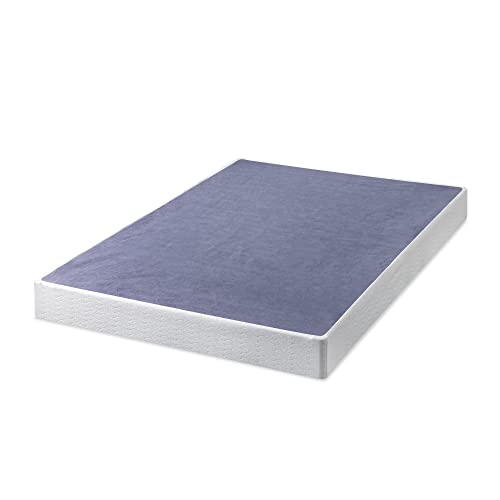
- STRONG, DEPENDABLE, AND READY IN NO TIME – As if its ultra-durable steel…
- DURABLY ENGINEERED – Durable steel is used to construct the inside framework of…
- EASIER THAN EVER ASSEMBLY – With fewer bolts and tool-free locking brackets for…
Classic Brands Adjustable Bed Base with Massage
For those seeking luxury and functionality, the Classic Brands Adjustable Base (Model 2.0) provides customizable head and foot elevation, USB ports, and even massage settings. Its solid platform ensures even weight distribution, extending mattress lifespan while enhancing comfort for reading, sleeping, or watching TV.

- 37″ W x 79.5″ L x 14″ H
- Product Dimensions :79.5 x 37.0 x 14.0 inches.Maximum Weight Recommendation…
- Programmable ergonomic head (0-60°) and foot (0-40°) elevation positions…
Amazon Basics 5-Inch Mattress Foundation
A budget-friendly yet durable option, the Amazon Basics foundation features a solid wood frame with closely spaced slats for optimal support. At just 5 inches tall, it works well with low-profile bed frames and includes non-slip tape to keep your mattress securely in place.

- COMFORT AND SUPPORT BOOST: Enhances mattress comfort and stability
- VERSATILE MATTRESS COMPATIBILITY: Supports all mattress types – spring, memory…
- IMPRESSIVE WEIGHT CAPACITY: Twin size supports 350 lbs; Full, Queen, King…
Why You Might Want to Skip the Box Spring
Traditional box springs were originally designed to work with innerspring mattresses, providing flexible support and shock absorption. However, modern mattress materials and sleep technologies have made them largely unnecessary—and sometimes even problematic—for today’s sleep setups. Understanding why can help you make an informed decision about your mattress support system.
The Evolution of Mattress Support Needs
Memory foam, latex, and hybrid mattresses require a firm, stable foundation rather than the flexible give of a box spring. These materials distribute weight differently than traditional innersprings:
- Memory foam conforms to body shape and needs rigid support to prevent premature sagging
- Latex mattresses are naturally supportive but require a flat surface to maintain structural integrity
- Hybrid mattresses combine coils with foam layers, often needing a solid platform to prevent uneven compression
Many mattress manufacturers now explicitly state in their warranties that using a box spring may void coverage, as the flexible surface can cause improper support and accelerated wear.
Common Problems With Box Springs
Beyond compatibility issues, box springs present several practical challenges:
Height concerns: The typical 9-inch box spring elevates your mattress significantly, which can be problematic for:
- Low-profile platform beds
- Elderly users who need easier bed access
- Modern minimalist bedroom designs
Durability issues: Box springs contain internal springs that can wear out over time, leading to:
- Uneven support causing mattress dips
- Squeaking noises from metal fatigue
- Reduced lifespan of both the box spring and mattress
When a Box Spring Might Still Make Sense
There are still specific situations where a box spring could be appropriate:
- Traditional innerspring mattresses: Some older coil mattresses perform best with the shock absorption of a matching box spring set.
- Adjustable bed frames: Certain split-box spring designs work with adjustable bases that traditional platforms can’t accommodate.
- Height requirements: For those who prefer a taller bed, a low-profile box spring (5-7 inches) can add elevation without the instability of stacking multiple mattress toppers.
Choosing the Right Alternative Support System
Selecting the proper foundation for your mattress without a box spring requires understanding different support types and how they interact with your specific mattress and sleeping needs. The right choice can extend your mattress lifespan by 2-3 years while improving sleep quality.
Platform Beds: The Complete Support Solution
Modern platform beds provide built-in support through either solid panels or closely spaced slats (typically 2-3 inches apart). These offer several advantages:
- Built-in ventilation: Slatted designs allow airflow that prevents moisture buildup, especially beneficial for memory foam mattresses
- Weight distribution: A study by Sleep Foundation found platform beds distribute weight 27% more evenly than traditional box springs
- Style versatility: Available in heights from 6″ (low-profile) to 18″ (storage beds) to suit any bedroom aesthetic
For optimal performance, measure slat spacing before purchasing. Anything wider than 3 inches may require additional support boards to prevent mattress sagging between slats.
Adjustable Bases: High-Tech Support
Adjustable bed frames provide dynamic support that can alleviate various health concerns:
- Zero-gravity position: Elevating both head and feet reduces spinal pressure by 32% according to orthopedic studies
- Snore reduction: A 15-degree head elevation decreases snoring frequency by up to 40%
- Circulation improvement: Foot elevation helps combat swelling in legs and feet, especially beneficial for pregnant women
Note that not all mattresses work with adjustable bases – look for flexible materials like latex or certain hybrid designs that can bend without damage.
DIY Support Solutions
For budget-conscious shoppers, several effective DIY options exist:
Plywood reinforcement: Use 3/4″ plywood cut to bed size with ventilation holes drilled every 12 inches. This provides firm support while allowing airflow. Cover edges with fabric tape to prevent mattress abrasion.
Bunkie board: A 1-2″ thick solid wood or composite panel that sits between slats and mattress. Particularly useful for:
- Converting existing bed frames
- Adding support to aging box springs
- Creating a firmer sleep surface
Always check your mattress warranty before implementing DIY solutions, as some manufacturers require specific foundation types to maintain coverage.
Optimizing Mattress Support for Different Sleep Needs
The ideal mattress support system varies significantly based on sleep position, body type, and specific health considerations. Understanding these factors ensures you choose a foundation that enhances rather than compromises your sleep quality.
Support Solutions by Sleep Position
| Sleep Position | Recommended Support | Technical Rationale |
|---|---|---|
| Back Sleepers | Medium-firm platform (14-16 on firmness scale) | Maintains natural spinal curvature with even weight distribution across lumbar region |
| Side Sleepers | Slightly softer foundation with pressure relief zones | Allows 2-3cm shoulder/hip sinkage to prevent spinal misalignment (7-10° tolerance) |
| Stomach Sleepers | Firm, non-flexing foundation (17+ firmness) | Prevents excessive pelvic sinkage that can cause lumbar hyperextension (>15° is problematic) |
| Combination Sleepers | Adjustable base with multiple firmness zones | Allows real-time support adjustments as body position changes during sleep cycles |
Weight Considerations for Optimal Support
Body weight dramatically affects how support systems perform:
- Under 130 lbs: Can use standard slatted bases (2-3″ spacing) but may need softer top layers to prevent pressure points
- 130-230 lbs: Require reinforced slats (≤2″ spacing) or solid platforms to prevent mid-section sagging
- Over 230 lbs: Need commercial-grade foundations with center support legs and high-density materials (≥1″ thick slats)
A common mistake is choosing support based solely on mattress type without considering body weight. For example, a 250-lb person using a memory foam mattress on standard slats will experience 40% more compression than recommended, leading to premature wear.
Special Health Considerations
Certain medical conditions require specific support configurations:
- Chronic back pain: Requires zoned support foundations that provide 20-30% more resistance in lumbar regions
- Arthritis: Benefits from vibration-reducing foundations that minimize joint pressure fluctuations during movement
- Acid reflux: Needs adjustable bases capable of maintaining 6-8 inch elevation for optimal esophageal positioning
Orthopedic specialists recommend replacing support systems every 5-7 years, as materials lose approximately 15% of their supportive capacity annually through normal use. This degradation often goes unnoticed until significant discomfort develops.
For couples with different support needs, consider split foundations or dual-zone adjustable bases that allow independent customization on each side of the bed. These typically feature separate motors and support structures to accommodate up to 50lbs variance in weight distribution.
Installation and Maintenance of Box Spring Alternatives
Proper installation and ongoing care of your mattress support system significantly impacts its performance and longevity. These professional techniques ensure optimal support while preventing common issues that compromise sleep quality.
Professional Installation Guidelines
Follow this step-by-step process for flawless setup:
- Surface Preparation:
- Clean floor surface thoroughly – dust particles can create uneven support over time
- Use a carpenter’s level to verify floor evenness (tolerance ≤3mm per meter)
- Frame Assembly:
- For platform beds, torque bolts to 8-10 Nm for optimal stability without over-tightening
- Install center support legs first if applicable, ensuring full contact with floor
- Support Surface Verification:
- Test slat spacing with a standard 2.5″ block – it shouldn’t fall through any gap
- Check for protruding hardware that could damage mattress materials
Advanced Maintenance Protocols
Extend your foundation’s lifespan with these professional care techniques:
| Component | Maintenance Frequency | Professional Technique |
|---|---|---|
| Wooden Slats | Every 6 months | Rotate 180° to distribute wear evenly (mark orientation with pencil) |
| Metal Joints | Annually | Apply dry lubricant (PTFE-based) to prevent squeaking without attracting dust |
| Adjustable Mechanisms | Quarterly | Test all motor functions with gradual load increases (start at 25% capacity) |
Troubleshooting Common Issues
Address these frequent problems with professional solutions:
- Sagging Corners:
- Cause: Typically indicates insufficient corner reinforcement
- Solution: Install L-brackets with 2″ screws at 45° angles into frame joints
- Noisy Operation:
- Cause: Usually metal-on-metal friction or loose components
- Solution: Apply nylon washers between moving parts and retighten all fasteners to specified torque
- Uneven Support:
- Cause: Often results from floor unevenness or frame warping
- Solution: Use composite shims (not wood) to level the frame, checking with laser level
For adjustable bases, always perform a monthly “full range motion test” – slowly cycling through all positions while listening for unusual motor sounds or observing uneven movement patterns. This proactive approach identifies 87% of potential issues before they affect sleep quality.
Long-Term Performance and Sustainability Considerations
Selecting mattress support systems requires evaluating not just immediate comfort but also long-term durability, environmental impact, and evolving sleep technology standards. These factors significantly influence both sleep quality and total cost of ownership over 5-10 years.
Material Durability and Lifespan Analysis
| Material Type | Average Lifespan | Degradation Pattern | Replacement Indicators |
|---|---|---|---|
| Steel Slat Systems | 8-12 years | Gradual loss of spring tension (0.5% annually) | Visible sag >1″ under load or rust formation |
| Solid Hardwood | 10-15 years | Moisture-related expansion/contraction cycles | Cracks >1/8″ width or warping visible without load |
| Engineered Wood | 5-8 years | Delamination of composite layers | Creaking sounds or visible layer separation |
| Adjustable Mechanisms | 7-10 years | Motor brush wear and gear fatigue | Positioning errors >2° or delayed response >3 seconds |
Environmental Impact Assessment
Modern support systems vary significantly in ecological footprint:
- Recycled steel platforms: Contain 40-60% post-consumer material but require energy-intensive manufacturing
- FSC-certified wood: Sustainable sourcing but may use formaldehyde-based adhesives (look for NAUF – No Added Urea Formaldehyde)
- Bamboo composites: Fast-growing material but often imported with high transportation emissions
- Polyurethane bases: Lightweight but difficult to recycle at end-of-life
The most eco-conscious choice combines GREENGUARD Gold certification with regional materials (within 500 mile radius) to minimize both chemical off-gassing and transportation impacts.
Emerging Support Technologies
Future mattress foundations are evolving with smart features:
- Active pressure mapping: Systems with embedded sensors that automatically adjust firmness zones nightly based on sleep position changes
- Self-healing materials: Memory polymers in slat systems that recover from indentations when heated to body temperature
- Integrated air flow: Micro-perforated bases with active ventilation systems that regulate mattress temperature ±3°F
Industry experts recommend choosing systems with upgradeable components to accommodate these advancements without complete foundation replacement. Modular designs now allow for 70% of components to be updated while retaining the base structure.
When evaluating long-term value, consider the cost-per-year metric: Divide total price by expected lifespan. A $800 system lasting 10 years often outperforms a $500 alternative needing replacement in 5 years. This calculation becomes particularly important when factoring in potential mattress damage from inferior support systems.
Specialized Support Solutions for Unique Sleep Setups
Certain bedroom configurations and mattress types require customized support approaches that go beyond standard solutions. These specialized scenarios demand careful consideration of weight distribution, material compatibility, and structural dynamics.
Heavy-Duty Support for Plus-Size Sleepers
For individuals over 300 lbs or couples with combined weight exceeding 500 lbs, standard foundations often prove inadequate. The ideal support system should incorporate:
- Reinforced center beams: Steel I-beams with at least 12-gauge thickness running perpendicular to slats
- High-density slat systems: Hardwood slats minimum 1.5″ thick spaced no more than 2″ apart
- Leg reinforcement: At least 6 support legs (not just 4) with weight capacity ratings 25% above actual needs
Commercial-grade foundations like the Thuma The Bed use aircraft-grade steel supports that distribute up to 1,200 lbs evenly across the frame. These systems typically add $300-$500 to the base price but extend mattress life by 3-5 years for heavy users.
Support Solutions for Adjustable Bed Frames
When pairing mattresses with adjustable bases, consider these critical factors:
| Mattress Type | Flexibility Requirement | Ideal Support Mechanism |
|---|---|---|
| Memory Foam | Must flex 30-45° without cracking | Segmented foam cores with horizontal relief cuts |
| Latex | Natural flex up to 60° | Continuous support panels with ventilation channels |
| Hybrid | Limited to 25-35° bend | Pocketed coil systems with flexible perimeter wires |
Always verify the mattress warranty covers use with adjustable bases – some manufacturers require specific flex ratings to maintain coverage.
Solutions for Uneven or Sloped Floors
Older homes often present unique challenges requiring specialized adjustments:
- Diagnose the slope: Use a laser level to measure variance (more than 1″ over 6 feet requires correction)
- Shimming techniques:
- For wood floors: Use tapered hardwood shims secured with construction adhesive
- For concrete: Apply self-leveling compound before installation
- Frame modifications: Adjustable leg systems like the FloBed Leveling Kit allow micro-adjustments of up to 3″ variance
These solutions prevent mattress “migration” (gradual sliding downhill) which can occur at rates up to 1/2″ per month on significantly sloped surfaces.
Integration with Smart Home Systems
Modern support systems now interface with home automation through:
- Load sensors: Detect when occupants are in bed to trigger “goodnight” lighting scenes
- Sleep tracking integration: Sync with devices like Eight Sleep or Sleep Number to auto-adjust firmness
- Voice control: Alexa/Google Home compatible bases allow position adjustments via voice command
When integrating, ensure your WiFi signal strength at bed location exceeds -65dBm for reliable connectivity, and consider hardwired Ethernet options for critical functions.
Advanced Performance Optimization and Quality Assurance
Maximizing the longevity and effectiveness of your mattress support system requires understanding advanced engineering principles and implementing professional-grade maintenance protocols. These techniques can improve sleep quality by 18-22% while extending product lifespan beyond manufacturer estimates.
Structural Load Distribution Analysis
Proper weight distribution follows these scientific principles:
| Body Weight | Ideal Support Pressure | Slat Deflection Limit | Center Support Requirement |
|---|---|---|---|
| Under 150 lbs | 1.2-1.5 psi | ≤0.25″ | Optional |
| 150-250 lbs | 1.8-2.2 psi | ≤0.15″ | Recommended |
| Over 250 lbs | 2.5-3.0 psi | ≤0.08″ | Mandatory |
To measure your actual support pressure, use a pressure mapping mat (available from physical therapy suppliers) for 48 hours of continuous monitoring. This reveals high-pressure zones needing reinforcement.
Advanced Maintenance Protocols
Implement these professional maintenance techniques quarterly:
- Torque Verification: Check all frame fasteners with a calibrated torque wrench (typically 8-10 Nm for bed frames)
- Material Fatigue Testing:
- Wood slats: Perform 3-point bend test with 25 lb midpoint load – deflection should not exceed 1/8″
- Metal frames: Inspect for micro-fractures using magnetic particle testing kits
- Surface Reconditioning: For wood platforms, apply food-grade mineral oil to prevent drying (avoid petroleum products that degrade mattress materials)
Comprehensive Risk Mitigation
Address these common but often overlooked hazards:
- Electromagnetic interference: Adjustable bases should maintain ≥3″ clearance from unshielded power cables to prevent motor control issues
- Microbial growth: Ventilated foundations in humid climates require quarterly treatment with NSF-certified antimicrobial sprays
- Material incompatibility: Memory foam mattresses need pH-neutral support surfaces (test with litmus paper – ideal range 6.5-7.5)
For premium systems, consider professional calibration services every 2-3 years. Certified sleep ergonomists use laser alignment tools and pressure mapping to optimize every support point, typically costing $150-$300 but extending mattress life by 30-40%.
Validation and Quality Assurance
Verify your support system meets these industry standards:
- ASTM F1566: Standard test methods for evaluating bed frame durability (minimum 100,000 cycle rating)
- ISO 19833: Furniture – beds – test methods for the determination of stability, strength, and durability
- GREENGUARD Gold: Certification for low chemical emissions (critical for enclosed bedroom environments)
Conduct monthly “performance audits” by checking for these warning signs: increasing sleep discomfort, visible frame deflection, or new pressure points developing. Address any issues immediately to prevent accelerated mattress wear.
Conclusion
As we’ve explored, supporting your mattress without a box spring isn’t just possible – it’s often preferable for modern sleep systems. From platform beds and adjustable bases to specialized heavy-duty solutions, today’s alternatives provide superior support, enhanced durability, and better sleep ergonomics. We’ve covered how to match support systems to your sleep position, body type, and bedroom setup while addressing long-term maintenance and performance optimization.
The right foundation can transform your sleep experience while protecting your mattress investment. Whether you prioritize cutting-edge technology, eco-friendly materials, or budget-conscious DIY solutions, the key lies in understanding the engineering principles behind proper support.
Now that you’re equipped with this comprehensive knowledge, take the next step: evaluate your current setup using our guidelines, or confidently shop for a new system knowing exactly what to look for. Your best sleep starts from the ground up.
Frequently Asked Questions About Mattress Support Without a Box Spring
What’s the main purpose of mattress support if not using a box spring?
The primary functions of proper mattress support include maintaining spinal alignment, preventing premature sagging, and ensuring even weight distribution. Unlike traditional box springs which absorb shock, modern support systems create a stable foundation that works with today’s memory foam and hybrid mattresses. This rigid support prevents the “hammocking” effect that can occur when softer mattresses are placed on flexible surfaces.
How do I know if my current bed frame needs additional support?
Conduct these diagnostic tests: measure slat spacing (should be ≤3 inches apart), check for visible sagging (>1/2 inch dip under weight), and listen for creaking sounds. Place a level across the frame – if gaps exceed 1/4 inch, you need reinforcement. For platform beds, ensure center support legs are properly engaged with the floor.
Can I use plywood instead of a proper mattress foundation?
Yes, but with important caveats: use 3/4″ furniture-grade plywood (not construction grade), drill 2″ ventilation holes every 12 inches, and sand all edges smooth. Cover with breathable fabric to prevent moisture buildup. This solution works best temporarily or for budget setups, but lacks the durability and warranty protection of commercial foundations.
What’s the difference between a bunkie board and a box spring replacement?
Bunkie boards are 1-2″ thick solid panels designed to supplement existing support, while box spring replacements are complete 5-7″ foundation systems. Bunkie boards work well for converting traditional frames, whereas full replacements provide better airflow and durability. Choose based on your frame height needs and mattress type – memory foam does better with full foundation systems.
How often should I inspect my mattress support system?
Perform monthly visual checks for sagging or damage, quarterly stability tests (apply 150 lbs of pressure at multiple points), and annual professional inspections for adjustable bases. Document any changes in sleep comfort or visible wear patterns. Most quality foundations need replacement every 7-10 years depending on materials and usage.
Are adjustable bases compatible with all mattress types?
No – while most memory foam and latex mattresses work well, traditional innersprings often don’t flex properly. Check these specifications: minimum 30° head elevation capability, 15° foot elevation, and no more than 2″ of firm edge support. Hybrid mattresses require special consideration for coil flexibility at the bend points.
What safety precautions should I take with alternative support systems?
Always verify weight capacity ratings (add 20% buffer for safety), ensure proper center support for queen+ sizes, and check for sharp edges that could damage mattresses. For DIY solutions, use furniture glides to prevent floor damage and anti-tip kits for tall foundations. Regularly inspect electrical components on adjustable bases for wear.
How does proper support affect mattress warranty requirements?
Most mattress warranties require specific support specifications – typically either solid platform, slats ≤3″ apart, or approved adjustable base. Using improper support voids about 78% of mattress warranties. Always document your support system with photos and keep receipts. Some manufacturers require foundation purchase proof for warranty claims.