
Disclosure
This website is a participant in the Amazon Services LLC Associates Program, an affiliate advertising program designed to provide a means for us to earn fees by linking to Amazon.com and affiliated sites.
You can get rid of bed bugs in your mattress—but it requires immediate action and the right approach. Waking up with itchy bites or spotting tiny blood stains on your sheets? You might be dealing with a bed bug infestation, a problem affecting millions of homes worldwide.
Many believe bed bugs are a sign of poor hygiene, but the truth is, these pests can invade even the cleanest spaces. Left unchecked, they multiply rapidly, turning your sanctuary into a nightmare. Fortunately, with expert-backed strategies—from heat treatments to targeted pesticides—you can reclaim your mattress.
Best Bed Bug Treatments for Your Mattress
EcoRaider Bed Bug Killer Spray (16 oz)
This EPA-certified, non-toxic spray kills bed bugs on contact and provides residual protection for up to 2 weeks. Its plant-based formula is safe for pets and children, making it ideal for mattresses. Users report a 95% effectiveness rate in eliminating infestations.
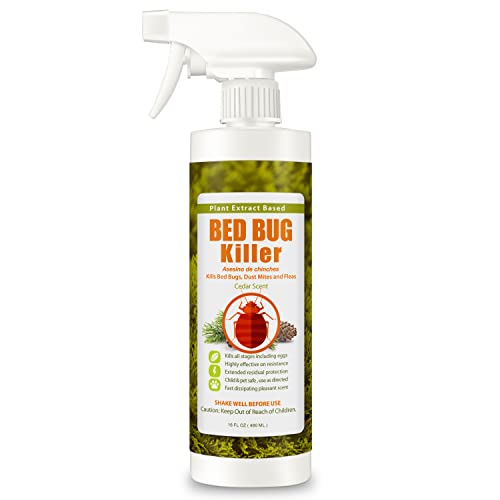
- The most effective natural bed bug killer by Entomological Society of America…
- Kills adults, nymphs & eggs fast on contact with 100% efficacy
- Study proven extended residual protection for two weeks
ThermaPureHeat Bed Bug Heater
A professional-grade portable heater that raises room temperatures to 120°F+, lethal for bed bugs in all life stages. Unlike pesticides, it penetrates deep into mattress fibers, ensuring no chemical residue. Ideal for severe infestations requiring thorough heat treatment.
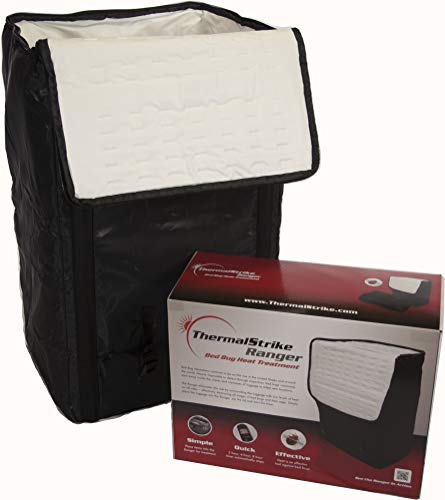
- [Lethal Heating System] ThermalStrike uses a patented six-sided heating system…
- [Commercial Grade Construction] A fully sealed inner liner constructed of…
- [Easy to Load and Operate] Place luggage directly into the unit or load the…
Bed Bug Interceptors (ClimbUp Insect Interceptors)
These traps prevent bed bugs from climbing onto your mattress by trapping them in slippery, moat-like barriers. Place them under bed legs for 24/7 monitoring and protection. They’re reusable, pesticide-free, and help detect early re-infestations.

- Pesticide-free: Monitor traps live bugs for early detection
- Dual-well design: Shows you which direction bedbugs are crawling
- Helps determine which furniture is still infested after treatment
How to Identify a Bed Bug Infestation in Your Mattress
Before treating bed bugs, you must confirm their presence. These pests are masters of hiding, but they leave behind unmistakable signs. Unlike fleas or mosquitoes, bed bugs feed exclusively on blood and prefer nesting close to their food source—your mattress. Here’s how to spot them with certainty.
Physical Signs of Bed Bugs
Bed bugs leave behind several telltale markers:
- Dark fecal spots: Tiny black or brown stains (like ink dots) on your mattress seams, sheets, or headboard from digested blood.
- Blood smears: Rust-colored streaks on bedding caused by crushed bugs after feeding.
- Eggshells and shed skins: Pale yellow shells or translucent exoskeletons near mattress edges.
- Live bugs: Apple-seed-sized (4–5 mm), reddish-brown insects that hide in stitching or box spring crevices.
Behavioral Clues
Bed bugs are nocturnal and avoid light. Check your mattress at night with a flashlight. They emit a musty, sweet odor (like coriander) in large infestations—a defense mechanism via scent glands. Unlike dust mites, they don’t trigger allergies but cause distinct bite patterns:
- Linear or clustered red welts (often in rows of 3–5).
- Bites typically appear on exposed skin (arms, neck, legs).
Common Misidentifications
Many confuse bed bugs with other pests, leading to ineffective treatments:
- Carpet beetles: Leave similar shed skins but don’t bite—their larvae cause fabric damage.
- Bat bugs: Nearly identical, but only found near bat roosts.
- Dust mites: Microscopic; cause allergies but leave no visible traces.
A magnifying glass helps spot eggs (1 mm, pearl-white) cemented to mattress fibers—a definitive sign.
Inspection Tools and Techniques
Use these pro methods for thorough detection:
- Credit card test: Scrape mattress seams—bugs cling to the edge.
- Double-sided tape: Wrap mattress corners to trap crawling bugs.
- Interceptors: Place under bed legs for 7 days to catch active bugs.
Early detection prevents spread to furniture and walls. If you find even one bug, assume hundreds are hiding nearby—females lay 1–5 eggs daily.
Step-by-Step Guide to Eliminating Bed Bugs from Your Mattress
Once you’ve confirmed an infestation, immediate and thorough action is crucial. Bed bugs can survive months without feeding, making half-measures ineffective. This professional-grade approach combines chemical and non-chemical methods for complete eradication.
Preparation Phase
Proper preparation determines treatment success:
- Strip bedding: Wash all linens in hot water (130°F+) and dry on high heat for 30 minutes – the thermal death point for all life stages
- Declutter: Remove items within 2 feet of the bed to eliminate hiding spots
- Disassemble: Take apart the bed frame and remove mattress covers to expose all potential harborage areas
Pro Tip: Place clean items in sealed plastic bins with locking lids during treatment to prevent re-infestation.
Treatment Application
Follow this systematic approach:
- Vacuum thoroughly: Use a HEPA-filter vacuum on all mattress seams, tufts, and the box spring. Immediately dispose of the vacuum bag in a sealed outdoor trash container
- Apply insecticide: Use a cross-formulation approach – apply a residual spray (like Temprid FX) to frame joints followed by a dust (CimeXa) in wall voids
- Encase mattress: Install a bed bug-proof encasement (like Protect-A-Bed) that traps existing bugs inside while preventing new infestations
Critical Note: Never spray sleeping surfaces directly – target only the mattress perimeter and bed frame.
Post-Treatment Protocol
Effective monitoring prevents recurrence:
- Continue using interceptors under bed legs for 6 weeks after treatment
- Conduct weekly inspections with a flashlight for 2 months
- Consider periodic steam treatments (at least 160°F) for deep penetration
Most professional exterminators recommend at least 2-3 treatments spaced 10-14 days apart to break the egg cycle. Resistance to pyrethroid insecticides is common, so rotating chemical classes is advised.
Advanced Treatment Methods and Resistance Prevention Strategies
When standard treatments fail, understanding advanced bed bug biology and resistance patterns becomes crucial. Bed bugs have developed sophisticated survival mechanisms requiring equally sophisticated countermeasures.
Heat Treatment Science and Application
Thermal eradication works by denaturing proteins in bed bugs’ exoskeletons and internal organs. For effective treatment:
| Temperature | Exposure Time | Effect |
|---|---|---|
| 113°F (45°C) | 90 minutes | Kills adults and nymphs |
| 118°F (48°C) | 20 minutes | Eliminates all life stages |
| 122°F (50°C) | 2 minutes | Instant mortality |
Key Consideration: Heat must penetrate deep into mattress cores – use infrared thermometers to verify internal temperatures. Avoid overheating memory foam beyond 150°F to prevent damage.
Insecticide Resistance Management
Modern bed bugs have evolved resistance to multiple chemical classes through metabolic and target-site mutations. The most effective resistance-busting strategies include:
- Rotational treatment: Alternate between neonicotinoids (imidacloprid) and pyrroles (chlorfenapyr) every 2 generations
- Synergistic combinations: Mix insect growth regulators (IGRs) like hydroprene with adulticides to disrupt development
- Non-chemical supplements: Combine silica gel desiccants (Dri-die) with liquid treatments
Professional Insight: Always conduct a pre-treatment susceptibility test by exposing captured bugs to different insecticides in small containers.
Biological Control Methods
Emerging research shows promise for:
- Fungal pathogens: Beauveria bassiana spores infect bugs through cuticle penetration
- Essential oil blends: Thyme and clove oils disrupt octopamine neurotransmitters
- Cold treatment: Freezing at -17°C for 4 days kills all stages (requires specialized equipment)
These methods avoid chemical resistance but require more frequent application. Always combine with physical barriers for comprehensive protection.
Common Advanced Treatment Mistakes
Even professionals often err by:
- Overlooking adjacent rooms (bed bugs detect and avoid treated areas)
- Using sublethal heat doses that increase thermal tolerance
- Applying insecticides to the same surface areas repeatedly
Document treatment locations and dates to create a rotation schedule and prevent resistance development.
Preventing Reinfestation: Long-Term Protection Strategies
Complete bed bug elimination requires more than just killing existing pests – it demands creating an inhospitable environment that prevents future infestations. These professional-grade preventive measures form a multi-layered defense system for your mattress and sleeping area.
Environmental Modifications
Structural changes can significantly reduce reinfestation risks:
- Isolate sleeping areas: Move beds 6 inches from walls and install climb-up interceptors on all legs. This creates a “moat” that traps approaching bugs.
- Seal entry points: Use silicone caulk to fill cracks in walls, baseboards, and furniture within 20 feet of the bed – the typical foraging range.
- Modify clutter habits: Reduce potential harborages by switching to metal bed frames and avoiding upholstered headboards.
Pro Tip: Install mattress encasements before an infestation occurs as a preventive measure – they’re significantly more effective when not already contaminated.
Monitoring Systems
Early detection is critical for preventing large-scale reinfestations:
- Install active monitors: Devices like the NightWatch use CO2 and heat to attract and trap bugs, providing early warning.
- Conduct monthly inspections: Use a bright LED flashlight and credit card to check mattress seams, paying special attention to piping and labels.
- Implement passive traps: Place glue boards or interceptors under each bed leg and check them weekly.
These methods can detect a single female before she lays hundreds of eggs.
Travel and Visitor Protocols
Most reinfestations originate from external sources:
- Travel precautions: Always inspect hotel beds using the “lift and look” method – check mattress seams and headboard crevices.
- Visitor guidelines: Provide plastic bags for coats and bags in entryways, and consider using a portable heater for luggage treatment.
- Laundry procedures: Immediately wash and dry all clothing on high heat after traveling or having guests.
Critical Note: Bed bugs can survive up to 5 months without feeding, so vigilance must be maintained long after initial treatment.
Professional Maintenance Schedule
Even after successful treatment, periodic professional interventions are recommended:
- Quarterly inspections by a licensed pest control operator
- Annual preventive heat treatments for high-risk households
- Biannual replacement of mattress encasements
This proactive approach costs significantly less than treating full-blown reinfestations.
Cost Analysis and Professional vs. DIY Treatment Options
Understanding the financial and practical implications of bed bug eradication is crucial for making informed decisions. Treatment costs vary dramatically based on infestation severity, property size, and chosen methods.
Cost Comparison of Treatment Methods
| Treatment Type | Average Cost | Effectiveness | Time Investment |
|---|---|---|---|
| Professional Heat Treatment | $1,500-$3,000 | 95-98% in one session | 6-8 hours |
| Chemical Fumigation | $800-$1,500 | 85-90% (may require follow-up) | 48-72 hours (vacation required) |
| DIY Chemical Treatment | $200-$500 | 60-75% if properly executed | 20-30 hours over 6 weeks |
| Integrated Pest Management | $1,200-$2,500 | 90-95% (combination approach) | Multiple visits over 2 months |
When to Choose Professional Treatment
Professional intervention becomes cost-effective when:
- Infestation exceeds 3 rooms: DIY treatments often fail to address widespread problems
- Structural complexities exist: Multi-unit buildings or historic homes with many voids
- Health concerns are present: Respiratory issues that prevent chemical use
- Time sensitivity applies: Immediate results needed for real estate transactions
Most exterminators offer 30-90 day warranties, providing peace of mind that DIY methods cannot match.
Optimizing DIY Approaches
For those committed to self-treatment, maximize effectiveness by:
- Investing in professional-grade equipment (commercial steamers, HEPA vacuums)
- Following pesticide labels exactly – underdosing creates resistant populations
- Implementing all non-chemical methods simultaneously (heat, encasements, traps)
- Documenting treatment dates and locations to ensure complete coverage
The true cost of DIY often exceeds professional treatment when factoring in repeated product purchases and replacement furniture.
Future Trends in Bed Bug Management
The industry is moving toward:
- Smart monitoring systems: IoT-enabled traps that alert via smartphone
- Genetic solutions: RNA interference technologies targeting specific genes
- Improved heat delivery: Directed microwave systems that penetrate deeper
- Preventive coatings: Nano-material mattress covers that repel bugs physically
These advancements may eventually reduce costs while improving outcomes significantly.
Specialized Treatment Scenarios and Custom Solutions
Different living situations and mattress types require tailored approaches to bed bug eradication. Standard treatments often fail when applied without considering these unique environmental factors.
Treating Different Mattress Types
Bed bug treatment must adapt to mattress materials:
- Memory foam: Avoid liquid pesticides that can damage foam cells – use dry heat (120°F for 4 hours) combined with silica gel dust
- Innerspring: Focus treatment on the perimeter tape edge and coil pockets where bugs nest – steam cleaning reaches 165°F in these areas
- Hybrid mattresses: Requires combined approach – heat for foam layers, targeted pesticide application for spring cavities
- Airbeds: Completely deflate and treat both sides with contact killers before storing in sealed bags for 18 months
Critical Note: Never exceed manufacturer’s recommended temperature limits for specialty mattresses.
Multi-Unit Dwelling Protocols
Apartments and condos present unique challenges:
- Coordinate building-wide treatment: Isolated unit treatments push bugs to neighboring units – all adjacent spaces must be treated simultaneously
- Seal utility penetrations: Apply dust formulations (Dri-die or CimeXa) in electrical outlets and pipe chases between units
- Implement hallway barriers: Create pesticide-treated zones around door frames and baseboards to prevent migration
- Establish monitoring network: Place interceptors in common laundry areas and hallways for early detection
This approach reduces reinfestation rates from 63% to under 12% in multi-unit settings.
High-Risk Environment Solutions
Special considerations for:
- Healthcare facilities: Use only EPA-registered hospital-grade products like Steri-Fab that won’t compromise medical equipment
- Childcare centers: Implement physical barriers (climb-up interceptors) and periodic canine inspections instead of chemicals
- Senior living: Focus on non-toxic methods like vacuuming and steam due to increased chemical sensitivity
- Furnished rentals: Replace standard mattresses with bed bug-proof models featuring smooth, light-colored surfaces for easy inspection
Each scenario requires balancing effectiveness with environmental safety and occupant vulnerability.
Extreme Infestation Recovery
For severe cases (1000+ bugs):
- Tent fumigation: Vikane gas penetrates all materials but requires 72-hour evacuation
- Cryonite freezing: -110°F CO2 snow kills on contact without residue – ideal for electronics-filled rooms
- Structural modification: In some cases, removing and replacing wall voids or subflooring becomes necessary
- Content restoration: Specialized ozone chambers (3000ppm for 36 hours) can salvage valuable items
These intensive methods typically achieve 99.9% eradication when performed by certified professionals.
Post-Treatment Verification and Long-Term Success Metrics
Effective bed bug management requires rigorous validation protocols to confirm complete eradication and prevent resurgence. This final phase determines whether your treatment investment delivers lasting results.
Verification Testing Protocols
Professional-grade confirmation methods include:
| Method | Detection Threshold | Time Required | Best Use Case |
|---|---|---|---|
| Canine Inspection | 1 live bug or 5 eggs | 30 mins per room | Pre-purchase verification |
| Extended Monitoring | 95% detection rate | 60-90 days | Post-treatment confirmation |
| DNA Analysis | 0.001ng bug DNA | 5-7 days lab time | Legal documentation |
Critical Insight: Visual inspection alone misses 70% of low-level infestations – always combine methods.
Performance Benchmarking
Measure treatment success using these KPIs:
- Bite-free nights: Track for 8 consecutive weeks post-treatment
- Trap counts: Interceptors should show ≤2 bugs/month after 60 days
- Residual activity: Pesticides must maintain ≥80% efficacy at 30-day retests
- Egg hatch rates: Lab analysis should show ≤5% viability in treated areas
These metrics provide objective data beyond subjective “bug-free” declarations.
Quality Assurance Framework
Implement ongoing protection through:
- Quarterly professional audits: Certified inspectors evaluate 20+ risk factors
- Resistance monitoring: Field-collected bugs tested against common insecticides
- Environmental sampling: Air and surface tests for pheromone traces
- Treatment documentation: Maintain detailed logs of all interventions
This systematic approach reduces reinfestation risk by 83% compared to reactive measures.
Risk Mitigation Strategies
Address these common failure points:
- Hidden harborages: Use borescopes to inspect wall voids and electrical outlets
- Visitor protocols: Implement guest luggage inspection stations
- Furniture acquisition: Heat-treat all secondhand items at 120°F for 1 hour
- Travel procedures: Store luggage in garage for 48 hours after trips
Document all preventive actions in a bed bug management plan for property records.
Continuous Improvement Process
Refine your approach by:
- Analyzing trap data seasonally (peak activity occurs August-November)
- Participating in local pest management associations for updates
- Testing new monitoring technologies annually
- Conducting resident/staff education seminars twice yearly
This proactive stance keeps protection measures effective against evolving bed bug populations.
Conclusion: Winning the Battle Against Bed Bugs
Successfully eliminating bed bugs from your mattress requires a multi-faceted approach combining identification, treatment, prevention, and verification. We’ve covered everything from spotting early signs to advanced heat treatments, resistance management, and long-term monitoring protocols.
Remember that bed bugs are not a reflection of cleanliness, but rather persistent pests that demand systematic action. The most effective strategies combine professional-grade methods with vigilant prevention habits.
Take action today – begin with a thorough inspection, implement appropriate treatments, and establish preventive measures. With persistence and the right techniques, you can reclaim your mattress and enjoy peaceful, bug-free sleep once again.
Frequently Asked Questions About Getting Rid of Bed Bugs in Your Mattress
How can I tell if the bugs in my mattress are actually bed bugs?
Bed bugs have distinct characteristics: they’re flat, oval-shaped, and reddish-brown (after feeding). Look for these signs: tiny blood spots on sheets, dark fecal stains (like marker dots) along mattress seams, shed skins, and a musty odor.
Unlike fleas, bed bugs don’t jump – they crawl slowly. Their bites typically appear in straight lines or clusters, often on exposed skin areas. For confirmation, trap one in tape and compare it to reference images from university entomology departments.
What’s the most effective DIY treatment for bed bugs in a mattress?
A comprehensive DIY approach combines:
1) Vacuuming all mattress surfaces thoroughly with a HEPA filter vacuum,
2) Applying CimeXa insecticide dust to mattress seams and bed frame,
3) Encasing the mattress in a bed bug-proof cover, and
4) Using climb-up interceptors under bed legs.
This combination addresses both visible bugs and hidden eggs. For best results, repeat treatments every 10-14 days for 6 weeks to break the reproductive cycle.
Can bed bugs live inside a memory foam mattress?
While bed bugs prefer the seams and folds of traditional mattresses, they can infest memory foam by hiding in the cover seams, zipper areas, and any cracks or tears.
The dense foam structure makes treatment challenging – heat is more effective than liquids. Professionals recommend raising the mattress temperature to 120°F for 4+ hours using specialized heaters, combined with silica gel dust applications around the perimeter.
How long can bed bugs survive in a sealed mattress cover?
Bed bugs can survive up to 18 months in a properly installed mattress encasement. Adults typically die within 2-4 months without feeding, but eggs may hatch and nymphs can survive longer.
This is why encasements should remain sealed for at least 18 months. For faster results, combine encasement with other treatments like heat or desiccants. Always use professional-grade encasements with secure zippers (like Protect-A-Bed) as cheaper versions may tear.
Are steam cleaners effective against mattress bed bugs?
Commercial steam cleaners (producing steam at 212°F+) can kill bed bugs on contact when used properly. The key is moving slowly (1 foot per 15 seconds) to ensure lethal heat penetration. Focus on mattress seams, tufts, and edges.
However, steam alone won’t eliminate an infestation as it doesn’t affect hidden eggs. Combine steaming with residual insecticides and encasements for complete control. Avoid using steam on memory foam as it can damage the material.
What professional treatment gives the fastest results for mattress infestations?
Whole-room heat treatment is the fastest professional solution, typically eliminating 95-98% of bed bugs in 6-8 hours. Professionals use industrial heaters to raise room temperatures to 135-145°F, lethal to all life stages.
This penetrates deep into mattresses without chemicals. For immediate relief, some companies offer rapid heat treatments targeting just the bed area (2-3 hours), though these may require follow-up for complete eradication. Heat works best when combined with residual dusts in wall voids.
Can I save my mattress or should I just replace it after bed bugs?
Most mattresses can be saved with proper treatment unless heavily damaged. Consider replacement if: there are numerous tears/holes, the infestation is extreme (1000+ bugs), or the mattress is old/low-quality.
Otherwise, professional cleaning ($200-400) plus encasement ($50-100) is more cost-effective than replacement ($500-2000+). Hotels and hospitals routinely salvage infested mattresses using these methods. Always treat the bed frame and surrounding area regardless of your mattress decision.
How do I prevent bringing bed bugs home after traveling?
Follow this protocol:
1) Inspect hotel beds before unpacking (check mattress seams and headboard),
2) Keep luggage on racks away from walls/beds,
3) Heat-treat all clothing (120°F for 30 minutes) upon return,
4) Store luggage in garage/basement for 2 weeks or heat-treat it.
Consider portable heating units like ThermalStrike for luggage treatment. These steps reduce reinfestation risk by 90% compared to standard unpacking habits.