
Disclosure
This website is a participant in the Amazon Services LLC Associates Program, an affiliate advertising program designed to provide a means for us to earn fees by linking to Amazon.com and affiliated sites.
Introduction
Getting glue on your mattress can feel like a nightmare. Whether it’s from a craft project gone wrong, a spilled adhesive bottle, or a repair attempt, glue stains not only look ugly but can also be sticky and uncomfortable. The good news? Removing glue from a mattress is entirely possible — even without professional help.
In this article, we’ll guide you through effective, safe, and easy methods to get glue out of your mattress without damaging the fabric or foam underneath. You’ll learn how to tackle different types of glue, from school glue and craft adhesives to strong construction glues, using household items and simple tools.
By the end, you’ll have practical solutions that save you time, money, and stress — restoring your mattress to a clean, fresh condition. Ready to say goodbye to that sticky mess? Let’s dive in.
Best Products for Removing Glue from Mattresses
When it comes to removing glue from your mattress, having the right products on hand makes the process much easier and more effective. Here are three top products trusted for tackling glue stains safely and efficiently:
1. Goo Gone Adhesive Remover
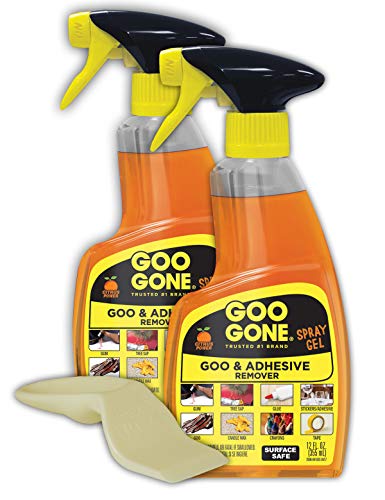
- TRUSTED #1 BRAND FOR REMOVING STICKY MESSES: Try it on gum, crayon, tape…
- SAFELY REMOVES GOO FROM YOUR SURFACES: The surface-safe formula removes the goo…
- EASY TO USE CLINGING GEL SPRAY FORUMLA: For adhesive removal specifically…
Goo Gone is a popular choice for removing sticky residues like glue, tape, and stickers. It’s gentle enough for fabric surfaces yet powerful enough to dissolve stubborn adhesives without leaving harsh chemical smells.
2. Isopropyl Alcohol (Rubbing Alcohol)
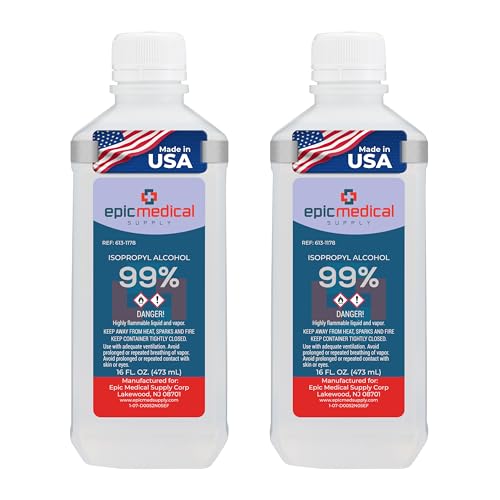
- All-Purpose Isopropyl Alcohol – This technical grade Alcohol offers more…
- Antiseptic Support – This 99% isopropyl alcohol can be used on a wide range of…
- Versatile DIY Application Uses – Like rubbing alcohol this isopropyl alcohol…
A household staple, isopropyl alcohol effectively breaks down many types of glue. It evaporates quickly and is safe to use on most mattress fabrics, making it a go-to for quick spot treatment.
3. WD-40 Multi-Use Product
![WD-40 Multi-Use Product, 3 OZ [6-Pack]](https://m.media-amazon.com/images/I/51mq7NsRldL.jpg)
- CONVENIENT SIZE: This handy convenient size is perfect for on-the-go; Fits in…
- CORROSION INHIBITOR: Acts as a corrosion inhibitor to shield against moisture…
- FREES AND LOOSENS STICKY PARTS: Frees sticky mechanisms, loosens rust-to-metal…
Though primarily known as a lubricant, WD-40 also works wonders on sticky glue stains. It loosens adhesive bonds, allowing you to wipe away glue easily. Just remember to clean the area thoroughly afterward to avoid any oily residue.
Related Products You Might Need:
- Microfiber Cloths: Perfect for gentle scrubbing without damaging mattress fabric.
- Plastic Scraper or Credit Card: To carefully lift off glue without tearing the material.
- Vacuum Cleaner with Upholstery Attachment: For cleaning up any dry residue or debris after treatment.
Understanding Different Types of Glue and How They React
Before tackling glue stains on your mattress, it’s essential to understand the kind of glue you’re dealing with. Different glues have distinct chemical compositions, which affect how easily they can be removed and which cleaning methods work best.
Common Types of Glue You Might Find on a Mattress
- White Glue (PVA Glue): Often used in schools and crafts, white glue is water-based and relatively easy to remove. It dries hard but can usually be softened with water or mild cleaning agents.
- Super Glue (Cyanoacrylate): This fast-acting adhesive bonds quickly and strongly, making it tougher to remove. Solvents like acetone or isopropyl alcohol are usually needed, but they must be used carefully to avoid damaging the mattress.
- Epoxy and Construction Glues: These are heavy-duty adhesives designed for strong bonds on wood or metal. They’re much harder to remove once dried and often require specialized removers or professional cleaning.
- Hot Glue: Applied using a glue gun, hot glue cools and solidifies fast. Because it forms a flexible, rubbery bond, it can sometimes be peeled off carefully or softened with heat.
Why Knowing Your Glue Matters
Using the wrong removal method can worsen the stain or damage your mattress fabric and foam. For example, harsh chemicals like acetone can dissolve some fabrics or cause discoloration. Water-based glues are often best tackled with gentle moisture, while super glues need targeted solvents.
Understanding your glue type helps you choose the safest and most effective removal strategy, protecting your mattress and giving you the best chance of success.
Step-by-Step Guide: Removing Glue from a Mattress Safely
Removing glue from a mattress requires patience and a careful approach to avoid damaging the fabric or foam. Follow these steps to tackle glue stains effectively:
Identify the Glue Type: Before starting, recall what kind of glue caused the stain. This guides your choice of cleaning agent and technique.
Scrape Off Excess Glue Gently: Use a plastic scraper, old credit card, or spoon to carefully lift off any hardened glue. Avoid metal tools as they can tear the fabric.
Test Cleaning Solution on a Hidden Area: Before applying any solvent or cleaner, dab a small amount on an inconspicuous mattress spot to check for colorfastness or damage.
Apply the Appropriate Cleaner:
- For water-based glues like white glue, dampen a clean cloth with warm water and gently blot the area.
- For super glue, use a small amount of isopropyl alcohol or acetone on a cloth and dab carefully.
- For other adhesives, Goo Gone or WD-40 can be applied sparingly.
Blot, Don’t Rub: Blot the glue stain to loosen and lift it, avoiding rubbing which can spread the glue or embed it [pw1] deeper.
Rinse and Dry: Once the glue softens and lifts, clean the area with a cloth dampened with water to remove residue. Pat dry with a clean towel and allow the mattress to air dry completely.
Repeat if Needed: Stubborn stains may require multiple treatments. Be patient and repeat the steps until the glue disappears.
Natural and DIY Solutions for Glue Removal
If you prefer to avoid harsh chemicals or don’t have specialized products at hand, natural and DIY methods can be surprisingly effective for removing glue from your mattress. These approaches are often safer for delicate fabrics and environmentally friendly.
Warm Soapy Water
For fresh or water-based glue stains, start with warm water mixed with a mild dish soap. Soak a clean cloth in the solution, wring it out, and gently blot the glue spot. The soap helps break down the adhesive, making it easier to lift off.
White Vinegar
White vinegar is a natural solvent that can dissolve many types of glue. Dampen a cloth with vinegar and press it on the glue stain for a few minutes. Then gently blot or scrape off softened glue. Always test on a hidden mattress area first to ensure no discoloration occurs.
Baking Soda Paste
For stubborn glue residues, try a paste made from baking soda and water. Apply a thin layer to the glue spot and let it sit for 15-20 minutes. The mild abrasiveness of baking soda helps lift glue without damaging fabric. Afterward, wipe away the paste with a damp cloth.
Ice Cubes for Hot Glue
If hot glue is the culprit, freezing it can make removal easier. Place ice cubes in a plastic bag and hold them against the glue for several minutes to harden it further. Once brittle, gently scrape off the glue with a plastic scraper.
Benefits of DIY Methods
- They are cost-effective and use items commonly found at home.
- They minimize exposure to harsh chemicals and strong odors.
- Suitable for delicate mattress fabrics prone to damage.
Preventing Glue Stains on Your Mattress
Preventing glue stains before they happen is always easier than removing them. Whether you’re working on crafts, repairs, or using adhesives near your bed, these practical tips will help protect your mattress from sticky messes:
- Use a Protective Cover:
Place a waterproof mattress protector or a large sheet over your mattress when doing any project involving glue. This creates a barrier between your mattress and potential spills. - Work in a Separate Area:
Whenever possible, do gluing or craft activities away from the bedroom or mattress. Designate a workspace with easy-to-clean surfaces to minimize risk. - Handle Glue Carefully:
Avoid squeezing glue bottles or applicators directly over the mattress. Keep glue containers capped tightly and away from the bed when not in use. - Clean Spills Immediately:
If glue does get on the mattress, act fast. Blot the area gently with a damp cloth to prevent the glue from drying and bonding with the fabric. - Keep Tools and Supplies Organized:
Store glue, brushes, and applicators in a secure spot to prevent accidental spills. - Educate Kids and Guests:
If you have children or frequent visitors who may use glue near the bed, remind them about the risks and encourage caution.
Conclusion
Removing glue from a mattress can seem daunting, but with the right approach, it’s completely manageable. Here’s a quick recap to keep in mind:
- Identify the type of glue before choosing your cleaning method.
- Use gentle tools like plastic scrapers to avoid fabric damage.
- Test any cleaning solution on a hidden area first.
- Apply the appropriate remover—whether household items like rubbing alcohol or commercial products like Goo Gone.
- Be patient and repeat the process if necessary.
- Consider natural DIY options like warm soapy water, vinegar, or baking soda for a safer, eco-friendly clean.
- Prevent future stains by using mattress protectors and careful handling of adhesives.
Taking these steps helps protect your mattress investment while keeping it clean and comfortable. Ready to tackle that sticky glue stain? You’ve got the know-how now—just follow the guide and your mattress will be as good as new.
Frequently Asked Questions About Removing Glue from a Mattress
Can I use nail polish remover (acetone) on my mattress?
- Nail polish remover containing acetone can dissolve super glue effectively.
- However, acetone may damage or discolor some mattress fabrics, so always test it on a hidden spot first.
- Use acetone sparingly and avoid soaking the mattress.
What should I do if the glue has dried completely?
- For dried glue, gently scrape off as much as possible using a plastic scraper.
- Then apply a solvent like isopropyl alcohol or Goo Gone to soften remaining glue.
- Repeat the process carefully to avoid fabric damage.
Is it safe to use household cleaners on my mattress?
- Mild solutions like warm soapy water or white vinegar are usually safe for most mattresses.
- Avoid harsh chemicals that can weaken fabric fibers or foam.
- Always spot test before full application.
How can I remove hot glue without damaging the mattress?
- Use ice cubes in a plastic bag to harden the glue further.
- Once brittle, carefully peel or scrape the glue off.
- Avoid using heat, which can melt glue deeper into the fabric.
Will glue stains cause a permanent odor?
- Glue itself doesn’t usually cause odors, but chemical solvents or trapped moisture might.
- After cleaning, ensure the mattress dries completely in a well-ventilated area to prevent smells or mold growth.
When should I consider professional cleaning?
- If the glue stain is large, deep, or from industrial-strength adhesives, professional mattress cleaning may be necessary.
- Also consider professionals if you’re unsure about chemical use or if DIY attempts worsen the stain.