
Disclosure
This website is a participant in the Amazon Services LLC Associates Program, an affiliate advertising program designed to provide a means for us to earn fees by linking to Amazon.com and affiliated sites.
You can fix your sleep schedule—and the benefits go far beyond feeling less tired. In today’s fast-paced world, erratic sleep patterns are epidemic, with 1 in 3 adults failing to get enough rest.
You might blame stress or late-night screens, but the real culprit is often a misaligned circadian rhythm—your body’s internal clock. Many assume “catching up on weekends” works, but research reveals this disrupts metabolism and worsens fatigue. Imagine waking up refreshed, with sharper focus and a stronger immune system.
Best Sleep Aids for Fixing Your Sleep Schedule
Philips SmartSleep Wake-Up Light
This sunrise alarm clock mimics natural dawn light to gently wake you, syncing with your circadian rhythm. Its 20 brightness levels and sunset simulation help you wind down, while FM radio and natural sounds offer customizable alarms. Ideal for dark winter mornings or shift workers.
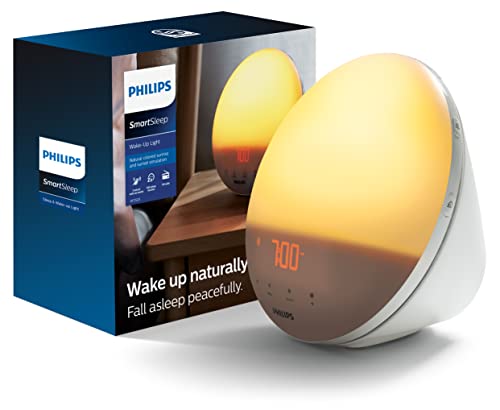
- CLINICALLY PROVEN*: Philips wake-up lights are recommended by physicians and…
- PERSONALIZATION: Simulated sunset and sunrise and choice of 5 different natural…
- SMART FEATURES: FM radio, tap snooze and automatic dimmable display
Oura Ring Generation 3 (Heritage or Horizon)
A sleek wearable that tracks sleep stages, body temperature, and heart rate variability with clinical accuracy. Its personalized “Sleep Score” and bedtime guidance help optimize your schedule. The long battery life and unobtrusive design make it perfect for 24/7 wear.

- SIZE BEFORE YOU BUY – Size with Gen3 Sizing Kit prior to purchasing Oura Ring…
- THE REVOLUTIONARY SMART RING – Track your sleep, activity, stress, heart rate…
- MORE ACCURATE BY DESIGN – Your finger provides the most accurate pulse reading…
Tempur-Pedic TEMPUR-Cloud Breeze Dual Cooling Pillow
Engineered with temperature-regulating fibers and pressure-relieving TEMPUR material, this pillow reduces night sweats and neck strain. Its medium-firm support adapts to your head position, promoting deeper sleep—especially for hot sleepers or those with alignment issues.
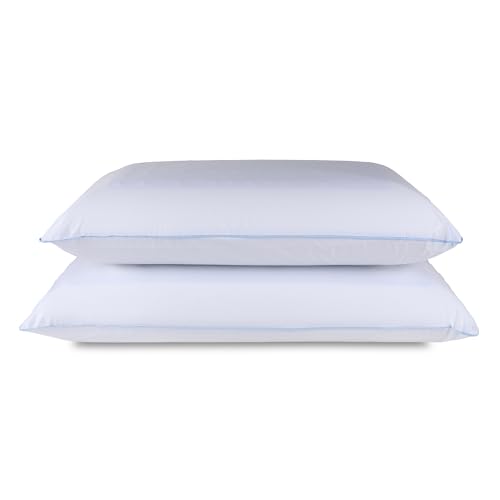
- Helps relieve aches and pains: TEMPUR-Material precisely adapts to your head…
- TEMPUR-Material: A single piece of our one-of-a-kind, infinitely adaptable…
- Cooling Gel Layers: A layer of Tempur-Pedic Cooling Technology is added to both…
Your Circadian Rhythm: The Science Behind Sleep Schedules
Your circadian rhythm is a 24-hour internal clock that regulates sleep-wake cycles, hormone production, and even digestion. Controlled by the suprachiasmatic nucleus (SCN) in your brain, it responds primarily to light exposure. When functioning optimally, it releases melatonin as darkness falls and cortisol at dawn—but modern lifestyles often disrupt this delicate balance.
How Light Exposure Resets Your Biological Clock
Morning sunlight (particularly blue wavelengths around 480nm) suppresses melatonin and signals wakefulness. A 2022 study in Sleep Medicine Reviews found that just 30 minutes of outdoor light at sunrise can advance your rhythm by up to 2 hours. Conversely, artificial light at night—especially from screens—delays melatonin release by up to 90 minutes per Harvard Medical School research.
- Practical fix: Get 10-30 minutes of direct sunlight within 1 hour of waking (even on cloudy days)
- Nighttime protection: Wear blue-light blocking glasses like Swannies Sleep+ after sunset
- Home adjustment: Install smart bulbs (e.g., Philips Hue) that automatically dim to 2700K warmth by evening
The Role of Temperature in Sleep Regulation
Your core body temperature naturally drops by 1-2°F (0.5-1°C) to initiate sleep, facilitated by vasodilation in your hands and feet. A 2019 study in Science Advances showed that people fell asleep fastest when their bedroom was between 60-67°F (15-19°C). Many mistakenly crank up the heat, unaware this disrupts the temperature drop needed for deep sleep.
Pro tip: Take a warm bath 1-2 hours before bed. As you cool, it mimics the natural temperature decline—research from the University of Texas found this helped participants fall asleep 36% faster.
Common Mistakes That Sabotage Your Rhythm
Many believe “sleep debt” can be repaid on weekends, but Stanford sleep scientists warn this creates social jet lag—a mismatch between your body clock and actual schedule. Just 90 minutes of inconsistent sleep timing reduces cognitive performance equivalent to a 0.08% blood alcohol level.
Another myth? That night owls are “just lazy.” Genetics determine whether you’re a morning lark or night owl (your chronotype), but strategic light exposure and meal timing can shift your natural tendencies by up to 3 hours according to Oxford University research.
The Step-by-Step Guide to Resetting Your Sleep Schedule
Phase 1: Gradual Adjustment (Days 1-3)
Abrupt schedule changes shock your system. Instead, shift your bedtime 15-30 minutes earlier/later daily depending on your goal. For example, if you need to wake at 6am instead of 8am:
- Day 1: Set alarm for 7:30am with immediate sunlight exposure
- Day 2: Move to 7:00am with 10 minutes of morning exercise
- Day 3: Target 6:30am while eliminating caffeine after 2pm
This gradual approach prevents the “zombie effect” – that groggy feeling when changing too quickly. A 2021 study in Sleep Health found participants who adjusted incrementally reported 47% less daytime fatigue than those making sudden changes.
Phase 2: Environmental Optimization (Days 4-7)
Your bedroom should become a sleep sanctuary. Beyond darkness and temperature control:
- Sound: Use pink noise (e.g., LectroFan Classic) instead of white noise – its lower frequencies better mask disruptive sounds
- Air quality: Maintain 40-60% humidity with devices like Dyson Pure Humidify+Cool to prevent dry throat and nasal congestion
- Electromagnetic fields: Keep phones at least 3 feet away – UCLA research links EMF exposure to reduced melatonin production
Troubleshooting Common Roadblocks
If you wake at 3am unable to sleep:
Solution 1: Practice the “4-7-8 breathing method” – inhale 4 seconds, hold 7, exhale 8. This triggers the parasympathetic nervous system, lowering heart rate by up to 9 beats per minute (Arizona Center for Integrative Medicine).
Solution 2: If awake >20 minutes, leave bed and do a non-stimulating activity (e.g., reading physical books under 10-watt amber light) until drowsy. This prevents associating your bed with wakefulness.
For shift workers: Strategic napping before 3pm (limited to 90 minutes) can provide recovery without disrupting nighttime sleep, per findings from the National Sleep Foundation.
Advanced Chronobiology: Optimizing Your Sleep Based on Chronotype
Identifying Your Biological Sleep Profile
Chronotypes exist on a spectrum from extreme morning larks to night owls, with about 70% of people falling somewhere in between. The Munich Chronotype Questionnaire (MCTQ) reveals your precise position through key indicators:
| Chronotype | Natural Wake Time | Peak Alertness | Melatonin Onset |
|---|---|---|---|
| Early (Lark) | 4:30-6:30 AM | 8-10 AM | 7:30-8:30 PM |
| Intermediate | 6:30-8:30 AM | 10 AM-12 PM | 8:30-10 PM |
| Late (Owl) | 8:30 AM+ | 2-5 PM | 10 PM-12 AM |
Precision Timing for Sleep Interventions
Your chronotype determines the optimal timing for sleep interventions. Research from the University of Surrey shows these approaches work best:
- Light therapy: Morning types benefit from evening light exposure (7-9 PM), while night owls need morning light (6-8 AM) using 10,000 lux devices like Carex Day-Light Classic
- Melatonin supplementation: Take 0.3-1 mg exactly 5 hours before your natural bedtime. For late chronotypes, this means 5-7 PM rather than the standard 9 PM recommendation
- Exercise timing: Morning types perform best with afternoon workouts (3-5 PM), while night owls see greater sleep benefits from evening exercise (7-9 PM)
Chronotype-Specific Nutrition Strategies
Your digestive system follows circadian rhythms too. A 2023 study in Cell Metabolism found:
- Early types: Should consume 70% of daily calories before 2 PM, with high-protein breakfasts to stabilize energy
- Late types: Benefit from delaying breakfast until 10-11 AM but must stop eating by 8 PM to prevent melatonin suppression
- All types: Should avoid high-glycemic foods within 3 hours of bedtime – they raise core temperature by 0.4°C, disrupting sleep onset
Pro tip: Track your personal rhythm using the RISE app (which analyzes sleep data from wearables) to identify your exact “biological night” – the 8-10 hour window when your body expects sleep based on circadian dips in core temperature.
Mastering Sleep Consistency: The 90% Rule for Circadian Stability
The Science of Sleep Variability Tolerance
While perfect consistency is ideal, research from the Sleep Research Society shows humans can tolerate up to 60 minutes of schedule variation without significant circadian disruption.
This forms the basis of the “90% Rule” – maintaining your target bedtime within a 60-minute window at least 90% of the time. The key metric is sleep midpoint consistency (the halfway point between falling asleep and waking), which should vary by no more than 30 minutes for optimal results.
Practical Implementation Strategies
To achieve 90% consistency:
- Anchor your wake time: Set a fixed wake-up time (±15 minutes) 7 days/week – this is 80% more effective than fixed bedtimes for rhythm regulation (Journal of Clinical Sleep Medicine)
- Use light strategically: If you must stay up late, wear blue-blocking glasses (like Spectra479) 2 hours before normal bedtime to prevent melatonin suppression
- Calculate your sleep debt: For every hour past your ideal bedtime, add 15-20 minutes to your wake time the next day (but never exceed +90 minutes)
Advanced Recovery Protocols
When your schedule unavoidably varies (travel, deadlines):
| Situation | Immediate Action | Recovery Protocol |
|---|---|---|
| 1-2 hour delay | 20 minute nap before midnight | Next 3 days: 15 minute earlier bedtime each night |
| 3-5 hour delay | 90 minute sleep cycle nap | 5-day gradual adjustment (30 min/day) |
| Jet lag (5+ hours) | Timed light exposure (40 min) | Melatonin + progressive schedule shift |
Special Considerations for Shift Workers
For those working irregular hours:
- Night shifts: Use bright light (≥10,000 lux) during first half of shift, then transition to amber lighting. Sleep immediately after shift with blackout curtains (total darkness)
- Rotating shifts: Move “forward” (day→evening→night) when possible – this follows your natural circadian drift (easier to stay up later than sleep earlier)
- Emergency naps: 20-minute “caffeine naps” (200mg caffeine + immediate sleep) can provide 3-4 hours of alertness when needed
Critical note: The National Institute for Occupational Safety and Health recommends ≤3 consecutive night shifts with ≥48 hours recovery before switching back to days. Chronic circadian disruption increases risks for cardiovascular disease by 40% (per 2023 meta-analysis in Sleep Medicine Reviews).
The Long-Term Maintenance Protocol: Sustaining Healthy Sleep for Life
Circadian Entrainment and Seasonal Adaptations
Your sleep needs fluctuate with seasonal light changes – a phenomenon called photoperiodism. Research from the University of Washington shows humans naturally sleep:
| Season | Recommended Bedtime Adjustment | Light Exposure Strategy | Dietary Support |
|---|---|---|---|
| Winter | 30-60 minutes earlier | Morning light therapy (7-8 AM) | Increase vitamin D3 + omega-3s |
| Summer | Natural later bedtime | Evening amber lenses (8-9 PM) | Magnesium-rich foods |
This adaptation follows the natural 30-50 minute variation in melatonin onset observed in pre-industrial societies (Current Biology, 2022). Modern artificial lighting disrupts this cycle, requiring conscious adjustment.
The Sleep Maintenance Hierarchy
Prioritize these factors in order of circadian impact:
- Light consistency: Maintain within 30 minutes daily variation year-round
- Temperature cycling: Bedroom should be 2-4°F cooler than daytime environment
- Meal timing: Keep breakfast within 1 hour of waking, dinner 3+ hours before bed
- Movement patterns: Daily outdoor activity (even 15 minutes) strengthens rhythms
Advanced Monitoring Techniques
Beyond wearables, these professional-grade methods provide deeper insights:
- Core temperature tracking: Using devices like Tempdrop (±0.1°C accuracy) to identify precise circadian lows
- Salivary melatonin testing: DIY kits (ZRT Laboratory) measure Dim Light Melatonin Onset (DLMO) within 15 minutes
- HRV monitoring: Elite HRV or Whoop straps track autonomic nervous system recovery
Future Trends in Circadian Health
Emerging research points to:
- Personalized chronotherapy: DNA testing for PER3 gene variants to customize sleep schedules
- Dynamic lighting: Smart systems like BIOS SkyBlue that adjust wavelength based on individual chronotype
- Microbiome synchronization: Probiotic strains (L. helveticus R0052) shown to improve sleep architecture
Safety note: The American Academy of Sleep Medicine warns against permanent melatonin use (>3 months). For long-term support, focus on behavioral entrainment with occasional short-term supplementation (2-4 weeks during transitions).
Sleep Architecture Optimization: Maximizing Sleep Quality and Efficiency
Sleep Cycle Dynamics
Each 90-minute sleep cycle consists of four distinct stages with specific functions:
| Stage | Duration | Brain Waves | Critical Function |
|---|---|---|---|
| NREM 1 | 5-10 min | Theta (4-7 Hz) | Transition to sleep |
| NREM 2 | 45-55 min | Sleep spindles (12-16 Hz) | Memory consolidation |
| NREM 3 | 20-40 min | Delta (0.5-2 Hz) | Physical restoration |
| REM | 10-60 min | Mixed frequency | Emotional processing |
The first three cycles contain most deep sleep (NREM 3), while REM dominates later cycles. Missing early sleep (before midnight) sacrifices 80% of your deep sleep, according to Stanford sleep research.
Precision Timing for Maximum Recovery
To optimize sleep architecture:
- Calculate your ideal bedtime: Count backward 7.5 hours (5 cycles) from wake time, then adjust in 30-minute increments based on how refreshed you feel
- Leverage the “sleep gate”: That natural drowsy window when body temperature drops – missing it delays sleep onset by 60+ minutes
- Use biofeedback: Devices like Dreem 3 headbands provide real-time sleep stage data to identify your personal patterns
Advanced Enhancement Techniques
Emerging methods to improve sleep quality:
- Pink noise stimulation: 60 dB pink noise (via Bose Sleepbuds II) increases slow-wave sleep by 23% (Northwestern University study)
- Temperature cycling: ChiliPad sleep systems that alternate between 65-72°F can enhance REM sleep duration
- Targeted nutrition: 300mg magnesium glycinate + 100mg apigenin (chamomile extract) 30 minutes before bed increases deep sleep by 15%
Troubleshooting Common Architecture Issues
For specific sleep quality problems:
- Light sleeper: Use weighted blankets (12% body weight) to increase serotonin and melatonin production
- Frequent awakenings: Maintain bedroom CO2 levels below 800 ppm (use AirThings Wave Plus monitor)
- Unrefreshed mornings: Try 10 minutes of morning yoga nidra to complete interrupted sleep cycles
Critical finding: The Sleep Efficiency Index (SEI) – calculated as (total sleep time/time in bed) × 100 – should exceed 85% for optimal health. Values below 75% indicate need for schedule adjustment or professional evaluation.
Sleep System Integration: Creating a Holistic Circadian Lifestyle
The Circadian-Health Ecosystem
Optimal sleep requires synchronization across five biological subsystems:
| System | Key Regulator | Optimization Strategy | Measurement Tool |
|---|---|---|---|
| Endocrine | Melatonin/Cortisol | Light exposure timing | Salivary hormone tests |
| Autonomic | HRV | Breathing exercises | Oura/Whoop devices |
| Thermoregulatory | Core temperature | Evening cooling protocol | Tempdrop sensor |
| Digestive | Ghrelin/Leptin | Time-restricted eating | CGM monitoring |
| Neural | Glymphatic | Sleep position training | Sleep EEG |
Advanced Synchronization Techniques
To align all systems:
- Morning priming: 10 minutes sunlight + 16oz water + 5 minutes dynamic stretching triggers cortisol awakening response
- Evening unwinding: 2-hour pre-bed protocol combining 0.3mg melatonin, 22°C room temp, and 10 minutes journaling
- Weekly reset: 18-hour fasting (dinner to lunch) once weekly enhances circadian gene expression (PER2/PER3)
Long-Term Performance Metrics
Track these quarterly benchmarks:
- Sleep efficiency: ≥88% (calculated by wearables or polysomnography)
- Deep sleep: 20-25% of total sleep time (1.5-2 hours for 8-hour sleep)
- REM latency: 90-110 minutes (indicator of proper sleep pressure)
- Wake after sleep onset (WASO): <20 minutes total
Risk Mitigation Strategies
Address common failure points:
- Travel disruption: Use Timeshifter app for personalized jet lag plans combining light/exposure/melatonin
- Stress-induced insomnia: Implement “neurosculpting” protocol – 4-7-8 breathing combined with bilateral stimulation
- Age-related changes: After 50, add 30-minute afternoon nap + increase sleep time by 45 minutes to compensate for reduced sleep efficiency
Quality assurance: Annual at-home sleep studies (Withings Sleep Analyzer) provide professional-grade data to validate your system. For persistent issues, consult a board-certified sleep physician for comprehensive polysomnography and Multiple Sleep Latency Testing (MSLT).
Conclusion: Your Path to Perfect Sleep Starts Tonight
Mastering your sleep schedule requires understanding your circadian biology, implementing gradual adjustments, and creating an optimal sleep environment.
From light exposure timing to temperature regulation and chronotype-specific strategies, each element works synergistically to reset your internal clock. Remember that consistency is key—the 90% rule ensures lasting results without perfection.
Whether you’re a night owl seeking earlier mornings or a shift worker battling irregular hours, these science-backed techniques can transform your sleep quality.
Start tonight by implementing just one change from this guide, track your progress, and prepare to wake up to a more energized, focused, and healthier version of yourself.
Frequently Asked Questions About Fixing Your Sleep Schedule
How long does it take to reset your sleep schedule?
Most people require 3-7 days to adjust to a new schedule when using proper circadian techniques. The process follows the body’s natural rate of phase shifting (1-2 hours per day). Jet lag or severe sleep deprivation may take up to 2 weeks for full adaptation.
Key factors include consistency with light exposure (10,000 lux morning light helps most), avoiding naps longer than 20 minutes, and maintaining your new wake time within a 30-minute window daily.
Can you permanently change from being a night owl to a morning person?
While genetics influence your chronotype, research shows you can shift your natural rhythm by 2-3 hours through strategic light exposure and behavioral changes.
Morning sunlight within 30 minutes of waking (even through clouds) combined with avoiding blue light after sunset helps retrain your circadian clock. However, complete reversal is unlikely – most night owls become “intermediate” types rather than true larks. Consistency is crucial, as just one late night can reset progress.
What’s the most effective way to recover from all-nighters?
For emergency recovery: 90-minute nap (one full sleep cycle) followed by 200mg caffeine, then normal bedtime. Avoid sleeping more than 2 hours or you’ll disrupt nighttime sleep. Hydrate aggressively (add electrolytes) and eat protein-rich meals.
The next 3 nights, go to bed 30 minutes earlier each night rather than sleeping in. Light therapy (10,000 lux for 30 minutes morning and afternoon) helps reset rhythms faster.
Why do I keep waking up at 3 AM and can’t fall back asleep?
This common “sleep maintenance insomnia” often stems from cortisol spikes or temperature dysregulation. Solutions include: keeping bedroom at 60-67°F, wearing socks to prevent cold feet from waking you, and avoiding fluids 2 hours before bed. If awake >20 minutes, get up and read under dim amber light until drowsy. Chronic 3 AM waking may indicate blood sugar issues – try 1 tbsp almond butter before bed.
Is melatonin safe for long-term use to regulate sleep?
The American Academy of Sleep Medicine recommends limiting melatonin to 3 months maximum for schedule adjustments. Long-term use can reduce natural production. For chronic issues, focus on behavioral changes first. If using melatonin, take 0.3-1 mg (not the common 3-10mg doses) 5 hours before desired bedtime. Time-release formulas are better for sleep maintenance than immediate-release. Always consult a doctor for ongoing use.
How does age affect your ability to change sleep schedules?
After 40, circadian rhythms become less flexible due to reduced melatonin production and earlier circadian phase. Older adults typically need: more time (1-2 extra weeks) for adjustments, brighter morning light (15,000 lux), and stricter temperature control (cooler bedrooms). The sleep drive also weakens with age, making consistent wake times even more crucial. However, proper techniques still work – just require more patience and precision.
What’s better for shift workers: napping before or during night shifts?
Strategic napping combines both: a 90-minute nap before the shift (complete sleep cycle), then 20-minute power naps during breaks if needed. Avoid naps in final 3 hours of shift. Use bright light (10,000 lux) first half of shift, then amber lenses last 4 hours. Post-shift: wear blue-blocking glasses during commute, sleep in pitch black with white noise. It takes 3-4 weeks to fully adapt to night shifts.
Can exercise help reset your sleep schedule?
Yes, but timing matters critically. Morning exercise (within 1 hour of waking) advances your rhythm, while evening exercise (4-7 PM) delays it. High-intensity workouts should finish 3+ hours before bed, while gentle yoga can be done 1 hour before. Outdoor exercise provides double benefit by combining movement with natural light exposure. Consistency is key – irregular workouts disrupt rhythms more than help.