
Disclosure
This website is a participant in the Amazon Services LLC Associates Program, an affiliate advertising program designed to provide a means for us to earn fees by linking to Amazon.com and affiliated sites.
Yes, you can fall back asleep quickly after waking up—but it requires more than just counting sheep. Waking up in the middle of the night is frustrating, leaving you exhausted and anxious about the next day. Many believe staying in bed and forcing sleep is the solution, but this often backfires, trapping you in a cycle of frustration.
Best Sleep Aids for Falling Back Asleep Quickly
Dodow Sleep Aid Device
The Dodow is a metronome-like device that projects a soft blue light to guide your breathing, slowing your heart rate and easing you back into sleep. Its 8- or 20-minute programs help retrain your brain to relax, making it ideal for those who wake up with racing thoughts. Clinically tested and drug-free, it’s perfect for light sleepers.
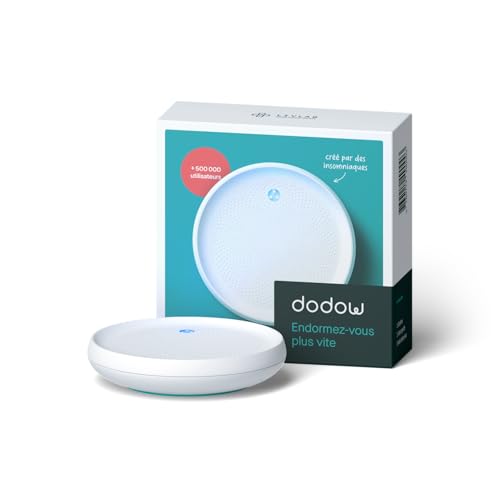
- Natural Sleep Aid – Dodow uses a metronome and light system to teach you how to…
Ozlo Sleepbuds I
Unlike regular earbuds, the Ozlo Sleepbuds I are designed specifically for sleep. They block disruptive noises while playing soothing, scientifically engineered sounds (like white noise or rainfall). Their ultra-comfortable, noise-masking design ensures you won’t be disturbed by snoring partners or street noise, helping you drift off faster.
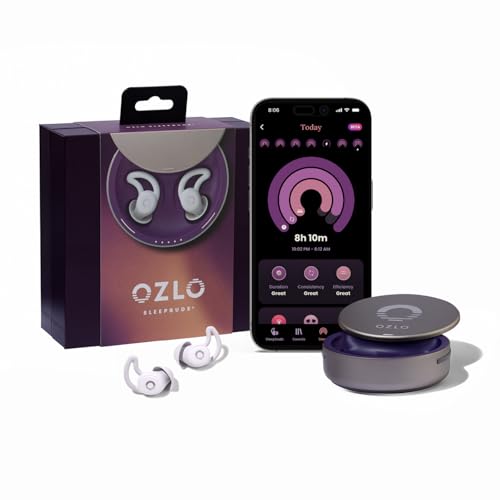
- CLINICALLY PROVEN: Our Sleep Technology is Clinically Proven to Help You Fall…
- STREAM ALL NIGHT: Enjoy up to 10 hours of playtime on a single charge, with the…
- SLEEP DETECTION: Sleepbuds’ biometric sensors can seamlessly detect when you…
Tempur-Pedic TEMPUR-Cloud Breeze Dual Cooling Pillow
Overheating is a common cause of nighttime awakenings. The TEMPUR-Cloud Breeze pillow uses cooling gel and breathable materials to regulate temperature. Its ergonomic support reduces neck strain, promoting deeper sleep. Ideal for hot sleepers who frequently wake up due to discomfort.
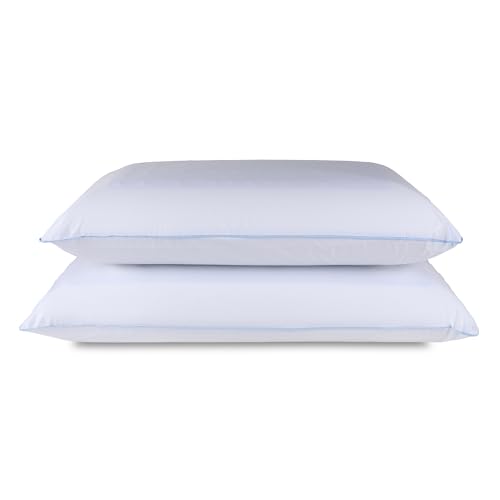
- Helps relieve aches and pains: TEMPUR-Material precisely adapts to your head…
- TEMPUR-Material: A single piece of our one-of-a-kind, infinitely adaptable…
- Cooling Gel Layers: A layer of Tempur-Pedic Cooling Technology is added to both…
Why You Wake Up at Night
Waking up in the middle of the night isn’t random—it’s your body responding to biological and environmental triggers. The most common causes fall into three categories: physiological, psychological, and environmental. Understanding these helps you address the root cause rather than just treating symptoms.
Physiological Factors: Your Body’s Hidden Alarms
Your circadian rhythm (internal clock) regulates sleep cycles, but disruptions—like late-night screen time or irregular bedtimes—can fragment sleep. Additionally, a drop in core body temperature around 3-4 AM may trigger wakefulness. Hormonal shifts (cortisol spikes or melatonin dips) also play a role, especially during stress or aging.
Example: If you wake up at 3 AM with a racing heart, it could be a cortisol surge—your body’s primal “alert system” misinterpreting nighttime as a threat. Slow, diaphragmatic breathing can signal safety to your nervous system.
Psychological Triggers: The Mind-Body Connection
Anxiety and rumination activate the sympathetic nervous system, making it harder to fall back asleep. Unlike daytime distractions, nighttime silence amplifies worries. This creates a vicious cycle: stress causes wakefulness, which fuels more stress about being awake.
- Common misconception: “I should stay in bed and try harder to sleep.” This often increases frustration. Instead, leave bed after 20 minutes to reset your mindset.
- Proven fix: Write down worries in a notebook before bed to “offload” them from your working memory.
Environmental Saboteurs: Light, Noise, and Temperature
Even subtle stimuli can disrupt sleep architecture:
- Light: A streetlamp or LED clock emitting >10 lux can suppress melatonin. Use blackout curtains or a sleep mask.
- Noise: Intermittent sounds (e.g., traffic) are more disruptive than steady white noise. Try a sound machine with brown noise (deeper than white noise).
- Temperature: Ideal sleep temperature is 60-67°F (15-19°C). Overheating triggers micro-awakenings—often unnoticed but enough to fragment sleep.
Real-world application: Track your wake-ups for a week. Note patterns like timing, room temperature, or recent stressors. This data reveals whether your awakenings are circadian (consistent timing) or situational (linked to specific triggers).
Proven Techniques to Fall Back Asleep Quickly
When you wake up in the middle of the night, your response in those first few minutes determines whether you’ll fall back asleep easily or lie awake for hours. These evidence-based methods work with your biology rather than against it.
The 4-7-8 Breathing Method (With Modifications)
Developed by Dr. Andrew Weil, this technique activates your parasympathetic nervous system. The standard method (inhale 4 sec, hold 7 sec, exhale 8 sec) can be challenging when anxious. Try these adjustments:
- Beginner version: 4-4-6 pattern – more achievable when your heart is racing
- Pro tip: Place one hand on your chest, one on belly – ensure diaphragmatic breathing
- Why it works: Extending exhalations triggers the vagus nerve, slowing heart rate by 10-15 BPM within minutes
Progressive Muscle Relaxation (PMR) for Nighttime Use
Traditional PMR takes 15+ minutes – too long for nighttime awakenings. This condensed version targets key tension areas:
- Clench fists for 5 seconds, release (repeat 2x)
- Press shoulders into mattress, hold, release
- Press tongue against roof of mouth, then relax jaw completely
Science behind it: Muscle tension often persists during micro-awakenings. This “reset” creates biofeedback showing your brain the body is relaxed.
Cognitive Shutdown Strategies
When thoughts race, these methods interrupt the pattern:
- Word repetition: Silently repeat a meaningless word like “the” with each exhale
- Imagery technique: Visualize writing worries on leaves floating down a stream
- 5-4-3-2-1 method: Name 5 things you hear, 4 things you feel, etc. – forces present-moment focus
Important note: If not asleep within 20 minutes, get up and do a quiet activity (no screens) until drowsy. This prevents associating bed with wakefulness.
Optimizing Your Sleep Environment for Fewer Awakenings
Your bedroom setup significantly impacts sleep continuity. Research shows proper sleep hygiene can reduce nighttime awakenings by up to 60%. Let’s examine the science behind each element and how to optimize it.
The Light-Sleep Connection: Beyond Just Darkness
Light exposure at night disrupts melatonin production through specialized ganglion cells in your eyes. These cells are most sensitive to:
| Light Color | Wavelength | Impact on Melatonin | Common Sources |
|---|---|---|---|
| Blue | 460-480nm | Suppresses 50% in just 1 hour | Phones, LEDs, TVs |
| Red | 620-750nm | Minimal impact | Salt lamps, some night lights |
Advanced solution: Install smart bulbs that automatically shift to amber tones after sunset. Philips Hue White Ambiance bulbs can be programmed to eliminate blue wavelengths completely at bedtime.
Temperature Regulation: The Science of Thermoregulation
Your core body temperature needs to drop 2-3°F to initiate and maintain sleep. Common mistakes include:
- Heavy pajamas: Trap heat and prevent natural cooling
- Memory foam mattresses: Often retain body heat unless specifically designed for cooling
- Wrong bedding layers: Cotton traps less heat than polyester blends
Pro tip: Use a dual-zone approach – warm feet (wear socks) with cool torso (lightweight, breathable top). This promotes vasodilation, helping heat escape through your extremities.
Sound Optimization: Masking vs. Elimination
Complete silence can be as disruptive as loud noises. The key is consistent, non-patterned sound:
- White noise: Effective but can be harsh at high volumes
- Pink noise: Deeper tones, shown to improve sleep quality in studies
- Brown noise: Even deeper, best for low-frequency disturbances (traffic, snoring)
Expert recommendation: Place your sound machine 3-4 feet from your head, not directly beside you. This creates a more natural sound field that doesn’t overwhelm your ears.
Nutritional and Lifestyle Adjustments for Better Sleep Maintenance
What you do during waking hours significantly impacts your ability to stay asleep. These evidence-based dietary and behavioral modifications address the root causes of sleep fragmentation.
The Circadian-Friendly Eating Pattern
Your digestive system follows circadian rhythms just like your brain. Key principles:
- Protein timing: Consume tryptophan-rich foods (turkey, nuts) at dinner – this amino acid converts to melatonin
- Carbohydrate strategy: A small complex carb snack (oatmeal, banana) 90 minutes before bed can promote tryptophan uptake
- Hydration balance: Reduce fluids 2 hours before bed, but include electrolytes to prevent dehydration-triggered awakenings
Common mistake: Avoiding all evening snacks. A 150-200 calorie snack with 3:1 carb-to-protein ratio stabilizes blood sugar, preventing 3 AM cortisol spikes.
Caffeine and Alcohol: The Double-Edged Sword
These substances affect sleep architecture in often misunderstood ways:
| Substance | Half-Life | Critical Cutoff Time | Hidden Sources |
|---|---|---|---|
| Caffeine | 5-6 hours | 2 PM for most people | Decaf coffee (contains 15-30mg), chocolate, medications |
| Alcohol | 1 hour per drink | 3 hours before bedtime | Mouthwash, some sleep aids |
Advanced tip: If you must consume caffeine after noon, pair it with L-theanine (found in green tea) to blunt its stimulatory effects.
Movement and Sleep: The Goldilocks Principle
Exercise impacts sleep quality through multiple pathways:
- Timing: Morning sunlight exposure + exercise strengthens circadian signals
- Intensity: Moderate aerobic activity improves deep sleep, but HIIT within 3 hours of bed can be disruptive
- Type: Yoga nidra or gentle stretching before bed reduces muscle tension without raising core temperature
Professional insight: The “exercise paradox” – sedentary individuals often experience worse sleep when starting exercise as their body adapts. This typically resolves within 2-3 weeks of consistent activity.
Long-Term Sleep Maintenance and Emerging Sleep Science
Sustaining quality sleep requires understanding both timeless principles and cutting-edge research. This section explores how to future-proof your sleep hygiene while navigating modern challenges.
The Sleep-Tech Paradox: Wearables and Smart Solutions
Sleep tracking technology presents both opportunities and pitfalls:
| Device Type | Benefits | Limitations | Optimal Use |
|---|---|---|---|
| Consumer Wearables | Track trends over time, detect patterns | 30-40% accuracy in sleep stage detection | Weekly reviews only – avoid daily obsession |
| EEG Headbands | Medical-grade sleep staging | Can disrupt sleep during adaptation | Short-term diagnostic use (2-4 weeks) |
| Smart Beds | Automatic temperature adjustment | High cost, limited clinical validation | Best for couples with different needs |
Emerging solution: Non-contact radar sleep trackers (like Withings Sleep Analyzer) provide accurate data without wearable discomfort, though they still can’t replace professional sleep studies.
Chronic Sleep Maintenance Insomnia: When to Seek Help
Persistent nighttime awakenings may indicate underlying conditions requiring professional intervention:
- Sleep apnea: 85% undiagnosed – look for gasping awakenings and daytime fatigue
- Restless leg syndrome: Affects 7-10% of adults – often worse at night
- Circadian disorders: Advanced/Delayed Sleep Phase Syndrome require light therapy
Red flags: Consistently taking >30 minutes to fall back asleep, waking with racing heart, or experiencing daytime impairment warrants a sleep study.
The Future of Sleep Science: Promising Developments
Cutting-edge research reveals new possibilities:
- Temperature-triggered sleep: Cooling wrist devices (like Ebb) lower core temperature on demand
- Sound wave stimulation: Targeted pink noise during deep sleep enhances memory consolidation
- Circadian lighting: Smart systems that mimic natural daylight patterns indoors
Professional insight: While exciting, these technologies work best when combined with fundamental sleep hygiene. The most effective long-term solution remains consistent sleep scheduling, proper light management, and stress reduction.
Advanced Sleep Optimization for Shift Workers and Frequent Travelers
Maintaining sleep quality becomes exponentially harder when battling circadian disruptions. These specialized techniques help reset your internal clock under challenging conditions.
Jet Lag Mitigation: The Science of Circadian Resynchronization
Time zone changes require strategic light exposure to minimize adjustment time:
| Direction | Key Strategy | Light Exposure Window | Melatonin Timing |
|---|---|---|---|
| Eastbound | Advance circadian phase | 6-9 AM local time | 7-8 PM previous night |
| Westbound | Delay circadian phase | 6-9 PM local time | 2-3 AM current night |
Pro tip: Use apps like Timeshifter that create personalized jet lag plans based on your itinerary and sleep patterns. For frequent travelers, consider investing in blue light blocking glasses with precise wavelength filtration (480nm cutoff).
Shift Work Adaptation: The Three-Phase Approach
Rotating shifts require a systematic method to minimize health impacts:
- Preparation Phase (3 days before): Gradually adjust sleep times by 1-2 hours daily
- Transition Phase (first 3 shifts): Use strategic caffeine (first half of shift only) and controlled light exposure
- Maintenance Phase: Implement blackout sleeping environment with consistent white noise
Critical mistake: Switching back to daytime sleep on days off – this creates constant circadian disruption. Instead, maintain a modified schedule with 4-6 hour core sleep blocks.
Micro-Napping Techniques for Emergency Recovery
When prolonged sleep isn’t possible, these scientifically validated nap strategies help:
- Caffeine nap: Drink coffee immediately before 20-minute nap – peak alertness occurs upon waking
- NASA nap: 26 minutes improves performance by 34% and alertness by 54%
- Ultradian nap: 90 minutes completes full sleep cycle – best when severely deprived
Safety note: Never nap longer than 30 minutes if you’ll need to drive or operate machinery within an hour. Sleep inertia peaks 15-30 minutes after waking from deep sleep.
Mastering Sleep Consistency: The Ultimate Maintenance Protocol
Sustaining quality sleep requires ongoing optimization beyond initial fixes. This comprehensive maintenance system addresses the dynamic nature of sleep health across different life stages and circumstances.
The Sleep Performance Dashboard: Key Metrics to Monitor
Effective sleep maintenance requires tracking these critical indicators:
| Metric | Optimal Range | Measurement Tool | Adjustment Protocol |
|---|---|---|---|
| Sleep Latency | 10-20 minutes | Sleep diary/wearable | Adjust bedtime by 15 min weekly |
| Wake After Sleep Onset (WASO) | <30 minutes total | EEG headband | Implement temperature cycling |
| Sleep Efficiency | 85%+ | Sleep tracker | Review sleep environment factors |
Pro tip: Create a monthly “sleep audit” reviewing these metrics alongside lifestyle changes. Digital tools like SleepScore can automate this analysis.
Adaptive Sleep Strategies for Life Transitions
Your sleep needs evolve through different phases:
- New parents: Implement tag-team sleeping with partner (3-4 hour shifts) to preserve core sleep
- Menopause: Use cooling mattress pads and time-release melatonin to combat night sweats
- Aging adults: Gradually advance bedtime while adding afternoon “bridge sleep” (20-30 min)
Critical insight: The 8-hour rule becomes less relevant after age 50. Focus on sleep quality metrics rather than duration alone.
The Resilience Factor: Building Sleep Stamina
Develop robust sleep health through these advanced practices:
- Light anchoring: 10 minutes of morning sunlight even on cloudy days strengthens circadian rhythm
- Sleep banking: Strategically accumulate 1-2 extra hours before known sleep disruptions
- Micro-recovery: 5-minute mindfulness sessions can provide equivalent restoration to 30 minutes of light sleep
Long-term success secret: Maintain a “sleep reserve” by getting just 30-60 minutes more than your minimum requirement. This buffer protects against inevitable disruptions.
Conclusion: Reclaiming Your Right to Restful Sleep
From understanding the science behind nighttime awakenings to implementing advanced sleep optimization techniques, you now possess a comprehensive toolkit for falling back asleep quickly. We’ve explored how circadian rhythms, environmental factors, nutrition, and specialized techniques all play critical roles in sleep maintenance.
Remember that consistent sleep quality often matters more than perfect nights. Start by implementing just 2-3 changes from this guide – perhaps the breathing techniques and light management first – then gradually incorporate more strategies.
Your journey to better sleep begins tonight. Sweet dreams await when you apply these science-backed methods with patience and consistency.
Frequently Asked Questions About Falling Back Asleep Quickly
Why do I always wake up at 3 AM and can’t fall back asleep?
This common phenomenon, called “middle insomnia,” often relates to your cortisol levels naturally rising around this time. As your body prepares for morning, slight stress hormone increases can trigger wakefulness. Other factors include blood sugar drops, bladder pressure, or accumulated stress.
Try keeping a glass of water with a pinch of sea salt by your bed – the electrolytes help stabilize both blood sugar and stress responses without fully waking you.
How long should I stay in bed before getting up when I can’t sleep?
The 20-minute rule is clinically proven most effective. If awake longer than this, get up and do a quiet activity (reading a physical book, light stretching) in dim light for 15-20 minutes.
This prevents associating your bed with wakefulness. Avoid checking the time during this process – clock-watching increases sleep anxiety. Return to bed only when you feel drowsy again.
Are sleep medications safe for occasional nighttime awakenings?
Most OTC sleep aids (like diphenhydramine) actually reduce sleep quality by suppressing REM sleep. For occasional use, 0.5-1mg melatonin taken exactly at bedtime is safer.
However, behavioral solutions like the 4-7-8 breathing method are more effective long-term. Prescription medications should only be considered after ruling out underlying conditions like sleep apnea through a professional sleep study.
What’s the difference between white noise and pink noise for sleep?
White noise contains all frequencies equally (like static), while pink noise emphasizes lower frequencies (like steady rain). Studies show pink noise enhances deep sleep by synchronizing brain waves. Brown noise goes even deeper (like thunder). For most adults, pink noise at 50-60 decibels works best – place your machine 3-4 feet away and slightly below bed level for optimal effect.
Can certain foods help me fall back asleep faster?
Yes, try these science-backed options:
1) Tart cherry juice (natural melatonin source)
2) A small banana (contains magnesium and tryptophan)
3) Almond butter on whole grain crackers (protein-carb combo stabilizes blood sugar).
Avoid dairy – it can cause inflammation and congestion. The ideal snack is 150-200 calories consumed 45-60 minutes before attempted sleep.
How does alcohol actually affect nighttime awakenings?
While alcohol may help you fall asleep faster, it metabolizes into aldehydes that disrupt sleep architecture. This leads to more frequent awakenings, especially during the second half of the night.
For every alcoholic drink, allow 1 hour before bedtime for processing. Better alternatives include chamomile tea or warm bone broth, which provide relaxing glycine without sleep disruption.
Is it normal to remember waking up multiple times during the night?
Most people experience 10-15 brief awakenings per night but don’t remember them. If you’re consciously aware of more than 2-3, it suggests your sleep isn’t deep enough.
This could indicate stress, caffeine sensitivity, or environmental factors. A sleep tracker can help determine if you’re actually awake or just in very light sleep stages when these awakenings occur.
What’s the most effective position for falling back asleep?
The “military sleep method” works best: Lie on your back with arms slightly away from your body, palms up. This open position reduces physical tension. If you prefer side sleeping, use a body pillow to maintain spinal alignment.
Avoid stomach sleeping – it strains your neck and often leads to more awakenings. Adding a pillow under your knees (back sleepers) or between your knees (side sleepers) can help by reducing pressure points.