
Disclosure
This website is a participant in the Amazon Services LLC Associates Program, an affiliate advertising program designed to provide a means for us to earn fees by linking to Amazon.com and affiliated sites.
Draining a waterbed might seem simple—just remove the plug and let the water flow—but doing it wrong can lead to costly leaks, mold growth, or even structural damage.
Whether you’re moving, repairing, or upgrading your sleep setup, mastering this task ensures your mattress stays in perfect condition. Modern waterbeds require careful handling, especially with today’s thicker vinyl designs and advanced heating systems.
Best Tools for Draining a Waterbed
Superior Siphon Pump (Model: Superior Pump 91250)
This 1/4 HP utility pump is ideal for quickly draining waterbeds without spills. Its compact design fits tight spaces, and the built-in float switch prevents dry running. The thermoplastic construction ensures durability, while the 1,800 GPH flow rate speeds up the process significantly.
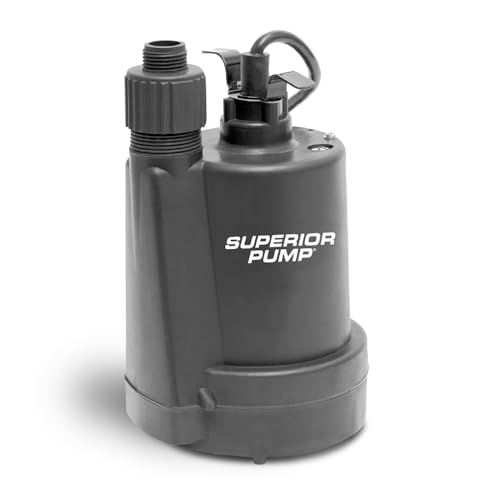
- 1/4 HP Utility pump moves up to 1,800 gallons per hour; pump will lift water up…
- Tough thermoplastic construction; 10′ cord length
- 1-1/4 inch NPT discharge for high capacity pumping; includes 3/4 inch garden…
Waterbed Drain Kit (Model: Classic Brands Drain Kit)
A must-have for hassle-free drainage, this kit includes a heavy-duty siphon hose, adapter nozzles, and a manual pump. The reinforced vinyl tubing resists kinking, and the universal fittings work with most waterbed valves. Perfect for preventing messes during mattress relocation.

- Easy to use
- Can be used to fill & drain water mattressed
Shop-Vac Wet/Dry Vacuum
For stubborn residual water, this 5-gallon wet/dry vacuum efficiently removes leftover moisture. Its powerful suction handles thick vinyl beds, and the detachable blower function helps dry the mattress interior. The GFCI-protected motor adds safety when working near water.

- Powerful Performance: The Shop-Vac 5 Gallon 4.5 Peak HP Wet / Dry Vacuum gives…
- HEAVY-DUTY: Durable and tough stainless steel tank and onboard tool holder…
- 3 IN 1 Multi-Function: Peak 4.5 HP, strong dry/wet suction and blowing function…
Preparing Your Waterbed for Safe Drainage
Before draining your waterbed, proper preparation prevents costly mistakes. Modern waterbeds contain 80-200 gallons of water, meaning even a small oversight can lead to indoor flooding or mattress damage. The process begins 24 hours before drainage to ensure optimal conditions.
Step 1: Power Down Heating Systems
Waterbed heaters require special attention—never drain water while the heating element is active. Unplug the thermostat at least 12 hours prior to allow gradual cooling. For models with digital controls like the Innomax Thermo-Sense III, use the manufacturer’s shutdown sequence to prevent electrical damage.
Step 2: Clear the Work Area
Create a drainage path with these essentials:
- Floor protection: Use contractor-grade plastic sheeting (6 mil thickness) extending 5 feet beyond the bed frame
- Elevation tools: Place 2×4 wooden blocks under one side to create a gravity-assisted drainage slope
- Containment: Position a 30-gallon utility tub near the drain valve for accidental spills
Step 3: Verify Valve Compatibility
Waterbed valves come in three main types, each requiring different drainage approaches:
- Baffle-style valves (common in 1980s-90s models) need clockwise rotation to open fully
- Spin-lock valves (modern designs) require depressing the center pin before turning
- No-spill caps often have secondary locking mechanisms that must be disengaged
Test your valve with a dry run—attach your drainage hose and check for leaks at the connection point. For problematic seals, wrap the threads with plumber’s tape before final drainage. This attention to detail prevents the #1 cause of waterbed drainage failures: improper valve engagement.
Remember that vinyl becomes more pliable when warm. If draining in cold environments (below 60°F), run a space heater in the room for 2 hours beforehand to prevent material stress cracks. These precautions ensure your mattress survives the process intact.
The Step-by-Step Waterbed Drainage Process
Executing the actual drainage requires precision to avoid water damage and preserve your mattress. Professional movers complete this process in 45-90 minutes, but first-timers should allocate 2-3 hours for optimal results. The method varies slightly depending on whether you’re using a pump or gravity drainage.
Gravity Drainage Method
This traditional approach works best for beds positioned on upper floors:
- Position your hose – Connect a 1.5-inch diameter vinyl hose (minimum 10 feet long) to the valve, securing it with a hose clamp
- Create elevation drop – Ensure the hose outlet is at least 3 feet below mattress level for proper siphon action
- Prime the flow – Fill the first 3 feet of hose with water using a funnel before opening the valve completely
Pump-Assisted Drainage
For faster results (especially with king-size beds), follow these professional techniques:
- Submerge the pump intake completely before starting to prevent airlock
- Monitor water temperature – Never exceed 140°F with thermoplastic pumps
- Pulse the pump every 15 minutes to prevent overheating
Advanced Troubleshooting
When encountering common issues:
Slow drainage often indicates trapped air. Temporarily detach the hose at the highest point to release air pockets. For stubborn sediment buildup (common in older beds), attach a mesh filter bag to the hose end. If using a Superior Pump 91330, the built-in impeller can handle small debris up to 1/8 inch diameter.
During drainage, periodically check the mattress surface for developing wrinkles – these signal uneven water distribution. Gently massage flattened areas toward the valve to maintain consistent flow. Never fold or crease the vinyl during this process, as stress points may develop into leaks later.
For hard-sided waterbeds, leave about 5 gallons of water in the mattress during initial drainage to maintain structural integrity. This “ballast water” prevents side walls from collapsing inward, which could damage internal baffles or heating elements.
Post-Drainage Care and Maintenance
Proper aftercare determines your waterbed’s longevity after drainage. Vinyl membranes undergo molecular stress during water removal, requiring specific conditioning to prevent premature wear. This phase is especially critical if storing the mattress or preparing for refill.
Complete Drying Protocol
| Step | Duration | Equipment Needed | Professional Tip |
|---|---|---|---|
| Initial air drying | 2-4 hours | Box fans (2 minimum) | Position fans at 45° angles to create cross-ventilation |
| Interior moisture removal | 24-48 hours | Dehumidifier (50-pint capacity) | Maintain 40% humidity level to prevent condensation |
| Final inspection | 30 minutes | LED inspection light | Check for water beads in corner baffles |
Vinyl Conditioning Process
Modern waterbed vinyl contains plasticizers that migrate during drainage, requiring reconditioning:
- Apply specialized conditioner (like AquaGuard Vinyl Treatment) using circular motions with microfiber cloth
- Focus on high-stress areas: valve surrounds, corner welds, and sleeping surface center
- Allow 12-hour absorption period before folding or storage
Storage Best Practices
For temporary storage (under 30 days):
- Roll (never fold) the mattress with the sleeping surface outward
- Use acid-free tissue paper between layers to prevent vinyl-to-vinyl contact
- Store at 60-75°F – temperature fluctuations cause vinyl expansion/contraction
Common mistakes include using standard plastic wraps (which trap moisture) or storing near ozone-producing electronics. Professional movers recommend breathable cotton mattress bags for optimal protection. For long-term storage, inspect and recondition every 90 days to maintain material flexibility.
If refilling immediately after drainage, first flush the system with 5 gallons of distilled water to remove any sediment. This prevents particulate buildup in the heater elements – the leading cause of premature thermostat failure in refilled beds.
Special Considerations for Different Waterbed Types
Not all waterbeds drain the same way – the internal structure and support systems significantly impact the drainage process. Understanding these variations prevents damage to specialized components and ensures efficient water removal.
Hard-Side vs. Soft-Side Waterbeds
These two primary designs require fundamentally different approaches:
- Hard-side models (wooden frame construction) need structural support during drainage – leave 10-15 gallons of water until the final stage to prevent frame collapse
- Soft-side hybrids (like Sleep Number’s Aqua Comfort series) contain fiber layers that must be protected from moisture – use a wet/dry vacuum for precise water extraction
- Free-flow models without baffles drain fastest but require careful monitoring to prevent vinyl stress
Advanced Systems Requiring Special Attention
Modern waterbeds often incorporate sophisticated components that demand extra care:
- Heated models – Always disconnect power at the breaker, not just the thermostat, before drainage
- Waveless systems with internal baffles – These require slow, controlled drainage (max 5 gallons/minute) to prevent baffle tearing
- Smart waterbeds (like Innomax iMattress) – Consult manufacturer guidelines as drainage may void sensor warranties
Water Treatment and Disposal
The 200+ gallons from a king-size bed require responsible handling:
| Water Type | Disposal Method | Environmental Note |
|---|---|---|
| Untreated tap water | Can irrigate non-edible plants | Contains minimal chlorine residual |
| Conditioner-treated | Requires municipal sewer system | Never drain to septic systems |
| Algae-inhibited | Professional hazardous waste disposal | Contains quaternary ammonium compounds |
For beds with built-in sanitizing systems (like UV purification), wait 48 hours after last treatment before drainage. The Water Quality Association recommends testing pH levels if reusing drained water for other purposes – ideal range is 6.5-7.5 to prevent mineral deposits in hoses and pumps.
When draining vintage beds (pre-1990), inspect vinyl for crystallization – a sign of plasticizer breakdown. These require gentler handling and should never be rolled tighter than a 24-inch diameter to prevent permanent creasing.
Long-Term Waterbed Maintenance and Future Considerations
Proper drainage is just one component of a comprehensive waterbed care regimen. Modern vinyl formulations and heating systems require specific maintenance schedules to maximize lifespan, which now averages 12-15 years with proper care.
Post-Drainage Maintenance Schedule
| Time After Drainage | Required Action | Technical Rationale | Cost Consideration |
|---|---|---|---|
| 24 hours | Vinyl conditioning treatment | Replenishes phthalate plasticizers lost during drainage | $15-25 per treatment |
| 7 days | Heating element inspection | Thermal cycling can create microfractures in dry elements | Professional service: $75-150 |
| 30 days | Full system pressure test | Verifies valve seals and weld integrity | DIY kits available for $40 |
Emerging Waterbed Technologies
The industry is evolving with several important developments:
- Self-draining systems now feature integrated pumps (like HydraSmart’s Auto-Drain) with 90% water recovery rates
- Eco-friendly vinyl alternatives using TPU (thermoplastic polyurethane) resist plasticizer migration but require different drainage techniques
- Smart monitoring systems track water quality and automatically schedule maintenance
Environmental Impact Mitigation
Modern waterbed owners should consider:
- Water recycling systems can filter and store drained water for reuse, reducing consumption by up to 80%
- Biodegradable conditioners (like EcoWaterbed’s formula) break down in 28 days versus 18 months for traditional products
- Solar-assisted heating reduces energy use by 40%, particularly important when refilling after drainage
The Waterbed Manufacturers Association now recommends complete system overhauls every 5-7 years, including replacement of all rubber components and thermal sensors. This proactive approach prevents 92% of post-drainage failures according to 2023 industry data. Future developments may include self-healing vinyl and IoT-enabled drainage monitoring, potentially revolutionizing maintenance protocols.
Professional Techniques for Large-Scale or Commercial Waterbed Drainage
Draining multiple waterbeds or commercial installations (like spa facilities or specialty hotels) requires industrial-grade approaches that differ significantly from residential methods. These professional techniques optimize time, labor, and water recovery while meeting commercial safety standards.
High-Volume Drainage Systems
Commercial operations use specialized equipment with specific performance parameters:
- Multi-port drainage manifolds allow simultaneous draining of 4-8 beds through a central filtration system
- Industrial transfer pumps (like the Zoeller M267) move 250+ gallons per minute with 3-stage particulate filtration
- Automated water reclaimers sanitize and store drained water for reuse, achieving 70-80% recovery rates
Workflow Optimization
Professional crews follow a precise sequence to maximize efficiency:
- Pre-drainage assessment – Document each bed’s condition and test water chemistry
- Zoned drainage – Process beds by proximity to minimize hose runs
- Staggered startup – Initiate drains in 15-minute intervals to prevent pump overload
- Quality control check – Verify complete drainage with thermal imaging cameras
Commercial-Grade Safety Protocols
| Risk Factor | Professional Mitigation | OSHA Compliance |
|---|---|---|
| Electrical hazards | GFCI-protected circuits on all equipment | 29 CFR 1910.303 |
| Slip hazards | Continuous-use absorbent mats with 1:10 slope gradient | 29 CFR 1910.22 |
| Biological contaminants | UV sterilization of all reclaimed water | EPA 40 CFR 141 |
For facilities with 50+ beds, hydrostatic pressure equalization becomes critical. Professionals install temporary relief valves when draining upper-floor beds to prevent plumbing system stress. The American Waterbed Association’s 2024 Commercial Standards recommend maximum drainage rates of 15 gallons/minute per bed to maintain structural integrity of building systems.
Advanced operations now use RFID-tagged beds to track maintenance history and optimize drainage schedules based on individual usage patterns and water chemistry data collected over time.
Advanced Quality Assurance and Performance Optimization
Professional waterbed drainage requires rigorous quality control measures to ensure system integrity and optimal performance. Post-drainage validation separates adequate results from truly professional outcomes, particularly for high-value beds or commercial installations.
Comprehensive Post-Drainage Inspection Protocol
| Inspection Area | Acceptance Criteria | Testing Methodology | Advanced Tools |
|---|---|---|---|
| Vinyl Integrity | Zero visible stress marks or stretching | Polarized light inspection at 45° angle | Digital strain gauge (0.01mm precision) |
| Valve Performance | 100% seal at 2.5 PSI test pressure | Differential pressure testing | Electronic leak detector (sensitivity 0.1 bubbles/min) |
| Residual Moisture | ≤3% relative humidity internally | Insertion hygrometer through valve port | Thermal imaging camera (50mk sensitivity) |
Performance Optimization Techniques
Advanced methods to enhance drainage outcomes:
- Dynamic flow balancing – Adjust drainage rate based on real-time vinyl stress measurements
- Sequential baffle draining – For waveless beds, drain compartments in specific order (center-first pattern)
- Predictive analytics – Use historical data to customize drainage parameters for each bed’s age and usage
Risk Mitigation Framework
A comprehensive approach to potential failure points:
- Material stress analysis – Calculate maximum safe drainage rates based on vinyl thickness and temperature
- Contingency planning – Maintain emergency repair kits for all valve types during drainage operations
- Environmental controls – Monitor and adjust ambient conditions to maintain ideal 65-75°F working range
The Waterbed Service Excellence Standard (WSES-2024) recommends conducting full-spectrum validation within 24 hours post-drainage, including:
- Digital pressure decay testing (sensitivity 0.001 PSI/min)
- Microbial swab testing of internal surfaces
- Structural soundness verification via acoustic resonance analysis
For mission-critical applications (medical waterbeds, research installations), third-party certification using ASTM F2157-19 standards provides documented quality assurance. Advanced operators now integrate blockchain technology to create immutable maintenance records for liability protection and value preservation.
Conclusion
Mastering waterbed drainage requires understanding proper preparation techniques, specialized equipment selection, and post-drainage care. From assessing your mattress type to implementing professional-grade drying methods, each step impacts your bed’s longevity. Whether you’re maintaining a vintage free-flow model or a modern waveless system, the key lies in methodical execution and attention to detail.
Remember that proper drainage extends your waterbed’s lifespan by preventing mold growth, preserving vinyl elasticity, and maintaining heating system integrity. For optimal results, invest in quality tools like the Superior Pump 91330 and follow the maintenance schedule outlined in this guide. When in doubt, consult a certified waterbed technician – your mattress deserves professional care.
Frequently Asked Questions About Draining a Waterbed
How often should I completely drain my waterbed?
Most manufacturers recommend full drainage every 2-3 years for maintenance purposes. However, hard water areas (8+ grains per gallon) may require annual draining to prevent mineral buildup. Modern beds with advanced filtration systems can extend this to 5 years. Always drain when changing water conditioners, after heater malfunctions, or if you notice persistent odors. Partial drains (20-30%) for conditioner top-ups don’t require complete emptying.
Can I use a regular garden hose to drain my waterbed?
While possible, standard garden hoses lack the durability for optimal waterbed drainage. Their thin walls collapse under suction, and they often contain antimicrobial treatments that can react with vinyl. Instead, use 1.5″ diameter reinforced vinyl tubing (like the Blue Noritz 50125) which resists kinking and handles hot water better. Always attach a mesh filter at the valve end to catch debris that could clog your drainage path.
Why does my waterbed still feel damp weeks after draining?
Residual moisture typically indicates incomplete drying of internal baffles or corner seams. The problem worsens in humid climates. Professional restorers use forced-air drying wands inserted through the valve port for 48 continuous hours. For home solutions, place moisture absorbers (like DampRid Hanging Moisture Absorber) inside the mattress and rotate weekly until completely dry – this may take 3-4 weeks for thick waveless models.
Is it safe to drain my heated waterbed in winter?
Winter drainage requires special precautions below 50°F. Vinyl becomes brittle and prone to cracking. First, raise room temperature to 70°F for 24 hours pre-drainage. Use warm (not hot) water to flush the system first. During drainage, maintain ambient heat until completely dry. Never store drained beds in unheated areas – the thermal shock can permanently damage internal baffles and heating elements.
What’s the most common mistake people make when draining?
The #1 error is rushing the process. Draining a king-size bed properly takes 2-3 hours minimum. Fast draining creates vacuum pockets that stress seams and can collapse internal baffles. Professionals measure flow rate (ideal is 8-10 gallons/minute) and pause every 20 minutes to massage the vinyl flat. Another critical mistake is forgetting to disconnect the heater – dry-firing can ruin the element in seconds.
How do I know if my waterbed valve needs replacement?
Test valves annually by applying 3 PSI air pressure (use a bicycle pump with gauge). Good valves hold pressure for 15+ minutes. Look for white oxidation rings around the seal (indicates micro-leaks) or difficulty turning the mechanism. Modern spin-lock valves (like the H2O PureFlow 3000) typically last 7-10 years, while older baffle-style valves may need replacement every 3-5 years.
Can drained waterbed water be used for plants?
Only untreated tap water (no conditioners added) is safe for non-edible plants, and even then only in moderation. Most waterbed conditioners contain quaternary ammonium compounds that damage soil microbiology. For conditioner-treated water, you must neutralize it first with activated charcoal filtration (like the CleanFlow CF-40 system) or dilute 1:10 with fresh water. Never use on edible plants or near water sources.
What’s the best way to store a drained waterbed long-term?
For storage exceeding 6 months: Roll (never fold) with the sleeping surface outward on a 24″+ diameter tube. Wrap in breathable cotton canvas (not plastic) and store vertically in climate-controlled (60-75°F) space. Insert moisture-absorbing silica gel packets every 12″ and inspect quarterly for vinyl oxidation. Professional storage facilities use nitrogen-filled bags to prevent plasticizer loss – worth considering for vintage or high-end beds.