
Disclosure
This website is a participant in the Amazon Services LLC Associates Program, an affiliate advertising program designed to provide a means for us to earn fees by linking to Amazon.com and affiliated sites.
Choosing the right mattress topper thickness for your child is crucial for their comfort and spinal health. A proper topper supports restful sleep and healthy growth during these formative years.
Children’s needs differ from adults, requiring a balance of cushioning and firm support. The ideal thickness often depends on their sleeping position, age, and the existing mattress firmness.
Is Your Child’s Mattress Causing Restless Nights and Morning Aches?
A too-thin or too-hard mattress can disrupt a child’s sleep, leading to fatigue and discomfort. The Linenspa Memory Foam Topper adds a protective, pressure-relieving layer that cradles their growing body. It transforms an unforgiving mattress into a supportive, cloud-like surface, ensuring they get the deep, restorative sleep they need to thrive.
For a balance of comfort and support, choose: Linenspa Memory Foam Mattress Topper

- PRESSURE RELIEVING MEMORY FOAM: Plush gel infused memory foam conforms to your...
- COOLING GEL INFUSIONS: This topper is infused with a cooling gel that helps...
- MULTIPLE PROFILE OPTIONS: Choose your own level of comfort with a plush 2-inch...
Key Factors for Selecting the Best Topper Thickness for Your Child
Choosing the correct mattress topper thickness involves more than just comfort. It requires balancing support, safety, and your child’s unique developmental needs. This section breaks down the primary considerations to guide your decision.
Age and Weight Guidelines
A child’s age and weight are the most critical starting points for determining topper thickness. A thicker pad isn’t always better, as it can compromise the support of the underlying mattress. The goal is to add comfort without creating a sinkhole effect.
- Infants & Toddlers (0-3 years): For safety and firmness, a very thin topper (1 inch or less) is recommended, if used at all. The crib mattress must remain firm to reduce SIDS risk.
- Young Children (4-8 years): A low-profile topper between 1 to 2 inches is ideal. It provides gentle pressure relief for growing joints while maintaining adequate spinal alignment.
- Tweens & Teens (9+ years): Children in this range can typically use a standard 2 to 3-inch topper, similar to adult recommendations, especially if they are closer to adult weight.
Matching Thickness to Sleep Position and Mattress Type
Your child’s preferred sleeping position directly impacts the ideal topper thickness. Furthermore, the existing mattress condition dictates how much additional padding is necessary.
For instance, a side-sleeper needs more cushioning for the hips and shoulders than a back-sleeper. A 2-inch memory foam topper can offer excellent contouring for side sleepers. Conversely, a back or stomach sleeper often benefits from a firmer, 1.5-inch latex topper to prevent the spine from sagging.
Consider the current mattress. A very firm, new mattress may only need a 1.5-inch topper for slight softening. An older, sagging mattress might require a thicker 3-inch topper to effectively bridge dips and provide a new, supportive surface.
- Ages 0-3: 1″ max for safety; prioritize a firm sleep surface.
- Ages 4-8: 1″ to 2″ for balanced cushioning and support.
- Ages 9+: 2″ to 3″, adjusting based on weight and sleep position.
Material Types and How They Affect Topper Thickness for Kids
The material of a mattress topper significantly influences its feel and the ideal thickness. Different foams and fibers provide varying levels of support and pressure relief. these materials helps you choose the right profile for your child’s comfort.
Comparing Memory Foam, Latex, and Fiber Toppers
Each material has distinct properties that interact with thickness. Memory foam contours closely, latex offers buoyant support, and fiberfill provides a plush, traditional feel. The density of the material is as important as its thickness for proper support.
- Memory Foam: Opt for a medium-density, 2 to 3-inch topper for the best contouring without excessive sink. Thinner than 2 inches may not provide adequate pressure point relief for side sleepers.
- Latex (Natural or Synthetic): A 2-inch latex topper often provides sufficient resilient support. It is naturally supportive, so a thicker 3-inch version can be too firm for lighter children.
- Fiberfill or Down Alternative: These toppers are often fluffier and can range from 2 to 4 inches. They compress more easily, so a thicker option may be needed to achieve a noticeable softness.
Step-by-Step Guide to Testing and Finalizing Your Choice
Once you’ve narrowed down material and thickness, a practical test is essential. This process ensures the topper works with your child’s mattress and body. Follow these steps to make a confident final decision.
- Check Return Policies: Always purchase from retailers with a generous sleep trial or return window. This allows for an in-home test without risk.
- Simulate Sleep Conditions: Have your child lie on their bed with the new topper for at least 15-20 minutes in their typical sleep position. Observe if their spine remains in a neutral alignment.
- Assess Over Several Nights: Comfort perception changes. Allow for a few nights of adjustment to see if any initial firmness softens or if pressure points develop.
| Material | Recommended Thickness | Best For |
|---|---|---|
| Memory Foam | 2″ – 3″ | Pressure relief, side sleepers |
| Latex | 2″ | Supportive, cool sleep |
| Fiberfill | 3″ – 4″ | Plush, budget-friendly softness |
Safety Considerations and Special Needs for Child Mattress Toppers
Beyond comfort, safety is the paramount concern when adding a topper to your child’s bed. The right thickness and material choice can mitigate risks and address specific health requirements. This section covers essential safety protocols and adaptations for special circumstances.
Ensuring Safe Sleep: Firmness and Fit Standards
A mattress topper must never compromise the safe sleep environment, especially for younger children. The primary risks involve soft surfaces, loose fitting, and potential overheating. Adhering to firmness guidelines is non-negotiable for infants and toddlers.
- Firmness is Critical: For children under 3, the sleep surface must remain very firm to prevent suffocation hazards and promote airway alignment. Use only a very thin, firm topper or none at all.
- Secure Fit is Mandatory: Ensure the topper has deep pockets or straps to secure it tightly to the mattress. A shifting or bunching topper creates entrapment risks and uneven sleep surfaces.
- Breathability and Temperature: Thicker, denser memory foam can retain heat. Look for toppers with gel infusions or breathable covers, and ensure room temperature is cool for safe sleep.
Choosing Topper Thickness for Allergies and Medical Conditions
Children with allergies, asthma, or orthopedic issues require tailored topper decisions. The thickness and material directly impact allergen barriers and therapeutic support. Consulting a pediatrician or allergist is always recommended for specific medical advice.
For allergy sufferers, a 2 to 3-inch topper with a certified hypoallergenic and dust mite-resistant barrier cover is essential. The thickness should be sufficient to fully encase with a protective cover without compromising fit. Natural latex is often resistant to mold and dust mites, making it a good choice.
Children with conditions like juvenile arthritis may benefit from a pressure-relieving 3-inch memory foam topper. Conversely, a child needing very firm orthopedic support might use a thinner, 1.5-inch high-density latex topper to add slight cushioning without losing prescribed firmness.
- Verify Firmness: Press on the center and edges of the made bed. It should quickly spring back without conforming deeply to your hand’s shape.
- Check Certifications: Look for CertiPUR-US® for foam (low VOC emissions) or OEKO-TEX® for fabrics to ensure non-toxic materials.
- Assess the Cover: Ensure it is removable, machine-washable, and provides a tight, secure fit over the entire topper and mattress.
Practical Tips for Buying and Maintaining Your Child’s Mattress Topper
Making a smart purchase and ensuring the topper lasts requires practical knowledge. From budgeting to care, these final tips help you maximize value and longevity. A well-maintained topper provides consistent support throughout your child’s growth stages.
Budgeting and Where to Buy the Right Topper Thickness
Topper prices vary widely based on material, thickness, and brand. Setting a realistic budget helps narrow choices without sacrificing key features like safety certifications. Knowing where to shop can also lead to better deals and return policies.
- Set a Price Range: Fiberfill toppers are generally the most budget-friendly, while natural latex is a premium investment. Memory foam offers a mid-range option with good value.
- Shop with Trials: Prioritize retailers offering at least a 30-night sleep trial. This is crucial for testing thickness and comfort in your home environment risk-free.
- Read Verified Reviews: Focus on reviews from parents with children in a similar age and weight range. Look for comments on how the topper’s feel changed over time.
Care Instructions to Preserve Support and Hygiene
Proper maintenance is essential for hygiene and to prevent the topper from breaking down prematurely. Care routines differ by material but universally protect your investment. Consistent care also controls allergens and maintains a healthy sleep surface.
Most toppers require a protective, waterproof, and breathable cover. This barrier prevents spills, stains, and dust mites from reaching the core material. Wash this cover weekly in hot water to eliminate allergens and bacteria effectively.
For the topper itself, regular airing and spot cleaning are key. Every few months, remove the cover and let the topper air out in a well-ventilated room. For accidental spills, always follow the manufacturer’s spot-cleaning instructions to avoid damaging the internal materials.
- Weekly: Wash the protective mattress topper cover in hot water.
- Monthly: Rotate the topper 180 degrees to ensure even wear and support.
- Seasonally: Air out the topper (without cover) for several hours in a dry, shaded space.
- As Needed: Spot clean immediately with a mild detergent and cold water; never soak the topper core.
Common Mistakes to Avoid When Choosing Topper Thickness for Kids
Selecting the wrong mattress topper can lead to discomfort, poor sleep, and even safety issues. Being aware of frequent pitfalls helps parents make more informed decisions. Avoiding these errors ensures the topper enhances, rather than hinders, your child’s rest.
Overlooking the Base Mattress Condition
A topper is designed to refresh a mattress, not replace a broken one. Adding a thick topper to a severely sagging or damaged mattress is a common and costly error. The underlying support system must be fundamentally sound.
- Masking vs. Solving: A 4-inch topper may temporarily hide dips, but it cannot correct a broken-down mattress core. This can lead to improper spinal alignment over time.
- Check for Sagging: Before shopping, place a straight edge on the mattress. If there is a dip deeper than 1.5 inches, consider replacing the mattress instead.
- Match Support Levels: A very soft mattress paired with a soft, thick topper creates a “hammock effect” that lacks necessary support for growing spines.
Prioritizing Thickness Over Density and Material Quality
Many buyers focus solely on inches, neglecting the material’s density and quality. A thick, low-density foam topper will flatten quickly, losing its supportive properties. Density, measured in pounds per cubic foot (PCF), is a key indicator of durability.
For memory foam, a density of at least 3 PCF is recommended for children’s toppers to ensure it retains its shape. A high-quality 2-inch topper with proper density will outlast and outperform a cheap 4-inch topper every time. Always review product specifications for density ratings before comparing thickness.
Similarly, a lofty fiberfill topper may feel luxuriously thick initially but will compress significantly within months. Investing in a moderate thickness of a higher-quality material provides better long-term value and consistent support.
- Assess the Mattress First: Ensure the base mattress is structurally sound and not excessively sagging.
- Research Density: For foam, choose a density of 3 PCF or higher for lasting support, regardless of thickness.
- Consider Total Height: Ensure the combined mattress and topper height is safe for your child to get in and out of bed easily.
- Beware of “Too Soft”: If your child sinks deeply and their spine is not aligned, the topper is too soft or thick for their weight.
Answering Top Parent Questions on Kids’ Mattress Topper Thickness
Parents often have specific, practical questions when shopping for a child’s mattress topper. Addressing these directly helps clarify common concerns and guides final purchasing decisions. This section provides clear answers based on safety standards and sleep science.
How Often Should I Replace My Child’s Mattress Topper?
A mattress topper is not a permanent fixture and wears out over time. Replacement frequency depends on material quality, usage, and your child’s growth. Recognizing signs of wear is crucial for maintaining proper support.
- General Timeline: Plan to replace a topper every 2 to 3 years for a growing child. High-quality latex may last 3-5 years, while fiberfill compresses faster.
- Key Wear Indicators: Visible permanent indentations, loss of resilience, and failure to bounce back are clear signs. If the topper no longer feels supportive, it’s time for a new one.
- Growth Spurts: A significant increase in your child’s height or weight is a good prompt to reassess if the current thickness and firmness are still appropriate.
Can a Topper Help a Child Who Frequently Tosses and Turns?
Excessive movement can indicate discomfort from pressure points or an unsuitable sleep surface. The right topper can improve sleep quality by providing better pressure relief and temperature regulation.
A 2 to 3-inch gel-infused memory foam topper can minimize tossing by contouring to the body and reducing pressure. This material limits motion transfer, which can also be beneficial if the child shares a bed. However, ensure the topper is not so soft that it impedes easy movement during the night.
Alternatively, a responsive latex topper provides a buoyant feel that may suit active sleepers who change positions often. It offers support without the “sinking in” sensation some children find restrictive. Observing your child’s sleep after adding a topper will show if it reduces restlessness.
Consider a topper on the thicker end of the recommended range (e.g., 3 inches) in these scenarios:
- The existing mattress is extremely firm and new.
- Your child is a dedicated side sleeper needing hip/shoulder relief.
- You are using a fiberfill material for a plush feel.
- Your child is a tween/teen approaching adult weight.
Opt for a thinner topper (1-2 inches) for toddlers, back/stomach sleepers, or to add only slight softening to a mattress.
Final Recommendations: Choosing the Best Topper Thickness by Age Group
Bringing all the factors together, these final recommendations provide a clear, practical guide. Selecting the optimal topper thickness becomes straightforward when you focus on your child’s specific developmental stage. These guidelines prioritize safety, support, and comfort in balance.
Best Topper Thickness for Toddlers and Preschoolers
For this young age group, safety and firm support are the absolute priorities. The goal is to add a minimal layer of comfort without creating a soft, plush sleep surface. The existing crib or toddler mattress should provide the primary structural support.
- Ages 1-3 (Toddler Beds): A maximum of 1-inch thickness is advised. Use only a firm, breathable material like a thin cotton or wool pad if any topper is used at all.
- Ages 3-5 (Preschool): A 1 to 1.5-inch topper is suitable. Look for supportive materials like a low-profile latex or firm memory foam to maintain a stable sleep surface.
- Critical Rule: Always ensure the fitted sheet secures tightly over both mattress and topper to prevent any loose fabric hazards.
Ideal Topper Thickness for School-Age Children and Teens
As children grow, their sleep needs evolve to require more personalized comfort and pressure relief. This is when topper thickness can be increased to address specific preferences and body changes. The focus shifts to enhancing sleep quality for active, growing bodies.
For school-age children (6-12), a 2-inch topper is often the ideal sweet spot. It provides noticeable cushioning for side and back sleeping without sacrificing the supportive feel of the mattress. A medium-firm memory foam or latex topper works well in this range.
For teenagers (13+), adult guidelines generally apply. A 2 to 3-inch topper is recommended, chosen based on their sleep position and weight. A teen who is a side sleeper may prefer a 3-inch memory foam, while an athletic back-sleeper might choose a 2-inch latex topper for firmer support.
- Identify Age & Weight: Start with the baseline thickness recommendation for your child’s age group.
- Consider Sleep Style: Adjust thickness up slightly for side sleepers, down for back/stomach sleepers.
- Evaluate the Mattress: Factor in the current mattress’s firmness and condition to finalize thickness.
- Choose Quality Material: Select a supportive material with appropriate density for long-term performance.
- Verify Safety & Fit: Ensure the final setup is firm, secure, and uses a breathable, washable cover.
Best Recommended Mattress Toppers for Kids
Based on the factors of thickness, material, and safety, these three toppers are excellent options for different needs and budgets. Each provides a specific benefit, from premium cooling to exceptional value. Consider your child’s age, sleep position, and your primary goal when choosing.
Tempur-Pedic TEMPUR-Adapt + Cooling 3-Inch Twin XL Mattress Topper – Best Premium Cooling Topper
This premium 3-inch topper offers superior pressure-relieving TEMPUR material with a cool-to-touch cover. Ideal for teens or hot sleepers needing deep contouring and temperature regulation. Its 3-inch profile provides excellent cushioning for side sleepers.

- COOLING 3-INCH TWIN XL TOPPER: TEMPUR-Adapt + Cooling topper is ideal for...
- SOFTEST TEMPUR MATERIAL: 3-inches of exclusive TEMPUR-ES Material precisely...
- WASHABLE COOLING COVER: Premium knit cooling cover provides cool-to-the-touch...
Sweetcrispy Memory Foam Mattress Topper – Best Value Memory Foam
This affordable option features a 2-inch thickness and CertiPUR-US certified memory foam. It’s an ideal mid-range choice for school-age children, providing balanced support and comfort. The breathable cover enhances airflow for a cooler sleep.
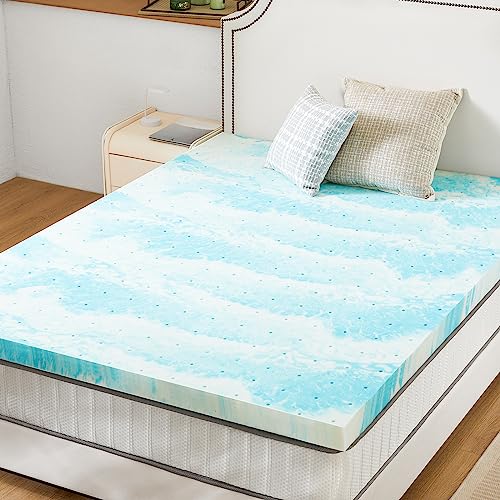
- ENHANCED COMFORT - With this memory foam mattress topper, say goodbye to...
- IMPROVED AIRFLOW - The gel infusion in this mattress pad helps to dissipate heat...
- VERSATILE USE - Whether you use it on your bed, sofa, or even in your RV, this...
SINWEEK Mattress Topper Twin XL – Best Firm Support Topper
This topper combines a 2-inch gel memory foam layer with a 1-inch high-density support foam base. The unique dual-layer design offers contouring on top with firm support underneath, making it ideal for back sleepers or children needing more structured alignment.

- GEL MEMORY FOAM MATERIAL: Our memory foam mattress topper readily conforms to...
- MORE COMFORTABLE SLEEP: The gel memory foam material used in our mattresses...
- SOFT BUT NOT FOLDABLE: our mattress is soft, do not roll up and store too long...
Conclusion
Selecting the right mattress topper thickness for your child is a key decision that impacts their sleep quality and spinal health. By considering age, weight, sleep position, and material, you can find the perfect balance of comfort and support.
The ideal topper enhances the existing mattress without compromising safety. Prioritizing quality and proper fit will ensure your child enjoys restful, supportive sleep throughout their growing years.
Frequently Asked Questions about How To Choose Topper Thickness For Kids
What is the safest mattress topper thickness for a toddler?
For toddlers, safety requires a very firm sleep surface. The safest option is no topper at all. If used, choose a very thin, breathable pad no thicker than 1 inch.
This minimal thickness prevents any risk of suffocation or excessive sinking. Always ensure the fitted sheet is tight and the topper is secured to the mattress to eliminate gaps or loose fabric.
Can a mattress topper help my child with back pain?
A topper can help if the pain stems from pressure points or a mattress that is too firm. A 2 to 3-inch memory foam topper can provide better contouring and alignment.
However, if the mattress itself is sagging, a topper may worsen the problem. For chronic pain, consult a pediatrician to rule out underlying issues before relying on a topper as a solution.
How do I know if a topper is too soft for my child?
Observe your child’s spine when they lie down. If their hips and shoulders sink deeply while their lower back arches or sags, the topper is too soft. Their body should remain in a relatively straight line.
Another sign is if they struggle to roll over or change positions easily. A topper that is too soft can feel restrictive and fail to provide the necessary support for growing bones.
Is a thicker mattress topper always better for kids?
No, thicker is not always better. Excessive thickness can compromise the supportive feel of the underlying mattress, leading to poor spinal alignment. It can also pose a safety risk for younger children.
The ideal thickness is the minimum needed to achieve the desired comfort and pressure relief. For most school-age children, 2 inches is sufficient, while teens may benefit from up to 3 inches.
Do I need a special topper for a child with allergies?
Yes, selecting a hypoallergenic topper is crucial. Look for materials like natural latex or memory foam with CertiPUR-US certification, which have low VOC emissions and are resistant to dust mites.
Pair the topper with an allergen-proof, zippered encasement. This creates a complete barrier, and you should wash the topper’s removable cover weekly in hot water to control allergens effectively.
How does my child’s sleeping position affect topper thickness choice?
Side sleepers need more cushioning for their hips and shoulders, often benefiting from a 2.5 to 3-inch topper. Back and stomach sleepers require firmer support to keep the spine neutral, typically with a 1.5 to 2-inch topper.
Observe their dominant position. A topper that is too thick for a back sleeper can cause the lower back to sag, while one that is too thin for a side sleeper may not relieve pressure adequately.