
Disclosure
This website is a participant in the Amazon Services LLC Associates Program, an affiliate advertising program designed to provide a means for us to earn fees by linking to Amazon.com and affiliated sites.
Choosing the right mattress topper density is crucial for heavy sleepers seeking proper support and pressure relief. The correct firmness prevents sagging and aligns the spine.
For individuals over 230 pounds, a high-density foam topper, typically 4 pounds per cubic foot or higher, is often essential. This density provides the deep compression support needed to maintain mattress integrity and comfort throughout the night.
Is Your Mattress Topper Sinking Under Your Weight, Leaving You Aching and Unsupported?
Heavy sleepers often find standard toppers quickly compress, losing support and causing pressure points. The Tempur-Pedic TEMPUR-Adapt + Cooling 3-Inch Topper solves this with high-density, weight-adaptive TEMPUR material that provides deep, contouring support without bottoming out, while its cooling cover regulates temperature for a more restful sleep.
For unmatched pressure relief and durable support, choose: Tempur-Pedic TEMPUR-Adapt + Cooling 3-Inch Twin XL Mattress Topper

- COOLING 3-INCH TWIN XL TOPPER: TEMPUR-Adapt + Cooling topper is ideal for...
- SOFTEST TEMPUR MATERIAL: 3-inches of exclusive TEMPUR-ES Material precisely...
- WASHABLE COOLING COVER: Premium knit cooling cover provides cool-to-the-touch...
Mattress Topper Density for Heavy Sleepers
For heavier individuals, selecting the correct topper density is the most critical factor for comfort and support. It directly impacts pressure relief, spinal alignment, and the longevity of your sleep setup. A topper that is too soft will compress fully, offering no benefit.
What Does Density Mean for Support?
Density refers to the weight of one cubic foot of foam material. This is different from firmness, which is a feel. A high-density foam can be engineered to feel medium-firm or plush, but it will always offer superior support.
- Low Density (Under 3 PCF): Often feels soft initially but breaks down quickly under higher weight. It is not recommended for anyone over 200 pounds.
- Medium Density (3-4 PCF): A good option for average-weight sleepers, but may still compress too much for heavier individuals over time.
- High Density (4-5 PCF+): The ideal range for heavy sleepers. This density provides the deep compression support needed to prevent bottoming out and maintain proper posture.
Recommended Density by Sleeper Weight
Your body weight is the primary guide for choosing density. Use this as a practical starting point for your search. Always check the manufacturer’s specifications for weight limits.
| Sleeper Weight | Recommended Density | Why It Works |
|---|---|---|
| 200 – 250 lbs | 4.0 – 5.0 PCF | Provides necessary resistance to sagging and offers durable support. |
| 250+ lbs | 5.0 PCF or Higher | Ensures the topper will not fully compress, maintaining its supportive properties for years. |
Now that you understand the importance of density, the next step is to match it with the right material. For instance, a high-density memory foam topper will contour closely, while a high-density latex topper offers more buoyant support.
Choosing the Best Mattress Topper Material for Heavy People
Material choice works hand-in-hand with density to define your sleep experience. The right combination ensures lasting comfort and prevents the topper from degrading under pressure. Heavy sleepers should prioritize materials known for durability and deep support.
High-Density Memory Foam Toppers
Memory foam is a top contender due to its excellent pressure relief and contouring. For heavy sleepers, a high-density memory foam topper (4-5 PCF) is essential to avoid excessive sinkage. It slowly molds to your body, alleviating pressure points at the hips and shoulders.
- Pros: Superior pressure relief, minimizes motion transfer, contours closely to the body.
- Cons: Can retain heat; look for gel-infused or open-cell options for better cooling.
- Best For: Side sleepers and combination sleepers who need targeted cushioning for joints.
Durable Latex Toppers for Support
Latex offers a more responsive and buoyant feel compared to memory foam. Natural or blended latex toppers with high density provide exceptional support for heavier individuals without the deep sink. They are naturally cooler and more breathable.
- Pros: Responsive support, excellent durability and cooling, naturally hypoallergenic.
- Cons: Often more expensive, can feel too firm for some, less contouring than memory foam.
- Best For: Back and stomach sleepers, or anyone who dislikes the “stuck” feeling of memory foam.
What About Hybrid or Fiberfill Toppers?
Traditional fiberfill or low-density polyurethane foam toppers are generally not suitable. They lack the internal structure to support higher weights and will flatten quickly. A hybrid topper with a supportive base layer and a comfort top layer can be an option if both layers specify high-density materials.
Step-by-Step Guide to Selecting Your Topper
Armed with knowledge on density and material, you can now make a confident purchase. This practical guide walks you through the key decisions. Following these steps ensures you invest in a topper that truly improves your sleep.
1. Assess Your Current Mattress and Sleep Position
First, identify what you need the topper to correct. Is your mattress too firm, causing pressure points, or is it sagging? Your primary sleep position dictates the level of cushioning required for proper alignment.
- For a Sagging Mattress: Choose a firmer, high-density topper to add a new support layer on top of the compromised base.
- For a Too-Firm Mattress: Select a medium-firm topper with good pressure relief, like high-density memory foam, to add cushioning without sacrificing support.
- Side Sleepers: Often need a thicker (3-inch) topper for hip and shoulder cushioning. Back and stomach sleepers may prefer a thinner (2-inch), more supportive option.
2. Measure and Verify Product Specifications
Never rely on marketing terms like “firm” or “supportive” alone. You must check the technical details in the product specifications or contact the manufacturer directly. This is the most crucial step for heavy sleepers.
- Confirm Density: Look explicitly for the density rating in pounds per cubic foot (PCF). Ensure it meets the 4.0 PCF+ guideline.
- Check Weight Limit: Many toppers list a maximum weight capacity. Ensure this limit accommodates your weight, not just the mattress size.
- Review Return Policy: A generous sleep trial allows you to test the topper’s support in your own home, risk-free.
3. Prioritize Cooling Features and Durability
High-density materials can sometimes sleep warmer. Look for integrated cooling technologies to enhance comfort. Your investment should also last for several years without degrading.
Seek out features like gel infusion, open-cell foam structures, or breathable covers. Read reviews from other heavy sleepers to gauge real-world durability and long-term performance beyond the break-in period.
Common Mistakes Heavy Sleepers Make When Buying a Topper
Avoiding common pitfalls can save you money and frustration. Many well-intentioned purchases fail because of a few key oversights. Learning from these errors ensures you get the support you pay for.
Choosing Thickness Over Density
The biggest mistake is equating thickness with support. A thick, low-density topper will feel plush initially but will compress completely under weight. This provides no structural benefit and can even worsen spinal alignment.
- The Reality: A 2-inch high-density (5 PCF) latex topper will often provide more lasting support than a 4-inch low-density (2.5 PCF) memory foam topper for a heavy person.
- The Fix: Prioritize the density rating first. Then, select a thickness (2-3 inches is standard) that suits your sleep position and comfort needs.
Ignoring the Base Mattress Condition
A mattress topper is a comfort layer, not a structural fix for a broken-down mattress. Placing a high-quality topper on a severely sagging or damaged mattress is ineffective. The underlying lack of support will undermine the topper’s performance.
Overlooking Edge Support and Topper Shift
Many mattress toppers lack reinforced edges, which can compress significantly when you sit or sleep near the side. This can make getting in and out of bed difficult. Additionally, some lightweight toppers may slide around on the mattress surface.
Look for toppers with non-slip bottoms or fitted skirt designs to prevent shifting. While edge support is less common in toppers, reading reviews can highlight models that perform better in this area for heavier users.
Neglecting the Break-In Period
High-density foams, especially memory foam, require a break-in period of up to 72 hours to fully expand and air out. They may also feel firmer than expected for the first few nights as your body adjusts to the proper support.
Do not judge the topper’s feel on the first night. Allow it to fully expand and use it for at least a week during your trial period to make a fair assessment of its comfort and support level.
Top Recommendations and Product Considerations
Focusing on specific product traits is more valuable than brand names alone. Look for these proven features that cater to higher weight capacities. This approach helps you evaluate any topper on the market effectively.
Essential Features for a Heavy-Duty Topper
Beyond density and material, certain design elements enhance performance and longevity. These features address common pain points like heat retention and stability. They are hallmarks of a product designed for durable support.
- CertiPUR-US® Certified Foam: Ensures the foam is made without harmful chemicals and has low VOC emissions for indoor air quality.
- Open-Cell or Gel-Infused Construction: Critical for temperature regulation, as high-density foam can retain body heat without proper engineering.
- Non-Slip Bottom or Fitted Design: Prevents the topper from sliding on the mattress sheet, a common issue that disrupts sleep.
- Removable, Washable Cover: A must for hygiene and maintenance, especially for toppers that may be used for many years.
Evaluating Firmness Level and Feel
Firmness is subjective, but for heavy sleepers, it must be paired with high density. A “Medium Firm” topper with 5 PCF density will feel supportive, while the same firmness label at 2.5 PCF will feel mushy. Always cross-reference firmness descriptions with the technical specs.
| Target Feel | Material & Density Combo | Expected Result |
|---|---|---|
| Cushioned Contouring | High-Density Memory Foam (4.5+ PCF) | Deep pressure relief with slow, supportive sink. |
| Buoyant, Responsive Support | Dense Latex or Latex Hybrid | Lifts the body with a springy, cooling feel. |
Where to Find Reliable Information
Manufacturer websites are the best source for accurate density and weight limit specs. For real-world performance, seek out detailed video reviews and written testimonials from users who share your body type and sleep concerns. Filter reviews by weight if possible.
Maintaining Your Mattress Topper for Longevity
Proper care extends the life of your investment, ensuring it provides consistent support for years. High-density toppers are durable, but they still require specific maintenance. Following these practices protects your comfort and hygiene.
Regular Cleaning and Protection
A mattress topper is a long-term investment that needs protection from spills, sweat, and allergens. Using the right protectors and cleaning methods is crucial. This prevents premature breakdown of the materials and maintains a healthy sleep environment.
- Use a Waterproof Protector: Place a breathable, waterproof mattress protector directly over the topper. This barrier guards against stains and moisture without compromising the feel.
- Follow Manufacturer Cleaning Instructions: Most foam toppers cannot be machine-washed. Spot clean with mild detergent and air dry thoroughly. Always clean the removable cover according to its label.
- Air It Out Regularly: Every few months, remove bedding and allow the topper to air for several hours. This reduces moisture buildup and helps maintain freshness.
Preventing Sagging and Body Impressions
Even high-density materials can develop permanent impressions over time without proper care. Rotating your topper is the single most effective action you can take to promote even wear and prevent sagging in one spot.
- Rotation Schedule: Rotate your topper 180 degrees (head to foot) every 3-6 months. This ensures weight distribution is even across the entire surface.
- Avoid Folding or Bending: Never fold a memory foam or latex topper for storage, as this can damage the internal cell structure. Roll it loosely if necessary.
- Supportive Foundation: Ensure your topper is on a solid, flat, and supportive mattress base. A sagging box spring or platform bed will undermine the topper’s performance.
Seasonal Care and Storage Tips
If you need to store your topper, ensure it is completely clean and dry. Store it flat in a cool, dry place away from direct sunlight or moisture. Do not place heavy items on top of it during storage, as prolonged compression can damage the foam.
What is the best mattress topper density for a 300-pound sleeper?
For a sleeper at 300 pounds, a density of 5.0 pounds per cubic foot (PCF) or higher is strongly recommended. This ensures the foam has the structural integrity to resist bottoming out. A high-density latex topper or an extra-firm memory foam option would be suitable choices.
Always verify the manufacturer’s stated weight limit, as it should explicitly accommodate your weight. A topper marketed for “heavy-duty” or “extra support” should list these specifications clearly.
Can a mattress topper fix a sagging mattress for a heavy person?
A topper can mask minor sagging by adding a new, flat comfort layer on top. However, it cannot correct the underlying structural failure of a deeply sagging mattress. The lack of foundational support will eventually compromise the topper’s feel and effectiveness.
How thick should a mattress topper be for a heavy side sleeper?
A thickness of 3 inches is generally ideal for a heavy side sleeper. This provides enough material to cushion the hips and shoulders adequately without causing the spine to misalign. Crucially, this thickness must be paired with high density (4.5+ PCF) to prevent the hips from sinking through to the firm mattress below.
Is memory foam or latex better for a heavy sleeper?
Both are excellent if they are high-density. The choice depends on your preferred feel and sleep needs.
- Choose High-Density Memory Foam if you want deep contouring, superior pressure point relief, and minimal motion transfer. Opt for gel-infused versions for cooling.
- Choose Dense Latex if you prefer a more buoyant, responsive feel, better airflow/cooling, and easier movement on the bed. It tends to have a longer lifespan.
Do I need a special bed frame for a heavy-duty mattress topper?
Your topper requires a solid, supportive foundation. A sagging or flexible slat bed frame will undermine its support. Ensure your mattress base (platform bed, bunkie board, or high-quality box spring) is in good condition and rated for the combined weight of the sleepers, mattress, and topper.
Best Recommended Mattress Toppers for Heavy Sleepers
Based on the criteria of high density, durable materials, and supportive design, these three toppers are excellent options. Each serves a specific use case for heavier individuals seeking improved comfort and alignment. Always verify the latest specifications on the product page before purchasing.
DOWNCOOL 3 Inch Queen Mattress Topper – Best Overall Cooling & Support
This topper combines a high-density foam core with a cooling gel-infused memory foam top layer. It is designed to prevent overheating while providing the deep compression support heavy sleepers need. The 3-inch profile offers substantial cushioning for pressure relief.
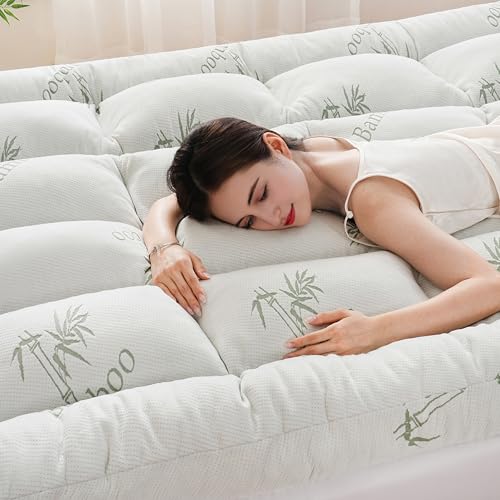
- Cooling Bamboo Viscose Top with 3D Air Layer: Made of 39% bamboo viscose and...
- Plush Pillow Top for Pressure Relief: Made with a thin gel memory foam layer and...
- Secure Deep Pocket Design: The elastic deep pocket skirt wraps around the...
SINWEEK Mattress Topper Twin XL – Best for Adjustable Beds & Single Sleepers
Ideal for Twin XL beds common in dorm rooms or adjustable bases, this option features a flexible, supportive design that won’t crack or shift. Its medium-firm feel and breathable cover make it a durable choice for a single heavy sleeper seeking targeted mattress enhancement.

- GEL MEMORY FOAM MATERIAL: Our memory foam mattress topper readily conforms to...
- MORE COMFORTABLE SLEEP: The gel memory foam material used in our mattresses...
- SOFT BUT NOT FOLDABLE: our mattress is soft, do not roll up and store too long...
BEDLORE Queen Mattress Topper – Best Value with Pressure Relief
This topper provides excellent value by offering a conforming, ventilated memory foam construction at an accessible price point. It effectively alleviates pressure points and is a solid choice for heavy sleepers looking to refresh a too-firm mattress without a major investment.
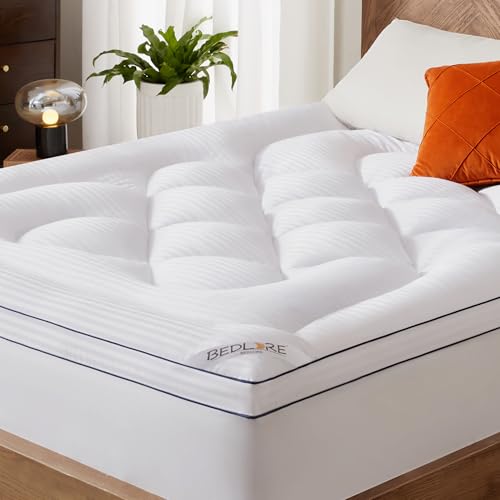
- Improve Sleep Quality: Use polyester fabric and extra thick filler, improve...
- Ultra Soft Improves Comfort: Conforms to the curves and shapes of the body...
- Deep Pocket Design: Elastic deep pockets can accommodate mattresses 6-18 inches...
Conclusion
Choosing the right mattress topper as a heavy sleeper hinges on and prioritizing density. By focusing on high-density materials like memory foam or latex, you ensure lasting support and proper spinal alignment.
The main point is to always verify the density rating and weight limit before purchasing. Investing in a quality, supportive topper Designed for your weight can transform your sleep, turning a too-firm or worn-out mattress into a comfortable and rejuvenating sleep surface.
Frequently Asked Questions about How To Choose Topper Density For Heavy Sleepers
What is the difference between mattress topper density and firmness?
Density measures the weight of one cubic foot of foam, indicating its durability and support structure. Firmness describes the initial feel or surface comfort level when you lie down. A high-density foam can be engineered to feel either medium or firm.
For heavy sleepers, a high-density topper is essential regardless of the firmness rating. A “soft” high-density topper will still provide underlying support, while a “firm” low-density topper will quickly break down and sag.
How often should a heavy sleeper replace their mattress topper?
With proper care, a high-quality, high-density topper should last between 3 to 5 years. The lifespan depends on the material quality, your weight, and how well you maintain it. Regular rotation significantly extends its usable life.
Replace the topper when you notice permanent deep body impressions, a loss of supportive feel, or waking up with new aches. These are signs the material has compressed beyond its recovery point and is no longer providing adequate support.
Can I use a mattress topper on an adjustable bed?
Yes, but you must select a topper specifically designed for flexibility. Look for products marketed as “flexible” or “compatible with adjustable bases.” These are engineered to bend without cracking the foam core or damaging the internal structure.
Materials like certain memory foams and latex are more adaptable. Always check the product description for adjustable bed compatibility, and avoid toppers that are overly thick or rigid, as they may hinder the bed’s movement.
Is a 2-inch or 3-inch topper better for a heavy person?
A 3-inch topper is generally better for most heavy sleepers, especially side sleepers, as it provides more material to cushion major pressure points. The extra thickness helps prevent the hips and shoulders from bottoming out against the firmer mattress below.
However, the density is more critical than thickness. A 2-inch, very high-density (5+ PCF) latex topper can offer more support than a 4-inch low-density one. Choose thickness based on your sleep position after ensuring the density is correct.
Do I need a box spring with a mattress topper for heavy sleepers?
You need a solid, supportive foundation, but it does not have to be a traditional box spring. A platform bed with sturdy slats (no more than 3 inches apart), a bunkie board, or a solid foundation is ideal. The base must not sag.
A sagging or weak foundation will compromise any topper’s support, leading to poor spinal alignment. Ensure your entire sleep system—foundation, mattress, and topper—is rated to handle the combined weight for optimal performance and safety.
Will a cooling mattress topper still work for a heavy sleeper?
Yes, cooling features are highly effective and recommended. High-density foam can retain heat, so technologies like gel infusion, copper infusion, or open-cell foam structures are crucial. These features help dissipate body heat throughout the night.
Look for toppers that advertise cooling properties in conjunction with high-density specs. A breathable, moisture-wicking cover also enhances temperature regulation. Proper cooling ensures comfort without sacrificing the necessary support density provides.