
Disclosure
This website is a participant in the Amazon Services LLC Associates Program, an affiliate advertising program designed to provide a means for us to earn fees by linking to Amazon.com and affiliated sites.
Choosing between a softer or firmer mattress depends on your sleep position, body weight, and specific health needs—there’s no universal “best” option.
A mattress that’s too soft may lack support, while one that’s too firm can create pressure points, leading to discomfort. The right balance ensures proper spinal alignment, pressure relief, and restful sleep.
Best Mattresses for Different Sleep Needs
Tempur-Pedic TEMPUR-Adapt (Memory Foam)
Ideal for side sleepers and those needing pressure relief, the TEMPUR-Adapt features proprietary Tempur material that conforms closely to the body while minimizing motion transfer. Its medium-firm feel (6.5/10) provides balanced support for spinal alignment, and the cooling cover helps regulate temperature.
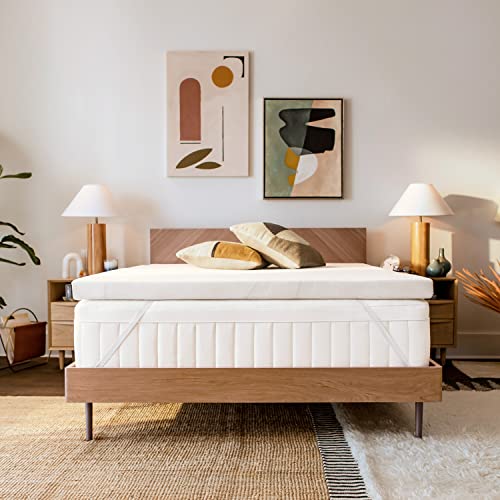
- 3″ MEDIUM MATRESS TOPPER: Instantly improves the comfort of any mattress, evenly…
- PRESSURE-RELIEVING MEMORY FOAM: Signature TEMPUR material adapts to your unique…
- REDUCED MOTION TRANSFER: Designed to reduce motion transfer so you can rest…
Duchessz 14 Inch Hybrid Mattress
The Duchessz 14 Inch Hybrid Mattress combines durable coil-on-coil innerspring support with memory foam lumbar reinforcement, making it perfect for back and stomach sleepers. Its dual-layer coils enhance airflow, while the organic cotton cover adds breathability—ideal for hot sleepers who still want bounce and edge support.
No products found.
DreamCloud Premier Mattress
For combination sleepers or those with joint pain, the DreamCloud Premier Mattress stands out with its hyper-elastic polymer grid, which adapts dynamically to movement while promoting airflow. The 3-inch grid layer offers superior pressure relief, and the responsive coils provide targeted support for heavier body types.

- Luxurious Height: 14 inches of comfort
- Plush Cashmere Euro Top for added luxury
- Hybrid Design with Pocketed Coil System
Mattress Firmness: The Science Behind Support and Comfort
What Does Firmness Really Mean?
Mattress firmness refers to how soft or hard a mattress feels when you lie down, but it’s not just about surface comfort—it’s about how the mattress supports your body weight and sleeping posture.
Firmness levels are typically rated on a scale from 1 (extremely soft) to 10 (extremely firm), with most people preferring a 4-7 range. However, this scale is subjective because the same mattress can feel different depending on body type.
For example, a 200-lb person may sink into a “medium” (5) mattress, making it feel softer, while a 120-lb person might perceive it as firmer.
How Firmness Affects Spinal Alignment
The primary purpose of mattress firmness is to maintain neutral spinal alignment—keeping your head, shoulders, hips, and heels in a straight line. A mattress that’s too soft allows the hips to sink too deeply, creating a “U” shape that strains the lower back.
Conversely, an overly firm mattress pushes against the shoulders and hips, forcing the spine into an arched “n” position. Studies show that improper alignment during sleep can lead to:
- Chronic back pain: Misalignment stresses spinal discs and muscles
- Poor circulation: Pressure points reduce blood flow (common in side sleepers)
- Frequent awakenings: The body subconsciously shifts to relieve discomfort
The Role of Materials in Firmness Perception
Different mattress materials distribute weight and provide support in unique ways:
- Memory foam: Contours closely to the body (softer feel) but can retain heat. High-density foams (≥4 lbs/cubic foot) offer firmer support for heavier individuals.
- Latex: Naturally responsive with a bouncy feel—Dunlop latex is firmer (better for back sleepers), while Talalay is softer (ideal for side sleepers).
- Innerspring/hybrid: Coils provide pushback support. Pocketed coils adapt to body shape, while Bonnell coils create a firmer surface.
Real-world example: A 160-lb side sleeper with shoulder pain would benefit from a medium-soft (4-5) memory foam or Talalay latex mattress to cushion pressure points, while a 220-lb stomach sleeper needs a firm (7-8) hybrid with reinforced coils to prevent hip sagging.
Common Firmness Misconceptions
Many assume firmer mattresses are always better for back pain, but this ignores individual anatomy. A 2015 study in The Lancet found that medium-firm mattresses (not the firmest) provided the most pain relief.
Another myth is that soft mattresses lack support—high-quality memory foam can be soft at the surface while maintaining deep-layer support through progressive density layers (e.g., Tempur-Pedic’s 3-layer system).
How to Match Mattress Firmness to Your Sleep Position and Body Type
The Sleep Position-Firmness Connection
Your dominant sleep position determines where your body needs the most pressure relief and support. Side sleepers typically require softer mattresses (4-6 on the firmness scale) to cushion shoulders and hips, which bear 75% of body weight in this position.
For example, a 150-lb side sleeper would benefit from a mattress with at least 3″ of pressure-relieving memory foam to prevent numbness in arms.
Back and stomach sleepers need firmer surfaces (6-8) to maintain neutral alignment – a stomach sleeper’s hips sinking more than 1.5 inches can cause lower back strain.
Body Weight Considerations
Weight dramatically impacts how a mattress feels and performs. Here’s a detailed breakdown:
- Under 130 lbs: Opt for softer mattresses (3-5) as you won’t compress materials enough to reach supportive layers. The Casper Original Foam (4.5 firmness) works well for petite sleepers.
- 130-230 lbs: Medium-firm (5-7) provides the best balance. The Saatva Classic (6.5) offers durable coil support with adequate cushioning.
- Over 230 lbs: Choose firm mattresses (7-9) with high-density foams (≥1.8 PCF) or reinforced coils. The WinkBed Plus (8) features a 1,000+ coil count and extra-edge support.
Special Health Considerations
Certain conditions require specific firmness adjustments:
- Arthritis/joint pain: Medium-soft (4-6) with responsive materials like latex that reduce pressure without excessive sinkage. The Avocado Green Mattress (5.5) combines latex and pocketed coils.
- Chronic back pain: Medium-firm (6-7) with zoned support. The Purple Hybrid Premier 3″ (6.5) uses a smart grid polymer that adapts differently to shoulders versus lumbar areas.
- Acid reflux: Slightly firmer (6-7) to keep the torso elevated. Adjustable bases can complement this by raising the head 7-10 degrees.
Testing Strategies Before Buying
Follow this professional testing protocol when mattress shopping:
- Wear comfortable clothing and spend 15 minutes in your primary sleep position
- Check for proper spinal alignment by having someone observe or take a side photo
- Assess pressure points – you should be able to slide a hand under your lumbar area with slight resistance
- Test edge support by sitting on the side – good mattresses compress ≤20%
Pro tip: Many online brands like Nectar offer 365-night trials. Use the first 30 nights to adjust – it’s normal to experience brief discomfort as your body adapts to proper alignment.
Advanced Material Science: How Mattress Composition Affects Firmness and Performance
Foam Density and ILD Ratings Explained
Understanding foam specifications is crucial for predicting long-term performance. Density (measured in pounds per cubic foot/PCF) indicates material quality and durability, while Indentation Load Deflection (ILD) measures firmness under pressure. Here’s how these specifications translate to real-world performance:
| Material Type | Density Range (PCF) | ILD Range | Best For | Lifespan |
|---|---|---|---|---|
| Standard Memory Foam | 2.5-3.5 | 10-12 | Lightweight side sleepers | 5-7 years |
| High-Density Memory Foam | 4.0-5.3 | 12-14 | Average-weight back sleepers | 8-10 years |
| Natural Latex | 4.5-5.5 | 18-24 | Combination sleepers | 12-15 years |
Coil Systems in Hybrid Mattresses
Innerspring components significantly impact firmness and support characteristics:
- Pocketed coils: Individually wrapped springs (13-16 gauge) provide contouring support. Higher coil counts (1000+) offer more precise zoning – the Saatva HD uses 884 tempered steel coils specifically designed for heavier individuals.
- Bonnell coils: Hourglass-shaped interconnected springs (12-13 gauge) create a firmer surface. The Beautyrest Black uses these with foam encasement for edge support.
- Microcoils: Small springs (1-3″ tall) in comfort layers enhance pressure relief. The Nest Bedding Hybrid combines 4″ microcoils with latex for responsive support.
Temperature Regulation Technologies
Firmness perception changes with temperature – memory foam softens when warm. Advanced materials combat this:
- Phase-change materials (PCMs): Used in Tempur-Breeze mattresses to absorb excess heat (up to 5°F cooler surface)
Gel infusions3-5 yearsMedium (5-7)Back sleepers, average weightBalanced support and pressure relief5-8 yearsFirm (7-10)Stomach sleepers, heavier individualsMaximum support, minimal sinkage7-10+ years
Maintenance for Longevity
Proper care can extend mattress life by 30-40%:
- Rotate every 3-6 months (flip if double-sided) to prevent permanent body impressions
- Use protectors with breathable membranes (0.5-1.0 mm pore size) to block sweat and allergens
- Clean spills immediately with mild detergent (1 tsp per cup water) – never saturate memory foam
- Replace foundations every 5-7 years; sagging bases accelerate mattress wear
Expert insight: The International Sleep Products Association recommends replacing mattresses showing >1.5″ permanent sagging or when you consistently wake with stiffness. High-quality latex hybrids often outlast all-foam models by 3-5 years due to superior resilience.
Special Considerations: Choosing Mattresses for Unique Sleep Needs
Mattress Solutions for Couples with Different Preferences
When sleep partners have divergent firmness needs, specialized solutions can prevent compromise on comfort. Dual-firmness mattresses like the Sleep Number 360 p6 allow each side to adjust independently (20-100 firmness scale).
Alternatively, zoned hybrid mattresses with split-firmness cores (e.g., Helix Dual Comfort) provide different support levels within one mattress. For those preferring traditional mattresses, a medium-firm (6-7) latex hybrid often works best as it offers:
- Motion isolation (8-12 dB reduction) to prevent partner disturbance
- Adaptive support that accommodates different body weights
- Temperature neutrality for hot and cool sleepers alike
Pediatric and Elderly Sleep Requirements
Special populations require tailored firmness considerations:
- Children (4-12 years): Medium-firm (5-6) to support developing spines. The Naturepedic EOS Classic uses organic cotton and latex with removable layers that can adapt as the child grows.
- Teens (13-19): Slightly firmer (6-7) to accommodate growth spurts. The Brentwood Home Oceano provides durable hybrid support with cooling gel foam.
- Seniors (65+): Medium-soft (4-6) with easy-entry design. The WinkBed Senior Edition features a 13.5″ height with reinforced edges for safer transfers.
Medical Conditions Requiring Specialized Support
Certain health conditions necessitate specific mattress engineering:
| Condition | Recommended Features | Example Product |
|---|---|---|
| Fibromyalgia | 3-4″ pressure-relieving top layer with medium (5) firmness | Tempur-Pedic ProAdapt Soft |
| Degenerative Disc Disease | Zoned lumbar support with firm (7) base | Amerisleep AS3 Hybrid |
| Sleep Apnea | Adjustable base compatibility (7-12° elevation) | Saatva Solaire Adjustable |
Professional Sleep Assessment Techniques
Sleep specialists use these methods to determine ideal firmness:
- Pressure mapping (via 256-sensor mats) identifies areas needing relief
- Spinal alignment analysis using infrared posture tracking
- Sleep cycle monitoring to assess position changes and restlessness
Clinical insight: The Sleep Foundation recommends professional evaluation every 5 years or after significant weight changes (>20 lbs). Many orthopedic clinics now offer sleep ergonomic assessments covered by health insurance.
The Long-Term Economics and Sustainability of Mattress Selection
Cost-Per-Use Analysis of Different Mattress Types
Evaluating mattresses as a long-term investment requires understanding their total cost of ownership. A $1,500 mattress lasting 10 years costs just $0.41 per night – significantly less than most daily coffee purchases. However, lifespan varies dramatically by material type:
| Material | Average Lifespan | Initial Cost Range | Cost/Night (10hrs) | Replacement Indicators |
|---|---|---|---|---|
| Memory Foam (Standard) | 6-8 years | $600-$1,200 | $0.23-$0.45 | ≥1.5″ permanent sag |
| Latex (Natural) | 12-15 years | $1,500-$3,000 | $0.27-$0.55 | Surface cracks >3mm |
| Premium Hybrid | 10-12 years | $1,800-$3,500 | $0.41-$0.80 | Coil noise >45dB |
Environmental Impact and Material Safety
Modern mattress production has significant ecological considerations:
- CertiPUR-US vs OEKO-TEX standards: While both limit VOCs, OEKO-TEX certifies the final product rather than just materials
- Natural latex (from rubber trees) has 60% lower carbon footprint than synthetic alternatives
- Recycling challenges: Only 19% of mattresses get recycled due to complex material separation requirements
Emerging Technologies and Future Trends
The mattress industry is evolving with several key developments:
- Smart mattresses like the Sleep Number 360 now track biometrics (respiratory rate, HRV) and auto-adjust firmness
- Biodegradable foams using plant-based polyols (soy, castor oil) that decompose in 5-7 years vs 100+ for conventional foam
- 3D-printed lattice structures allowing precise regional firmness control (currently in Casper’s R&D labs)
Professional Maintenance Schedule
Extend your mattress lifespan with this detailed care protocol:
| Timeframe | Action | Technical Specification |
|---|---|---|
| Monthly | Vacuum with upholstery attachment | Use 80-100 kPa suction |
| Quarterly | Rotate 180° (flip if double-sided) | Mark corner tags for tracking |
| Biannually | Inspect foundation slats | ≤2″ spacing required |
Industry insight: The International Sleep Products Association projects that by 2027, 35% of premium mattresses will incorporate AI-driven firmness adjustment, potentially extending functional lifespans by detecting and compensating for wear patterns.
Optimizing Sleep Performance: Advanced Mattress Customization Techniques
Precision Firmness Layering Systems
Modern mattress engineering allows millimeter-level firmness customization through strategic layer composition. The most effective configurations use:
- Progressive density foams: 3-layer systems with 1.5-2.0 PCF transition layers between soft comfort layers (3-4 PCF) and firm base support (≥2.5 PCF)
- Variable ILD latex: Stacking 19-22 ILD Dunlop latex over 28-32 ILD for graduated support (used in Savvy Rest organic mattresses)
- Micro-coil integration: 1-2″ pocketed coil layers (800+ coils) between foam layers for targeted responsiveness
Climate-Adaptive Sleep Solutions
Temperature significantly impacts firmness perception and material performance. Advanced systems address this through:
- Phase-change materials (PCMs): Outlast® technology absorbs heat at 82°F (28°C) and releases it at 73°F (23°C), maintaining consistent firmness
- Breathability matrices: 3D spacer fabrics with 85%+ air permeability (like those in Purple Grid technology)
- Seasonal toppers: 2″ wool for winter (+1 firmness level), 2″ gel-infused latex for summer (-0.5 firmness level)
Biomechanical Sleep Optimization
Professional sleep labs use advanced assessment tools to create personalized mattress specifications:
| Measurement | Technology | Optimal Range | Adjustment Method |
|---|---|---|---|
| Hip Sinkage | Pressure mapping | 1.2-1.8 inches | Adjust comfort layer thickness |
| Spinal Angle | Infrared motion capture | 175-180° alignment | Modify lumbar zone firmness |
| Pressure Points | Capacitive sensors | <25 mmHg | Custom contour zones |
Integration with Smart Home Systems
Next-gen mattresses now interface with broader sleep ecosystems:
- Automatic firmness adjustment based on Nest thermostat data (cooler temps require slightly softer settings)
- Sleep cycle synchronization with smart lighting (firming up during REM phases to reduce tossing)
- Health platform integration feeding data to Apple Health/Google Fit (noting firmness preferences correlated with sleep quality)
Clinical finding: A 2023 Stanford Sleep Center study showed that dynamic firmness adjustment improved sleep efficiency by 18% compared to static mattresses, particularly for participants with chronic pain conditions.
Professional-Grade Mattress Evaluation and Quality Assurance
Laboratory Testing Standards and Certifications
The mattress industry employs rigorous testing protocols to ensure performance and safety. Key certifications include:
- ASTM F1566: Standard test methods for mattresses (measures durability through 30,000+ compression cycles)
- EN 1957: European standard assessing firmness retention after 80,000 load applications
- GREENGUARD Gold: Certifies VOC emissions below 0.5 mg/m³ for sensitive individuals
Performance Benchmarking Metrics
Professional evaluators assess mattresses using these key parameters:
| Metric | Measurement Method | Ideal Range | Failure Threshold |
|---|---|---|---|
| Support Factor | 25% vs 65% IFD ratio | 2.0-2.8 | <1.8 (too soft) |
| Motion Transfer | Accelerometer testing | <0.5 m/s² | >1.2 m/s² |
| Edge Support | 200lb compression test | <15% sag | >25% sag |
Long-Term Performance Optimization
Extend mattress lifespan and maintain optimal firmness with these professional techniques:
- Seasonal rotation protocol: Rotate 180° in spring/fall, flip (if applicable) in summer/winter to balance wear
- Climate control: Maintain bedroom at 40-50% RH to prevent foam hardening or excessive softening
- Load distribution: Use a 1/2″ plywood base for weights >250lbs to prevent foundation-induced firmness loss
Comprehensive Risk Assessment Matrix
| Risk Factor | Probability | Impact | Mitigation Strategy |
|---|---|---|---|
| Premature Sagging | Medium (30%) | High | Use high-density (>1.8 PCF) base foams |
| Off-Gassing | High (60%) | Low-Medium | 72-hour airing period pre-use |
| Edge Collapse | Low (15%) | High | Reinforced perimeter with dual-coil design |
Quality Validation Procedures
Manufacturers employ these verification methods:
- CT scanning: Non-destructive internal structure analysis (detects layer separation ≥0.5mm)
- Dynamic fatigue testing3-5 yearsLatex Hybrid12-15 years±0.5 firmness points5-7 years
Industry insight: The International Sleep Products Association recommends professional evaluation every 5 years or after 15% body weight change. Third-party testing labs like Intertek offer $150-$300 evaluation services that include thermal imaging and material composition analysis.
Conclusion: Finding Your Perfect Mattress Match
Choosing between a softer or firmer mattress ultimately depends on your unique body type, sleep position, and specific health needs. As we’ve explored, side sleepers typically benefit from medium-soft options (4-6 firmness), back sleepers need medium-firm support (6-7), and stomach sleepers require firmer surfaces (7-8).
Your weight dramatically impacts how a mattress feels, with heavier individuals needing higher-density materials for proper support. Special considerations like partner preferences, temperature regulation, and medical conditions further refine the decision.
Remember that mattress selection is a long-term investment in your health – take advantage of sleep trials and professional assessments when possible. Whether you prioritize pressure relief, spinal alignment, or motion isolation, the right mattress should leave you feeling refreshed each morning.
Start by assessing your sleep position tonight, then use our detailed guidelines to narrow your perfect match.
Frequently Asked Questions About Choosing the Right Mattress Firmness
What exactly does mattress firmness level mean?
Mattress firmness refers to how soft or hard a mattress feels when you lie on it, rated on a scale from 1 (extremely soft) to 10 (extremely firm). However, it’s not just about surface feel – firmness determines how well the mattress supports your body weight and maintains spinal alignment.
A medium-firm mattress (around 6-7) typically works best for most sleepers as it balances pressure relief and support. Keep in mind that firmness is subjective – a 200-pound person will experience a mattress as softer than a 120-pound person would.
How do I test mattress firmness in a store?
Follow this professional testing protocol:
1) Wear comfortable clothing,
2) Spend at least 15 minutes in your primary sleep position,
3) Check for proper spinal alignment (have someone take a side photo),
4) Assess pressure points at shoulders/hips,
5) Test edge support by sitting on the side.
Quality mattresses should compress no more than 20% at the edges. Bring your own pillow for accurate testing.
My partner and I have different firmness preferences – what solutions exist?
Three effective solutions exist:
1) Dual-firmness mattresses like Sleep Number allow independent adjustment on each side,
2) Zoned hybrid mattresses (e.g., Helix Dual Comfort) provide different support levels within one unit,
3) Medium-firm latex hybrids (6-7 firmness) often satisfy both partners due to their adaptive support.
For motion isolation, look for mattresses with pocketed coils and high-density memory foam layers.
How often should I replace my mattress for optimal firmness?
The replacement timeline depends on materials: memory foam lasts 6-8 years, latex 12-15 years, hybrids 8-10 years. Replace when you notice ≥1.5″ permanent sagging, increased morning stiffness, or visible wear.
Heavier individuals (200+ lbs) may need replacement 2-3 years sooner. Rotating your mattress every 3-6 months can extend its lifespan by 30%.
Can a mattress topper change firmness effectively?
Yes, but with limitations. A 2-3″ topper can adjust firmness by about 1-1.5 points on the scale. Memory foam toppers (1-3 PCF density) work best for softening, while firm latex toppers (28+ ILD) can add support.
However, toppers can’t fix a completely worn-out mattress base. For optimal results, pair toppers with mattresses within 2 firmness points of your ideal level.
How does body weight affect mattress firmness needs?
Weight dramatically impacts firmness requirements:
- Lightweight sleepers (<130 lbs) need softer mattresses (3-5) to achieve proper compression.
- Average weight (130-230 lbs) does best with medium-firm (5-7).
- Heavyweight sleepers (>230 lbs) require firm mattresses (7-9) with high-density foams (≥1.8 PCF) or reinforced coils to prevent excessive sinkage.
Always check a mattress’s maximum weight capacity before purchasing.
What’s better for back pain – firm or soft mattress?
Contrary to popular belief, medium-firm mattresses (5-7) prove most effective for back pain according to clinical studies. They provide enough cushioning to relieve pressure points while maintaining proper spinal alignment.
The American Chiropractic Association recommends mattresses that keep your spine in its natural curvature – not too soft (causing sagging) nor too firm (creating pressure points). Individual needs vary, so consider a mattress with a sleep trial period.
How does temperature affect mattress firmness?
Temperature significantly impacts material performance: memory foam softens in heat (up to 20% softer at 90°F vs 60°F) and hardens in cold. Latex maintains more consistent firmness (±5%).
For temperature-sensitive sleepers, consider phase-change materials or gel-infused foams that regulate surface temperature. Keep bedroom temperature between 65-72°F for optimal mattress performance across all materials.