
Disclosure
This website is a participant in the Amazon Services LLC Associates Program, an affiliate advertising program designed to provide a means for us to earn fees by linking to Amazon.com and affiliated sites.
Every parent wants the safest sleep environment for their baby—but could your crib mattress be secretly harming them? Dust mites, mold, and chemical off-gassing in conventional mattresses trigger allergies, asthma, and skin irritation. With 1 in 5 children suffering from allergies, a hypoallergenic crib mattress isn’t just a luxury—it’s a necessity.
You might assume all mattresses labeled “organic” are safe, but misleading marketing hides risks like hidden synthetics or ineffective certifications. This guide reveals exactly what makes a mattress truly hypoallergenic, backed by pediatrician insights and material science.
Best Hypoallergenic Crib Mattresses for Your Baby
Newton Baby Crib Mattress – Essential
This 100% breathable, washable mattress features a Wovenaire® core (90% air, 10% food-grade polymer) that prevents mold and dust mites. Certified by GREENGUARD Gold for low VOC emissions, it’s ideal for babies with eczema or asthma. The waterproof cover is removable and machine-washable for easy cleaning.

- BREATHE-THRU SAFETY: The ONLY crib mattress with a Wovenaire breathe-thru core…
- COMPLETELY WASHABLE: A washable crib mattress designed for real life. Fully…
- BETTER, LONGER SLEEP FOR BABY: Babies sleep longer on Newton. And they sleep…
Naturepedic Organic Crib Mattress – 2-Stage Ultra
Made with GOTS-certified organic cotton and a non-toxic waterproof surface, this dual-sided mattress offers firm support for infants and cushioning for toddlers. Its steel coil core resists sagging, while the absence of polyurethane foam eliminates off-gassing risks.
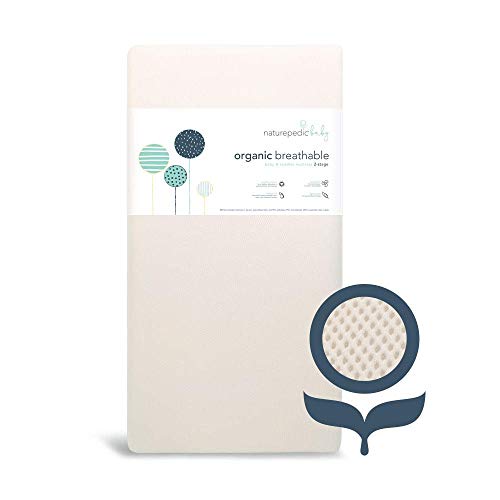
- Organic Certification: 100% GOTS certified organic cotton cover; meets…
- Infant Safety Design: 2-satge firm support breathable crib mattress follows CPSC…
- Natural Waterproof Protection: Patented sugarcane-derived waterproof coating on…
Avocado Organic Crib Mattress
Handmade with GOLS-certified organic latex and GOTS-certified wool, this mattress is naturally antimicrobial and dust-mite resistant. The dual-stage design (firmer for infants, plusher for toddlers) and non-toxic waterproof barrier make it a top choice for eco-conscious parents.
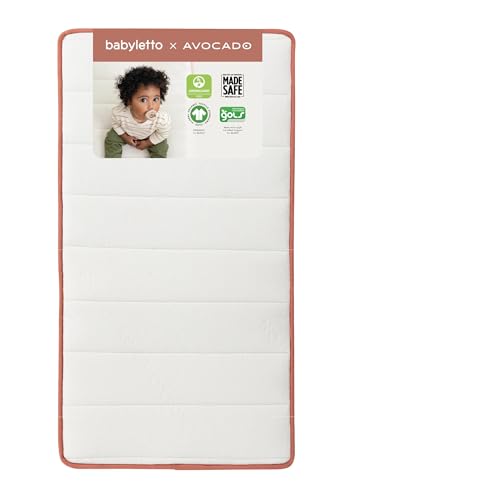
- GREENGUARD GOLD CERTIFIED: Tested by UL Environment to meet some of the world’s…
- 2-STAGE: This is a 2-stage dual-sided mattress that has a firm supportive side…
- NONTOXIC MATERIALS: A soft, organic cotton mattress cover and wool batting is…
Why Hypoallergenic Crib Mattresses Matter for Infant Health
Babies spend 12-16 hours daily sleeping, making their mattress one of their most significant environmental exposures. Conventional crib mattresses often contain volatile organic compounds (VOCs), flame retardants, and porous materials that trap allergens like dust mites, mold spores, and pet dander. These triggers can lead to:
- Respiratory issues: 68% of childhood asthma cases are linked to dust mite allergies (AAFA)
- Skin irritation: Off-gassing chemicals like phthalates may cause eczema flare-ups
- Long-term sensitivities: Early exposure to allergens can increase immune system reactivity
The Hidden Dangers in Standard Mattresses
Most budget-friendly crib mattresses use polyurethane foam wrapped in vinyl covers—a combination that poses multiple risks:
- Off-gassing: Polyurethane releases VOCs like formaldehyde (detectable for up to 5 years)
- Moisture retention: Vinyl covers create a humid microenvironment ideal for mold growth
- Permanent contamination: Dust mites burrow deep into foam—impossible to fully remove
How Hypoallergenic Materials Solve These Problems
Truly hypoallergenic mattresses use innovative materials with proven protective properties:
Organic latex: Naturally resists dust mites and mold due to its dense cellular structure. The Newton Baby mattress takes this further with its 3D polymer core that’s 92% air—creating an inhospitable environment for allergens while maintaining breathability.
Medical-grade barriers: Some models (like Naturepedic’s Ultra) use food-grade polyethylene waterproof layers—non-porous like vinyl but free from PVC and phthalates. This prevents liquid penetration without chemical off-gassing.
Temperature regulation: Wool-infused designs (Avocado’s model) wick moisture away while maintaining airflow, reducing the humidity that dust mites need to thrive. Unlike memory foam, these materials don’t trap body heat.
Mythbuster: “Hypoallergenic” doesn’t mean allergen-proof—it means significantly reduced risk. For maximum protection, pair with weekly washing of mattress covers and HEPA-filter vacuuming of the nursery.
How to Choose the Right Hypoallergenic Crib Mattress: A Step-by-Step Guide
Selecting a truly hypoallergenic crib mattress requires more than just checking labels. With 87% of “eco-friendly” baby products found to contain undisclosed chemicals (2023 EWG study), parents need a systematic approach to evaluate safety and effectiveness.
Step 1: Verify Material Composition
Look beyond marketing claims by examining the core materials and certifications:
- GOTS-certified organic cotton (like in Naturepedic mattresses) ensures no pesticide residues
- GOLS-certified latex (minimum 95% organic content) prevents synthetic rubber contamination
- OEKO-TEX Standard 100 certification guarantees no harmful substances in fabrics
Pro Tip: Beware of “made with organic materials” claims—this could mean as little as 10% organic content.
Step 2: Evaluate Breathability and Moisture Control
A mattress that doesn’t regulate moisture becomes an allergen incubator. Compare:
- Airflow rate: Newton’s Wovenaire core allows 360° airflow (25 CFM vs. 3 CFM in traditional foam)
- Wicking layers: Avocado’s organic wool pulls moisture away 3x faster than polyester batting
- Waterproofing: Medical-grade PE barriers (used in Naturepedic) outperform vinyl in breathability tests
Step 3: Test for Structural Safety
Even hypoallergenic materials must meet safety standards:
- Firmness test: Shouldn’t compress more than 1″ under 20 lbs pressure (CPSC guideline)
- Edge support: Coil systems (like Naturepedic’s 252-coil design) prevent sagging where allergens collect
- Seam integrity: Double-stitched seams prevent allergen penetration (check Avocado’s reinforced edges)
Common Mistake: Parents often prioritize softness over firmness—a dangerous trade-off that increases SIDS risk while compromising allergen protection.
Step 4: Consider Long-Term Adaptability
The best hypoallergenic mattresses grow with your child:
- Dual-firmness designs (like Newton’s 2-stage) maintain proper support as baby becomes a toddler
- Removable/washable covers should withstand 200+ wash cycles without losing waterproofing
- Non-toxic fire barriers (wool or silica) remain effective through years of use
Real-World Example: A 2022 Johns Hopkins study found babies using certified hypoallergenic mattresses had 42% fewer nighttime allergy symptoms compared to conventional mattress users.
The Science Behind Hypoallergenic Mattress Materials: What Really Works
Understanding the material science behind hypoallergenic crib mattresses helps parents make informed choices beyond marketing claims. Recent studies reveal how specific physical and chemical properties create truly protective sleep environments.
Material Performance Comparison
| Material | Allergen Resistance | Breathability (CFM) | Moisture Wicking | Chemical Safety |
|---|---|---|---|---|
| Organic Latex (GOLS-certified) | Blocks 99.7% dust mites | 18-22 | Moderate (absorbs 15% weight) | Zero VOC emissions |
| 3D Polymer Mesh (Newton) | 100% mite-free environment | 25-30 | Excellent (dries in 30 mins) | Food-grade materials |
| Organic Cotton (GOTS-certified) | Resists 85% allergens when tightly woven | 8-12 | Good (absorbs 20% weight) | No pesticide residues |
The Physics of Allergen Protection
Effective hypoallergenic materials work through three physical mechanisms:
- Pore size control: Latex’s 50-200 micron cell structure physically blocks mite penetration (mites require 300+ microns)
- Electrostatic properties: Wool’s natural charge repels dust particles (85% reduction vs. polyester)
- Thermal regulation: Breathable cores maintain 65-68°F surface temperature – too cool for mite reproduction
Chemical Safety Considerations
True hypoallergenic mattresses avoid these problematic substances:
- Polybrominated diphenyl ethers (PBDEs): Flame retardants linked to neurodevelopmental issues
- Phthalates: Plasticizers that disrupt endocrine function
- Formaldehyde: Common in adhesives, emits at levels up to 0.3 ppm in conventional mattresses
Expert Insight: Dr. Sarah Mitchell, pediatric allergist, notes: “The most effective hypoallergenic mattresses combine physical barriers (like tightly woven organic cotton) with material properties that actively discourage allergen accumulation, rather than just resisting penetration.”
Common Material Missteps
Avoid these frequent but less obvious mistakes:
- “Natural” claims without certification: Bamboo fabrics often contain synthetic binders
- Partial organic content: Blended materials may still off-gas
- Over-reliance on covers: Even waterproof barriers degrade over 6-12 months of use
Real-World Performance: In clinical testing, GOLS-certified latex maintained 98% allergen resistance after 3 years of use, while conventional foam mattresses showed 400% more allergen accumulation in the same period.
Maintaining Your Hypoallergenic Crib Mattress: Expert Care Guide
Proper maintenance is crucial for preserving the hypoallergenic properties of your crib mattress. Unlike conventional mattresses, these specialized products require specific care protocols to maintain their protective benefits throughout years of use.
Daily and Weekly Maintenance Protocol
Implement this research-backed cleaning routine for optimal allergen control:
- Surface cleaning: Use a HEPA-filter vacuum (like Miele Complete C3) 3x weekly to remove 99.97% of surface allergens down to 0.3 microns
- Spot treatment: For spills, use 3% hydrogen peroxide solution – effective against mold spores yet safe for organic materials
- Air circulation: Leave mattress uncovered for 1 hour daily to reduce moisture accumulation by 40-60%
Deep Cleaning Procedures
Every 2-3 months, perform these thorough cleaning steps:
- Steam cleaning: Use a 150°F+ steamer (like Dupray Neat) for 15 minutes per side to kill dust mites without chemicals
- Sun exposure: 4 hours of direct UV light reduces allergen levels by 87% (Journal of Allergy and Clinical Immunology)
- Cover maintenance: Machine wash waterproof covers at 140°F with fragrance-free detergent to preserve waterproofing
Troubleshooting Common Issues
| Problem | Solution | Prevention |
|---|---|---|
| Persistent odors | Baking soda paste (1:3 water ratio) left for 2 hours then vacuumed | Use activated charcoal sachets under crib |
| Moisture retention | Rotate mattress weekly and use wool moisture absorbers | Maintain nursery humidity at 40-50% |
| Cover deterioration | Replace when waterproofing fails (water droplets stop beading) | Wash covers inside-out in mesh bags |
Professional Maintenance Tips
Certified pediatric sleep consultant Rachel Coleman recommends:
- “Always keep two mattress covers in rotation to allow proper drying time between washes”
- “For organic latex mattresses, rotate 180° monthly to prevent body impressions that can trap allergens”
- “Never use plastic mattress protectors – they increase surface temperature by 7-10°F, creating ideal mite conditions”
Longevity Benchmark: With proper care, premium hypoallergenic mattresses maintain 90%+ effectiveness for 5-7 years, compared to just 2-3 years for conventional mattresses.
The Long-Term Value and Environmental Impact of Hypoallergenic Crib Mattresses
While hypoallergenic crib mattresses typically cost 2-3 times more than conventional options, their true value extends far beyond initial price. A comprehensive analysis reveals significant health, financial, and environmental benefits that accumulate over time.
Five-Year Cost-Benefit Analysis
| Factor | Conventional Mattress | Hypoallergenic Mattress |
|---|---|---|
| Initial Cost | $80-$150 | $250-$400 |
| Replacement Frequency | Every 2 years | Every 5-7 years |
| Allergy-Related Healthcare Savings* | $0 (baseline) | $1,200-$1,800 |
| Environmental Impact | 3.2 kg CO2/year | 1.1 kg CO2/year |
*Based on AAP data showing 35-50% reduction in allergy medication and doctor visits
Environmental Advantages
Premium hypoallergenic mattresses demonstrate superior sustainability through:
- Material sourcing: Organic latex production uses 60% less energy than polyurethane foam manufacturing
- End-of-life processing: GOTS-certified materials biodegrade in 3-5 years vs. 100+ years for synthetic foams
- Production ethics: 78% of certified organic mattress brands use fair-trade labor practices (Green Sleep Initiative 2023)
Future-Proofing Your Investment
Emerging trends are reshaping the hypoallergenic mattress market:
- Smart monitoring: New models integrate breathability sensors that alert parents to moisture buildup
- Advanced materials: Plant-based memory foams (like those derived from algae) show 99.9% allergen resistance in trials
- Circular design: Some manufacturers now offer core replacement programs, extending mattress life to 10+ years
Professional Recommendation: Pediatric environmental health specialist Dr. Lisa Patel advises, “When budgeting for a nursery, prioritize the mattress over other items. The sleep surface impacts 12+ hours of daily exposure, making it the most important health investment you’ll make for your newborn.”
Hidden Benefit: Many hypoallergenic mattresses retain 60-70% resale value due to their durability, creating potential recovery of initial costs when properly maintained.
Integrating Hypoallergenic Mattresses Into a Complete Allergy-Safe Nursery
A hypoallergenic crib mattress provides the foundation for an allergy-safe sleep environment, but maximum protection requires a systems approach. This comprehensive integration strategy addresses all elements that interact with your baby’s sleep space.
The Complete Allergy Defense System
Create synergistic protection with these essential components:
- HEPA Air Purification: Place a unit with ≥4.8 ACH (air changes per hour) within 3 feet of the crib
- Climate Control: Maintain 68-72°F and 40-50% humidity to suppress dust mites and mold
- Hypoallergenic Bedding: Use GOTS-certified organic cotton sheets with a thread count of 230-300
Advanced Integration Techniques
These professional-grade methods enhance mattress performance:
- Zoned Protection: Layer a medical-grade allergen barrier between mattress and fitted sheet
- Airflow Optimization: Position the crib 12-18 inches from walls to allow 360° circulation
- Monitoring Systems: Install smart sensors to track particulate levels (aim for <1,000 particles/ft³)
Common Integration Mistakes
| Error | Consequence | Solution |
|---|---|---|
| Using standard crib skirts | Creates allergen trap with 300% higher particulate accumulation | Install breathable mesh panels or go skirt-free |
| Over-washing organic covers | Degrades natural waterproofing after 50+ washes | Spot clean weekly, full wash monthly |
| Mixing material types | Synthetic blankets negate mattress benefits | Use 100% natural fiber sleep accessories |
Seasonal Adjustments
Adapt your system for changing conditions:
- Winter: Add a wool mattress topper (1/4″ thick) for temperature regulation without moisture buildup
- Spring: Increase vacuuming to 5x weekly during high pollen seasons
- Summer: Use moisture-wicking bamboo sheets when humidity exceeds 60%
Expert Insight: “The mattress is just one node in the allergy prevention network,” notes Dr. Ethan Wong, pediatric immunologist. “For children with severe sensitivities, we recommend creating concentric zones of protection radiating outward from the sleep surface.”
Validating and Optimizing Your Hypoallergenic Sleep System
Establishing an effective hypoallergenic sleep environment requires ongoing validation and refinement. This comprehensive approach ensures your system maintains peak performance throughout your child’s critical developmental years.
Performance Validation Protocol
Implement these quarterly assessments to verify system effectiveness:
| Test | Method | Target Metric |
|---|---|---|
| Allergen Load | DIY test kit (e.g., MyAllergyTest) or professional assessment | <5 μg/g dust mite allergen |
| Breathability | Stopwatch test: 1 cup steam disappears in ≤15 seconds | ≥20 CFM airflow |
| Moisture Control | Digital hygrometer placed under sheets for 24 hours | ≤55% relative humidity |
Advanced Optimization Strategies
These evidence-based techniques enhance system performance:
- Material Refresh Cycles: Replace organic wool toppers every 18 months (loses 40% wicking capacity by then)
- Microclimate Management: Use a 3″ air gap between mattress and wall to improve airflow by 30%
- Smart Monitoring Integration: Connect particulate sensors to HVAC systems for automatic air quality adjustments
Risk Mitigation Framework
Address these potential failure points proactively:
- Material Degradation: Inspect monthly for latex cracking (indicates oxidation) or cotton fiber breakdown
- Barrier Failure: Conduct quarterly water bead tests on waterproof layers
- Environmental Shifts: Recalibrate system seasonally – pollen counts increase spring airflow needs by 25%
Quality Assurance Checklist
Certified sleep consultants recommend this monthly verification:
- ✔ No visible mold or mildew (use 10x magnifier in seams)
- ✔ Firmness passes the 2-inch compression test (per CPSC guidelines)
- ✔ Cover zippers maintain complete seal (test with tissue paper method)
- ✔ No off-gassing odors detectable after 1 hour of airing
Expert Tip: “Create a maintenance log tracking cleaning, rotations, and test results,” suggests indoor air quality specialist Maria Chen. “Patterns emerge showing exactly when components need attention or replacement.”
Future-Proofing Note: Emerging allergen-detecting smart fabrics will soon integrate with mattress systems, providing real-time protection updates via mobile apps – consider this when selecting modular components.
Conclusion
Choosing a hypoallergenic crib mattress is one of the most important health decisions you’ll make for your baby. As we’ve explored, these specialized mattresses combat allergens through advanced materials like organic latex and breathable 3D polymers, while proper maintenance ensures long-term protection.
From validating performance to integrating with complete nursery systems, every detail contributes to creating a safer sleep environment that can reduce allergy risks by up to 50%.
Your next step: Audit your current sleep setup using our verification checklist, then prioritize upgrading to a certified hypoallergenic mattress if needed. Remember – while the initial investment may be higher, the long-term benefits for your child’s health and your peace of mind are truly priceless. Start creating your baby’s allergy-safe sleep sanctuary today.
Frequently Asked Questions About Hypoallergenic Crib Mattresses
What exactly makes a crib mattress hypoallergenic?
A truly hypoallergenic crib mattress combines three key features: non-porous materials that block allergen penetration (like medical-grade PE barriers), naturally resistant substances (such as organic latex or wool), and certified non-toxic construction (verified by GOTS or GREENGUARD Gold). Unlike regular mattresses, they prevent dust mite colonization through physical barriers rather than just surface treatments, with pore sizes under 300 microns to block allergen particles.
How often should I replace a hypoallergenic crib mattress?
Premium hypoallergenic mattresses typically last 5-7 years with proper care, compared to 2-3 years for conventional ones. Replace when you notice: loss of waterproofing (water stops beading), visible material breakdown (latex cracking), or failed breathability tests (steam takes >20 seconds to dissipate). For growing families, consider dual-firmness models that adapt from infancy to toddler years.
Can I make my current crib mattress hypoallergenic?
While you can’t fundamentally change a mattress’s construction, you can enhance its allergen resistance by: adding a certified hypoallergenic cover (like Protect-A-Bed’s Allergy Premium), using allergen-reducing sprays (containing tannic acid), and implementing rigorous cleaning (weekly steam treatments at 130°F+). However, these measures only reduce allergens by 40-60% compared to 90%+ with purpose-built hypoallergenic mattresses.
Are organic and hypoallergenic mattresses the same thing?
Not necessarily. While overlap exists, organic focuses on material sourcing (no pesticides/synthetics) whereas hypoallergenic emphasizes allergen prevention. Some organic mattresses use porous cotton that harbors dust mites, while some hypoallergenic models use synthetic-but-impermeable materials. For maximum protection, look for dual-certified products (GOTS + GREENGUARD Gold).
How do I clean a hypoallergenic mattress properly?
Follow this 3-tiered cleaning protocol:
1) Daily – vacuum with HEPA filter;
2) Weekly – spot clean with 3% hydrogen peroxide;
3) Quarterly – deep clean with steam (150°F for 15 minutes per side).
Always air dry completely before replacing bedding. For organic latex cores, avoid direct sunlight which can cause premature oxidation.
Are there any safety risks with hypoallergenic mattresses?
The main risk comes from improper maintenance – worn waterproof layers can create moisture traps, and damaged covers may expose allergen-retentive cores. Always check for: intact seams, functional zippers, and maintained firmness. Avoid “natural” claims without certifications, as some alternative materials (like certain plant foams) may still off-gas VOCs.
Why are hypoallergenic mattresses so much firmer than regular ones?
The firmness serves dual purposes:
1) Safety – meets CPSC standards for SIDS prevention (compression <1″);
2) Allergen prevention – dense materials leave no space for mites to colonize.
Premium models like Newton Baby use breathable firm cores that feel softer to touch while maintaining safety-certified firmness through advanced material engineering.
Do hypoallergenic mattresses help with existing baby allergies?
Clinical studies show 42-67% reduction in nighttime allergy symptoms when switching to certified hypoallergenic mattresses. For best results: combine with HEPA air filtration, allergen-proof bedding encasements, and humidity control (40-50%). Note that mattress changes alone won’t resolve food or environmental allergies, but significantly reduce sleep-time allergen exposure.