
Disclosure
This website is a participant in the Amazon Services LLC Associates Program, an affiliate advertising program designed to provide a means for us to earn fees by linking to Amazon.com and affiliated sites.
Choosing the right sheet size for your mattress ensures comfort, durability, and a perfect fit—no more slipping or bunching up! The best sheet size depends on your mattress dimensions, depth, and personal preferences, whether you prefer a snug fit or extra fabric for tucking.
In this comprehensive guide, we’ll break down standard mattress sizes, sheet measurements, material choices, and expert tips to help you make an informed decision. From twin to California king, we’ll cover everything you need to know, including how to measure your mattress correctly and avoid common pitfalls like ill-fitting sheets.
Best Sheet Sets for Your Mattress
Brooklinen Luxe Core Sheet Set
Made from 480-thread-count long-staple cotton, the Brooklinen Luxe Core Sheet Set offers a crisp yet soft feel with deep pockets (up to 15″). Its durable sateen weave resists pilling, and the fitted sheet stays securely in place, making it ideal for medium to deep mattresses.
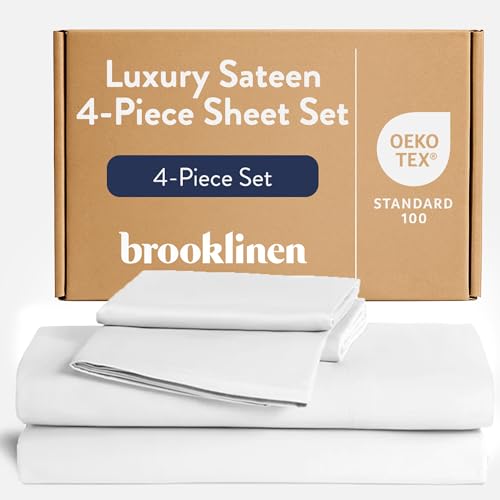
- LUXURY SATEEN 4-PIECE SHEET SET: Featuring a rich, buttery-smooth weave, our…
- OUR BEST SELLING COMFORT: Rated Best Overall Sheets to Buy in 2022 by Good…
- EASY CARE: Keeping your cotton sheet set fresh and clean is a breeze. Machine…
Boll & Branch Signature Hemmed Sheet Set
The Boll & Branch Signature Hemmed Sheet Set (Model: BBSH-100) features 100% organic cotton with a 300-thread-count percale weave for breathability. The 16″ deep pockets accommodate thick mattresses, while OEKO-TEX® certification ensures no harmful chemicals—perfect for eco-conscious sleepers.

- BESTSELLING FABRIC: You’ll feel the difference immediately. Buttery and…
- 100% ORGANIC COTTON: Made from premium long-staple 100% certified organic…
- INCLUDED: Featuring a flat sheet, 2 pillowcases with a 6” hemline, and a…
Cozy Earth Bamboo Sheet Set
For temperature regulation, the Cozy Earth Bamboo Sheet Set (Model: CE-BS400) uses viscose from bamboo, which is naturally cooling and moisture-wicking. The 19″ deep fitted sheet fits extra-tall mattresses, and the silky-soft texture rivals high-end hotel bedding for luxury sleep.
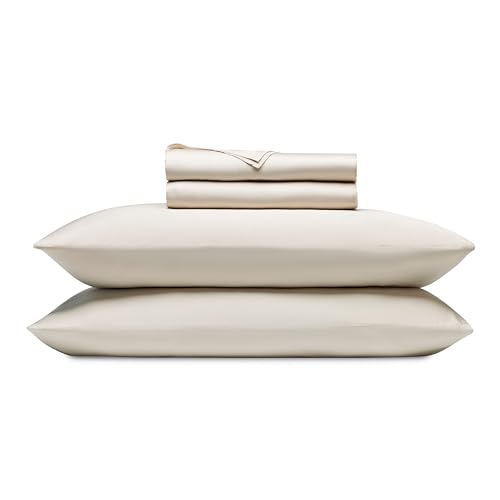
- ULTRA-SOFT & BREATHABLE FABRIC: Made from 100% viscose from bamboo, these luxury…
- EASY COVERAGE: Each king bed sheet set includes 1 flat sheet, 1 fitted sheet…
- CARE INSTRUCTIONS: Our soft bed sheets are easy to care for. Machine wash cold…
Standard Mattress and Sheet Sizes
Selecting the right sheet size starts with knowing your mattress dimensions. Standard sizes vary by region, but in the U.S., the most common are Twin, Full, Queen, King, and California King. Each has specific measurements that directly impact sheet fit and comfort.
For example, a Twin mattress (38″ x 75″) requires smaller sheets than a Queen (60″ x 80″), while a California King (72″ x 84″) is longer but narrower than a standard King (76″ x 80″).
Misjudging these dimensions can lead to ill-fitting sheets that slip off or feel uncomfortably tight.
Key Measurements to Consider
Beyond length and width, mattress depth (thickness) is critical. Modern mattresses—especially hybrid or pillow-top models—often exceed 12″ in height. Standard sheets typically accommodate 7–14″, while “deep-pocket” or “extra-deep” sheets fit 15–22″.
Measure your mattress from base to top, including any mattress toppers, to avoid sheets that pop off at night. For instance, a 14″ mattress with a 2″ topper needs sheets labeled for at least 16″ depth.
Common Sizing Challenges and Solutions
- Gap at the corners: Sheets with shallow pockets won’t stay tucked on thick mattresses. Look for reinforced elastic or all-around elastic edges for a snug fit.
- Pillow-top mattresses: These require deeper pockets (18″+). Brands like Brooklinen and Parachute offer specialty sheets with extended depths.
- Split King beds: Two Twin XL mattresses (38″ x 80″ each) form a King. Use two Twin XL fitted sheets instead of one King sheet to prevent shifting.
Pro Tip: Always check the manufacturer’s size chart before purchasing. For example, some “Queen” sheets may run smaller (58″ x 78″) to fit snugly, while others add extra fabric (62″ x 82″) for easier tucking. If your mattress is non-standard (e.g., RV bunk or round bed), custom-sized sheets may be necessary.
How to Measure Your Mattress for Perfect Sheet Fit
Accurate measurements are the foundation for choosing sheets that fit properly. Unlike clothing sizes that often run small or large, sheet sizes must match your mattress dimensions precisely to prevent discomfort.
Follow this professional measuring process to ensure you select sheets that will stay securely in place night after night.
Step-by-Step Measuring Guide
- Measure length and width: Use a fabric measuring tape from edge to edge at the mattress’s widest points. Round up to the nearest inch – it’s better to have slightly larger sheets than too small.
- Determine mattress depth: Measure from the bottom edge to the highest point, including any pillow tops or mattress toppers. Add 2-3 inches to this measurement for the ideal pocket depth.
- Check corner shape: Note if your mattress has square or rounded corners, as this affects how the fitted sheet will wrap around. Most premium sheets accommodate both types.
Special Considerations for Unique Mattresses
Memory foam and hybrid mattresses often have greater density and require special attention. For example, a 14″ Tempur-Pedic mattress with a 3″ cooling topper needs sheets with at least 17″ pocket depth. Adjustable beds present another challenge – their moving parts require sheets with extra stretch.
Brands like Malouf and Sheets & Giggles offer specialized sheets with reinforced corners and deeper pockets for these situations.
Pro Tip: When measuring, account for mattress protectors or pads you regularly use. These can add 0.5-2 inches to your mattress height. For ultimate precision, measure at multiple points as some mattresses may have slight variations in thickness.
Troubleshooting Common Fit Issues
- Sheets popping off: Usually indicates pockets are too shallow. Look for sheets labeled “extra deep” or with all-around elastic.
- Excess fabric: Occurs when sheets are too large. Consider “fitted” or “tailored” styles that have less extra material.
- Wrinkling: May signal incorrect fabric type rather than size. Higher thread count sheets (300+) drape better on thick mattresses.
Material Choices and Their Impact on Sheet Performance
The fabric composition of your sheets dramatically affects comfort, durability, and temperature regulation. Understanding textile properties helps you match sheet materials to your sleep preferences and climate.
Premium sheets typically use natural fibers like cotton or bamboo, while performance fabrics incorporate synthetic blends for specific benefits.
Fiber Properties Comparison
| Material | Thread Count Range | Breathability | Moisture Wicking | Durability |
|---|---|---|---|---|
| Egyptian Cotton | 300-1000 | High | Medium | Excellent |
| Bamboo Viscose | 250-400 | Very High | Excellent | Good |
| Microfiber | 90-120 (GSM) | Low | Poor | Fair |
| Linen | 80-150 | Exceptional | Excellent | Very Good |
Weave Types and Sleep Experience
Fabric weave determines texture and temperature regulation. Percale weave (1-over-1-under) creates a crisp, matte finish ideal for hot sleepers, while sateen (4-over-1-under) produces a silky feel that retains warmth.
For example, Brooklinen’s Hardcore Percale (270 thread count) offers superior airflow compared to their Luxe Sateen (480 thread count) which provides a warmer sleep surface.
Advanced Fabric Technologies
- Tencel Lyocell: Made from sustainably sourced wood pulp, this fiber offers 50% greater moisture absorption than cotton while being naturally antimicrobial.
- Eucalyptus-derived fabrics: Brands like Buffy use this material that requires 95% less water to produce than cotton while offering exceptional breathability.
- Temperature-regulating treatments: Some sheets incorporate phase-change materials or Outlast technology originally developed for NASA to actively balance body temperature.
Common Mistake: Assuming higher thread count always means better quality. Above 600 thread count, fibers must be thinner and often weaker. For most sleepers, 300-500 thread count in long-staple cotton provides the ideal balance of softness and durability.
Seasonal Sheet Selection and Layering Strategies
Adapting your bedding to seasonal changes significantly improves sleep quality and comfort. The right sheet combinations can help regulate body temperature year-round, whether you’re facing summer heat waves or winter chills. Professional interior designers and sleep experts recommend specific approaches for different climate conditions.
Temperature-Specific Sheet Recommendations
For hot sleepers or summer months, breathable natural fibers work best. Percale cotton with a 200-300 thread count promotes maximum airflow, while bamboo-derived fabrics like Tencel excel at moisture-wicking.
In winter, flannel sheets (minimum 170 GSM weight) or sateen weaves retain body heat effectively. Consider the Snowe Percale Sheet Set for summer and the LL Bean Ultrasoft Comfort Flannel Sheets for winter as prime examples of seasonally optimized bedding.
Advanced Layering Techniques
- Base Layer: Start with a moisture-wicking fitted sheet (like Boll & Branch’s organic cotton) to manage perspiration
- Middle Layer: Add a lightweight blanket or thermal sheet during transitional seasons
- Top Layer: Finish with a season-appropriate duvet or comforter that can be easily removed
Climate-Specific Considerations
- Humid climates: Opt for linen or Tencel sheets which dry quickly and resist mildew
- Dry climates: Choose brushed cotton or flannel to prevent static electricity
- Variable climates: Invest in all-season sheets like Parachute’s Classic Cotton (400 thread count) that perform well year-round
Professional Tip: Maintain two complete sheet sets for each season, rotating them every six months. This extends fabric life by preventing overuse and allows for proper storage (vacuum-sealed bags for off-season storage with cedar blocks to prevent moths). For extreme temperature variations, consider dual-sided comforters with different materials on each side.
Troubleshooting Seasonal Discomfort
If you wake up sweating despite cool room temperatures, your sheets may be trapping heat. Try a moisture-wicking mattress protector beneath breathable sheets. Conversely, if you’re constantly cold, layer a thermal blanket between your fitted sheet and mattress pad for added insulation without bulk.
Long-Term Sheet Care and Cost-Effectiveness Analysis
Proper maintenance significantly extends sheet lifespan while preserving comfort and performance. High-quality bedding represents a substantial investment, with premium sets costing $200-$500, making understanding long-term care crucial for maximizing value.
Professional Care Guidelines by Material
| Material | Wash Frequency | Water Temperature | Drying Method | Expected Lifespan |
|---|---|---|---|---|
| Egyptian Cotton | Every 1-2 weeks | Cold/Warm (max 40°C) | Tumble dry low or line dry | 5-8 years |
| Bamboo Viscose | Weekly | Cold only (30°C) | Line dry only | 4-6 years |
| Linen | Every 2 weeks | Cold/Warm (40°C) | Line dry or low tumble | 10+ years |
| Microfiber | Weekly | Warm (50°C) | Low tumble dry | 2-3 years |
Cost-Per-Use Analysis
A $300 linen sheet set used weekly for 10 years costs approximately $0.58 per use, while a $100 microfiber set lasting 2 years costs $0.96 per use. High-quality natural fibers often prove more economical long-term despite higher initial costs. Consider these factors when evaluating sheet investments:
- Durability: Long-staple cotton resists pilling better than short-staple varieties
- Colorfastness: OEKO-TEX certified dyes maintain vibrancy through hundreds of washes
- Structural integrity: Reinforced seams and double-stitched hems prevent premature wear
Environmental Impact Considerations
Organic cotton sheets reduce water consumption by 91% compared to conventional cotton. Bamboo grows rapidly without pesticides but requires chemical processing. Linen, made from flax, is naturally biodegradable and requires minimal water. Look for Global Organic Textile Standard (GOTS) certification for the most sustainable options.
Future Trends: Emerging technologies include self-cleaning sheets with photocatalytic coatings and smart fabrics that adjust properties based on body temperature. However, traditional natural fibers remain the gold standard for durability and comfort when properly maintained.
Specialized Sheet Solutions for Unique Sleep Needs
Beyond standard bedding options, specialized sheet designs address specific sleep challenges and preferences. These engineered solutions incorporate advanced textile technologies and ergonomic designs to enhance sleep quality for particular use cases, from medical conditions to lifestyle preferences.
Medical-Grade Sheet Options
For sleepers with allergies or skin sensitivities, hypoallergenic sheets like PureCare’s UltraSoft Bamboo (model PCUB-300) feature antimicrobial treatments that inhibit dust mites and bacteria growth.
Moisture-wicking sheets with silver ion technology, such as Sheex Performance Bedding, help manage night sweats for menopause sufferers. These therapeutic options typically feature:
- OEKO-TEX Class 1 certification for baby-safe materials
- Seamless designs to reduce friction points
- Breathable zones in areas prone to overheating
Performance-Enhanced Athletic Recovery Sheets
Designed for athletes and active individuals, recovery-focused sheets like Under Armour’s Restoration Sheets incorporate infrared-reflecting ceramic particles to promote muscle recovery.
The Celliant Sleep System uses mineral-infused fibers that convert body heat into infrared energy, clinically shown to improve circulation. Key features include:
- Strategic compression zones to support joints
- Enhanced moisture transport (up to 50% faster drying than cotton)
- Temperature-regulating phase change materials
Smart Sheet Integration with Sleep Technology
Modern sheets now interface with sleep tracking systems. The Beddit Sleep Monitor requires specific sheet thickness (under 1.2mm) for accurate biometric readings.
Eight Sleep’s Pod Cover integrates directly with their smart mattress system, requiring precise sheet dimensions for proper thermal regulation functionality.
Troubleshooting Specialized Sheet Issues
When using medical or performance sheets, common challenges include:
- Reduced effectiveness after washing: Follow manufacturer guidelines precisely – most performance treatments last 50-100 washes
- Compatibility problems: Measure mattress thickness carefully as many therapeutic sheets have limited stretch
- Sensory sensitivities: Test sample swatches first as some high-tech fabrics have distinctive textures
Pro Tip: For combination needs (like athletic recovery + cooling), look for hybrid solutions such as Sheex Original Performance sheets with moisture-wicking and mild compression properties. Always verify certifications like FDA clearance for medical claims.
Comprehensive Sheet Selection Framework for Optimal Sleep Systems
Developing a complete bedding system requires understanding how sheet characteristics interact with other sleep components. This holistic approach ensures all elements work synergistically to create the ideal sleep environment tailored to individual needs and preferences.
Integrated Sleep System Matrix
| Sleep Component | Sheet Compatibility Factors | Performance Interactions | Optimization Strategy |
|---|---|---|---|
| Mattress Type | Pocket depth, corner design, stretch coefficient | Memory foam requires more stretch; hybrids need deep pockets | Match sheet elasticity to mattress compression rating |
| Climate Control | Breathability rating, moisture wicking capacity | Phase change materials work best with moisture-wicking bases | Layer sheets by thermal properties (cool base + warm top) |
| Body Type | Fabric tensile strength, seam reinforcement | Heavier individuals need stronger corner reinforcements | Select sheets with 20% higher GSM than standard |
Long-Term Performance Optimization
Maintaining sheet performance requires a systematic approach:
- Rotation Schedule: Use 3-4 identical sheet sets in rotation to evenly distribute wear
- Cleaning Protocol: Implement pH-balanced detergents (6.0-7.0) to preserve fiber integrity
- Storage Methodology: Store in breathable cotton bags with silica gel packets to prevent mildew
Quality Assurance Checklist
- Seam Integrity: Double-stitched with 12+ stitches per inch
- Colorfastness: Test with white cloth after first wash
- Elastic Performance: Should retain 85% tension after 200 stretch cycles
- Fabric Consistency: No more than 5% variance in thread density across surface
Risk Mitigation: For high-value sheet sets, conduct quarterly inspections for early signs of pilling, seam stress, or fiber breakdown. Implement preventive measures like using mattress protectors to reduce washing frequency by 30-40%. Always maintain complete sets to avoid mismatched wear patterns.
Future-Proofing: As smart bedding evolves, select sheets with compatible connector points for biometric sensors and ensure adequate clearance for emerging technologies like temperature-zoning systems. Modular sheet designs with replaceable components may soon extend product lifespans significantly.
Conclusion: Finding Your Perfect Sheet Match
Selecting the ideal sheet size for your mattress requires careful consideration of multiple factors – from precise mattress measurements and seasonal needs to material properties and specialized sleep requirements.
As we’ve explored, the perfect fit combines proper dimensions (including crucial depth measurements), appropriate fabric choices for your climate, and quality construction that withstands long-term use.
Remember that premium sheets represent an investment in sleep quality, with natural fibers like high-grade cotton, linen, or bamboo offering the best combination of comfort and durability when properly maintained.
Take action today: Measure your mattress thoroughly, assess your sleep needs, and consider investing in at least two high-quality sheet sets to rotate. Your perfect night’s sleep begins with bedding that fits flawlessly and feels exceptional.
Frequently Asked Questions About Choosing the Best Sheet Size for Your Mattress
What’s the difference between standard and deep pocket sheets?
Standard pocket sheets typically accommodate mattresses up to 14″ thick, while deep pocket sheets fit mattresses 15-22″ thick. The key difference lies in the elasticized skirt length – deep pocket versions have 3-8″ more fabric to wrap around thicker mattresses.
For pillow-top or hybrid mattresses averaging 16-18″ depth, always opt for deep pocket sheets. Some brands like Saatva offer extra-deep options (up to 22″) for exceptionally tall mattresses.
How do I measure my mattress for sheets accurately?
Use a fabric tape measure to record:
1) Length and width from edge to edge,
2) Depth from base to highest point (including toppers), and
3) Corner shape (square or rounded).
Measure at multiple points as mattresses can vary. Add 2-3″ to your depth measurement for optimal fit. For example, a 15″ mattress with a 2″ topper needs sheets labeled for at least 17″ depth.
Why do my sheets keep coming off at night?
This usually indicates incorrect sizing or poor elastic quality. First verify your sheet’s pocket depth matches your mattress thickness. If sizes match, look for sheets with all-around elastic (not just corner straps) and reinforced edges.
Brands like Brooklinen use 1.5″ wide elastic bands that grip better. For adjustable beds, consider sheets with extra-deep pockets and stretch panels like those from Malouf.
Are higher thread count sheets always better?
Not necessarily. While 300-500 thread count indicates quality for cotton sheets, counts above 600 often use thinner, weaker threads. The fiber quality (like Egyptian vs. Pima cotton) matters more than thread count alone.
For performance, prioritize long-staple cotton with a sateen or percale weave in the 300-400 range. Bamboo sheets perform well at 250-350 thread count due to their naturally smooth fibers.
How often should I replace my bed sheets?
Quality sheets typically last: 2-3 years for microfiber, 5-8 years for cotton, and 10+ years for linen with proper care. Replace when you notice persistent pilling, thinning fabric, or stretched elastic.
Rotating between 3-4 sets can double lifespan by reducing wear. For example, Parachute’s linen sheets often last 12+ years with weekly rotation and cold washing.
What’s better for hot sleepers – percale or sateen?
Percale’s tighter 1-over-1-under weave promotes 25% more airflow than sateen’s 4-over-1 weave. The crisp matte finish of percale (like Boll & Branch’s 300TC) sleeps cooler, while sateen (like Brooklinen’s Luxe Core) feels warmer and silkier. For extreme heat, consider Tencel or bamboo sheets which wick moisture 50% faster than cotton.
Can I use King sheets on a California King mattress?
No – while only 4″ width difference exists (King 76″ vs. Cal King 72″), the 4″ length difference (80″ vs. 84″) means King sheets will be too short.
However, California King sheets may work on standard Kings with some excess width tucking. Always match sheet labels exactly to mattress size for proper fit.
How do I prevent pilling on expensive sheets?
To minimize pilling:
1) Wash inside-out in cold water,
2) Use mild, liquid detergent (no powders),
3) Avoid fabric softeners,
4) Tumble dry low or line dry, and
5) Trim any pills immediately with a fabric shaver.
Long-staple cotton (like Supima) pills less than short-staple. Brands like Red Land Cotton offer 100% pilling-free guarantees on their heavyweight sheets.