
Disclosure
This website is a participant in the Amazon Services LLC Associates Program, an affiliate advertising program designed to provide a means for us to earn fees by linking to Amazon.com and affiliated sites.
Choosing the perfect mattress isn’t just about comfort—it’s about transforming your sleep and health. You might think any mattress will do, but the wrong one can lead to back pain, poor sleep, and fatigue. With so many options—memory foam, hybrid, innerspring—how do you pick the right one?
Best Mattresses for Restful Sleep
Tempur-Pedic TEMPUR-Adapt (Medium Hybrid)
Ideal for pressure relief and motion isolation, the TEMPUR-Adapt Hybrid combines memory foam with responsive coils for balanced support. Its cooling cover and medium firmness make it perfect for side and back sleepers who want contouring comfort without overheating.
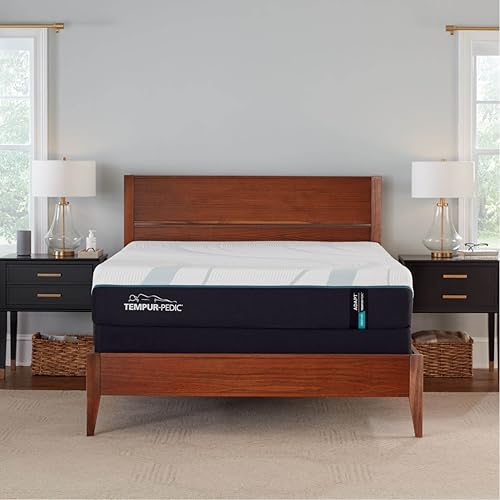
- Whole-body support: Exclusive TEMPUR-Material is designed to provide…
- Pressure relief for aches and pains: Designed to uniquely adapt to your body’s…
- Cool-to-the-touch comfort: The cover features a premium knit technology for a…
Nectar Classic (Luxury Firm)
The Nectra Classic (Luxury Firm) features dual-coil innerspring construction for durable support and spinal alignment. With organic cotton and lumbar zone enhancement, it’s a top pick for combination sleepers who need both bounce and pressure relief.
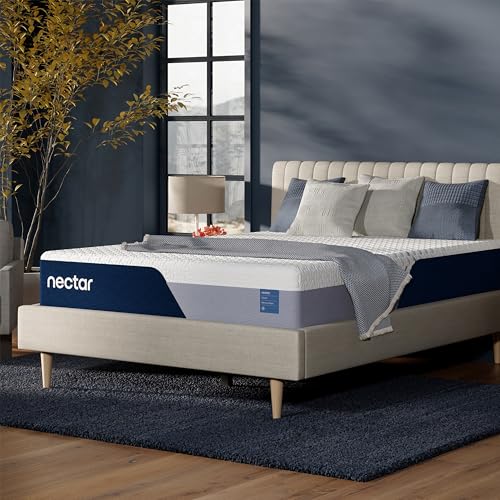
- SIMPLE TO SET UP – Just move the box to the room you want to use it in, unbox…
- THE NECTAR SLEEP SYSTEM – Introducing our signature combination of fabrics and…
- PERFECT SUPPORT FOR ANY POSITION – Whether you’re a side sleeper, back sleeper…
Nectar Premier Hybrid Hybrid 13″ Queen Mattress
For hot sleepers, the Nectar Premier 13″ stands out with its hyper-elastic polymer grid, offering airflow and adaptive support. Its 4-inch grid layer provides superior pressure relief, making it ideal for those with joint pain or restless sleep habits.
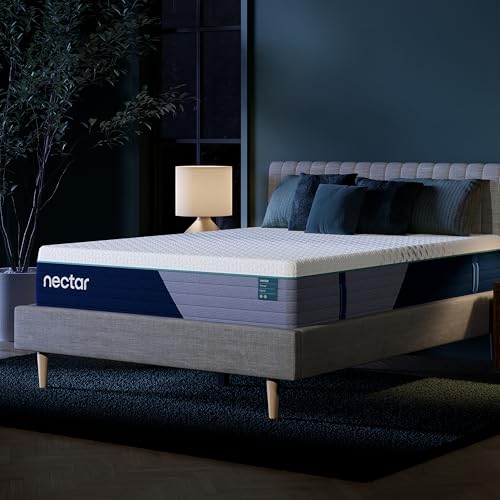
- SIMPLE TO SET UP – Just move the box to the room you want to use it in, unbox…
- 60% MORE COOLING – Step up from our Classic model with even more cooling fibers…
- 2X MORE PRESSURE RELIEF – With an extra inch of contouring memory foam than our…
Mattress Types: Which One Suits Your Sleep Style?
Choosing the right mattress starts with understanding the different types available. Each construction offers unique benefits, and what works for one sleeper may cause discomfort for another.
Innerspring Mattresses: Traditional Support with Bounce
Innerspring mattresses use steel coils as their primary support system, typically wrapped in comfort layers of foam or fiberfill. The Saatva Classic (mentioned earlier) is an excellent example of a modern innerspring design with enhanced lumbar support. These mattresses are ideal for:
- Back and stomach sleepers who need firm support to maintain spinal alignment
- Hot sleepers (coils allow better airflow than solid foam)
- Those who prefer a traditional bouncy feel for ease of movement
A common misconception is that all innerspring mattresses feel the same. In reality, coil gauge (thickness), count, and pocketed vs. continuous designs create vastly different experiences. Higher coil counts (800+) generally offer better contouring.
Memory Foam Mattresses: Pressure Relief and Motion Isolation
Memory foam molds to your body shape, relieving pressure points while minimizing motion transfer—ideal if you sleep with a partner. The TEMPUR-Adapt demonstrates how modern memory foam addresses early complaints about heat retention with:
- Open-cell foam structures for breathability
- Phase-change material covers (like graphite or gel infusions)
- Zoned support layers that keep hips aligned without sinking
Best for side sleepers or those with joint pain, memory foam requires a 30-90 day adjustment period as your body adapts to the slower response time compared to springs.
Hybrid Mattresses: Balanced Performance
Hybrids like the Purple Hybrid Premier 4 combine the best features of innerspring and foam. Their typical construction includes:
- A coil base layer for support and airflow
- Transition foam to prevent the “stuck” feeling of pure memory foam
- A specialty comfort layer (like Purple’s polymer grid or latex)
These work well for combination sleepers who change positions frequently, as they provide both contouring and responsiveness. The coil layer also extends mattress lifespan compared to all-foam designs.
Latex Mattresses: Eco-Friendly and Durable
Though not featured in our top picks, natural latex (like Avocado Green Mattress) offers unique benefits:
- Naturally cooling and antimicrobial (resists dust mites/mold)
- More responsive than memory foam—bounces back instantly
- Exceptionally durable (lasts 15+ years vs. 7-10 for others)
Latex is heavier and more expensive but ideal for allergy sufferers or eco-conscious buyers. Dunlop latex is firmer for support layers, while Talalay works better in comfort layers.
Pro Tip: Your dominant sleep position should guide your choice—side sleepers need softer surfaces (memory foam/latex), back sleepers require medium support (hybrids), and stomach sleepers benefit from firm innersprings to prevent hip sagging.
How to Test a Mattress Before Buying: A Step-by-Step Guide
Selecting the perfect mattress requires hands-on evaluation, yet most shoppers spend less than 5 minutes testing in stores. Follow this professional assessment method to make an informed decision that will impact your sleep for years.
The 15-Minute In-Store Evaluation Protocol
When testing mattresses in person, follow this systematic approach:
- Wear appropriate clothing: Dress in flexible pants and remove shoes/jackets to simulate sleep conditions
- Assume your primary sleep position: Spend 3-5 minutes in each position you use during night
- Check spinal alignment: Have a companion verify your spine remains neutral (no excessive sinking or elevation)
- Test edge support: Sit on the mattress edge – good support shouldn’t compress more than 25%
Most people make the mistake of only lying on their back during tests. For accurate results, recreate your actual sleep behavior including any position changes.
Critical Pressure Point Assessment
Different body types require specific support considerations:
- For shoulder pain: Side sleepers should ensure their shoulder sinks just enough to relieve pressure without causing spinal misalignment
- For hip pain: The mattress should support hips enough to prevent pelvic tilt (a common cause of lower back pain)
- For plus-size individuals: Look for reinforced coil systems (13-15 gauge) or high-density foam (≥4lb/ft³) to prevent excessive sinkage
Use the “hand test” – if you can easily slide your hand under your lumbar area while lying down, the mattress is too firm. If you can’t slide it at all, it’s too soft.
Motion Transfer and Partner Compatibility
For couples, evaluate these often-overlooked factors:
- Have your partner simulate turning while you maintain your position – quality mattresses should isolate at least 80% of movement
- Test the “roll-toward-center” effect by lying near the edge – good edge support prevents the feeling of sliding off
- Consider split-firmness options if you and your partner have significantly different weight profiles (>40lb difference)
Professional Insight: Many high-end stores now offer overnight test programs. If available, take advantage – your body’s first-night reaction often differs from showroom impressions as muscles fully relax.
Online Purchase Considerations
When buying without physical testing:
- Review the brand’s trial period (minimum 90 nights recommended)
- Check return policies – some require keeping the mattress 30+ days for proper break-in
- Look for certifications like CertiPUR-US® that verify material quality claims
Remember that online reviews often reflect initial impressions rather than long-term performance. Focus on detailed reviews that discuss experiences after 6+ months of use.
Mattress Firmness and Support: The Science Behind Optimal Comfort
Understanding mattress firmness requires more than just a “soft-medium-firm” scale. True comfort comes from the precise interaction between support layers and your body’s pressure points.
The Firmness-Support Matrix
| Sleep Position | Ideal Firmness Level | Required Support Features | Common Mistakes |
|---|---|---|---|
| Side Sleepers | Medium-Soft (4-6 on 10-point scale) | Shoulder relief zone, reinforced hip support | Choosing too firm, causing shoulder compression |
| Back Sleepers | Medium-Firm (6-7) | Lumbar reinforcement, even surface support | Opting for too soft, leading to spinal misalignment |
| Stomach Sleepers | Firm (7-8) | High-density base layer, minimal contouring | Using medium mattresses causing lower back strain |
| Combination Sleepers | Medium (5-6) | Responsive transition layers, balanced support | Choosing specialty mattresses limiting position changes |
Pressure Mapping Technology Explained
Modern mattress manufacturers use pressure mapping systems that reveal exactly how your body interacts with sleep surfaces:
- High-pressure zones (red/orange on maps) indicate areas needing more give
- Low-pressure zones (blue/green) show proper support regions
- Ideal distribution shows even dispersion without concentrated spots
Many premium mattress stores now offer pressure mapping demonstrations. For example, Tempur-Pedic’s diagnostic tools can identify if you’re experiencing >40mmHg pressure on shoulders (the threshold for discomfort).
Weight-Based Support Calculations
Your body weight dramatically affects how a mattress performs. Use these professional guidelines:
- Under 130lbs: Opt for softer mattresses (3-5 firmness) to allow proper contouring
- 130-230lbs: Medium-firm (5-7) provides optimal support without excessive sinkage
- Over 230lbs: Firm (7-9) with reinforced coil systems or HD foam prevents bottoming out
The “quarter test” helps verify proper support – when lying on your back, another person should barely be able to slide a flat hand under your lumbar region.
Advanced Material Considerations
Beyond basic foam and coils, modern mattresses incorporate specialized support systems:
- Zoned support coils: Varying coil tension in lumbar/shoulder regions (like Beautyrest Black’s TriTech™ system)
- Variable foam density: Higher density (≥2.8lb/ft³) in center third for heavier torso support
- Progressive base layers: Multi-layer transition systems that respond differently to various body parts
Expert Tip: The “break-in period” myth often confuses shoppers. While materials do soften slightly, fundamental support characteristics shouldn’t change dramatically after 30 days. Significant changes indicate poor quality materials.
Mattress Maintenance and Longevity: Expert Care Strategies
Proper mattress maintenance can extend its lifespan by 3-5 years while preserving optimal support and hygiene. Most consumers neglect these professional care techniques, leading to premature sagging and material breakdown.
The 90-Day Rotation Protocol
Strategic rotation prevents uneven wear patterns that compromise support:
- First 90 days: Rotate 180° every 2 weeks to evenly break-in materials
- Months 4-12: Rotate 180° every 3 months to maintain even wear
- Year 2 onward: Rotate 180° seasonally (4 times/year)
For double-sided mattresses, flip and rotate every 6 months. Modern one-sided designs require only rotation – check manufacturer labels to confirm.
Advanced Cleaning Techniques
Different mattress types require specialized cleaning approaches:
| Stain Type | Memory Foam | Innerspring | Latex |
|---|---|---|---|
| Body Oils | Baking soda + vacuum (never wet clean) | Mild detergent + damp cloth | Vinegar solution (1:3 ratio) |
| Perspiration | Enzyme cleaner for protein breakdown | Hydrogen peroxide (3%) spot treatment | Lemon juice + salt paste |
| Liquid Spills | Cornstarch absorption (24hrs) | Wet/dry vacuum extraction | Blotting with microfiber only |
Critical Warning: Never steam clean memory foam – heat permanently damages viscoelastic properties. For deep cleaning, professional dry cleaning services using CO2 methods are safest.
Foundation and Support System Requirements
Proper base support affects mattress performance and warranty compliance:
- Slatted bases: Maximum 3″ gap between slats (2.75″ for premium brands)
- Box springs: Must match mattress type (low-profile for hybrids, rigid for memory foam)
- Adjustable bases: Verify compatibility – most memory foam works up to 45° incline
Use a straightedge to check foundation integrity annually – >1/2″ sag voids most warranties. Consider reinforced center supports for queen+ sizes.
Humidity and Climate Control
Ideal conditions for mattress preservation:
- Maintain 40-50% relative humidity (use hygrometers)
- Allow 1″ air gap between mattress and walls
- Use breathable protectors (≥250 thread count cotton)
- In humid climates, run dehumidifiers 2-3 hours daily
Professional Insight: The “mattress protector paradox” – while essential for hygiene, low-quality protectors can trap heat and moisture. Invest in protectors with verified breathability ratings (>50 CFM airflow).
Performance Monitoring
Conduct biannual evaluations using these metrics:
- Measure sag depth with straightedge – >1.5″ indicates replacement needed
- Check edge support by sitting – >30% compression suggests structural failure
- Assess motion transfer with water glass test – significant movement signals material breakdown
Most premium mattresses show noticeable performance decline at 7-8 years, even if surface appears intact. Budget models often degrade in 3-5 years.
Mattress Materials and Health Considerations: A Comprehensive Safety Guide
Modern mattress materials involve complex chemical compositions that impact indoor air quality and long-term health. Understanding these factors is crucial for making informed, safe choices.
Material Safety Certifications Decoded
| Certification | What It Covers | Key Benefits | Brands That Use It |
|---|---|---|---|
| CertiPUR-US® | Foam emissions (VOCs < 0.5 ppm) | No ozone depleters, heavy metals, or PBDE flame retardants | Tempur-Pedic, Sealy, Purple |
| OEKO-TEX® Standard 100 | Textile safety (300+ substances tested) | No allergenic dyes or harmful pesticides | Avocado, Brentwood Home |
| GREENGUARD Gold | Ultra-low chemical emissions | Safe for sensitive individuals (asthma/chemical sensitivity) | Saatva, Naturepedic |
Critical Insight: Certifications have tiered levels – for example, OEKO-TEX® Class 1 (for baby products) is stricter than Class 4 (furniture textiles). Always verify which class applies.
Flame Retardant Technologies Compared
All mattresses must meet federal flammability standards, but compliance methods vary significantly:
- Barrier methods: Wool or silica-infused fabrics (safest option)
- Chemical treatments: Often contain boric acid or antimony trioxide
- Inherent resistance: Some latex and high-density foams meet standards without additives
California’s TB117-2013 standard is the strictest – mattresses meeting this typically use safer alternatives to traditional flame retardants.
Off-Gassing: Myths vs Reality
The off-gassing process releases volatile organic compounds (VOCs) from new mattresses:
- Initial phase: Strong odor lasting 24-72 hours (harmless for most people)
- Subsiding phase: Low-level emissions continuing for 2-4 weeks
- Residual phase: Trace emissions up to 6 months in cheaper models
Accelerate off-gassing by:
- Unwrapping immediately in well-ventilated space
- Using air purifiers with activated carbon filters
- Maintaining room temperature at 68-72°F
Hypoallergenic Material Options
For allergy sufferers, these materials offer superior performance:
- Natural latex: Naturally resistant to dust mites and mold (look for GOLS certification)
- Organic cotton: GOTS-certified ensures no pesticide residues
- Wool: Creates inhospitable environment for microbes (needs 1″ minimum thickness)
Professional Tip: Many “hypoallergenic” claims are unregulated. Verify materials actually contact your body – a thin organic cover over conventional foam provides minimal benefit.
Emerging Eco-Friendly Materials
The sustainable mattress market is evolving with innovative options:
- Plant-based foams: Soy/castor oil blends (30-40% bio-content)
- Recycled materials: Ocean plastics transformed into support fibers
- Mycelium bases: Mushroom root structures as natural fire barriers
These alternatives typically cost 15-30% more but offer improved end-of-life recyclability compared to traditional materials.
Future Trend: Look for mattresses with Environmental Product Declarations (EPDs) that provide full lifecycle analysis – the next standard in transparency.
Mattress Selection for Special Conditions: Medical and Lifestyle Considerations
Certain health conditions and lifestyle factors require specialized mattress features beyond standard recommendations. Understanding these nuanced requirements ensures optimal sleep quality and therapeutic benefits.
Chronic Pain Management Solutions
Different pain conditions demand specific mattress characteristics:
| Condition | Ideal Mattress Type | Critical Features | To Avoid |
|---|---|---|---|
| Fibromyalgia | Memory foam or latex hybrid | Pressure-relieving surface with medium-firm support (5-6 firmness) | Overly soft mattresses causing improper alignment |
| Arthritis | Adjustable air mattress | Customizable firmness zones, easy-to-use controls | Traditional innerspring with motion transfer |
| Sciatica | Zoned support hybrid | Reinforced lumbar section, medium-firm feel | Memory foam without adequate support layers |
Clinical Insight: The American Chiropractic Association recommends mattresses that keep the spine in neutral alignment while allowing shoulders/hips to sink slightly (1-2 inches for side sleepers).
Temperature Regulation Technologies
For hot sleepers or menopause sufferers, advanced cooling systems vary significantly:
- Phase-change materials: Absorb heat at 88°F (optimal for night sweats)
- Gel-infused foams: Provide initial coolness but lose effectiveness over time
- Copper-infused covers: Offer antimicrobial benefits plus heat dissipation
- Breathable latex: Natural open-cell structure promotes airflow
Performance Note: True cooling mattresses maintain surface temperature within 2°F of room temperature, while standard mattresses can be 10-15°F warmer.
Bariatric Support Requirements
For individuals over 300lbs, specialized construction is essential:
- Coil systems: 12-13 gauge coils with reinforced edges (800+ coil count)
- Foam density: Minimum 2.5lb/ft³ comfort layers, 4lb/ft³ base foam
- Foundation: Heavy-duty platform with center support (no box spring)
- Warranty: Verify weight limits (many standard warranties void >250lbs)
Brands like Big Fig and Titan specialize in mattresses supporting up to 500lbs with reinforced designs.
Pregnancy Sleep Solutions
Expectant mothers require evolving support through trimesters:
- First trimester: Medium-firm hybrid for nausea-related position changes
- Second trimester: Added pillow top layer for growing pressure points
- Third trimester: Adjustable base with 30-45° incline for reflux relief
Side sleeping becomes crucial after 20 weeks – look for mattresses with shoulder relief zones and hip support pockets.
Post-Surgical Recovery Needs
After major surgeries, these features aid recovery:
- Low-friction surfaces: Ease position changes (important after joint replacements)
- Micro-adjustable firmness: Air chambers allow daily comfort tuning
- Anti-microbial protection: Silver-infused fabrics reduce infection risk
Medical Tip: Many physical therapists recommend temporary mattress toppers rather than new mattresses for short-term recovery needs (6-12 weeks).
Couples With Divergent Needs
Solutions for partners with different requirements:
- Dual-firmness designs: Split king configurations with different firmness levels
- Hybrid zoning: Targeted support areas for each sleeping position
- Motion isolation: Memory foam or latex minimizes disturbance
Some premium brands offer mattresses with independently adjustable sides using air chambers or interchangeable comfort layers.
Mattress Investment Strategies: Cost vs. Value Analysis and Long-Term Planning
Purchasing a mattress represents a significant financial decision that impacts sleep quality for years. This comprehensive analysis breaks down the true cost of ownership across all price tiers.
Price Tier Performance Breakdown
| Price Range | Expected Lifespan | Annual Cost | Key Components | Best For |
|---|---|---|---|---|
| $300-$800 | 4-6 years | $50-$133/year | Basic memory foam or entry-level hybrids | Temporary situations, guest rooms |
| $800-$1,800 | 7-10 years | $90-$257/year | High-density foams, pocketed coils, cooling tech | Primary sleepers wanting value |
| $1,800-$3,500 | 10-15 years | $120-$350/year | Advanced materials, zoning, premium edge support | Couples, chronic pain sufferers |
| $3,500+ | 15-20 years | $175-$233/year | Medical-grade materials, customization | Special needs, luxury buyers |
Financial Insight: The $1,800-$2,200 range offers optimal cost-per-year value, with premium materials that don’t carry luxury brand markups.
Warranty Analysis and Protection Plans
Understanding warranty fine print prevents costly surprises:
- Pro-rated clauses: Many reduce coverage by 10% annually after year 3
- Sag thresholds: Most require ≥1.5″ depression (measured without sheets)
- Foundation requirements: 80% of claims get denied for improper support
Extended protection plans often duplicate existing warranty coverage – carefully compare terms before purchasing.
Seasonal Buying Strategies
Retail patterns create optimal purchase windows:
- January-February: Post-holiday clearance of previous year’s models (15-30% off)
- May-June: Memorial Day sales with bundle deals (mattress + adjustable base)
- September-October: Labor Day and new model releases (old stock discounts)
Online retailers typically offer better year-round pricing, but brick-and-mortar stores provide negotiation opportunities on floor models.
Total Cost of Ownership Factors
Beyond purchase price, consider these often-overlooked expenses:
- Foundation upgrades: $150-$600 for proper support
- Protectors/pads: $50-$200 for quality moisture barriers
- Disposal fees: $50-$150 for old mattress removal
- Climate control: Increased HVAC costs if mattress affects sleep temperature
Hidden Value: High-end mattresses often include white-glove delivery and old mattress removal – factor these services into price comparisons.
Resale and Recycling Options
Eco-conscious disposal methods:
- Mattress recycling: 85-90% of materials can be reclaimed (foam, steel, fibers)
- Charity donations: Many organizations refurbish quality used mattresses
- Upcycling: Creative reuse of coils for furniture projects
Some states mandate free recycling – check local regulations before paying disposal fees.
Future-Proofing Your Investment
Ensure your mattress adapts to changing needs:
- Modular designs: Allow firmness adjustments via replaceable layers
- Convertible foundations: Standard frames that accommodate future adjustable bases
- Warranty transferability: Important if planning to move within 5 years
Expert Recommendation: Allocate 1-1.5% of your home’s value to mattress investment – this aligns sleep quality with your largest financial asset.
Conclusion: Your Path to Perfect Sleep Starts Here
Choosing the perfect mattress requires careful consideration of your sleep position, body type, health needs, and budget. From understanding different mattress types and firmness levels to evaluating materials and long-term value, we’ve covered all the essential factors to guide your decision. Remember that investing in quality sleep is investing in your overall health and wellbeing.
Take action today: Use this comprehensive guide to test mattresses properly, ask retailers informed questions, and select a bed that will provide restful sleep for years to come. Your future well-rested self will thank you for taking the time to make this important decision wisely.
Frequently Asked Questions About Choosing the Perfect Mattress
What’s the most important factor when choosing a mattress?
Your primary sleep position should dictate your mattress choice more than any other factor. Side sleepers need pressure relief (memory foam or latex), back sleepers require medium-firm support (hybrids), and stomach sleepers need firm surfaces (innerspring).
However, body weight also plays a crucial role – heavier individuals (>230lbs) typically need firmer options regardless of sleep position to prevent excessive sinkage.
How often should I replace my mattress?
Most quality mattresses last 7-10 years, but watch for these signs you need replacement: visible sagging >1.5 inches, increased morning stiffness, or if you sleep better elsewhere.
Premium models (latex/high-end hybrids) may last 12-15 years with proper care. Budget mattresses often degrade in 5-7 years. Rotating your mattress quarterly can extend its lifespan by 2-3 years.
Is a firm mattress always better for back pain?
This is a common misconception. While very soft mattresses can worsen back pain, overly firm surfaces prevent proper spinal alignment.
The ideal mattress keeps your spine neutral while allowing shoulders/hips to sink slightly (about 1-2 inches for side sleepers). Medium-firm (5-7 on firmness scale) with zoned support often works best for chronic back pain sufferers.
How can I test a mattress effectively in a store?
Follow this professional testing protocol: Wear comfortable clothes, spend 10-15 minutes testing (not just 2-3 minutes), try all sleeping positions you use at night, and bring your pillow.
Check edge support by sitting on the side, and have a partner observe your spinal alignment. Many high-end stores now offer overnight test programs – take advantage if available.
Are expensive mattresses worth the investment?
While $3,000+ luxury mattresses aren’t necessary for everyone, investing $1,200-$2,000 typically provides the best value. This range gets you high-density foams, durable coil systems, and advanced cooling technologies that significantly outlast budget options.
Calculate cost-per-year – a $1,800 mattress lasting 10 years ($180/year) often beats a $600 mattress replaced every 5 years ($120/year).
What’s better for couples: memory foam or hybrid?
Hybrid mattresses generally work better for couples because they combine motion isolation (from foam layers) with responsiveness (from coils) that makes intimacy easier.
Look for models with pocketed coils and at least 3″ of comfort foam. If partners have different needs, consider split-firmness options or customizable air mattresses that allow each side to adjust independently.
How do I know if my mattress is causing poor sleep?
Key indicators include: waking up with stiffness/pain that improves after moving around, sleeping better when traveling, and noticing visible body impressions on the mattress.
Track your sleep for 2 weeks – if you average >30 minutes to fall asleep or wake frequently, your mattress may be the culprit. Pressure mapping tests at sleep clinics can provide definitive answers.
Are mattress toppers effective for fixing an uncomfortable bed?
Toppers can temporarily improve comfort (2-3 years max) but can’t fix structural issues. For sagging >1 inch or springs poking through, replacement is needed.
When choosing a topper: 2-3″ thickness works best, memory foam helps pressure points, and latex adds firmness. Ensure your mattress warranty allows toppers – some void coverage if damage occurs while using one.